
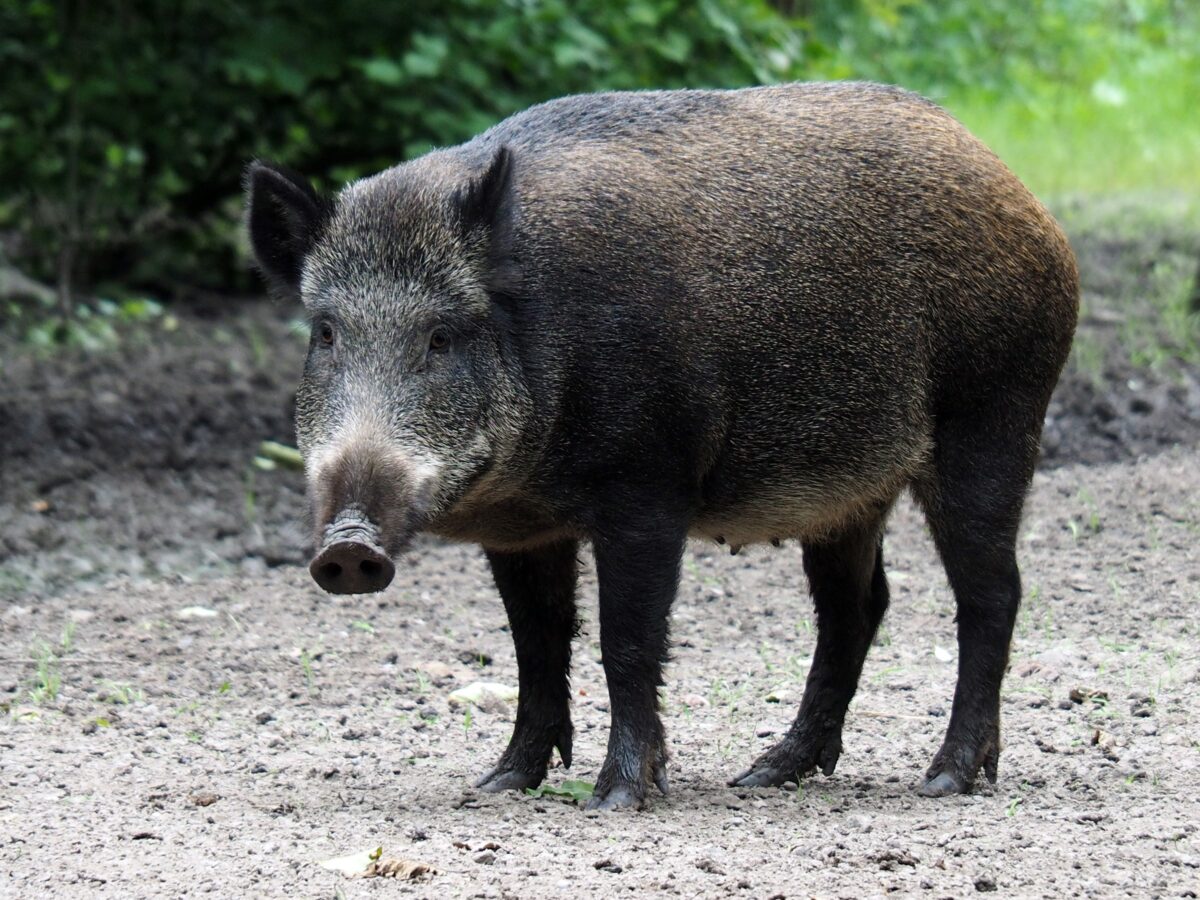
The first time you see a wild hog tearing up a lawn, it doesn’t look real. It feels like watching a slow-motion car crash in your own backyard: grass ripped up like carpet, soil overturned, fences bent, maybe pets going crazy. And behind that chaos is an animal that’s stronger, faster, and far less predictable than most people realize.
Wild hogs are not just “big pigs in the wrong place.” They can be aggressive, they carry diseases, and they cause serious property damage in a shockingly short time. When they show up on your land, what you do in the next few minutes can shape what happens next: a harmless exit, or a dangerous confrontation. Let’s walk through the seven things you should absolutely never do when wild hogs make an unwelcome appearance.
1. Never Approach Them to “Chase Them Off Yourself”
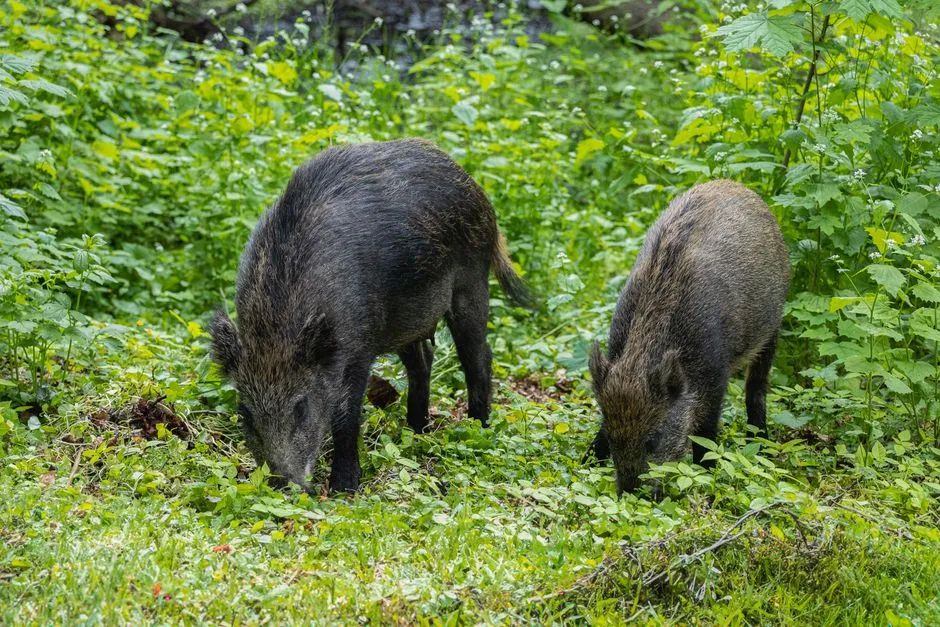
It’s tempting to think you can just wave your arms, shout, and scare hogs away like you would with a stray dog. That’s a dangerous assumption. Wild hogs are powerful, heavily muscled animals with sharp tusks, quick reflexes, and an unpredictable fear-aggression response. If they feel cornered, threatened, or separated from their group, they may charge instead of flee.
Walking closer, throwing things, or trying to drive them off on foot can quickly flip the situation from annoying to life-threatening. Think of it like walking toward a loaded shopping cart rolling downhill – you may believe you can stop it, but once it picks up speed, you’re no longer in control. Keep your distance, move calmly away, and let professionals handle any direct contact or removal.
2. Never Let Children or Pets Get Anywhere Near Them
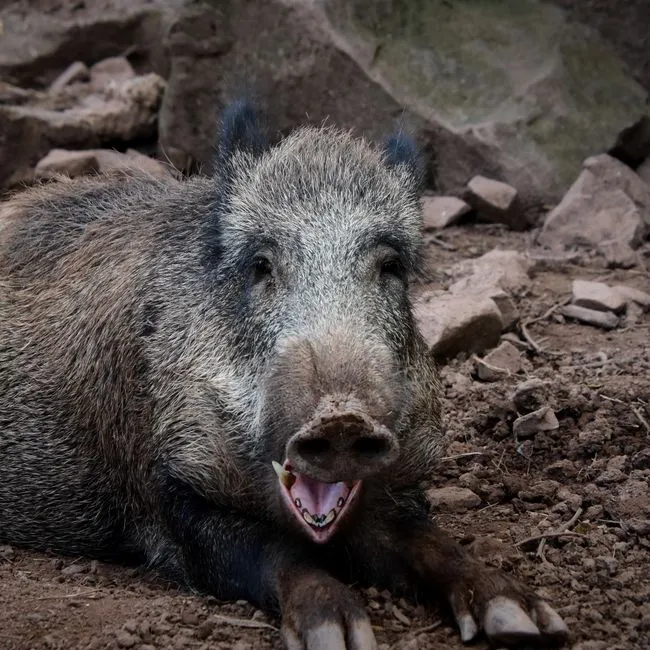
Children and pets usually react to wild hogs with pure curiosity or excitement, which is exactly what you don’t want. A dog barking and rushing a hog can trigger a defensive or territorial reaction, and the hog will almost always be stronger, lower to the ground, and far better built for a short, violent fight. A single swipe or charge can cause serious injuries in seconds.
Likewise, kids may see a wild hog and think it’s just a big, weird farm animal, not a serious threat. Allowing them to watch from too close, or worse, approach for a better look, is a huge mistake. As soon as you realize hogs are on your property, your first move should be to get every child and pet indoors or into a secure, enclosed area. Clear separation turns a chaotic, high-risk moment into one you can actually manage.
3. Never Try to Feed, Lure, or “Make Friends” With Them
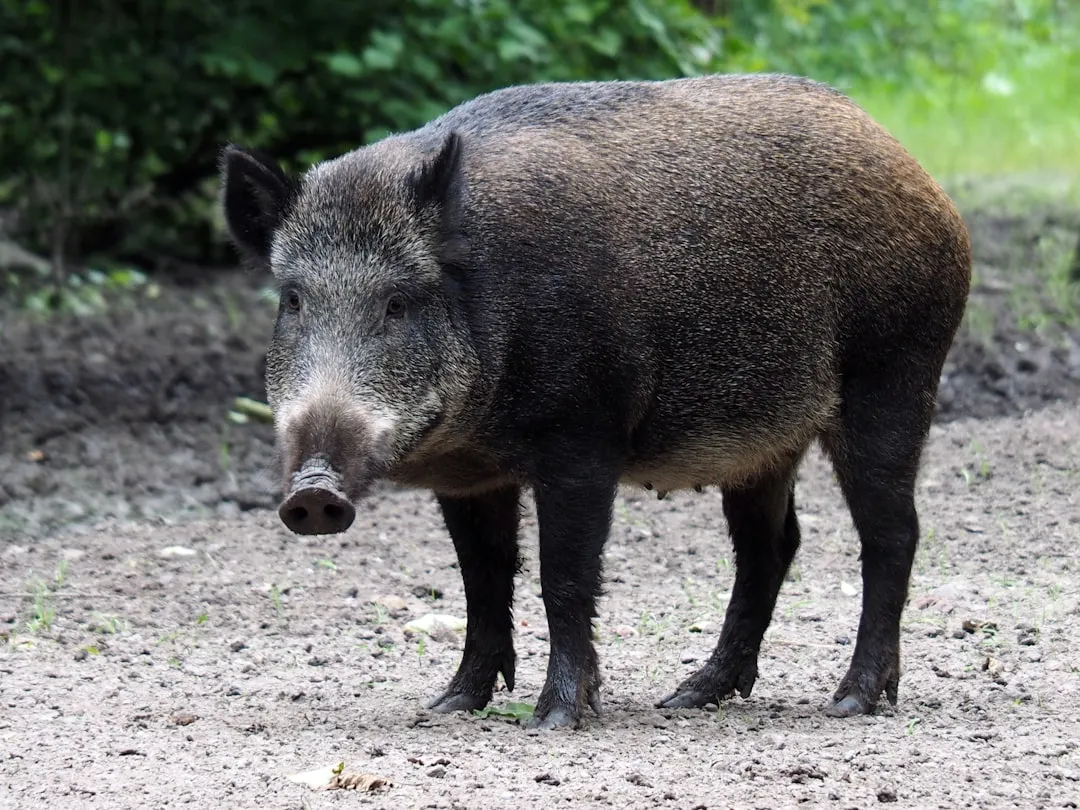
Some people think tossing food will distract hogs long enough to keep them calm or encourage them to leave an area. In reality, feeding them trains them to associate your property with easy resources, making them more likely to come back. Regular food sources turn occasional visitors into repeat offenders, and it gets harder to deter them each time they return.
Even worse, hogs can become bolder and less fearful once they learn that humans mean food instead of danger. It’s a bit like encouraging raccoons to eat from your hand, except these animals are heavier, stronger, and far more capable of damaging property, crops, and even livestock. If hogs have found your place, the last thing you want is to turn your land into their favorite drive‑through.
4. Never Corner a Hog or Block Its Escape Routes
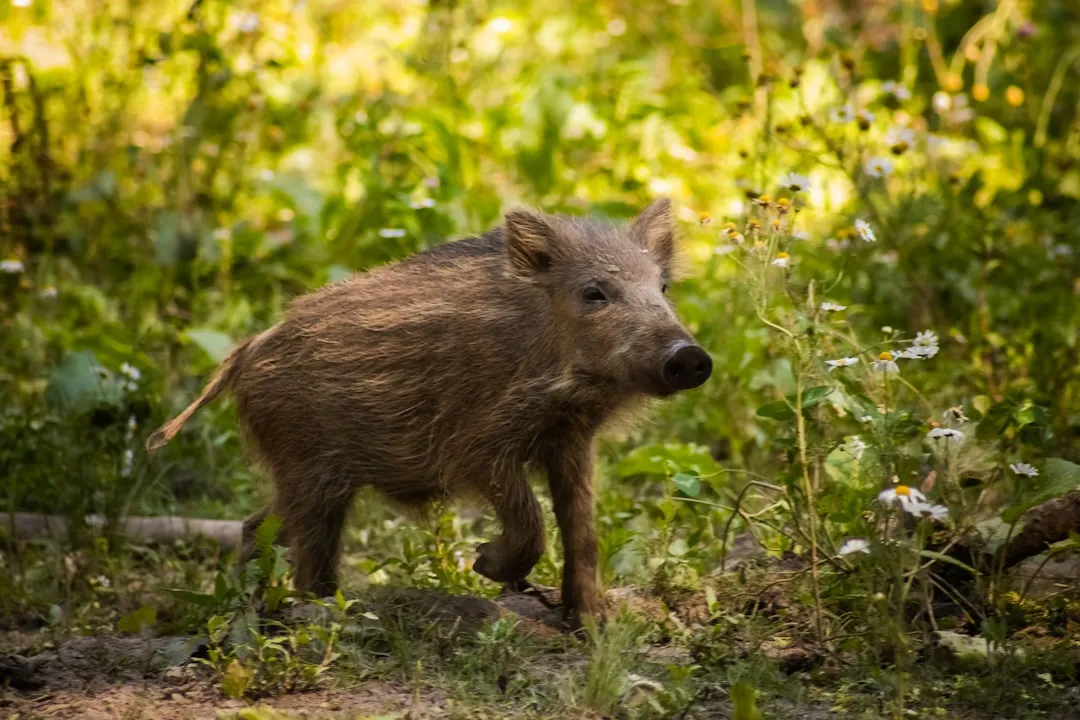
When people see wild hogs near a fence line or in a smaller area, they sometimes try to trap them by standing in the way or closing gates nearby. That might sound smart in theory, but cornered hogs are far more dangerous than ones that have space to run. An animal that feels trapped will fight with everything it has, and wild hogs have a lot to work with.
Instead of boxing them in, give them clear, open paths to leave your space. Move calmly, avoid sudden movements, and keep buildings, vehicles, and your own body from cutting off their exit. Think of yourself less like security trying to pin down a suspect and more like a traffic cone guiding vehicles away from a hazard. The easier you make it for hogs to exit, the less likely they are to panic and charge.
5. Never Start Firing Shots Without a Plan or Legal Clarity
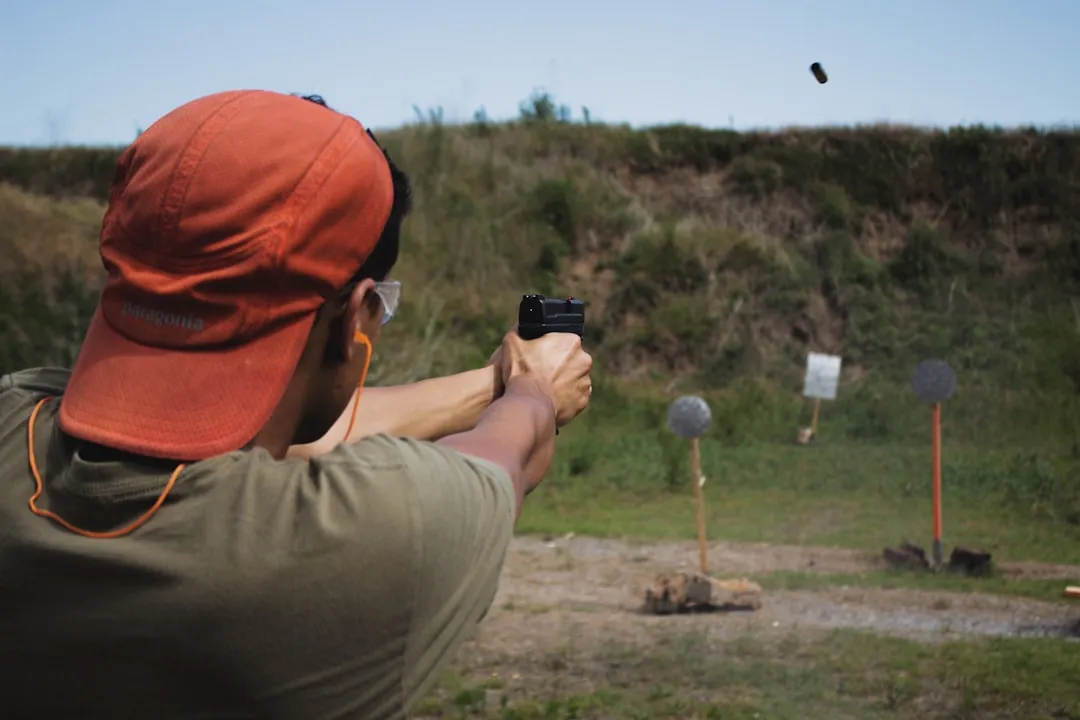
For property owners in rural or semi‑rural areas, the first reaction might be to grab a firearm. But pulling a trigger in the heat of the moment, without a clear backstop, awareness of what’s beyond your line of fire, or knowledge of local laws, can create a disaster much worse than torn-up grass. Stray bullets, ricochets, and poor visibility at dawn or dusk can put neighbors, family members, and even yourself at huge risk.
On top of safety concerns, regulations about hunting, discharging firearms, and dealing with invasive species vary from place to place. Acting first and Googling later is a bad strategy when the stakes include fines, legal trouble, or injuries. If lethal control is on the table, it should be handled with a clear plan, correct equipment, proper training, and as often as possible, with the help of professionals who do this routinely and know the rules.
6. Never Ignore the Damage or Signs They Were There
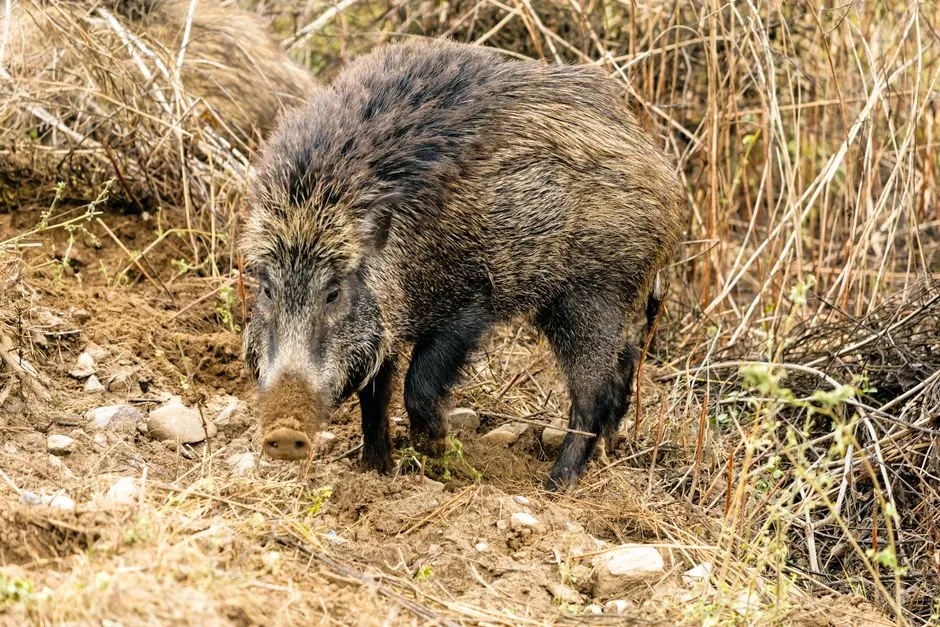
After hogs finally leave, it’s easy to sigh with relief and move on, especially if they visited at night and you only see the aftermath in the morning. But torn-up soil, rooting pits, broken fences, and wallows are not just cosmetic problems – they’re warning signs that your property is now on their mental map. If you do nothing, there’s a good chance they will come back, sometimes with more animals in tow.
This is the moment to act thoughtfully, not later. Document damage, check fences, inspect watering areas, and note where they entered and exited. Then you can start tightening up attractants: secure trash, remove easy food sources, protect crops, shore up fencing, and reach out to local wildlife agencies or hog control services. Treat those first signs like a smoke alarm going off, not a one‑time inconvenience.
7. Never Handle Carcasses, Blood, or Contaminated Areas Carelessly
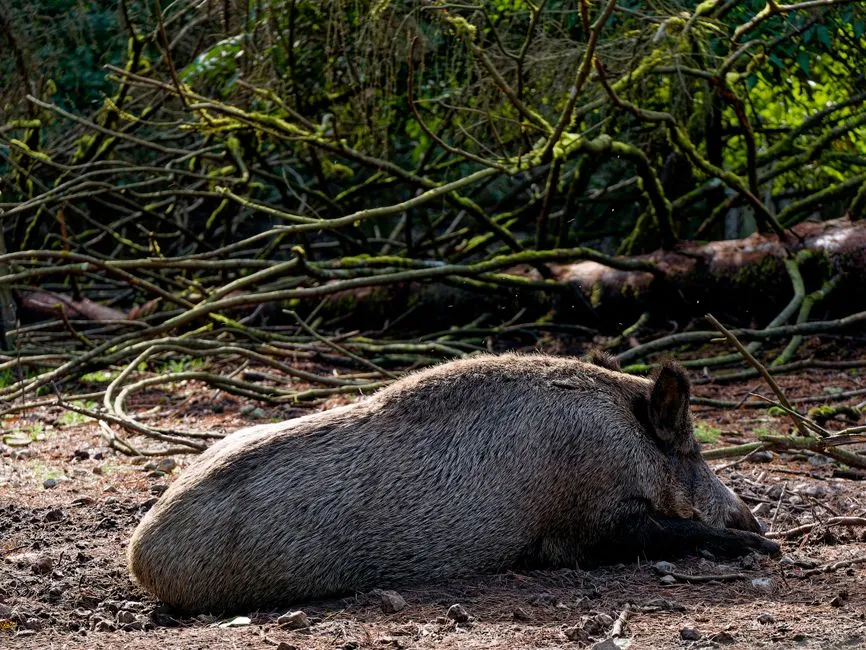
If a hog is injured or killed on your property, the danger does not end when the animal stops moving. Wild hogs can carry a range of diseases and parasites that can affect humans, pets, livestock, and wildlife. Handling carcasses without proper protection, leaving remains in places where dogs, scavengers, or livestock can access them, or failing to clean tools and surfaces afterward all add unnecessary risk.
Treat any contact with hog bodily fluids, soil around a carcass, or contaminated water sources with serious caution. Use gloves, avoid direct contact, and keep pets away from the site. If you are not experienced in disposal or unsure what is safe and legal in your area, this is another clear scenario where professional help is worth more than the guesswork. Respecting the health risks is just as important as respecting the animal’s strength.
Conclusion: Wild Hogs Demand Respect, Not Panic
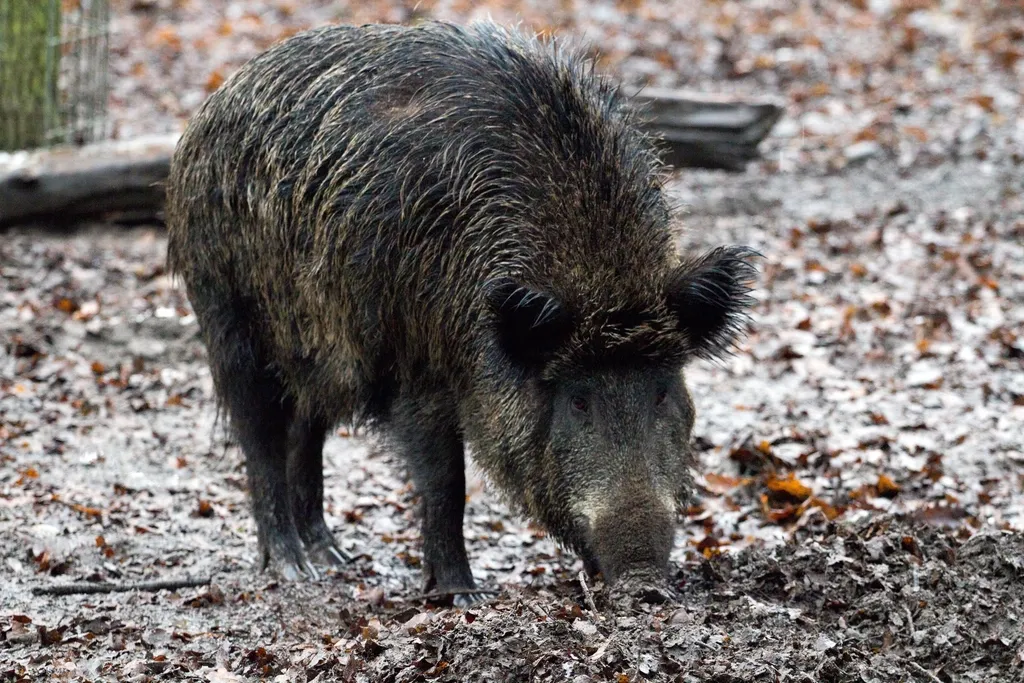
When wild hogs show up on your property, the worst mistakes almost always come from panic, bravado, or denial. Trying to scare them off up close, letting kids or pets join the chaos, cornering them, firing wildly, or shrugging off the aftermath all come from underestimating what you are really dealing with. These animals are invasive, destructive, and potentially dangerous, but they are also predictable enough that calm, informed decisions can dramatically lower the risk.
In my view, the smartest property owners are not the ones who boast about taking on hogs head‑on, but the ones who quietly put safety first, call in help when needed, and adapt their land so it’s harder for hogs to exploit. You do not have to turn your home into a fortress, but you do need to treat wild hogs as serious business, not a backyard curiosity. The next time you hear rustling in the dark and see those shapes by the fence line, will you react on impulse – or remember what never to do?
