

Picture this: somewhere in a lab, a scientist tickles a rat, and the rat actually laughs. Not in the cartoon way, not with a squeaky giggle you can hear, but in high-pitched bursts of sound way above what your ears can pick up. It sounds like science fiction, but it is very real, and it quietly rewrites how we think about animal minds and emotions. Once you realize rats are laughing just out of our hearing range, it becomes hard not to wonder what else is going on in the world that we simply never notice.
I still remember the first time I came across the studies on rat laughter: I had to reread the summary because I instinctively assumed it was some playful exaggeration. But the more I dug in, the more it felt like someone had turned up the emotional volume on the animal world. This is not just a cute side fact for trivia night. Hidden rat laughter forces us to confront a bigger question: if animals are joking and playing and maybe even bonding in ways we cannot hear, how much of their inner lives have we been missing all along?
Rats Really Do Laugh – We Just Needed the Right Ears
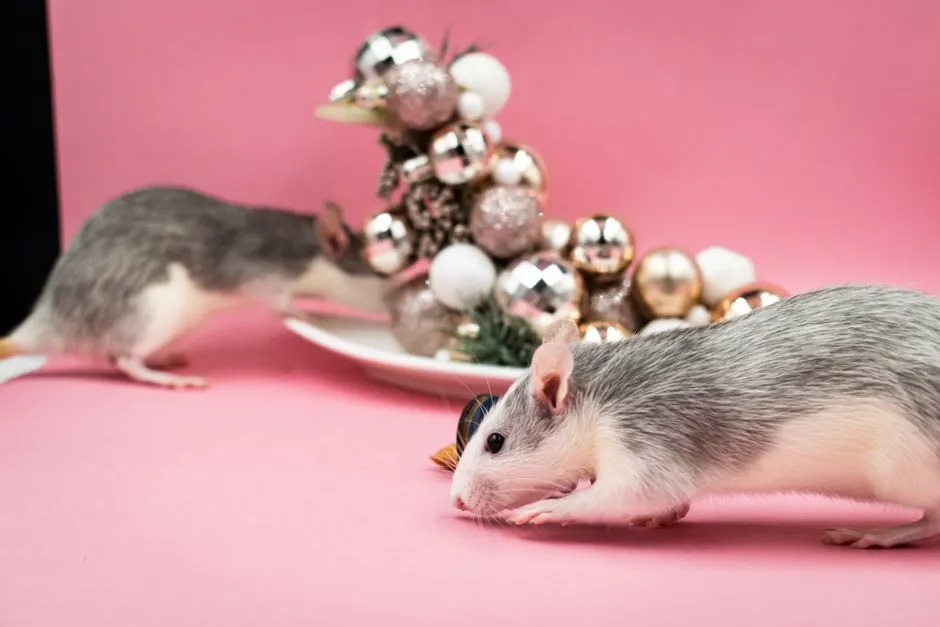
Here is the wild part: rats produce high-frequency chirps when they are playing or being tickled, and those sounds function very much like laughter. The catch is that most of these calls happen in the ultrasonic range, far above what the human ear can detect. To us, a playful rat might look active and wriggly but seem completely silent; to another rat, the air is buzzing with excited, happy signals.
Scientists only started picking this up once they began recording rats with sensitive microphones and then slowing the audio down so we could hear it. Suddenly, what had looked like random squeaks and movements turned into a pattern: specific, rapid bursts of sound coming reliably in fun, positive situations. It is almost like discovering that your pets have been whispering jokes to each other in a language you did not know existed.
Why Rats Laugh in Ultrasonic Frequencies
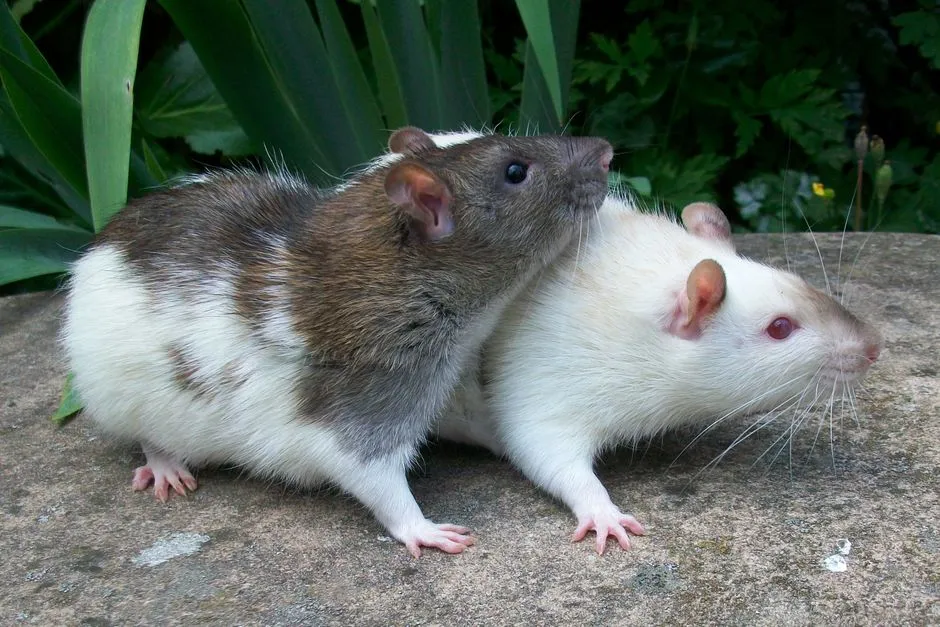
Rats do not use these high-pitched sounds to annoy us; they evolved them for their own social world. Ultrasonic calls can be a handy way for small animals to communicate quickly and clearly with each other while staying less obvious to predators that may not hear as well at those frequencies. For a tiny animal low on the food chain, having a “private” sound channel can be a real survival advantage.
There is also a physical side to it: rats are small, and smaller animals tend to produce higher-frequency sounds because of how their vocal structures and bodies are built. So these laugh-like chirps are not some mysteriously chosen code; they are a natural fit for rat anatomy and lifestyle. In a sense, rats are simply laughing in the pitch range their bodies were designed for, and it just happens to fall outside our sense limits.
Tickling Experiments: When Science Looks Surprisingly Wholesome

One of the most charming pieces of this story is how scientists confirmed that these ultrasonic chirps really do signal something like joy. Researchers literally tickled rats, usually on the nape or belly, and the rats responded with bursts of high-frequency calls. Even more telling, many rats actively sought out the scientist’s hand for more tickling, a pretty strong hint that they were enjoying the whole thing and not just tolerating it.
What stands out to me is how playful this research looks on the surface and how serious it is underneath. Tickle sessions became a controlled way to study positive emotions in a non-human animal, something that is notoriously hard to measure. It is a strange blend of cute and profound: a gloved hand, a laughing rat, and behind it all, a careful scientific attempt to map what happiness might sound like in another species.
Rat Laughter as a Window Into Emotion and Personality
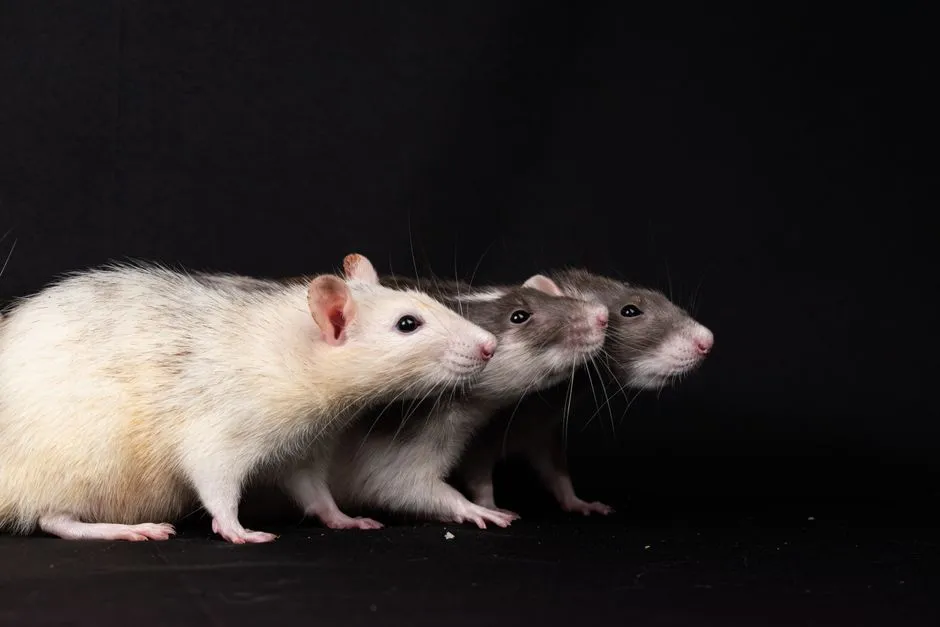
Once researchers started counting these laughter-like calls, they noticed patterns that went beyond a simple on-or-off response. Some rats chirped more readily and more intensely during play and tickling, while others were quieter and less responsive. That hints at something that looks suspiciously like individual personality differences, not just a basic reflex hardwired the same way in every animal.
In ordinary language, it is tempting to say some rats are just “more fun” than others. Of course, scientists are careful with that kind of phrasing, but the trend is still there: some rats behave like social extroverts that love interaction and tickling, while others act more reserved. Rat laughter, then, is not just about proving that animals can experience something like joy; it nudges us toward seeing them as individuals with their own tendencies and emotional styles.
Rethinking What Makes a Life ‘Simple’ or ‘Complex’
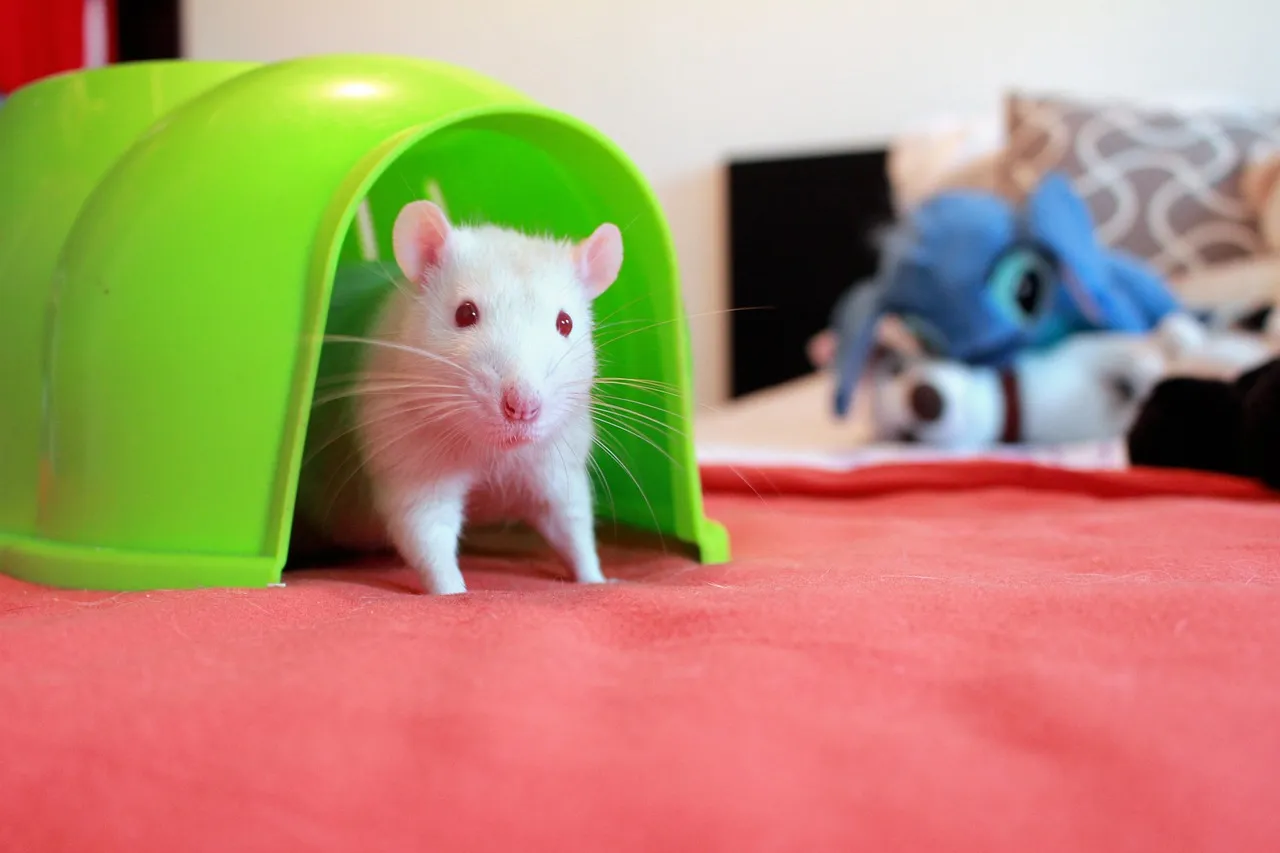
A lot of people still see rats as almost the bottom rung of the emotional ladder: pests, lab tools, symbols of dirt and disease. The existence of ultrasonic laughter crashes straight into that stereotype. If an animal can seek out play, respond to tickling, and signal enjoyment to its friends in a specific way, calling its life “simple” starts to feel more like a convenient excuse than an honest description.
To me, this is where the science bites a little. The more we learn about how rats communicate and feel, the harder it is to put them in the mental box of disposable creatures. If even a rat’s social world is rich enough to include inside jokes our ears never hear, how many other animals are running quiet, complex lives just outside our perception? The uncomfortable truth is that our sense organs define our reality more than we like to admit, and rat laughter is a sharp reminder of that blind spot.
From Lab Bench to Living Room: What This Means for Pet Rats
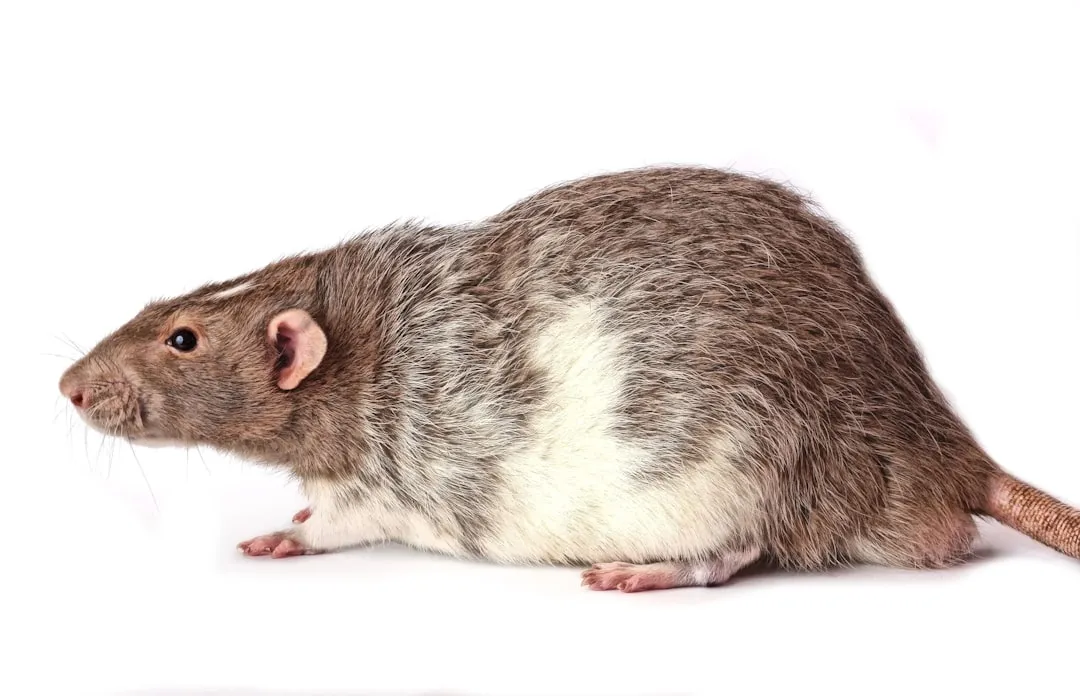
If you share your home with pet rats, their hidden laughter changes how you look at playtime. You may never hear their high-pitched giggles, but that does not mean they are not happening whenever you offer a climbing challenge, a playful chase, or gentle handling they have learned to trust. Instead of imagining your rat as a quiet little shadow, you can picture a whole invisible soundtrack of excited calls filling the space.
It also raises the bar for how we care for them. Knowing that rats can feel playful joy and seek out positive interaction makes it hard to justify keeping them bored and isolated in bare cages. They are not tiny robots running on instinct alone; they are social animals capable of a kind of happiness that is just as real as ours, even if it sounds different. Emotionally, that is a big responsibility: once you know they laugh, you cannot un-know it.
Hidden Laughter and the Ethics of How We Treat Animals
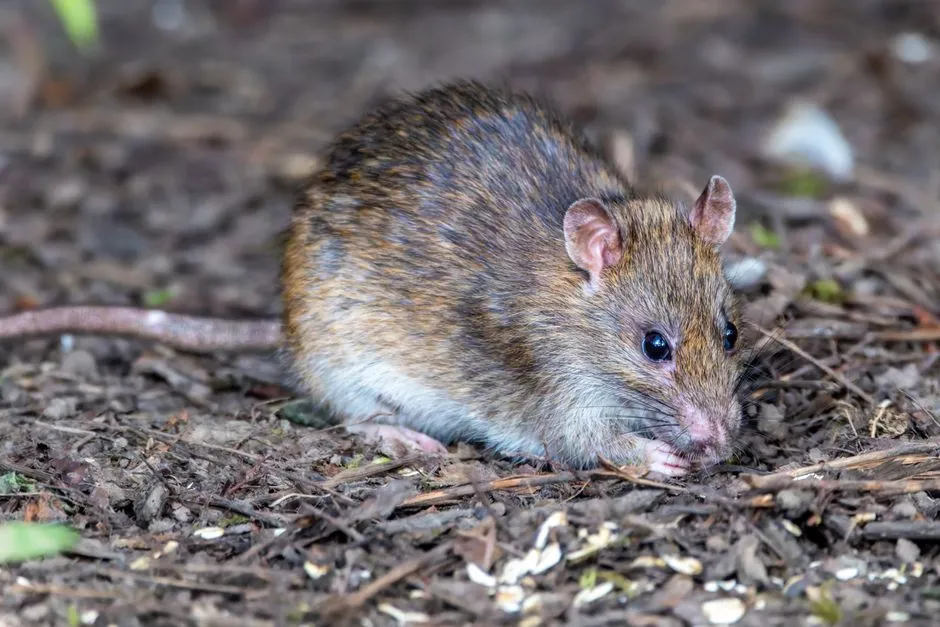
Here is where I am willing to plant a flag: if rats laugh, and that laughter is tied to something like joy, then we owe them more moral consideration than most people are currently willing to give. Millions of rats are used in laboratories, controlled in cities, or dismissed as vermin, often without much thought about their capacity for positive experience. The fact that we cannot hear their happiness with the naked ear has probably made it too easy to ignore.
For me, rat laughter is not a quirky science headline; it is a quiet indictment of how narrowly we have been willing to look at animal lives. If an animal can laugh when tickled, bond with its companions, and show individual differences in playfulness, then treating it as a disposable object starts to look less like practicality and more like willful blindness. The next time you see a rat dart along a wall or in a research photo, it might be worth asking yourself: what else is happening in that small, fast-moving life that I simply cannot hear?
Conclusion: Once You Hear the Silence, You Cannot Go Back
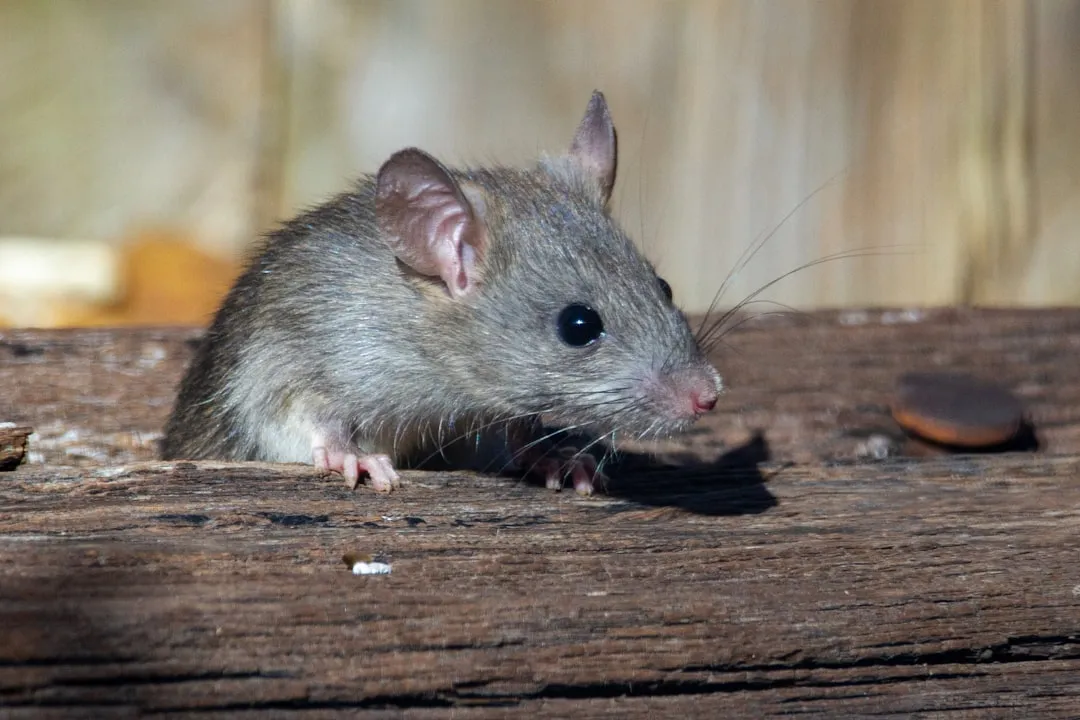
Knowing that rats laugh in ultrasonic bursts you will never hear is a bit like learning there is a second soundtrack playing under your favorite movie, but only certain speakers can pick it up. On the surface, the story looks the same: rats scurrying, playing, grooming, navigating their little worlds. But once you picture that invisible chorus of happy chirps, you cannot escape the feeling that you have been watching a muted version of reality for years.
I do not think this is just a cute curiosity; I think it is a quiet challenge to our habits and assumptions. If a creature as overlooked as a rat can feel and express joy in a way we missed for so long, maybe our confidence about which animals matter and which do not is badly outdated. In a world full of hidden laughter, the ethical low bar we set for many species starts to look less like realism and more like denial. The uncomfortable question is this: now that we know they laugh, what are we going to do about it?
