
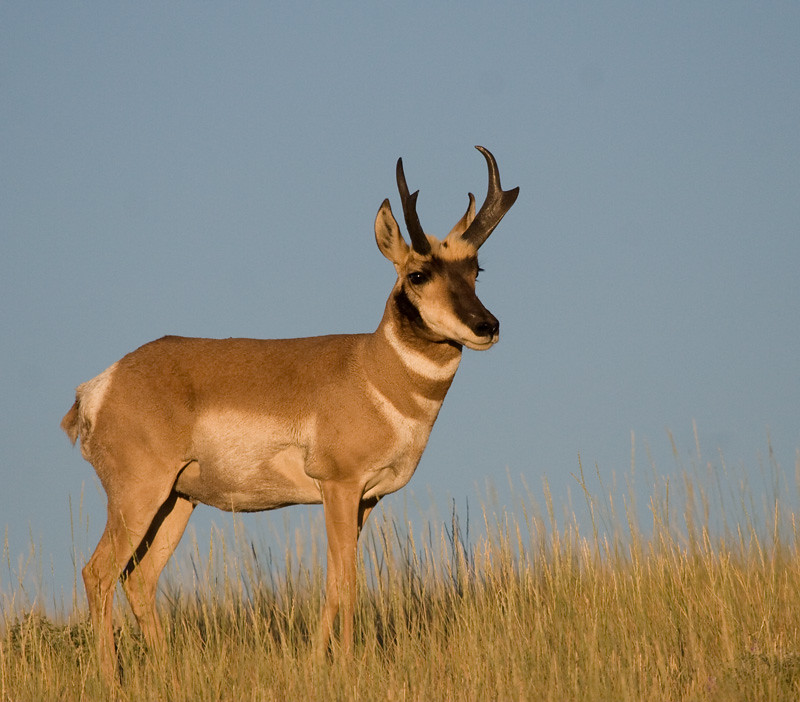
If you’ve ever driven across the high plains of Wyoming, Montana, or the Dakotas and spotted a tan-and-white blur along the horizon, you’ve probably seen a pronghorn. They look a bit like antelope, move like ghosts across the sagebrush, and somehow thrive in places that seem brutally empty to us. The weird part? They are built for a world that no longer exists, yet they’re still hanging on.
The more you learn about pronghorn, the stranger they get: ultra-speedy bodies designed to outrun predators that died out thousands of years ago, eyes so wide they might as well have rearview mirrors, and guts fine-tuned to squeeze nutrition out of plants most other animals barely touch. Let’s dig into nine of the oddest tricks that let pronghorn not only survive but quietly dominate America’s wide-open plains.
They Run Like They’re Still Being Chased by Cheetahs
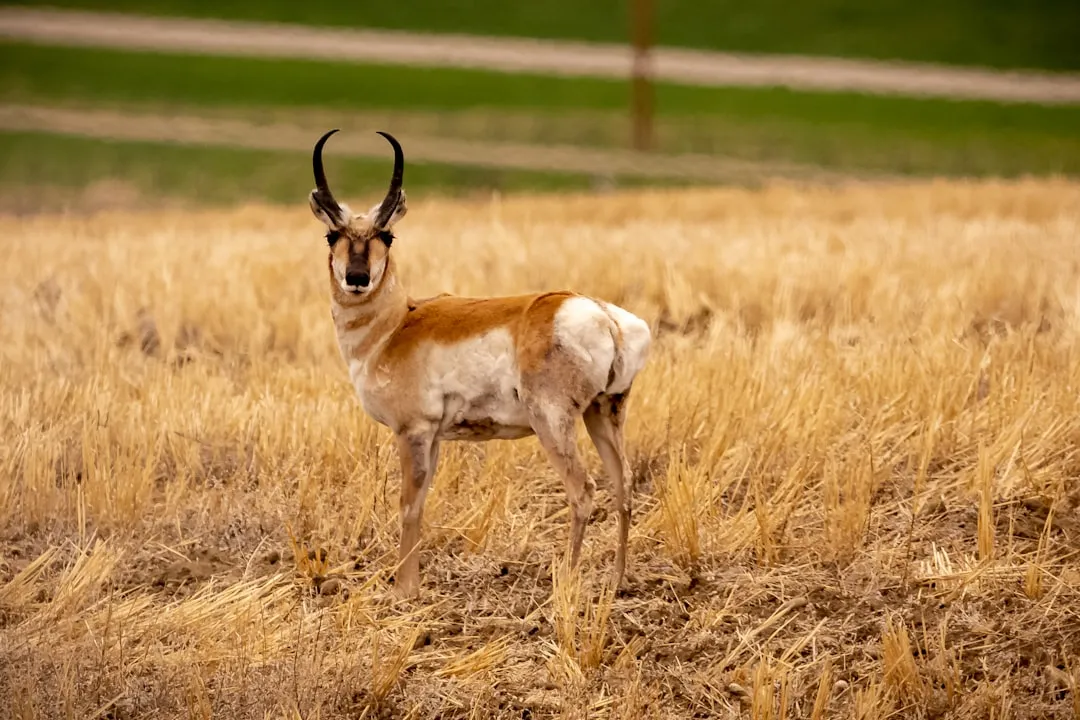
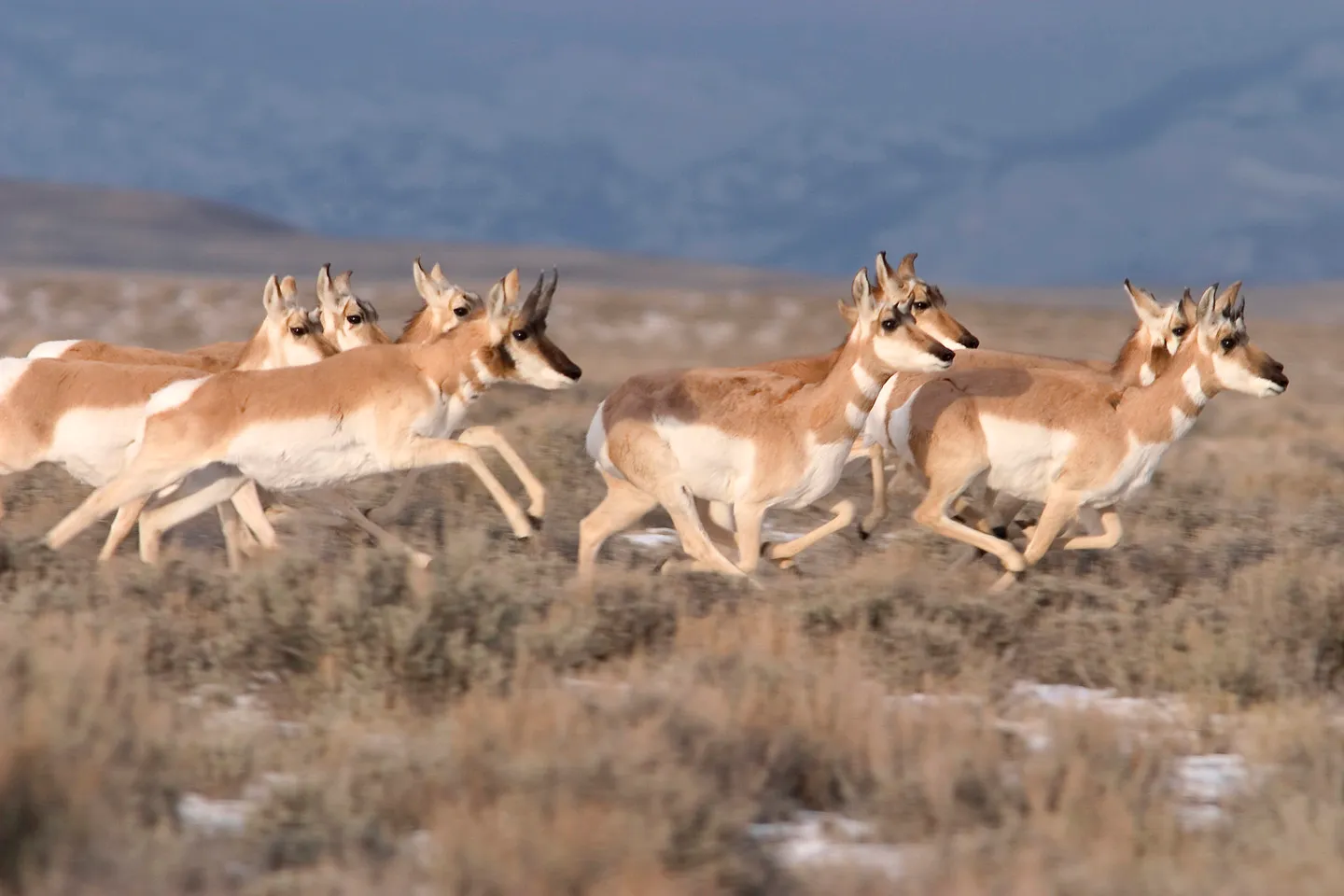
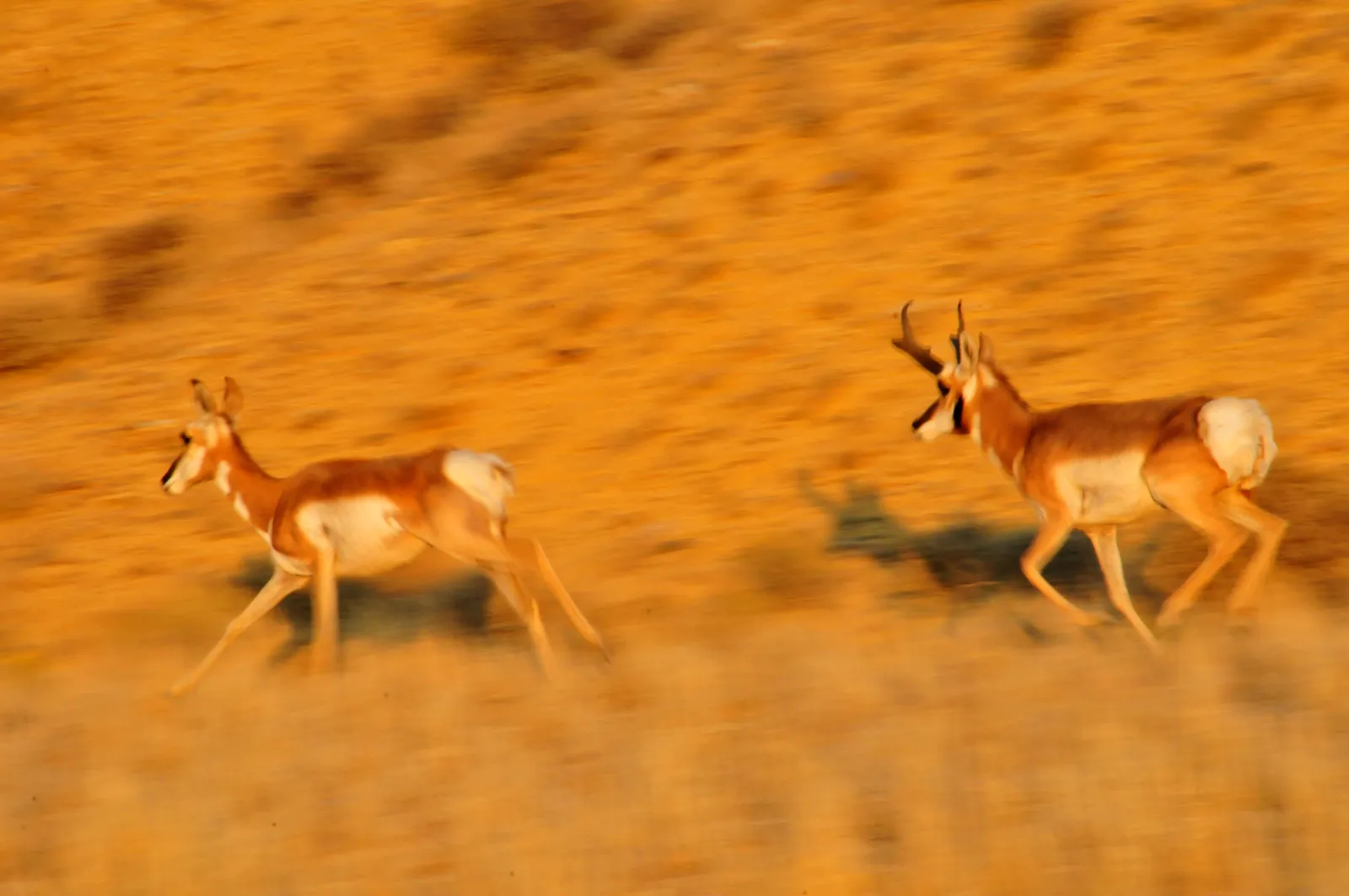
One of the most shocking things about pronghorn is their speed. They can sprint at highway speeds for short bursts and maintain a very fast pace over long distances, even though the fastest land predators in North America today can’t come close to matching them. Biologists think pronghorn evolved this insane running ability to escape now-extinct super predators, like the American cheetah and giant prehistoric cats that once roamed the same landscapes.
What’s wild is that this overbuilt speed engine still pays off today. Coyotes, wolves, and mountain lions might be dangerous, but pronghorn can simply outrun and outlast almost all of them over open ground. Their survival strategy is basically to live in the open, spot a threat early, and then launch into a blistering escape run that leaves predators burning energy while the pronghorn just keeps going. It’s like owning a sports car on a road where everyone else is driving old pickups.
Their Eyes Are Like Built-In Binoculars With a Rearview Mirror
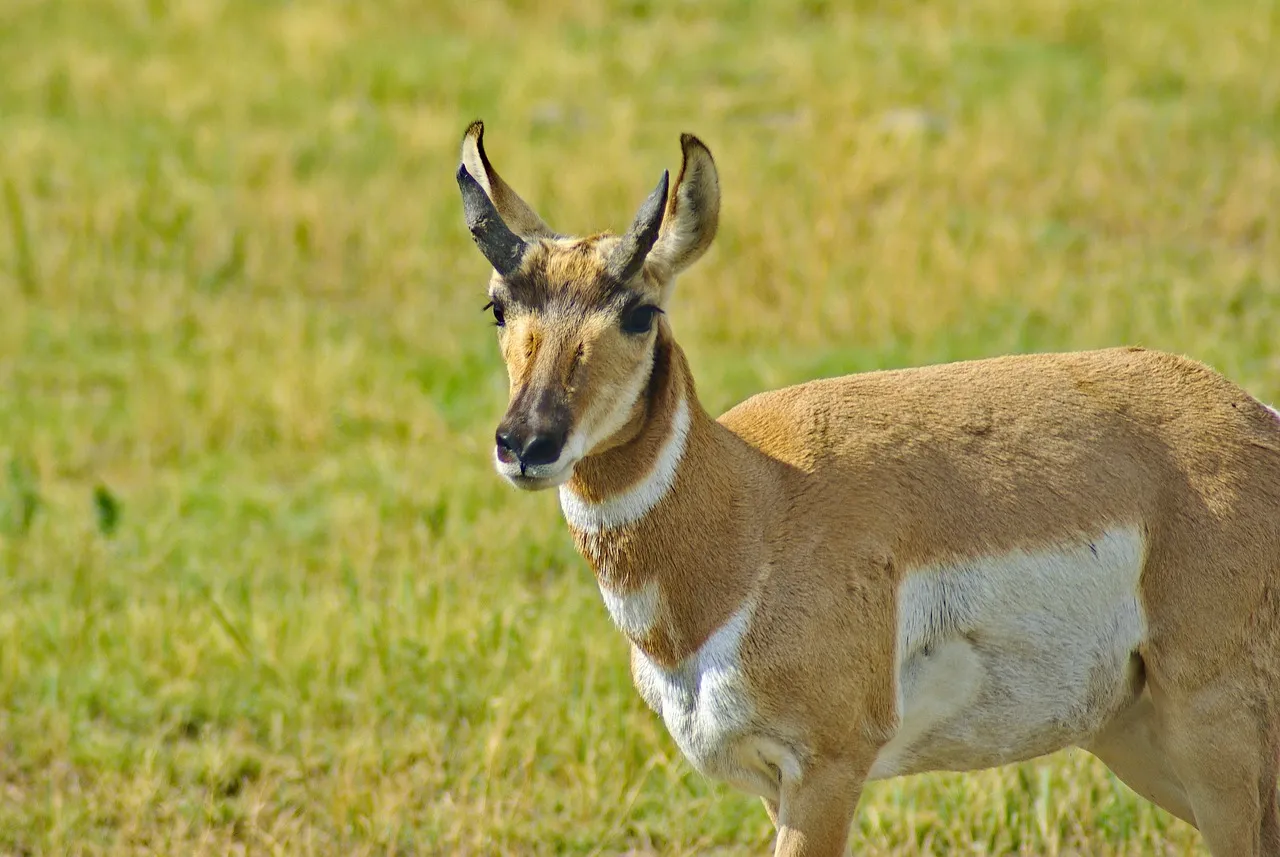
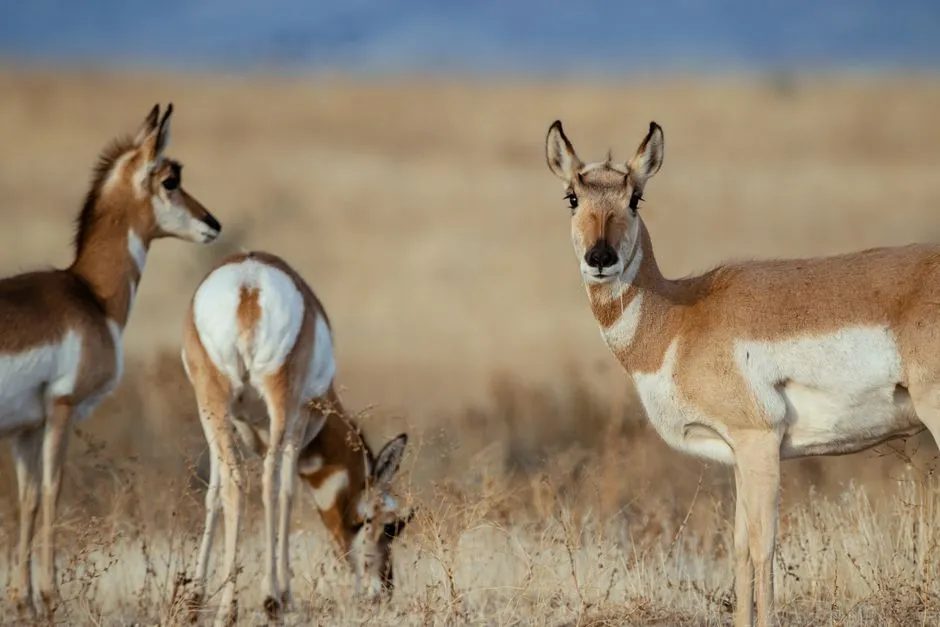
Pronghorn eyes are freakishly big for their body size, and that’s not an accident. Their eyes sit high and wide on the sides of the head, giving them a nearly panoramic view of the world around them. They can detect movement at impressive distances, which is exactly what you want when you live in habitat with almost no trees or cover to hide behind.
Think of it this way: where a human might need binoculars to spot danger on the horizon, a pronghorn’s eyes are already doing that job. Their visual field wraps around so far that they can see most of what’s happening behind them without turning their heads much at all. On open plains, where a predator can appear as a tiny dot miles away, this constant high-alert eyesight is often the difference between quietly grazing and suddenly running for their lives.
They “Stot” and Flash a Giant White Warning Flag
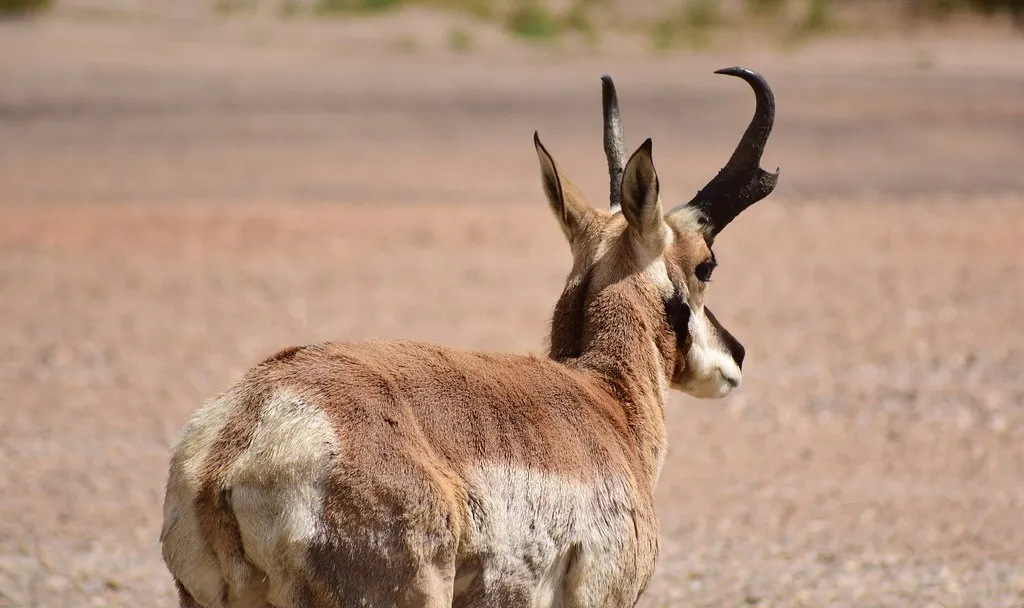
If you watch a nervous pronghorn, you might notice it suddenly bounding with stiff, high jumps instead of running normally. This behavior, known as stotting, looks almost playful, but it’s actually a serious survival strategy. By bouncing high and showing off how strong and fast they are, pronghorn send a clear message to predators: chasing me is going to be a waste of your energy.
At the same time, their large white rump patch flares open when they’re alarmed, turning into a huge, bright signal visible from far away. That white flash acts like a living alarm system for any nearby pronghorn, letting the whole herd know something’s wrong. On windswept grasslands, where sound doesn’t always carry well, a visual lighthouse like that is an incredibly effective and strangely beautiful way to spread the warning.
Their Stomachs Are Built for Harsh, Low-Quality Plants
Surviving on wide-open plains is not only about avoiding teeth and claws; it’s also about getting enough calories from whatever plants happen to grow in thin, dry soils. Pronghorn are not picky eaters in a traditional sense, but they are very specialized. They lean heavily on forbs and certain shrubs, nibbling on many different plant species in small amounts, and their digestive system is tuned to pull value out of plant material that many grazers would struggle with.
They are not exactly the same type of ruminant as a cow or a deer, but they use a similar multi-chambered digestive approach, allowing microbes in their gut to help break down tough plant compounds. By being able to live on a wide mix of often low-quality vegetation, pronghorn can stay in open, semi-arid habitats where grass alone might not support large herds of bigger-bodied grazers. It’s like surviving in a grocery store where most of the food is the generic brand and still managing to thrive.
Their Bodies Are Tuned for High-Altitude, High-Speed Endurance
Many pronghorn live at higher elevations where the air is thinner, winters are harsher, and the climate swings can be brutal. Their bodies are packed with adaptations that quietly stack the deck in their favor. They have an unusually large windpipe, big lungs, and a robust heart relative to their size, which help move oxygen quickly and efficiently through their bodies.
This physiological setup is not just about sprinting; it’s about maintaining high-speed endurance over long distances in environments where oxygen is not as abundant. The result is an animal that can flee far and fast on a moment’s notice without immediately hitting a wall. While most animals would be gassed after a hard run at elevation, pronghorn are basically built to treat that scenario like their daily commute.
They Rely on Herd Intelligence and Space, Not Hiding Places
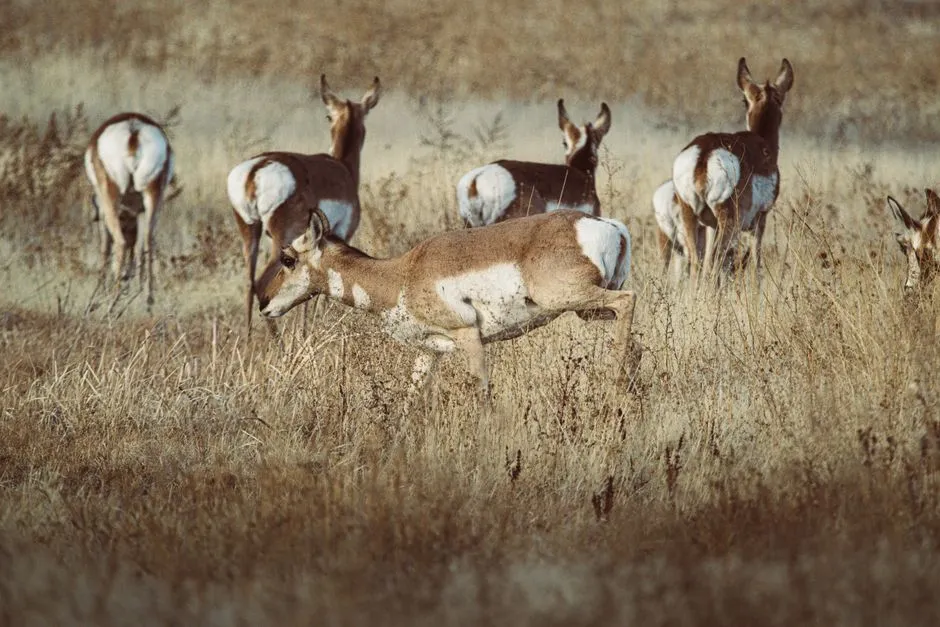
On the plains, there’s nowhere to disappear. Instead of trying to hide, pronghorn flip the script: they survive by seeing first, reacting fast, and leaning on the alertness of the group. When you watch a small band or a large herd, you’ll notice that heads pop up often, ears shift, and bodies subtly reposition. Many eyes scanning in all directions at once turn a featureless landscape into an early-warning network.
Unlike forest-dwelling deer that rely heavily on slipping into cover, pronghorn treat open ground as their ally. Distance itself becomes a kind of shield; the more space between them and danger, the more time they have to respond. In a way, their survival plan is less about being invisible and more about being impossible to catch once they know you’re coming.
They Time Their Movements With Seasons and Subtle Landscape Cues
Pronghorn might look like they’re just drifting across the prairie, but many populations follow surprisingly precise seasonal patterns. They move to track the best plant growth as it shifts with rainfall, temperature, and snow cover. Even relatively small changes in elevation or soil type can mean the difference between a patch of rich new growth and a dry, exhausted patch of ground.
Over generations, pronghorn have learned and passed along these movement routes, sometimes traveling long distances between summer and winter ranges. They will use gentle valleys, low passes, and open corridors that reduce the risk of deep snow or steep climbs. Their wandering may look random from a highway window, but zoom out over a map and it starts to resemble a quiet, ancient migration strategy that keeps them in the right place at the right time more often than not.
Their Horns Are Neither True Horns Nor Antlers, but Still Do the Job
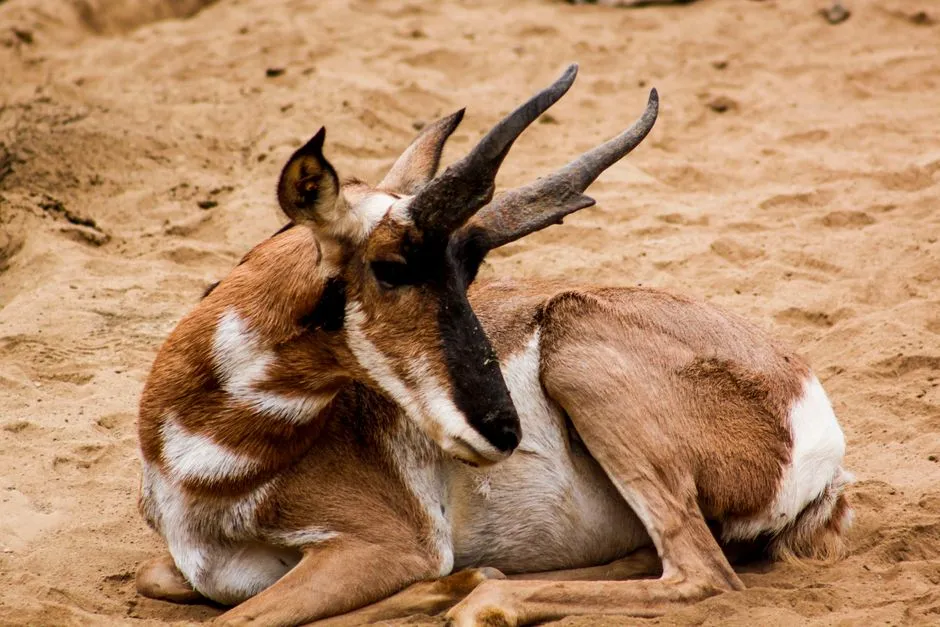
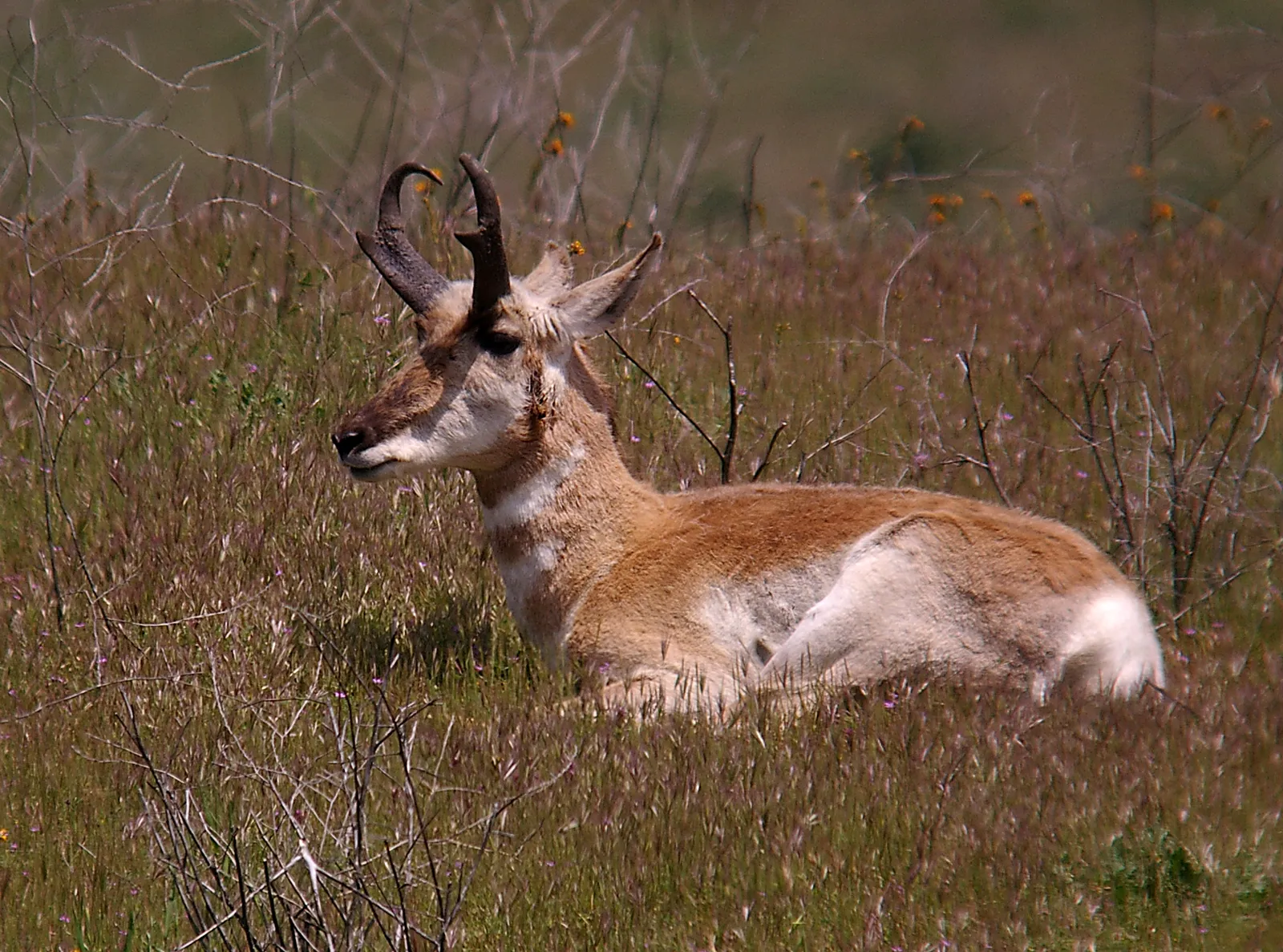
The “prong” in pronghorn refers to one of their strangest features: those black, forward-curving head ornaments. They are not classic antlers like a deer’s, which are shed and regrown from bone, and they are not simple horns like a cow’s, which grow as a single sheath. Instead, pronghorn have a bony core covered with a keratin sheath that splits into a prong, and that outer sheath is shed and regrown annually.
This unique structure plays a serious role in their survival, especially for males during the breeding season. Males use these horns for display and combat, sparring with rivals to establish access to females. While it might seem like an energy-expensive accessory, dominating breeding rights means passing on genes that keep speed, eyesight, and all those other survival superpowers in the population. In that way, those strange not-quite-horns are another piece in the long-term survival puzzle.
They Live on the Edge Between Wild Instinct and Human Pressure
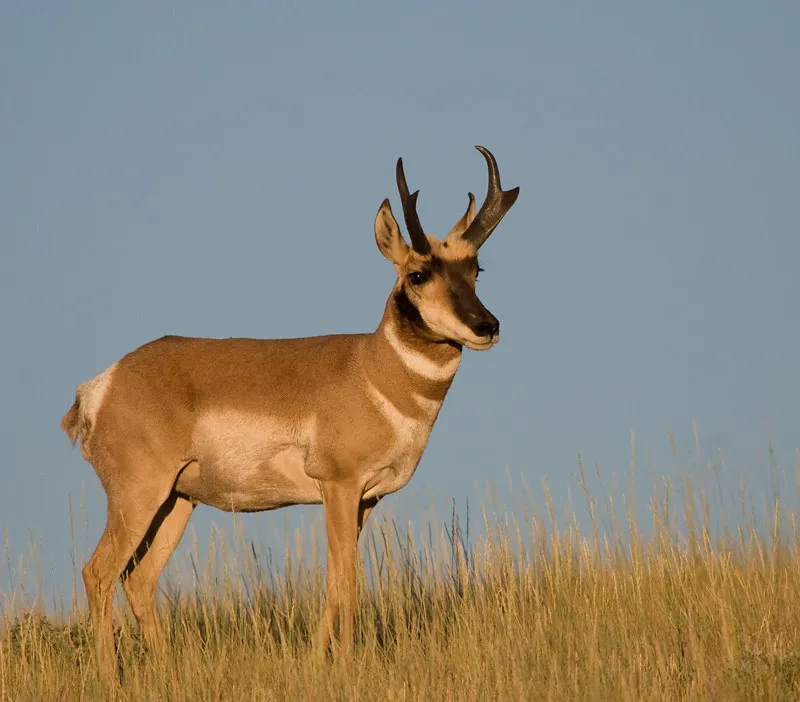
One of the strangest factors in pronghorn survival today is us. They evolved for open, uninterrupted landscapes, and we’ve filled those same spaces with highways, fences, energy development, and expanding towns. Unlike some adaptable wildlife that easily slips into human spaces, pronghorn are more tightly tied to their traditional open-country lifestyles. They are often reluctant jumpers, so barbed-wire fences and other barriers can fragment their movements in ways that their ancient instincts never planned for.
Yet, in spite of all that, pronghorn are still there: skimming along fencelines, slipping through low wires, and learning to navigate around human obstacles while clinging to the open spaces that remain. Their survival story now is not just about outrunning predators or enduring winter storms; it is about whether we choose to leave enough connected habitat for them to keep doing what they do best. In my view, the strangest and most impressive thing about pronghorn is that they are still managing to be themselves in a world that keeps trying to reshape their home.
Conclusion: The Last Sprinters of a Vanished World
When you put all of this together, pronghorn start to feel less like ordinary wildlife and more like time travelers. They are tuned for ancient predators, sculpted by harsh climates, and wired for infinite horizon, yet they are still making it work in a modern landscape full of fences and asphalt. To me, that stubborn survival feels both inspiring and a little unfair, because they are doing their part while we keep moving the goalposts.
I think pronghorn force us to ask a simple, uncomfortable question: do we value the kind of wildness they represent enough to protect the spaces they need? Those tan-and-white streaks on the plains are living reminders of an older North America, and once they are gone, that particular flavor of speed and freedom disappears with them. Next time you see them along a lonely highway, maybe ease off the gas for a second and really look; does it change how you feel about all that “empty” land they call home?
