
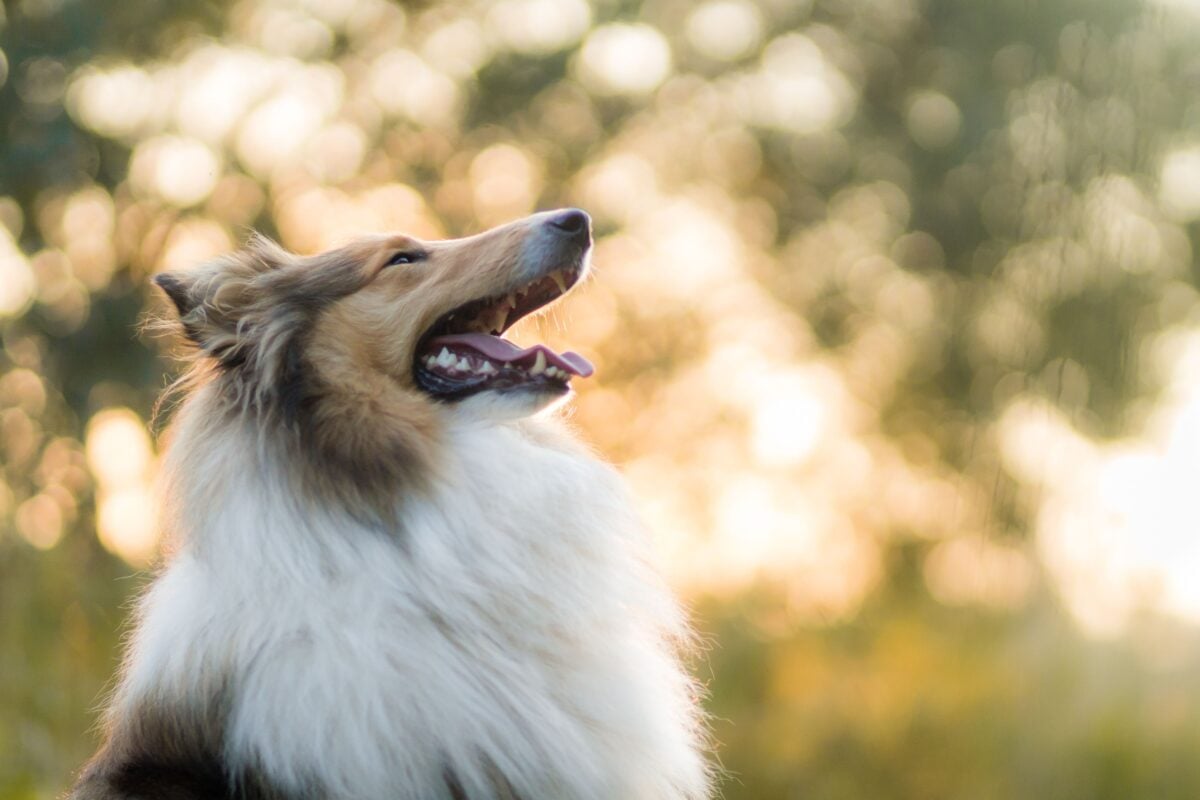
Watch a dog outside on a raw 40°F October morning and you get an instant gut check on everything you thought you knew about coats, size, and toughness. The Husky is sprawled flat on the frosty grass like it just checked into a spa. Two doors down, a Chihuahua is doing the frantic four-paw shuffle before it’s even reached the sidewalk. That split isn’t random, and it isn’t really about size at all.
It’s written into decades – sometimes centuries – of breeding history, and once you see the pattern, you can’t stop noticing it on every dog walk you take. Some of the toughest-looking dogs on this list are quietly falling apart the second the air turns damp, while a few dogs people assume are fragile are tougher than a windbreaker. We lined up 36 breeds – 18 that treat a cold autumn morning like a reward, and 18 that are just trying to survive the walk – starting with the ones practically built for this exact weather.
36. Siberian Husky: The Autumn Weather Show-Off
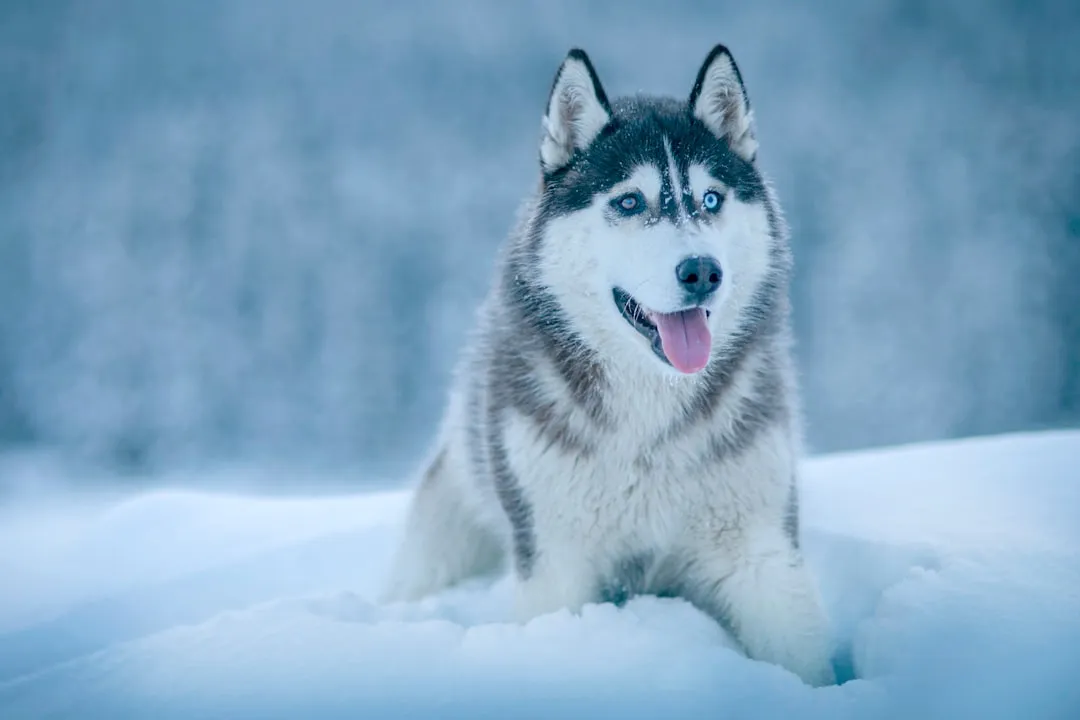
Siberian Huskies aren’t just fine in cold autumn mornings; they’re built for it. Bred to pull sleds through brutal Siberian winters, their double coat traps warmth while still letting air circulate underneath. That’s why you’ll find a Husky sprawled out on frosty grass looking like it’s on vacation, while many Huskies are actually more comfortable at 40°F than at 75°F.
The catch? That coat blows out hard once autumn hits, and if you’re not brushing regularly, you’ll have tumbleweeds of undercoat rolling through your living room. A Husky that loves the cold can also turn restless and destructive indoors if that weather-ready body isn’t matched with serious daily exercise. They don’t just tolerate cold mornings – they show up expecting you to join them in it.
Fast Facts
- Originally bred by the Chukchi people of Northeast Asia to pull sleds across brutal winters.
- Their double coat sheds heavily twice a year, with a major fall “blowout” as winter fur comes in.
- Often more energetic and comfortable in cold air than in warm summer weather.
- Needs real daily exercise year-round – cold tolerance doesn’t mean low energy.
35. Alaskan Malamute: Loves the Chill, Hates the Couch
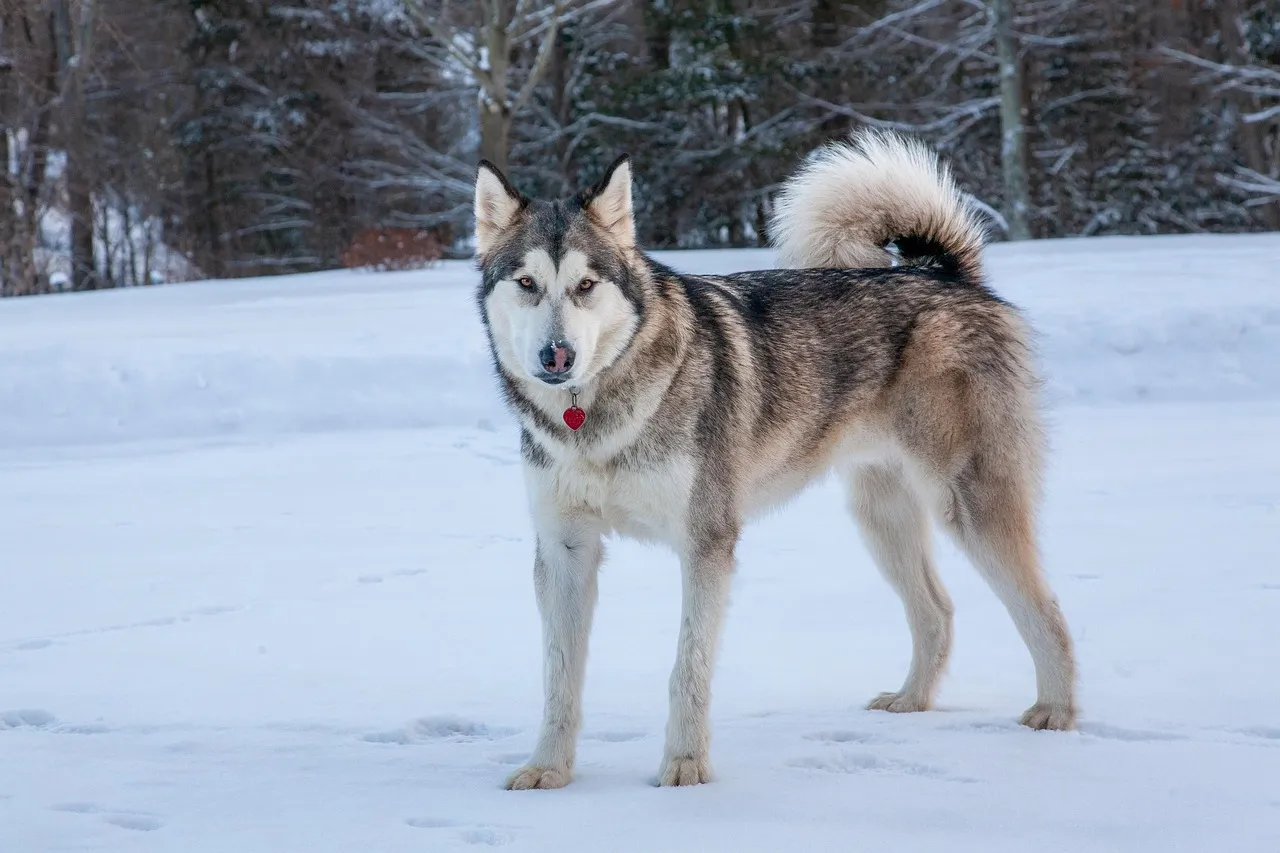
If the Husky is built for speed, the Malamute is built for power, and a chilly morning is its happy place. With an even denser double coat, a Malamute can lounge comfortably in temperatures that send humans reaching for thermal layers. Their outer coat actually repels light rain and frost, which is exactly why misty autumn dawns barely register with them.
That comfort comes with a price tag, though. Malamutes overheat fast indoors if the thermostat is cranked up, and they’re notorious diggers when bored. Plenty of people adopt one for the “wolf look” and are stunned when their couch wolf demands long, brisk walks in cold drizzle. Autumn is when they shine – but only for owners willing to move right alongside them.
34. Bernese Mountain Dog: Built for Swiss Hills, Not Small Apartments
Bernese Mountain Dogs are basically the poster child for cool-weather contentment. Bred to work outdoors in the Swiss Alps, their thick tri-colored double coat insulates so well that many Berners are noticeably more lethargic in summer heat and visibly perk up once autumn turns chilly. Those foggy, damp mornings feel like home.
The catch is that a Berner’s joints and heavy frame don’t love slippery, leaf-covered ground. Hip and elbow dysplasia are common enough in the breed that long, cold hikes can turn painful fast if you’re careless about surfaces and distances. Their coat is thrilled by a 45°F breeze – their body still needs you managing the workload.
33. Newfoundland: The Gentle Giant Who Treats Cold Like a Spa Day
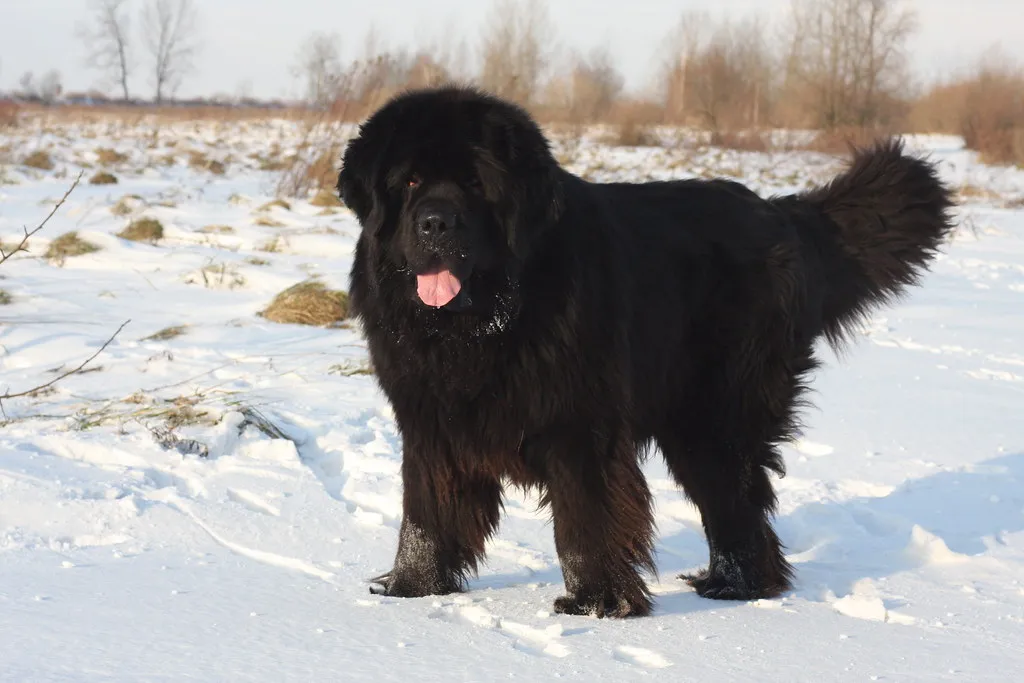
Newfoundlands are one of those breeds that look miserable all summer and then wake up the moment autumn arrives. Bred as water rescue dogs in icy North Atlantic conditions, their oily skin and dense coat insulate incredibly well. A misty, 40°F morning with a little drizzle is close to ideal Newfoundland weather, especially with a pond nearby.
That same dense coat plus damp weather means serious grooming and smell management on your end. A Newf that gets wet in October and doesn’t dry properly can develop skin issues and hot spots buried under all that fluff. They love the cold – but towels, blow-drying, and regular skin checks are non-negotiable if you want them staying that comfortable.
32. Saint Bernard: Autumn Is Their Comeback Season
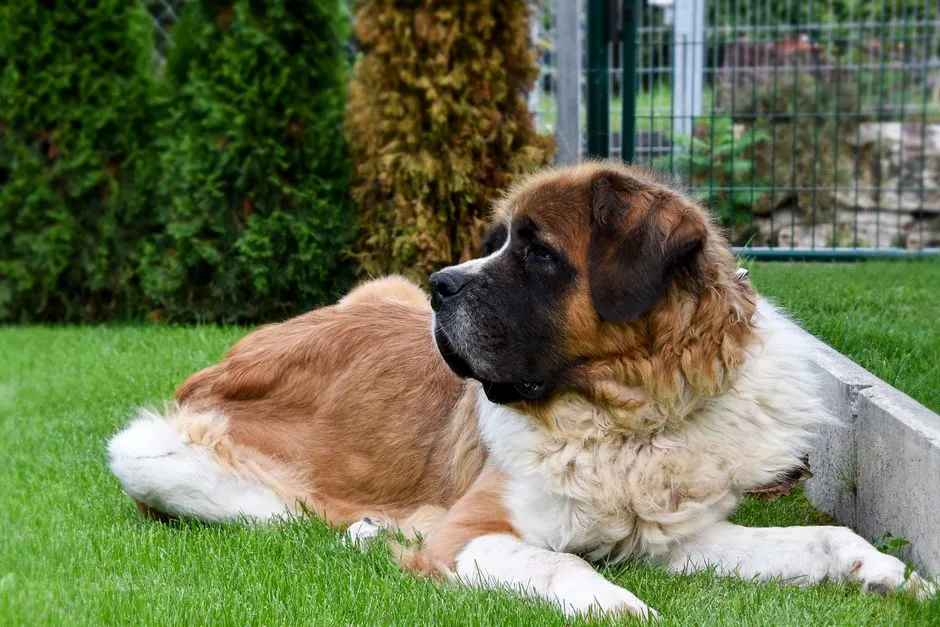
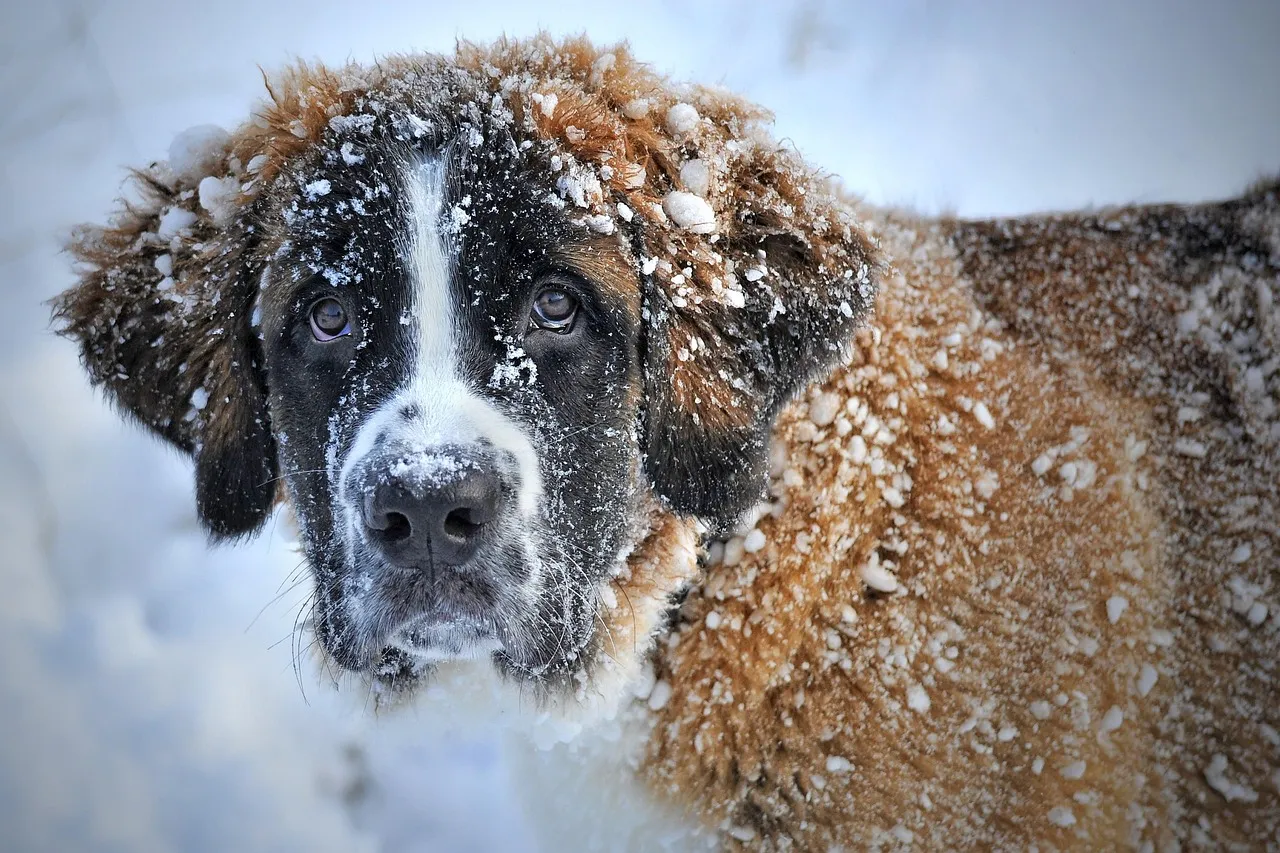
Saint Bernards aren’t just snow-rescue stereotypes; they’re classic cold-weather farm dogs at heart. On chilly, foggy mornings, their heavy coat and massive body mass work together to keep them toasty. Their sheer size acts almost like a thermal battery, slowly releasing warmth as they potter around the yard or join you on a brisk walk.
The downside is a drooly, heavy-coated dog plus autumn leaf piles equals a genuine mess. Saints overheat surprisingly easily, so a “perfect” 55°F morning may still run a little warm for a hard-working Saint. Their joints also struggle on slick, wet ground, so weight, exercise intensity, and footing all need watching even though the temperature itself isn’t the problem.
31. Akita: Stoic, Silent, and Secretly in Love With Cold Air
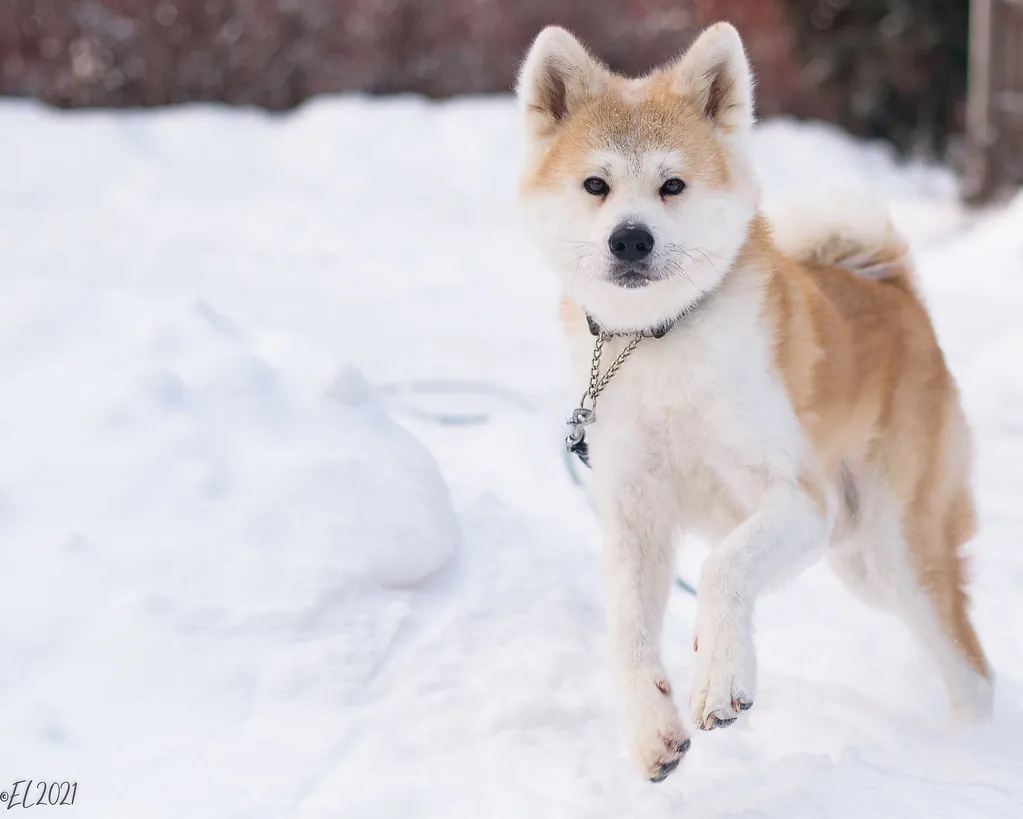
Akitas were developed in the cold regions of Japan, and it shows the second the temperature drops. Their thick double coat, curled tail, and compact, muscular build let them operate brilliantly in chilly air. Many Akitas turn more alert, playful, and willing to walk longer once summer humidity fades, which genuinely surprises owners who assume they’re always aloof.
But Akitas aren’t a breed you can coast with. They’re independent, sometimes stubborn, and need firm, fair training – and cold mornings can amplify their energy and intensity. That’s great for an active owner and a nightmare for a passive one. An under-exercised Akita, regardless of weather, tends to get territorial. They cope beautifully with the chill, but only if their brain gets as much of a workout as their body.
30. Shiba Inu: Small Body, Big Tolerance for Chilly Air
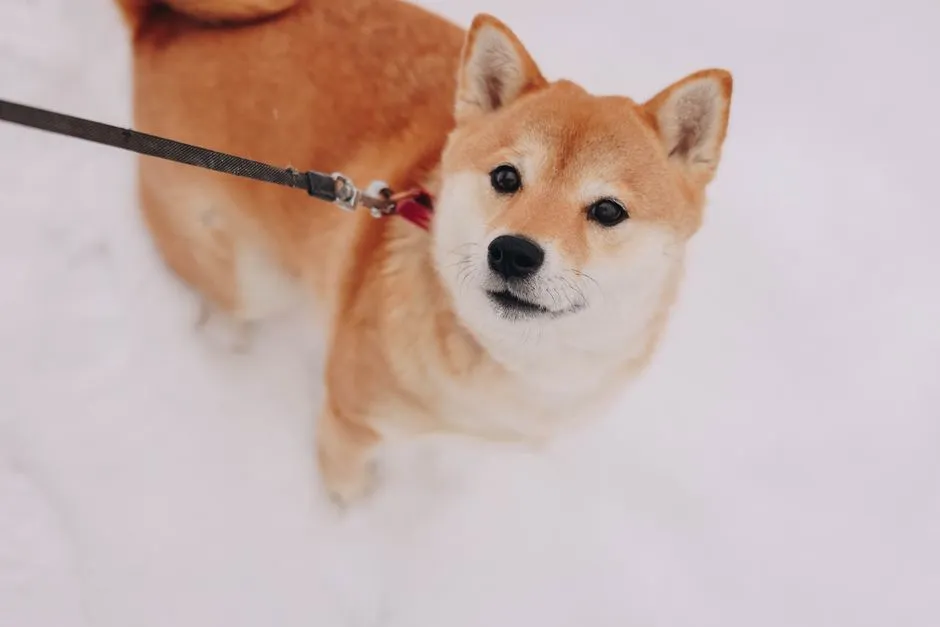
Shiba Inus look dainty to some people, but they’re tougher than they appear. Bred in mountainous regions of Japan, they were built to handle variable, often cool conditions. Their plush double coat fluffs up in autumn, and a brisk, cold morning walk often brings out their famously cheeky energy – this is one small breed that generally doesn’t need a sweater at 45°F.
The real risk is that owners treat Shibas like fashion pets instead of the primitive little hunters they actually are. Crisp autumn air can flip them into high-alert mode, triggering chasing instincts toward squirrels, leaves, or anything that moves. Combine that with their well-earned escape-artist reputation, and you get a dog that’s weather-comfortable but genuinely safety-risky. Harnesses and solid recall training matter far more here than sweaters.
29. Samoyed: The Walking Cloud That Thinks October Is Summer
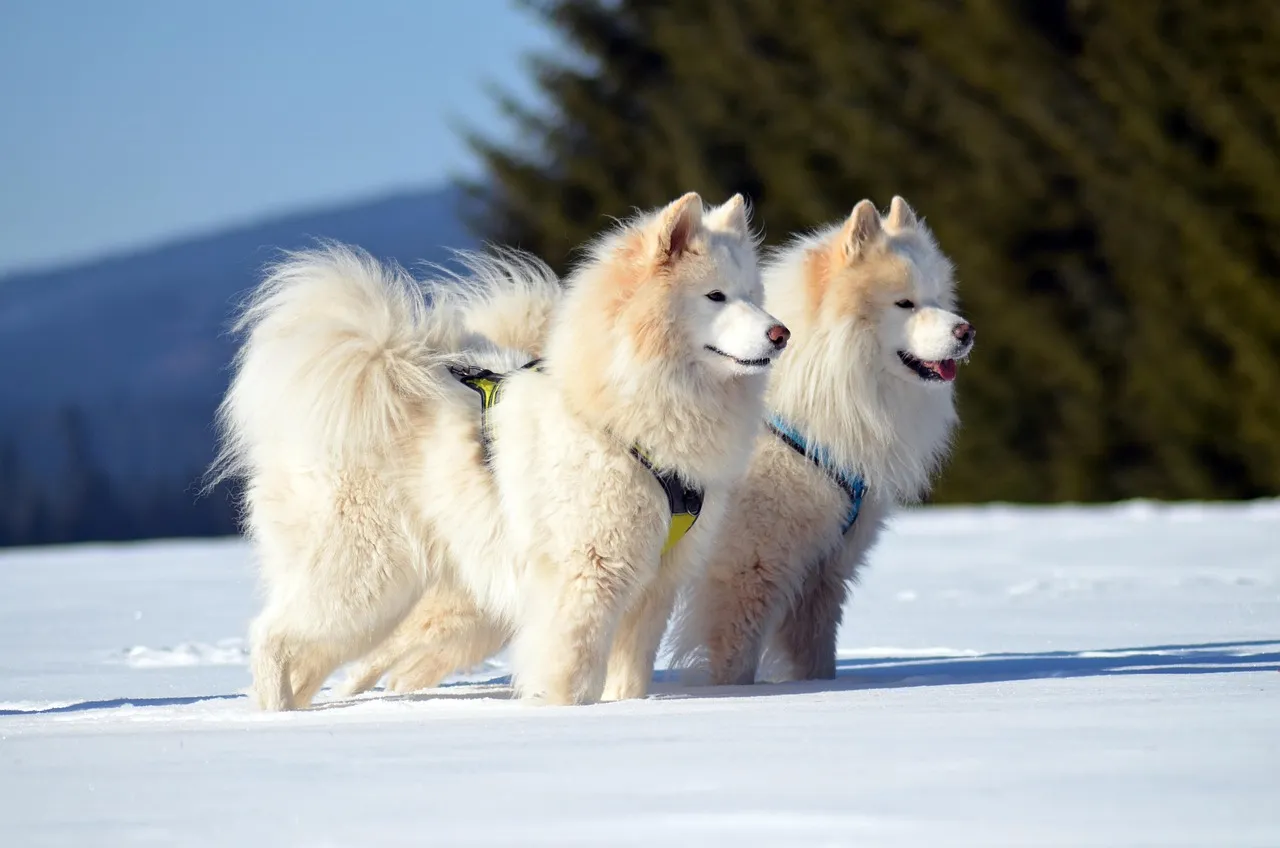
Samoyeds come from Siberia, bred to herd reindeer and sleep beside families for warmth. That famously fluffy white coat isn’t just cute; it’s engineered to trap air like a natural down jacket. Autumn for a Samoyed is basically pre-season – they’re gearing up for real cold and are already perfectly content in frosty morning air.
Their pristine look doesn’t survive wet leaves and mud unless you commit to serious grooming, though. That thick coat mats fast when moisture and harness friction team up against it. Ironically, plenty of owners try to “protect” them with clothing they simply don’t need, which can trigger overheating and skin irritation instead. Samoyeds are one of the last breeds that needs autumn layers.
28. Keeshond: The Forgotten Cold-Weather Companion
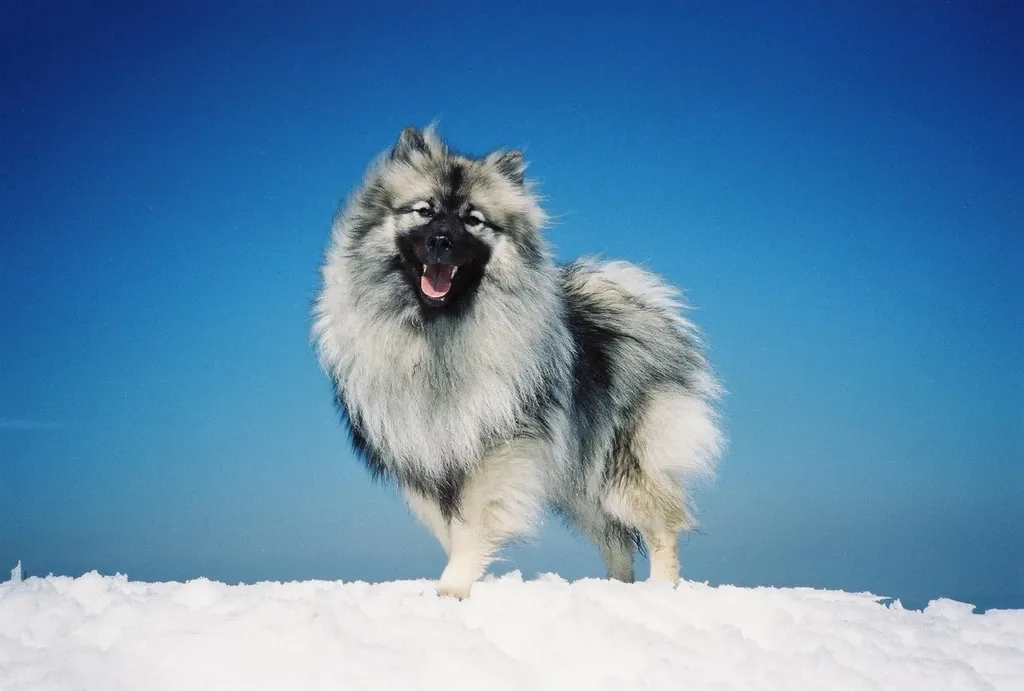
The Keeshond doesn’t get nearly the attention Huskies or Samoyeds do, but their cold tolerance is seriously underrated. Originally barge dogs in northern Europe, they were built for damp, chilly conditions. Their thick, stand-off double coat keeps them comfortable even when the air is cold and a little wet – basically the textbook gloomy autumn morning.
Because they’re medium-sized and fluffy, people often mistake them for lap dogs and under-exercise them badly. A cold morning is an invitation for a Keeshond to move, learn, and explore. Skip that and their underused brain and body turn straight into nuisance barking. They cope beautifully with the weather – poorly with boredom.
27. Norwegian Elkhound: Designed for Frosty Forests
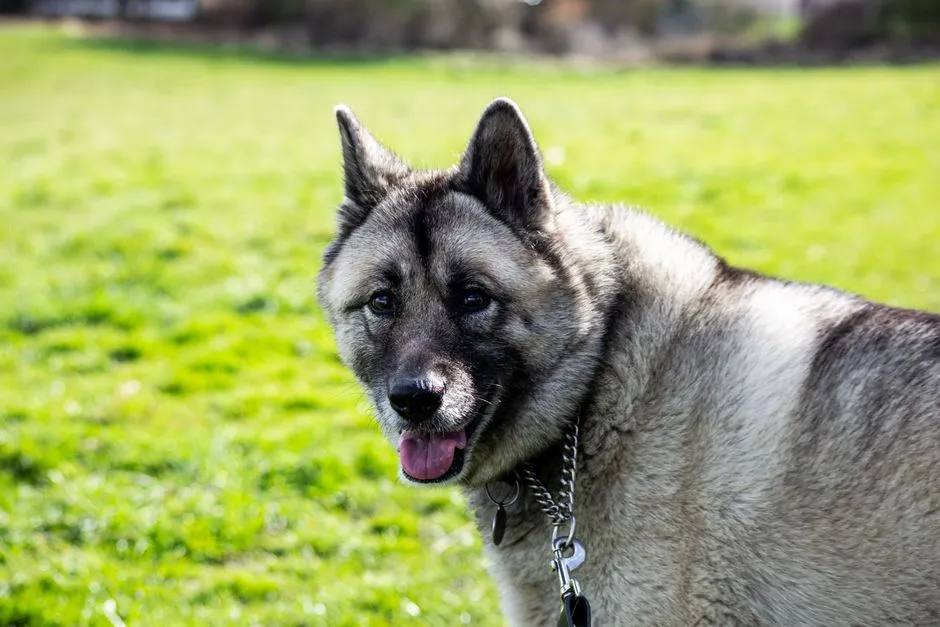
Norwegian Elkhounds were made for hunting in cold, rugged terrain. Don’t let the “elk” in the name fool you – these dogs were tracking large game through frosty forests long before they became family companions. Their dense grey double coat is weather armor, and a cold, misty morning with crunchy leaves underfoot is close to textbook Elkhound territory.
That working history means they’re not automatically easy house pets, though. Increased comfort in the cold usually means increased drive and stamina. Unleash that on a quick spin around the block and they’ll still be buzzing when you’re trying to leave for work. They handle the cold far better than most owners handle the energy that comes with it.
26. Tibetan Mastiff: Made for Mountain Nights, Not Mild Living Rooms
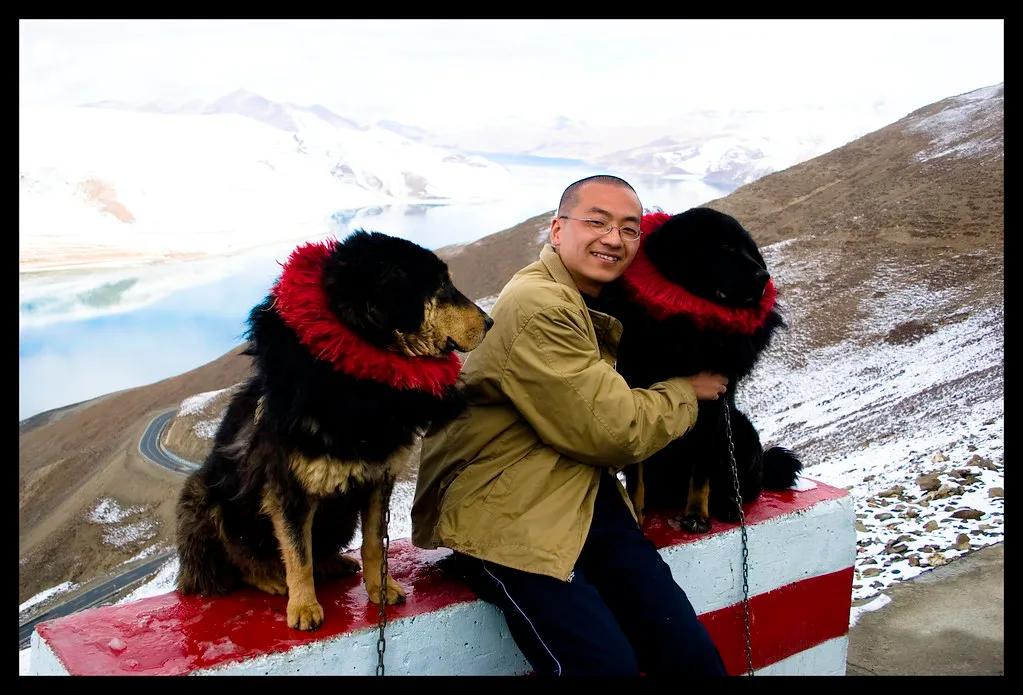
Tibetan Mastiffs evolved in some of the harshest, coldest high-altitude conditions on earth. When autumn mornings turn biting for humans, this breed is just getting started. Their massive frame and thick coat work together so well that many actually prefer sleeping outdoors in cool weather over a heated home.
The problem is that modern suburban life doesn’t match their genetics at all. A bored, under-socialized Tibetan Mastiff energized by the chill can turn territorial and extremely loud, fast. They cope so well with cold that people forget their temperament needs serious, experienced handling. This isn’t a big fluffy pet – it’s a weather-proof guardian with strong opinions.
25. Finnish Lapphund: Autumn Herding Weather Champ
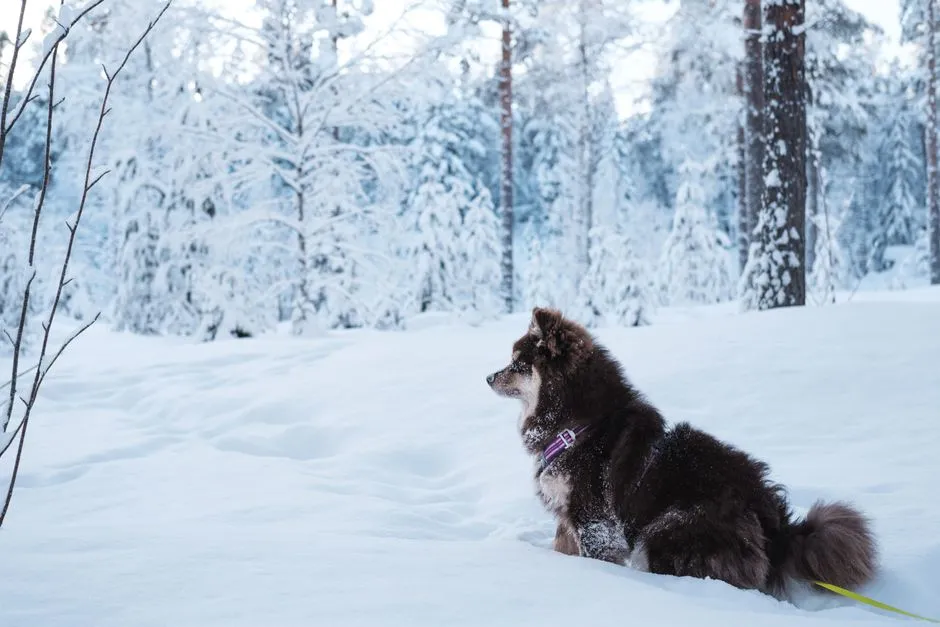
The Finnish Lapphund was bred to herd reindeer across Lapland’s frigid lands, and it shows the moment the temperature drops. Their thick, weather-resistant coat and nimble build make them especially happy in chilly, dry or lightly damp climates. Many Lapphunds get visibly bouncier and more focused once the heat breaks and cool autumn mornings roll in.
Because they’re less common, people often mis-classify them as just another cute fluffy spitz. In reality, they’re intelligent, herding-bred dogs who need actual mental jobs. Cold air can dial up their alertness and herding instincts, which is fantastic if you give them tasks and a disaster if you don’t. Weather-wise, they’re thriving; behavior-wise, they demand real engagement.
24. Great Pyrenees: Calm, Cool, and Watching Over Everything
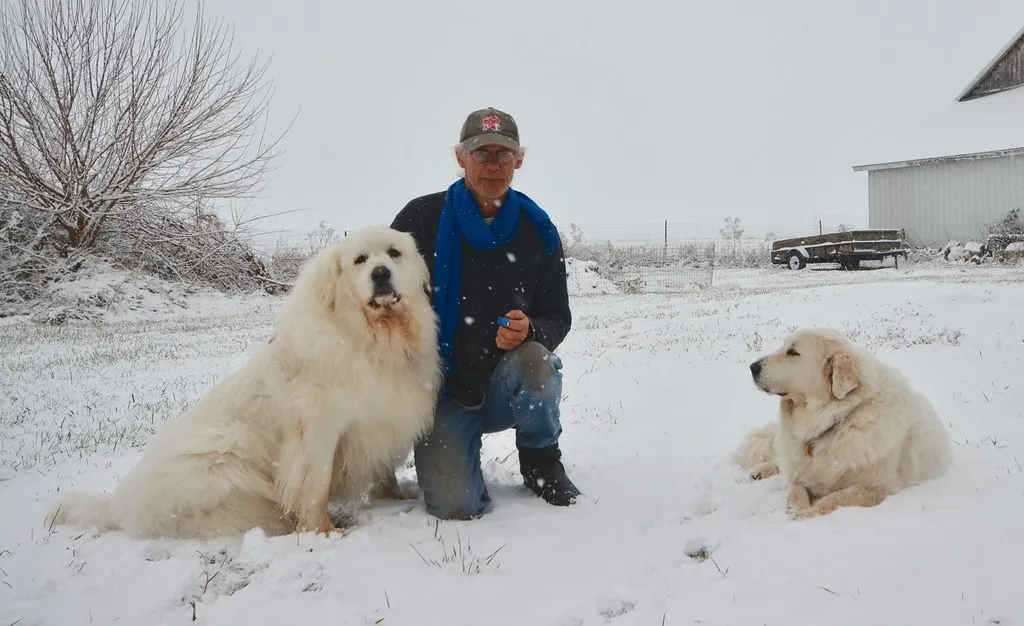
The Great Pyrenees was bred to guard flocks in cold mountain climates, often working overnight when temperatures fell sharply. Their large frame and thick coat mean that a 40°F, slightly breezy morning is closer to ideal than “chilly” for them – many will choose cold ground over a soft, warm bed without a second thought.
Cool weather also amplifies their natural guardian instincts. Crisp air carries sound farther, so a Pyrenees may bark more at distant noises, especially at dawn. Suburban owners often misread this as bad behavior instead of exactly what the dog was designed to do. They handle the physical cold better than most humans – managing their instinctive guarding through that quiet, still morning air takes real, ongoing effort.
23. Chow Chow: Weather-Ready Coat, Stubborn Personality
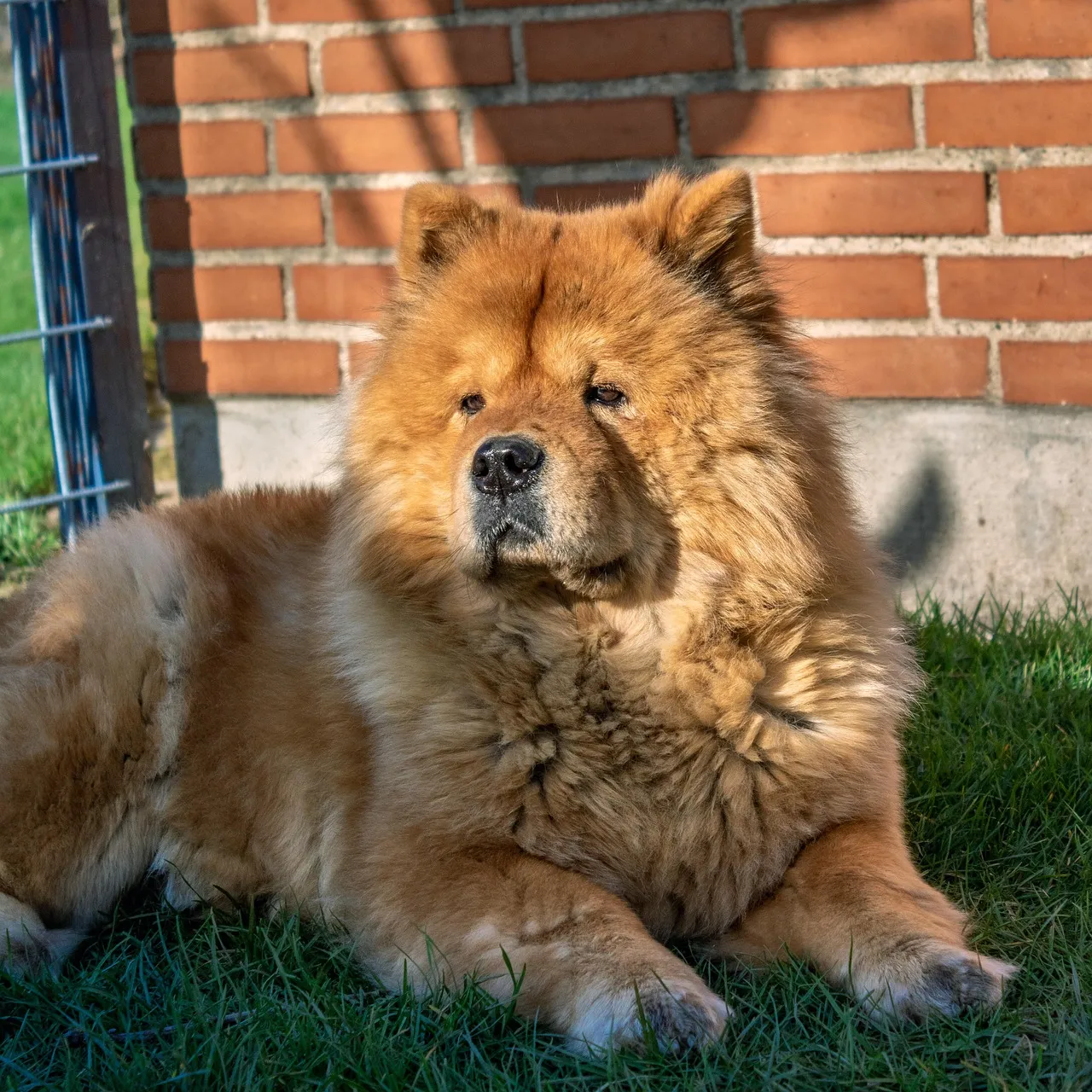
Chow Chows, with their lion-like ruff, are surprisingly well-suited to cool autumn weather. Their dense double coat and thick underfur keep them comfortable in temperatures that would leave short-haired breeds shivering. They often turn more active and less irritable once oppressive summer heat disappears, making chilly mornings their sweet spot.
Comfort doesn’t equal compliance, though. Chows are famously independent and can be aloof even with their own families, and crisp, energizing air can make them even more determined to do things their own way on leash. Autumn comfort often just means dealing with a strong-willed dog at peak stubbornness. People underestimate that trade-off simply because Chows look like plush toys.
22. Collie (Rough): Elegant Coat, Practical Cold Tolerance
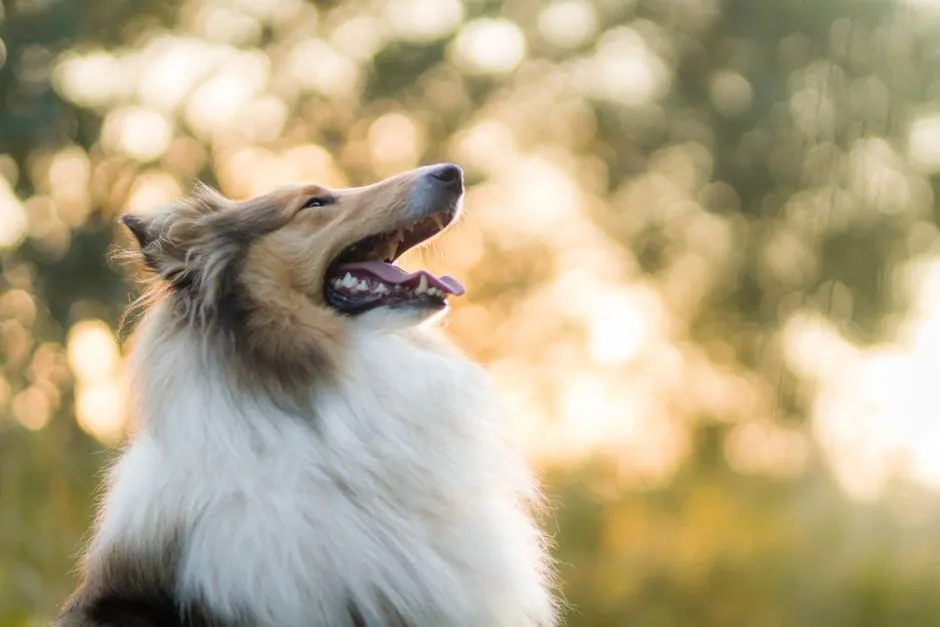
Rough Collies may look like they stepped off a movie set, but they were originally working dogs in chilly Scotland. Their long, dense coat is more than decoration – it sheds rain and traps warmth. Most Rough Collies do very well on cold, breezy autumn walks and rarely need extra layers unless they’re elderly or ill.
That same coat becomes a nightmare in wet leaf season, though. Damp undercoat plus poor grooming means mats, skin irritation, and that “doggy” smell people complain about. Behaviorally, cooler air tends to make them more willing to go the distance, which is great if you enjoy long walks and training sessions. They’re quietly one of the best-balanced cold-autumn companions – if you’re willing to commit to the brush.
21. German Shepherd: Thrives in the Chill, Focused in the Fog
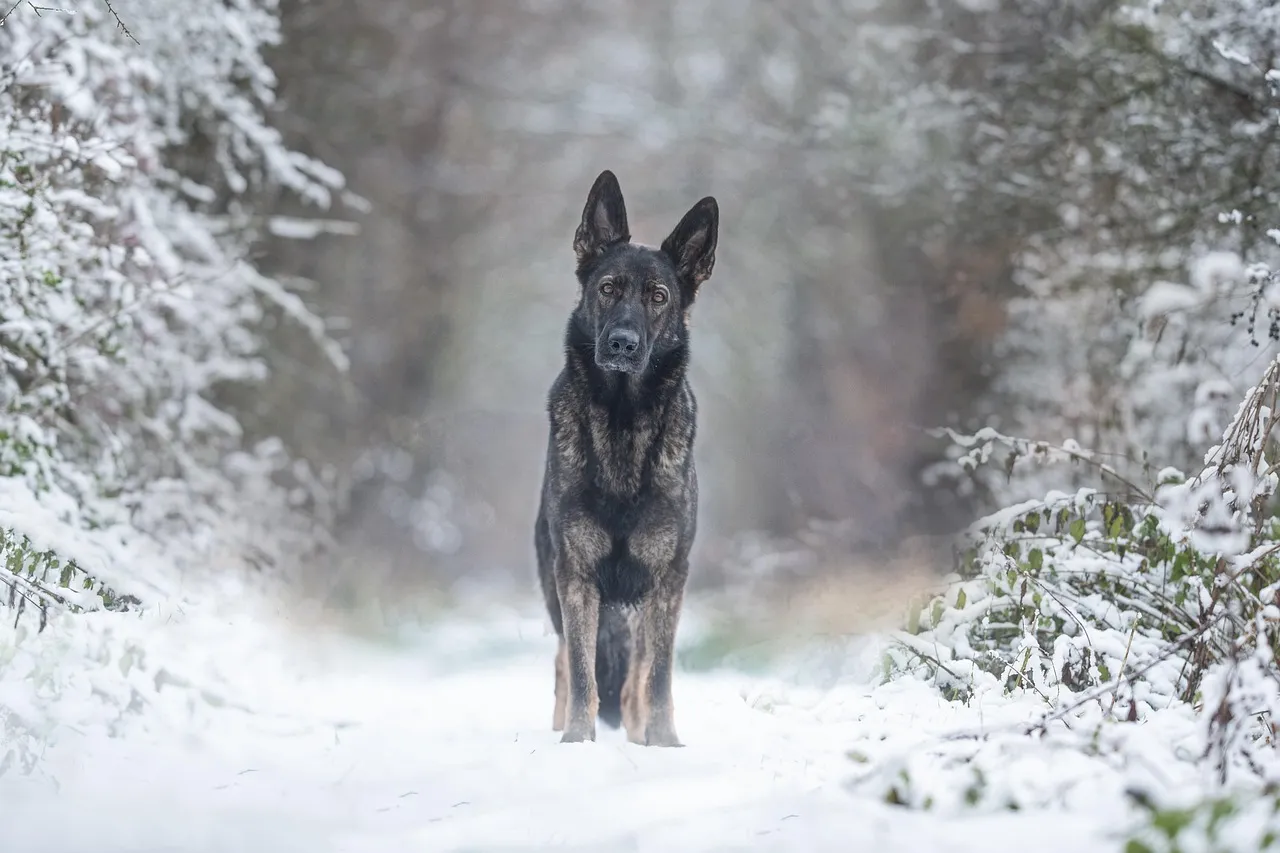
German Shepherds were bred for all-weather herding and working, and their double coat reflects that history. Many handlers will tell you a German Shepherd’s ideal working weather is that cool, crisp, slightly damp morning air, where overheating drops off and stamina goes way up.
Comfort comes with intensity, though. Cold mornings can mean more energy, more drive, and more reactivity if the training hasn’t been put in. Under-socialized Shepherds can turn edgy on quiet, foggy dawn walks when every sound feels louder. They cope extremely well physically with autumn cold, but mentally they need clear, consistent leadership far more than a cute jacket.
20. Greyhound: Surprisingly Sensitive to a Mild Chill
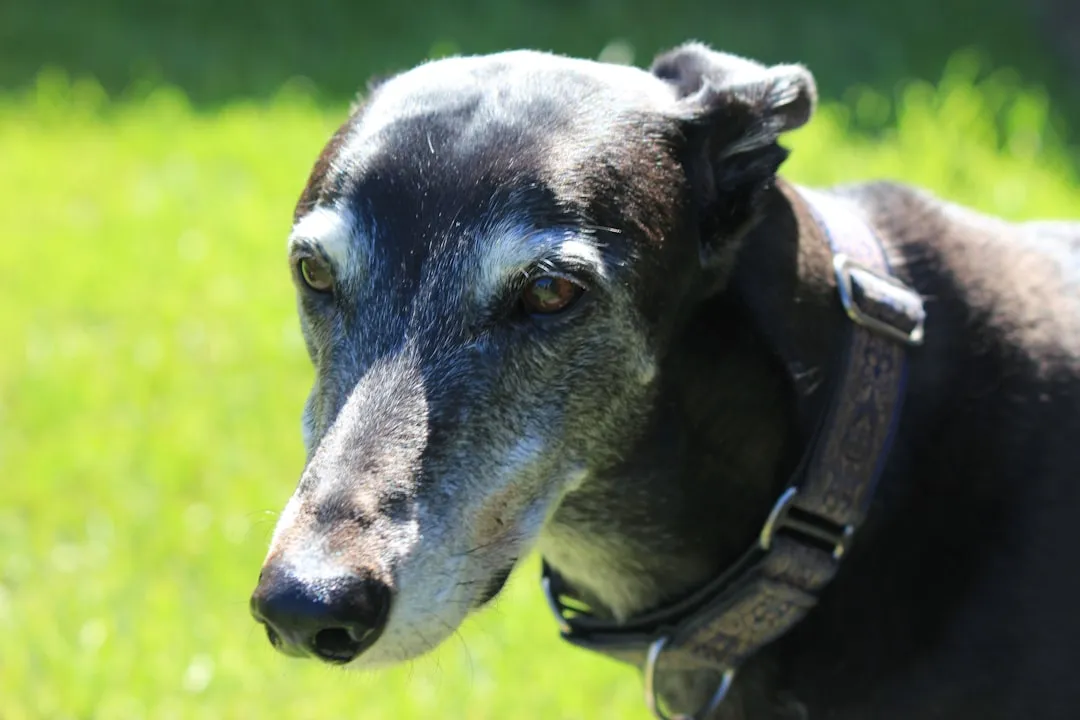
Now we flip to the breeds that genuinely struggle. Despite their athletic reputation, Greyhounds are notoriously sensitive to cold. With low body fat, thin skin, and a very short coat, many Greyhounds start shivering at temperatures where Huskies are just warming up – sometimes as high as the low 50s°F.
Damp autumn air makes it worse. A quick potty trip can turn miserable fast without a proper, well-fitted coat. Plenty of retired racers adapt beautifully to home life but never grow anything close to a truly insulating coat. If you’re not a fan of dog jackets and shorter walks in the chill, a Greyhound will test every assumption you’ve ever had about “tough” dogs.
Quick Compare: Cold-Lovers vs. Cold-Strugglers
- Cold-tolerant breeds tend to have a dense double coat, higher body fat, and northern working-dog ancestry.
- Cold-sensitive breeds tend to have a thin single coat, low body fat, and warm-climate or lap-dog origins.
- Greyhounds sit right on that tipping point – plenty of muscle, almost no insulating fat or fur.
19. Italian Greyhound: The One That Needs a Wardrobe, Not Just a Walk
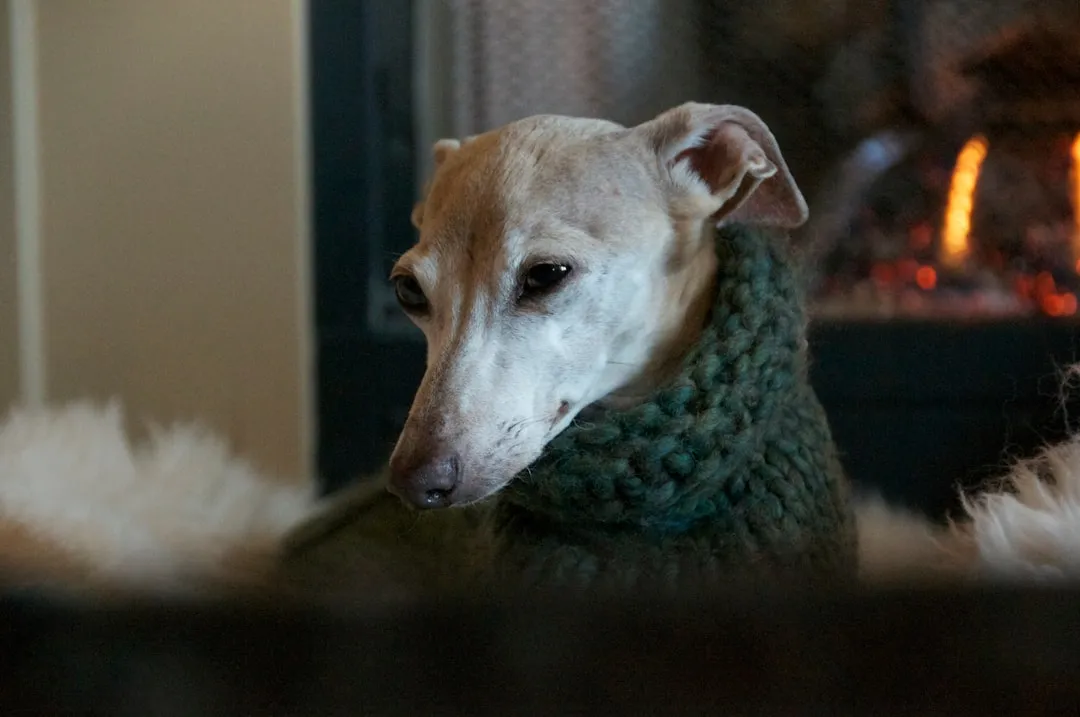
If Greyhounds struggle in the cold, Italian Greyhounds outright loathe it. These tiny sighthounds have almost no body fat, an ultra-thin coat, and delicate limbs, making them one of the least cold-tolerant breeds around. A chilly, windy morning can mean full-body shivers after just a few minutes outside.
Owners often joke their IGs are half-lizard, half-cat: they chase sunbeams and burrow under blankets at the slightest draft. Autumn doesn’t mean cozy hikes for this breed – it means carefully timed bathroom breaks, warm sweaters, and sometimes booties to avoid cold ground shock. If you want a dog for long, frosty walks, this is the wrong breed entirely.
18. Chihuahua: Big Attitude, Tiny Thermal Capacity
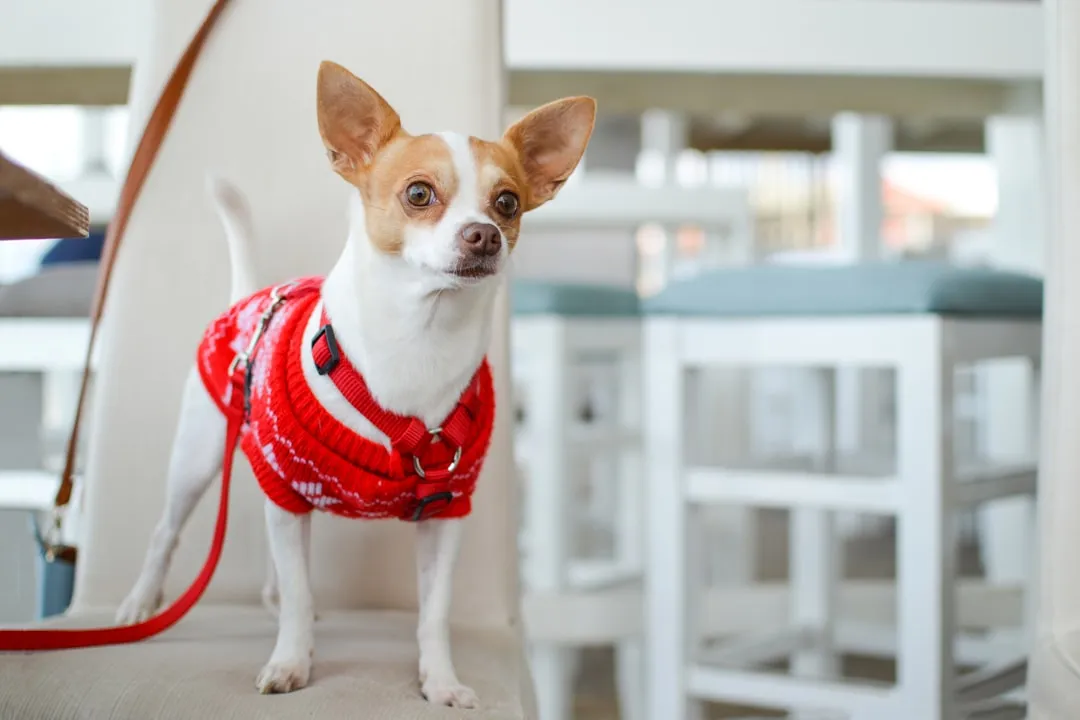
Chihuahuas act like they own the world, but their bodies disagree with cold, damp weather. With a small surface area and often a very short coat, they lose heat incredibly fast, especially in windy or wet conditions. That snappy attitude people always comment on? Sometimes it’s just a freezing little dog with no way to say “I’m uncomfortable” except reactivity.
Many owners underestimate how much a sweater, coat, or even a blanket in a carrier can change a Chihuahua’s comfort on cold mornings. The myth that “they’re fine, they’re tough” ignores basic physics. They can genuinely struggle to regulate their temperature in autumn, particularly early in the day when the ground is still cold from the night before.
17. Chinese Crested (Hairless): The Definition of Weather-Dependent
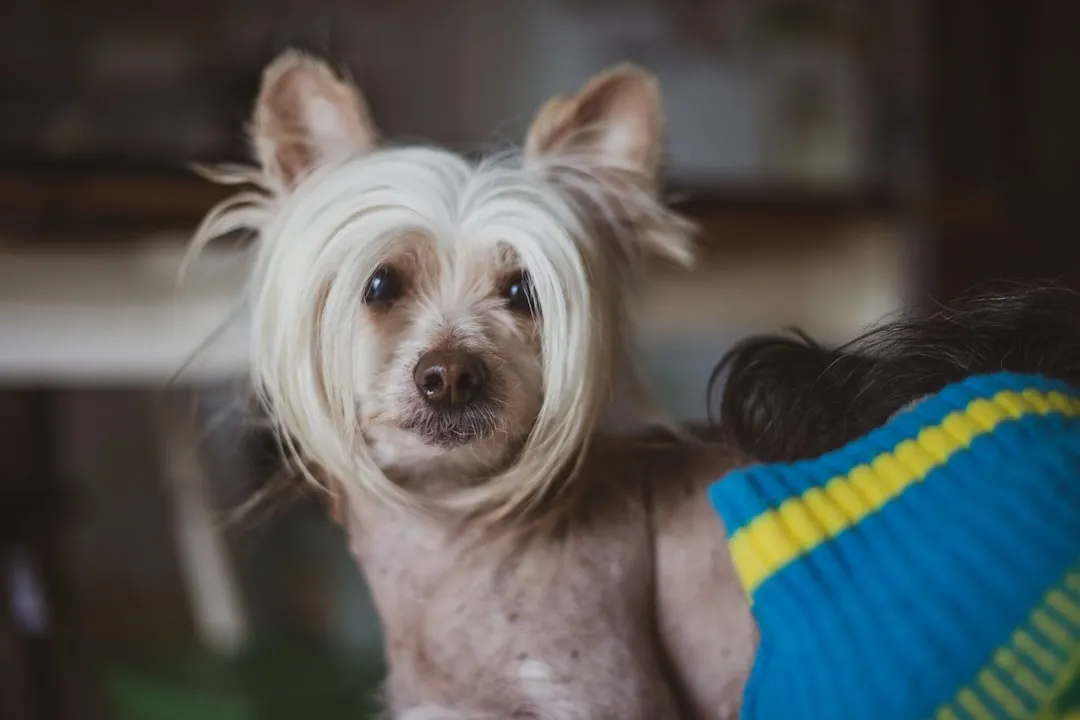
The hairless Chinese Crested has almost no natural insulation, making chilly mornings a serious issue rather than a minor inconvenience. Even mild autumn breezes can make them uncomfortable, and damp fog can feel brutal on exposed skin. Clothing isn’t a fashion statement here – it’s basic protection.
Skin health is the other half of the equation. Cold, dry air combined with clothing friction can cause irritation, while wet, chilly conditions raise the risk of skin issues if they’re not dried properly afterward. This is a dog that basically needs a seasonal skincare and wardrobe plan. People who treat them like low-maintenance bald dogs get corrected fast by the first real cold front of fall.
16. Boston Terrier: Short Nose, Short Coat, Short Tolerance
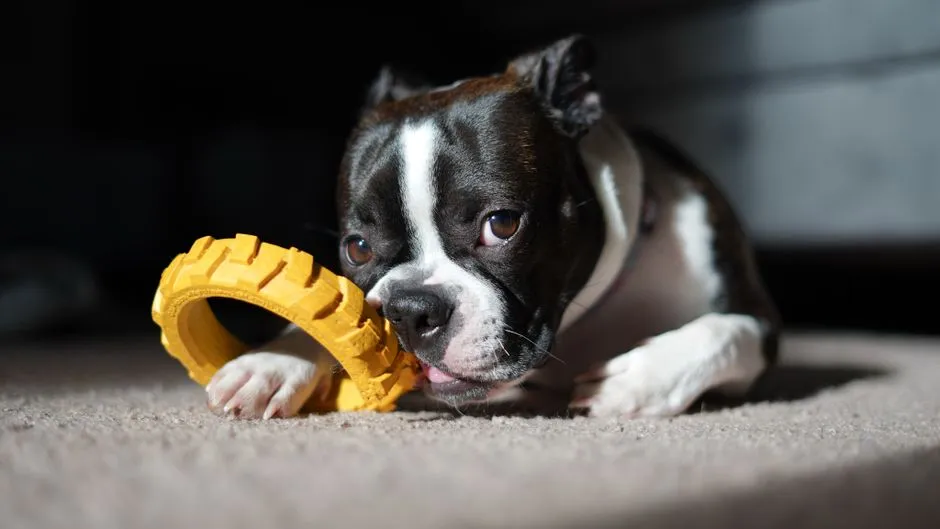
Boston Terriers carry two strikes against them in cold autumn weather: a short, fine coat and a brachycephalic, short-nosed face. They lack the insulation of a double coat, and their compromised airway can make cold, dry air irritating, especially once they get excited and start breathing hard.
They’re tough little clowns, but that doesn’t mean they’re comfortable. Many Bostons do better with sweaters for early-morning walks and shorter, more frequent outings instead of one long, freezing session. You’ll often see them shivering even while acting eager and bouncy, which owners mistake for pure enthusiasm rather than discomfort. Ignoring that shiver is a real welfare mistake.
15. French Bulldog: Trendy Breed, Tricky in Cold
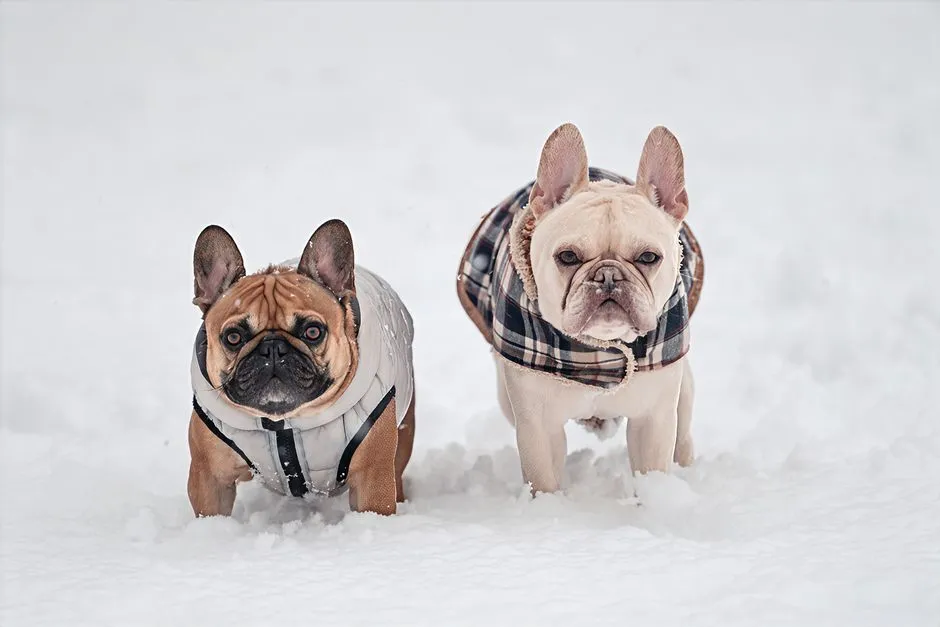
French Bulldogs are everywhere on social media, but very few posts show what happens when autumn mornings turn genuinely cold. Their short nose, compact body, and thin coat mean they struggle with both heat and cold – just in different ways. Chilly, damp air makes breathing harder, especially for dogs already prone to respiratory issues.
Many Frenchies will enthusiastically follow you outside, then start shivering or tiring quickly, and people misread that eagerness as resilience. In reality, they often need:
- A warm, properly fitted coat.
- Short, controlled walks rather than long, frigid adventures.
They’re apartment-friendly, yes – but that also means they weren’t built for “just throw them outside, they’ll be fine” autumn mornings.
14. Pug: Charming, But Cold Air Is No Joke
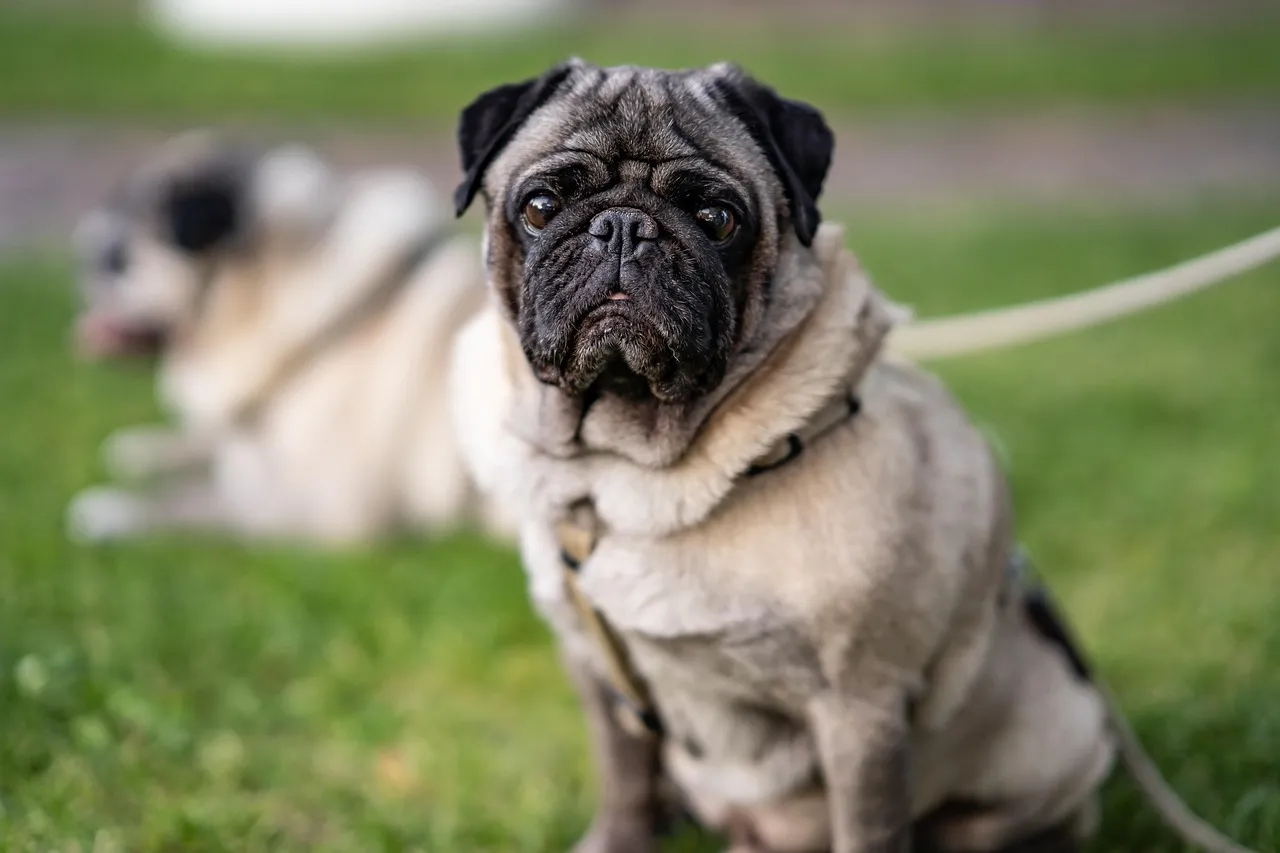
Pugs are lovable, goofy, and famously brachycephalic. When the air turns cold and dry, their already-compromised airway can become even more stressed, leading to snorting, wheezing, and fatigue. Combine that with a short, single coat and you get a dog that’s far from comfortable on cold dawn walks.
Owners often underestimate how quickly a Pug can get chilled, especially on wet grass or frosty sidewalks. A sweater isn’t overkill here – it’s smart. And because so many Pugs carry extra weight, their hearts and lungs already work harder in any conditions; toss in cold air and you’ve essentially doubled the difficulty. They aren’t built for harsh autumn mornings, no matter how brave they act.
13. Dachshund: Low to the Ground, High Exposure to Cold
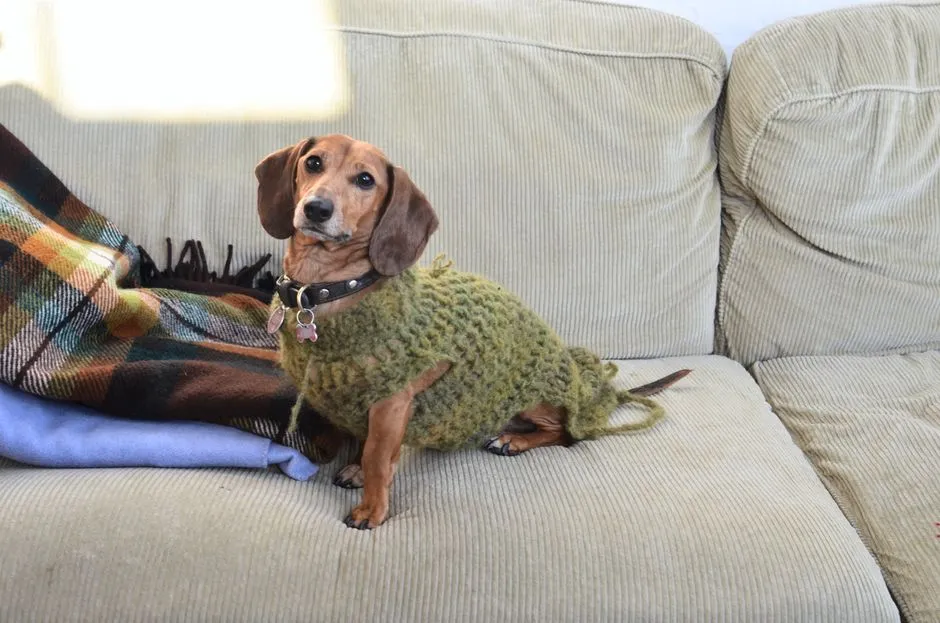
Dachshunds have decent coats, especially the wire-haired and long-haired varieties, but their body shape works against them in cold, damp conditions. Their low-slung frame puts chest and belly closer to wet, chilly ground, so they lose heat faster than taller dogs in the exact same weather.
Short-haired Dachshunds especially struggle on cold, dewy lawns early in the day. Many owners notice their dogs refusing to potty or doing the shiver-and-freeze routine – it’s not stubbornness, it’s discomfort. A simple sweater and, in harsher climates, booties can change everything. People joke about their shape constantly, but that body plan has very real weather consequences.
12. Miniature Pinscher: Tough in Attitude, Fragile in Temperature
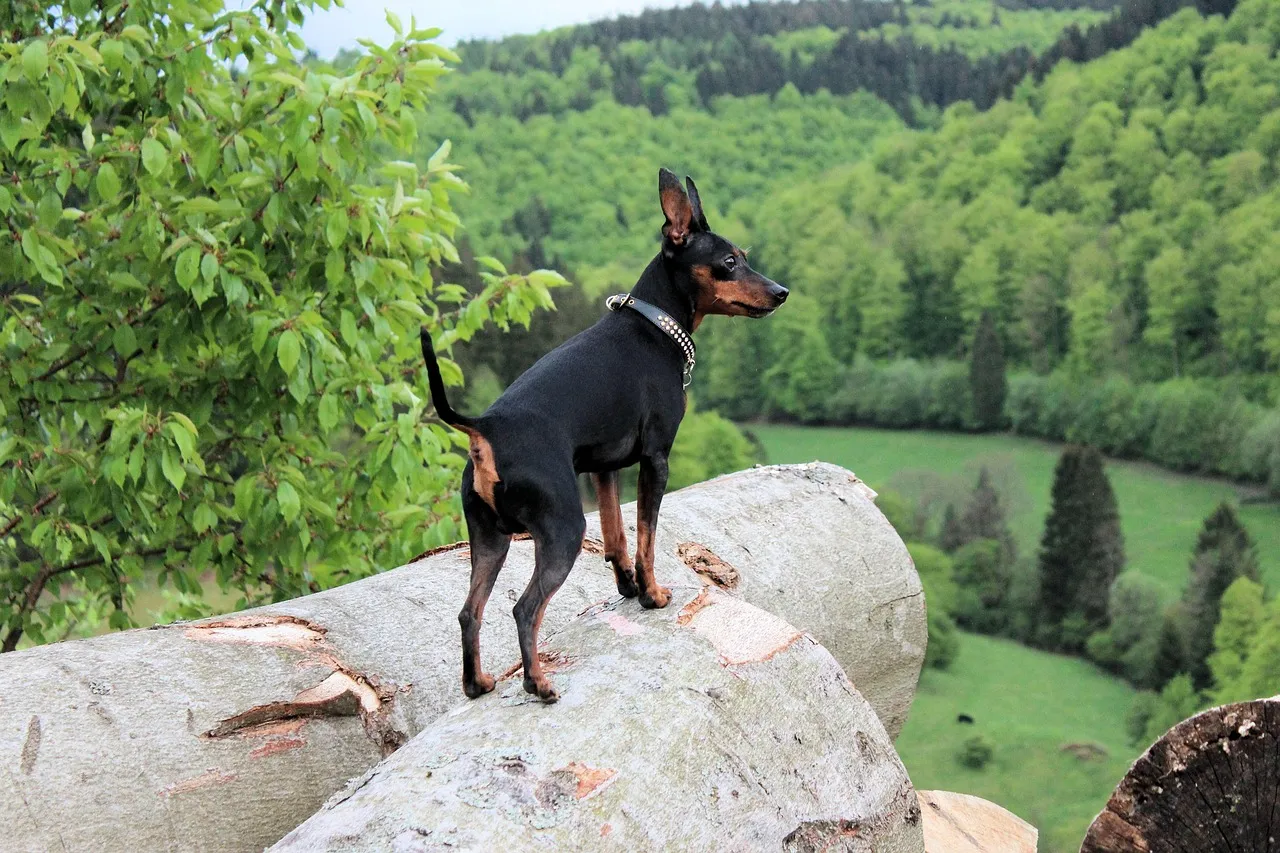
Miniature Pinschers project pure confidence, but their sleek, short coat and lean build mean they’re surprisingly cold-sensitive. They have minimal insulation and a high metabolism, which burns through heat and energy fast the moment temperatures drop. Even a quick outdoor trip on a windy, drizzly morning can turn unpleasant without protection.
Many Min Pins benefit from:
- Warm coats for walks under roughly 50°F.
- Very limited time on cold, wet ground.
Their tendency to tremble often gets dismissed as “nervous toy dog behavior,” but a lot of it is simply feeling cold. Treating them like a hardy, weather-proof watchdog is wishful thinking, not reality.
11. Yorkshire Terrier: Hair, Not Fur – and That Matters
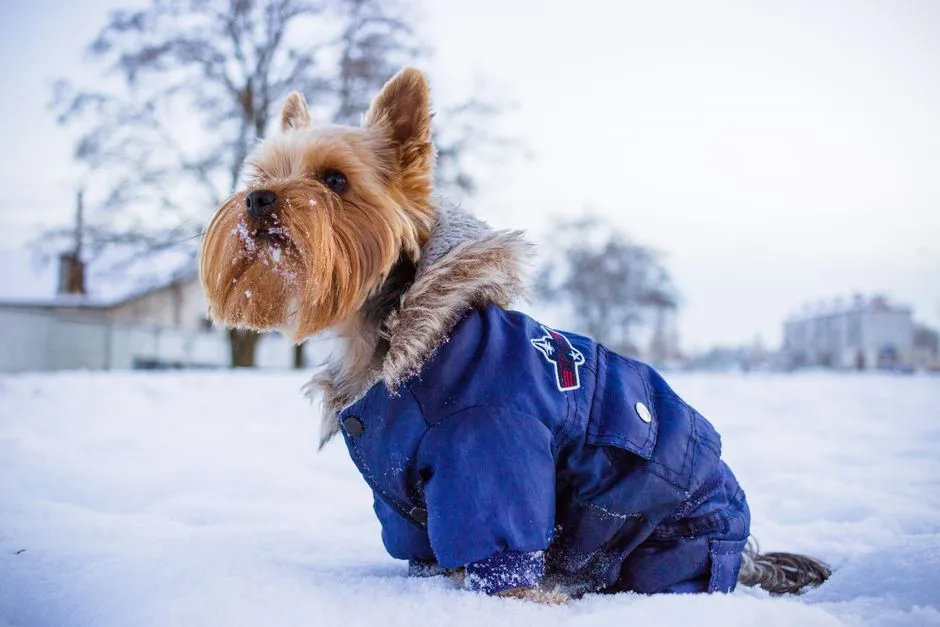
Yorkshire Terriers have hair more similar to human hair than typical dog fur, which means they lack the dense undercoat that protects true cold-weather breeds. That gives them their silky, glamorous look but almost no real insulation once the air turns chilly and damp.
People often assume that because their hair grows long, it must keep them warm. In reality, that fine hair gets wet, matted, and cold very quickly in autumn drizzle or dew. Many Yorkies are far more comfortable in:
- Fleece-lined jackets for morning walks.
- Being carried or using pee pads in truly harsh conditions.
Their small size and lack of undercoat make them one of the more vulnerable toy breeds once the weather turns.
10. Maltese: Snow-White Coat, Zero Interest in Cold
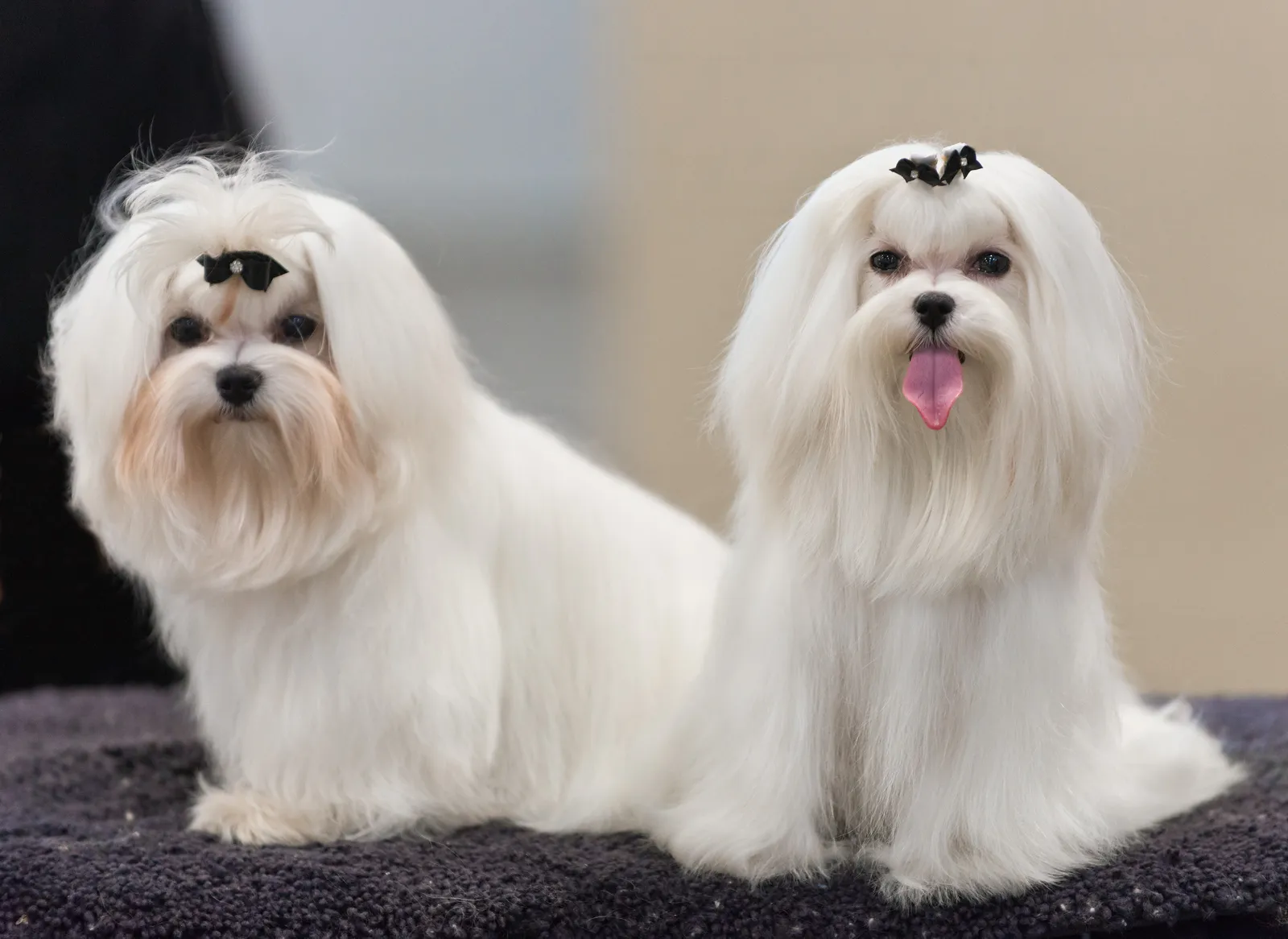
Maltese dogs look like little snow angels, but don’t be fooled – they’re not fans of real cold. Their long, silky coat has very little undercoat, providing minimal insulation against low temperatures. Add their small size and low body weight, and they chill quickly, especially on windy mornings.
Owners who keep them in a short “puppy cut” often make things worse by removing what little natural protection they had. For autumn comfort, Maltese typically need:
- Warm layers for anything more than a quick potty break.
- Careful drying if their coat gets wet from dew or drizzle.
They can be lively and playful, but long, frosty walks are simply not their happy place. They’re indoor companions who visit the cold – they don’t live in it.
9. Shih Tzu: Dense Hair, But Not a Mountain Dog
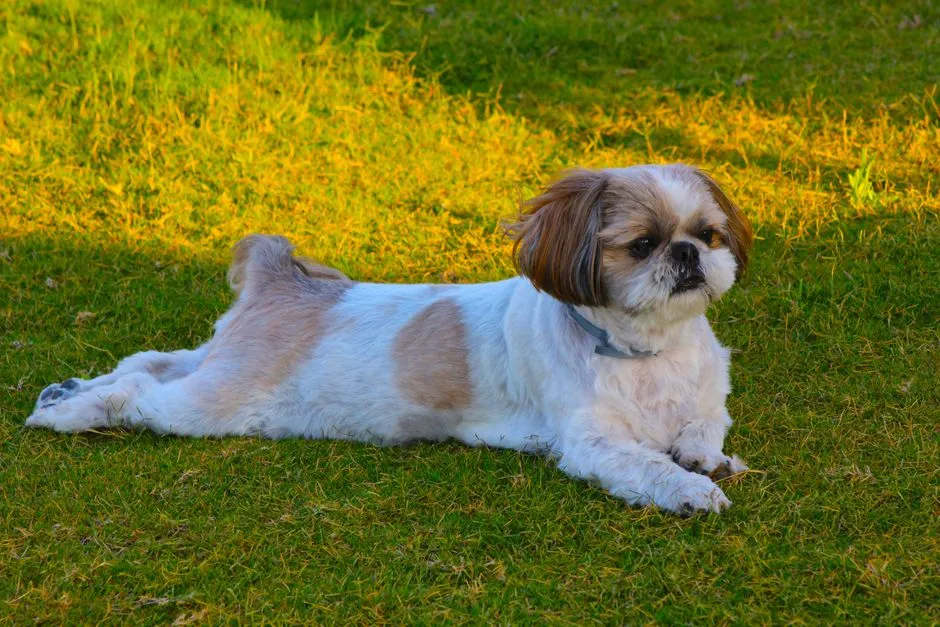
Shih Tzus often get mistaken for cold-hardy because they’re so fluffy. But that fluff is hair, not a true insulating double coat. They originated as palace lap dogs, not working animals in fields or mountains, and their bodies behave accordingly the moment the weather turns chilly.
Short cuts, popular for easier grooming, leave them even more exposed. Many Shih Tzus will happily go outside for a few minutes – after that, shivering and paw-lifting are common, especially on frosty or wet grass. Owners often interpret that reluctance as stubbornness or laziness, when it’s really their dog simply not coping with the cold. Proper clothing and shorter outings make autumn mornings far more bearable.
8. Chinese Shar-Pei: Thin Coat, Problematic Skin in Cold Damp
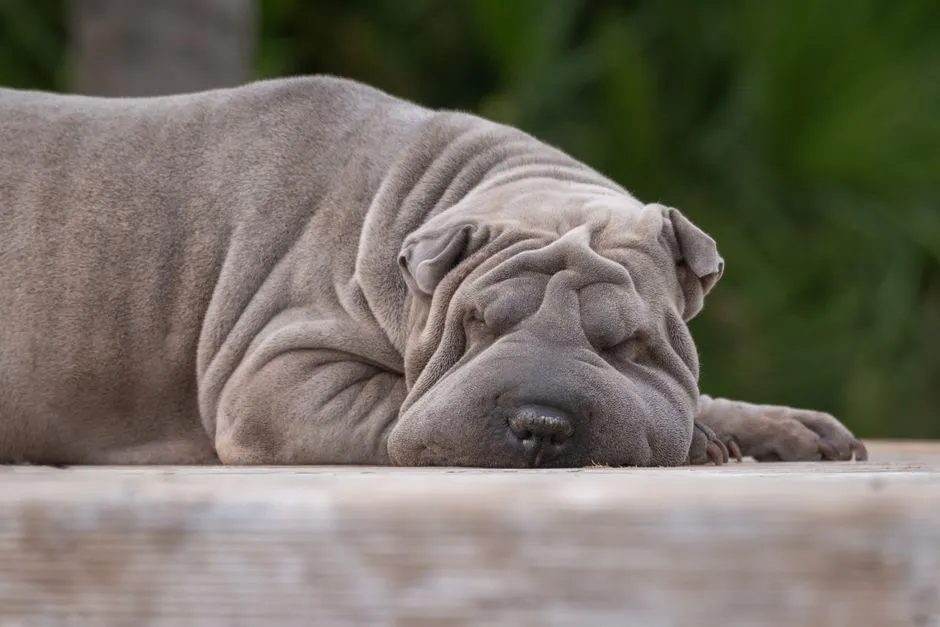
Shar-Peis have a famously short, harsh coat and lots of skin folds – a combination that becomes a real problem in cold, wet autumn conditions. They lack the insulating double coat of true cold-weather breeds, and their skin turns more prone to irritation and infection when constantly exposed to moisture and chill.
A cold, foggy morning walk without proper drying afterward can mean damp folds and a higher risk of skin issues. Many Shar-Peis simply don’t enjoy being out long when it’s chilly and wet – they’re more “quick trip, back to the warm house” dogs. Owners who push for long, cold hikes are often doing it for themselves, not their dog. This is a breed that genuinely struggles when the weather turns raw.
Worth Knowing
- Originated in a warm southern Chinese climate, not a cold one.
- Deep skin folds trap moisture, raising infection risk in damp autumn weather.
- Short, harsh coat offers next to no insulation against wind or chill.
- Does best with brief, thoroughly dried outings rather than long cold walks.
7. Boxer: Muscular Frame, Minimal Coat
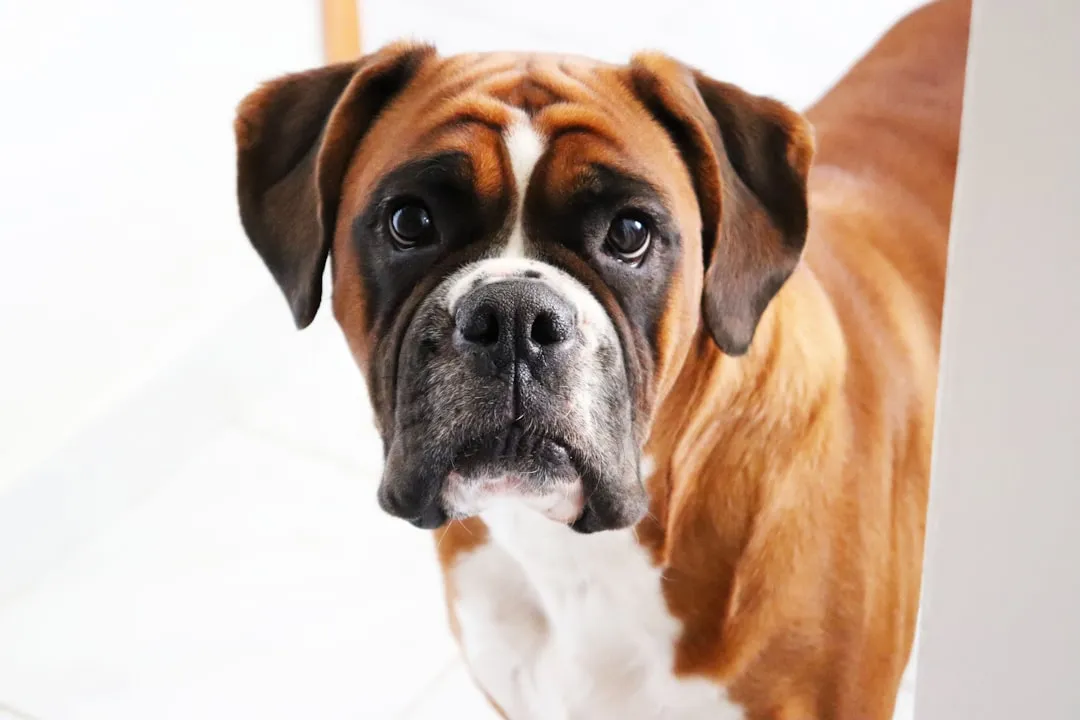
Boxers are high-energy, athletic, and often treated like all-weather athletes. Reality check: their short, thin coat provides almost no real insulation, and they’re known to shiver fast when temperatures drop, especially in damp air or wind. Add in a breed-wide tendency toward some cardiac and respiratory issues, and hard exercise in cold air becomes riskier than most owners assume.
Autumn mornings shouldn’t be a “push them to the limit” scenario. Instead, they need:
- Layering for prolonged outdoor time.
- Warm-up and cool-down periods to avoid strain.
They may look tough, but their weather resilience simply isn’t on par with their enthusiasm. Ignoring that mismatch is one of the most common mistakes Boxer owners make.
6. Beagle: Hunting Heritage, But Not Harsh-Weather Proof
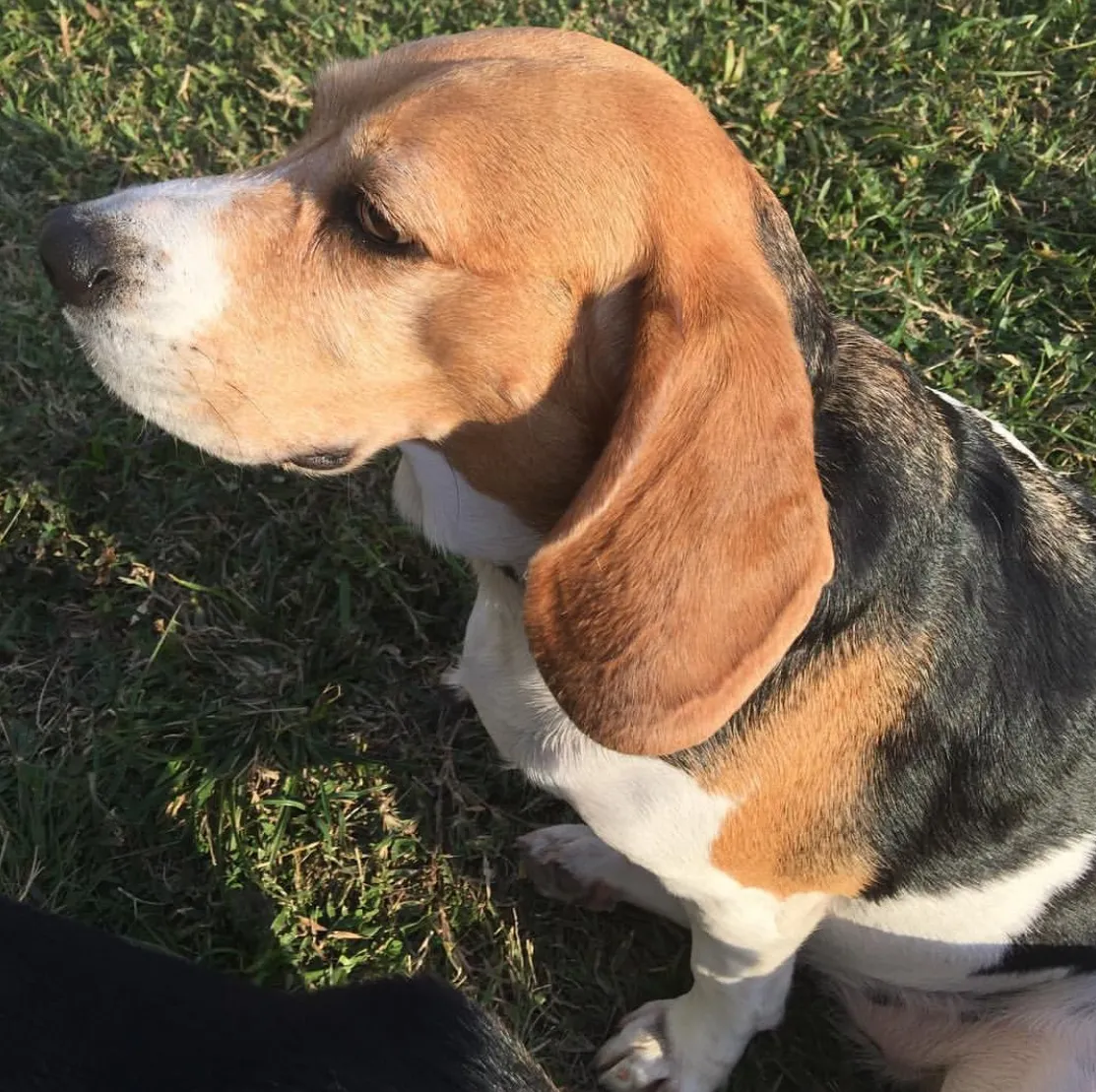
Beagles were bred to hunt, yes – but typically across milder European climates, not arctic conditions. They have a short double coat that offers some protection, but they can still get chilled quickly in cold, wet autumn weather, especially if they’re standing around rather than running.
Because they’re so scent-driven, Beagles will happily follow a smell no matter how cold it is, which tricks owners into believing they’re perfectly comfortable. In reality, long stretches in damp fields or woods can lead to stiff joints, shivering, and general discomfort once the excitement wears off. They’re not as fragile as toy breeds, but they’re far from cold-proof – think moderation, not marathons, on raw mornings.
5. Whippet: Built for Speed, Not for Frost
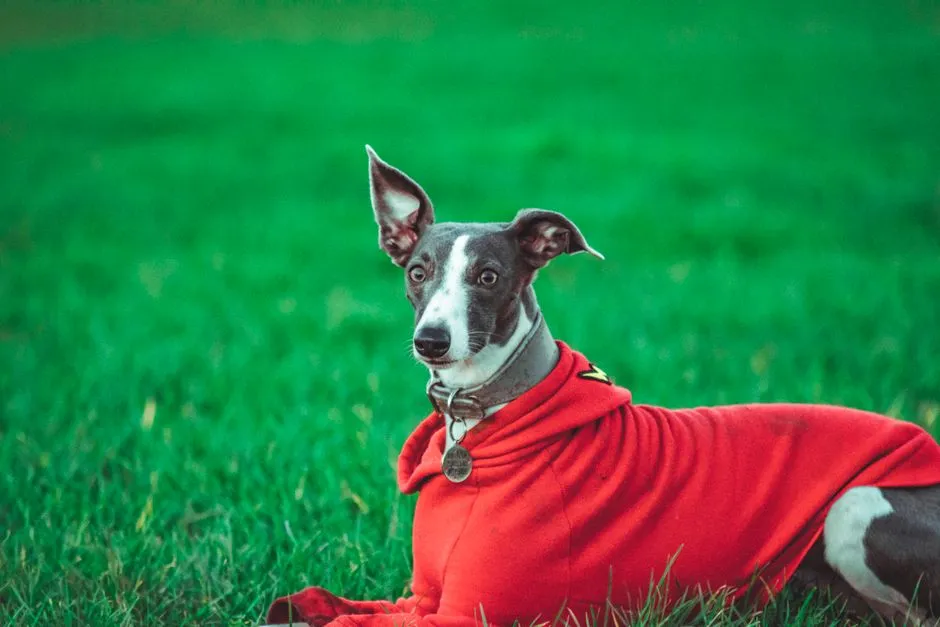
Whippets, like their Greyhound cousins, carry very little body fat and an extremely short coat. They’re one of the classic “needs a sweater” breeds once temperatures dip, even if they still look eager to sprint. Their muscles warm up fast when running but cool down just as fast the moment they stop.
Cold, still air is challenging enough on its own; add dew or frost on the ground and their paws and legs can turn uncomfortable within minutes. Many Whippets do best with:
- Warm clothing before and after sprints.
- Short, intense exercise sessions rather than long, slow walks.
They can be incredible partners for active people – but only if you respect their temperature limits instead of pretending they’re built like Huskies.
4. Papillon: Butterfly Ears, No Built-In Parka
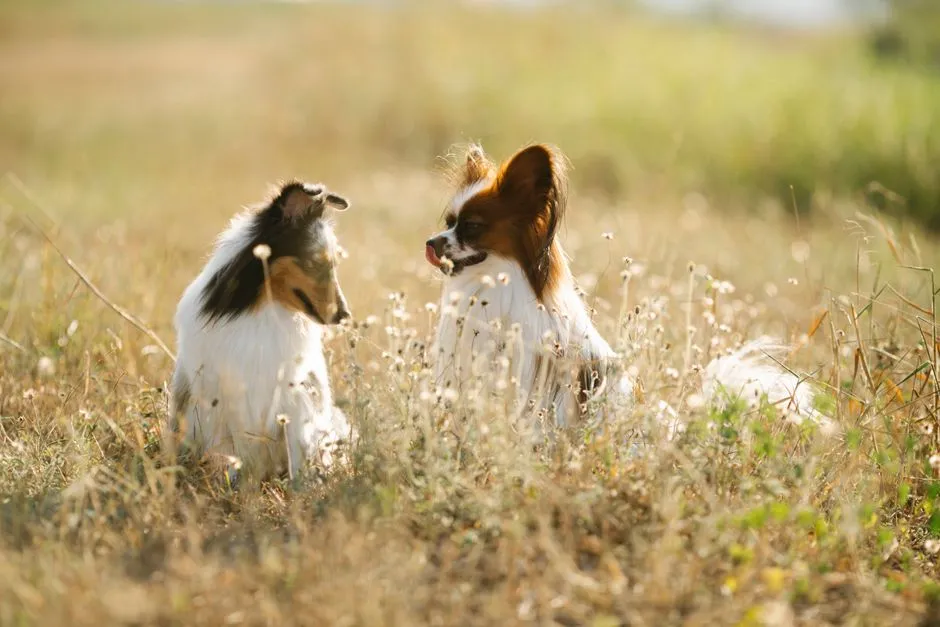
Papillons have those big, feathered ears and a fine, silky coat that looks lush but is genuinely deceptive. They lack a dense, insulating undercoat, and their small size makes them vulnerable to body heat loss in cold air. Wind and dampness are especially harsh on their ears and paws.
A lot of Papillons are game for activity and agility, which makes owners assume they’re physically robust in every condition. In truth, they can go from zippy to shivery in a very short window. Smart owners use sweaters or fleece in temperatures that feel “just cool” to humans and limit time on cold, wet grass. They’re mentally bold but physically not equipped for long, raw autumn mornings.
3. Havanese: Island Roots, Indoor Preferences
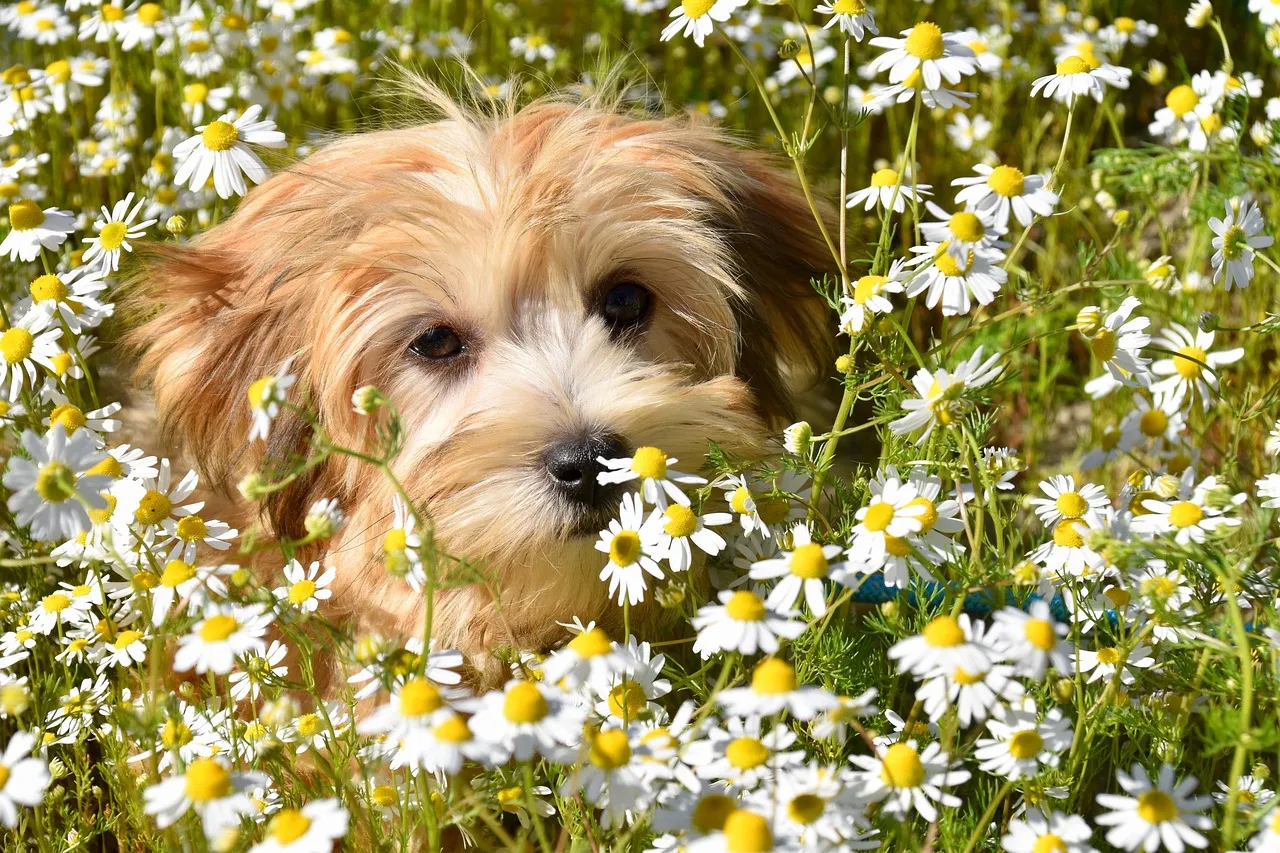
The Havanese originated in the Caribbean, and their bodies still behave like it. Even with a longer coat, they don’t have the undercoat or build for harsh, damp cold, and they often struggle when autumn mornings turn windy or wet. Clipping their coat short, which many owners do for convenience, removes what little natural protection they had left.
Havanese are social, cheerful dogs who may follow you outside happily – that doesn’t mean they’re physically comfortable doing it. They do best when walks are timed for later in the morning as the day warms up, and when clothing and quick drying are part of the routine. If you want a dog that thrives in frost, this isn’t it – they’re more coffee-shop companion than cold-field explorer.
2. Poodle (Toy & Miniature): Smart Brain, Mild-Weather Body
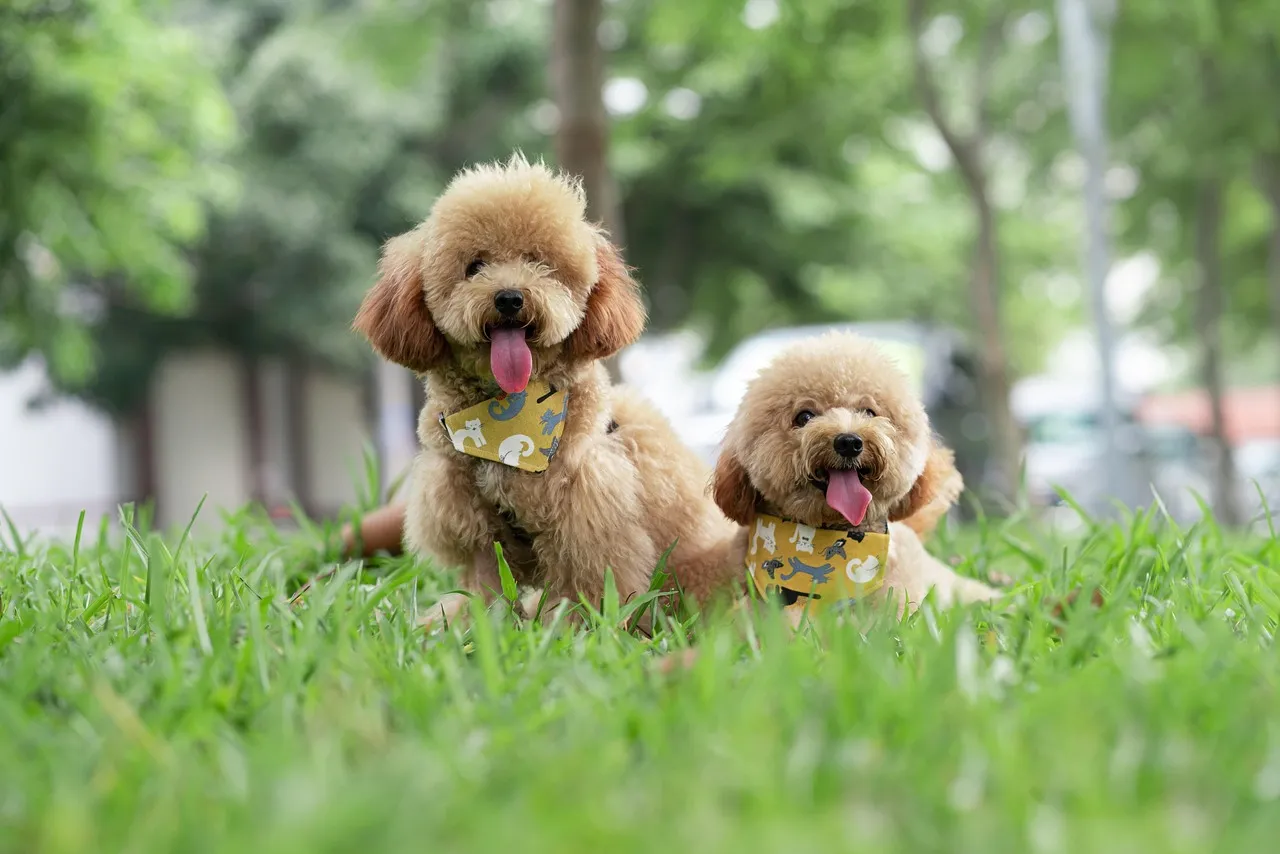
Poodles are often seen as fancy but tough, and that’s only half true. Standard Poodles carry more resilience, but Toy and Miniature Poodles, especially when clipped short, lack serious insulation. Their curly coat can be protective when left longer, but most owners keep it trimmed short year-round.
Cold, damp autumn mornings can make these small Poodles shiver and lift their paws in discomfort fast. Their intelligence and trainability mean they’ll often push through a walk for your sake, but that’s not the same as being comfortable. They need thoughtful grooming lengths in cooler seasons and coats or sweaters for true chill. Treating them as “indoor-outdoor, no problem” dogs in cold weather is more about human denial than canine reality.
1. Bulldog (English): The Breed That Suffers at Both Temperature Extremes
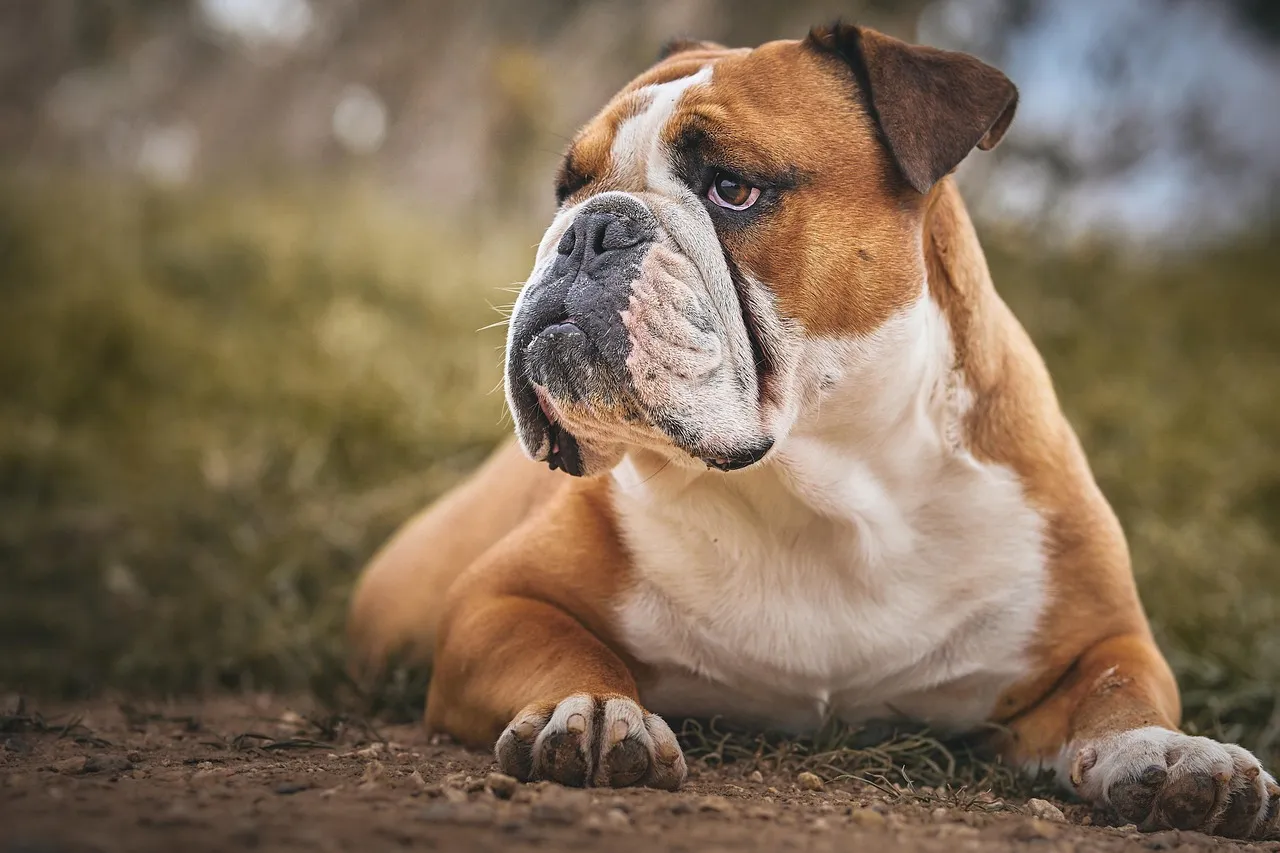
At the very top of the struggle list sits the English Bulldog. Everyone knows they suffer in heat, but many people completely ignore how poorly they handle cold, especially damp, raw autumn mornings. Their brachycephalic airway, heavy body, short legs, and thin coat all work against them at once.
Cold, dense air can make breathing noisier and more labored, particularly during exertion, and their joints don’t love cold, wet ground either, especially in a breed where overweight is common. A Bulldog panting, snorting, and shivering isn’t being dramatic – it’s a body pushed past its comfort. They need short, gentle outings and real protection from chill and damp. Of all common pet breeds, Bulldogs may be the single biggest mismatch for harsh autumn mornings, and owners who ignore that reality are doing them a real disservice.
At a Glance
- Brachycephalic airway makes cold, dense air harder to breathe.
- Short, thin coat provides minimal warmth on its own.
- Prone to joint strain on cold, wet ground, especially when overweight.
- One of the few breeds that struggles at both temperature extremes – summer heat and autumn chill alike.
The Bottom Line
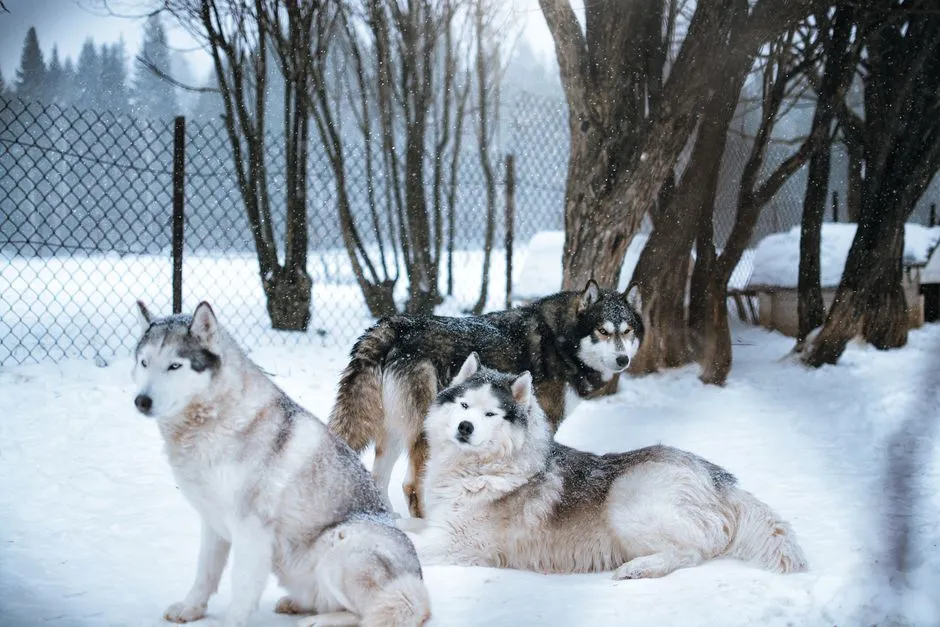
When it comes to cold autumn mornings, not all dogs are created equal, and pretending they are is exactly where owners quietly fail their pets. Siberian Huskies, Malamutes, and Newfoundlands are basically begging you to get outside the second the air bites, while Italian Greyhounds, Chihuahuas, and Bulldogs are just trying to survive the same walk. Coat type, body shape, breed origin, and airway structure matter far more than “my dog seems tough” or “he wants to go out anyway.”
There’s no such thing as bad weather, only inappropriate clothing.
Alfred Wainwright
That line was written about hikers, but it applies just as well to dogs. Slapping a jacket on a Husky makes about as much sense as sending a hairless Crested outside in nothing but a collar. Some breeds genuinely cope beautifully with the cold; others genuinely struggle, and no amount of wishful thinking changes the biology underneath the fur.
Did we miss a breed you think secretly loves – or secretly hates – the cold? Drop your experience in the comments and let the arguments begin.
