

Everyone assumes a cat’s personality is basically set in stone by the time the kitten phase ends. Chill cats stay chill, feisty cats stay feisty, end of story. Breeders, vets, and longtime owners will tell you that’s mostly a myth.
Somewhere around year five or six, something shifts. Some breeds soften into full-time cuddle puddles who’d rather nap on your chest than do anything else. Others quietly rewrite the house rules, and if you break one, they will absolutely let you know. Here’s exactly which breeds go which way – and where your own cat might be headed.
#1 – Ragdoll: From Playful Pillow to Velcro Cloud (Softer With Age)
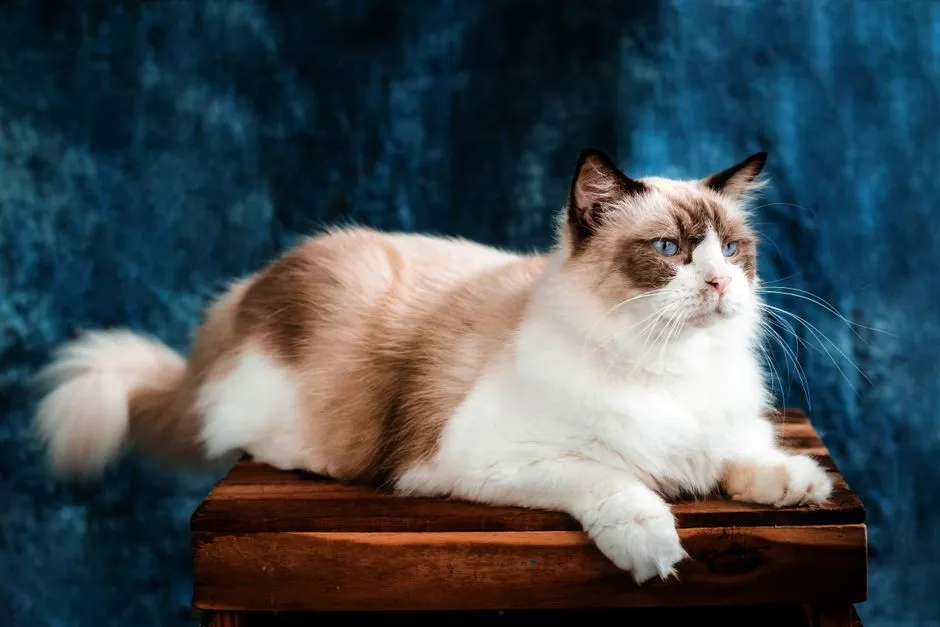
Ragdolls already have a reputation as “floppy” cats, but most people don’t realize their calm actually deepens with age. As kittens they chase toys and zoom around like any other breed. Fast-forward to their senior years and you’re basically living with a weighted blanket that purrs.
By 6 to 8 years old, many Ragdolls spend most of the day shadowing their favorite human from room to room, asking for gentle strokes and long naps on laps or pillows. Once they’re past the awkward adolescent phase, the fur fills in and grooming becomes a soothing ritual instead of a wrestling match. They also tend to tolerate handling – belly rubs, being picked up, even being cradled like a baby – more and more as they age.
#2 – British Shorthair: The Teddy Bear That Retires Early (Softer With Age)
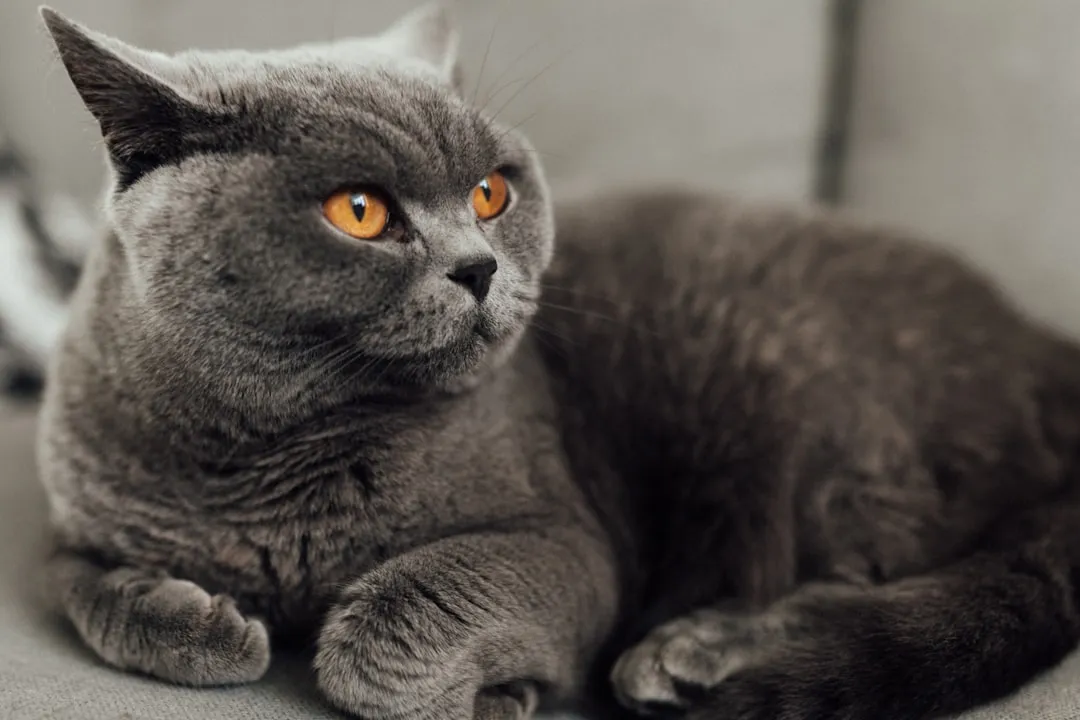
As kittens, British Shorthairs can be surprisingly zippy and mischievous. Over time, though, they “retire” into low-drama, arm’s-length affection. Their famously plush, dense coat often gets even thicker and more velvety as adults, turning them into living teddy bears who prefer quiet company over constant play.
These aren’t clingy cats – they just want to be near you, not on you, especially once they hit middle age. That independent streak never really disappears, but instead of reading as aloof, it reads as calm composure. Older British Shorthairs love predictable routines and warm sunny spots, and many simply outgrow their kitten naughtiness to become rock-solid, almost dog-like companions.
Fast Facts
- Vets generally consider cats “mature” around age 7 and “senior” starting at 11.
- Most cats hit full physical and emotional maturity somewhere between 2 and 4 years old.
- Slow-maturing, large breeds like Maine Coons and Ragdolls may not settle into their true adult temperament until age 3 to 5.
- Well-cared-for indoor cats commonly live 13 to 17 years, with some breeds reaching well into their late teens.
#3 – Persian: Drama Coat, Zero Drama Personality (Softer With Age)
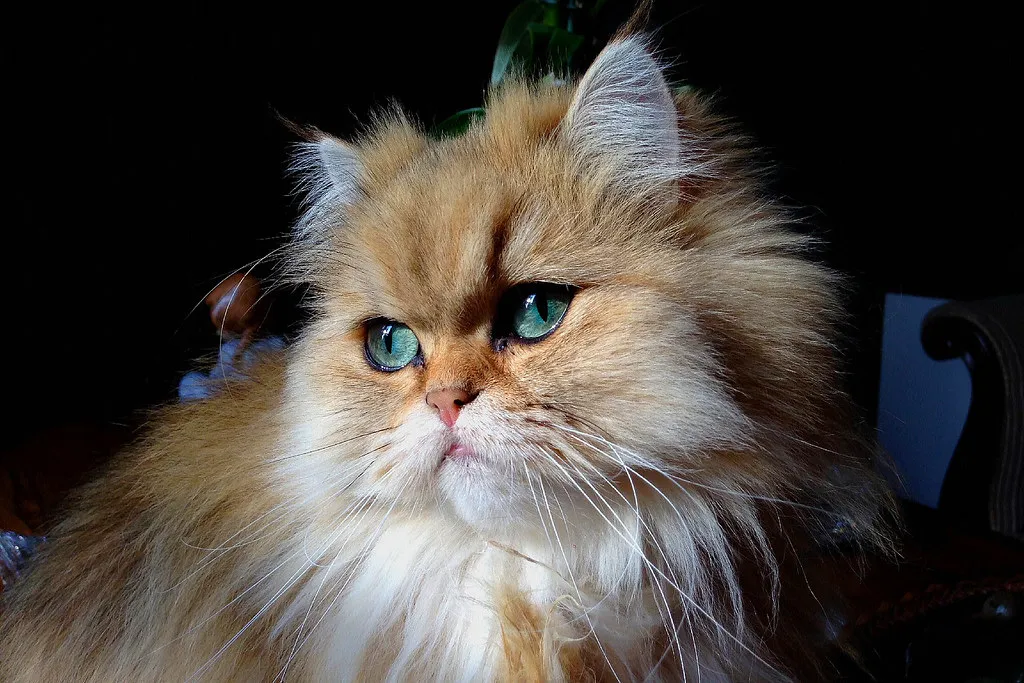
Persians are one of the few breeds where the coat looks high-maintenance but the personality gets lower-maintenance as they age. Kittens might be a bit more curious and playful than people expect, but by adulthood, many Persians settle into couch-ornament status – gentle affection, soft voices, predictable environments.
Their long, silky fur can feel even more luxurious in mature cats when it’s properly groomed. Older Persians gravitate toward warmth and stillness: heated beds, quiet corners, slow petting sessions. They’re also less likely to be climbers or jumpers as they age, favoring low perches and soft beds instead.
Cats are connoisseurs of comfort.
James Herriot
#4 – Birman: The “Balanced Sweetheart” That Softens With Time (Softer With Age)
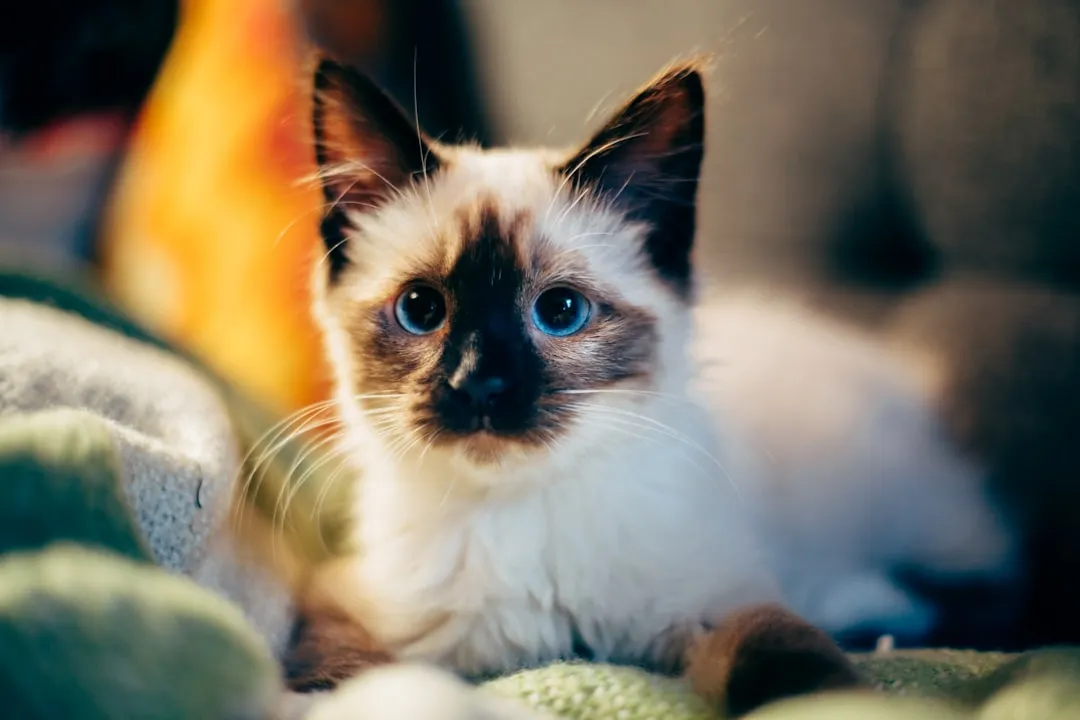
Birman kittens can be surprisingly adventurous, but what shocks many owners is how even-keeled and gentle they become with age. Think of them as the middle ground between clingy and aloof. After 4 or 5 years, most Birmans settle into calm, affectionate companions who like to be near their humans without constantly demanding attention.
Their semi-long, silky coat typically stays soft without matting as easily as a Persian’s, which makes petting them even more enjoyable as they mature. Many older Birmans grow tolerant of kids, other pets, and routine changes, so long as they still get their quiet cuddle windows. Breeders often call them “stable” cats – few extremes, lots of gentle sweetness.
#5 – Scottish Fold: From Curious Kitten to Calm Companion (Softer With Age)
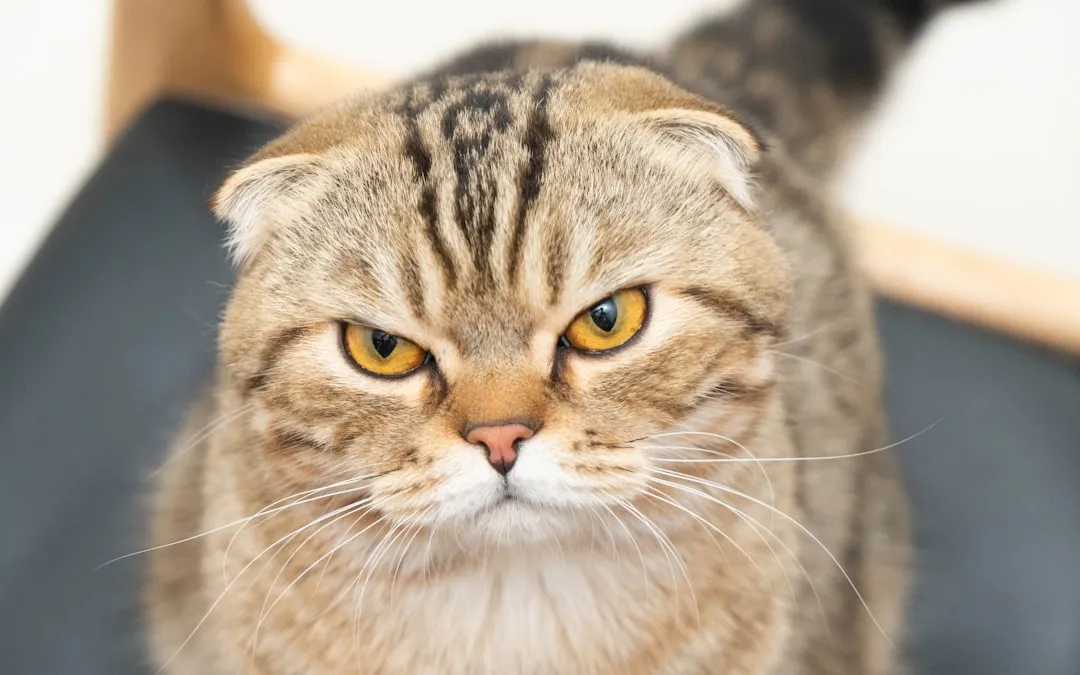
The folded ears draw all the attention, but the real surprise with Scottish Folds is how their personalities soften and slow down over time. As kittens, they’re playful and endlessly curious. By adulthood, many Folds morph into easygoing, people-oriented cats more interested in overseeing your day than causing chaos.
Their coat – short or longhair – often becomes denser and plusher as they mature, enhancing that “owl-faced teddy bear” look. Responsible owners also watch for joint issues with age, which can make Folds even more sedentary and snuggly. That enforced slowness usually translates into more lap time and softer bonding moments.
#6 – Exotic Shorthair: The Persian That’s Easier to Love Long-Term (Softer With Age)
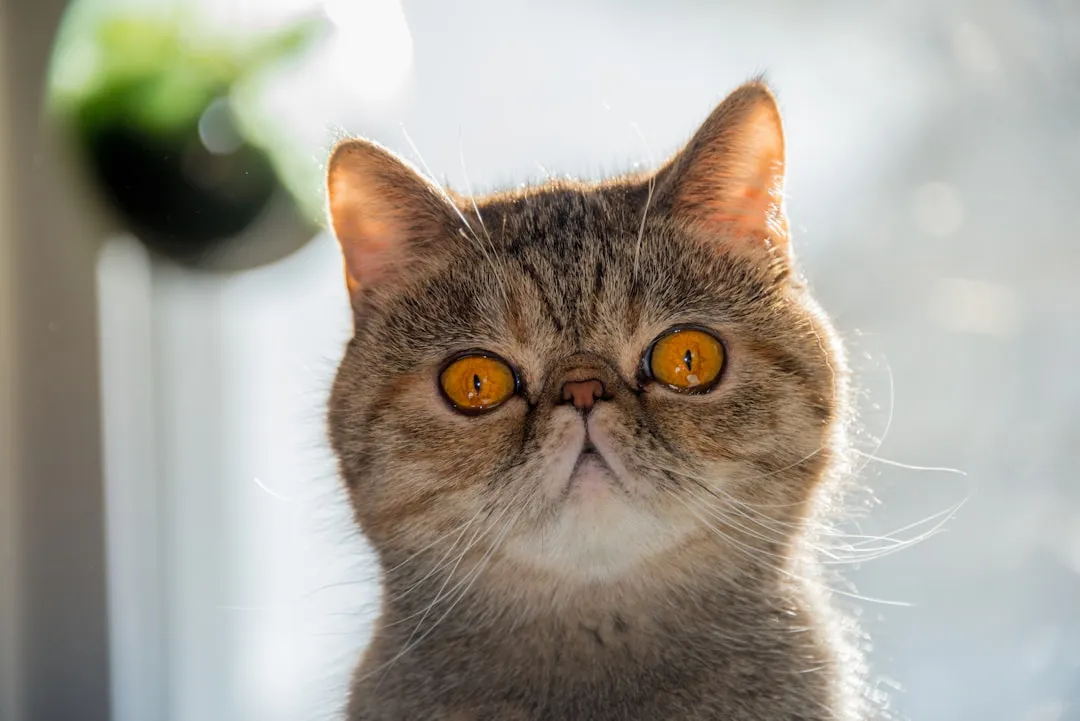
Exotic Shorthairs are basically short-haired Persians, and their personality arc mirrors it closely – the energy of kittenhood fades into a chilled-out, teddy-bear adult who enjoys short play sessions and long naps. They’re affectionate without being demanding, a great fit for households that want a calm feline presence.
Their dense, plush coat tends to feel softer as their adult coat fully comes in, especially with regular brushing. Older Exotics love routine – same spots, same humans, same quiet evenings. While some cats get crankier with age, Exotics usually go the other way, becoming more tolerant and patient.
#7 – Ragamuffin: The Oversized Lap Cat That Just Keeps Melting (Softer With Age)
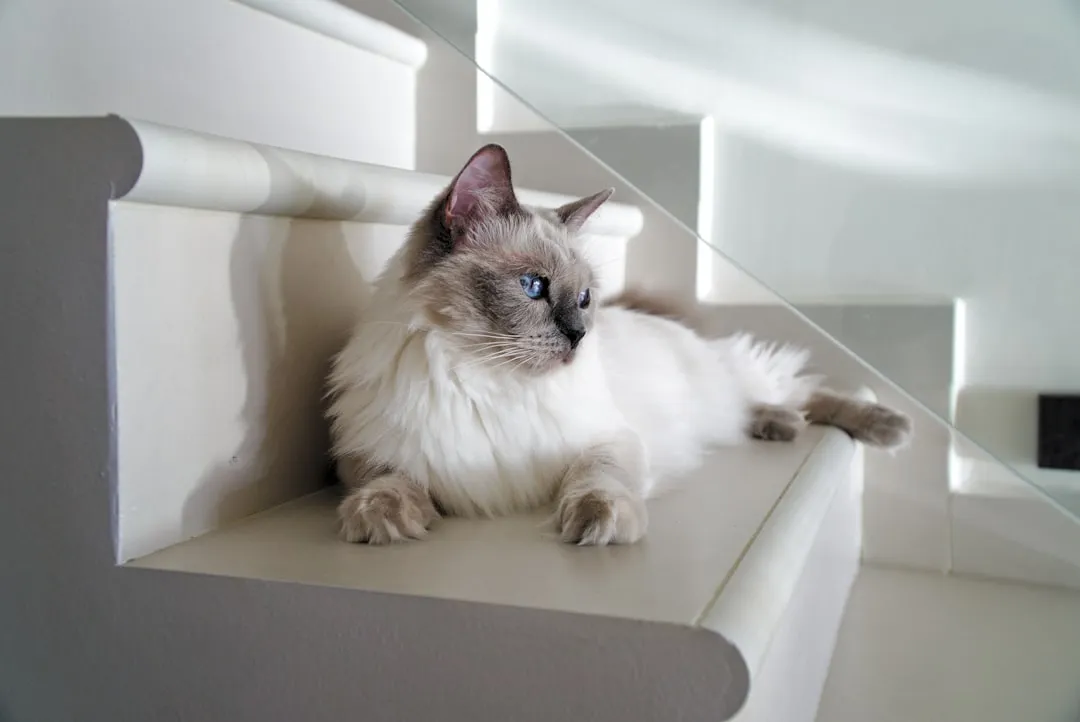
Ragamuffins start out playful and curious, but their true personality shines in adulthood. Many owners describe their mature Ragamuffin as “liquid cat” – they simply melt into whatever position you hold them in. As they age, they seek more physical contact and grow increasingly affectionate and docile, especially in quiet households.
Their thick, rabbit-soft coat usually improves with age when well cared for. Mature Ragamuffins tend to be unbothered by kids, guests, and even calm dogs, preferring to politely request attention rather than demand it. They stay playful in short, controlled bursts – then it’s back to flopping on a lap or bed.
#8 – Siberian: Forest Cat Turned Indoor Gentle Giant (Softer With Age)
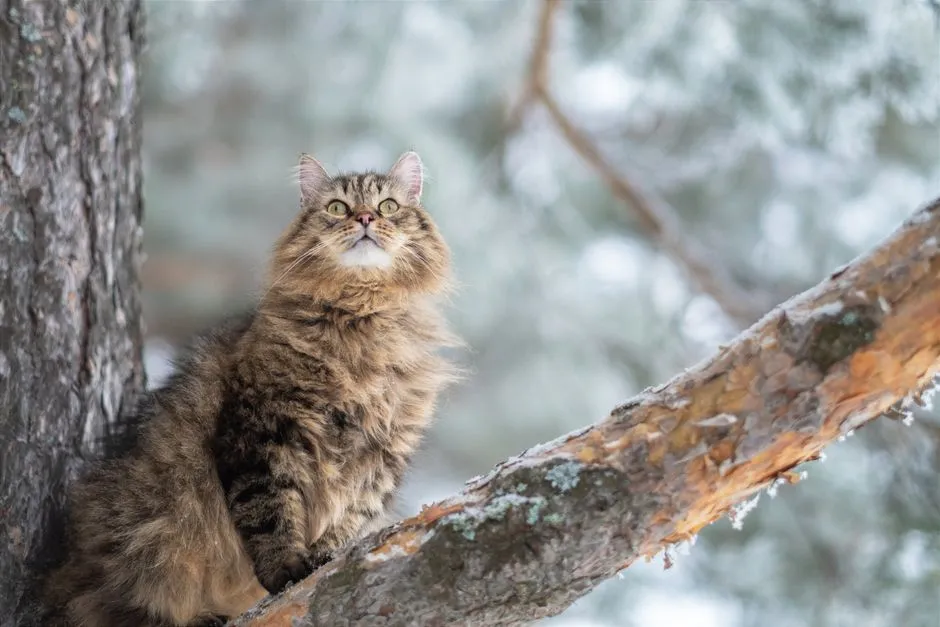
Siberian kittens can be wild, athletic climbers with big personalities. Over time, though, many transform into remarkably calm, affectionate companions who enjoy lounging almost as much as leaping. Their triple coat – built for harsh winters – often feels thicker and softer as adults, turning them into hefty, huggable cats when they choose to snuggle.
Unlike some breeds that grow reclusive with age, many Siberians become more people-focused, following their owners from room to room and supervising quietly. Their “wild forest” energy gets channeled into occasional intense play, followed by long stretches of relaxed purring – cats that look like they should live outside but age into cozy family members.
#9 – Maine Coon: The Gentle Giant That Softens Around the Edges (Softer With Age)
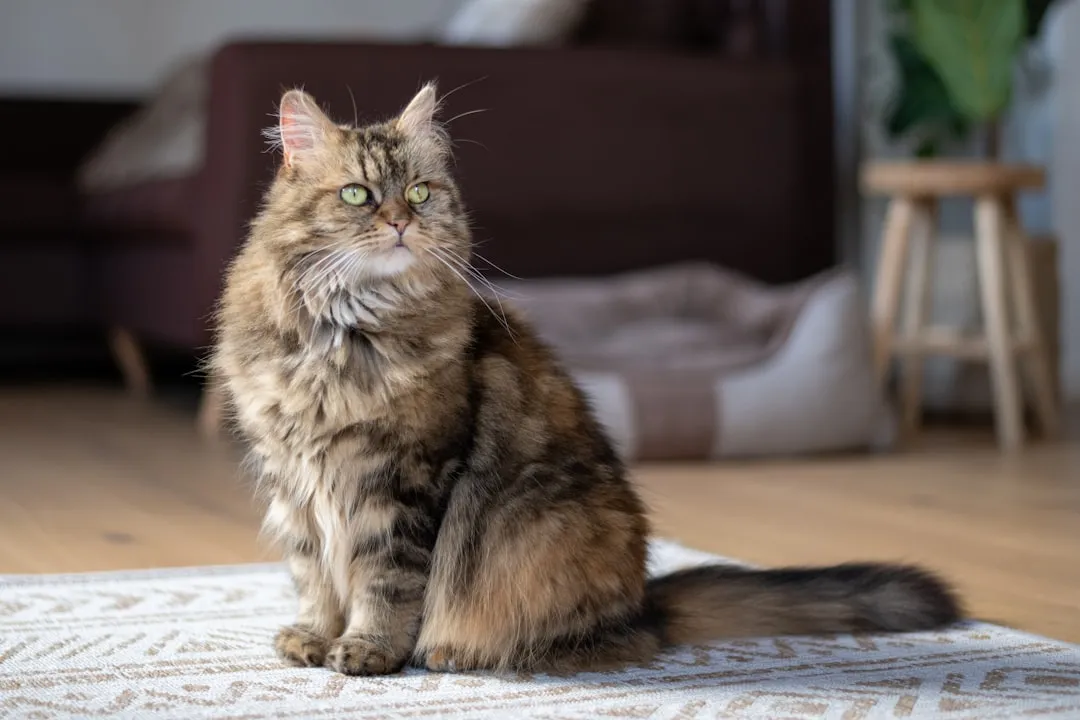
Maine Coons take years to fully mature, and those first years are filled with rough-and-tumble play. As they age, many shift from goofy adolescents into deeply affectionate, mellow giants. They stay talkative and curious, but the chaotic zoomies usually give way to measured patrols and long lounging sessions.
Their shaggy, semi-long coat often feels fuller and surprisingly silky in maturity with regular grooming. Older Maine Coons become more people-centered, choosing favorite humans and sleeping at their feet or by their side. Many owners say their Maine Coon is the calmest cat they’ve ever had once it’s fully grown.
#10 – Chartreux: The Quiet Shadow That Softens Into Devotion (Softer With Age)
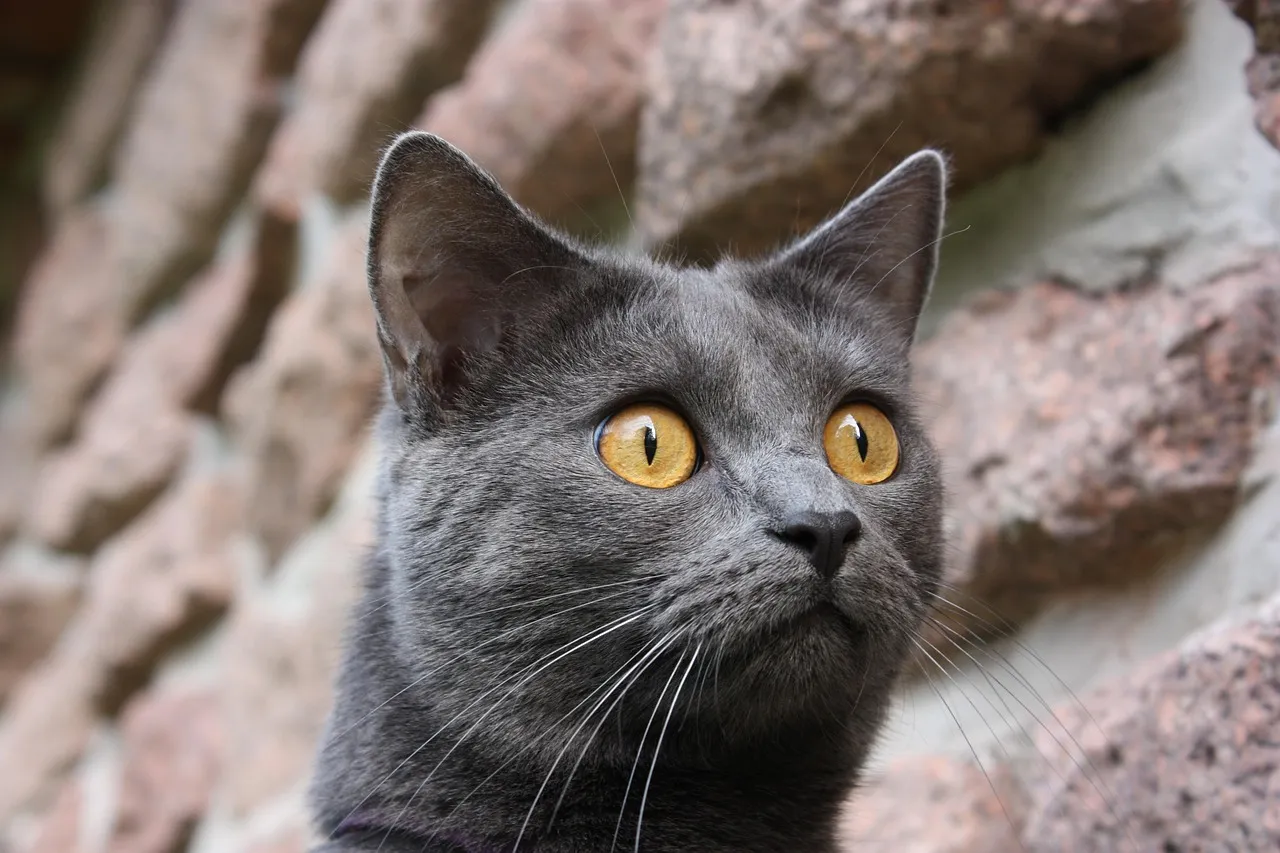
Chartreux cats start out playful and a bit mischievous, but as they age they’re known for becoming almost dog-like in their quiet loyalty. Their dense, woolly blue coat often feels softer and more uniform with age, creating a plush, stuffed-animal texture many owners adore. They’re also famously silent, chirping softly rather than meowing.
In adolescence, they might be a bit more independent. By adulthood, many Chartreux choose “their person” and calmly attach themselves, asking for more closeness over time – sitting beside you, following you, resting on your bed. They age into subtle, steadfast companions who only grow more affectionate.
#11 – Selkirk Rex: The Curly Cat That Grows Cuddlier (Softer With Age)
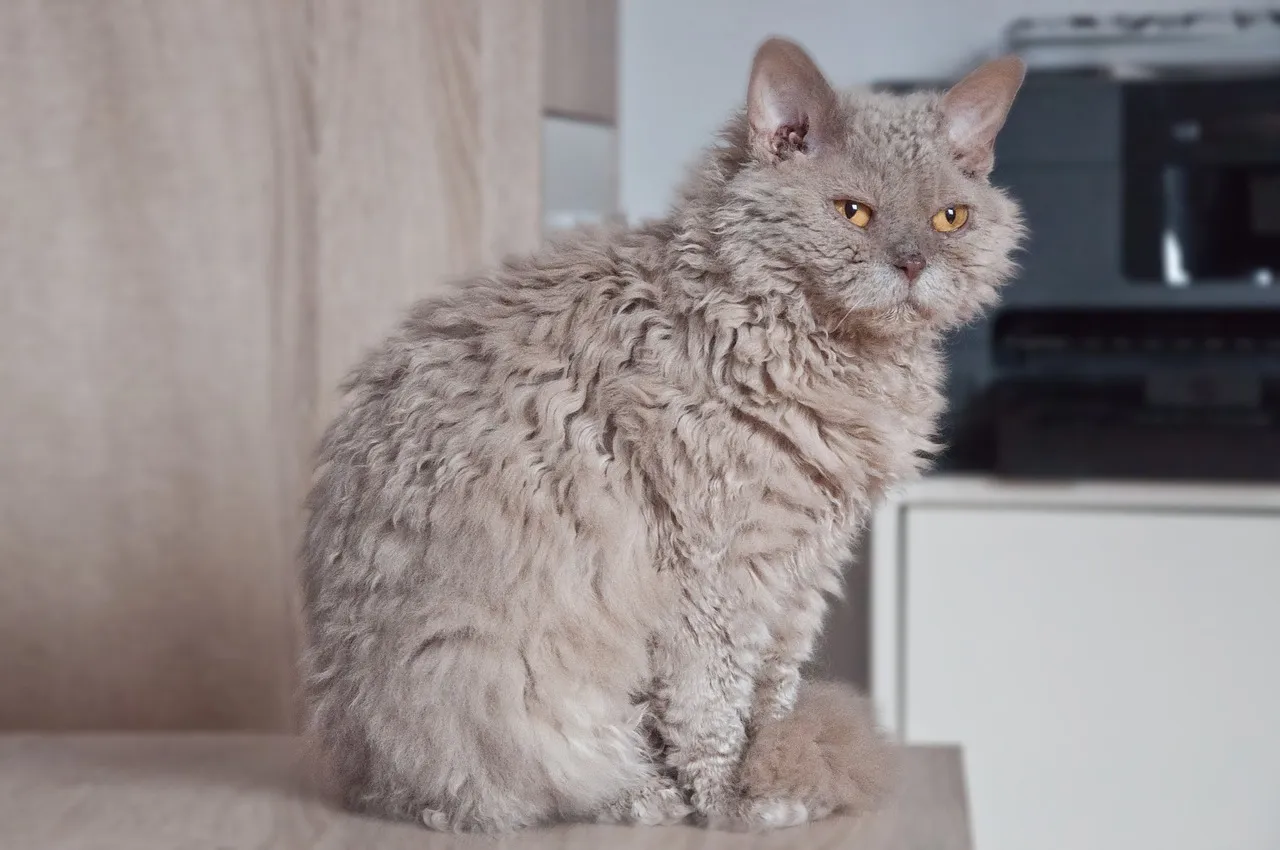
Selkirk Rex cats have one of the most unusual coats in the cat world: plush, curly, often described as “sheep-like.” Those curls frequently loosen and soften slightly with age, making mature Selkirks even more pleasant to touch as the texture becomes more stable and manageable.
Temperament-wise, Selkirks mellow as they mature. Playful and clownish as kittens, many become affectionate, easygoing lap cats as adults who tolerate handling well. Older Selkirks are often content to cuddle, be brushed, and quietly supervise the household – less chaotic, more couch-friendly, year after year.
#12 – American Shorthair: From Mouser Roots to Sofa Supervisor (Softer With Age)
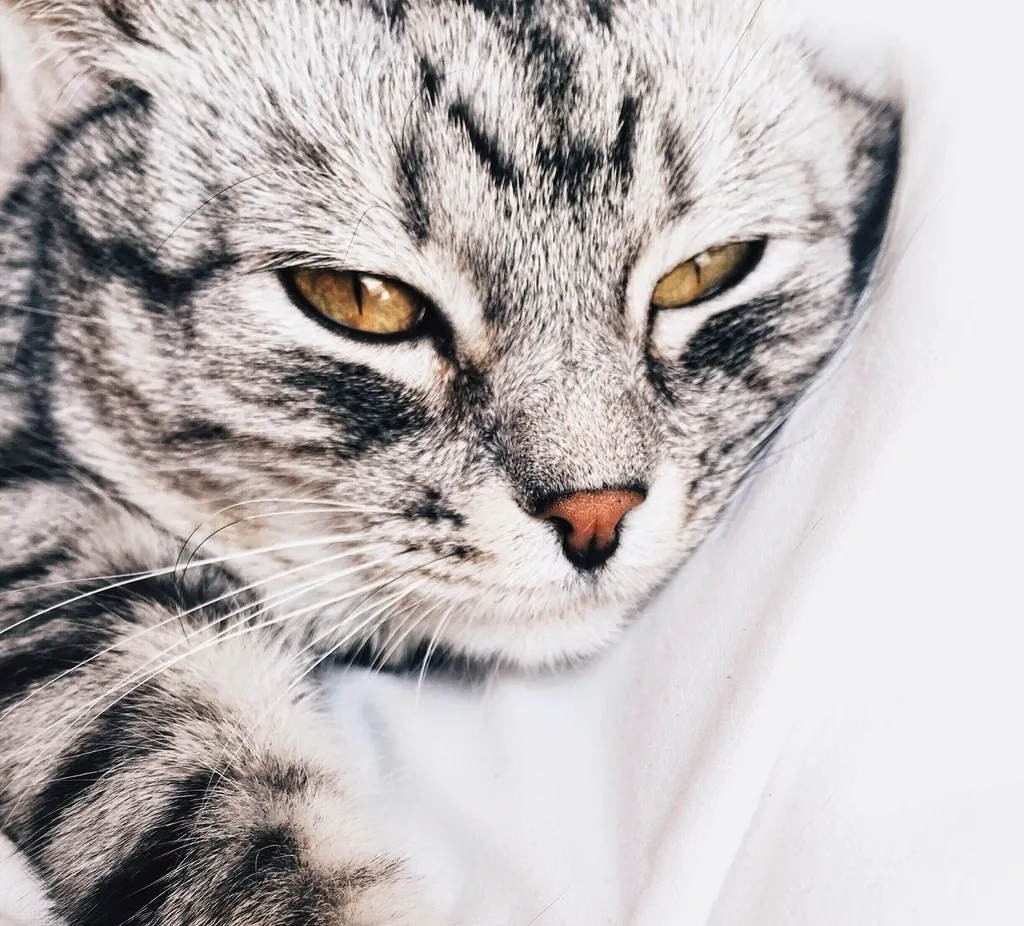
American Shorthairs were historically working cats bred for pest control, so their kittens often have a strong play and hunt drive. With age, many settle into a reliable, low-drama companionship. Their short, dense coat often stays smooth and can feel softer at full maturity, especially with good nutrition.
Adult American Shorthairs frequently become less hyperactive and more selective about playtime, and their natural independence reads as calm rather than standoffish. They usually don’t turn clingy, but they do show more predictable affection – head bumps in the evening, lap time when the house goes quiet.
#13 – Tonkinese: The Social Butterfly That Learns to Chill (Softer With Age)
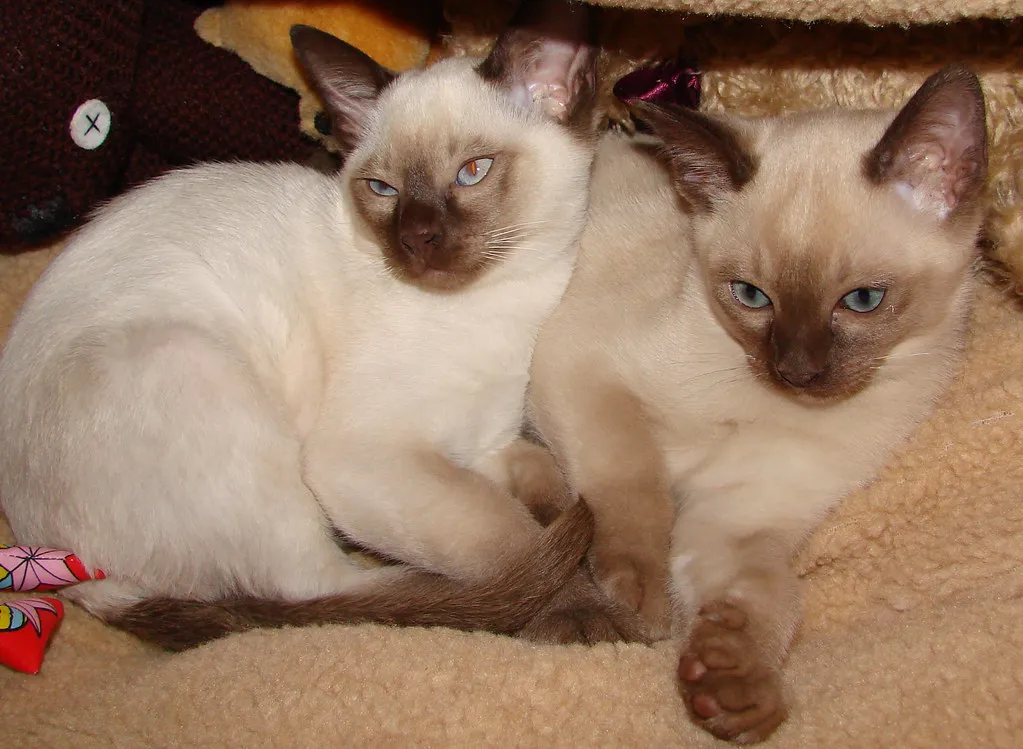
Tonkinese kittens can be downright intense – active, chatty, everywhere at once. Over time, many Tonks find a sweet spot between play and peace. Their short, silky coat often feels even sleeker as adults, and because they stay close to their humans, that texture gets appreciated daily.
Older Tonkinese keep their social streak but lose the frantic edge, curling up beside you instead of on top of the keyboard. Many become affectionate “shadow cats” who follow you calmly through the house in softer, conversational tones, curling up under the covers at bedtime.
#14 – American Curl: Ears Stay Quirky, Personality Gets Softer (Softer With Age)
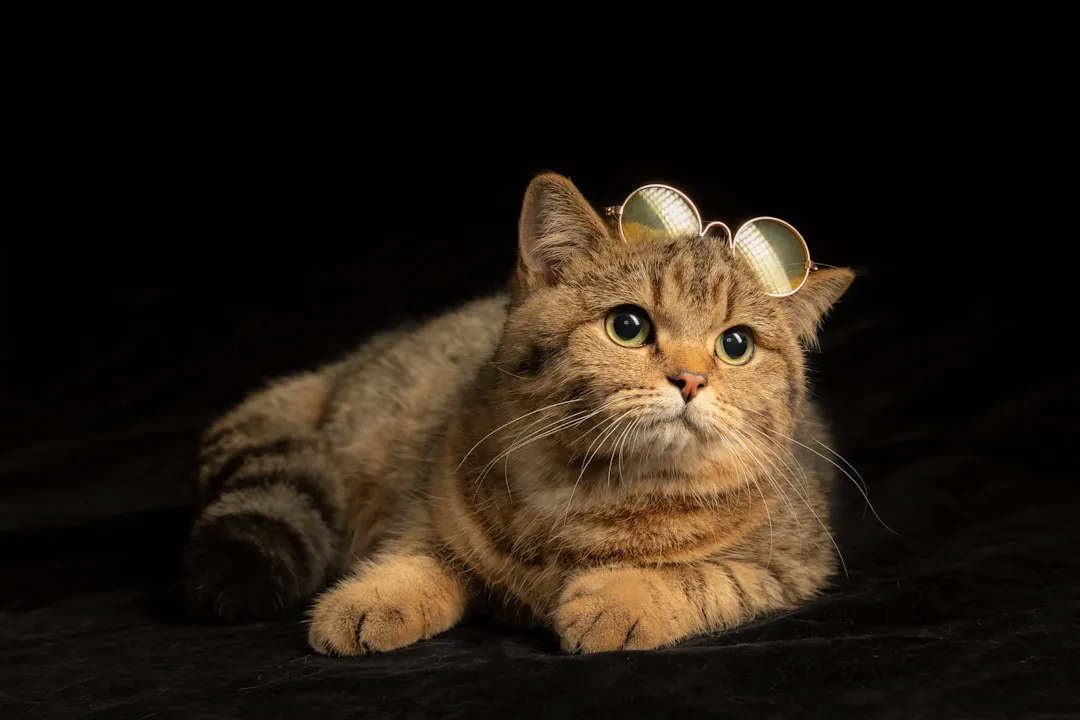
American Curl kittens are animated, curious, and interested in everything you’re doing. With time, their personalities often round out into gentle, quietly affectionate companions. The trademark curled ears stay, but the rest of the body language relaxes noticeably with age.
As they age, they show a strong interest in “their people” over strangers, choosing laps and proximity over exploration. They’re typically good with kids and other pets when properly socialized, and maturity brings a calmer, more tolerant attitude without erasing the playful streak entirely.
#15 – Burmese: High-Energy Kitten, Deeply Affectionate Adult (Softer With Age)
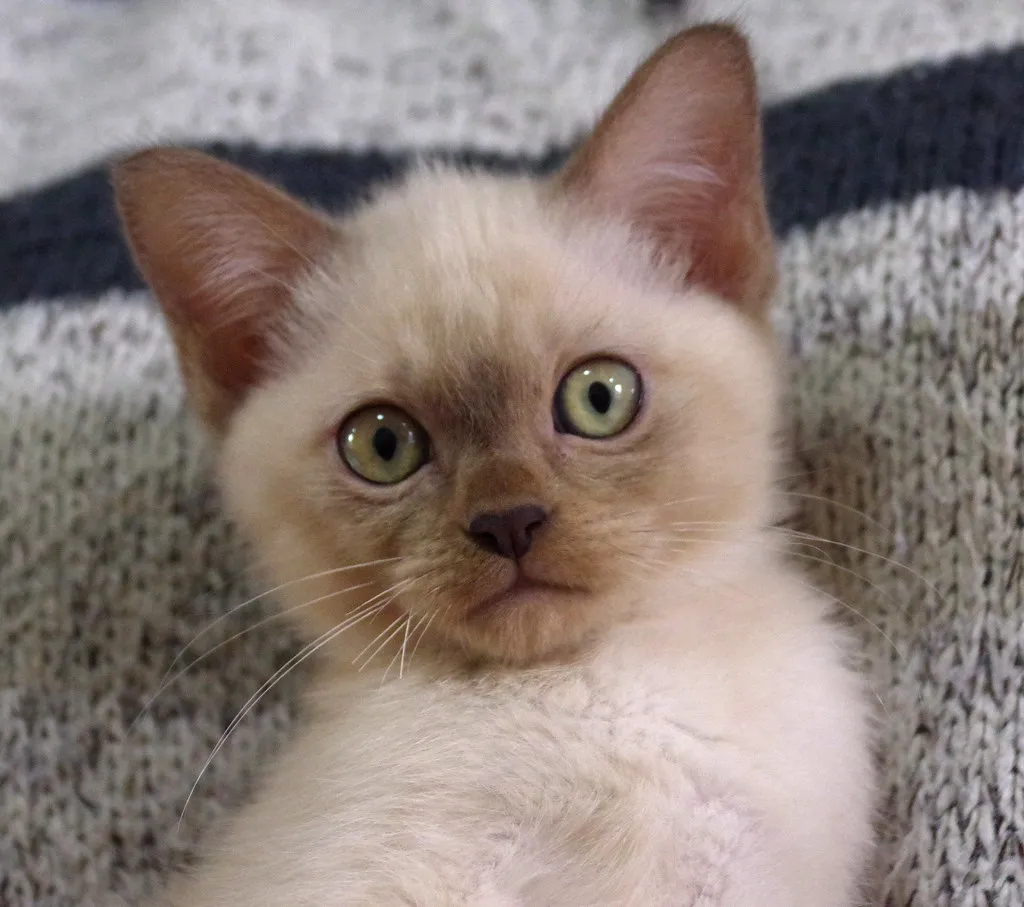
Burmese kittens can be a lot – energetic, people-obsessed, sometimes borderline chaotic. Many owners are surprised to find that as adults, Burmese cats become intensely affectionate but significantly calmer. They form strong bonds with one or two people and enjoy close physical contact, including sleeping under blankets.
Their short, satiny coat keeps a sleek, soft feel into adulthood, making constant petting rewarding for both sides. Older Burmese still enjoy interactive play but prefer predictable windows of it, followed by long stretches of cuddling and following their humans from room to room.
#16 – Norwegian Forest Cat: Wild Look, Softer Heart With Time (Softer With Age)
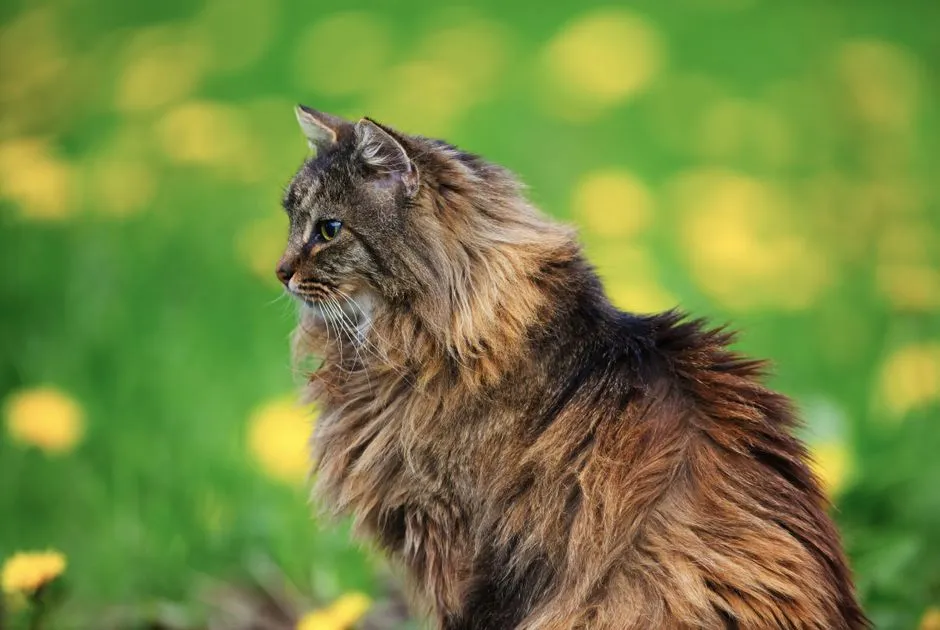
The Norwegian Forest Cat looks like it walked out of a fairy tale, but many grow more affectionate and composed with age. Kittens are spirited climbers with high energy. By adulthood, especially around 4 to 5 years, many “Wegies” become calm, observant family members who enjoy quiet affection and soft talking.
Their thick, water-resistant coat often reaches full glory in adulthood, with a luxurious ruff that begs to be touched. Mature Wegies pick favorite spots – window perches, shelves, beds – and watch the household calmly, showing affection through gentle head bumps and slow blinks rather than constant lap time.
#17 – Himalayan: The Calm Center of a Busy House (Softer With Age)
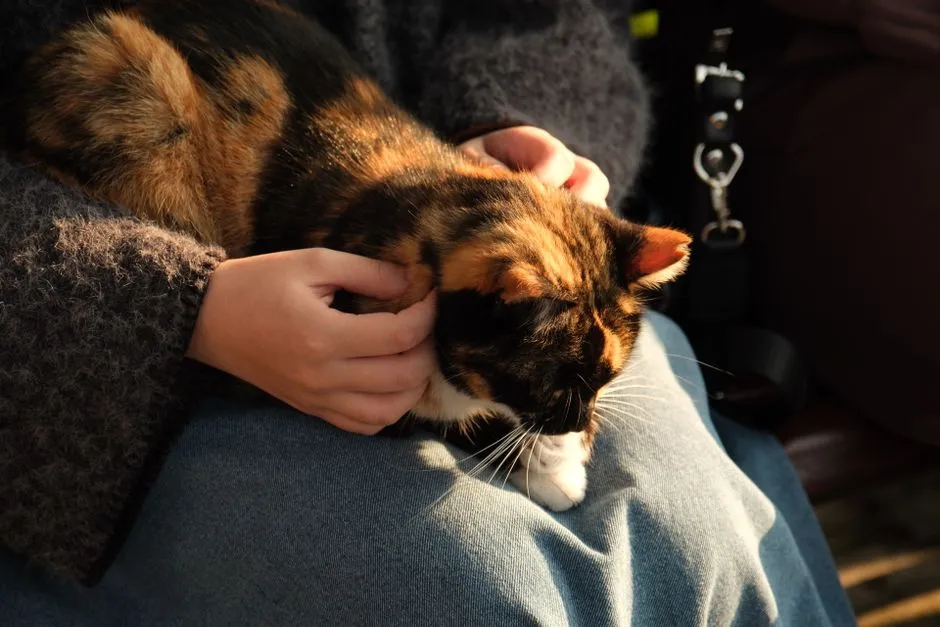
Himalayans, a Persian-Siamese mix, are often energetic talkers as kittens. Over time, many shift into surprisingly serene, lap-loving adults. The Siamese voice usually softens, and the Persian calm takes over, favoring predictable routines and long grooming sessions that double as bonding time.
Their long, color-point coat often becomes fuller and incredibly soft when well maintained. Many older Himmies become devoted to one or two people, choosing laps and pillows over exploration – a cat that stays visually dramatic but emotionally drifts toward living plush toy. And that’s the last of the softies. From here on, the list flips.
Quick Compare
- Softer breeds tend to slow down physically, seek more contact, and tolerate change more easily with age.
- Particular breeds stay sharp and active, but grow far less forgiving about routine, food, or handling.
- Softer cats generally reward patience; particular cats generally reward consistency.
- Both shifts tend to show up between ages 4 and 7, right as kittenhood fully fades.
#18 – Siamese: From Fun Chatty to Demanding Critic (More Particular With Age)
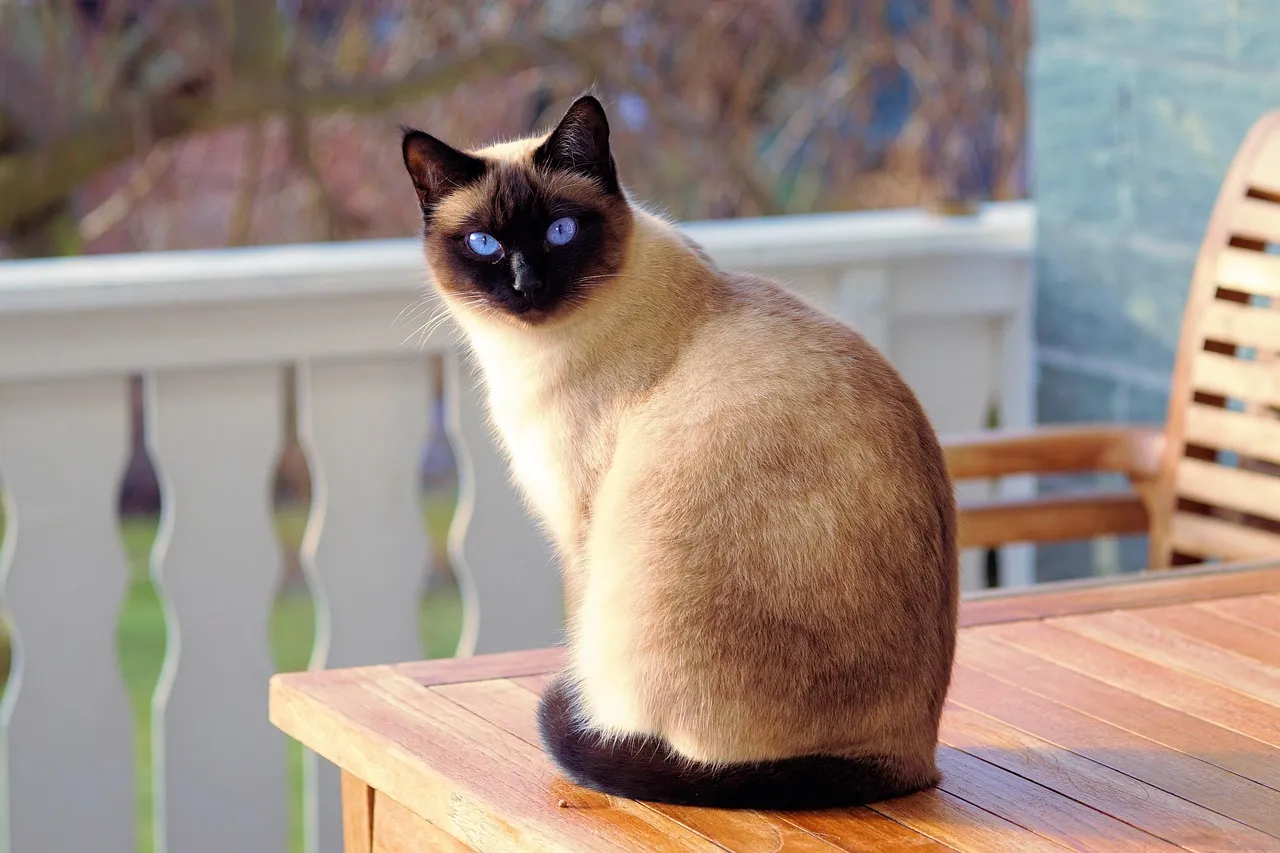
Siamese cats are famously vocal, but what many new owners don’t expect is how particular they become as adults. Playful chatterboxes as kittens, that communication turns into clear preferences – and complaints – with age. They might insist on specific feeding times, favorite humans, and even preferred spots on the bed.
Their sleek, short coat stays smooth with age, but their tolerance for change often drops. Many adult Siamese react strongly to moves, schedule shifts, or new pets, growing more vocal when routines are disrupted. An aging Siamese tends to know exactly what it wants, and it will absolutely tell you when you get it wrong.
#19 – Bengal: Energy That Turns Into Strict House Rules (More Particular With Age)
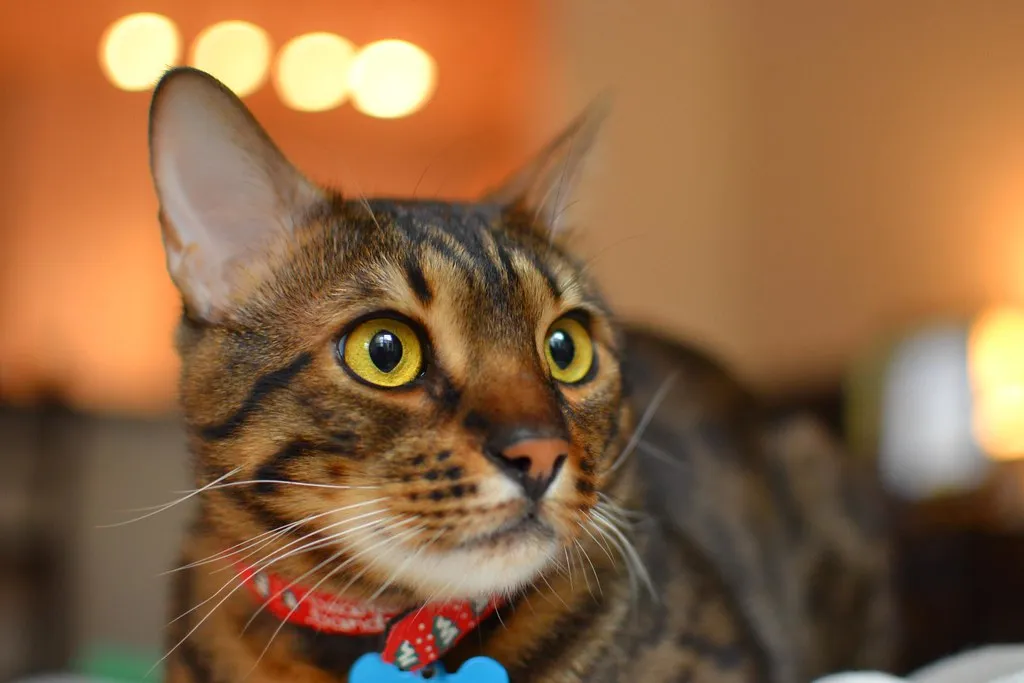
Bengal kittens are wild in the best possible way – high energy, smart, endlessly curious. As they age, they stay athletic, but their preferences tighten dramatically. Many adult Bengals decide how, when, and with what toys play should happen, and get visibly frustrated when a favorite window or shelf routine is disturbed.
Boredom can lead to problem behaviors, and older Bengals are often less tolerant of being ignored. They can also grow picky about litter box cleanliness and placement, reacting quickly to changes. People who treat Bengals like decorative pets often end up overwhelmed once the particularity kicks in.
#20 – Russian Blue: Quiet, Loyal… and Very Selective (More Particular With Age)
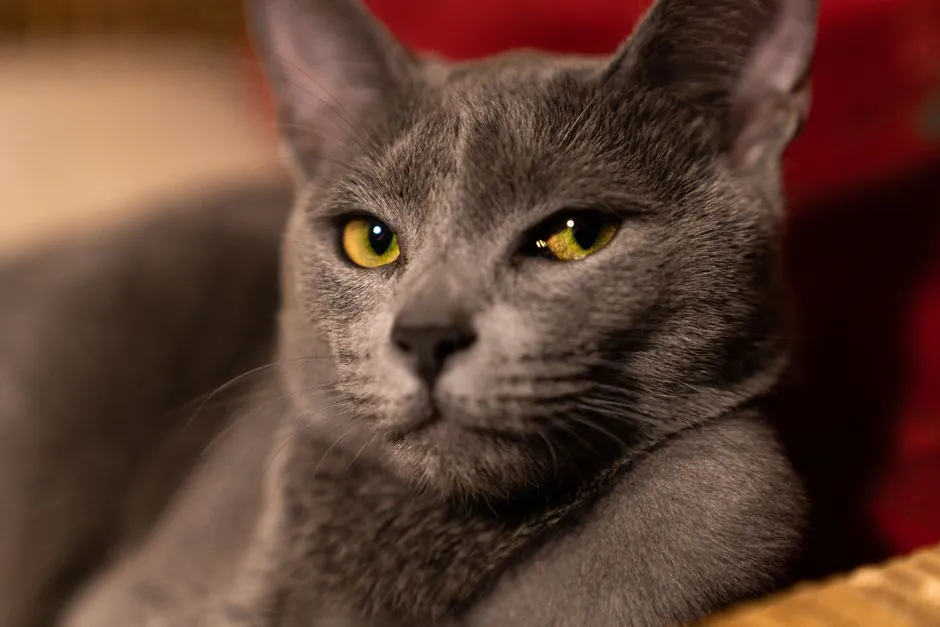
Russian Blues have a calm, reserved aura even as kittens, but their selectiveness sharpens with age. Many adults choose one or two people and bond deeply while staying wary or aloof with strangers, growing more sensitive to noise and chaos as the years pass.
Their plush blue coat stays incredibly soft, but the trade-off is emotional sensitivity. Adult Russian Blues can be picky about food, litter type, and even furniture arrangement – rearrange the house too often and you may see stress behaviors. Fans argue this isn’t high-maintenance, just a cat that knows exactly what environment it thrives in.
#21 – Sphynx: Attention or Else (More Particular With Age)
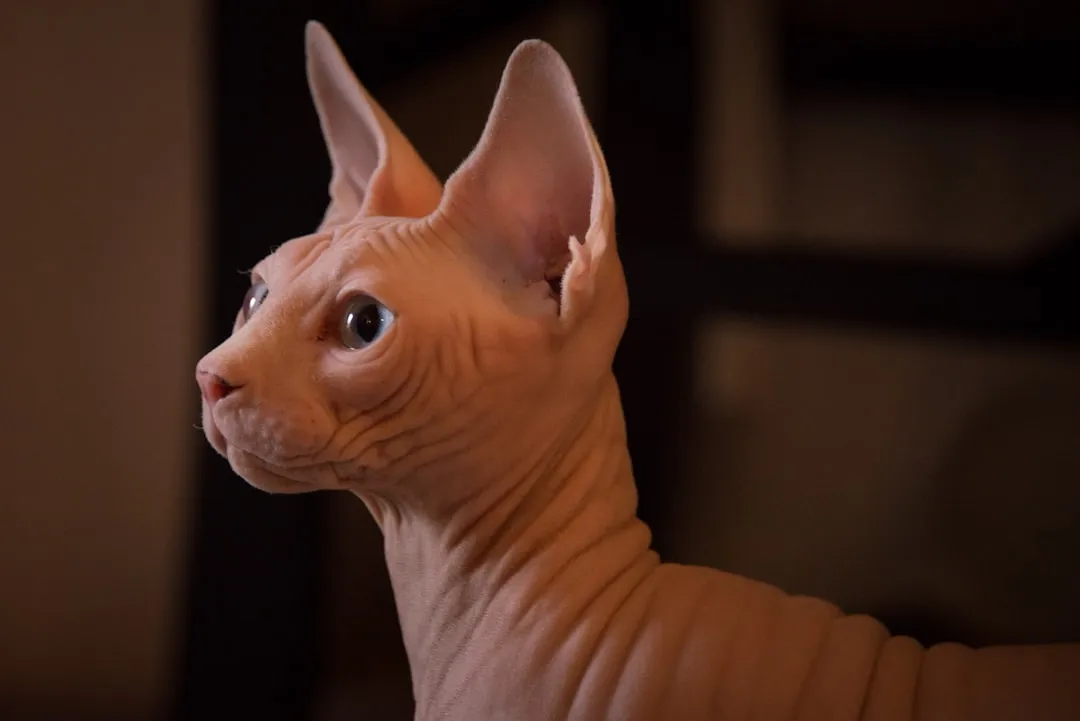
The Sphynx is often labeled “dog-like,” and that’s accurate, but with an asterisk. As they age, many Sphynx cats become intensely particular about attention and warmth. They crave body contact and often demand to be under blankets, in your clothes, or pressed against your skin – ignoring one isn’t really an option.
Their lack of fur also makes them particular about temperature and surfaces. Older Sphynx cats may refuse cold spots, drafty windowsills, or certain bedding, and can grow picky about grooming routines like bathing and ear cleaning that come with the breed. For devoted owners, these demands are charming; for casual pet keepers, they can be a lot.
#22 – Oriental Shorthair: The Sensitive Stylist of the Cat World (More Particular With Age)
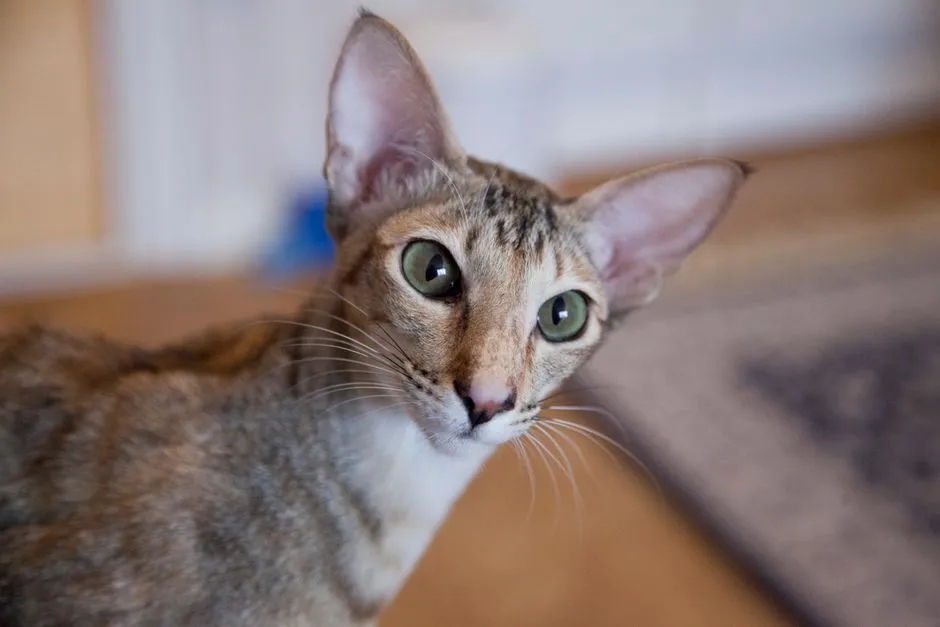
Oriental Shorthairs are essentially Siamese in over a hundred colors and patterns, and their adult personalities reflect that lineage. As they age, many become very opinionated about routine, attention, and territory, quick to protest when expectations aren’t met.
Their sleek coat is easy-care, but their emotional world isn’t. Adult Orientals can be picky about their favorite person, sleeping spot, and daily schedule, sometimes showing clear preferences for certain toys or doors being open or closed. Disruptions can lead to nonstop commentary or anxious behavior – fans call it intensity, critics call it too much cat.
#23 – Turkish Angora: Graceful, Gorgeous, and Surprisingly Demanding (More Particular With Age)
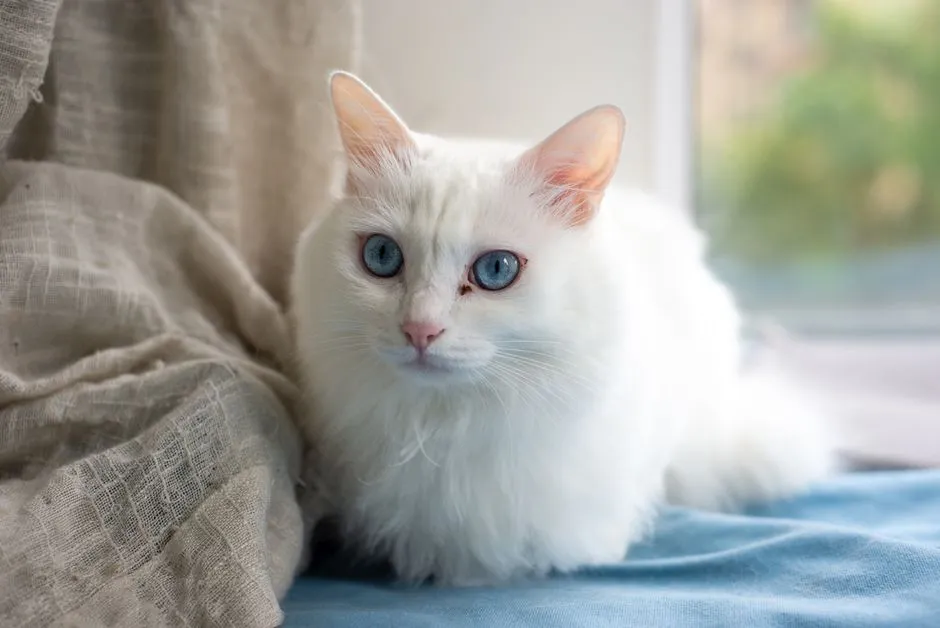
Turkish Angoras are elegant, athletic cats that start off playful and curious. As they age, they often develop strong, sometimes bossy preferences, choosing one or two humans as “theirs” and following them obsessively while ignoring everyone else.
Their semi-long, silky coat is usually easy to maintain, but their tolerance for nonsense is low. Older Turkish Angoras can be picky about being handled, often insisting affection happen on their terms, and may dislike loud guests or new pets, making them feel like they’re running the house.
#24 – Cornish Rex: Cuddly, Yes – But on a Tight Schedule (More Particular With Age)
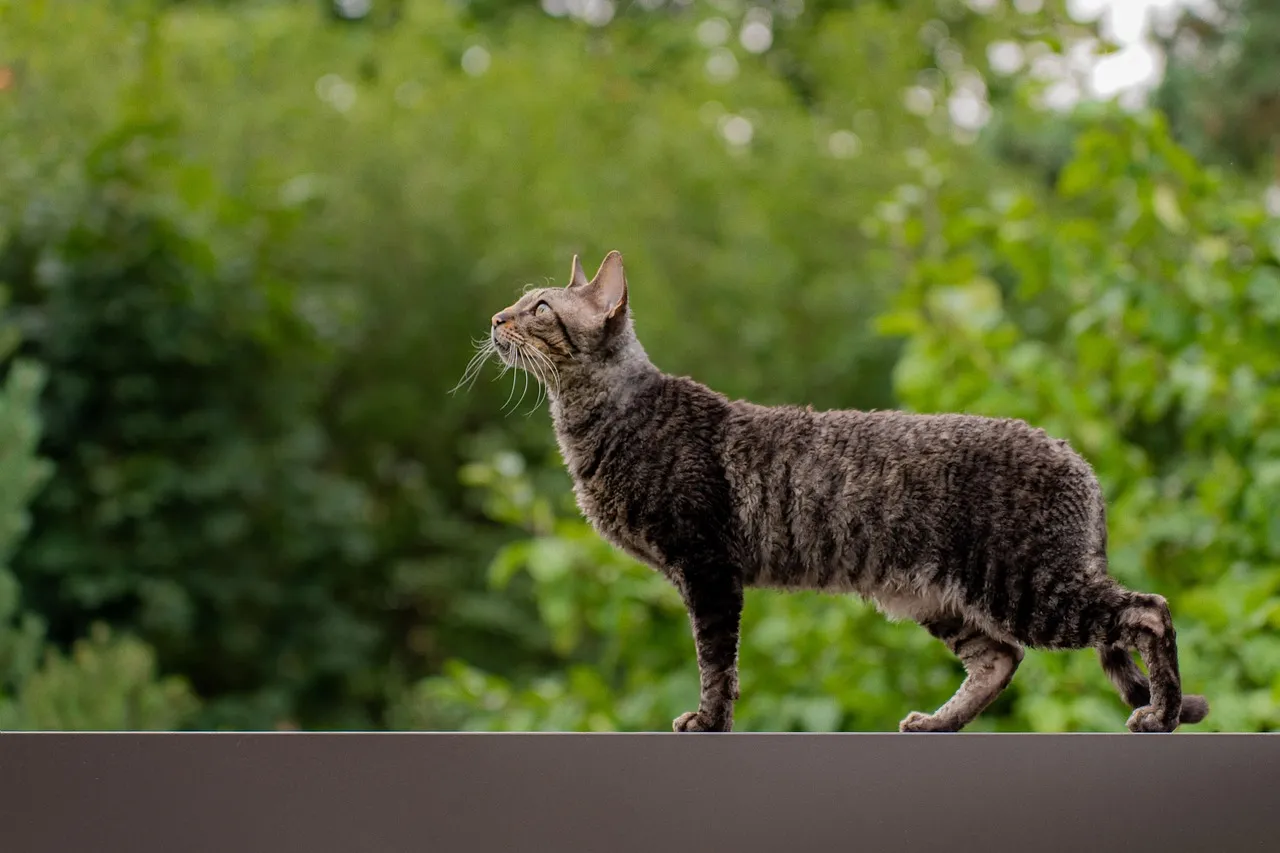
Cornish Rex cats are often described as energetic, clownish, and extremely affectionate. That doesn’t go away with age, but it narrows into very specific expectations. Adult Cornish Rex often want intense play at particular times and cuddles on demand, and can be quite vocal when needs aren’t met.
Their short, wavy coat is soft and unique, but offers little insulation, making older Rexes especially picky about drafts, cold floors, or changes in sleeping arrangements. Some will refuse new beds or blankets and cling to old favorites – needy but irresistible, great for people who are home a lot.
#25 – Devon Rex: Tiny Body, Big Opinions (More Particular With Age)
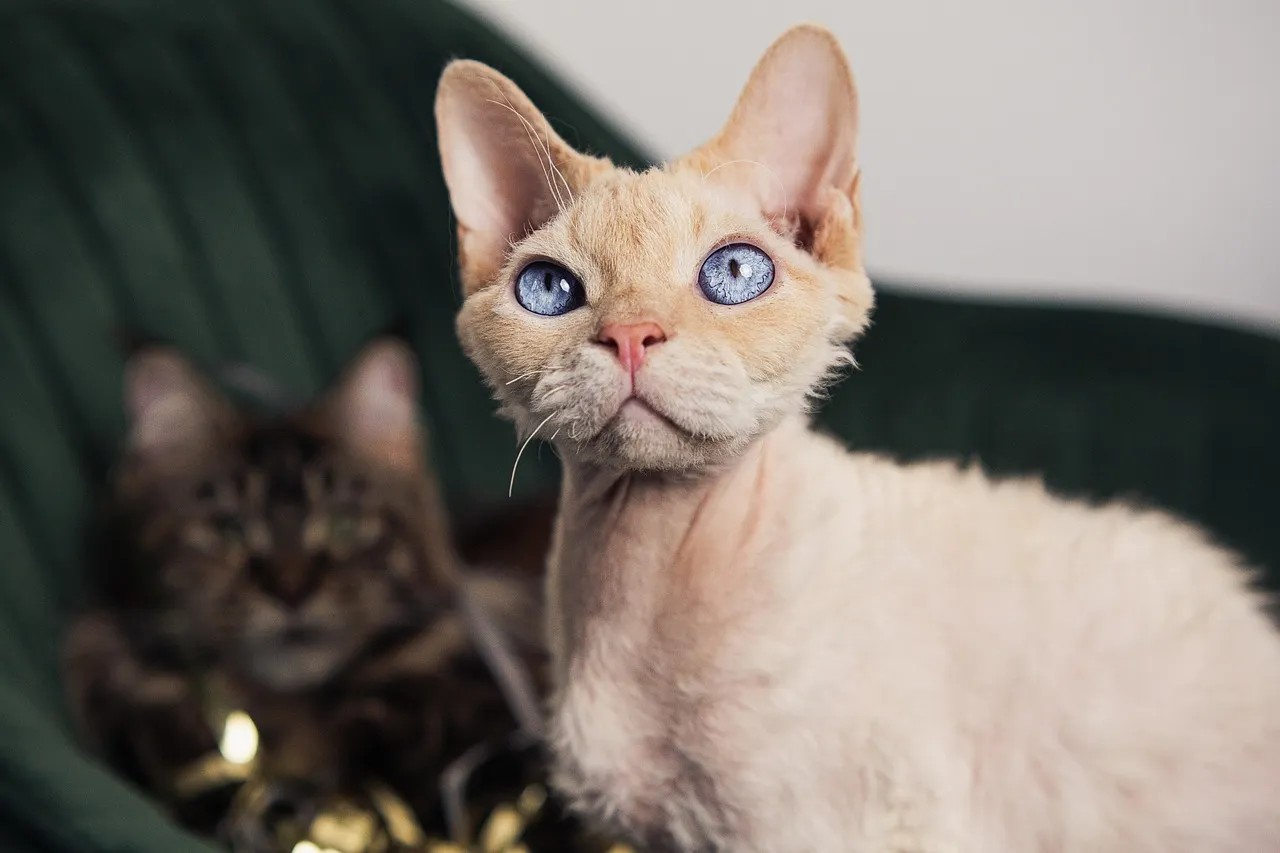
Devon Rex cats stay impish and playful well into adulthood, but their preferences become surprisingly rigid. Many older Devons choose specific humans, favorite perches (often shoulders), and exact ways they like to be held, expecting involvement in showers, cooking, and TV time.
Their short, curly coat is usually sparse and soft, making them sensitive to cold, much like the Cornish Rex. Adult Devons often refuse certain textures or bedding, favoring soft, warm spots they’ve “approved,” and can grow picky about food and litter, reacting quickly to changes.
At a Glance
- Sphynx, Cornish Rex, and Devon Rex all carry little to no protective coat, so body heat regulation becomes a lifelong issue.
- These breeds often seek out sunny windowsills, heating vents, and blankets more aggressively as they age.
- Skin oils build up faster without fur to absorb them, making regular bathing or wipe-downs non-negotiable for older cats.
- A consistent, warm sleeping spot tends to produce the calmest, least “demanding” cats in this group.
#26 – Abyssinian: Explorer-Turned Supervisor With Strict Standards (More Particular With Age)
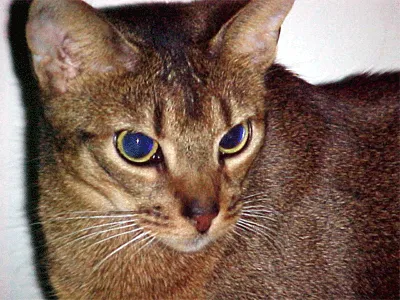
Abyssinian kittens are famously active and curious, climbing and investigating everything. With age, they don’t exactly calm down – they just channel that energy into highly specific interests and routines, preferring certain shelves or perches to survey their territory.
Their short, ticked coat remains sleek and easy to care for, but their emotional needs get more complex. Older Abyssinians demand mental stimulation – puzzle toys, window views, interactive play – and without it, can become bored and frustrated. They’re usually selective about handling and prefer to supervise your life from a favorite spot rather than sit in a lap.
#27 – Japanese Bobtail: Social, Smart, and Schedule-Obsessed (More Particular With Age)
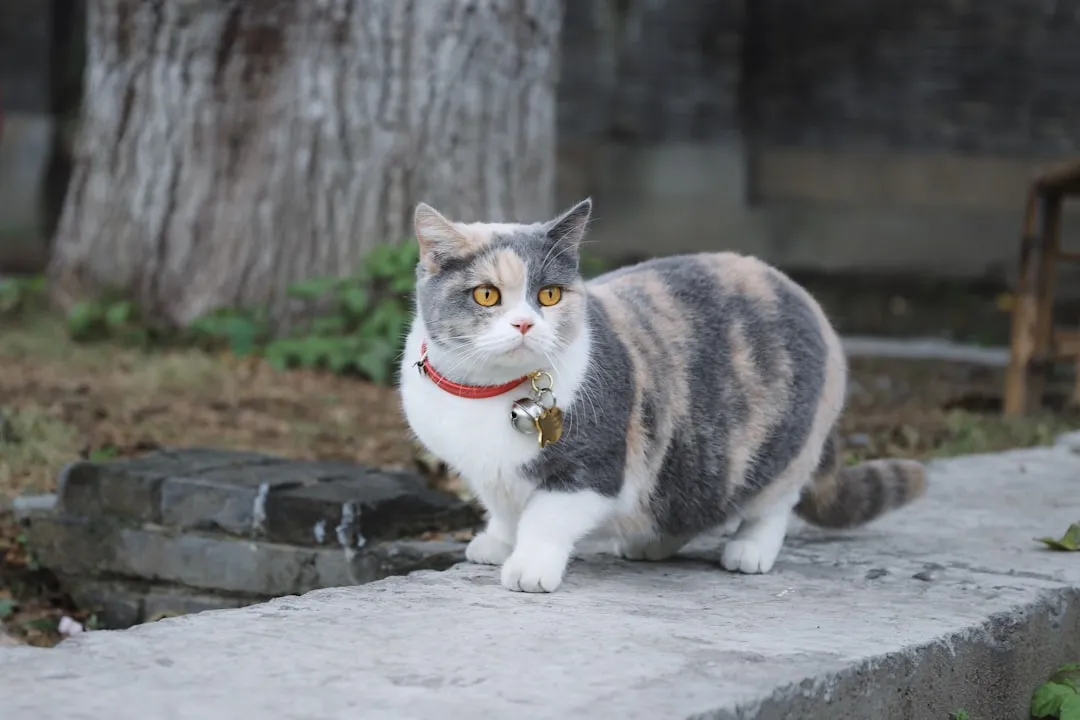
Japanese Bobtails are social, agile, and clever. As they age, many become almost ritualistic about daily life, expecting play at certain times, meals on schedule, and access to their chosen high perches or window spots.
Their coat is usually easy-care, but they’re not low-maintenance emotionally. Adult Bobtails can be selective with people, bonding deeply with family while staying cautious around strangers, and they insert themselves into family activities strictly on their own terms.
#28 – Manx: Loyal Guardian With Litter Box Rules (More Particular With Age)
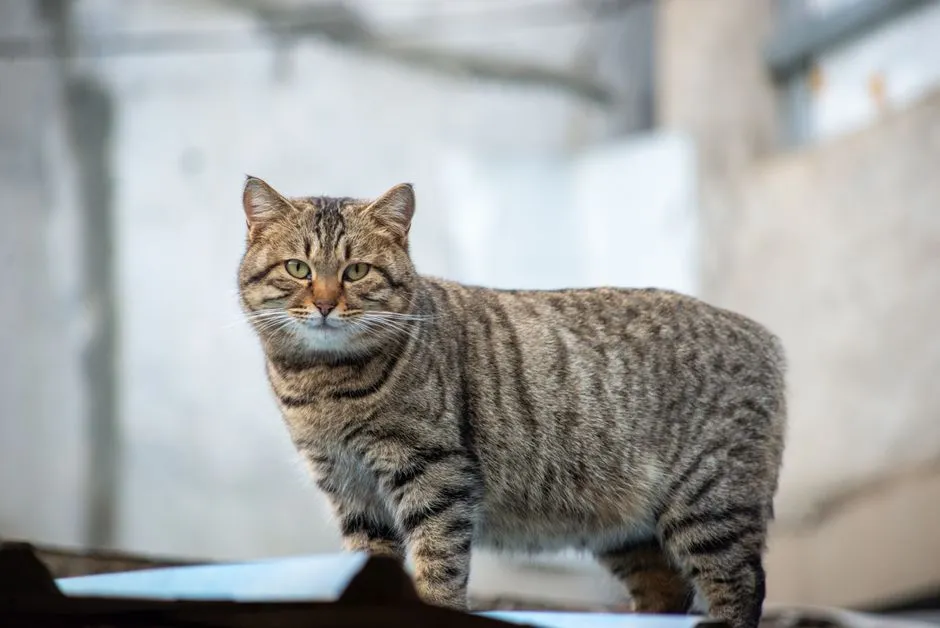
Manx cats, tailless or short-tailed, are sturdy, devoted companions. As they age, though, they often develop strong opinions about territory and resources. Many adult Manx are particular about their litter box’s location, cleanliness, and even the type of litter, and changes can lead to fast, unmistakable feedback.
Older Manx cats are often deeply bonded to their primary humans and can be protective, disliking rough handling or chaotic guests. They tend to stake out “their” spots in the home and enforce those boundaries with other pets, making them fiercely loyal, if somewhat controlling, housemates.
#29 – Singapura: Tiny Cat, Tight Comfort Zone (More Particular With Age)
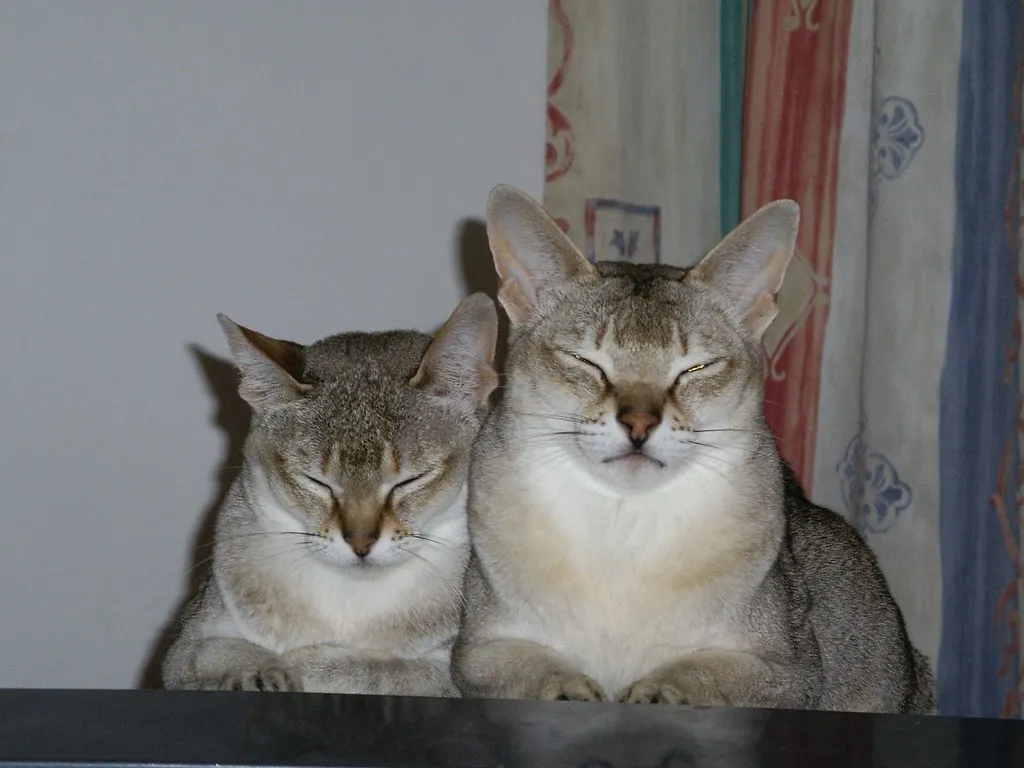
Singapura cats are among the smallest breeds, and as kittens they’re busy, social, and inquisitive. In adulthood, many become noticeably particular about their comfort zone, preferring high, safe vantage points, specific quiet corners, and familiar people.
Their short, fine coat stays soft and easy-care, but their emotional boundaries tighten with age. Adult Singapuras may be very attached to one chosen human while remaining less open to visitors, picky about noise, chaos, and handling style – deeply bonded introverts rather than universal lap cats.
#30 – Turkish Van: Water Lover, House Rules Enforcer (More Particular With Age)
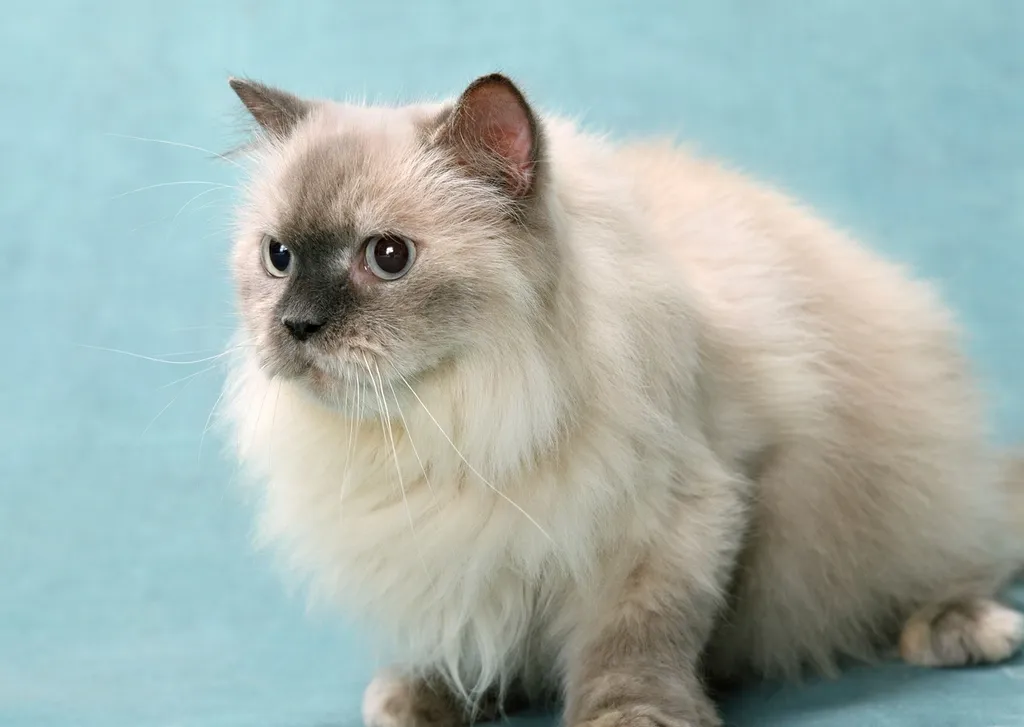
Turkish Vans are famous as “swimming cats,” playful and active when young. As they age, many develop strong preferences about territory and handling, enjoying certain people and specific types of interaction while disliking being restrained or over-handled, especially by strangers.
Their semi-long, mostly white coat with colored markings usually stays soft and silky, but grooming still matters. Adult Vans can be particular about which areas of the house they consider theirs, sometimes possessive of certain beds, couches, or windows – ideal for people who appreciate a bold cat with clear lines in the sand.
#31 – Scottish Straight: Quieter Face, Sharper Preferences (More Particular With Age)
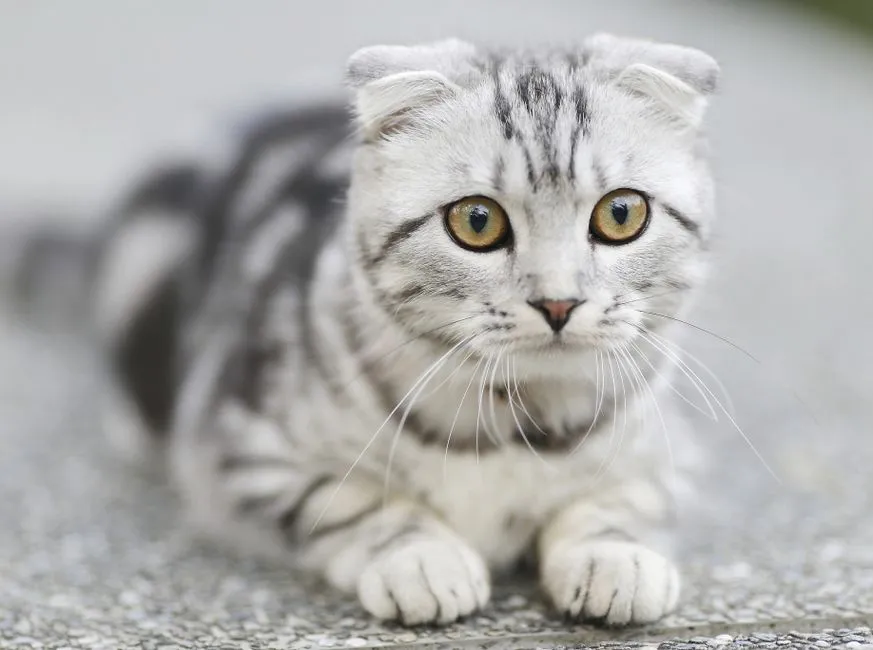
Scottish Straight cats share ancestry with Scottish Folds, minus the ear mutation. As kittens, they’re playful and easygoing. With age, their preferences sharpen quietly in the background – clear likes and dislikes about people, routines, and spaces, even without loud protest.
Their coat, short or semi-long, stays soft and pleasant to touch. But emotionally, older Scottish Straights can grow more reserved with strangers and very loyal to their core family, disliking frequent furniture rearranging or new animals entering the home. Subtle, but very real once you live with one for years.
Worth Knowing
- A sudden refusal to eat familiar food can signal a taste preference shift, not just plain pickiness.
- A cat avoiding a previously favorite spot is often reacting to a subtle change in light, noise, or scent.
- Increased vocalization in a previously quiet cat is one of the clearest signs of an unmet routine.
- Litter box complaints – avoidance, digging outside the box – are frequently about cleanliness standards, not health.
#32 – Havana Brown: Conversation Partner, Not Just a Pet (More Particular With Age)
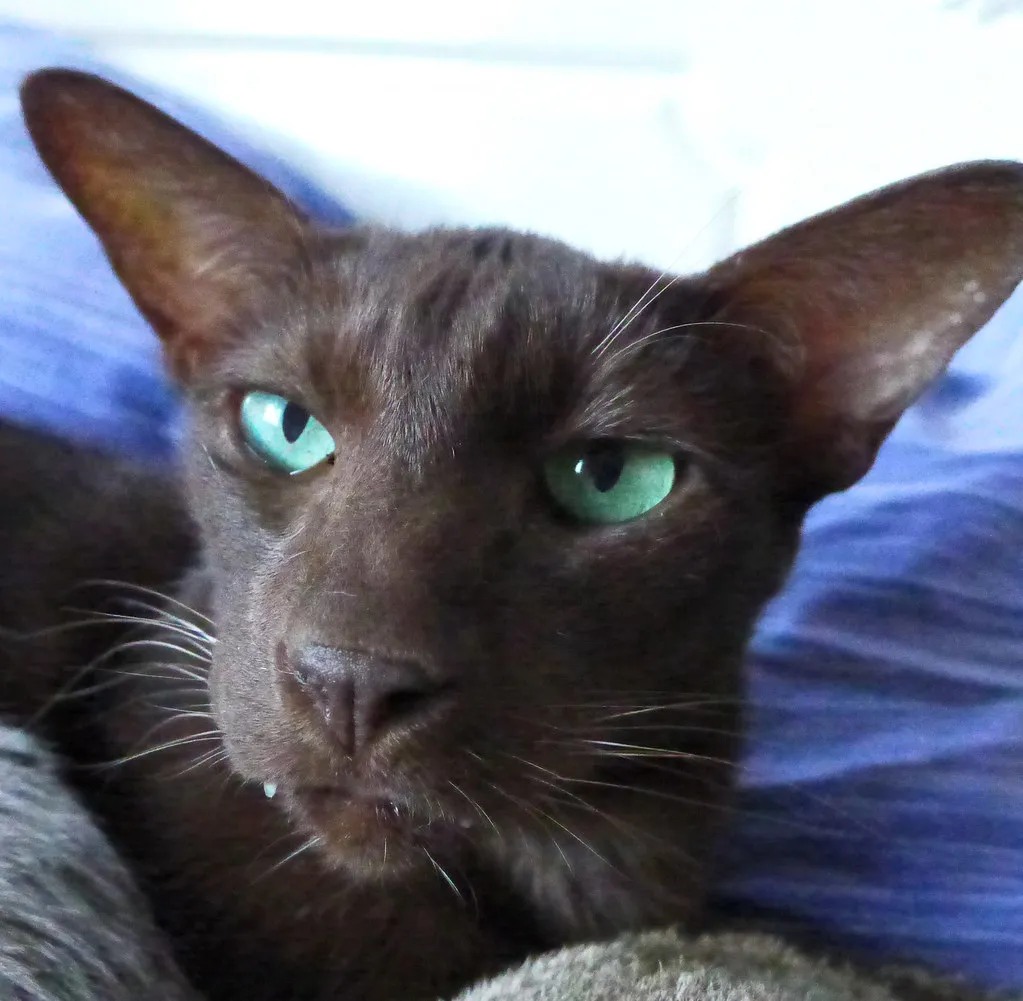
Havana Browns are rare and deeply people-focused. As they age, they often expect a level of engagement many casual owners don’t anticipate – eye contact, conversation, and interactive play, on a routine they subtly help design. Ignore them, and they’ll let you know with paws, nudges, or firm meows.
Their short, rich brown coat remains sleek and soft, but the real shift is mental. Adult Havanas may choose one primary person and expect daily, dedicated one-on-one time, becoming particular about toys, perches, and where they sit in relation to you – bliss for a devoted companion, a mismatch for anyone wanting a low-demand cat.
#33 – Balinese: Long-Haired Siamese Energy, Narrowing Tastes (More Particular With Age)
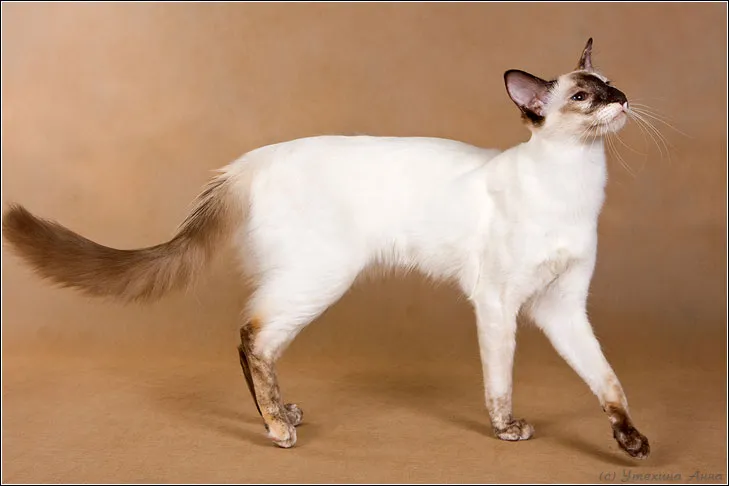
Balinese cats are essentially long-haired Siamese: social, vocal, and intense. As they age, their preferences often narrow sharply. Many adults expect involvement in every part of your life, but only in the ways they approve of – specific spots on the bed, favorite seats by windows, strict feeding routines.
Their silky, semi-long coat is easier-care than most longhairs and stays soft, but the personality isn’t low-maintenance. Adult Balinese can be particular about noise and who’s allowed to handle them, bonding closely with one or two people and tolerating others only on their terms.
#34 – Ocicat: Wild Look, Domestic… With a Growing List of Demands (More Particular With Age)
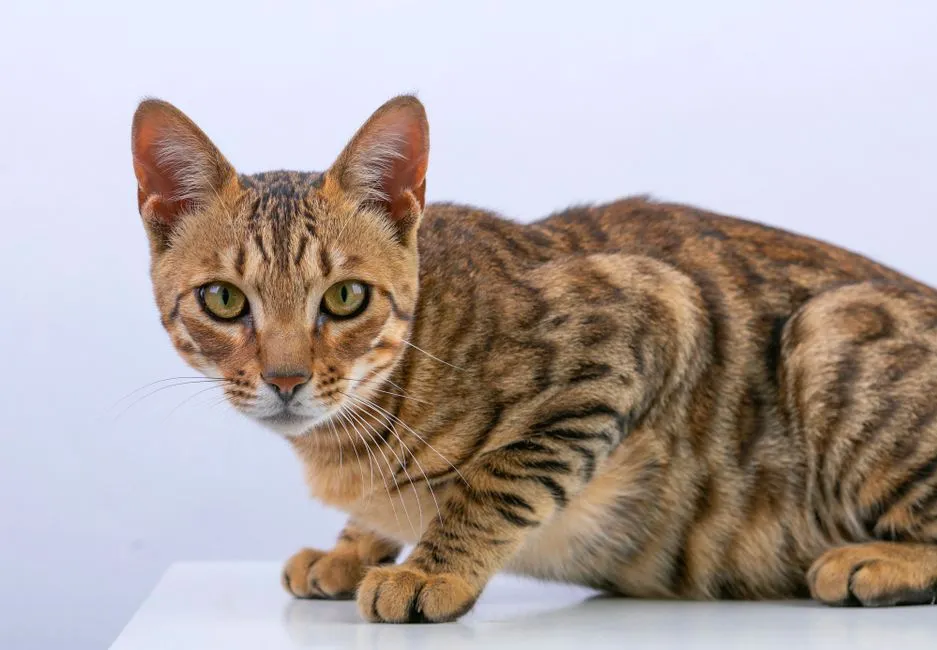
Ocicats look wild but are fully domestic. As kittens, they’re social and playful with almost anyone. With age, many develop clear, demanding standards for stimulation and social contact, wanting interactive play, puzzle toys, and human engagement, usually on a predictable schedule.
Their short, spotted coat stays sleek and low-maintenance, but boredom is the real enemy. Adult Ocicats can become particular about access to high spaces and favorite toys, and some seem to “audit” the household, noticing even small changes and reacting with curiosity or complaint. Easy grooming does not mean easy emotionally once maturity hits.
The Bottom Line
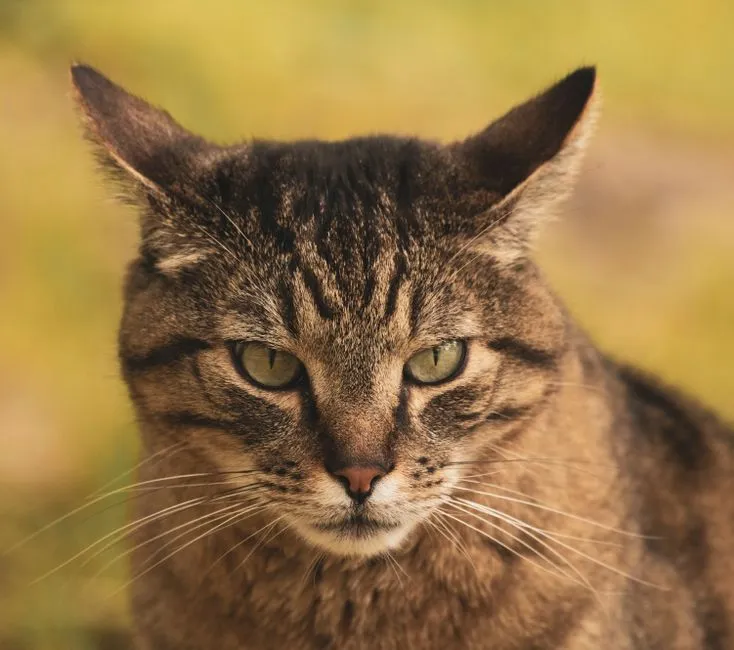
The biggest myth about cat breeds is that they’re static: “Ragdolls are always floppy,” “Bengals are always wild,” “Siamese are always sweet.” In reality, age quietly reshapes both texture and temperament.
Some breeds – Ragdoll, British Shorthair, Maine Coon – soften into calmer, cuddlier companions over time. Others – Siamese, Bengal, Russian Blue – don’t get worse, but they do get sharper about what they will and won’t tolerate.
If anything, the pattern is simple and slightly uncomfortable: the more intelligent and high-energy the breed, the more particular it tends to become with age. That’s not a flaw. It’s a warning label. Choose a breed whose future self matches your lifestyle, not just the cute kitten in the ad.
Did we nail your cat’s aging personality, or would you completely disagree? Drop your experience in the comments.

- 17 Cat Breeds That Grow Softer With Age and 17 That Turn Far More Particular - August 18, 2026
- 17 Things Stable Hands Notice About a Horse Long Before Its Owner Suspects Anything - August 18, 2026
- Animal Cognition Says Pigs Can Learn Complex Tasks Faster Than Their Reputation Suggests - August 17, 2026