

Your dog is twelve, maybe fourteen. He doesn’t tear across the yard anymore, doesn’t answer his name as fast, and spends most afternoons curled in the same sunny spot by the window. You call it old age. Vets call it something else half the time – and the difference between the two can decide whether your dog needs a nap or a diagnosis.
Here’s the unsettling part: withdrawal and normal senior fatigue can wear almost the exact same face. A dog quietly slipping into pain, cognitive decline, or organ trouble can look, at a glance, just like a dog who’s simply earned the right to slow down. Vets have learned to tell the two apart by watching for small, specific tells most owners miss completely – and once you see them, you won’t look at your old dog the same way again.
#17 – General Energy: Low Battery vs. Emotional Shutdown
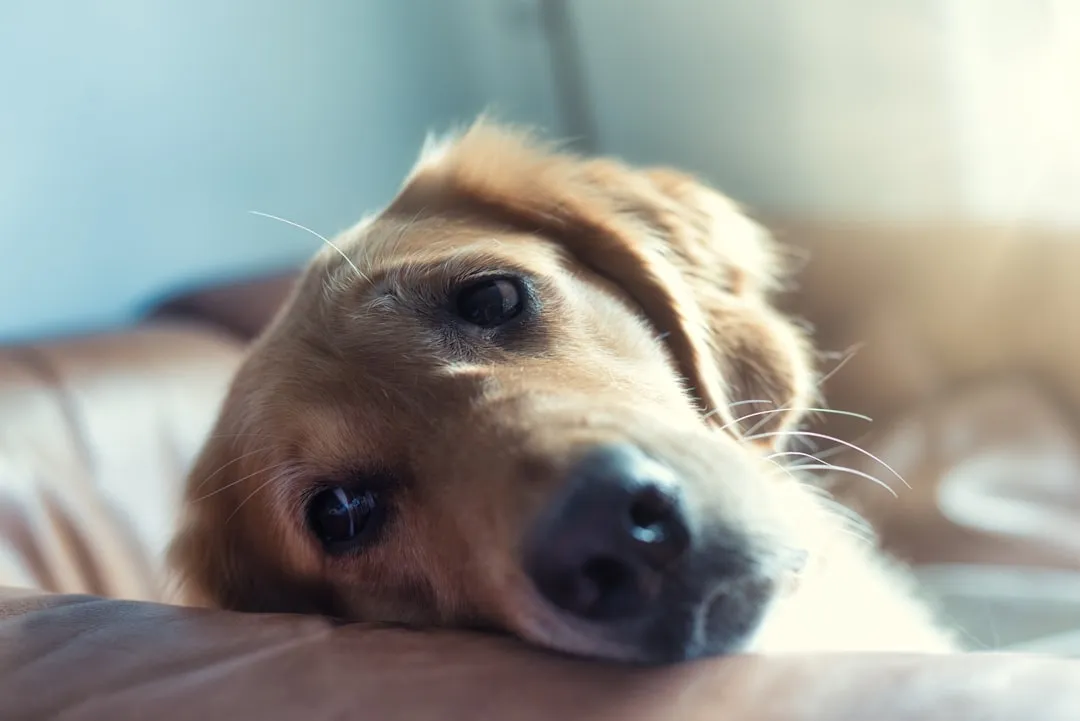
Old dogs do slow down, but there’s a real gap between “low battery” and full emotional shutdown. A tired-but-okay senior still perks up for the things they love – dinner, a walk, a favorite toy, the sound of your voice. If your dog can still flip into “happy mode” when properly motivated, vets usually chalk that up to normal aging. They may nap more and move slower, but something in them still lights up when the right cue hits.
True withdrawal feels colder than that. These dogs look flat even when you dangle their absolute favorite thing in front of them – no tail thump when you walk in, no spark for treats, no interest in the leash they once lost their minds over. That blankness can point to pain, depression, cognitive decline, or systemic illness hiding underneath. Vets get quietly worried when an owner says, “It’s like the light went out behind his eyes” – because that phrase shows up again and again right before a serious diagnosis.
#16 – Social Interest: Choosing Quiet vs. Avoiding Contact
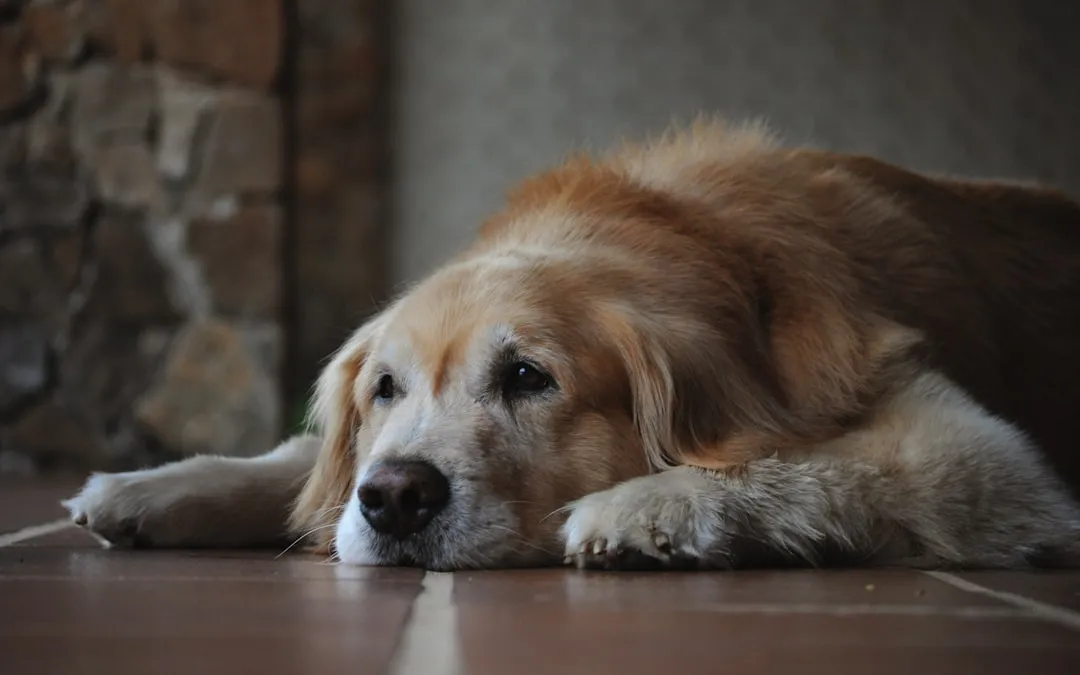
Plenty of seniors develop a taste for more “me time.” They wander off to a cooler room, or trade rowdy kid chaos for a quiet one-on-one cuddle. If your dog still checks on you, follows you between rooms, or settles near you even from a distance, vets typically call that a normal, healthy adjustment. Choosing the empty corner of the couch instead of the middle of the pile isn’t a red flag – it’s just preference.
Withdrawal looks colder and far more deliberate. These dogs don’t just pick quieter spots; they actively avoid contact, leaving the room when people enter or flinching away from a touch they used to lean into. Some will even growl if approached in their favorite hiding spot. Vets consider this kind of active avoidance a bigger warning sign than an obvious limp, because a tired senior rests near their people – a withdrawing one tries to escape them.
Quick Compare
- Normal aging: rests nearby, checks in occasionally, tolerates petting on their own terms
- Withdrawal: leaves the room, flinches from touch, hides from family entirely
- Normal aging: prefers a quiet corner but still responds to their name
- Withdrawal: growls or snaps when approached even in a familiar “safe” spot
#15 – Sleep Patterns: More Naps vs. Disturbed Nights

Senior dogs sleep more, full stop. A tired-but-healthy old dog naps deeply, often in the same comfy spots, and wakes up alert and roughly on schedule. If your dog is sleeping longer but wakes up oriented and aware, vets usually file that under harmless senior behavior – just budget for earlier bedtimes and shorter adventures.
Withdrawal and illness tend to show up as disrupted sleep, not just more of it. Watch for pacing at 2 a.m., whining for no obvious reason, staring blankly at walls, or getting physically stuck in corners. Cognitive dysfunction, chronic pain, or organ disease can all wreck a dog’s ability to actually rest. Owners love to dismiss night restlessness as “old and fussy,” but vets treat it as a loud signal that something – body or brain – is deeply uncomfortable.
#14 – Response to Your Voice: Slow vs. Checked Out
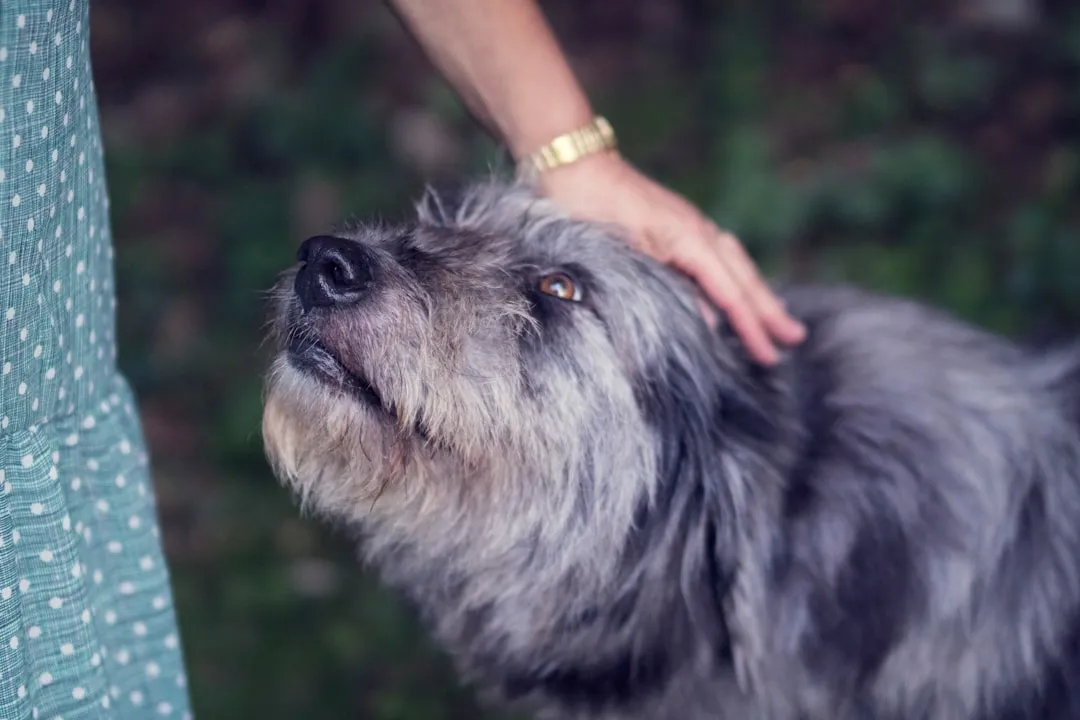
Hearing fades with age, so slower responses are normal. A tired dog might sleep through your first call, then lift their head and scan the room once the sound finally registers. If your senior still orients toward you – eyes, ears, or body turning your way – vets see that tracking response as reassuring, even if the body takes its time following.
Withdrawal looks more like your dog has quietly logged off. They stare past you, fail to react even when you’re inches away, or show zero facial change when you use your happiest voice. Before writing that off as stubbornness, vets rule out deafness, cognitive decline, and depression from chronic pain. A dog that’s physically in the room but emotionally absent isn’t “just old” – that pattern usually earns a workup.
#13 – Appetite: Smaller Portions vs. Silent Red Flag
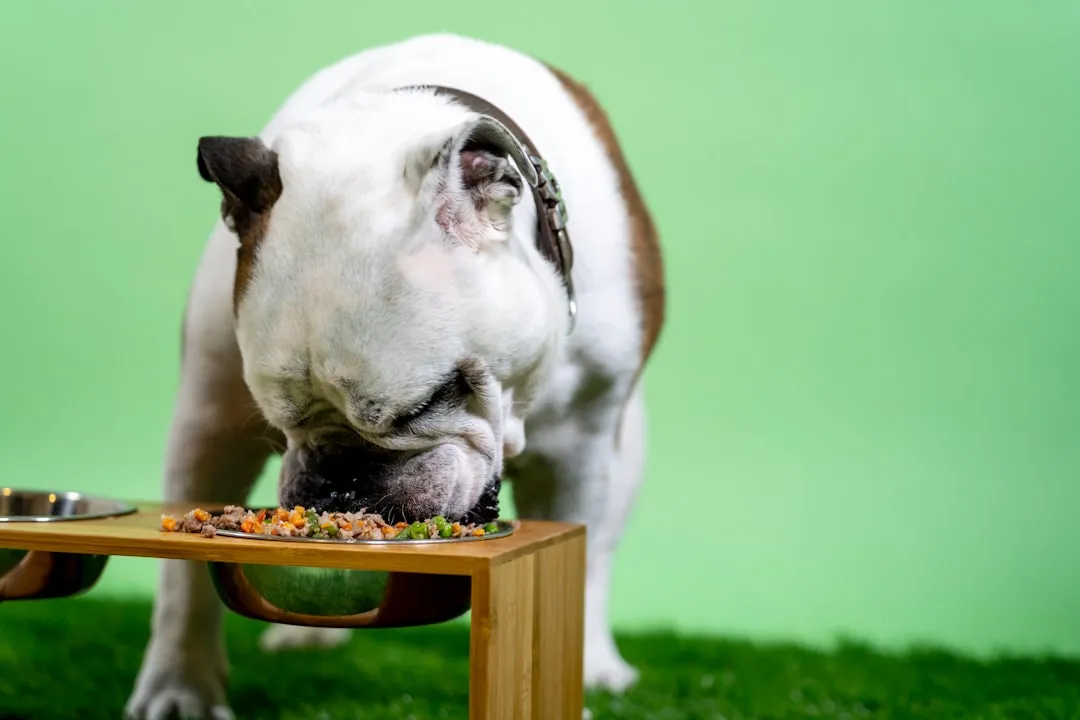
Most senior dogs eat slower and may need smaller, more frequent meals as dental changes and slower metabolism kick in. If your dog still shows interest in food – comes for the bowl, sniffs around, gets fussy about texture – vets say that’s still comfortably inside the senior “normal” zone. Plenty of old dogs become little food critics who suddenly demand their kibble warmed.
Withdrawing or sick dogs don’t just eat less – they detach from food entirely. They won’t come when the bowl clinks, they turn their head away, or long-time favorite treats sit untouched on the floor. Vets take this extremely seriously, especially past 24 to 48 hours, because appetite loss in seniors can signal kidney disease, cancer, dental abscesses, or serious pain. “He’s just old and not hungry anymore” is one of the most dangerous sentences an owner can say.
#12 – Mobility: Slowing Down vs. Avoiding Life
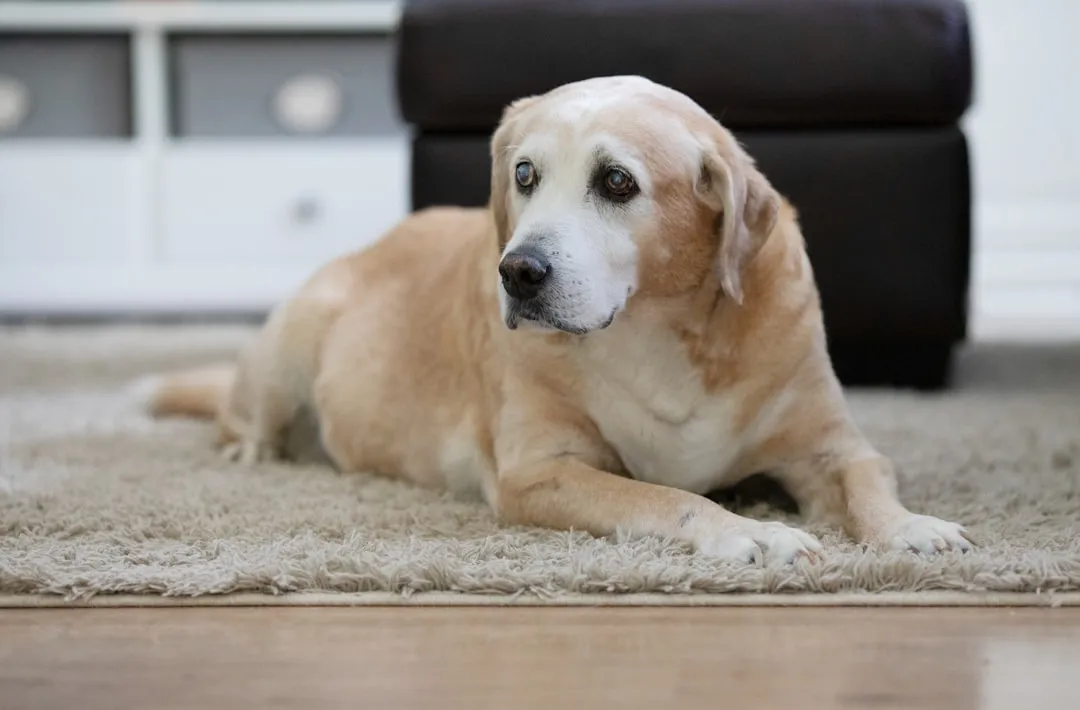
A typical elderly dog moves slower, stiffens after naps, and might need a ramp or shorter walks. If they still want to go – even lagging behind, even shaking off stiffness first – that desire tells vets the dog is engaged and coping with their body, not surrendering to it.
Withdrawal driven by pain looks like opting out entirely. These dogs hide when the leash appears, plant their feet at the door, or lie down mid-walk and simply refuse to move again. Some won’t even stand to greet you – not because they don’t care, but because standing up hurts. People say, “He’s just old and lazy,” while vets are quietly finding arthritis, spinal disease, or ligament damage underneath that so-called laziness.
#11 – Facial Expression: Soft Old Eyes vs. Empty Stare
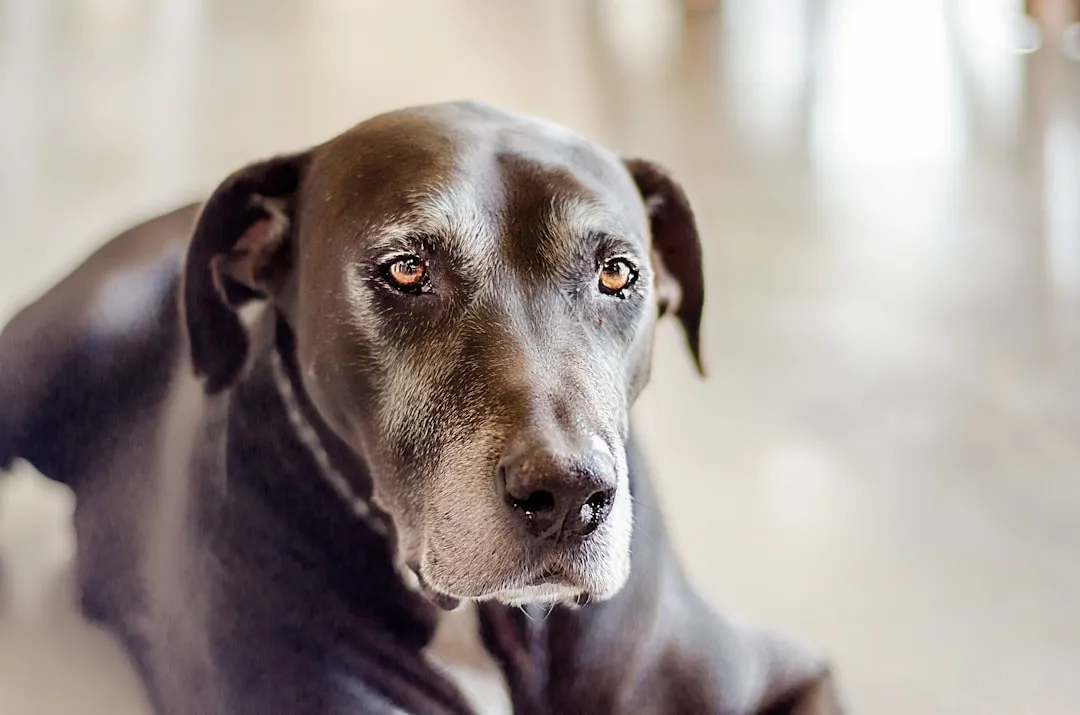
Senior dogs naturally develop a softer, sleepier-looking face – grey muzzles, droopy eyelids, slower blinks. If your dog’s expression still lights up at the right moments – treat time, your return home, the rustle of a toy bag – vets read those quick flickers as genuinely comforting signs. The beam might be dimmer than puppyhood, but it’s still there.
Withdrawal produces what vets often describe as an “empty” or “far away” look. The dog stares into space, avoids eye contact, or seems to look straight through you. Cognitive dysfunction, chronic pain, and severe anxiety can all flatten a dog’s expression this way. When an owner says, “She just doesn’t look like herself anymore,” that’s not sentimentality – vets treat it as real clinical data, as meaningful as a limp.
#10 – Grooming & Self-Care: Slower vs. Neglecting Themselves
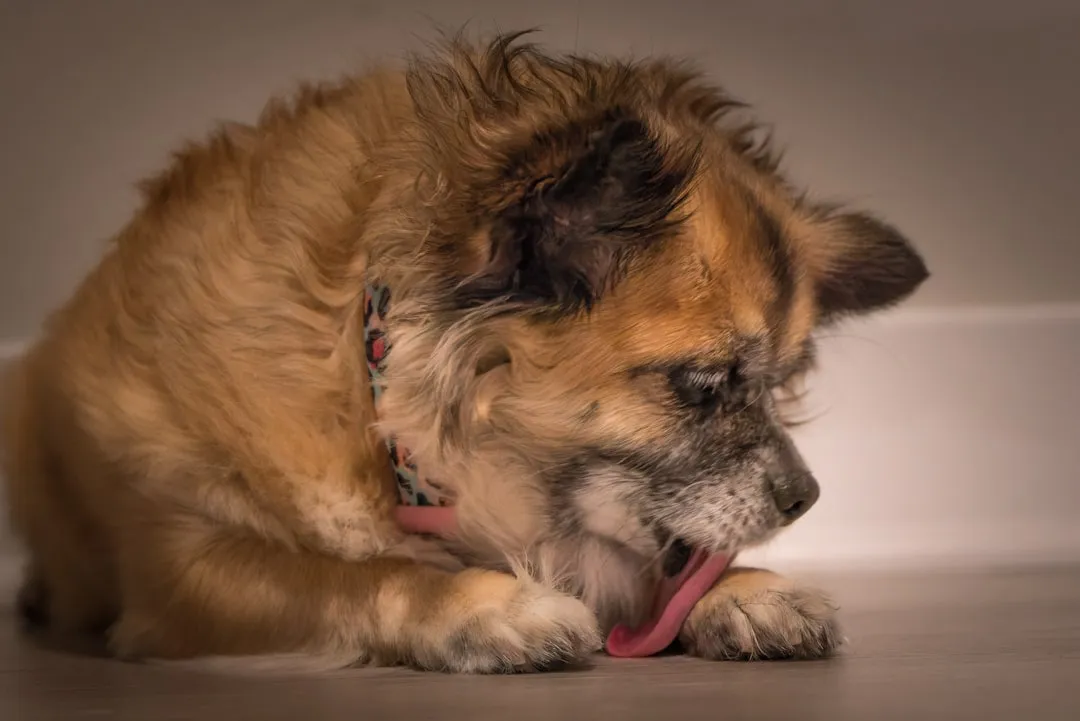
Old dogs slow down on self-grooming and may need more help with nail trims or brushing. If your dog still licks their paws, scratches an itch, and generally keeps themselves reasonably tidy, that’s usually age-appropriate. A few extra tangles or a mild odor is not an emergency.
Withdrawal can show up as total disinterest in self-care – the dog stops grooming altogether, leaves food stuck around the mouth, or develops matting and odor simply because they’ve stopped moving enough to prevent it. Some vets call a dramatic grooming drop-off a “canary in the coal mine” moment. A dog who won’t even shift position to avoid lying in urine isn’t just tired – that’s a welfare emergency that needs same-day attention.
Fast Facts
- Large breeds are typically considered “senior” starting around age 7, while small breeds often aren’t classed as senior until closer to 10-12
- Reduced self-grooming can be an early, subtle sign of pain in the neck, hips, or spine
- Ongoing mats and odor buildup raise the risk of skin infections in dogs who’ve stopped moving enough to groom themselves
- A dog who stops shifting position to avoid lying in waste needs a same-day vet check, not a wait-and-see approach
#9 – Interaction with Other Pets: Gentle Boundaries vs. Total Retreat
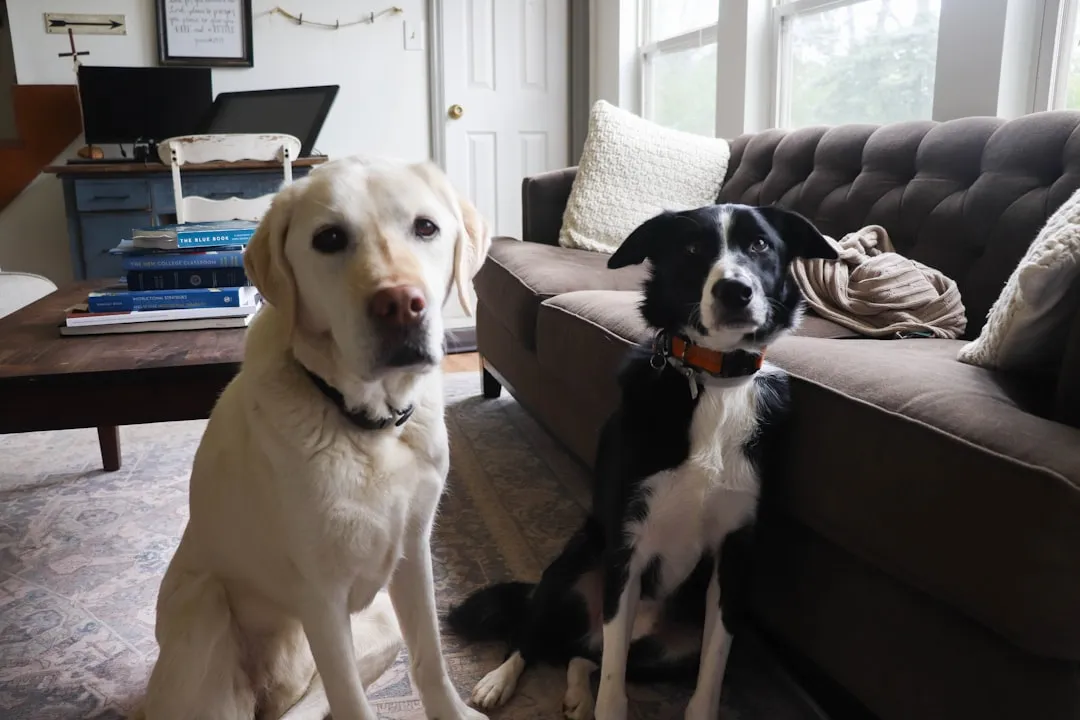
It’s normal for older dogs to lose patience with bouncy puppies or rowdy housemates. A senior might quietly leave the room or give a mild warning growl when pestered. If they still nap near other pets, share a sunspot, or engage in brief play on their own terms, vets read that as healthy boundary-setting – not antisocial behavior.
Withdrawal looks like a full retreat or sudden, out-of-character irritability. The dog stops seeking canine company altogether, avoids shared spaces, or snaps at a companion they’ve slept beside for years. Vets see this when pain makes touch unbearable, when hearing loss makes other animals feel unpredictable, or when cognitive decline scrambles social signals entirely. A sudden personality shift around other pets is rarely “just age” – it’s often the very first obvious sign something deeper has gone wrong.
#8 – Reaction to Touch: Preferring Space vs. Hurting Everywhere
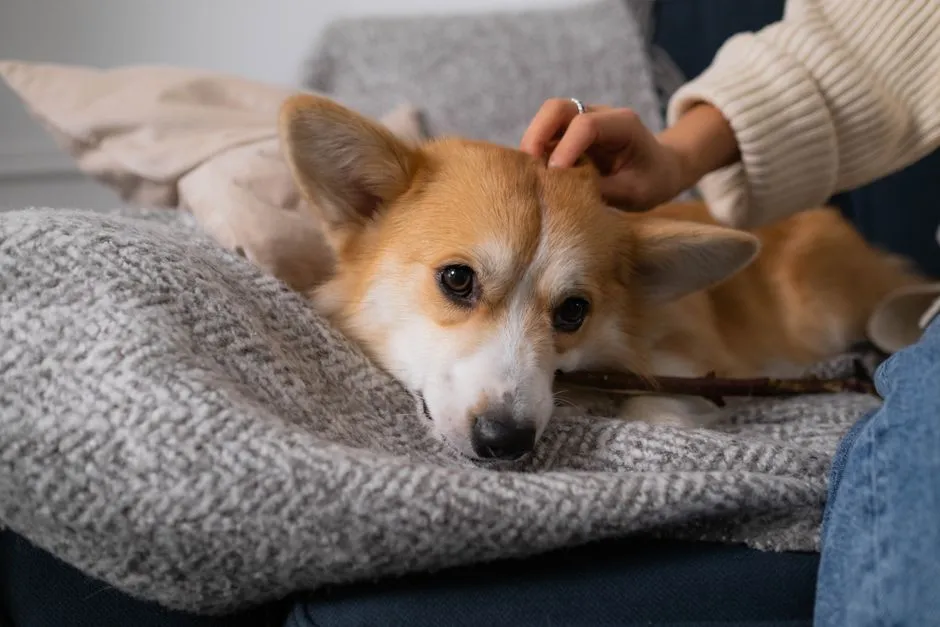
Many seniors simply prefer calmer, more predictable affection. They may no longer want a big bear hug but still lean into a gentle chest rub or rest against your leg. If your dog still seeks contact – nudging your hand, curling up beside you, quietly “asking” for petting – vets treat that as a genuinely reassuring emotional sign, even with new physical limits.
Withdrawal triggered by pain shows up when touch turns into something to escape. The dog flinches, stiffens, or pulls away when stroked, especially over the spine, hips, or belly. Some will growl or snap when touched in spots that never bothered them before. Vets consider this kind of touch intolerance a major red flag for arthritis or internal disease – labeling it “grumpy old dog” behavior misses the point completely. It’s not an attitude. It’s a pain report.
#7 – Playfulness: Shorter Sessions vs. No Spark at All
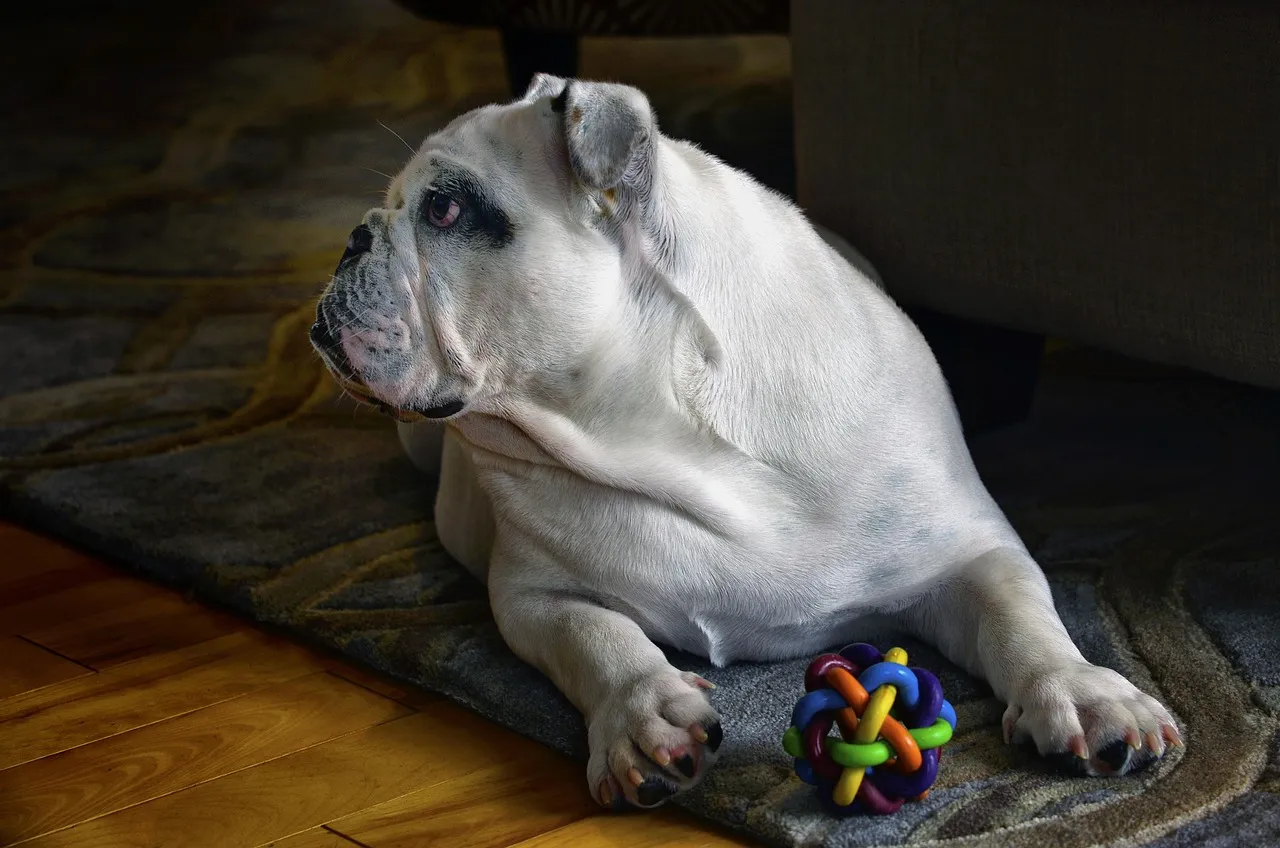
Play absolutely changes with age – games get shorter, slower, and gentler. A healthy senior might chase a ball twice instead of ten times, or trade wild zoomies for a slow round of tug. If your dog still occasionally initiates play – dropping a toy at your feet, offering a play bow, wagging that goofy tail – vets consider that a strong green flag. The body is slower, but the mind is clearly still in the game.
Withdrawal erases that spark entirely. There are no more play bows, no interest in toys, no reaction when you offer their all-time favorite game – even low-effort fun like a food puzzle gets a blank stare. That’s when vets start asking hard questions about pain, chronic disease, or emotional distress underneath it. Most very old dogs still play in some small way, which is exactly why a complete loss of play drive worries vets more than owners expect.
#6 – Bathroom Habits: Slower Signals vs. Concerning Changes
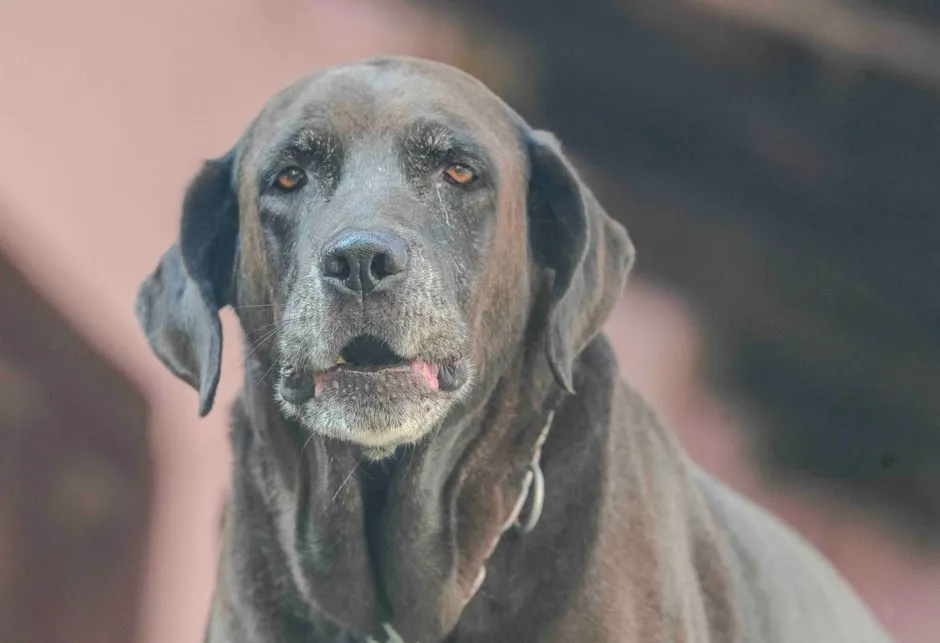
Older dogs may need more frequent potty breaks, take longer to get into position, or have an occasional accident if you’re late getting home. If your senior still tries to reach the door, heads toward their usual spot, or looks visibly guilty about a miss, vets say that tells them basic control and awareness are still intact.
Withdrawal or serious illness produces messier, more alarming patterns – soiling where they sleep, not bothering to move away from it, straining, dribbling urine, or passing black, bloody, or mucus-filled stool. Some dogs in severe pain or cognitive decline simply give up trying to get outside at all. Vets treat sudden house soiling in a previously reliable dog as a clinical symptom, not a behavior problem, since it can point to kidney disease, diabetes, or spinal issues that are still very treatable if caught early.
Worth Knowing
- Black, tarry stool can signal bleeding higher in the digestive tract and deserves same-day attention
- Increased thirst alongside more frequent urination often points toward kidney disease or diabetes
- Straining to urinate can indicate a urinary blockage, which is a true emergency
- Sudden house soiling in a previously reliable dog is rarely explained by aging alone
#5 – Vocalization: Quiet Comfort vs. Silent Suffering (or Sudden Noise)
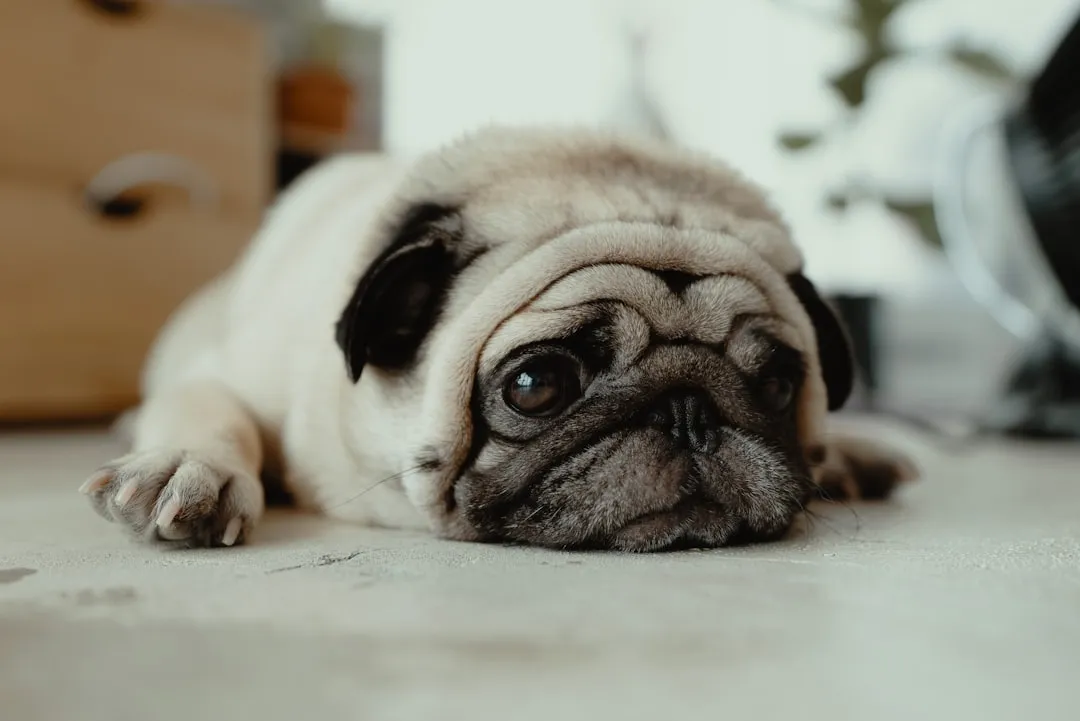
It’s common for seniors to bark less – hearing fades, and many older dogs simply outgrow constant commentary. If your dog is quieter overall but still tosses out the occasional bark, a whine for dinner, or a happy grumble, that’s usually just the volume dial shifting, not communication disappearing.
Withdrawal swings in two opposite – and equally worrying – directions. Some dogs go eerily silent, no longer greeting or “talking” even in moments that used to excite them. Others start whining, howling, or barking at nothing, especially after dark. Both patterns can point to pain, cognitive dysfunction, or sensory distress. Vets pay far more attention to a change in voice behavior than to loudness itself – a dog who suddenly stops talking can be just as unwell as one who won’t stop.
#4 – Orientation & Routine: Predictable Slowdown vs. Getting Lost

Senior dogs walk slower and may hesitate on unfamiliar surfaces, leaning more heavily on routine. If your dog still generally knows where things are – bed, door, food bowl – and follows familiar patterns around the house, vets say that points to aging, not active brain failure. A pause at a dark stairwell is normal caution, not confusion.
Cognitive decline looks stranger than that. The dog gets physically stuck behind furniture, stares at blank corners, forgets how to navigate a baby gate they’ve stepped over for years, or stands in the yard and simply doesn’t remember to come back in. Vets call this disorientation, and it’s a core piece of canine cognitive dysfunction – not eccentric senior quirkiness, but a real medical condition that often responds well to medication, diet changes, and a simplified environment.
#3 – Emotional Range: Calm Elder vs. Flat-Line Mood
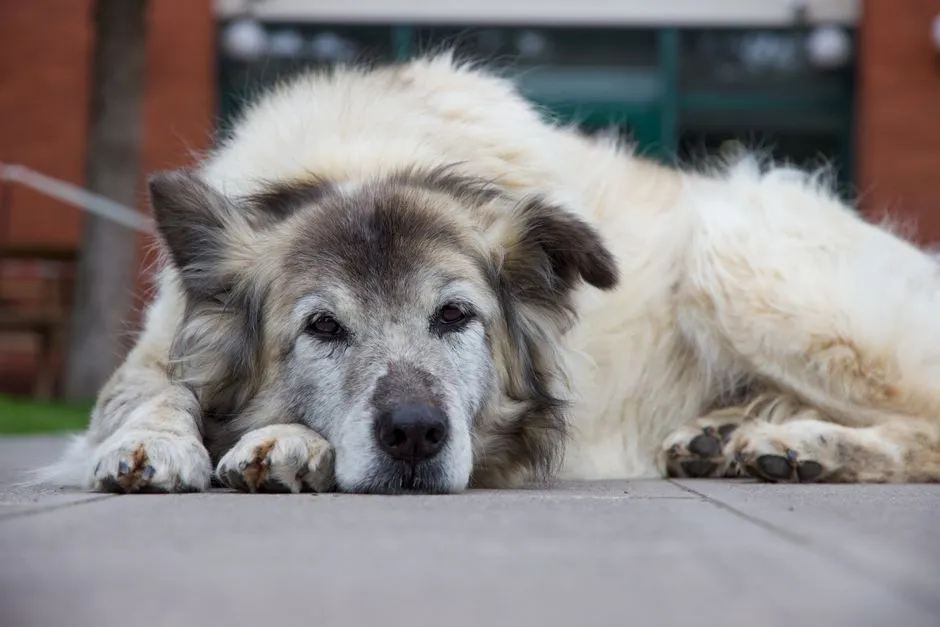
Older dogs are often less dramatic. They may not explode with joy over every tiny event anymore, and that’s completely fine. If your senior still shows a range of moods – relaxed, mildly excited, briefly annoyed, content – vets see that emotional flexibility as genuinely reassuring. The highs are softer, but they still exist.
Withdrawal collapses that entire range into a near flat-line. The dog looks the same whether you walk in, bring dinner, or a stranger appears at the door – no brightening eyes, no quick tail swish, no ear perk, nothing. Chronic pain, endocrine disorders, and cognitive disease can all blunt emotional expression this severely. Some vets quietly admit they worry more about a dog that “never looks happy anymore” than one that limps – a bad leg can usually be fixed, but a vanishing emotional life is much harder to reverse.
#2 – Onset & Pattern: Gradual Aging vs. Sudden Personality Shift
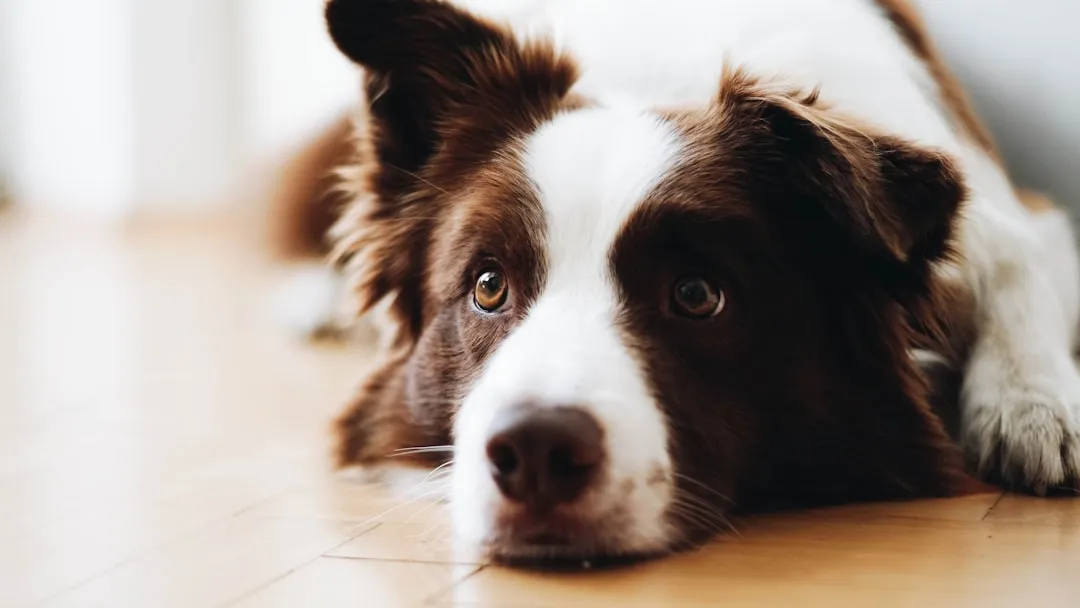
Normal senior tiredness creeps in slowly. Over months or years, walks get a little shorter, naps get a little longer, and the changes are subtle enough that you barely notice them happening in real time. If the shift has been gradual and stable, vets lean toward normal aging – still worth monitoring, but not a five-alarm fire.
Withdrawal or illness usually arrives fast. A dog that seemed fine in May and feels like “a different dog” by July is waving a serious red flag. Sudden loss of interest in family or food, rapid weight loss, or a sharp new spike in anxiety can all point to a real underlying problem. Vets get especially suspicious when an owner can pinpoint a clear timeframe and say, “He just isn’t himself lately.” Aging is slow. Crises are fast. Don’t let anyone talk you out of noticing the difference.
At a Glance
- Gradual change over months: usually normal aging
- Noticeable shift within days or a few weeks: warrants a vet visit
- Stable mood with occasional low-energy days: low concern
- Sudden flat mood plus appetite change: high concern
#1 – Your Gut Feeling: Accepting Age vs. Knowing “Something’s Off”
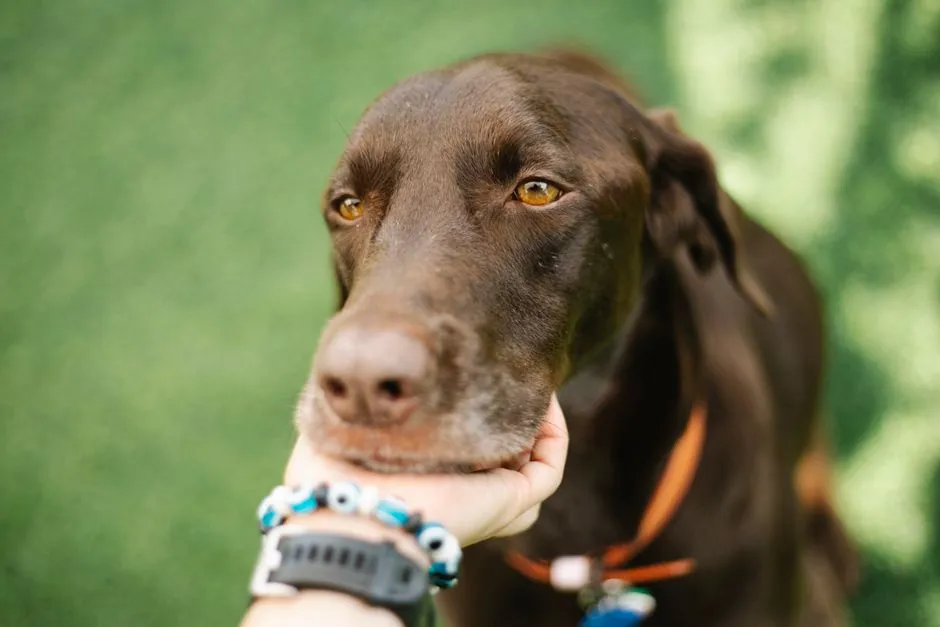
Here’s the uncomfortable truth vets will quietly admit: owners almost always notice the earliest changes long before any bloodwork gets run. If you keep thinking, “Something’s off, but I can’t explain it,” that instinct often matters more than any single symptom on this list – because you’re watching your dog’s micro-behaviors every single day, and no test catches that.
The most dangerous moment is when you override that gut feeling with, “Well, I guess this is just what old looks like.” Vets routinely diagnose cancer, severe arthritis, or organ disease months after an owner sensed something was wrong and got talked out of it. If you feel like your dog is emotionally checking out rather than simply tired, write down specific examples and book the visit. Ask directly: “Is this normal aging, or could we be missing something treatable?” A good vet will take that question seriously, not brush it aside.
The bond between a person and a pet endures because it’s built on things that matter: comfort, communication, trust and traditions.
American Veterinary Medical Association
The Bottom Line

Old dogs are allowed to slow down. They’ve earned it. But too many seniors get written off as “just tired” while they’re actually in pain, confused, or quietly giving up on the world around them.
The real difference was never about how grey the muzzle looks. It’s about whether there’s still a spark – interest in you, in food, in comfort, in the small rituals that used to matter. Normal aging is a gentle dimming of intensity. Withdrawal is a sharp shrinking of an entire emotional and physical life, and the two are not the same thing wearing different speeds.
Vets care about this distinction because catching it early can mean more good months together, sometimes more good years. If your gut is telling you your dog is withdrawing and not just sleepy, don’t let anyone wave you off with “he’s old.” Push for answers anyway. Did we miss a sign you’ve seen in your own senior dog? Drop it in the comments.

- Is Your Old Dog Withdrawing or Simply Tired? 17 Differences Vets Say Matter Enormously - August 18, 2026
- 13 Moments That Prove a Rescue Dog Has Finally Stopped Waiting to Be Returned - August 18, 2026
- 19 Strange Things Researchers Say Hummingbirds Do When They Believe Nobody Is Watching - August 17, 2026