
Everyone assumes the hardest moment with a dog is the day you say goodbye. That’s not quite right. Ask anyone who has actually lived through a dog’s final week, and they’ll tell you the real gut-punch happens earlier – in the ordinary moments that suddenly stop being ordinary.
The breathing. The silence where barking used to be. The way they hold your gaze a second too long. Nobody warns you that an entire house full of noise and habit can shrink down to one heartbeat you’re terrified to lose. Here are 13 things dog owners only discover in that last week together – and once you know them, you’ll never look at an ordinary Tuesday with your dog the same way again.
#1 – You Notice Every Single Breath
In the final week, you stop moving on autopilot. You start counting breaths, listening in the dark, tracking every rise and fall of their chest like it’s the only sound that matters.
You suddenly realize you’ve taken thousands of ordinary naps and snoring sessions completely for granted. Now every quiet exhale sounds like it could be the last one, and you catch yourself holding your own breath, waiting for the next.
- Is their breathing faster than yesterday?
- Did they just sigh, or is that pain?
Vets tell you to watch for “changes in breathing.” What they don’t tell you is that you’ll memorize the rhythm of it like a song you’re terrified to forget – and a single pause can send a bolt of panic straight through your chest.
Worth Knowing
- Lap of Love notes that irregular, shallow, or labored breathing is a warning sign that a dog or cat may be dying, and a gasping breath pattern may appear in a pet’s final hours.
- Sudden pulling away or hiding isn’t always distress – choosing to hide or isolate themselves may reflect fatigue and a desire for quiet, or an instinct to separate oneself from others when the end is near.
- If breathing becomes visibly labored, it’s considered urgent enough to call your vet the same day, not wait it out.
#2 – Food Stops Being Routine and Becomes a Test

Feeding time used to be chaos – paws dancing, bowls clanking, that greedy stare. In the last week, the bowl quietly turns into a verdict.
Whether they eat or walk away suddenly feels like a daily yes-or-no answer to “Are you still okay?” You tempt them with chicken, cheese, anything the vet allows, just to see that tail twitch one more time.
- “If he eats this, we’re not there yet.”
- “If she turns away again, maybe it’s time.”
Most people don’t realize how much hope they’ve tied to an empty bowl until it starts staying full. The guilt hits fast – are you pushing one more meal for them, or for yourself? You’ll never watch a dog food commercial the same way again.
#3 – The House Soundtrack Goes Silent

There’s a soundtrack your dog builds just by existing – nails on tile, the jingle of tags, the heavy flop onto a bed. In the last week, those sounds start disappearing one by one.
You realize your entire home’s background noise has always been built around them, and you never noticed until it started going quiet. Now every silence feels suspicious.
- You don’t hear them follow you to the bathroom.
- You open the fridge and there’s no begging behind you.
Instead of being annoyed by barking or pacing, you find yourself craving it. The TV feels too loud. The house feels too big. Deep down, you know this is exactly how it will sound once they’re gone.
#4 – Time Suddenly Becomes Ruthlessly Short
Most dog owners say things like “we’ll go there someday” or “next summer we’ll take that hike.” In the final week, “someday” simply disappears.
You feel time compress into a tight, desperate bubble of right now or never. Walks get shorter but somehow more important, and you cancel plans without a second thought because a nap on the floor with your dog now outranks everything else.
- “This might be our last Friday together.”
- “This might be the last morning she wakes me up.”
People on the outside might think you’re overreacting. You know you’re not – you’re trying to fit years of “later” into a handful of days, and it’s not dramatic, it’s brutally practical.
Dogs’ lives are too short. Their only fault, really.
Agnes Sligh Turnbull
#5 – Their Eyes Start Asking You a Question
Sometime during that final week, the way your dog looks at you shifts. It gets softer, slower, almost searching, like they’re trying to say something they can’t put into a bark.
Owners often swear their dog is “asking for permission” or “telling them it’s okay,” and while science can’t prove that, your gut absolutely can. You catch them staring longer, holding your gaze, then sighing and resting their head against you.
- “I’m tired. Are you ready?”
- Or worse: “Please help me, I’m hurting.”
This is where arguments explode in comment sections – some people insist dogs don’t “know,” others are certain they do. But in that final week, the debate stops being theoretical, because you’re not reading a study, you’re reading the animal you know better than anyone alive.
#6 – Your Routine Quietly Rearranges Around Their Pain
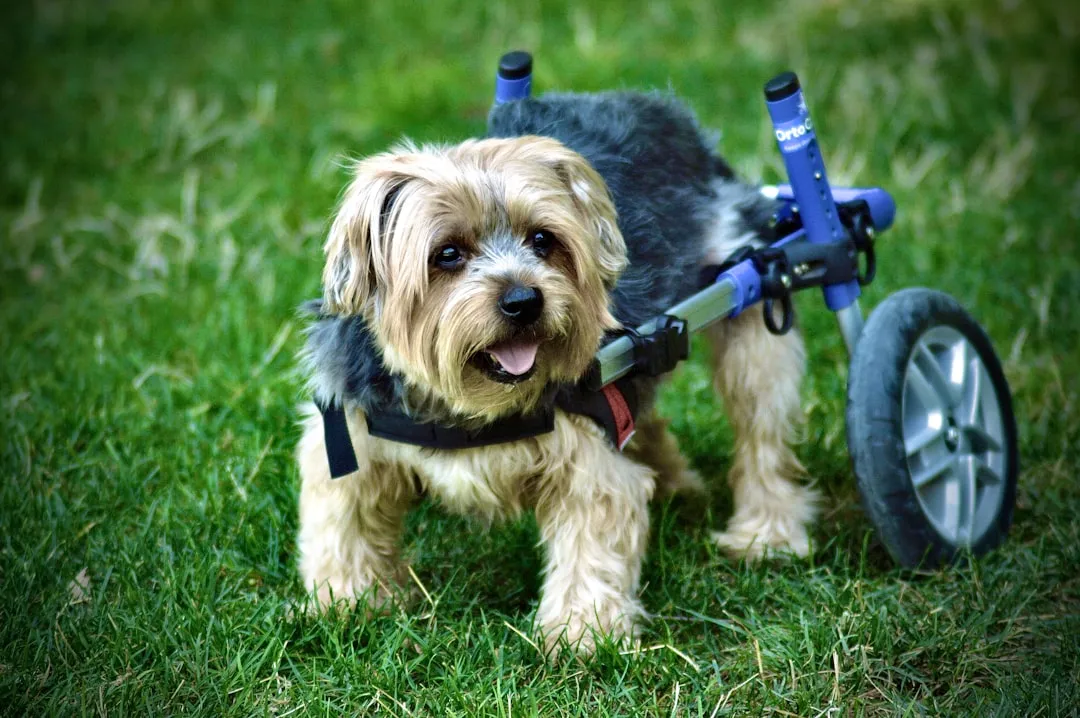
You start moving differently without even deciding to. You walk slower on purpose so they can keep pace. You lift them into the car instead of just grabbing the leash and heading for the door.
Normal life bends around their weakness in a way you never truly understand until it’s almost over. Suddenly every staircase is a problem to solve, and every jump onto the couch is a risk you actively block.
- You can spot a tiny limp from across the yard.
- A single flinch at your touch stops you cold.
What used to look like harmless quirks now read like symptoms. And here’s the harder truth: sometimes in that last week you realize they’ve been struggling far longer than you let yourself see.
#7 – You Argue With Yourself About “Too Soon” vs “Too Late”

No one warns you that the hardest fight in the final week won’t be with the disease – it will be with your own conscience. Around and around it goes, with no referee to call it.
You become obsessed with not waiting too long, yet terrified of acting too soon, and there is no universally right answer. Vets can guide you, but they can’t live inside the guilt that shows up afterward. That part belongs entirely to you.
- “Is one more day a gift or a selfish delay?”
- “If they have one good afternoon, does that cancel three bad nights?”
This mental tug-of-war is so intense that some people freeze and let the decision make itself, usually at the worst possible moment. Others act earlier to spare suffering, then spend years wondering if they cut something short. It’s not a tidy “rainbow bridge” story – it’s one of the messiest moral choices a person can face.
Fast Facts
- Dr. Alice Villalobos, a veterinary oncologist, developed a quality-of-life scale for dogs that provides guidelines to help owners and veterinarians work together to maintain a healthy human-animal bond.
- Known as the HHHHHMM Scale, the letters stand for Hurt, Hunger, Hydration, Hygiene, Happiness, Mobility, and More Good Days than Bad.
- The scale looks at seven different categories and scores each parameter from 1 to 10, with 10 being the best.
- A score above 5 in each category, or an overall score greater than 35, suggests that the dog’s quality of life is acceptable and that it is reasonable to continue end-of-life care and support.
#8 – Small Comforts Turn Into Sacred Rituals

That last week quietly turns tiny routines into rituals you cling to like life rafts. Every gesture starts to feel like it matters more than it ever did before.
The way you tuck a blanket around them, the exact spot you scratch behind their ear, the last treat you know they’ll still enjoy – these become almost ceremonial. You repeat them not just for them, but for yourself, as if you’re rehearsing how you’ll remember them later.
- You let them break every “no couch” rule you ever enforced.
- You sit in the parked car together, going nowhere at all.
What outsiders might call “spoiling” is actually you trying to thread love into the hours you have left. Later, you’ll be shocked at how clearly you remember the feel of that last head-lean or paw on your leg.
#9 – You Realize How Much of Your Identity Is Tied to “Dog Parent”
Somewhere in the final week, it hits you sideways: you’re not just losing a pet, you’re losing a role you built your whole life around without noticing.
You suddenly see how many of your daily actions, plans, even friendships exist because “I have to get home to the dog.” You’re not just you anymore – you’re the person with the dog, and that version of you is about to disappear.
- “Who am I if I don’t have to rush home for walks?”
- “What happens to all the routines that revolve around them?”
Some people find this realization uncomfortable and never say it out loud, because it sounds selfish when your dog is the one in pain. But it’s real, and pretending otherwise doesn’t make it disappear – they didn’t just share your life, they helped shape who you became inside it.
#10 – Old Annoyances Instantly Turn Into Things You Miss
There’s a dark little secret almost every dog owner figures out too late: the stuff that used to drive you crazy is exactly the stuff you’d pay anything to have back.
The barking at the mailman, the fur on your black clothes, the muddy paw prints – suddenly every “problem” reads like proof of life. When those behaviors start fading in the last week, you feel almost guilty for ever complaining about them.
- “I used to snap at him for hogging the bed. Now I barely move so I don’t wake him.”
- “I used to hate vacuuming hair. Now I catch myself not wanting to clean it up.”
This isn’t sentimental hindsight, it’s a brutal reframing. Inconvenience was just another way of saying “they’re here” – and once they start doing less, the house gets easier, but emotionally emptier, which is a trade no dog person ever really feels okay with.
#11 – Other People’s Reactions Start to Feel Either Deeply Kind or Shockingly Shallow

During that final week, the world quietly splits into two kinds of people: the ones who get it, and the ones who absolutely don’t.
A simple “take the time you need, a dog is family” can feel like oxygen, while a casual “it’s just a dog, you’ll get another” can feel like a punch in the throat. You don’t forget who said what, not for years.
- The coworker who quietly offers to cover for you at the vet.
- The friend who changes the subject because it makes them uncomfortable.
Some will insist it’s “unhealthy” to grieve a pet this hard. Anyone who’s actually lived through that last week knows better – you’re grieving a daily companion, a routine, a constant emotional presence, and people who minimize that reveal a lot more about themselves than about you.
Worth Knowing
- “I’m here, whatever you need” usually lands better than any attempt to fix the unfixable.
- Offering to handle one concrete task – a vet call, a ride, picking up medication – takes real weight off a grieving owner.
- Skipping comparisons like “at least it wasn’t a person” almost always helps more than saying them.
- Simply asking about the dog by name, weeks later, tells someone their grief hasn’t been forgotten.
#12 – You Learn How Much Your Dog Has Been Regulating YOUR Emotions All Along
Most people assume they’re the emotional anchor for the dog. In the last week, you realize how backwards that assumption really was.
Every time your anxiety spikes, sadness hits, or life falls apart, you’ve defaulted to one thing without even thinking: go pet the dog. When that comfort starts slipping away, you feel exposed in a way you didn’t see coming.
- Breakups, job losses, fights, the depression days spent on the couch.
- Nights you felt completely alone – except for the weight at your feet.
Psychologists have a clinical term for it, but you just called it “my dog.” In those final days, you start to panic about what life will feel like without that reliable, wordless support sitting a few feet away.
#13 – You Finally Understand That Loving a Dog Means Choosing Their Peace Over Your Heartbreak
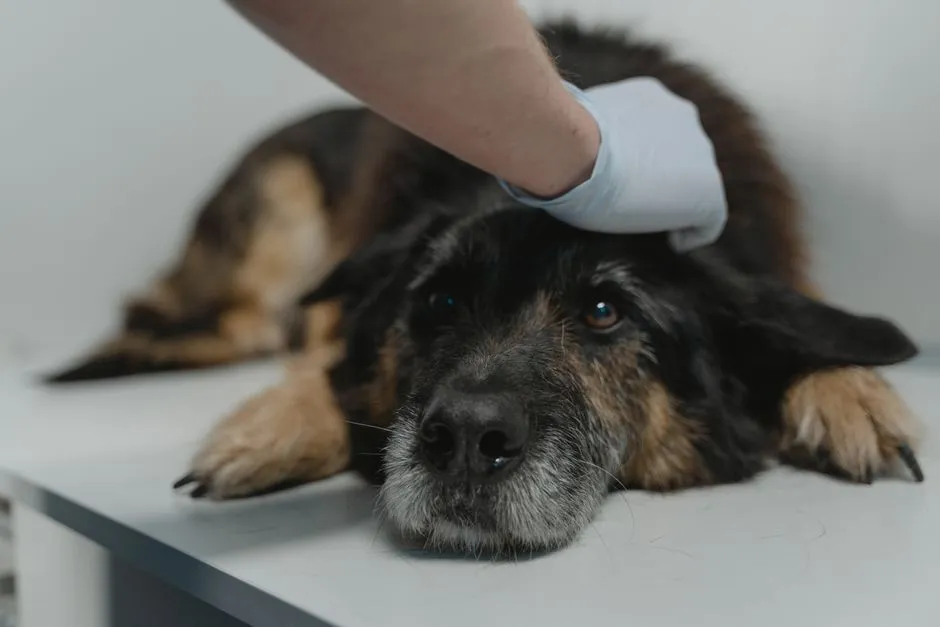
Here’s the thing almost nobody grasps until that last week arrives: the final act of love isn’t holding on. It’s letting go, on purpose, with your eyes open.
At some point, the pain in their body outweighs the comfort of their presence, and you are the only one who can trade your long-term heartbreak for their short-term relief. That’s a brutal kind of power to hold over a creature that trusts you completely.
- Your need to keep them clashes with their obvious discomfort.
- You realize “one more day” is for you, not for them.
When you finally make the call – at home, at a clinic, on a favorite blanket – it doesn’t feel noble. It feels like betrayal and love tangled into one impossible knot, and that choice changes you permanently.
The Bottom Line
The final week with a dog isn’t just sad, it’s clarifying. It exposes how much of your life, your identity, and your emotional stability were quietly built around a creature who couldn’t speak but somehow understood you better than most humans ever did.
Breathing, eating, walking, even the annoying habits – they were all quiet love letters you didn’t recognize until they started fading. Real responsibility was never just about vaccines and walks. It was always about knowing when love means stepping back so they can finally rest.
Some people will say “it’s only a dog.” They’re wrong, and honestly, they’re missing out. Those of us who’ve sat on that floor, counted those last breaths, and made that final call know a harsher truth: the price of a decade of unconditional love is one brutal week of honesty. Did we miss something you only learned in your last week with a dog? Drop it in the comments, because this is one topic dog people understand better than anyone else on earth.
