
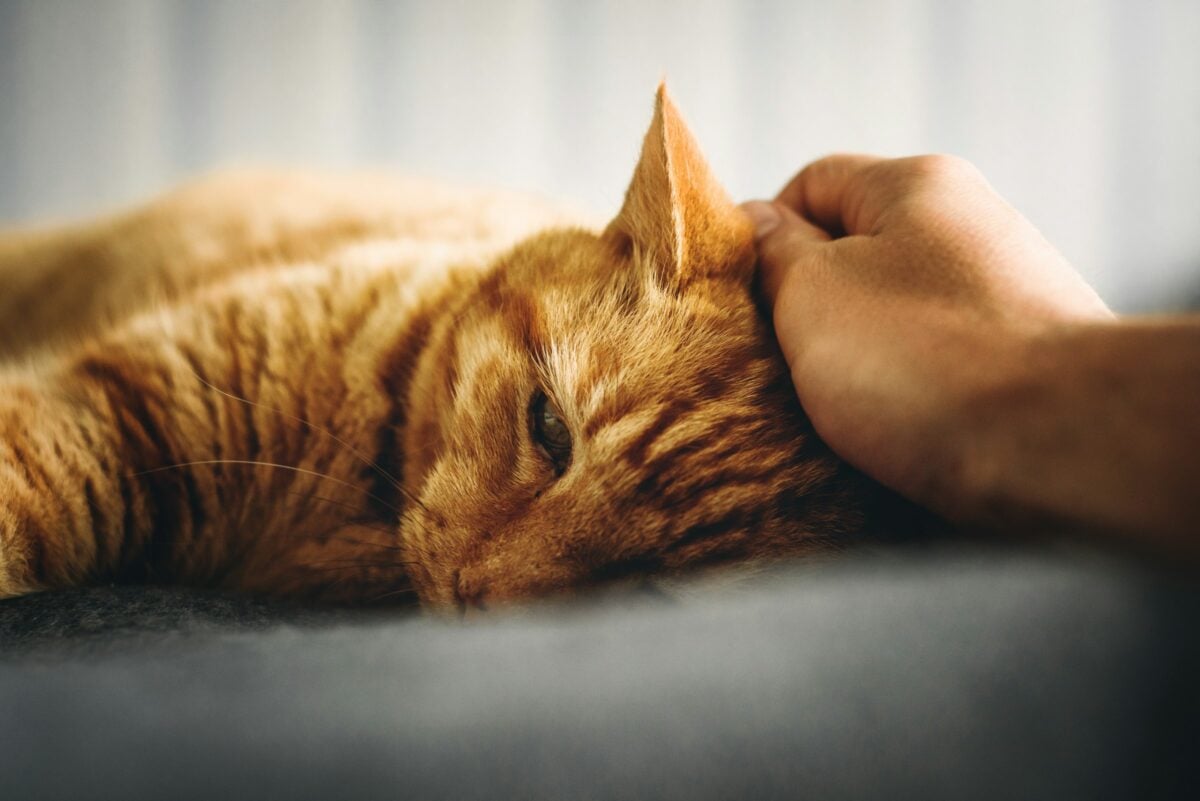
Most people imagine a cat “saying goodbye” the way it happens in movies – dramatic, obvious, unmistakable. A slow fade-out with clear warning bells.
The truth is messier and far more heartbreaking. Most ageing cats don’t announce anything. They slip away in tiny, deniable moments that owners only piece together months later, usually while scrolling old photos and whispering, “Was that her telling me she was done?” Cats are biologically wired to hide pain and weakness, so their goodbye rarely looks like a goodbye at all – it looks like “just getting old.” Here are the 17 quiet signals that veterinarians and long-time cat owners say almost nobody catches in real time, only in hindsight.
#1 – The Sudden Need to Be Closer Than Ever
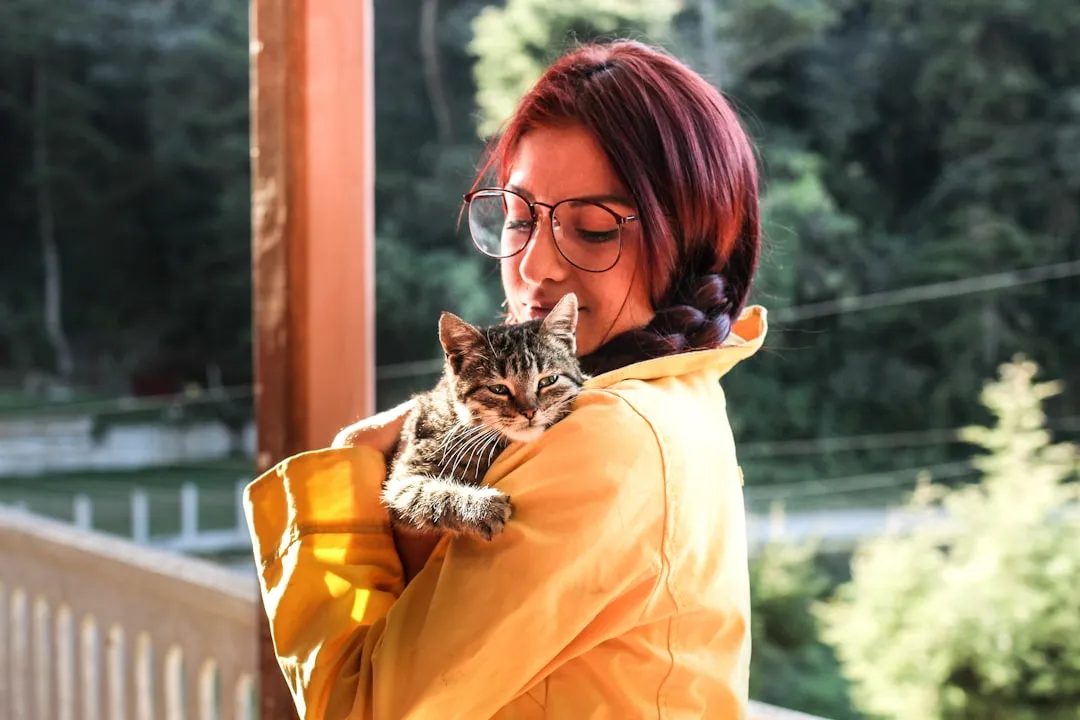
When a normally independent cat suddenly turns into your shadow, most people just call it cute. But in senior cats, this new clinginess can actually be one of the earliest quiet goodbyes.
Cats who sense their health slipping often become more contact-seeking – sleeping on your chest, trailing you room to room, pressing a paw against you like they need to check you’re still there. It’s not “neediness” in the human sense. It’s a survival brain reaching for warmth and safety from the one creature it trusts.
- Sleeping pressed into your side instead of at your feet
- Distress meows if a closed door separates you
Owners often look back and realize those weeks of intense closeness were their cat quietly soaking up every last bit of time it had. It feels sweet in the moment. In hindsight, it’s devastating.
#2 – Or the Exact Opposite: Choosing to Be Alone
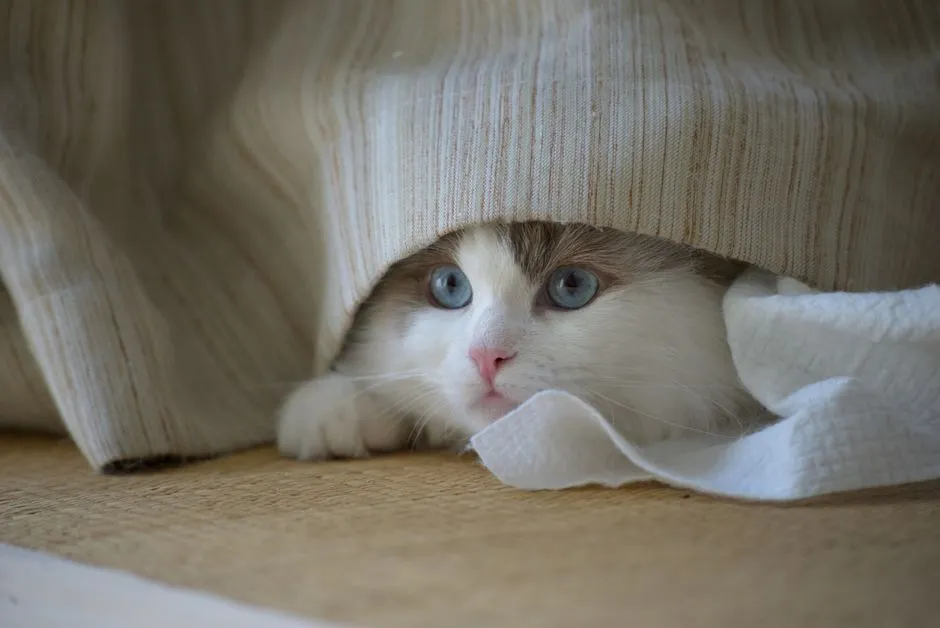
Cruelly, some cats do the reverse. A once-affectionate cat starts vanishing into quiet corners, closets, or under the bed – even when the house is calm and nothing seems wrong.
Owners tell themselves, “She just wants alone time.” But in senior cats, hiding is one of the strongest instinctive responses to feeling unwell or vulnerable. In the wild, sick animals isolate to avoid predators and protect the group. Somewhere deep in your living room, that ancient script is still running.
- Sleeping in unusual, harder-to-reach places
- Leaving the room the moment the family gathers
Quick Compare
- Clingy cats: shadow your every move, seek constant contact, panic when separated
- Withdrawing cats: seek quiet, hidden spots and avoid family gatherings entirely
- Both are opposite coping styles for the same underlying shift – a body that senses something is wrong
Heartbreakingly, many owners only realize afterward that their cat wasn’t rejecting them – it was searching for a den-like spot to feel safe while its body failed.
#3 – The Subtle Shift in Their Eyes and Expression
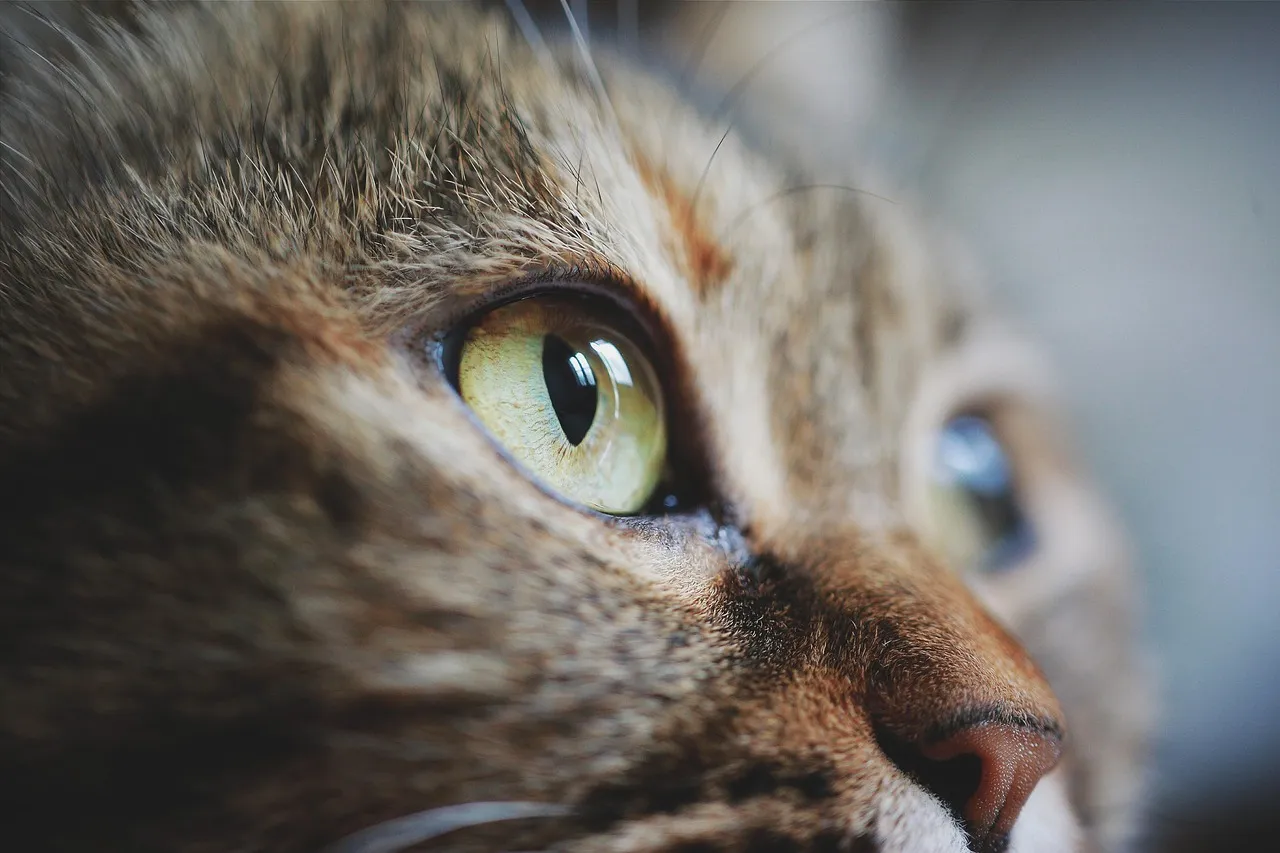
Most people watch for weight loss or appetite changes. But long-time cat people swear the first thing they notice – usually only in hindsight – is a change in the eyes.
Not just cloudiness from age, but a softer, far-away look, as if the cat is quietly “checking out” more often. The gaze slows down, drifts, or stays oddly calm during things that used to trigger excitement or stress.
- Staring into space at nothing in particular
- Long, quiet gazes that feel deeper than usual
Many owners describe it the same way: “She looked at me like she was memorizing my face.” There’s no lab test for that feeling, but it comes up over and over in grief groups. Those extra-long looks only feel like goodbyes once the cat is gone.
#4 – A Quiet Stop to Grooming the Way They Used To
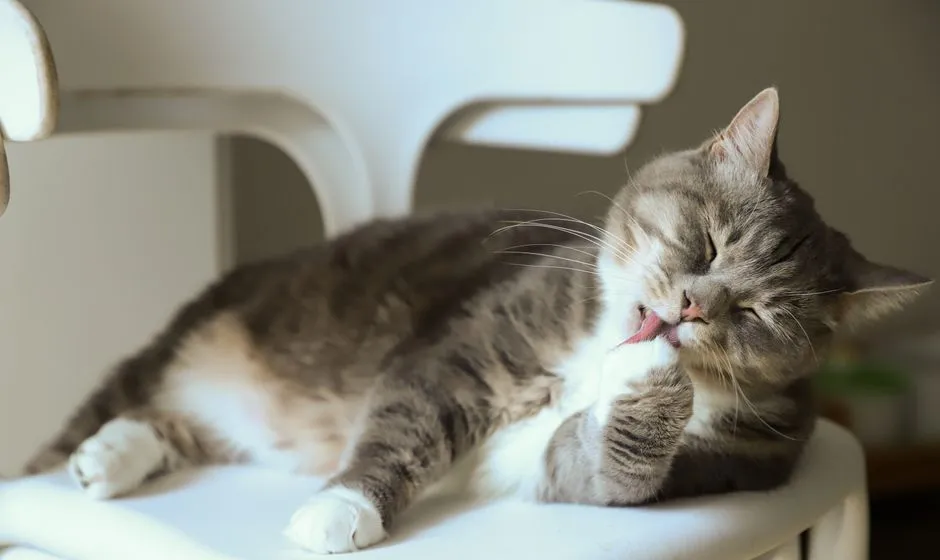
We expect old cats to look a little scruffier, so most owners shrug off changes in the coat. But grooming is actually one of the clearest health barometers a cat has.
When an ageing cat stops grooming certain areas – or stops almost entirely – it often signals pain, weakness, or a body that’s started prioritizing bare survival over self-care. That’s not laziness. That’s a system under real stress.
- Greasy or clumped fur along the lower back and hindquarters
- Dandruff appearing where the coat used to be immaculate
Some cats keep grooming their face – the easy part to reach – while everything else quietly declines. Looking back, many owners realize the “unkempt phase” was their cat losing the strength to keep up appearances, not the desire.
#5 – Tiny, Easy-to-Excuse Changes in Appetite
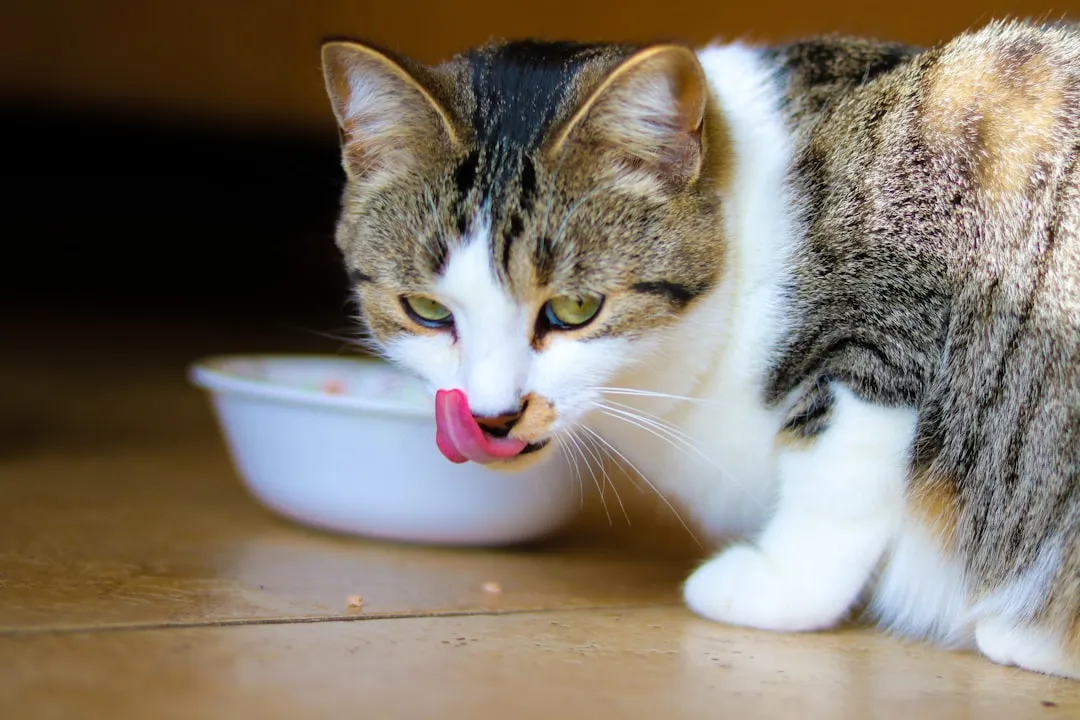
This is where denial does its best work. A cat who “picks” at food or only eats when hand-fed gets labeled picky, spoiled, or fussy. In reality, even small, consistent drops in appetite are a red flag – often weeks or months before a real crash.
Cats are biologically bad at fasting. Skipping meals is never just a personality quirk, no matter how convincing the excuse feels at the time.
- Licking only the gravy and leaving the solids untouched
- Eating a few bites, then walking away as if they forgot they were hungry
Many owners later admit they spent weeks warming food, switching brands, and blaming flavor preferences – never realizing their cat was quietly losing the ability, not just the interest, to eat.
#6 – Drinking “More Water” That Wasn’t Just Being Healthy
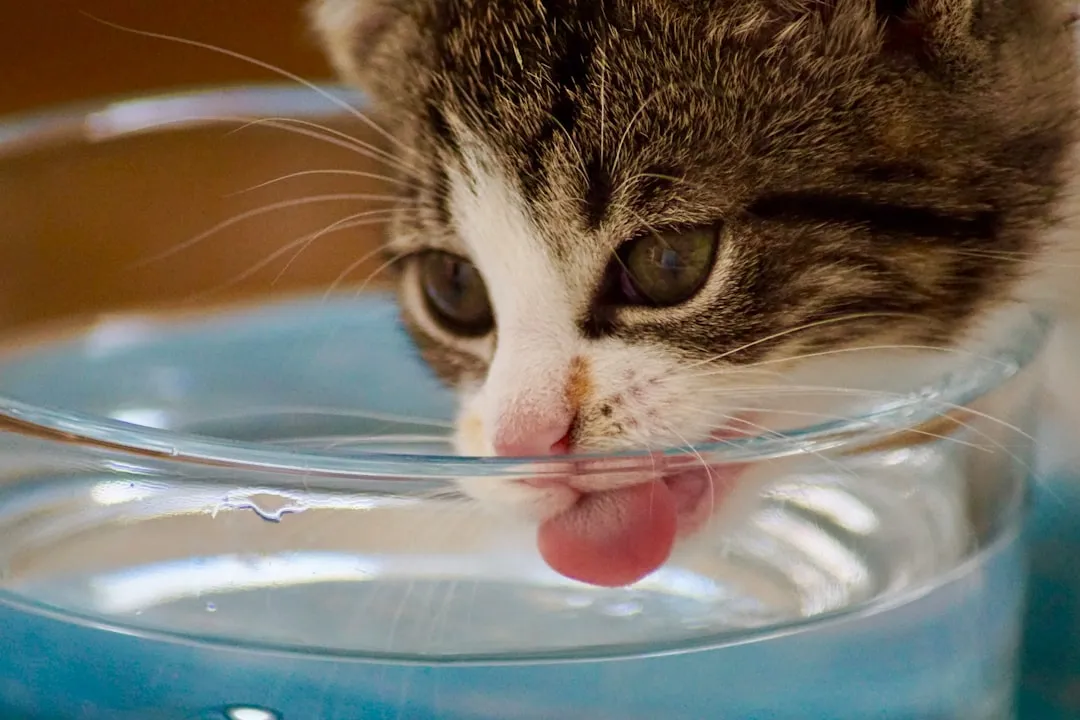
Ironically, a lot of owners feel relieved when an older cat starts drinking more. Hydration is good, right? Up to a point. A sudden or steady increase in thirst and urination is actually one of the classic warning signs of serious chronic disease in cats – kidney disease, diabetes, hyperthyroidism.
These are the exact conditions that quietly push so many cats toward end-of-life decisions, months before anyone notices a pattern.
Fast Facts
- Chronic kidney disease affects roughly 30% to 40% of cats over age 10, and as many as 81% of cats over 15
- Increased thirst and urination are classic early warning signs, often appearing well before other symptoms show up
- Kidney disease is considered one of the leading causes of death in senior and geriatric cats
- “I thought it was great she finally used her water fountain all the time.”
- “I was changing the litter more but figured it was just the new food.”
Extra water bowls and damp litter feel like minor housekeeping annoyances – until you’re sitting in a vet’s office hearing “end-stage kidney failure” and replaying those quiet weeks in your head.
#7 – Subtle Weight Loss You Only Notice in Old Photos
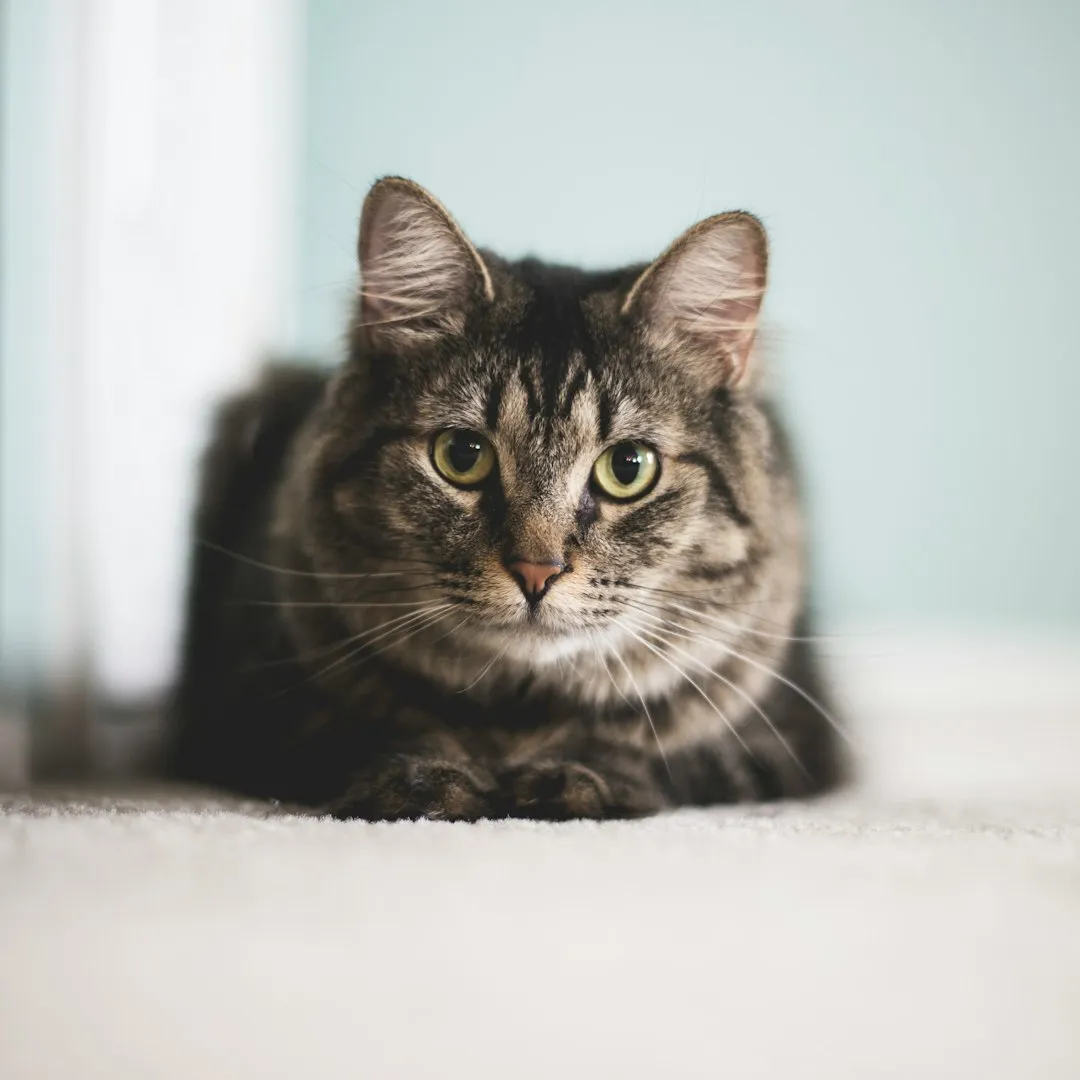
Most owners never weigh their cat regularly, which means slow, steady weight loss can go undetected for months – especially hidden under a fluffy coat.
It’s usually only after the goodbye that people scroll through old photos and say, “I didn’t realize how much smaller he’d gotten.” By the time the spine or hip bones feel obvious under your hand, the process has already been unfolding for a while.
- Collars suddenly loose, or harnesses needing tightening
- A new sharpness along the back when you pet them
We normalize it as “slimming with age.” In truth, unintended weight loss in senior cats is strongly linked to serious underlying disease – that bony, fragile feeling is often a body already deep into its final chapter.
#8 – Changes in Litter Box Habits That Seemed Like “Bad Behavior”
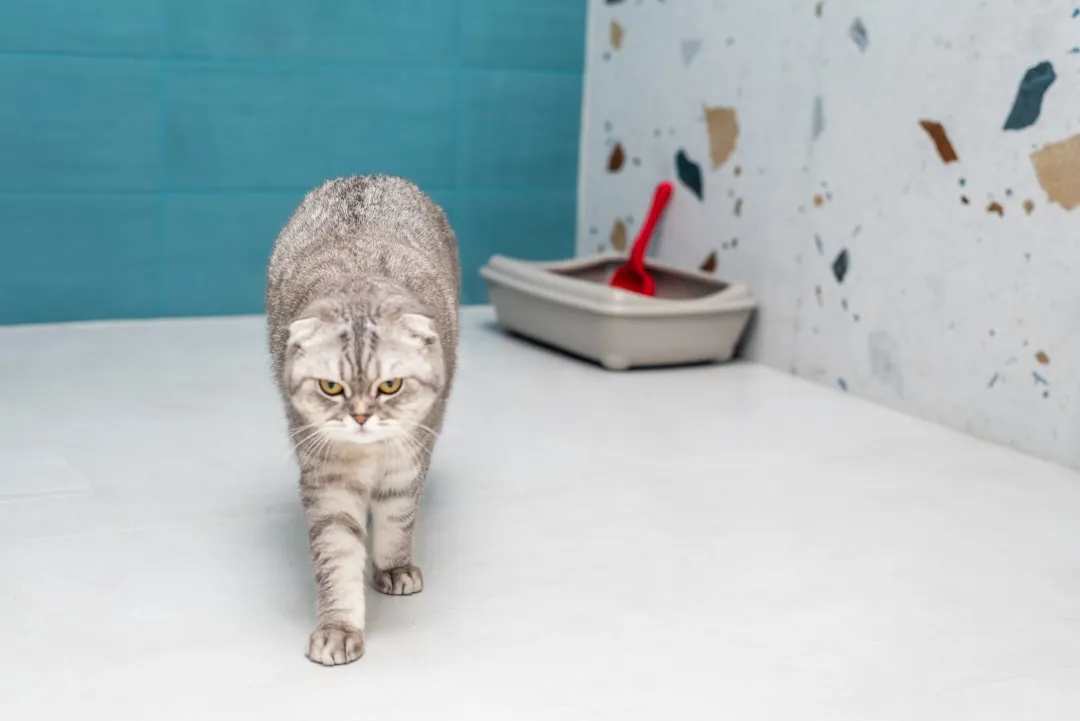
One of the most misread goodbyes is the litter box “revolt.” Peeing outside the box, missing the edge, or avoiding it entirely gets framed as spite or acting out. In reality, most senior cats who change litter habits are dealing with pain, confusion, or organ decline – not attitude.
It’s a limitation dressed up as defiance, and it fools almost everyone at first.
- Arthritis making high-sided boxes or stairs painful
- Kidney or bladder disease causing sudden urgency or discomfort
Frustrated posts about “my old cat suddenly pees on the rug” are everywhere online. Years later, those same owners often say they wish they’d read it as a plea for help instead of a behavior problem. That damp spot by the door is often an early goodbye whisper.
#9 – Slower Movements and “Missed Jumps” You Laugh Off
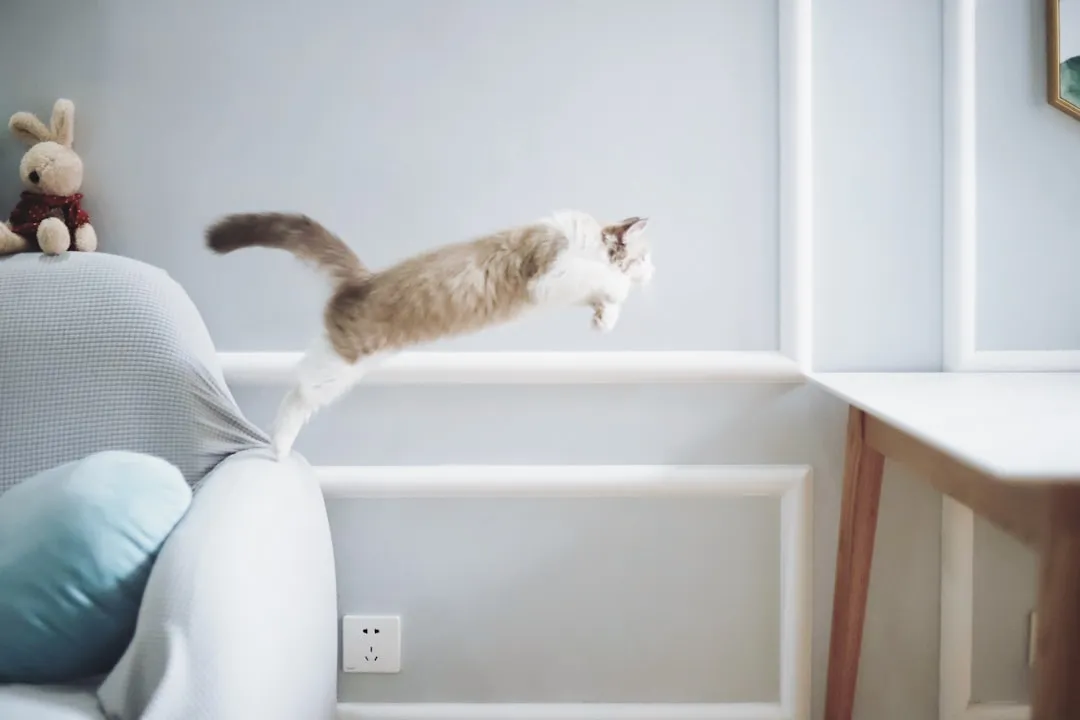
Everyone jokes when a cat misjudges a jump – “losing your touch, buddy!” But in seniors, those little slips aren’t a comedy moment. Hesitating before jumping, climbing instead of leaping, or choosing lower routes can signal joint pain, muscle loss, or neurological decline.
It’s the body quietly saying, “I can’t do what I used to,” long before anyone puts words to it.
Worth Knowing
- More than 90% of cats over age 12 show radiographic evidence of degenerative joint disease
- Feline arthritis pain is easy to miss because cats rarely limp the obvious way dogs do
- Reluctance to jump, climb, or use stairs is often the clearest visible clue owners get
- Needing multiple tries to get onto the bed or sofa
- Avoiding window sills, cat trees, or favorite high perches
Many guardians only realize afterward that their cat stopped visiting its favorite lookout spot months before the end. That quiet withdrawal from vertical life is often the physical start of saying goodbye to the world it once ruled from above.
#10 – Odd New Vocalizations, Especially at Night
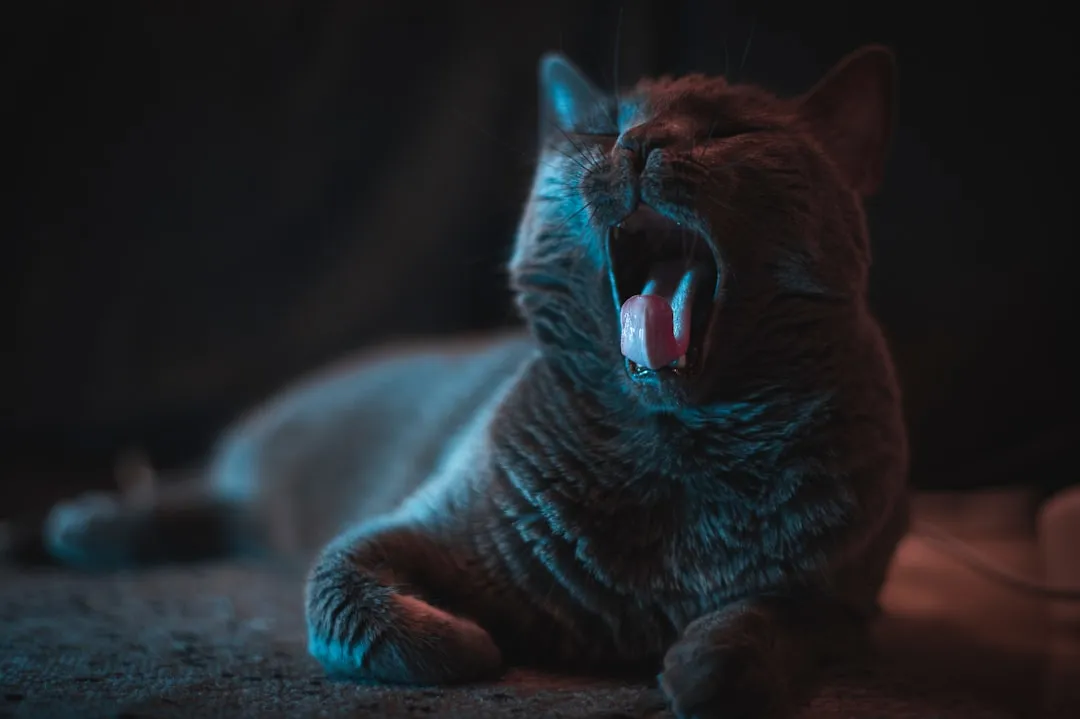
Ageing cats sometimes develop new “voices” – long howls, confused yowls, restless meowing sessions after dark. These get dismissed as annoying or just “talking too much.”
In reality, changes in vocalization can signal pain, cognitive decline, sensory loss, or anxiety. Think of it as a cat calling out into the dark when it’s not sure what’s happening to its own body.
- Loud, drawn-out cries from another room with no clear cause
- Meowing that stops the instant you enter or touch them
Owners frequently say, “I wish I’d realized those midnight cries were her asking for reassurance, not just being noisy.” Those new, haunting sounds are often as close as a cat can get to saying, “I’m scared – please don’t leave me alone in this.”
#11 – A Noticeable Shift in Smell or Breathing
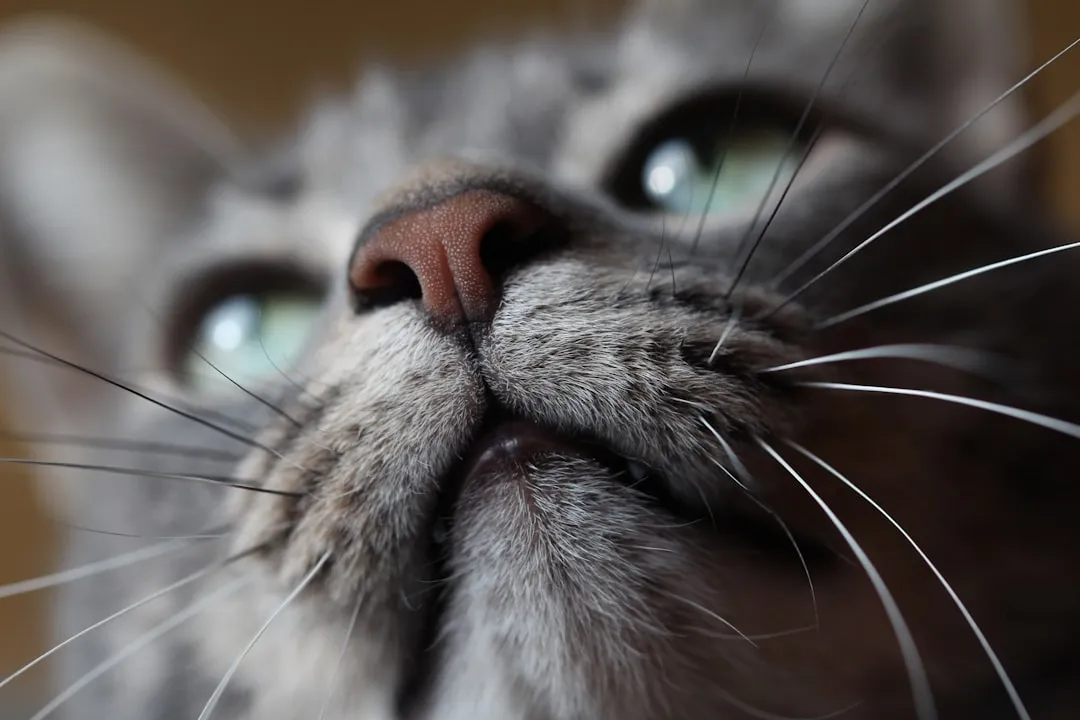
Nobody talks about this one much, but plenty of owners remember it later: a sudden “old” smell, sour breath, or different body odor that seemed to appear out of nowhere. Chronic dental disease, kidney failure, or systemic illness can all change how a cat smells – and sometimes how it breathes.
It’s not cosmetic. It’s chemistry, and it’s the body telling on itself.
- Breath that smells like ammonia, rotting fish, or urine
- Breathing that’s slightly faster, shallower, or has a faint rasp
Because we live so close to our cats, we adapt fast and stop noticing. Only after they’re gone do some owners recall, “His breath and fur smelled different – I thought it was just age.” Often, it was the body’s internal systems quietly failing.
#12 – Losing Interest in the Things That Used to Light Them Up
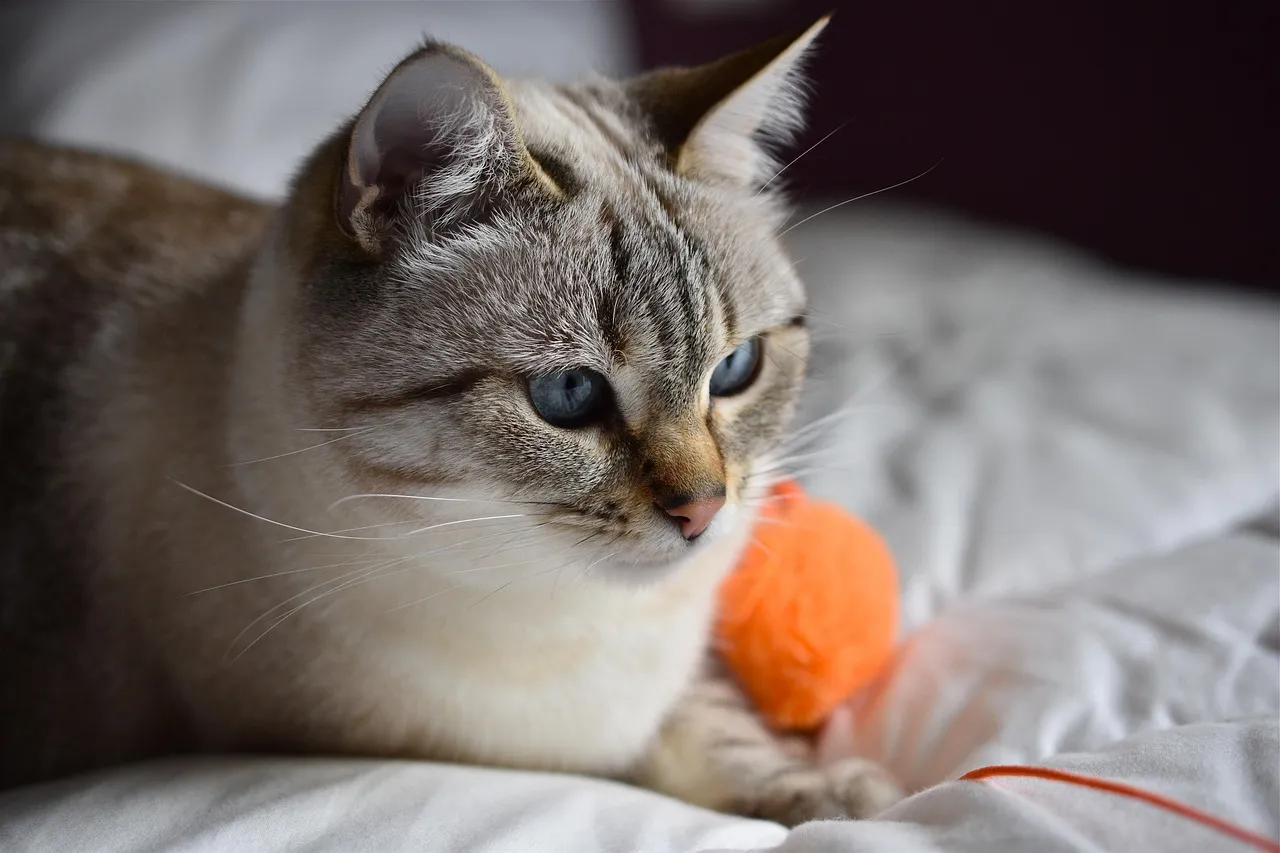
This is the emotional gut-punch. A favorite toy gets a glance and nothing more. A treat they once begged for now gets sniffed and ignored. When an ageing cat stops caring about their personal “big three” – food, play, people – it often signals a deep shift in wellbeing and quality of life.
It’s not boredom. It’s a dimming of the internal spark that used to make them, well, them.
- No longer running at the sound of a can opener
- Watching birds or squirrels without the usual tail twitch or chatter
Many guardians only recognize in hindsight that the “she’s just mellowing out” phase was actually their cat emotionally letting go, one lost joy at a time. The light doesn’t switch off overnight – it fades.
#13 – Sudden “Good Days” After a Decline (The Rally)
This one rattles almost everyone. A cat seems weak, withdrawn, or clearly unwell for days or weeks – and then suddenly has a “perfect” day. Eating well, purring, wandering around like their old self. Families get hopeful: “She’s turning the corner!”
But palliative care professionals see this pattern constantly in both animals and people – a brief, bright rally shortly before death. It’s one of the cruelest kinds of kindness nature offers.
At a Glance
- Hospice and palliative caregivers often call this a “rally” – a short window of unexpected energy or alertness
- It can last anywhere from a few hours to a couple of days
- The same pattern is documented across species, including in end-of-life human care
- A burst of appetite after days of barely eating
- Renewed interest in cuddles, grooming, or the yard
Not every good day is a warning sign. But many owners later realize that magical “last normal day” was their cat’s final surge of energy before its systems began shutting down. It feels like a gift and a trick at the same time.
#14 – Seeking New, Unusual Spots That Feel Like “Hiding Places”
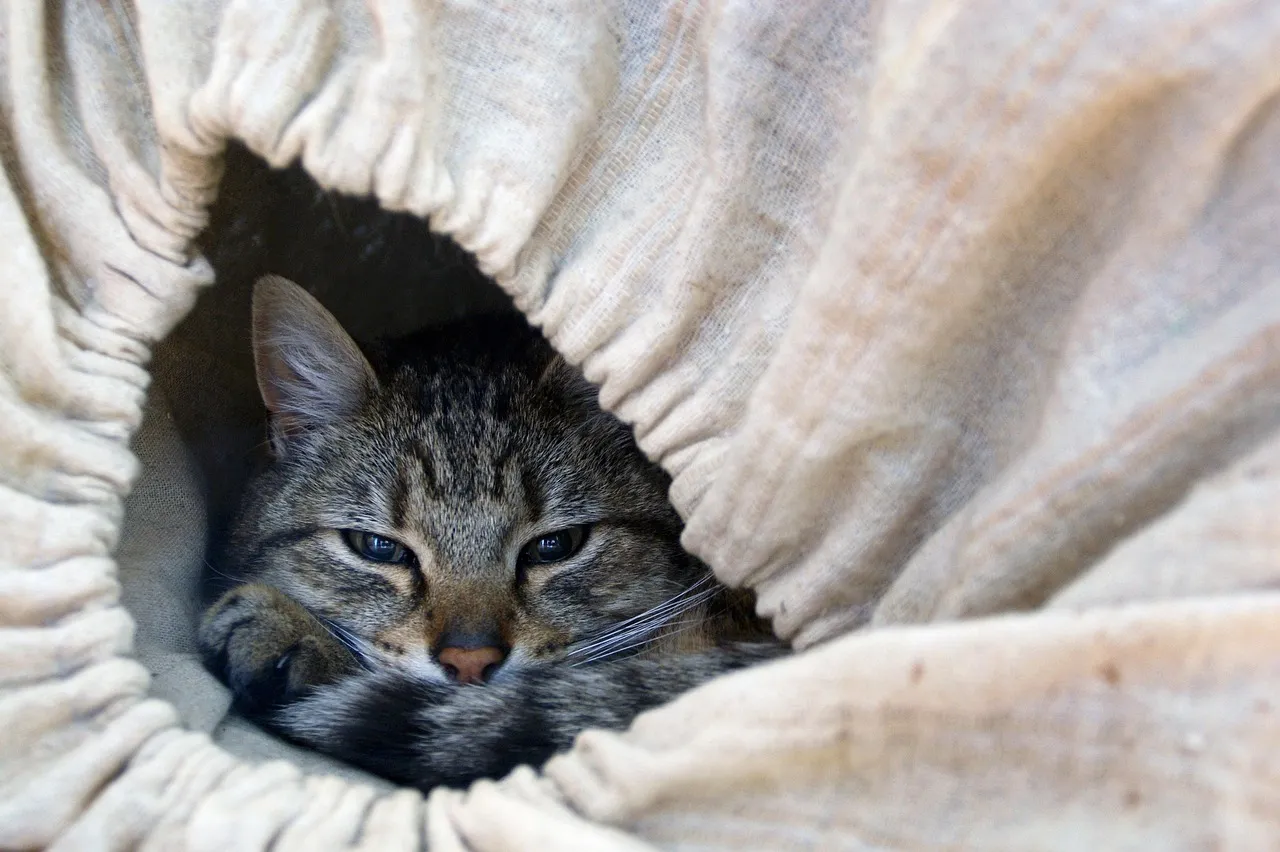
Different from an occasional nap under the bed, this one is a pattern: an ageing cat suddenly choosing cooler, darker, or quieter spots it never cared about before – under furniture, in closets, behind boxes. In nature, animals often seek seclusion when they sense the end is near, and indoor cats follow the same ancient script.
It’s not exploration. It’s preparation, and it’s easy to miss while it’s happening.
- Staying there for long stretches even while the family is active nearby
- Seeming annoyed or exhausted when coaxed out
Some owners later admit they found their cat’s final resting place in exactly one of these “new favorite” hideouts. In a way, the cat had been rehearsing – quietly finding the place that felt safest to let go. It’s a brutal thing to recognize only after the fact.
#15 – A Soft, Almost Polite Distance From the Family
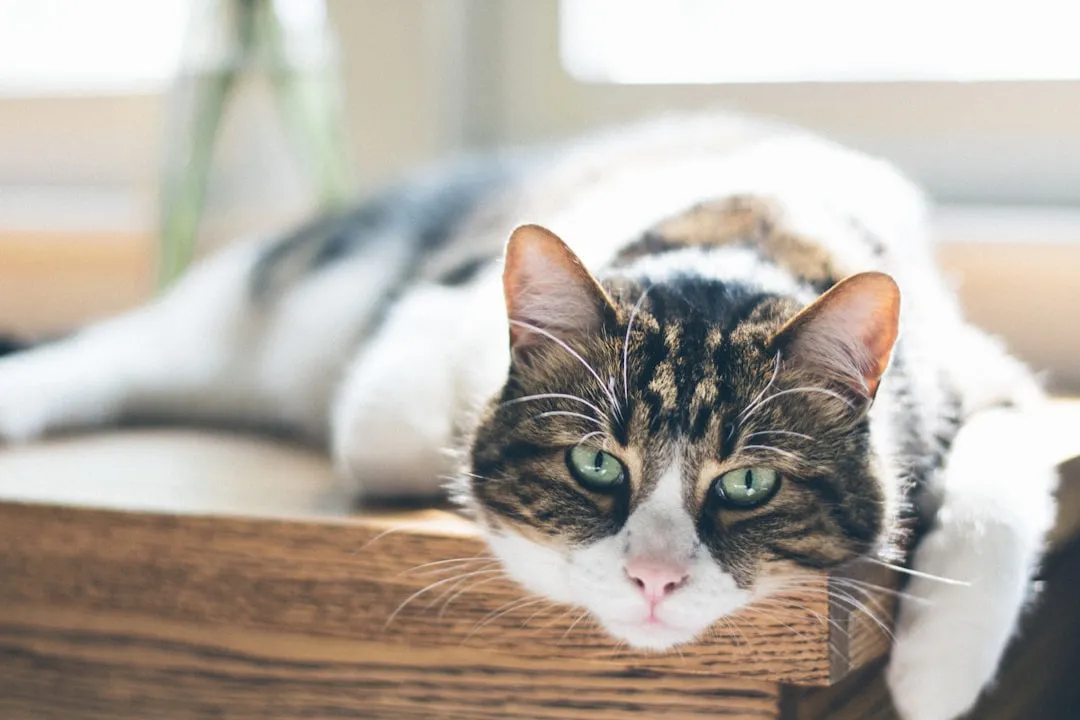
Not every goodbye is dramatic. Some cats don’t hide, cry, or cling – they simply soften away. They stop inserting themselves into daily life, choosing nearby but slightly removed spots: the edge of the couch instead of your lap, the doorway instead of the bed.
They’re still present, just no longer participating the way they used to.
- Less insistence on lap time, but still staying in the same room
- Watching family routines with a calm, almost “finished” expression
It can look like contentment, and in some ways it is. But it’s also a quiet emotional detaching – your cat gently stepping back from the center of things. Many guardians only recognize this “polite distance” after the fact, realizing how gradually their cat faded into the background of the home.
#16 – A Change in How They Respond to Your Touch
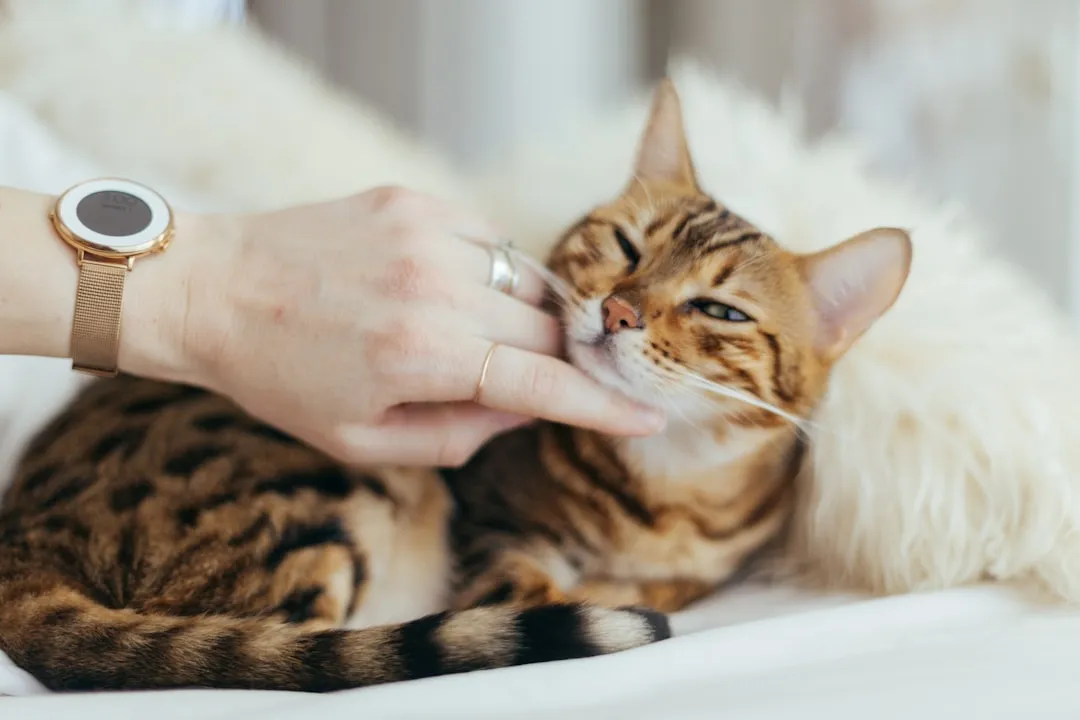
Touch is often the last strong language between a cat and its person. When that changes, it matters more than almost anything else on this list. An ageing cat who once leaned into pets may start merely tolerating touch – or, just as tellingly, may suddenly crave constant contact, but only in certain “safe” spots.
Either direction, the body is talking. You just have to be listening.
- Flinching, tensing, or pulling away from areas that never bothered them before
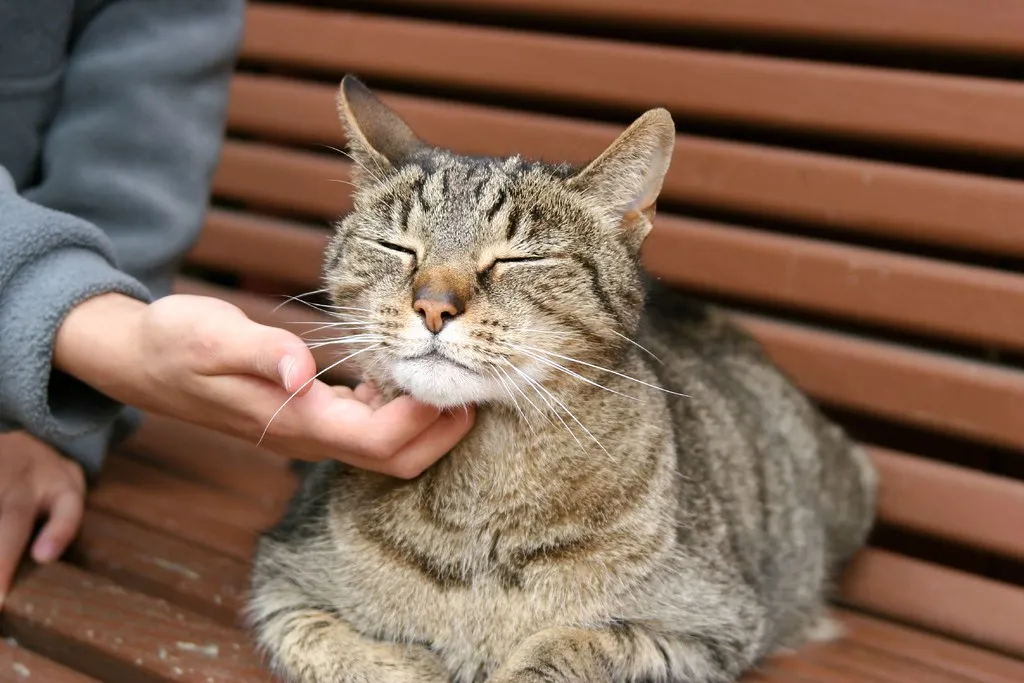
- Pressing their head or body into your hand and staying there, eyes half-closed
Owners often say later, “She let me hold her like a baby that last week – she never allowed that before.” Or, “He stopped wanting scratches near his tail months before we ever heard the word arthritis.” These micro-changes in cuddling style are often the most direct, physical way a cat can say, “Something is different now.”
#17 – The “Last Perfect Moment” You Only Recognize in Hindsight
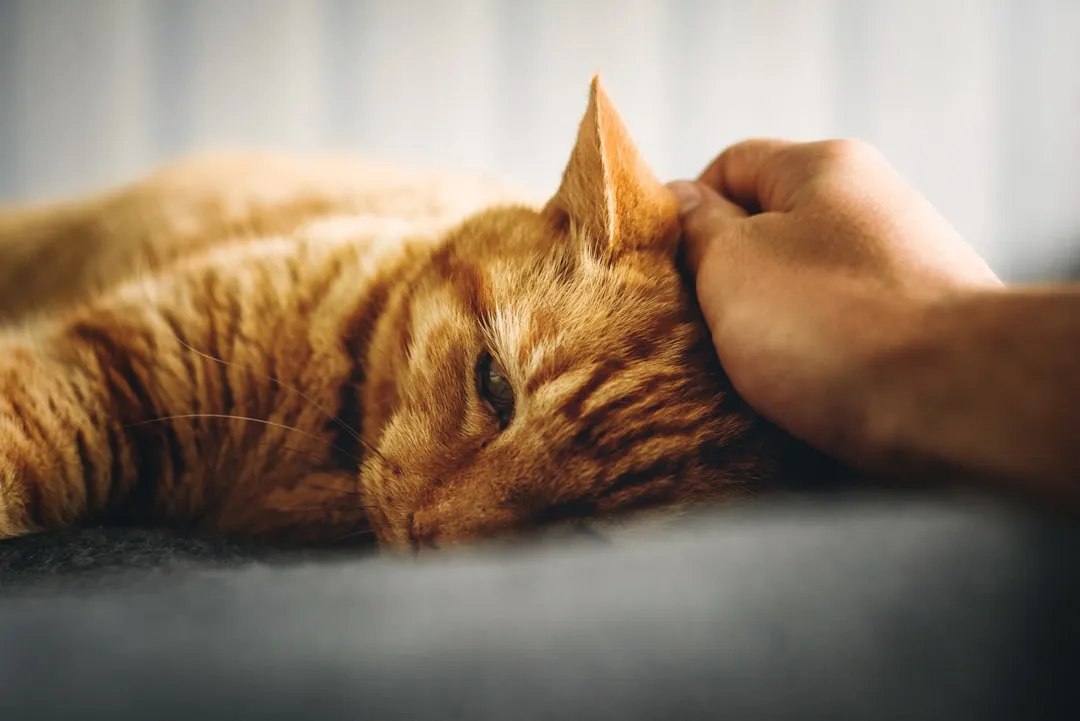
Ask any grieving cat owner and you’ll hear a version of this story: a strangely perfect, completely ordinary moment that becomes enormous in memory. Sitting together in a patch of sun. One unusually long stretch of eye contact. A night your cat curled onto your chest and stayed there for hours, breathing in sync with you.
At the time, it just felt nice. Looking back, it feels like a ceremony you didn’t know you were attending.
- An unusual stillness, as if time itself slowed down
- A sense of mutual awareness you can’t quite explain
Scientifically, you could chalk it up to coincidence or grief-driven pattern-seeking. Emotionally, though, cat owners are stubbornly certain: “She chose that moment to say goodbye.” Believe it or not, those small final rituals – one last purr, one last shared sunset at the window – become the anchors people cling to for years afterward.
The Bottom Line: You Only Read the Signs Once It’s Too Late to Change Anything
Most owners only stitch these signs together in hindsight – scrolling old photos, replaying habits, Googling symptoms they’d once dismissed as “just getting old.” The uncomfortable truth is that cats are experts at hiding both pain and farewells, so their goodbyes almost never look like what we’ve been trained to expect.
A little more clinginess here, a missed jump there, a strange new hiding spot or an unfamiliar meow – none of these alone means the end is coming tomorrow. But ignoring the pattern is exactly where so many owners feel they failed their cat later on.
The real lesson isn’t to panic over every small change. It’s to stay curious, book the senior checkups you keep postponing, and treat shifts in behavior as information instead of inconvenience. And yes – sometimes it means accepting that love, in the end, is letting them go gently once all those quiet goodbyes have finally added up to one loud truth.

- 17 Signs an Ageing Cat Has Begun Saying Goodbye That Owners Only Understand Afterwards - August 18, 2026
- What Rescue Centre Staff See in a Dogs First Hour That Predicts Everything Afterwards - August 18, 2026
- Is Your Old Dog Withdrawing or Simply Tired? 17 Differences Vets Say Matter Enormously - August 18, 2026