
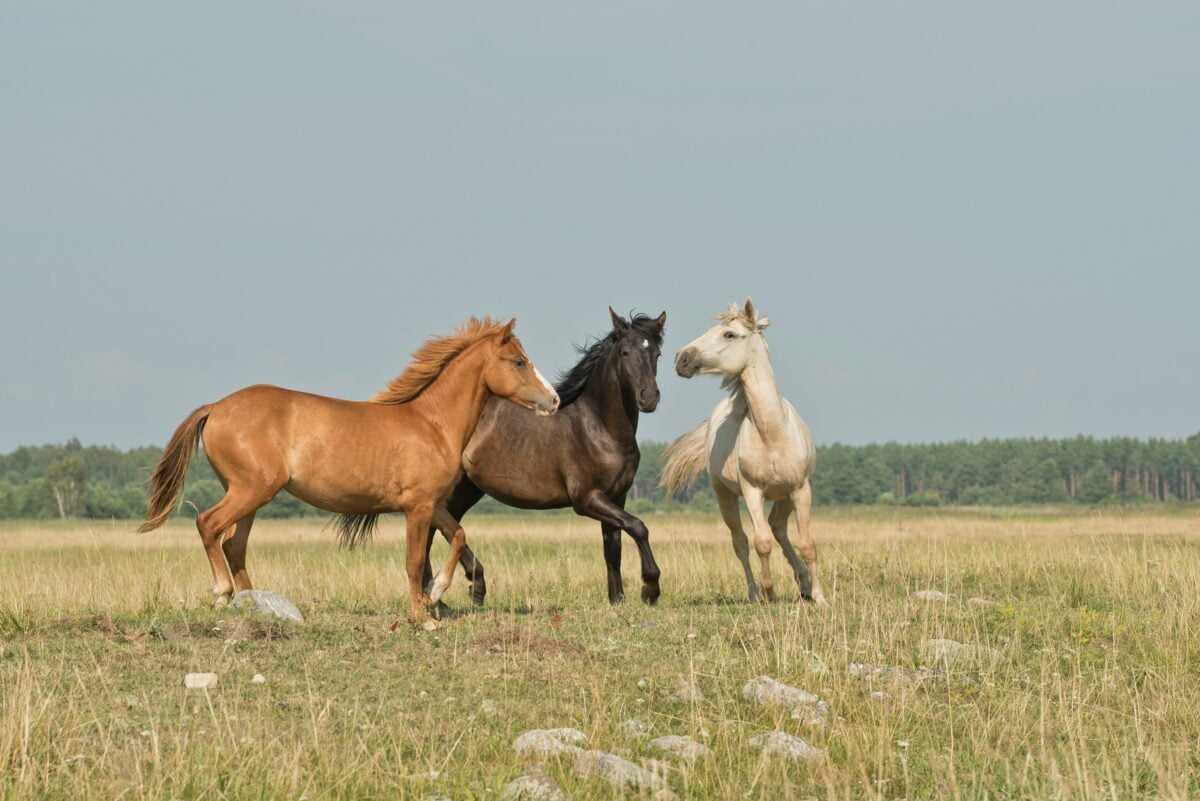
The first time you stand next to “your” horse, it feels like a movie moment. The smell of hay, the soft nose nudging your pocket, the sense that you’ve just stepped into a lifelong dream. What almost nobody tells you is that behind that dreamy moment are hard lessons, expensive mistakes, and a lot of quiet regret that longtime owners only talk about after the fact.
This isn’t about scaring you away from owning a horse. It’s about giving you the kind of brutally honest, behind-the-barn-door insight I wish more people had before they bought. These are the regrets that come up over and over again in barns, forums, and late-night tack room chats – the things first-time buyers are almost never warned about, but absolutely should be.
#1 – Underestimating the Lifetime Cost (It’s Not Just the Purchase Price)
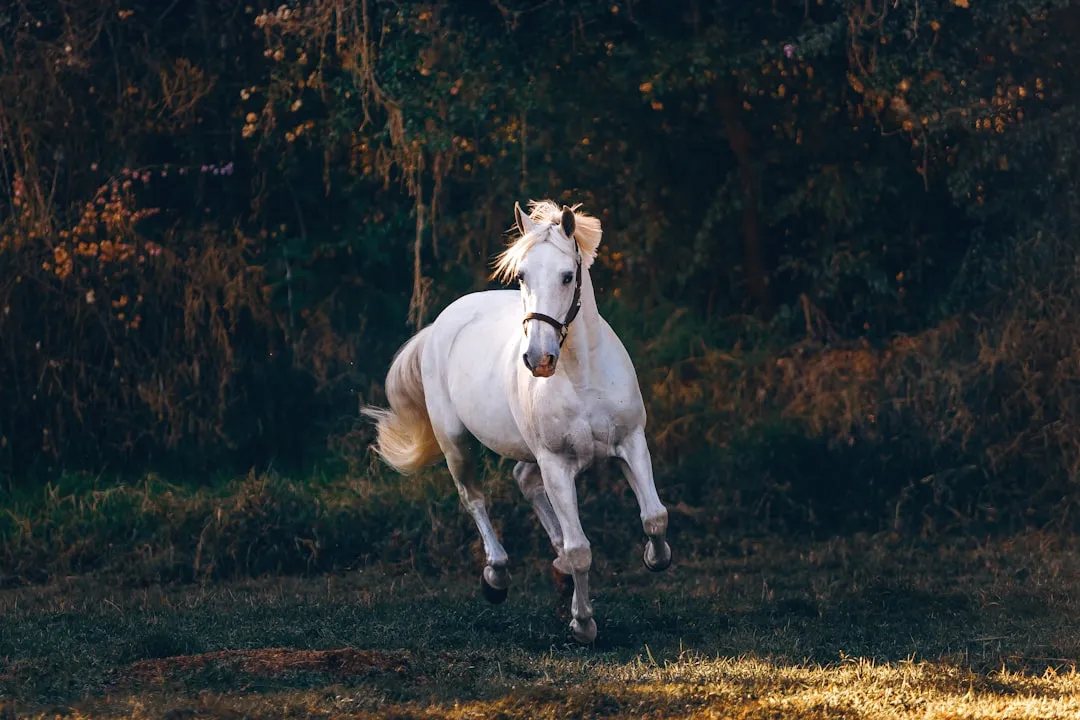
Many first-time buyers focus on the price tag of the horse and forget that the real cost starts the moment that bill of sale is signed. Board, hay, grain, farrier visits, routine vet care, emergency vet care, deworming, vaccinations, dental work, tack, blankets, and training sessions add up to a steady monthly drain. Over the lifespan of a horse, which can easily be two or three decades, those “little” costs can snowball into the financial equivalent of a luxury car or even a small house.
Owners often look back and admit they had no realistic budget and no safety cushion for emergencies. A surprise colic surgery or major lameness issue can run into thousands, and that’s on top of regular expenses. The regret is not about the money itself but about the stress: juggling bills, cutting corners, or having to sell a beloved horse because the costs became overwhelming. Going in with clear eyes and an honest budget would save a lot of heartbreak.
#2 – Choosing With the Heart, Not the Head
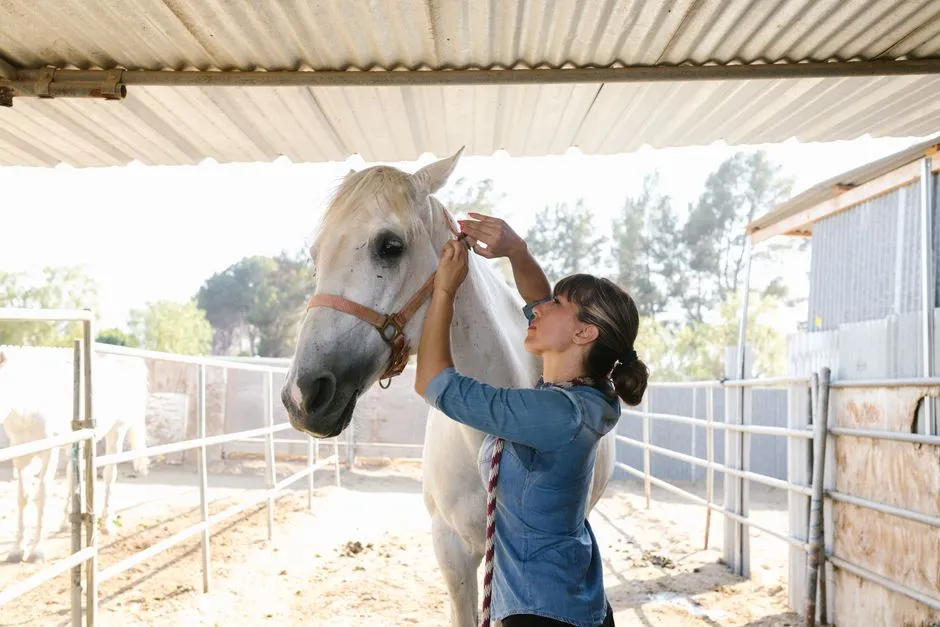
That soft-eyed rescue with a sad story, the flashy youngster with a dramatic trot, the horse that reminds you of the one you loved as a kid – these emotional pulls are powerful. Many owners later confess they ignored glaring red flags because they were already mentally “in love.” They took on horses that were too green, too reactive, or physically unsuited to their goals simply because the connection felt magical in the moment.
The regret hits when they realize that love alone doesn’t keep you safe in the saddle or move you toward your riding dreams. Instead of a fun, confidence-building partner, they end up with a daily struggle, expensive training bills, and sometimes dangerous situations. A better approach is to let your heart have a say, but let your brain make the final call: get a pre-purchase exam, bring a knowledgeable trainer, and walk away if things feel off, no matter how cute the horse looks in that halter.
#3 – Buying a Horse That’s Too Much Horse
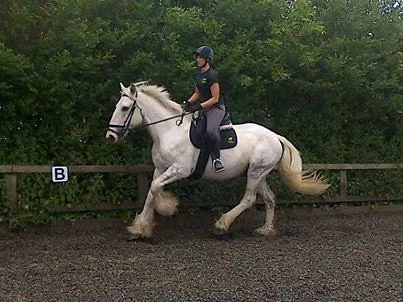
One of the biggest regrets experienced riders talk about is watching newer riders buy way more horse than they can realistically handle. A powerful, sensitive, or very forward horse can look exciting, especially if it’s winning in the show ring or advertised as “talented.” But a horse with a big engine and a sharp mind can be a nightmare for someone still learning basic balance, timing, and confidence.
Owners later look back and wish they’d chosen a boring, older, been-there-done-that horse instead of the spicy project they thought they’d “grow into.” Instead of growing together, they spent months or years afraid to ride, constantly hiring trainers, or getting hurt. There’s no shame in needing an easy, safe horse; a quiet, trustworthy mount often teaches you far more than a flashy handful ever will.
#4 – Not Vetting Properly (or At All)
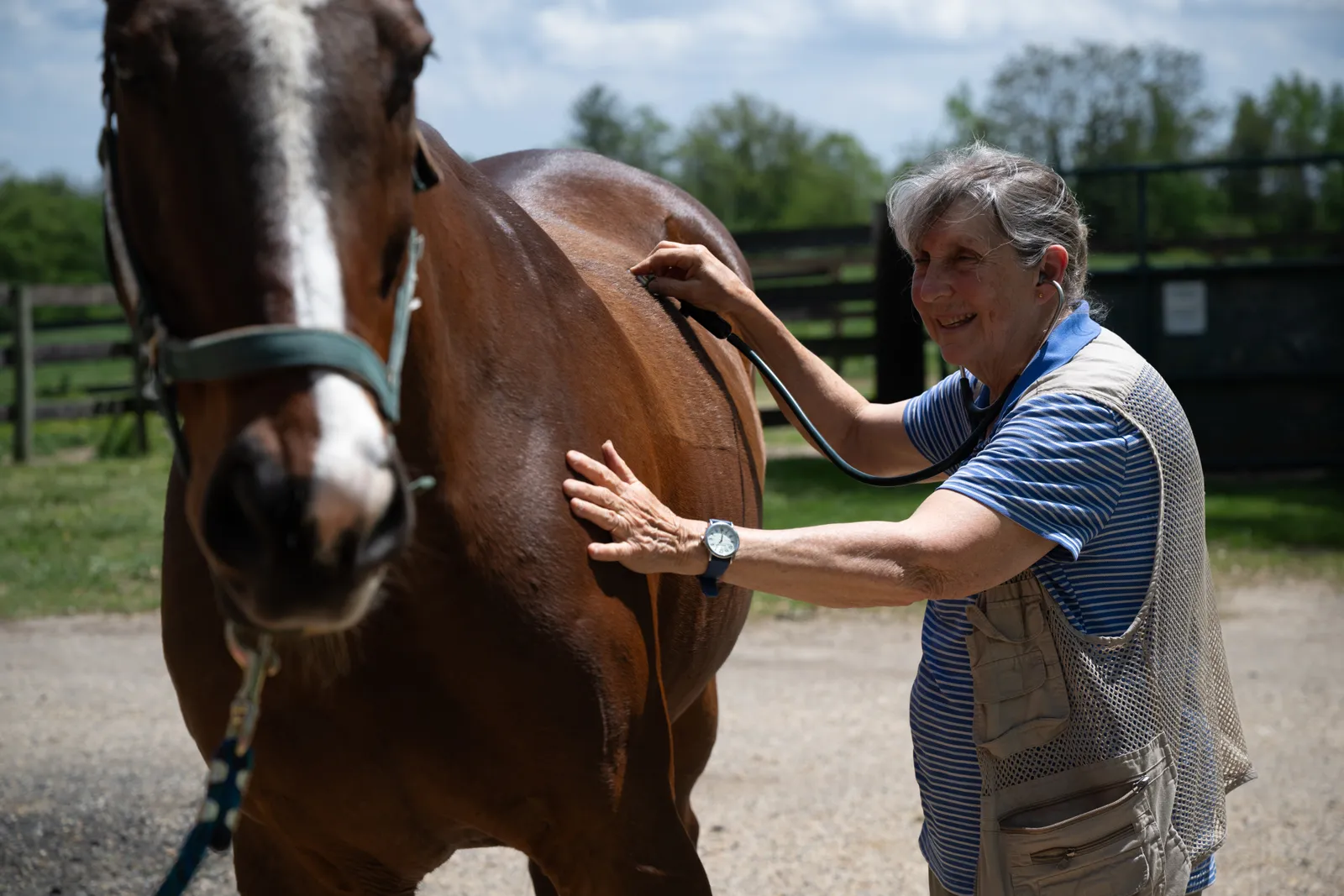
Skipping a pre-purchase exam is one of those decisions that feels like saving money at the time and then haunts you later. Many new owners regret not paying for a thorough vet check, including flexion tests, basic bloodwork, and if possible, imaging when indicated. They later discover hidden lameness issues, chronic respiratory problems, or conformational weaknesses that limit what the horse can comfortably do.
Even when an exam is done, some regret not listening carefully to what the vet actually said. Words like “manageable” or “mild changes” get glossed over because the buyer is already emotionally invested. Later, when the “manageable” issue requires expensive maintenance or the horse cannot do the job they were purchased for, the reality lands hard. A vet exam is not a guarantee, but it’s often the difference between an informed risk and a blind leap.
#5 – Ignoring Boarding and Barn Culture
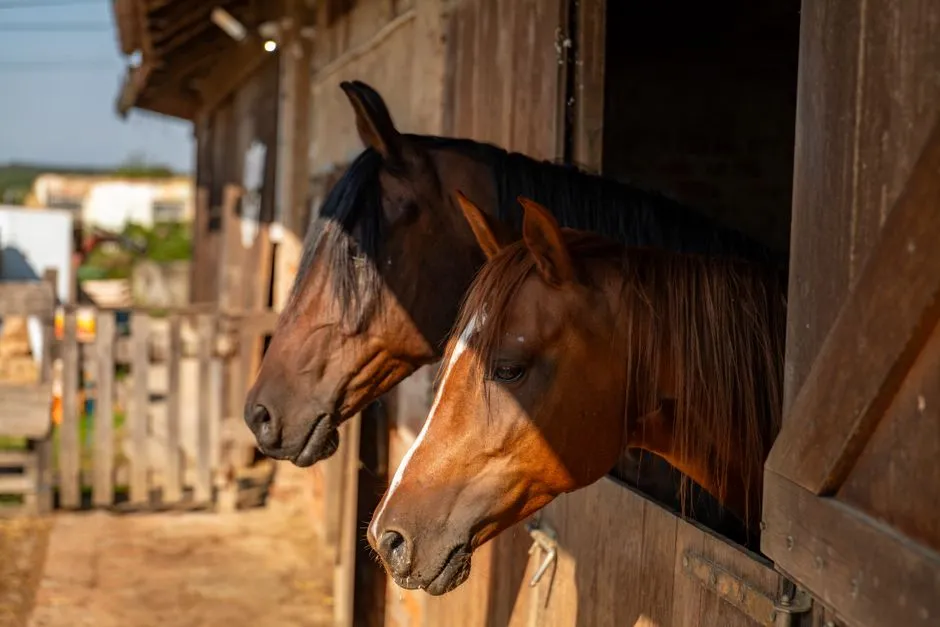
Plenty of first-time buyers fall in love with a horse before they’ve seriously thought about where that horse will live. They assume any nearby barn will do, only to later regret not researching the facility, the management, and the barn culture. Things like turnout time, feeding schedules, fencing quality, arena footing, and staff experience have a huge effect on both the horse’s wellbeing and the owner’s long-term happiness.
Another common regret is underestimating how much barn drama and poor communication can drain the joy out of horse ownership. A toxic atmosphere, constant rule changes, or mismatched expectations can make you dread going to the place that’s supposed to be your escape. Horse owners who are happiest in the long run almost always talk about how crucial it is to find a barn that fits your values, your goals, and your personality, not just your driving radius.
#6 – Overlooking Time Demands and Lifestyle Changes
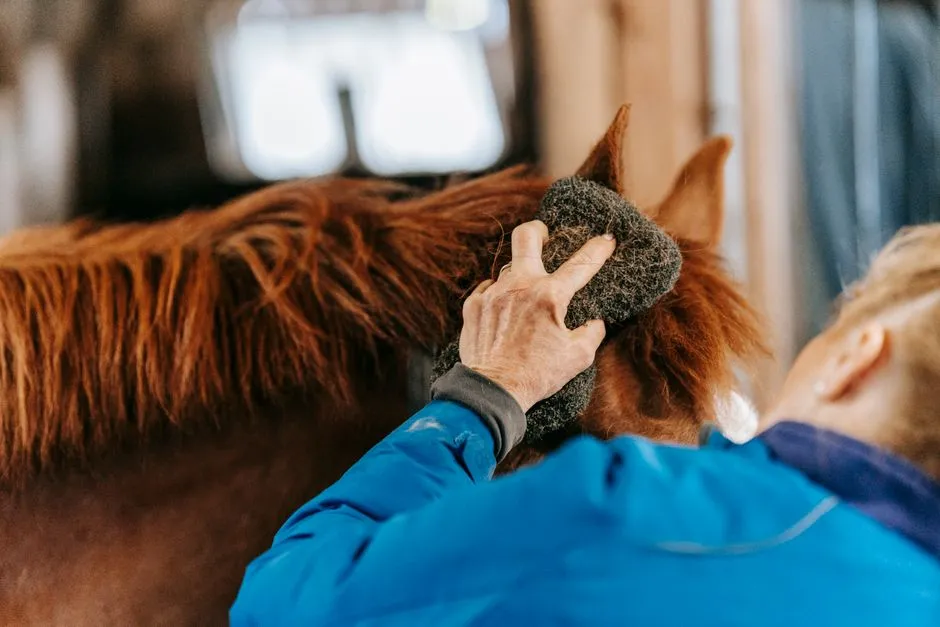
A horse isn’t just a hobby; it’s more like adding another full-time responsibility into your life. Regular riding, grooming, lessons, vet visits, farrier appointments, and just spending time to maintain the relationship all take hours every week. Many owners regret underestimating how much time they would truly have once work, family, and life stresses piled up.
Over time, some realize they rarely ride, constantly feel guilty, and are essentially paying board for a pet they barely see. That emotional weight can be heavy: loving a horse but knowing they’d be better off with someone who can give them more attention. Going in with a realistic schedule plan, and being honest about how your lifestyle may change over the next few years, can help avoid the quiet heartbreak of an under-visited stall.
#7 – Not Investing Early in Good Training (For Horse and Human)
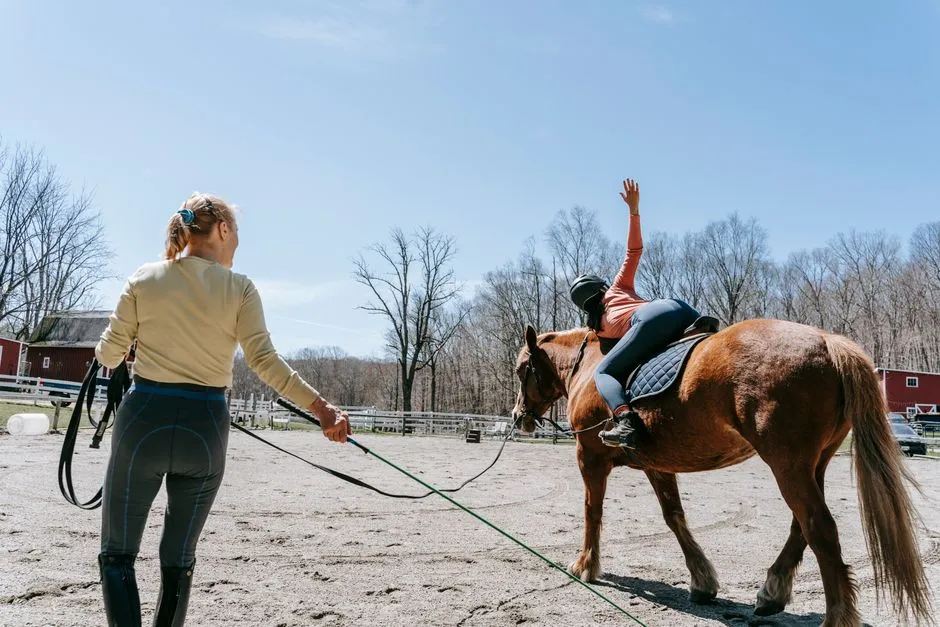
A common regret is trying to “wing it” instead of investing in a good trainer early on. Owners often assume they can figure things out from YouTube videos, old memories from childhood riding lessons, or advice from whoever happens to be at the barn. The result is often a horse that learns inconsistent cues, confusing boundaries, or even dangerous behaviors like crowding, nipping, or bolting.
Many look back and wish they had spent more on solid basics from the start: regular lessons for themselves, consistent schooling for the horse, and clear groundwork foundations. Those early months set the tone for years to come. Fixing bad habits later is always harder and more expensive than teaching good ones from day one, and that’s a lesson seasoned owners repeat again and again.
#8 – Assuming Every Problem Is a Training Issue, Not a Pain Issue
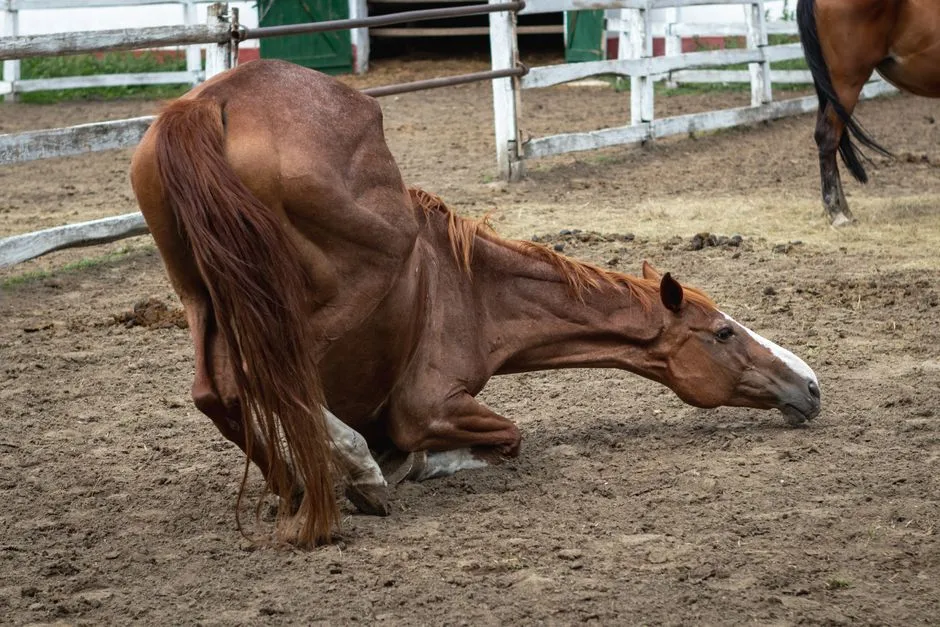
New owners are often told that a horse that refuses, bucks, pins its ears, or won’t move forward is just being stubborn or disrespectful. One of the deepest regrets you hear from more experienced owners is realizing, years later, that their horse was probably in pain. Ill-fitting saddles, dental issues, ulcers, sore feet, and subtle lameness can all show up as “misbehavior” long before they show up as an obvious limp.
Many owners wish they had listened sooner to the little signs: a change in attitude, reluctance to be caught, flinching when groomed, hollowing the back, or tail swishing under saddle. Instead, they pushed harder, hired harsher trainers, or labeled the horse as difficult. Learning early to rule out pain before blaming attitude not only saves training headaches, it’s simply the more humane way to treat a partner who cannot speak up for themselves.
#9 – Neglecting Hoof Care and Farrier Relationships
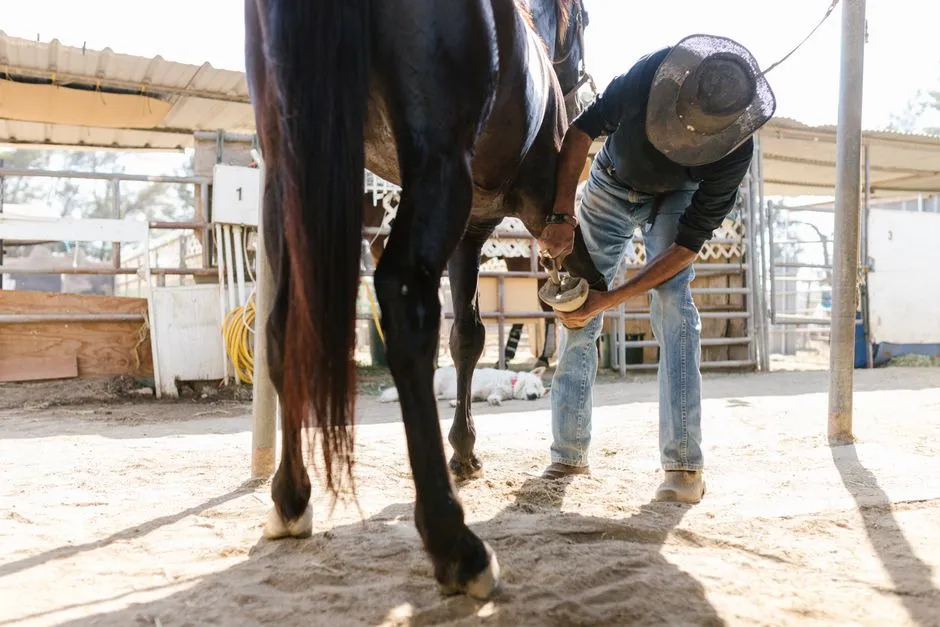
There’s an old saying that horse owners repeat for a reason: no hoof, no horse. Many first-time buyers underestimate how critical regular, quality hoof care is. Stretching out farrier appointments to save money, not asking questions about hoof balance, or ignoring chipping and flares can set a horse up for chronic soreness, poor movement, and even long-term damage.
Veteran owners often regret not building a strong relationship with a skilled farrier right away. A good farrier does more than just trim and nail on shoes; they spot early warning signs of problems and help prevent bigger issues. Looking back, people frequently say they wish they had prioritized hooves as much as they obsessed over saddles or show outfits, because a shiny bridle is useless if the horse is too sore to take a sound step.
#10 – Overfeeding, Under-Exercising, and Mismanaging Weight
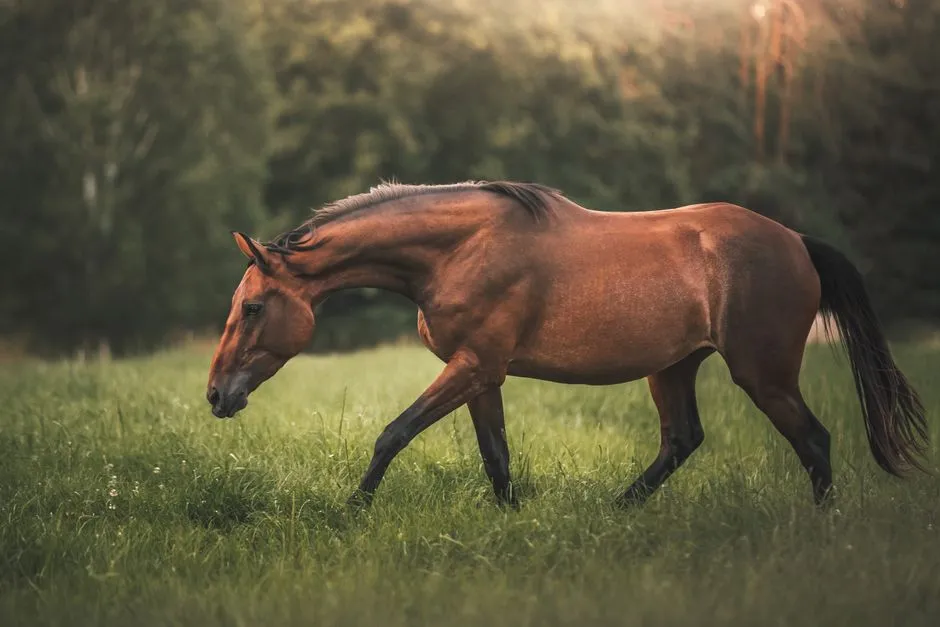
It’s surprisingly easy for a loved horse to quietly become overweight or even obese. Many new owners express regret that they equated food with love and did not understand how sensitive horses can be to rich grass, extra grain, or constant treats. Excess weight puts serious strain on joints and can increase the risk of conditions like laminitis, which can be life-altering or even life-threatening.
On the flip side, some horses end up under-muscled because they’re ridden irregularly, only walked around lightly, or never asked to build strength. Owners later wish they had worked with a vet and trainer early to design a feeding and exercise program that matched the horse’s age, breed, workload, and metabolism. A healthy body is not just about looks; it’s the foundation for a comfortable, usable life span.
#11 – Not Planning for Aging, Retirement, and the Long Haul
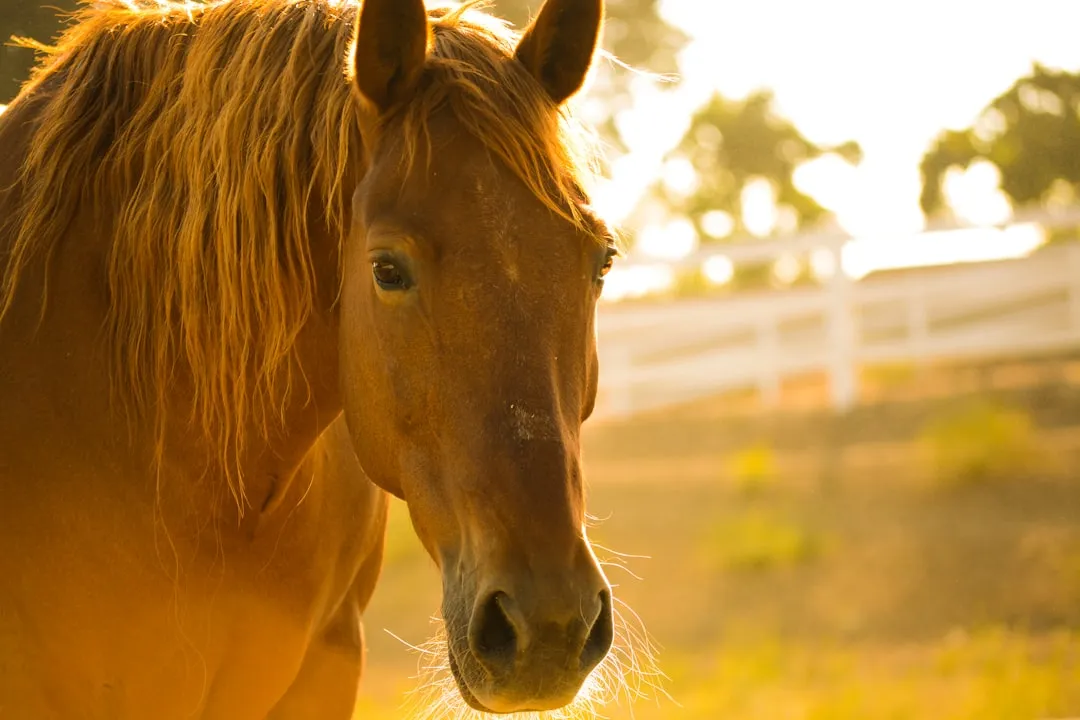
Buying a horse at eight years old feels like acquiring a strong, capable partner with endless possibilities. What many first-time buyers do not fully grasp is that this same horse may still be with them into their thirties. Owners often regret not planning for how they will care for an elderly horse that can no longer be ridden, may need special feed, extra vet visits, and possibly a different kind of living situation.
Some find themselves years later in a painful position: they love their senior horse deeply but are emotionally and financially strained by the ongoing care of a retiree plus the desire for a younger, rideable horse. If you go in expecting to be responsible for your horse’s entire life, not just their athletic prime, it changes how you think about buying, budgeting, and making long-term commitments.
#12 – Selling or Rehoming Too Quickly (Or Too Late)
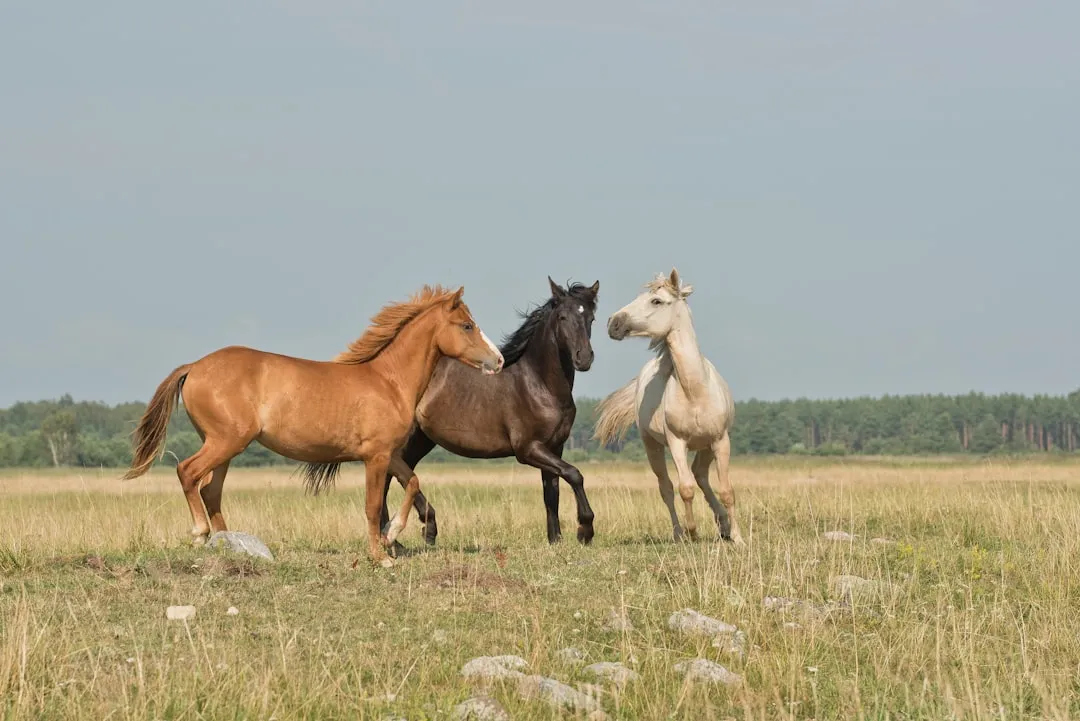
On one side, some owners regret selling a horse in a moment of frustration, fear, or change in circumstances, only to realize later that time, better training, or a different barn might have solved the issue. Once a horse is sold, you lose control over where they go and how they’re treated, and that can linger as a painful what-if. People often underestimate the emotional impact of handing over the lead rope for the last time.
On the other side, some owners regret waiting too long to admit that a particular partnership just is not working. They hold onto a horse that terrifies them, is chronically unsound, or is simply not suited to their goals, hoping things will magically change. Years go by, and both horse and human miss out on better fits. The hard truth is that sometimes the most loving choice is a thoughtful, honest rehoming to someone whose skills, goals, and setup match that horse better.
#13 – Romanticizing “Rescues” and Rehab Projects
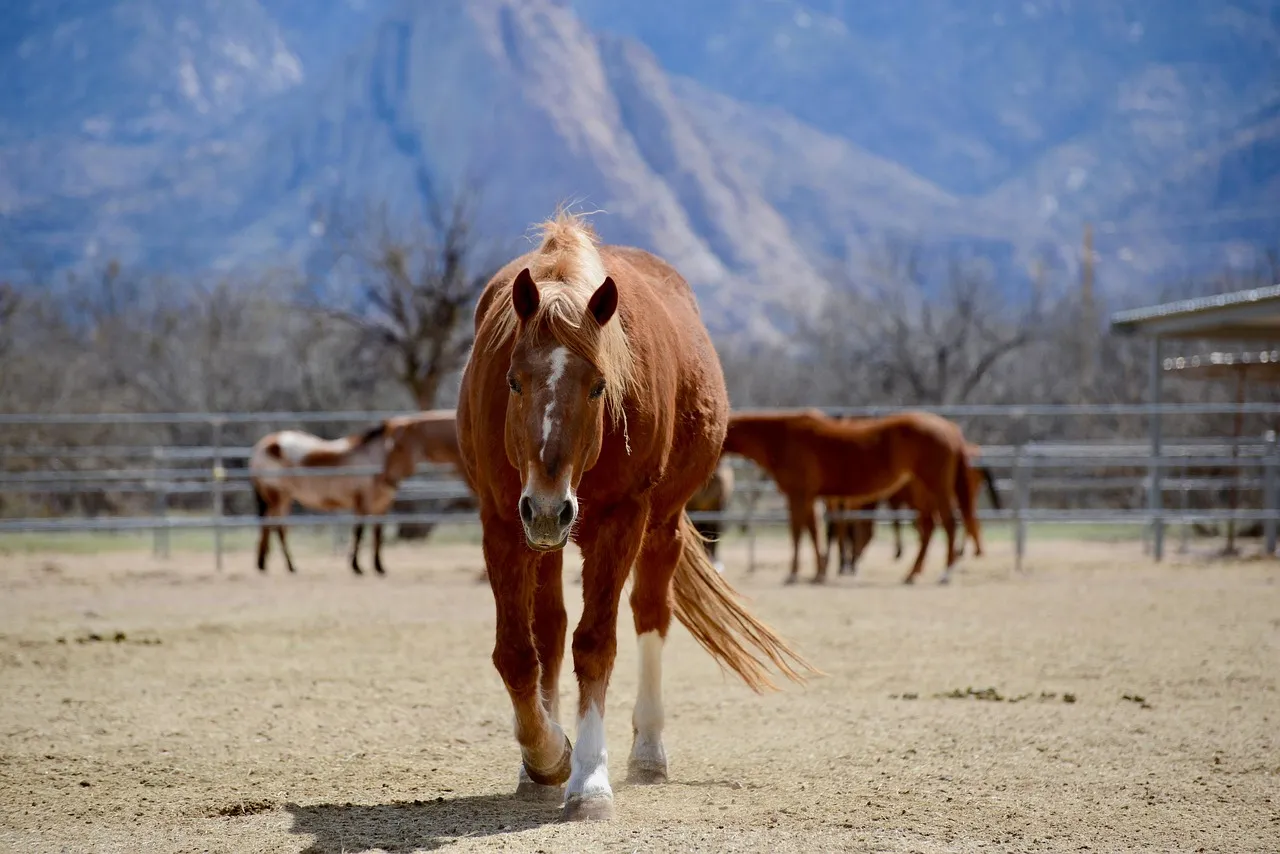
There’s something deeply emotional about the idea of saving a horse in need. Many owners are drawn to rescue stories or cheap, underweight horses in poor conditions, believing love and carrots will fix everything. Later, they often confess they had no idea how much time, money, and expertise true rehabilitation requires, from medical treatments to careful nutrition, to patient, knowledgeable training.
The regret is not about caring for that horse, but about going in blind. They find themselves overwhelmed by behavioral baggage, long-term physical issues, or legal complications related to paperwork and prior owners. Rescue and rehab can be incredibly rewarding, but it’s not usually a good first-horse project. Seasoned owners frequently say they wish someone had told them to get solid experience with a mentally and physically stable horse before trying to fix one who has serious trauma or neglect in their past.
#14 – Chasing Trends in Tack, Training, and Disciplines
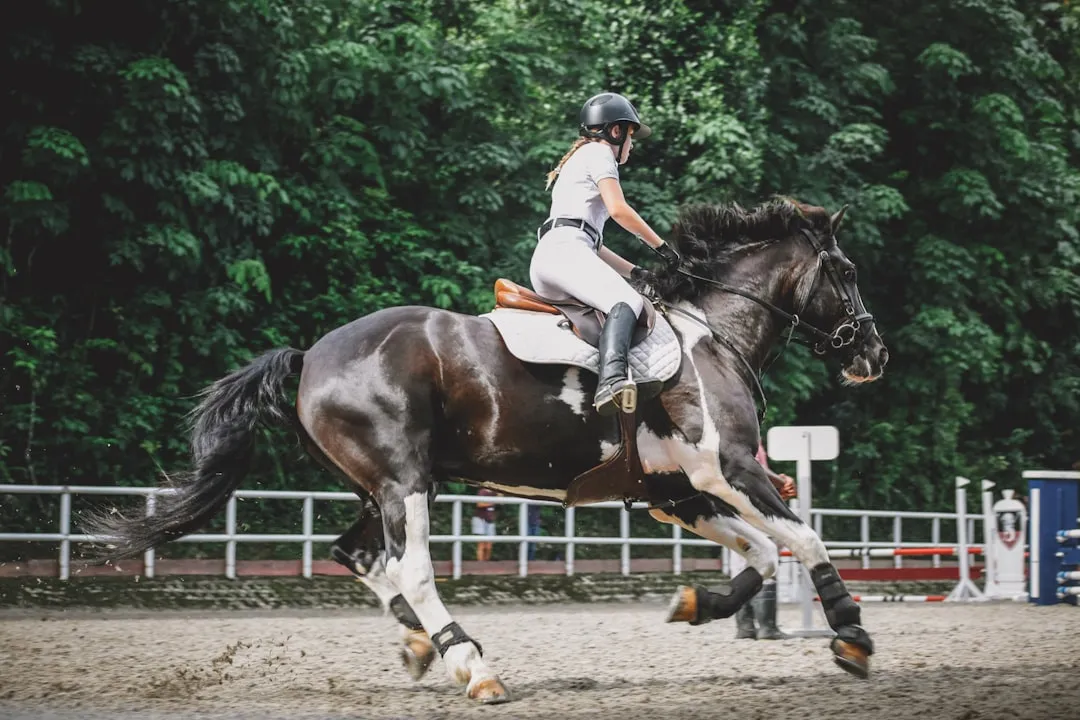
Horse worlds, both online and at shows, move through trends like any other community. One year it’s a certain bit everyone swears by; the next it’s a specific training method, gadget, or discipline that seems to promise instant results. New owners often regret getting swept up in these waves, buying expensive gear they barely use, or changing training approaches so often that their horse ends up confused.
Looking back, many wish they had focused less on what was trendy and more on what was quietly effective for their particular horse. A simple, well-fitted saddle and consistent, fair training usually do more good than the latest flashy tool being hyped on social media. Steady, thoughtful work rarely goes viral – but it is what builds the partnership most people actually want.
#15 – Underestimating the Emotional Roller Coaster
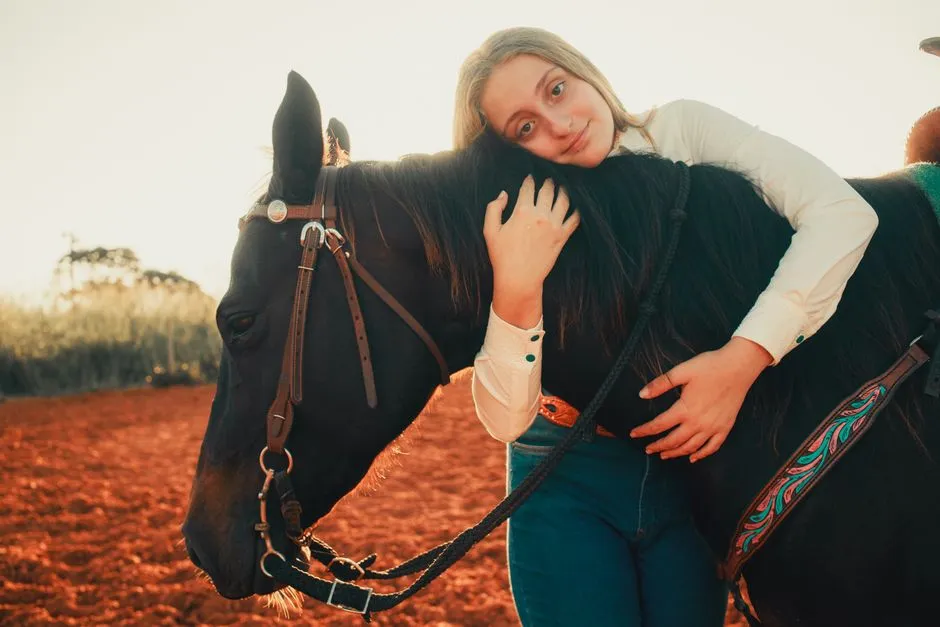
People go into horse ownership expecting joy, freedom, and maybe some pretty pictures at sunset. What they are not always warned about is how intense the emotional highs and lows can be. There are days when everything clicks and it feels like you can read each other’s minds, and others when the horse spooks at a leaf, you hit the dirt, and you drive home in tears wondering if you should just sell everything.
Seasoned owners often regret not giving themselves more emotional grace early on. They wish they had known that ups and downs are normal, progress is rarely linear, and comparison to others at the barn is poison. When you understand that the roller coaster is part of the ride, those low days feel less like proof you’re failing and more like another chapter in a very long, very real story.
#16 – Failing to Set Boundaries With Other People
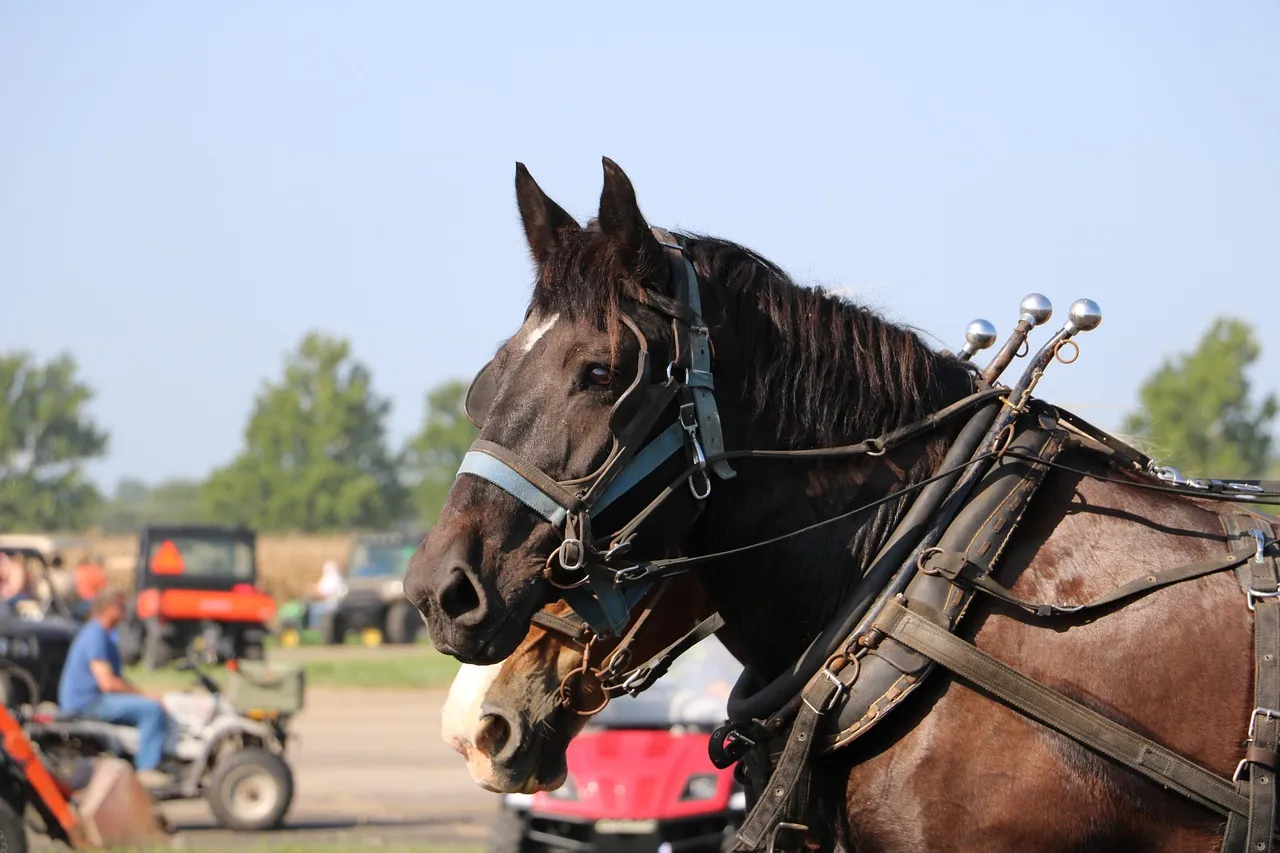
New horse owners are magnets for unsolicited advice. Barn mates, friends, even strangers online will tell you what you should feed, how you should ride, which trainer you must hire, and why you’re wrong if you do anything different. Many owners later regret not setting firmer boundaries and allowing others to pressure them into choices that did not feel right or safe for them or their horse.
Some also regret letting others “borrow” tack, ride their horse, or handle them in ways that undermined the bond they were trying to build. It’s your horse, your money, and your responsibility. Developing the confidence to say no, to pick a small circle of trusted professionals, and to tune out the noise is a skill that saves a lot of drama and second-guessing down the line.
#17 – Ignoring Red Flags in Health and Behavior Until It’s Big
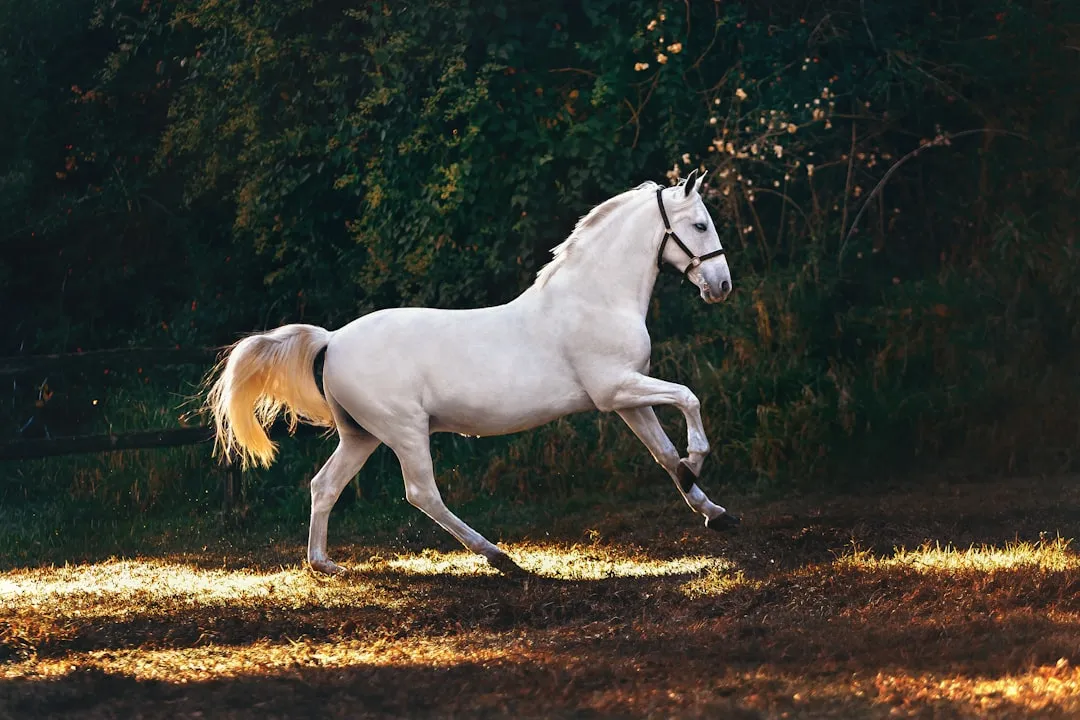
Looking back, many owners remember tiny warning signs that they brushed off: a slightly warm hoof, a bit of weight loss, a small change in gait, a horse that started to hesitate going into the trailer. At the time, it felt easier to hope it would pass than to call the vet, the farrier, or a trainer again. The regret lands when those small issues snowball into a full-blown lameness, a dangerous blow-up, or a full-on health crisis that could have been mitigated earlier.
Horses are prey animals, and they often hide discomfort until it becomes serious. The owners who are most content in hindsight are the ones who learned to act early and investigate instead of hoping. It is cheaper and kinder to rule something out while it is small than to wait until you are dealing with an emergency at midnight with a trailer hitched in a panic.
#18 – Not Protecting Themselves With Insurance and Paperwork

Many first-time buyers are so focused on the romance of horse ownership that they skip the practical protections. They don’t look into mortality or major medical insurance, liability coverage, or even clear bills of sale and written agreements with trainers and barns. Later, some deeply regret that when a serious injury, accident, or dispute comes up, they are suddenly exposed to huge financial and legal stress.
Owners who have been through it often say they wish someone had sat them down early and walked them through the boring but vital side of ownership: contracts, clear boarding agreements, insurance options, and emergency contacts. It is not glamorous, but it is what keeps a bad day from becoming a total disaster. Treating your horse life with the same seriousness you would treat a business investment is unromantic, but very wise.
#19 – Forgetting to Enjoy the Ordinary Moments
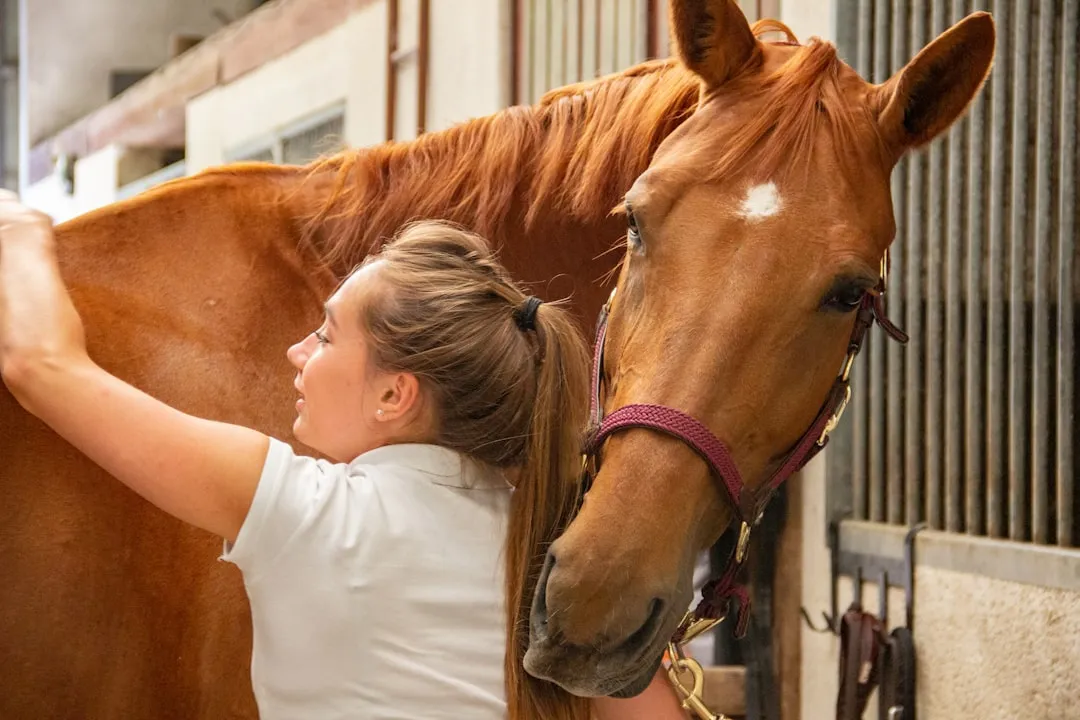
Strangely, one of the most poignant regrets you hear from longtime horse owners is that they spent so much time chasing goals that they forgot to enjoy the small, everyday things. They obsessed over show results, training milestones, and perfecting movements, and only later realized that the real gold was in quiet grooming sessions, bareback walks, and the way their horse’s ears flicked towards them when they walked into the barn.
Horses have a way of forcing you into the present moment, if you let them. Owners who have lost horses, or had to retire them unexpectedly, often say they would give almost anything to relive just one more ordinary day at the barn. Remembering that this is not just a project or a checklist, but a relationship with a living being, helps keep everything in perspective when frustration and pressure start to creep in.
Conclusion – The Regrets That Can Save You

If there is a thread running through all these regrets, it is this: most of them were preventable with honest information, realistic planning, and a willingness to slow down. First-time buyers are often sold a dream and shielded from the hard truths because those truths are uncomfortable and might make them hesitate. But hesitating, asking questions, and even walking away are not signs of weakness; they are signs that you care enough to do right by the animal whose life you are about to shape.
Owning a horse can be one of the most powerful, grounding, and joyful experiences in your life, if you go into it with clear eyes instead of rose-colored glasses. Listen to the regrets of those who have gone before you, not to scare yourself out of it, but to step in wiser, kinder, and better prepared. If you do decide to buy, maybe one day you will be the person in the barn aisle saying, with a small smile, that you’d do it all again – just not the same way. Which of these would you most want to avoid before you take that first step?

- 19 Regrets Horse Owners Describe Most Often That First-Time Buyers Are Never Warned About - August 18, 2026
- 13 Things You Only Learn About a Dog in the Final Week Together - August 18, 2026
- What Park Rangers Wish Visitors Understood About America’s Quietest Parks: 18 Overlooked Places - August 18, 2026