
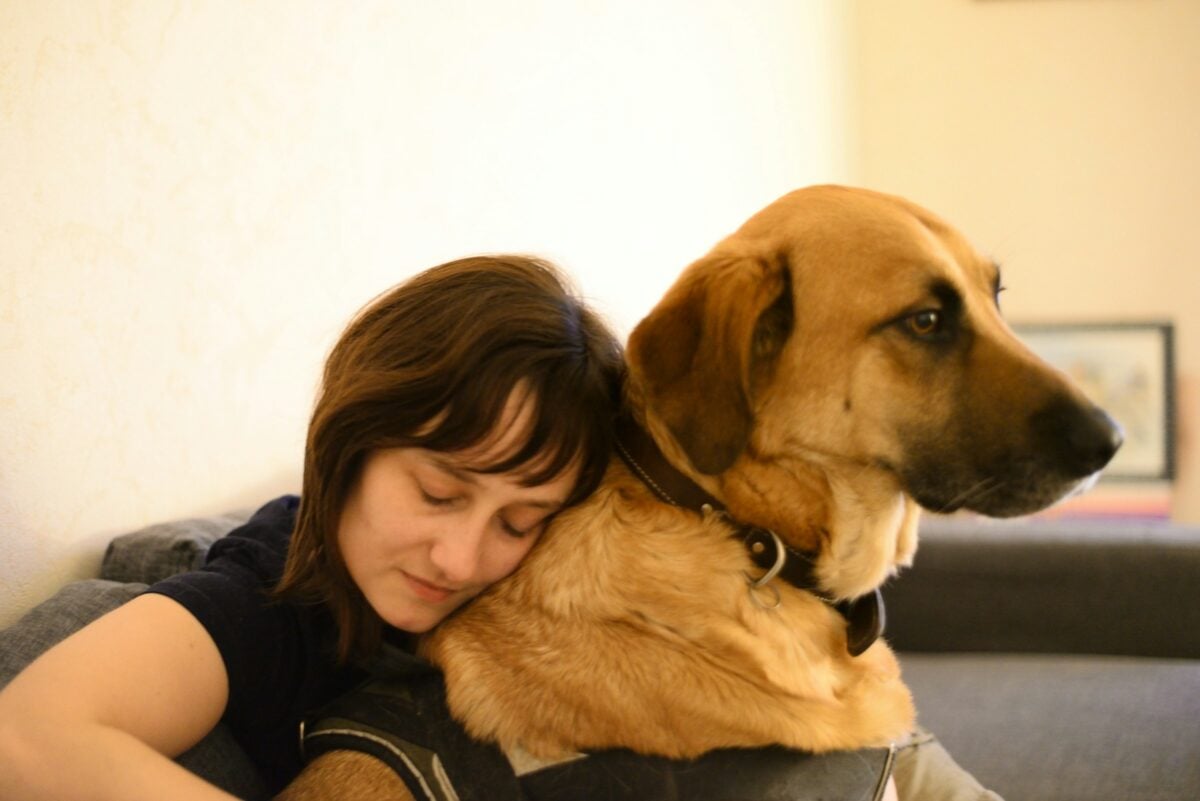
There’s a very specific kind of silence that falls over a home the first night a rescue dog walks through the door. It’s not empty silence; it’s charged, like the air before a storm. You can feel the weight of everything this dog has been through without knowing a single detail, and that first night becomes a kind of emotional mirror, reflecting back the best and worst of us.
People love to share the “after” photos of rescued dogs: the glossy fur, the confident eyes, the big goofy smiles. But the first night is where the real story lives. It’s raw, awkward, sometimes heartbreaking, and somehow more beautiful than the polished happy ending. Here are 14 things a rescue dog might do on that first night that quietly shatter everyone in the room.
1. Standing Frozen in the Doorway
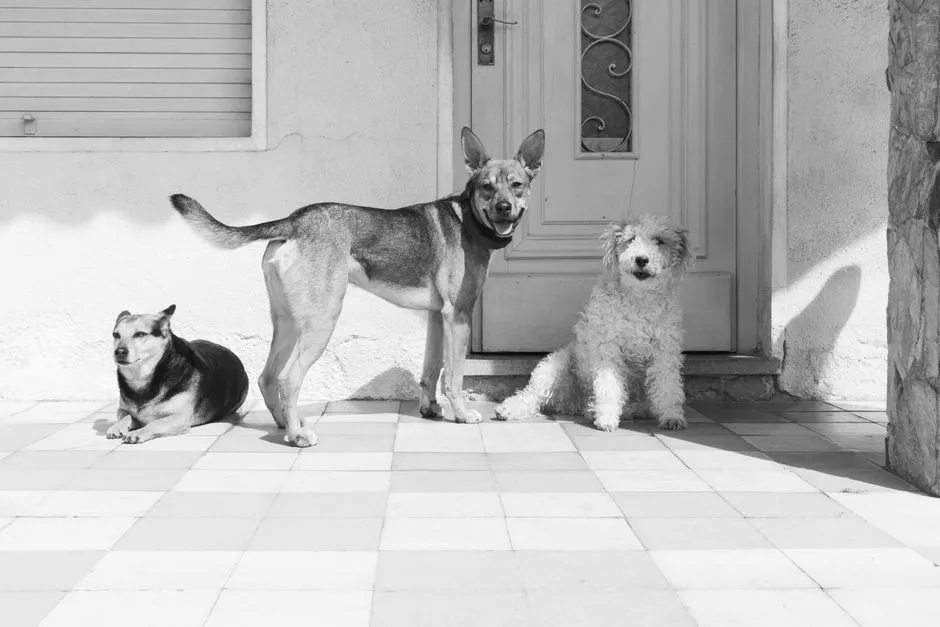
Sometimes, the most devastating moment is the first one: the dog just stands there, stiff as a statue, staring into a home that’s suddenly theirs but doesn’t feel like it yet. Their paws might hover, unsure of whether they’re even allowed to cross the threshold, like a guest who isn’t convinced the invitation was real. For a lot of people, watching that hesitation is the first punch to the gut.
In that moment, you can practically see their brain trying to compute what’s happening. New smells, new sounds, new humans watching their every move. It’s like dropping someone into a foreign country with no language, no map, and no idea if it’s safe here. When they finally take that first timid step inside, it’s such a tiny thing on paper, but it can make grown adults swallow hard so they don’t cry.
2. Pacing the House Like a Ghost
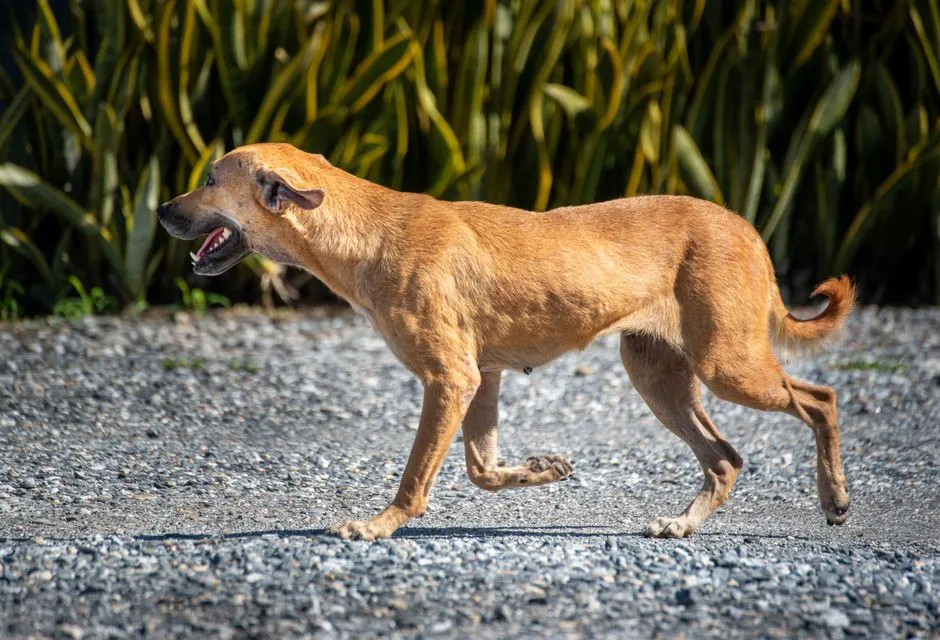
Many rescue dogs spend the first night pacing, drifting from room to room like they’re searching for something they lost and can’t quite name. They sniff, circle, retreat, and then repeat the same route, almost like a loop their anxiety keeps rewinding. Watching this, you realize how much they’ve had to adapt, and how little control they’ve had over any of it.
It’s heartbreaking because the pacing isn’t just physical; it’s emotional. They’re trying to map out a place in the world where no one is yelling, no one is leaving them behind, and the doors don’t slam shut with them on the wrong side. Sometimes, just sitting quietly in their path, not forcing contact but letting them know you’re there, is enough to turn that ghostly wandering into cautious curiosity.
3. Choosing the Smallest, Strangest Safe Spot

On that first night, a lot of rescue dogs don’t choose the plush bed you carefully picked out for them. Instead, they wedge themselves behind the couch, under a table, or in the tiny gap between the washing machine and the wall. They gravitate toward corners and caves, places where the world narrows down and feels easier to survive.
Seeing a dog squeeze its body into a too-small hiding place is quietly devastating. It’s a physical manifestation of a survival strategy: make yourself small, stay out of the way, avoid trouble. I remember one foster who ignored the big bed we bought and chose the space under my desk instead; I just moved my chair, sat on the floor, and typed around him. It felt less like “training” and more like telling him, in the only language he seemed to trust, that no one would drag him out or lock him away again.
4. Flinching at Ordinary Sounds
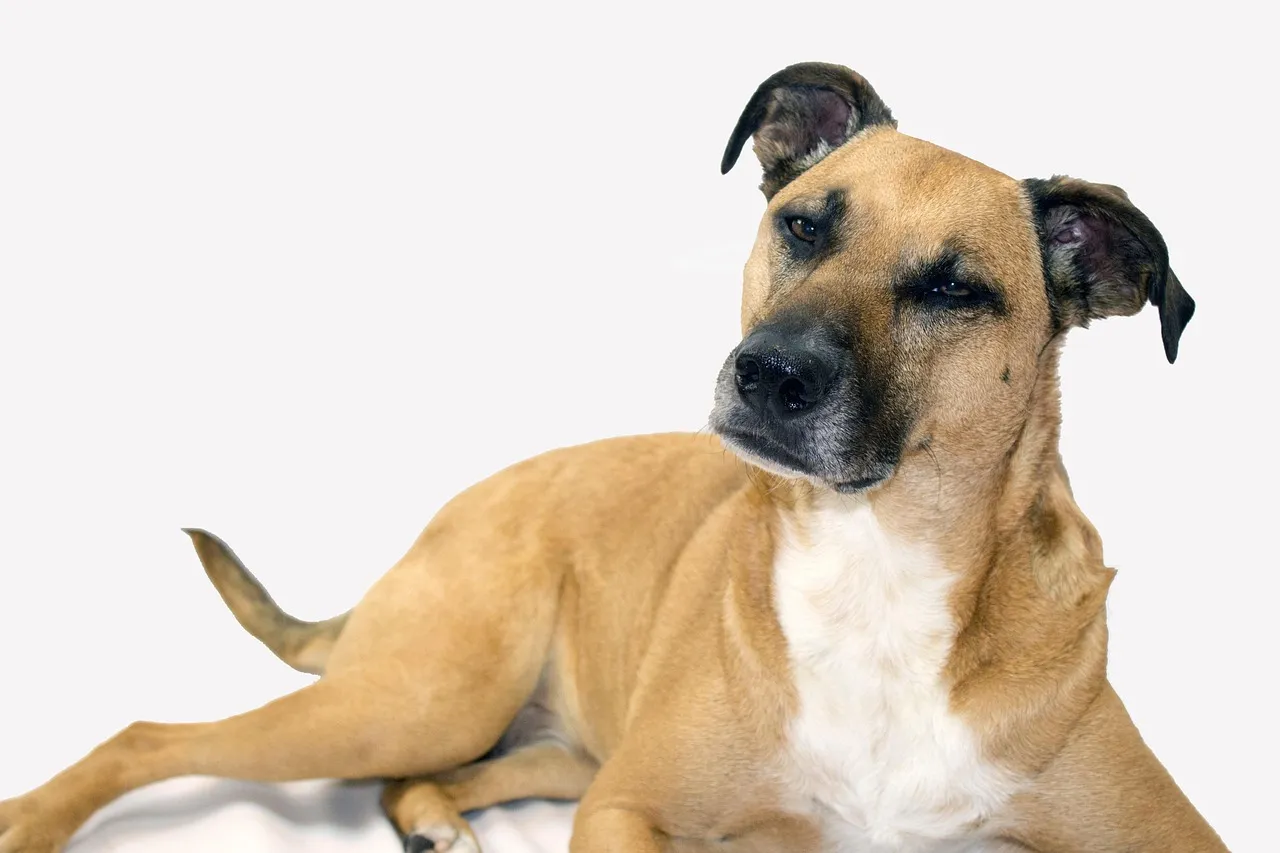
The first time a spoon hits a bowl, or the fridge hums a little louder, or a door creaks, some rescue dogs jump like the world just exploded. Their ears flatten, their eyes widen, and you suddenly see the invisible history they walked in with. Nobody needs to say a word; the room just fills with an uncomfortable, heavy empathy.
What ruins people most is how ordinary those sounds are to us and how terrifying they are to the dog. A cabinet closing should not feel like danger, but for a dog who only knew chaos or rough handling, every noise might predict something bad. One of the most tender things you’ll ever see is a human learning to move softer and speak gentler, not because they were told to, but because a scared animal taught them what kindness actually sounds like.
5. Ignoring Toys Because They Don’t Know How to Play
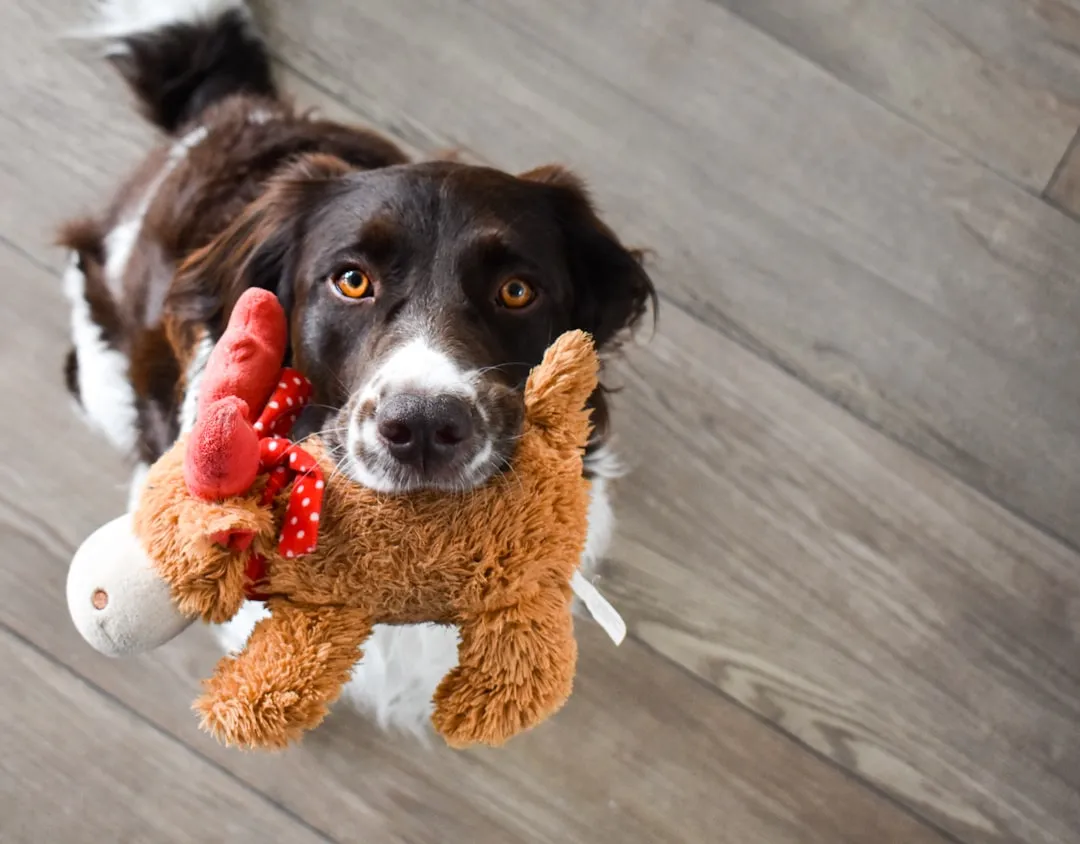
You toss a ball, squeak a toy, roll out a rope, and the dog just stares at it all like you’ve placed mysterious artifacts on the ground. There’s no wag, no pounce, no spark of recognition that this is supposed to be fun. That blank confusion hits hard, especially if you’re used to dogs who light up at the sight of a tennis ball.
Play is something many of us take for granted, but for a lot of rescue dogs, nobody ever taught them that life could be joyful. So the first night, they might just sit there, watching you try to entertain them with things they don’t understand. When, a few days or weeks later, they finally pick up a toy on their own, you remember that silent first night and realize how far they’ve come. That contrast alone can make that initial emptiness almost painful to look back on.
6. Eating Like They’re Afraid the Food Will Vanish
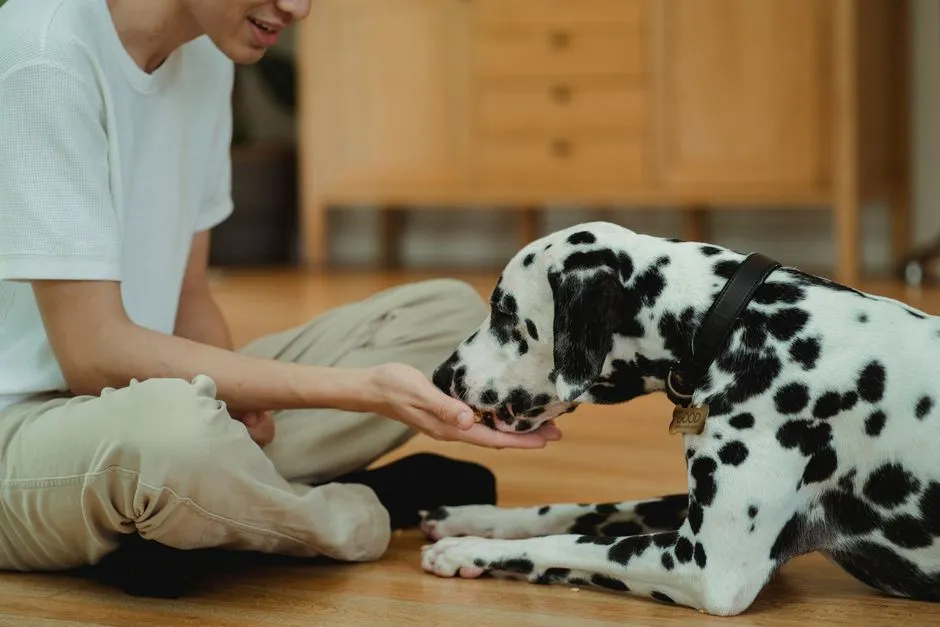
The food bowl moment is where a lot of hearts crack right down the middle. Some rescue dogs inhale their meal so fast you barely see their jaw move, like they’re racing an invisible clock. Others hover over the bowl, trembling, as if they’re waiting for someone to yank it away at any second. Either way, it tells you this isn’t their first night wondering where dinner is coming from.
Humans often try to reassure them with soft voices or gentle touches, but the dog’s body language is louder: shoulders tight, tail low, muscles coiled. It’s not greed; it’s fear. Watching that, you start to see your own kitchen differently. The fridge full of food, the routine meals, the idea of “snacks”–all of it suddenly feels like a kind of luxury you never really saw until you watched a scared dog fight their own instinct just to trust that the bowl will be there again tomorrow.
7. Refusing to Sleep Until You Do

On that first night, some rescue dogs simply won’t close their eyes. They plant themselves near you, or near the door, or in the middle of the room, and they just…stay awake. They doze in tiny, twitchy micro-naps, startling at every movement, as if sleep is too big of a risk to take in a place they don’t fully understand.
For the people in the room, it’s both touching and gutting. You realize how much safety we take for granted when we casually crash into bed and scroll on our phones. To earn the moment when that same dog later curls up, sighs, and truly lets go beside you is like witnessing a quiet miracle. You remember that first sleepless night and think, this is what trust actually looks like, and it cost them more than we will ever know.
8. Clinging to One Person Like a Lifeboat
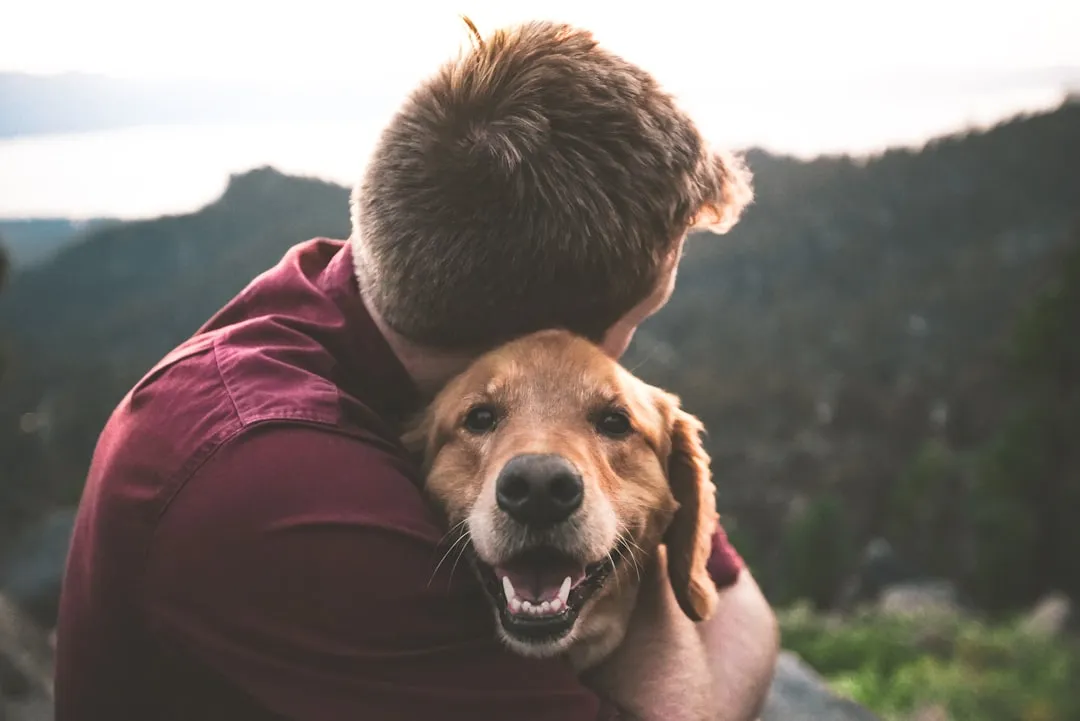
Sometimes, a rescue dog will pick one human within the first hour and treat them like they are the only solid object in a flooding room. They sit under that person’s legs, follow them into every hallway, and freak out if they so much as stand up to get water. It looks flattering from the outside, but up close it feels more like desperation than devotion.
That first-night attachment can be overwhelming, especially if you’ve never had a creature decide so quickly that you are their entire world. You see the way they watch your every move, scanning your face for signs of danger, and you realize they’re not just bonding; they’re surviving. Being someone’s safe place is beautiful, but on that first night, it can also break you a little to know how badly they needed one.
9. Avoiding Eye Contact Like They’re Afraid of Being Seen
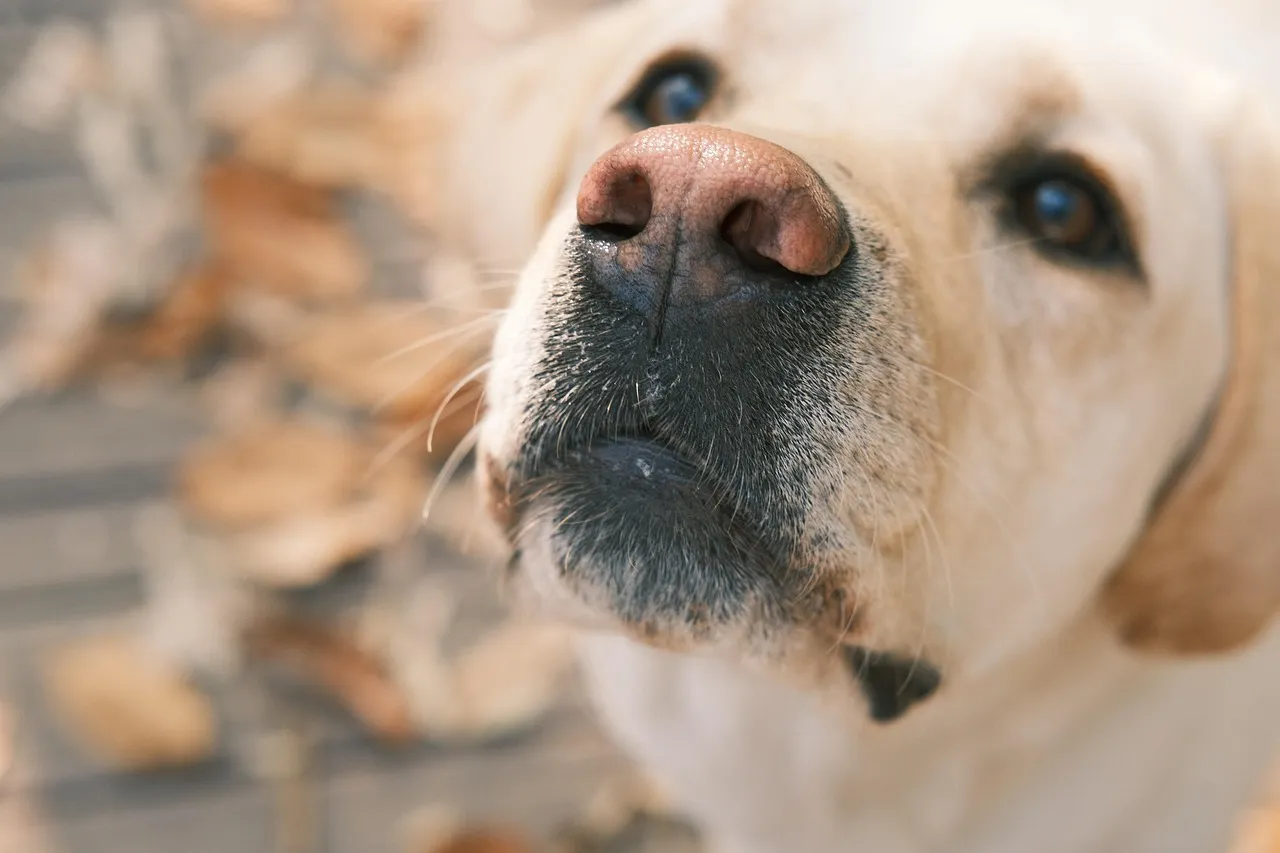
Eye contact is one of those things we don’t think about until it’s gone. Many rescue dogs avoid it at first, turning their head away, glancing at you only in split seconds, staring at the floor instead of your face. It’s not rudeness; it’s self-protection, like they’ve learned that looking at the wrong person at the wrong time ends badly.
That first night, you might find yourself softening your own gaze, crouching down, turning your body sideways to look less intimidating. You realize how intense direct eye contact can feel when trust isn’t there yet. The night they finally look you right in the eyes and hold it, even for a heartbeat, lands like a quiet confession: I see you. And more importantly, I believe you might not hurt me.
10. Startling at Kindness
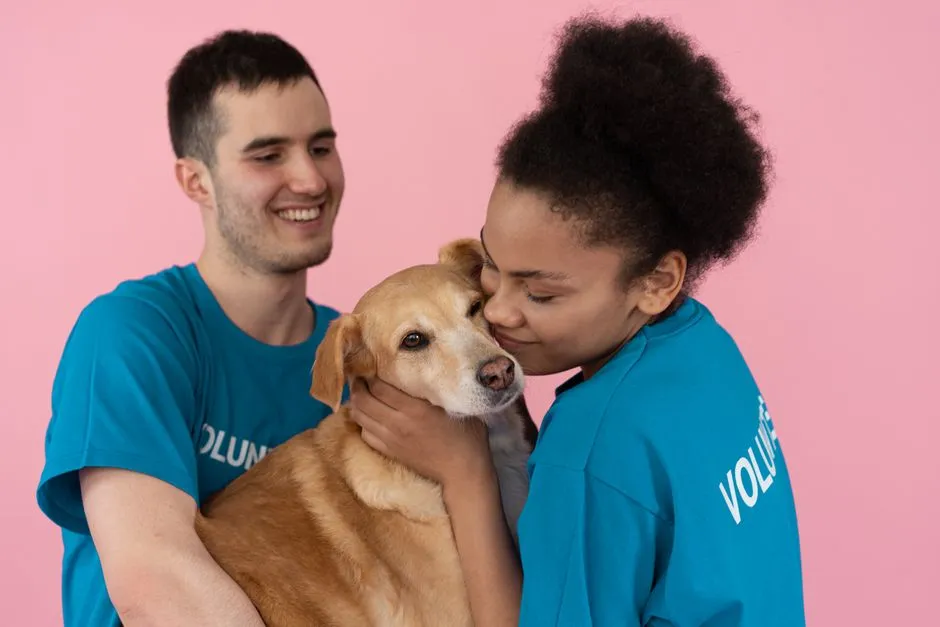
One of the most painful things a rescue dog can do on the first night is flinch when you reach out gently. Your hand moves slowly, your voice is calm, and still their body jerks away as if hit by a ghost from their past. In that tiny movement, you see an entire history of hands that meant harm instead of comfort.
What really hits people is when kindness itself seems suspicious to the dog. You offer a treat and they shrink back. You kneel down to their level and they duck their head. It forces you to confront the ugly reality that love is not always a given in a dog’s life. The first time they lean into your hand instead of away from it, you feel something inside you shift permanently, because you remember how that first night taught them to brace for the worst.
11. Doing a Tiny, Awkward Tail Wag They Seem to Regret
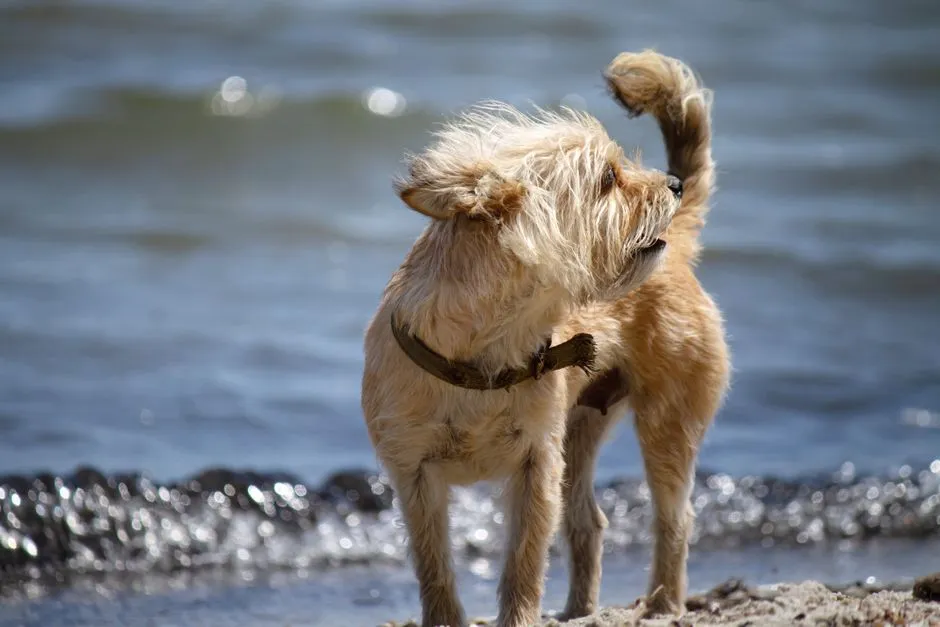
There’s this heartbreaking half-wag some rescue dogs do on that first night, like a glitch between hope and fear. Their tail flicks once, maybe twice, then stops abruptly, as if they caught themselves being too happy too soon. It’s like they’re not sure if they’re allowed to feel good yet, or if happiness always comes with a price.
That little almost-wag is often what undoes everyone in the room. It’s such a small, crooked gesture, but it carries a mountain of emotion: curiosity about you, a flicker of interest in this new life, and a lifetime of caution telling them to dial it back. When that same dog later greets you with a full-body, whole-soul tail cyclone, you’ll think back to that shy, first-night almost-wag and realize just how brave it really was.
12. Bringing You an Object Like a Peace Offering
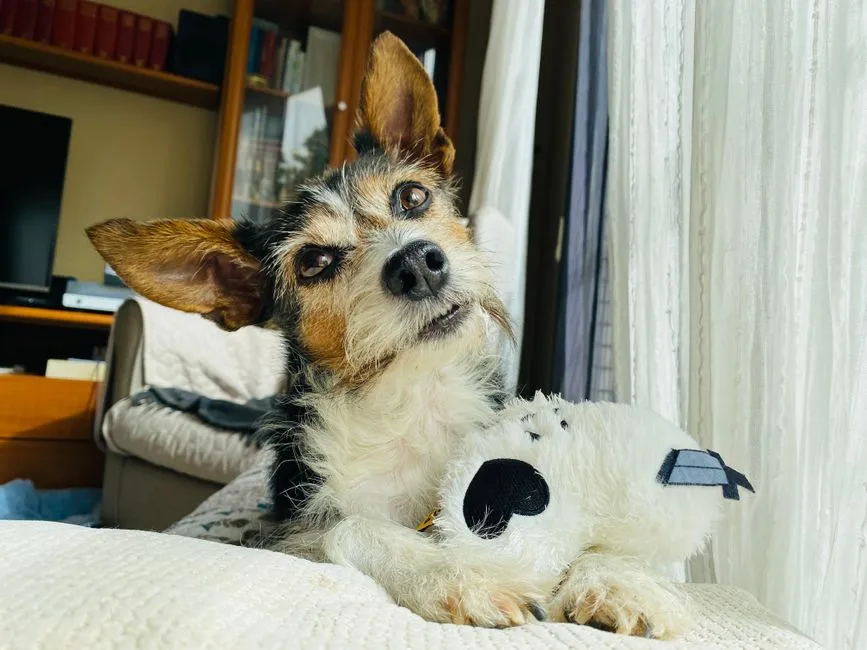
Every now and then, a rescue dog will quietly pick up something random on that first night–a slipper, a toy, a crumpled towel–and bring it over, placing it near you but not quite in your hands. It’s not always playful; sometimes it looks like an awkward negotiation. Here, I have this. Do we get along now?
People tend to melt when this happens, because it feels like a bridge being built in real time. That scruffy dog, who maybe wouldn’t let you touch them an hour ago, is now offering something from their new world. It might not be perfectly understood on either side, but the intention is there. In a way, that odd little gift is their first attempt at speaking your language, and it’s hard not to feel honored by it.
13. Letting Out One Deep, Shuddering Sigh
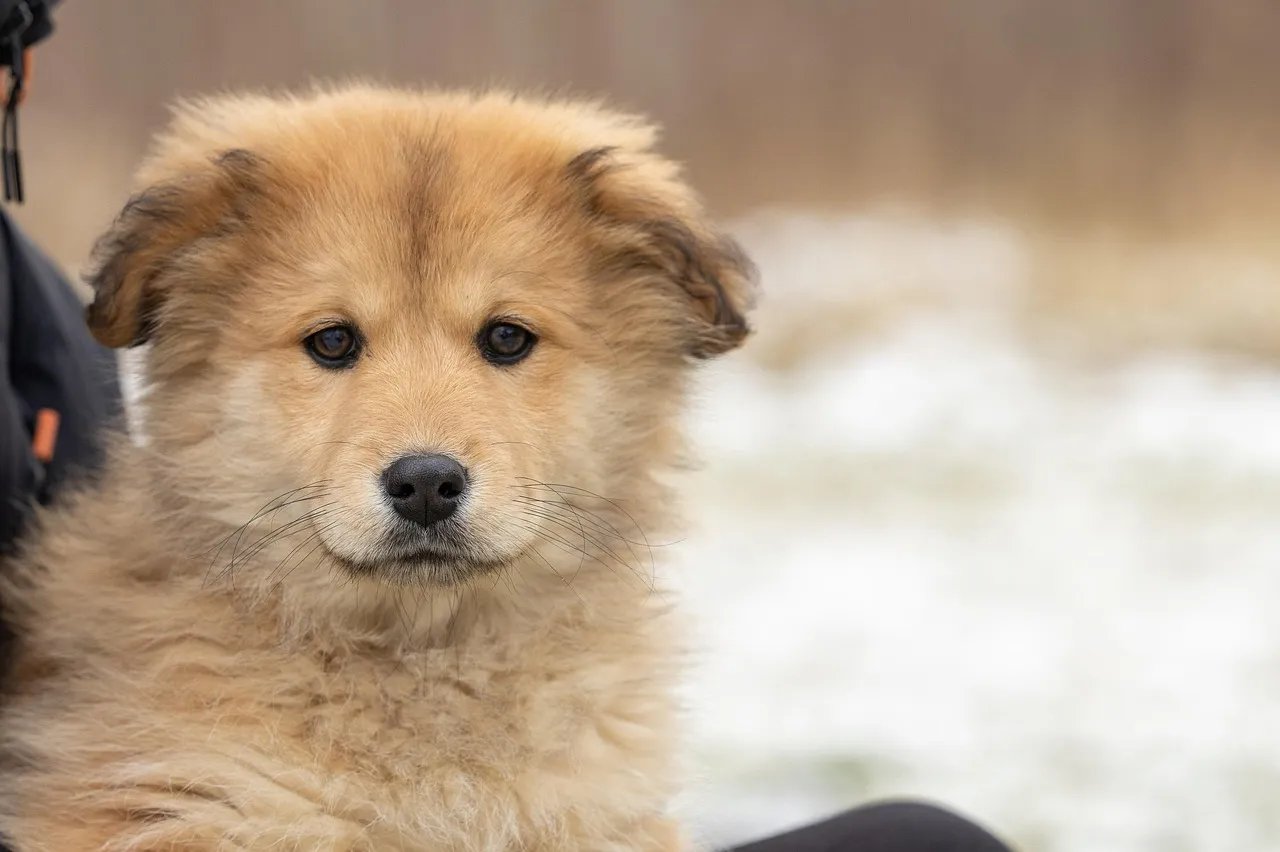
There is a very specific kind of sigh that rescue dogs make when they finally lie down somewhere that might be safe. It’s not just an exhale; it’s a full-body release, like they’re pouring out weeks or months of tension onto the floorboards. Sometimes the whole room goes quiet when it happens, because everyone feels that sound in their chest.
That first-night sigh can mean a lot of things: exhaustion, confusion, the tiniest step toward relief. To humans, it often lands like a confession they didn’t know they were waiting for. You realize that this animal has probably never truly rested with all four feet under a roof that belongs to them. That single, shaky breath can feel more meaningful than any tail wag or lick, because it sounds a little like the word finally.
14. Curling Up Close Enough to Touch
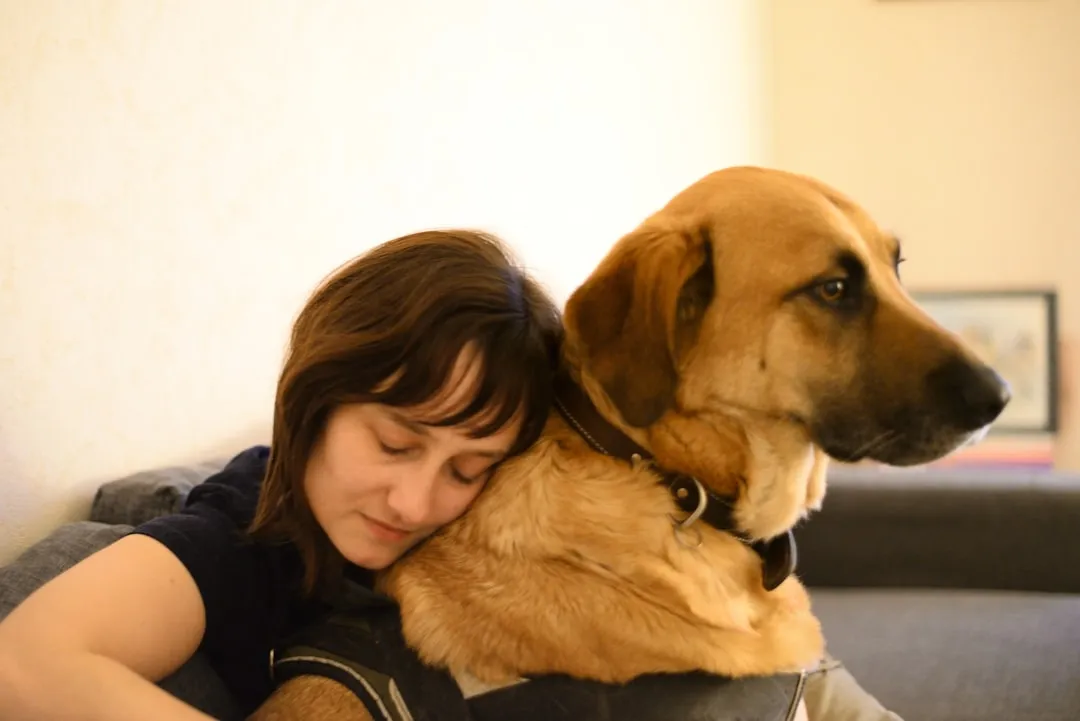
Sometimes it doesn’t happen the first night, but when it does, everything changes. The rescue dog who spent hours pacing, shrinking away, or hiding under furniture suddenly chooses to lie down within arm’s reach. They might not touch you directly, but they pick a spot near your feet or by the couch where they can feel your presence while they drift in and out of sleep.
In that quiet moment, the whole emotional weight of the day hits. You realize that trust is not some grand, cinematic moment; it’s a scared dog deciding that the space next to you might be the safest place in the room. That choice breaks people in the best way, because it exposes how starved we all are, dogs and humans alike, for a place to belong that doesn’t hurt. And honestly, if that doesn’t move you at least a little, I’m not sure what would.
Conclusion: Why That First Night Matters More Than the Happy Ending Photo
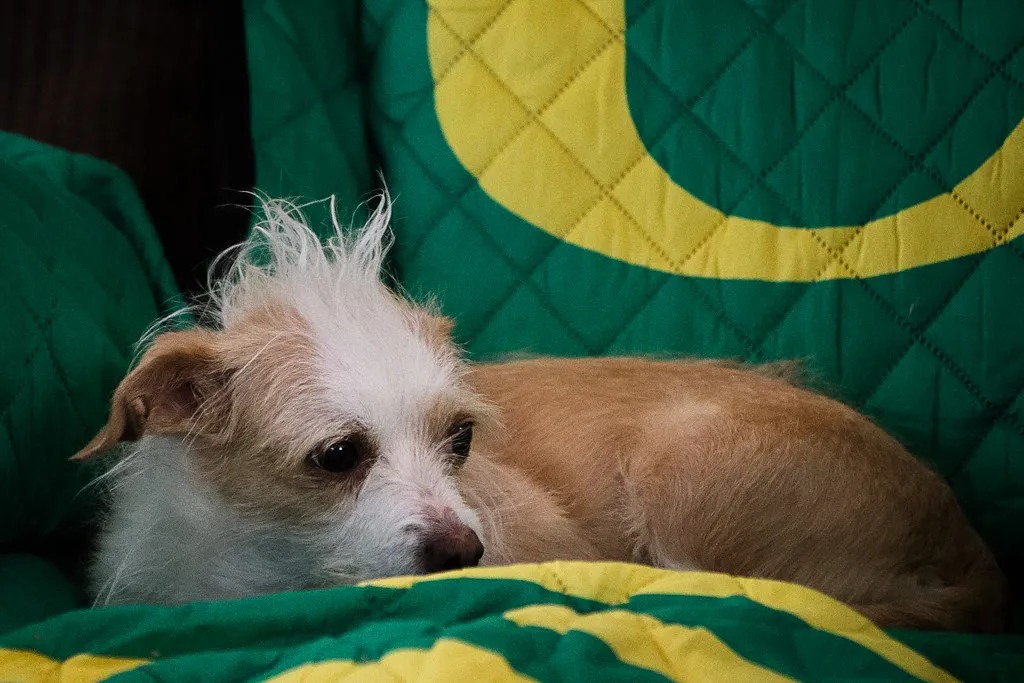
There’s a reason so many people quietly cry in hallways and kitchens on a rescue dog’s first night home. It’s not just the cuteness or the excitement; it’s the raw collision of past and future happening right in front of them. Every flinch, every hesitant step, every awkward tail wag is a piece of evidence that the world has not always been kind, and that tonight is the first tiny attempt to rewrite that story.
In my opinion, we romanticize the “after” way too much and underestimate the emotional power of the beginning. The first night with a rescue dog is messy and uncomfortable and humbling, but it’s also where the real love takes root. If more people really understood what that night costs the dog–and what it quietly demands from us–we’d see adoption less as a feel-good gesture and more as a serious, sacred promise. When you look at it that way, the real question isn’t whether that first night will break you; it’s whether you’ll let it change you, too.
