
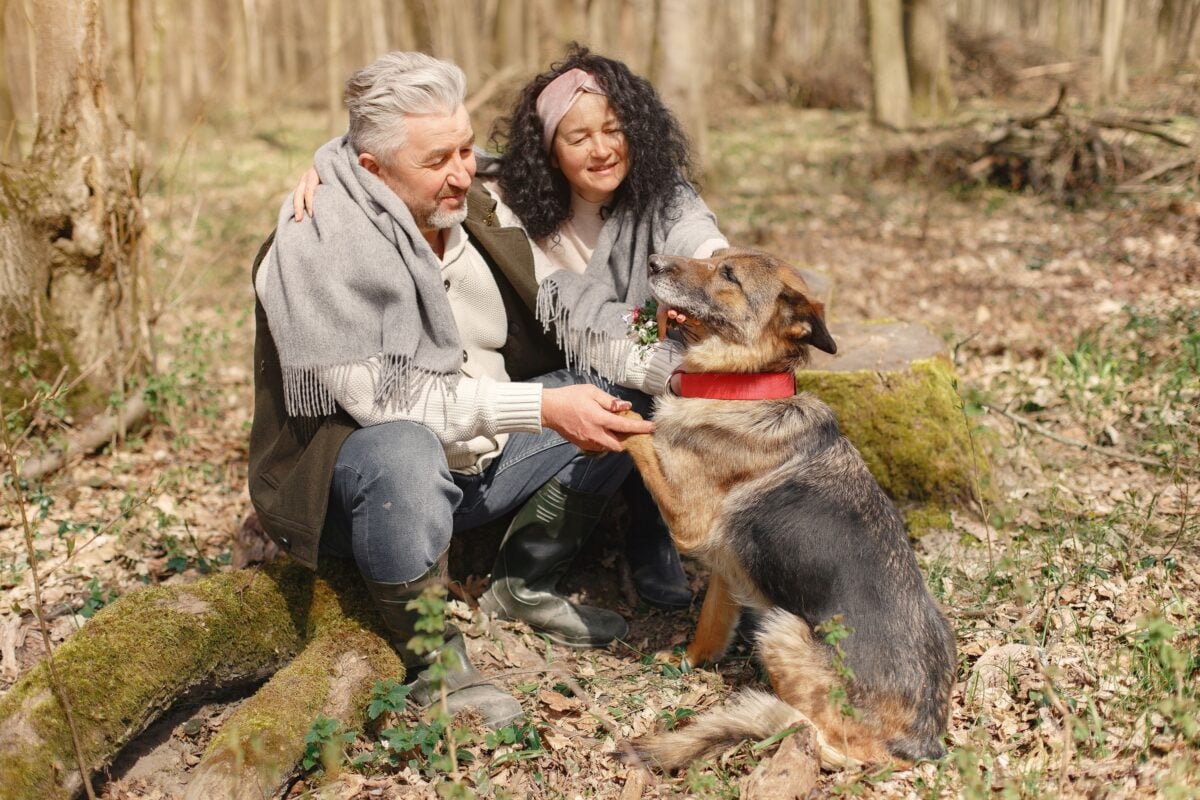
There’s a moment every year when the air shifts. The light gets softer, evenings creep in faster, and your dog starts sleeping a little longer, moving a little slower. A lot of people brush it off as their pet simply getting older or “just the weather,” but for senior dogs, autumn can quietly flip a series of switches in their body and brain that owners often miss until something goes wrong.
I still remember the first autumn my own old dog started hesitating at the stairs. I almost blamed laziness before it hit me: the colder air, the damp ground, the darker walks… it was all adding weight to joints and senses that were already working harder. That’s the thing about aging dogs in autumn: the changes are subtle, but the impact can be huge. Here are the seventeen autumn shifts that matter far more than most people realise.
1. Colder Mornings Can Turn Mild Arthritis Into Real Pain
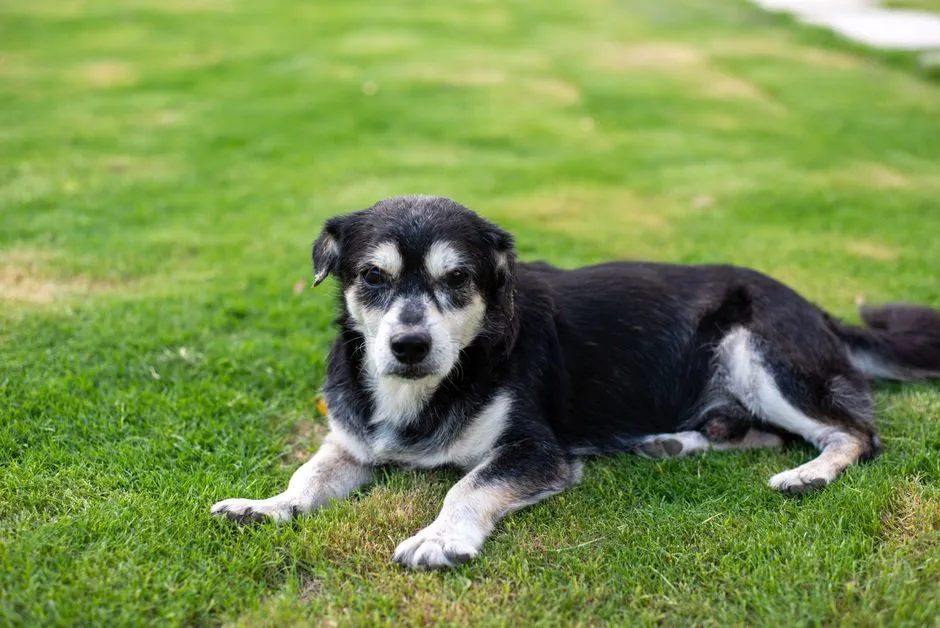
That cute little morning stretch your older dog does on chilly autumn days might actually be stiffness from joint pain. Colder, damp weather can make arthritis and age-related joint changes feel worse, a bit like how many people with old injuries feel more achey when the temperature drops. A dog who was just “a bit slow” in summer can suddenly seem stiff, reluctant to jump in the car, or hesitant to climb stairs once autumn hits.
It’s easy to dismiss this as normal aging, but that mindset can cost your dog real comfort. Supportive bedding, non-slip rugs, gentle warm-up walks, and a vet check for joint supplements or pain relief can make an enormous difference. Think of it like giving your grandmother a warm coat and a sturdy handrail rather than telling her to just “get on with it” in the cold.
2. Shorter Days Can Disrupt Your Dog’s Internal Clock

As the days get shorter, your dog’s body is getting a clear message: the season is changing. The shift in daylight can mess with their internal clock, especially in older dogs whose brains are not as sharp at processing environmental cues. You might notice them waking up earlier, pacing at odd times, or seeming restless in the evening when they used to settle easily.
Senior dogs can be more sensitive to changes in routine and light, a bit like older people who start waking very early or getting confused at dusk. Keeping feeding times, walk schedules, and bedtime as consistent as possible can stop their world from feeling like it’s constantly shifting. Using gentle indoor lighting as it gets dark and sticking to predictable patterns can genuinely calm an aging mind more than most people realise.
3. Damp Ground and Rain Increase Slip and Fall Risks
Autumn means wet leaves, mud, and slick pavement – all beautiful until you see a senior dog’s paws sliding out from under them. Older dogs often have weaker muscles, slower reflexes, and sometimes reduced paw grip due to worn-down nails or age-related changes. A surface that a younger dog barely notices can turn into a hazard for an older one.
One awkward fall can be enough to trigger a lasting fear of stairs, jumping, or certain areas outside. Trimming nails regularly, keeping paw fur around the pads neatly managed, using harnesses for more control, and choosing flatter, less slippery walking routes in wet weather are not overprotective – they’re preventative. Think of it as putting proper boots on a hiker instead of sending them out in dress shoes on a muddy trail.
4. Temperature Swings Stress Older Hearts and Lungs
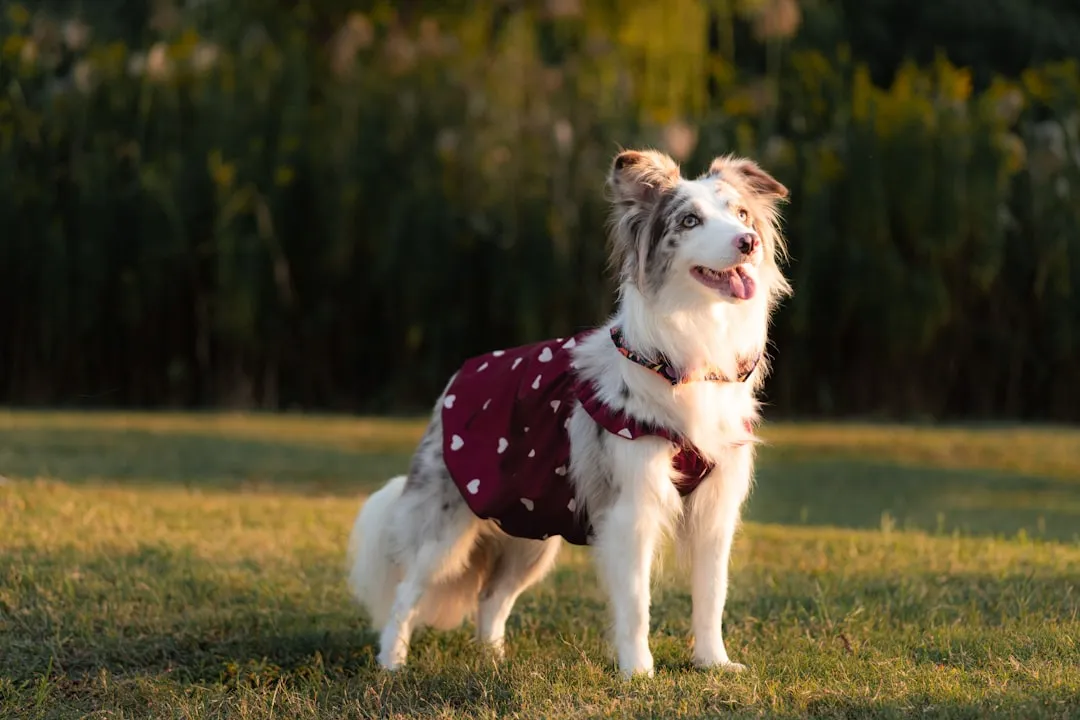
Autumn doesn’t just bring steady cold; it likes to jump from warm afternoons to cold evenings in the space of a few hours. For older dogs, especially those with heart or lung issues, these quick temperature shifts can be a serious strain. A dog that’s panting heavily on a warm afternoon walk can be shivering by nightfall if the temperature drops sharply.
Senior dogs are often less efficient at regulating their body temperature. Layering their environment can help: a light coat outside on cold evenings, a warm but breathable bed inside, and avoiding intense exercise when it’s unseasonably warm. It’s not about babying them; it’s about recognising their body needs a bit more help to stay balanced through unpredictable weather swings.
5. Less Sunlight Can Worsen Canine Cognitive Decline
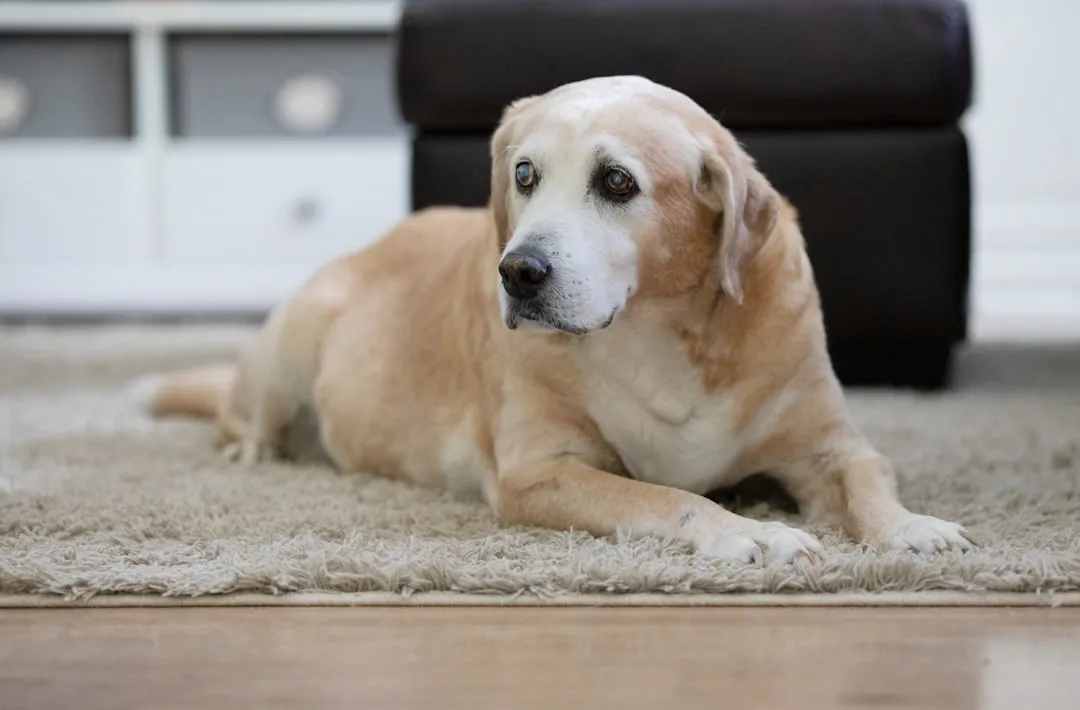
If your dog is starting to show signs of canine cognitive dysfunction – things like staring at walls, getting stuck in corners, or seeming confused – autumn can make those symptoms worse. Reduced daylight and longer evenings can subtly affect their sleep-wake cycle and overall brain rhythm. Some older dogs become more restless, anxious, or vocal at night as the lights go out earlier.
Maintaining mental stimulation becomes even more important in this season. Short training games, puzzle toys, new snuffle mats, or gentle scent work indoors can keep an aging brain more engaged. Adding soft, warm light in the early evening and avoiding long stretches of complete darkness can also reduce confusion. It’s a bit like leaving a hallway light on for a relative who gets disoriented at night.
6. Cooler Air Can Hide Subtle Breathing Problems
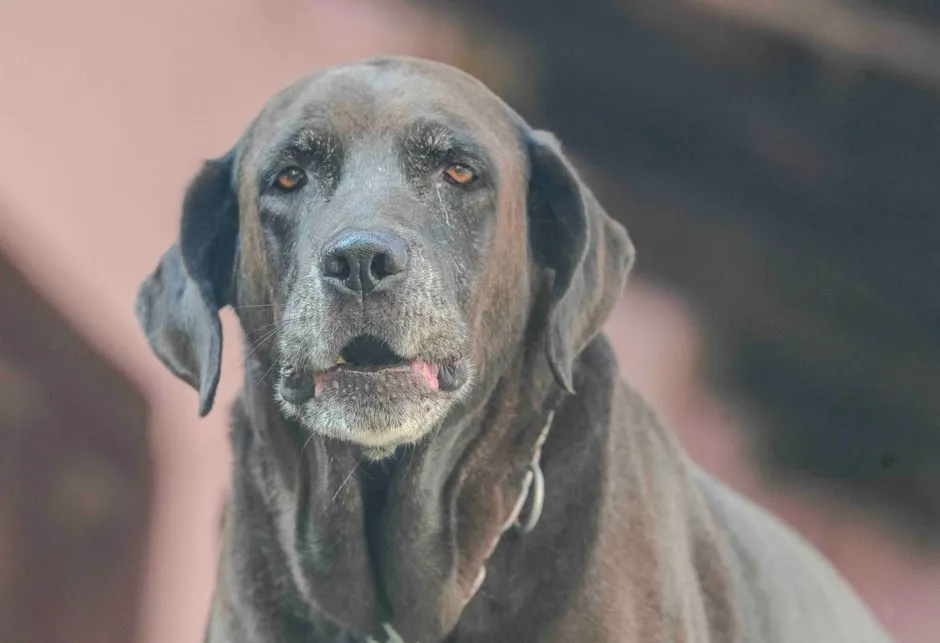
Cool air can feel fresher and easier to breathe, but it can also mask symptoms of respiratory trouble until they’re more advanced. In hot weather, panting or laboured breathing in an older dog is easier to spot and flag as concerning. In autumn, owners are more likely to assume heavy breathing is just from excitement or a bit of exertion since the overall temperature feels comfortable.
If your senior dog is coughing more, taking longer to recover from exercise, or seems tired on walks, autumn is not the time to ignore it. Conditions like heart disease or chronic bronchitis can quietly worsen as the weather shifts. Pay attention to patterns, not just individual moments: an older dog who is consistently more winded than they were a couple of months ago deserves a vet check, even if the air feels nice to you.
7. Seasonal Allergies Don’t End With Summer
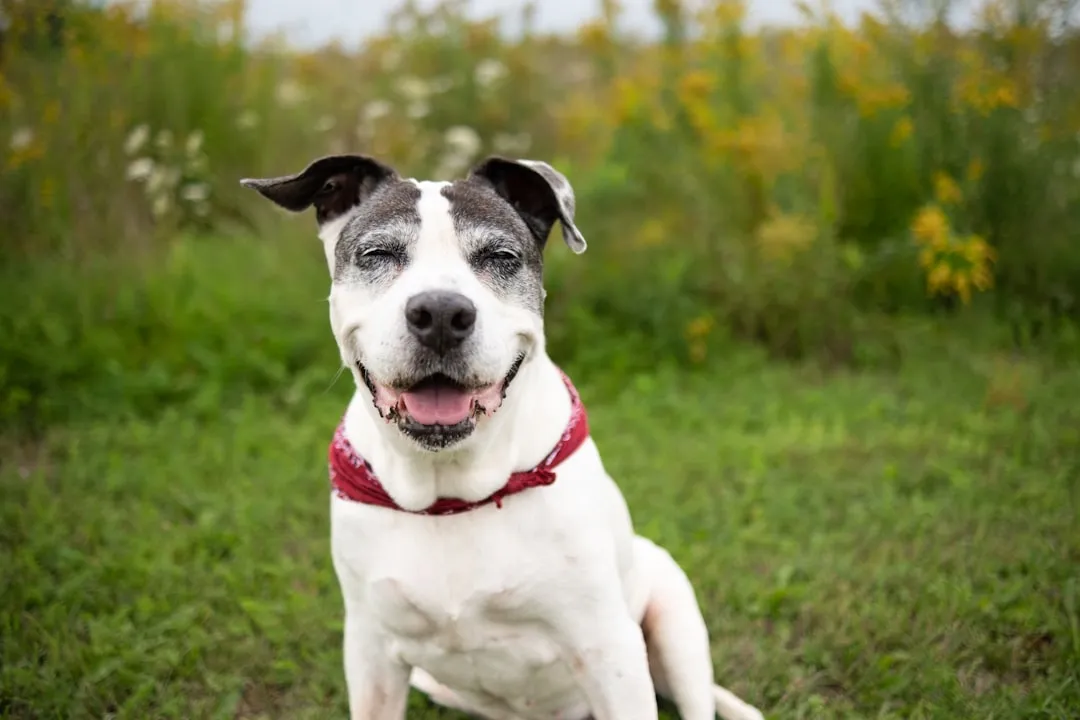
<pMany owners assume allergy season is mainly about spring flowers and summer grass, but autumn brings its own set of triggers like mould spores and certain pollens. For senior dogs who already have skin issues or weaker immune systems, this can mean itchy skin, ear infections, or red, irritated paws just as the weather gets cooler. It’s frustrating to watch an older dog lick and scratch when you thought the tough season was over.
Because senior dogs may already be on other medications, people sometimes hesitate to address allergies properly. But simple steps like rinsing paws after walks, using vet-approved shampoos, and managing indoor humidity levels can lighten the allergen load without adding new drugs. It’s a bit like rinsing off after a day at the beach – you’re just washing away the invisible irritants that stick to the body.
8. Darker Walks Increase Anxiety and Confusion
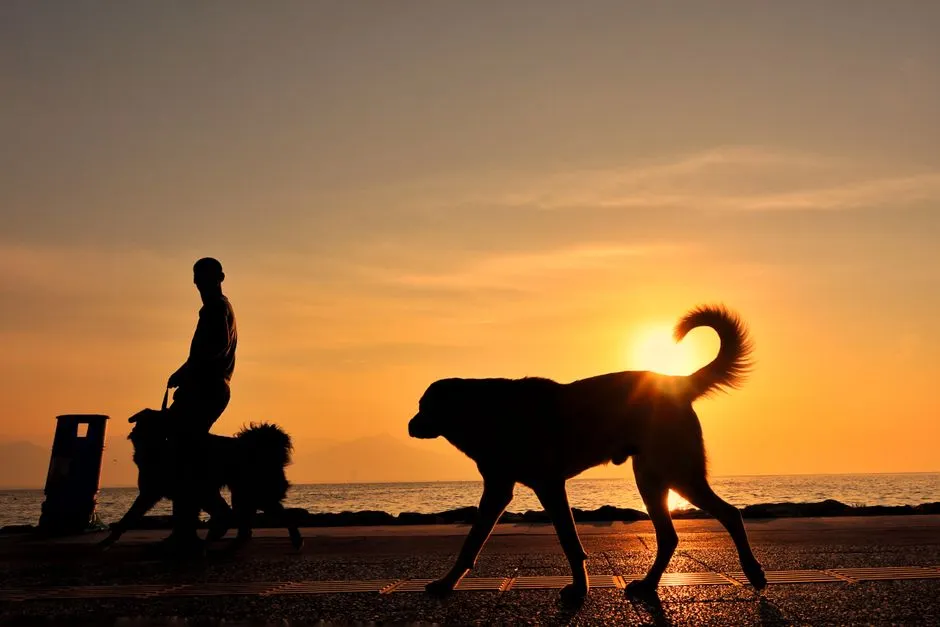
Those cozy, dusky evening walks humans love can feel very different for an older dog whose vision or hearing is fading. Sudden darkness, moving shadows, and unexpected lights from cars or houses can be disorienting. A dog who used to stride confidently down familiar streets may suddenly stop, pull back, or seem jumpy for no obvious reason.
Instead of assuming they’re being stubborn or weird, it helps to see the world the way they do: fuzzier, quieter, and a bit less predictable. Walking earlier in the day when there’s more light, choosing well-lit routes, or using a small collar or harness light can ease that anxiety. I started treating autumn dog walks more like guiding a friend through a dimly lit unfamiliar hallway, and the difference in my old dog’s confidence was startling.
9. Holiday Food and Treats Arrive Earlier Than You Think
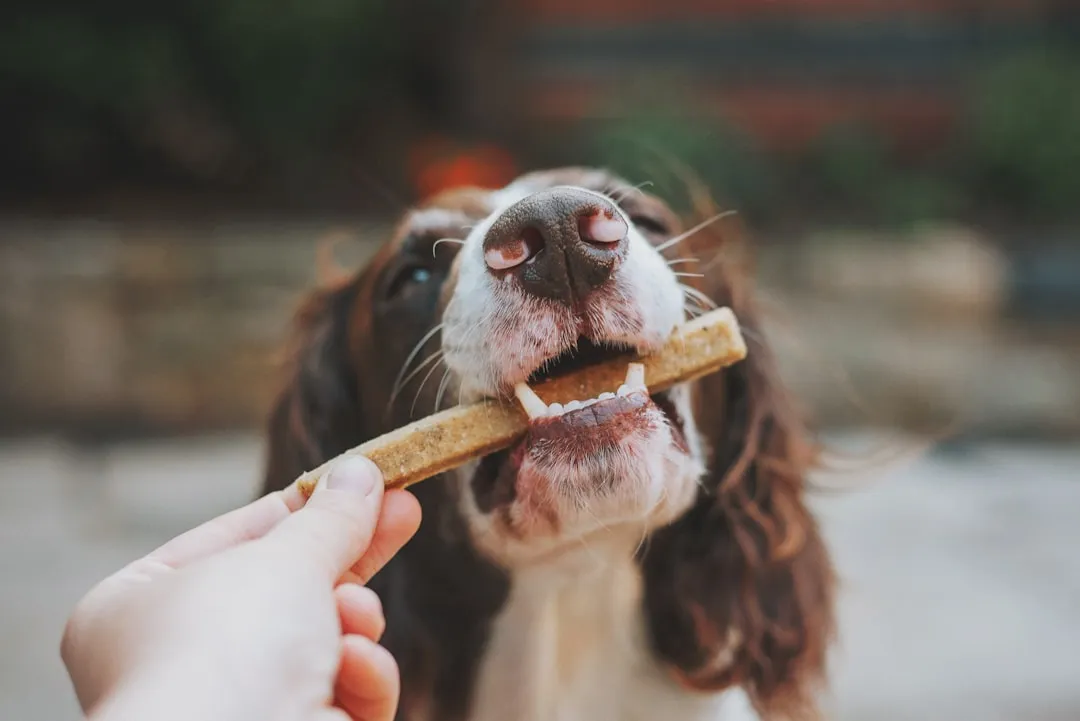
Autumn doesn’t just bring leaves; it brings food season. Halloween candy, Thanksgiving prep, early holiday baking – suddenly there are more rich, fatty, sugary, and sometimes toxic foods around the house. Older dogs are more prone to pancreatitis and digestive upsets, and their bodies don’t bounce back from dietary mistakes as easily as younger dogs do.
Even well-meaning family members can slip senior dogs “just a little taste” of something that hits their system hard. Being the slightly strict one about food in autumn can literally protect your dog’s life. Keep a clear rule: dog food and dog-safe treats only, and everything else goes out of paws’ reach. It feels harsh in the moment, but emergency vet bills and a miserable, sick old dog are far harsher.
10. Weight Gain Creeps In As Activity Quietly Drops
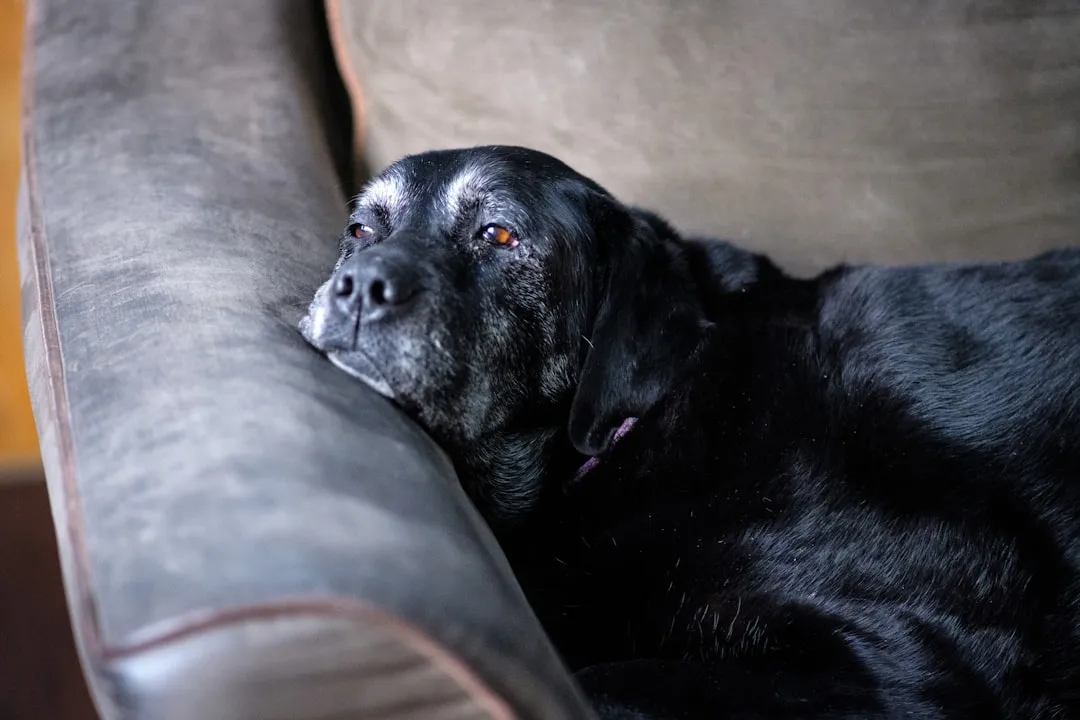
Shorter days and colder weather often mean fewer or shorter walks, more couch time, and more comfort feeding. For an older dog with a slower metabolism, that combination is a direct ticket to extra weight. A few added pounds might not sound like a big deal, but for senior joints, heart, and lungs, that added load can be brutal.
Instead of waiting for the scale to shock you, proactively trim portions a little as autumn settles in, especially if you know walks are getting shorter. You can swap part of their food for lower-calorie vegetables like green beans if your vet approves, and mix in more mental games indoors to keep them engaged. Think of it like swapping a daily fast-food meal for a home-cooked one before your jeans stop fitting in January.
11. Heating and Dry Air Can Aggravate Old Skin
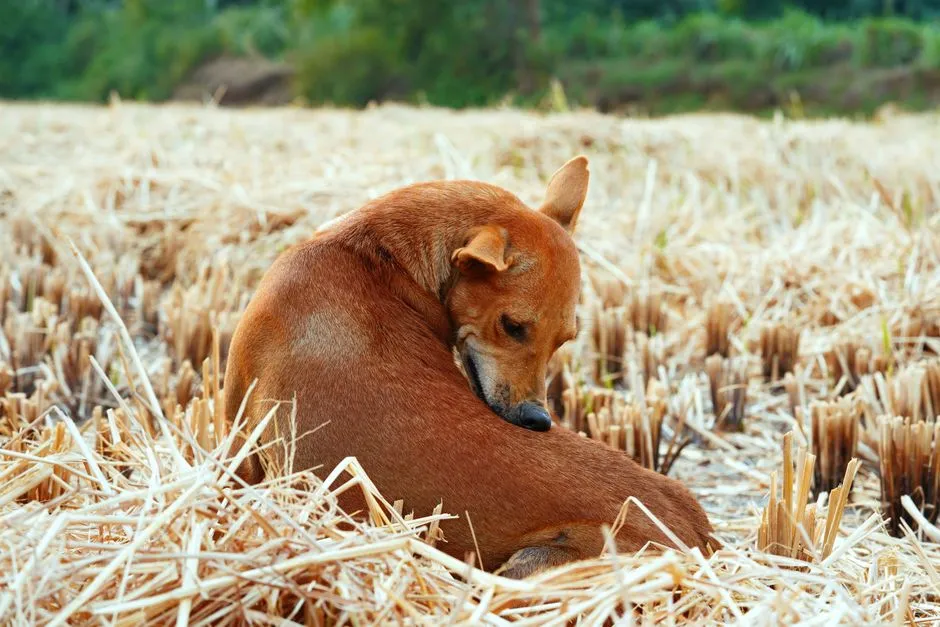
Once the heating comes on, the air inside many homes becomes drier. Older dogs often already have thinner, more fragile skin and a weaker natural oil barrier. Suddenly they’re spending more time lying near radiators or heat vents, and their skin pays the price with flakiness, itchiness, or dull fur.
Small adjustments can help a lot: providing a soft bed slightly away from direct heat, brushing gently to distribute natural oils, and using vet-approved moisturising shampoos or conditioners when needed. Sometimes a simple humidifier in the main living area can make the air kinder to their skin and lungs. It is the canine equivalent of switching from harsh soap to a gentle moisturising one when your own hands start cracking in winter.
12. Scent Changes Outside Can Overwhelm Aging Senses
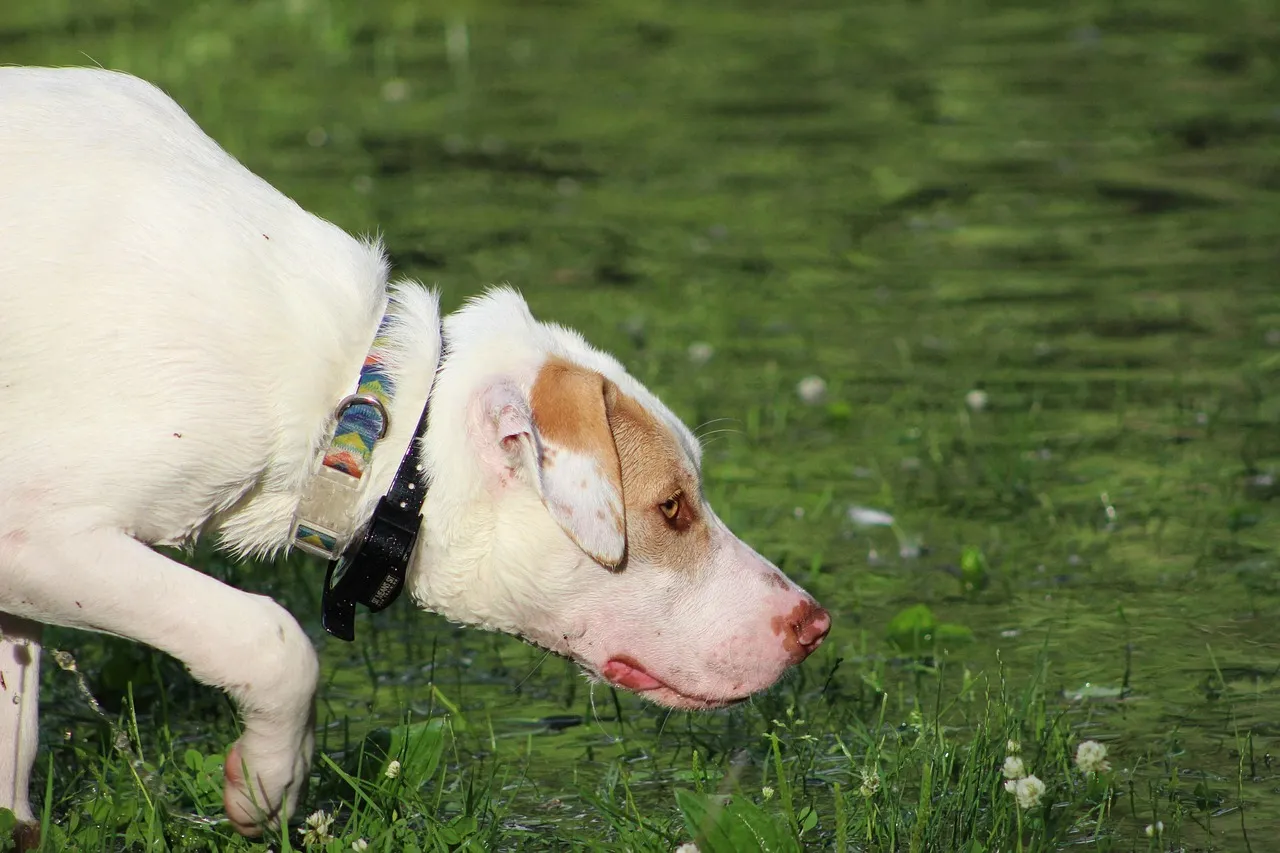
Autumn smells very different from summer: damp earth, decaying leaves, wood smoke, new wildlife patterns. For older dogs whose hearing and sight may be fading, their nose becomes an even more important way of navigating and understanding the world. But intense new smells and unfamiliar scent layers can also be overstimulating or confusing.
You might see your senior dog stopping more, sniffing longer, or seeming unsure in places that used to be routine. Instead of rushing them along, letting them take that extra time can actually help their brain stay active and emotionally grounded. Scent walks – slower walks focused on letting them sniff – are like giving them time to read the changing “newsfeed” of their environment in a way that keeps them mentally sharp.
13. Autumn Thunderstorms and Wind Can Trigger Noise Sensitivities
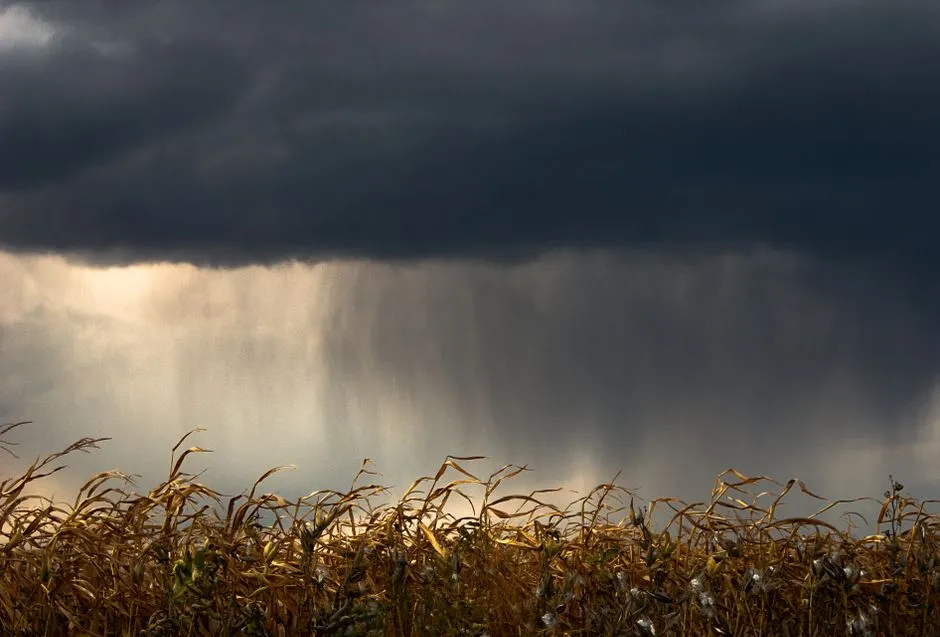
Autumn often brings stronger winds, heavy rain, and the occasional thunderstorm, and these sounds can hit older dogs differently than they did in their youth. A dog who never used to flinch at thunder can suddenly become anxious, restless, or clingy when the weather turns loud. Part of it is that aging ears and brains process sound differently, and part is that they may feel less in control of their body overall.
Creating a safe, cozy retreat spot during storms – a familiar bed in a quieter room, a fan or white noise machine, calming routines – can make a real difference. Avoid scolding them for being clingy or unsettled; to them, the world has become louder and less predictable. I’ve often thought of it like a friend whose hearing is declining, suddenly finding loud parties unbearable when they once loved them.
14. Changes in Family Routines Can Deeply Unsettle Seniors
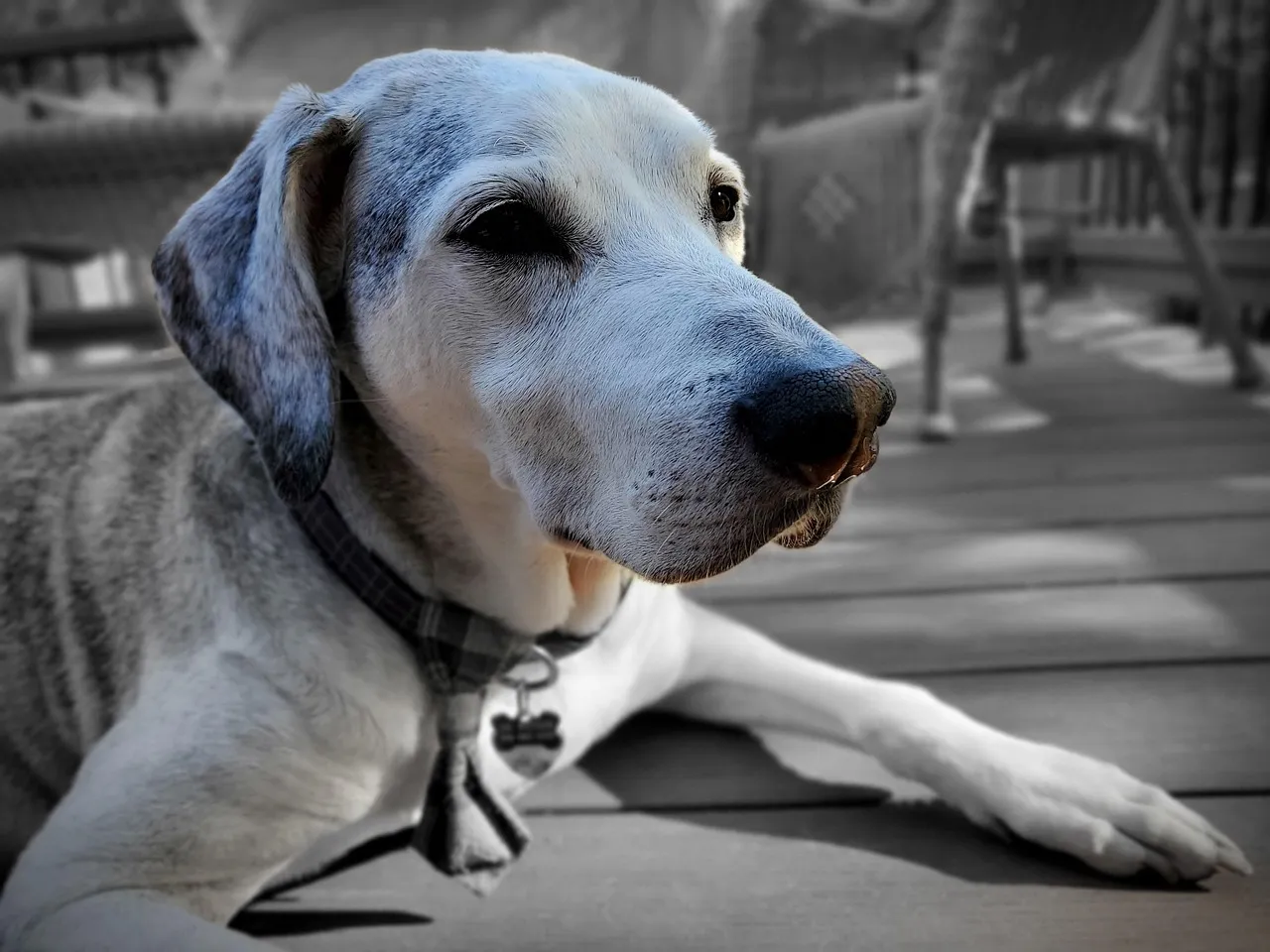
Back-to-school season, changing work schedules, and holiday planning can quietly turn a dog’s routine upside down. Older dogs are usually more dependent on predictability, and they notice when walks are suddenly rescheduled, feeding times shift, or the house is louder or emptier at different times. What looks like simple clinginess, pacing, or accidents in the house can actually be stress from routine shock.
Whenever possible, anchor a few core rituals that do not move: a morning check-in, a mid-day potty break, an evening cuddle or grooming time. These become signposts in their day that say, in effect, the world is still safe. It is similar to how older relatives may cling to their daily newspaper or favourite show time as everything else around them changes.
15. Senior Eyes Struggle More With Glare and Low Light
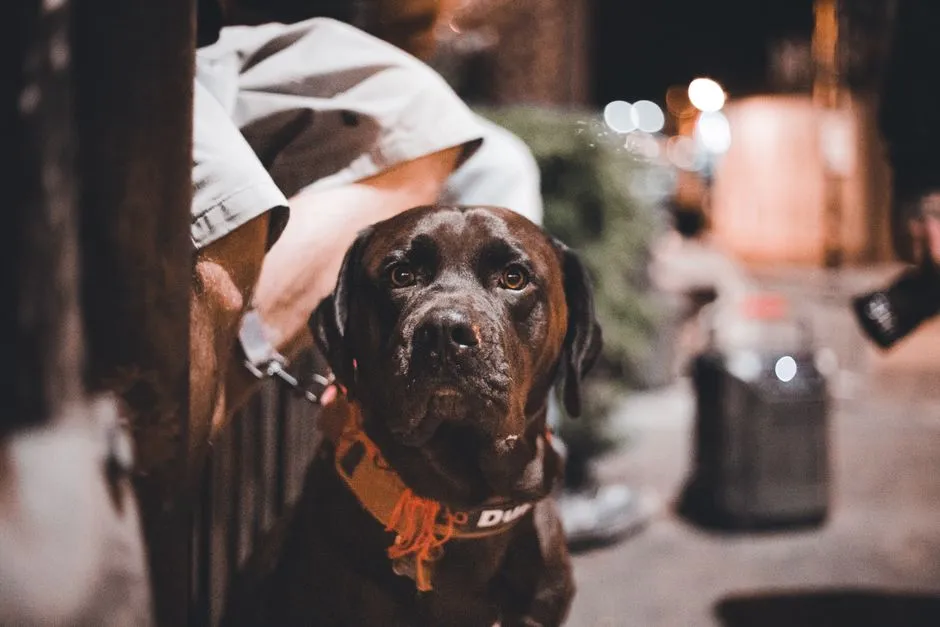
Autumn light is beautiful but tricky. The low sun can create sharp glare at certain times of day, and by late afternoon everything can suddenly dim. Senior dogs with cataracts or other eye changes may struggle to judge distances, steps, or obstacles in these conditions. A dog who misjudges a curb or bump once may become hesitant in that area for a long time.
Helping can be as simple as avoiding the squinting-glare times of day for walks, keeping indoor pathways clear, and adding small night-lights in key spots they use often. Many owners only react after a fall or a collision, but small environmental tweaks ahead of time can spare your dog a lot of fear and confusion. Think of it as adding reading glasses and better lamps instead of waiting until someone trips over the coffee table.
16. Subtle Pain Can Show Up as Behaviour Changes First
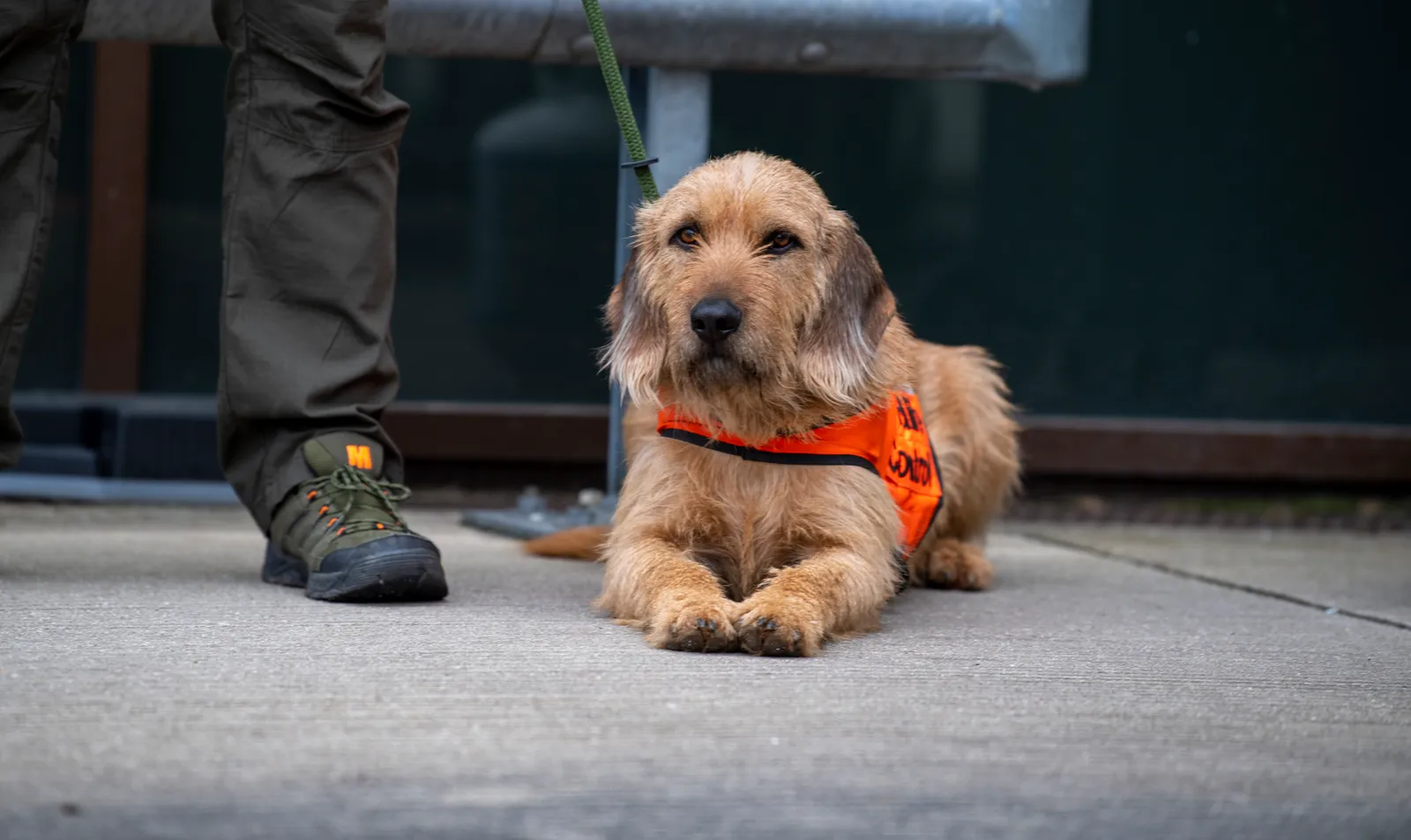
In autumn, with colder, damper weather, underlying pain – arthritis, dental issues, spinal changes – can flare up. But older dogs rarely limp dramatically at first. Instead, they might growl when touched in certain spots, avoid being picked up, refuse to hop on the sofa, or become unusually withdrawn or irritable. Because this shift often coincides with seasonal changes, people chalk it up to mood rather than discomfort.
If your previously cheerful senior dog suddenly seems “grumpy” or less social as autumn rolls in, it’s worth treating that as a potential pain signal. A veterinary assessment, better pain management, softer bedding, ramps instead of jumps, and gentler handling can transform their quality of life. The difference in their personality once they hurt less can be genuinely heartbreaking and heartwarming at the same time – you realise just how long they have been quietly coping.
17. Autumn Is the Season to Reconsider What “Quality of Life” Looks Like
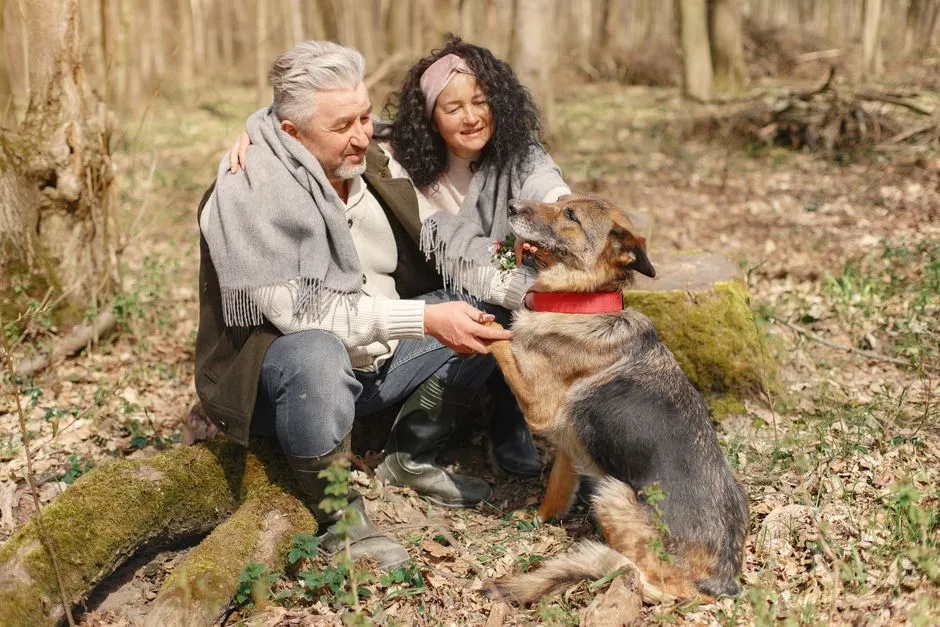
Autumn has a way of making us reflective, and with an older dog, this season can be a quiet mirror. The chilly mornings, darker evenings, and slower walks raise a question many people try to avoid: what does a good life look like for this dog right now, at this age, in this season? It is not about panicking or rushing hard decisions, but about honestly seeing what has changed and what your dog truly needs from you.
Maybe that means fewer long hikes and more sniffy, gentle strolls. Maybe it means adding medication, investing in ramps, or finally accepting that they sleep most of the day and that is okay. For me, autumn with an older dog always feels like a reminder to stop measuring them against their younger self and instead measure today by their comfort, joy, and connection. It can be sobering, but it is also strangely beautiful.
Conclusion: Autumn Is Your Wake-Up Call – If You Let It Be
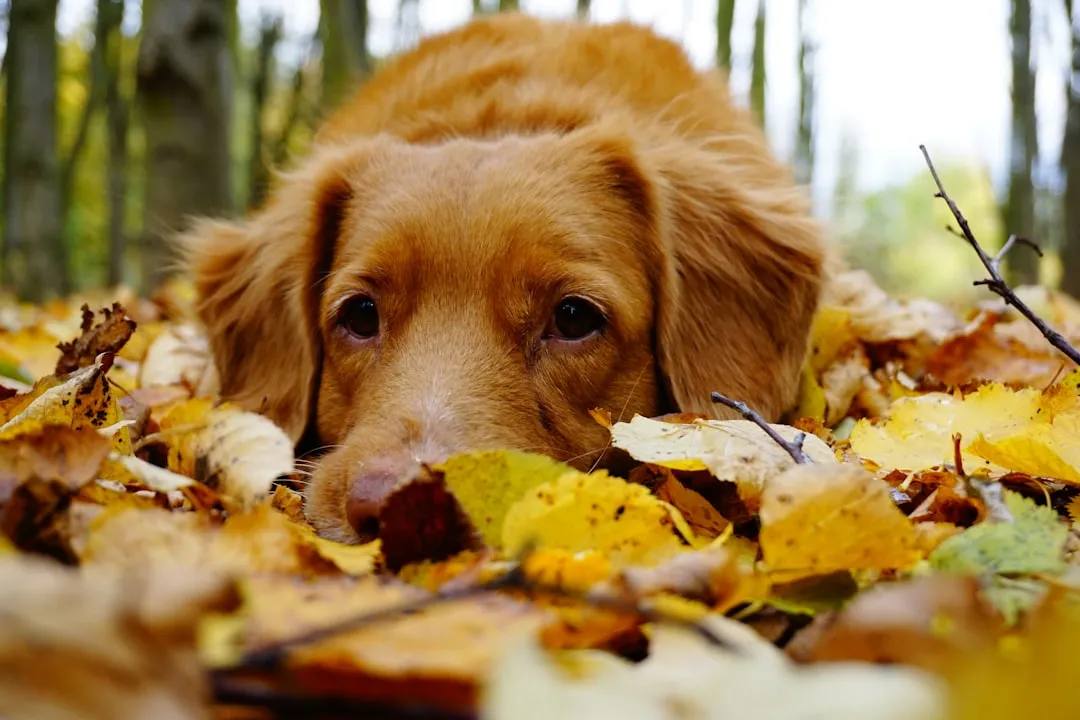
When you put all these autumn changes together, a clear picture emerges: this season is not just pretty leaves and pumpkin-spice photos; it is a stress test for an aging body and brain. Colder joints, darker walks, shifting routines, heavier foods, and drier homes all land harder on senior dogs than most owners realise. Ignoring those shifts doesn’t mean they are not happening; it just means your dog carries more of the burden in silence.
My own opinion, shaped by years of watching older dogs through this season, is that autumn is when good dog guardianship quietly separates itself from casual pet ownership. This is the time to lean in, to notice, to adapt, and to advocate for comfort over nostalgia and realism over denial. Your dog does not need you to be perfect; they need you to pay attention and care enough to change a few habits. One day, when the house is quieter and the bed is emptier, you may look back and realise these small autumn adjustments were some of the kindest things you ever did for them. Knowing that, what will you choose to notice this autumn that you might have overlooked last year?
