
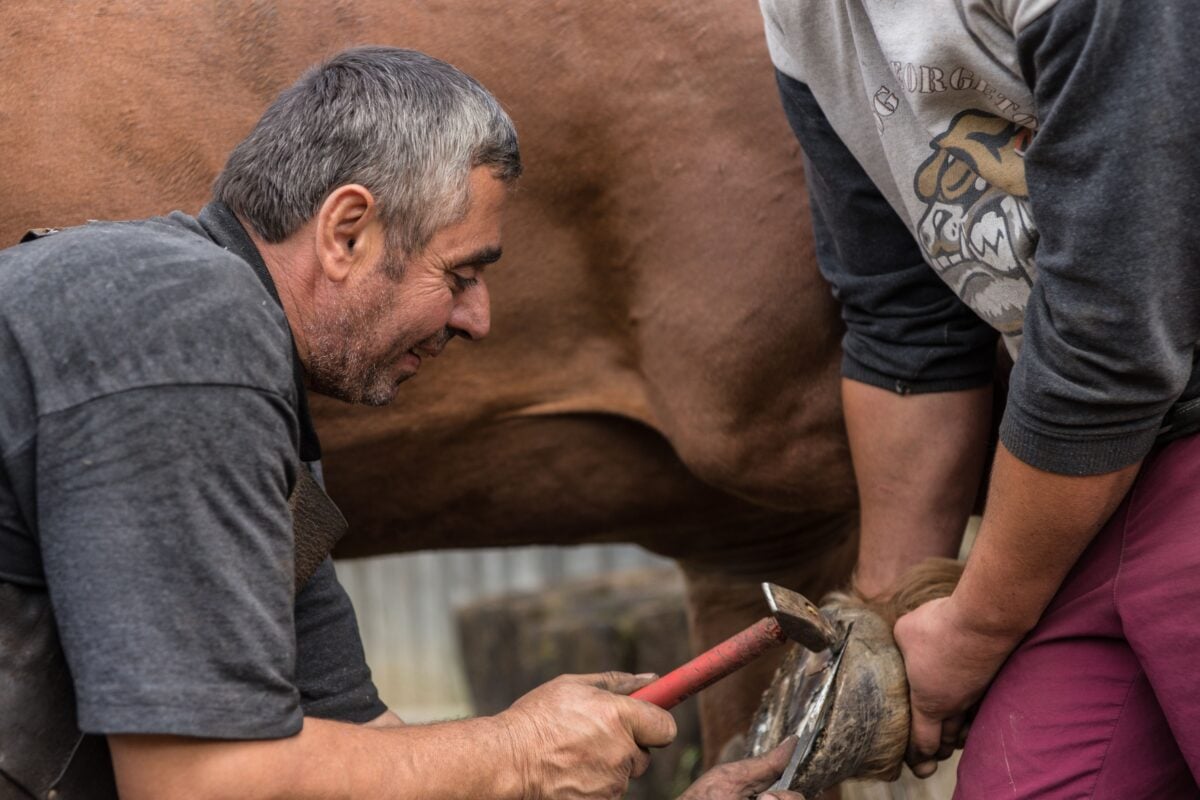
Spend enough time under horses, and you start to see ageing in slow motion. Farriers notice tiny shifts in hoof shape, balance, and comfort long before a horse goes obviously “old” in the eyes of most owners. What looks like a good day to you can look like a collection of quiet red flags to the person holding the hoof knife.
This is not about blaming owners; it is about revealing the secret language happening at ground level. Ageing rarely shows up first in the topline or the face. It often whispers through the feet: a slightly flatter sole here, a tiny change in heel there, a new reluctance to hold a leg up. Once you know what to look for, you can support your horse far sooner, and sometimes that changes everything.
1. The Hoof Capsule Slowly Getting Longer And More “Duck‑Footed”
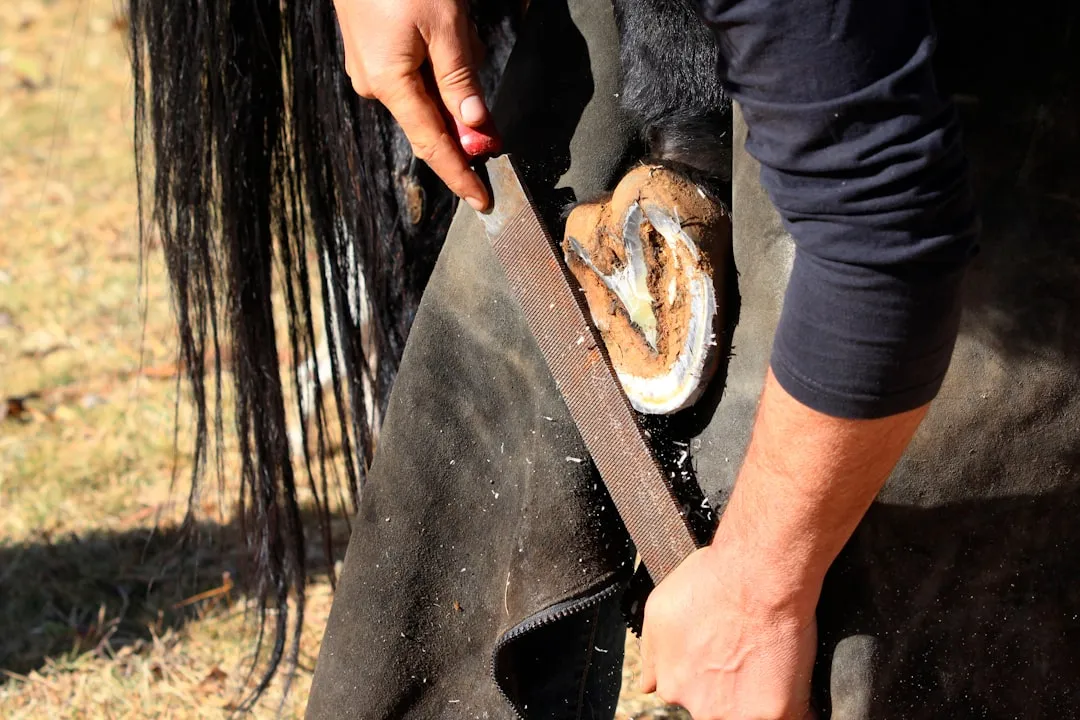
One of the first quiet ageing signs farriers see is the hoof capsule creeping forward and getting a little longer and slipperier at the toe. To most owners, it just looks like the horse is overdue for a trim, but a good farrier will spot that the foot is starting to migrate forward because the horse is not loading it as well as it used to. Instead of a neat, tight, compact hoof, you start seeing a stretched look that repeats even with regular work.
This is often the body’s way of compensating for sore joints higher up, especially in the hocks, stifles, or shoulders. The horse shifts more weight to the back of the hoof, and over time the toe grows ahead of the game. If nobody connects that subtle change to ageing-related stiffness, you only fight the long toe with your rasp, instead of supporting the horse’s whole movement pattern.
2. Tiny Heel Collapse That Signals Fading Shock Absorption
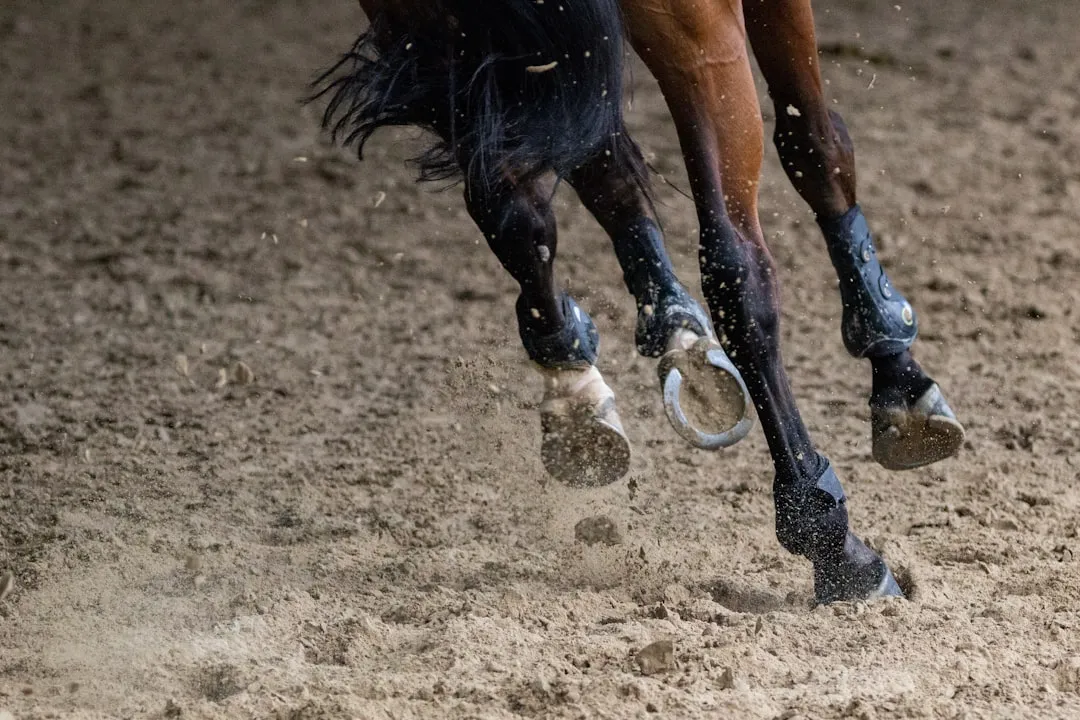
A farrier can run a thumb down the back of the hoof and feel if those heels are staying upright and strong or sneaking lower and more under-run each visit. With older horses, those heels often start to fold forward, and the foot looks more “smooshed” from behind, even if the trim cycle has not changed. Owners rarely notice this because the horse still walks out sound on soft footing for quite a while.
Collapsing heels quietly rob the horse of natural shock absorption. Instead of the hoof landing and springing, impact jars further up the limb into the joints and soft tissues. A farrier who catches this early can adjust the trim, maybe use a different shoeing package, and talk frankly about footing and workload. Left alone, that heel collapse becomes one of those “he just got old and arthritic” stories that actually started five years earlier in the back of the hoof.
3. A Subtle Change In The Growth Ring Pattern
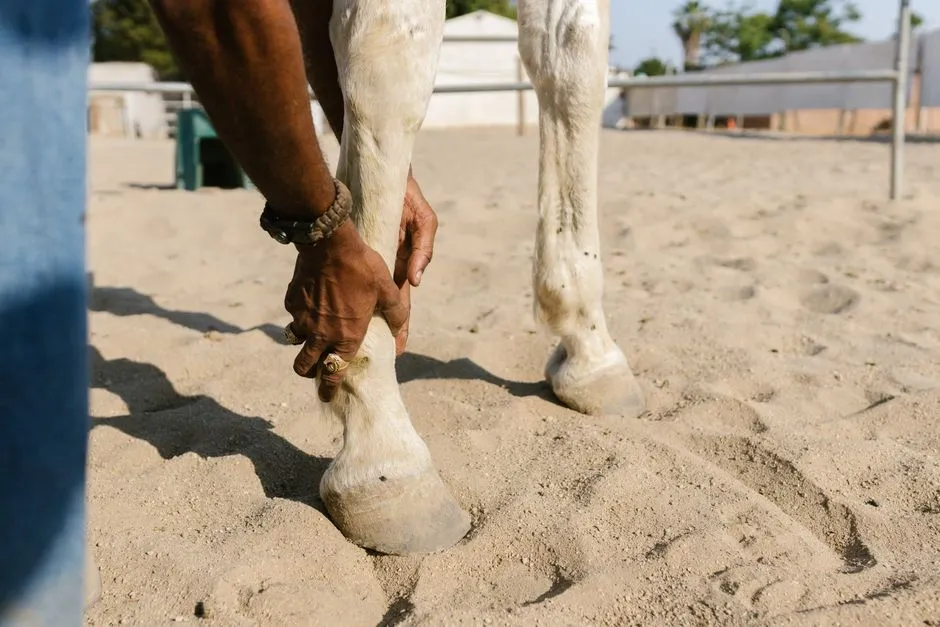
Hoof walls grow in rings that tell a story, a bit like tree rings but faster. Farriers notice when those growth rings suddenly get wider at the heel, tighter at the toe, or more rippled on one side. In ageing horses, these changes can show up as metabolism slows, gut function shifts, or early hormonal issues creep in. To most owners, the hoof still looks fine; to the farrier, the pattern screams that something inside the horse is changing.
When the rings start to look more uneven, it can signal fluctuating blood flow, low‑grade inflammation, or the beginning of insulin‑related problems that older horses are more prone to. That does not mean full-blown laminitis, but it does mean the foot is marching slowly in that direction if management does not adjust. The farrier may be the only one raising a hand early, saying, “I think something in the horse’s system is different now,” long before a blood test ever gets pulled.
4. Sore Or “Guarded” Shoulders When Holding The Front Feet
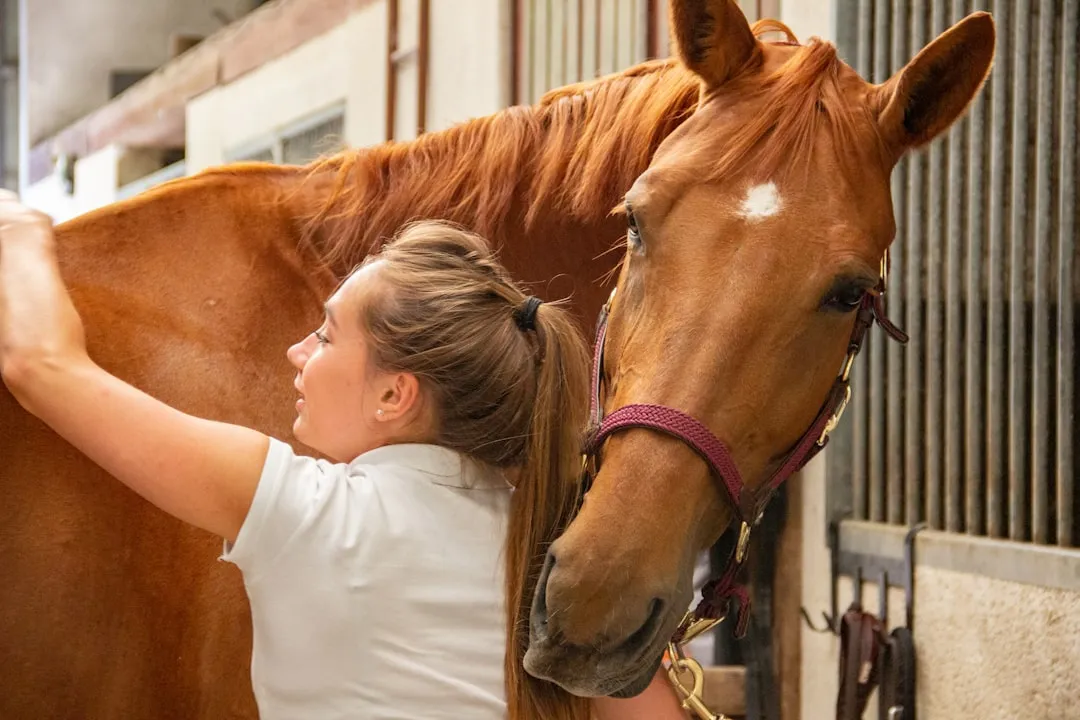
Most owners focus on the joints they can see: knees, fetlocks, hocks. Farriers, holding the front feet up, feel the whole chain through the shoulder. With ageing horses, you often feel them resist lifting one front leg just a little more, or they lean heavily into the farrier when that leg is elevated. The front end might be where the horse is quietly paying the price for old hind‑end issues or years of work.
It is not that the horse is misbehaving; it is that the shoulder is tight, the neck is bracing, and lifting that leg high feels like asking an older person to touch their toes and stay there. A farrier who mentions this is not nitpicking; they are saying, “Something higher up hurts.” Without that insight, an owner might just assume the horse is being difficult, when in truth it is showing early compensation for age‑related discomfort.
5. Hind Legs That Can’t Stay Up As Long As They Used To
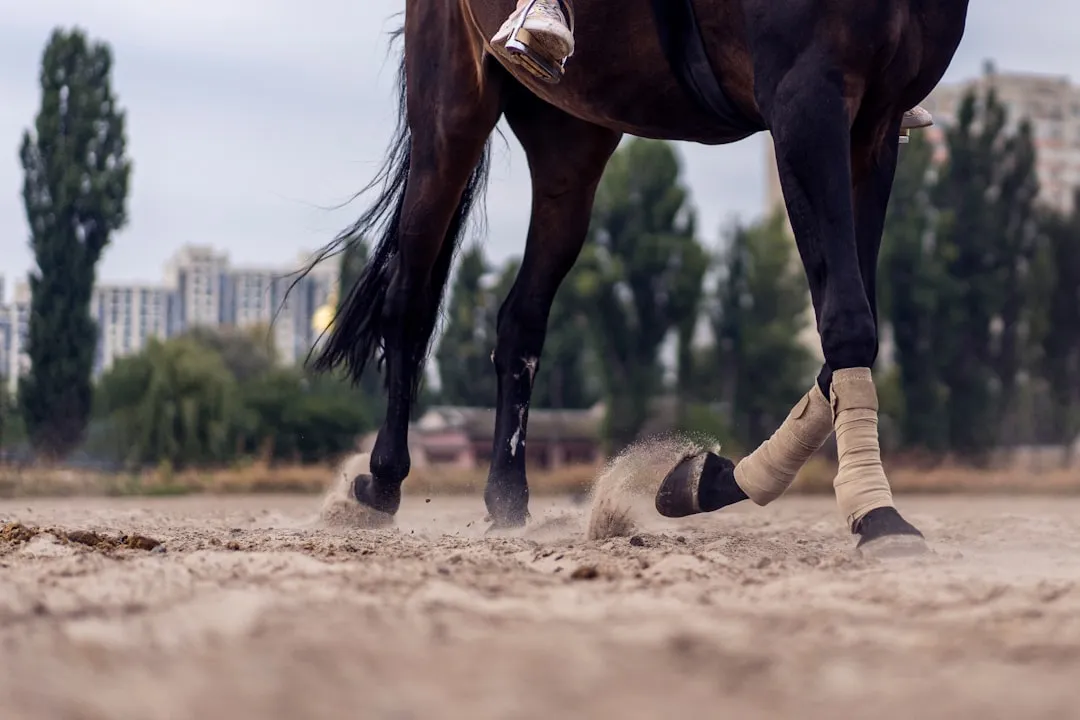
Farriers remember how a horse was five years ago. They know which one used to happily hold a hind leg up while half asleep and which one is now snatching that same leg back after just a few seconds. Owners who only see hoof care every few weeks might miss how dramatic that decline is over time. For an ageing horse, standing on three legs feels like balancing on one foot on a moving train.
This change is often about stifle degeneration, hock arthritis, or weaker core muscles from loss of topline. A good farrier will quietly adapt how they work: keeping the foot lower, giving frequent breaks, adjusting their body position. Underneath that courtesy is a serious message: this horse is not just “fidgety”; it is struggling physically. That is the moment to talk to your vet, your bodyworker, and rethink how you manage that horse day to day.
6. Thinner Soles That Bruise More Easily On Hard Ground
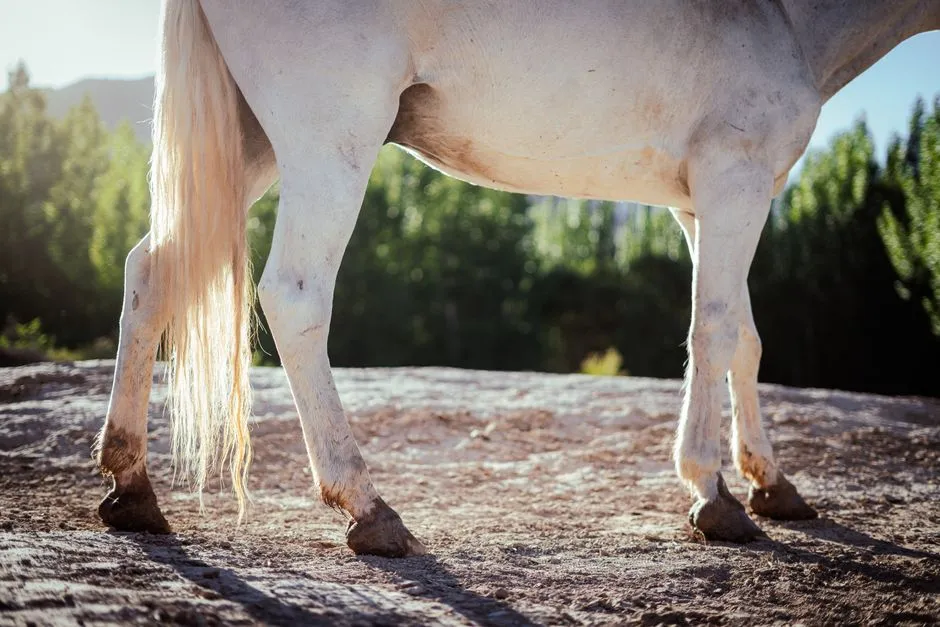
A farrier notices the thickness and density of the sole every single visit. As horses age, especially if they have had any metabolic bumps along the way, the sole can become thinner and more prone to bruising. Owners often see a sound horse in the arena but a suddenly “ouchy” horse on gravel or frozen ruts and chalk it up to being picky, not ageing.
Thin soles mean less natural padding between the earth and the sensitive structures inside the hoof. That makes every rock feel sharper and every bad step riskier. Farriers may suggest pads, different shoeing, a more conservative trim, or changes in turnout terrain. When those suggestions are brushed off, the horse is left to silently tough out daily micro‑pain that slowly chips away at its willingness to move and its overall comfort in old age.
7. Frog Health Quietly Declining As Movement Decreases
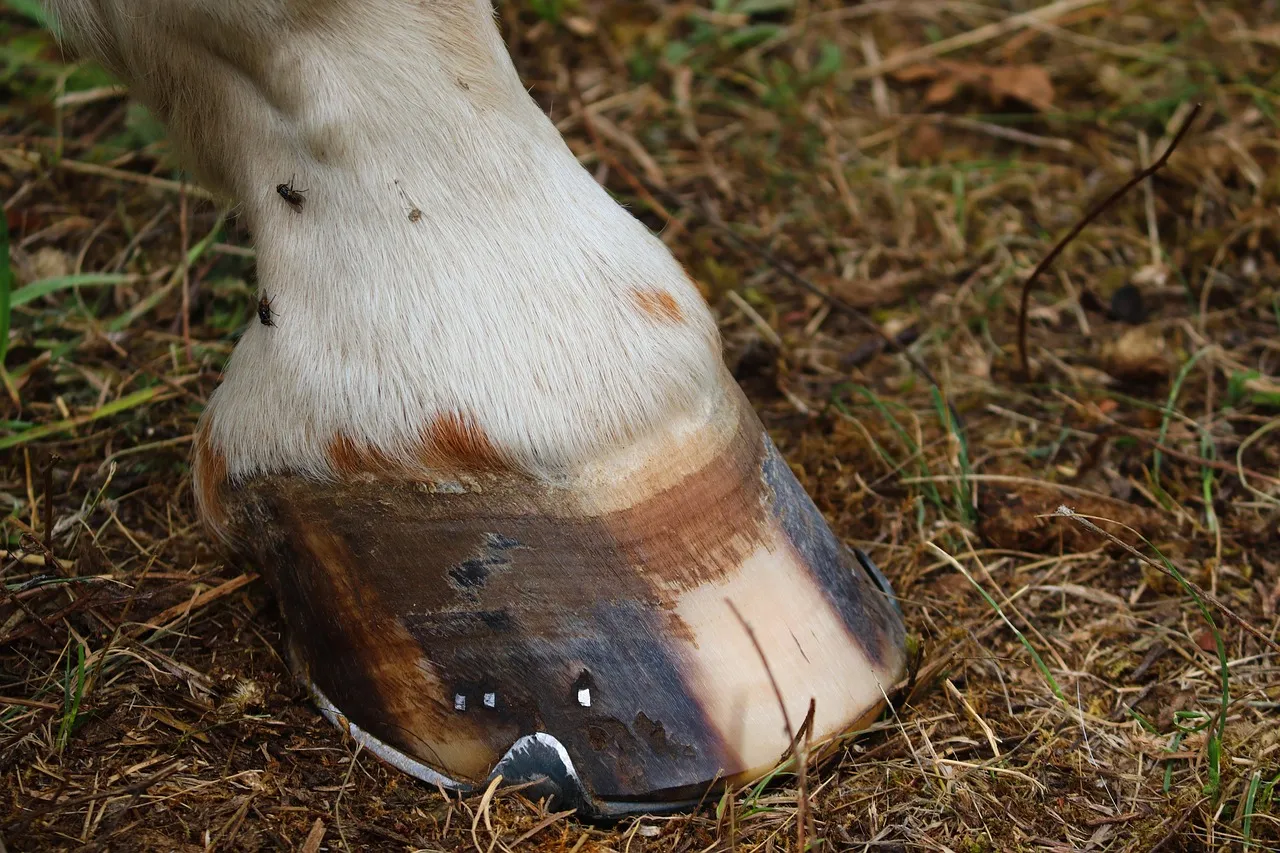
Older horses often move less, whether from stiffness, herd dynamics, or just habit. Less movement means less natural stimulation of the frog. Farriers notice when the frog that used to be broad, thick, and rubbery becomes narrower, more ragged, or starts harboring little pockets of thrush that never fully clear. To an owner glancing at the bottom of the foot once in a while, it may not look like a big deal.
But a healthy frog is a major part of circulation and shock absorption. When it starts to atrophy, the horse loses another piece of its natural suspension system. The farrier might sound like they are obsessing over “just a bit of frog,” when in reality they are watching one more structure give ground to age and inactivity. Supporting frog health with movement, trimming, footing, and hygiene becomes a big deal long before it looks dramatic.
8. More Flaring And Chipping As The Hoof Wall Quality Changes
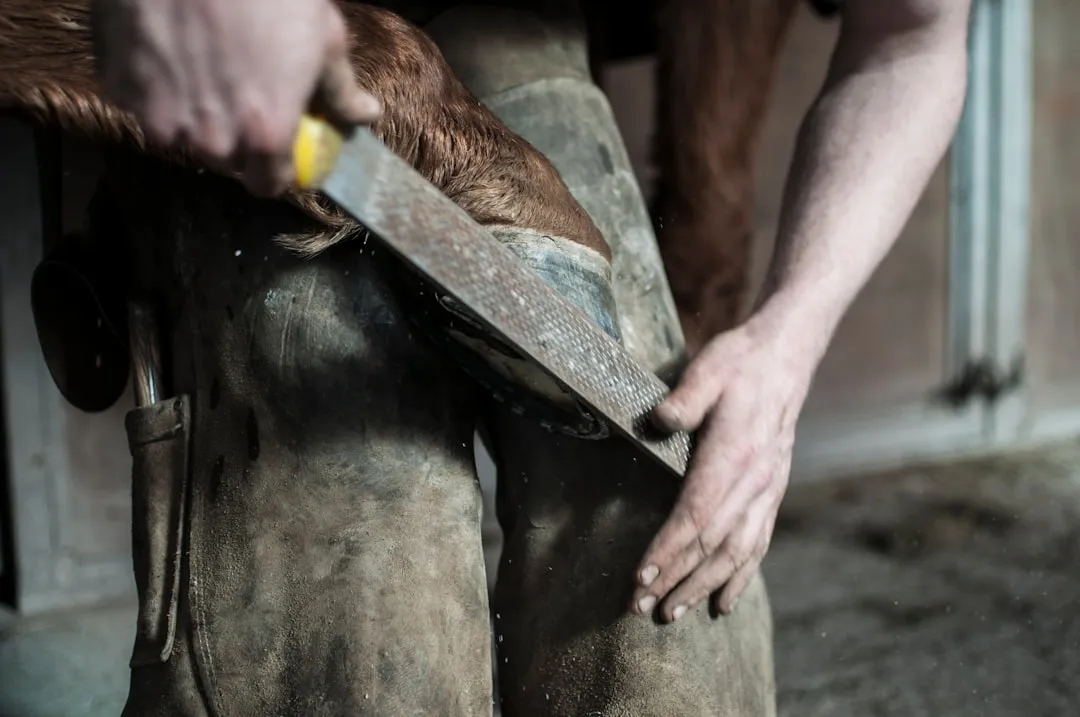
Farriers feel the wall as they rasp; they know instantly when it is harder, weaker, more brittle, or more shelly than it used to be. As horses age, nutrition changes, hormone levels shift, and gut efficiency can drop. All of that can show up in the hoof wall, leading to more flares, little cracks, and chipping, especially if the trim cycle stretches a bit too far between visits.
Owners might see these chips and flares as purely cosmetic, or blame the weather. But to a farrier, it can signal that the horse is not making the same robust hoof it once did. That might mean a diet review, more frequent, lighter trims, or even rethinking whether the horse can realistically stay barefoot in the same workload and footing it has had for years. Ignoring that gradual wall decline is like ignoring peeling paint on a wooden house – the structure underneath eventually pays the price.
9. The Front Feet Slowly Becoming More “Boxy” Or Upright
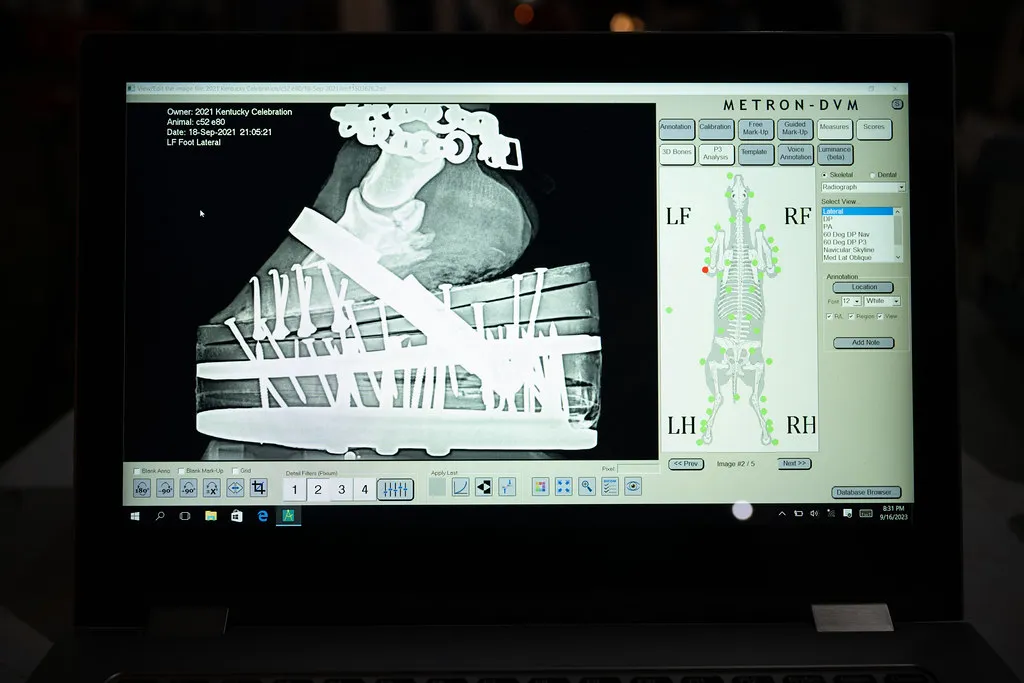
Ageing horses sometimes shift into more upright front feet as they unconsciously try to unload tender tendons, navicular areas, or sore heels. Farriers see that hoof angle creeping steeper over time, especially in one foot more than the other. To owners, it can look like an individual quirk: “Oh, that’s just his clubby foot.” In reality, it is often an evolving response to discomfort, not just a static trait.
When a foot gets boxier, the breakover changes, stride length can shorten, and the horse may trip more or feel “stabby” on that limb. A farrier who flags this early gives you precious time to dig for causes with your vet – radiographs, nerve blocks, or a deeper look at shoeing options. Pretending it is just cosmetic delays help until that foot is so set in its pattern that reversing it becomes a much bigger fight.
10. Low‑Grade Laminitic Changes That Look Like “Just Getting Old”
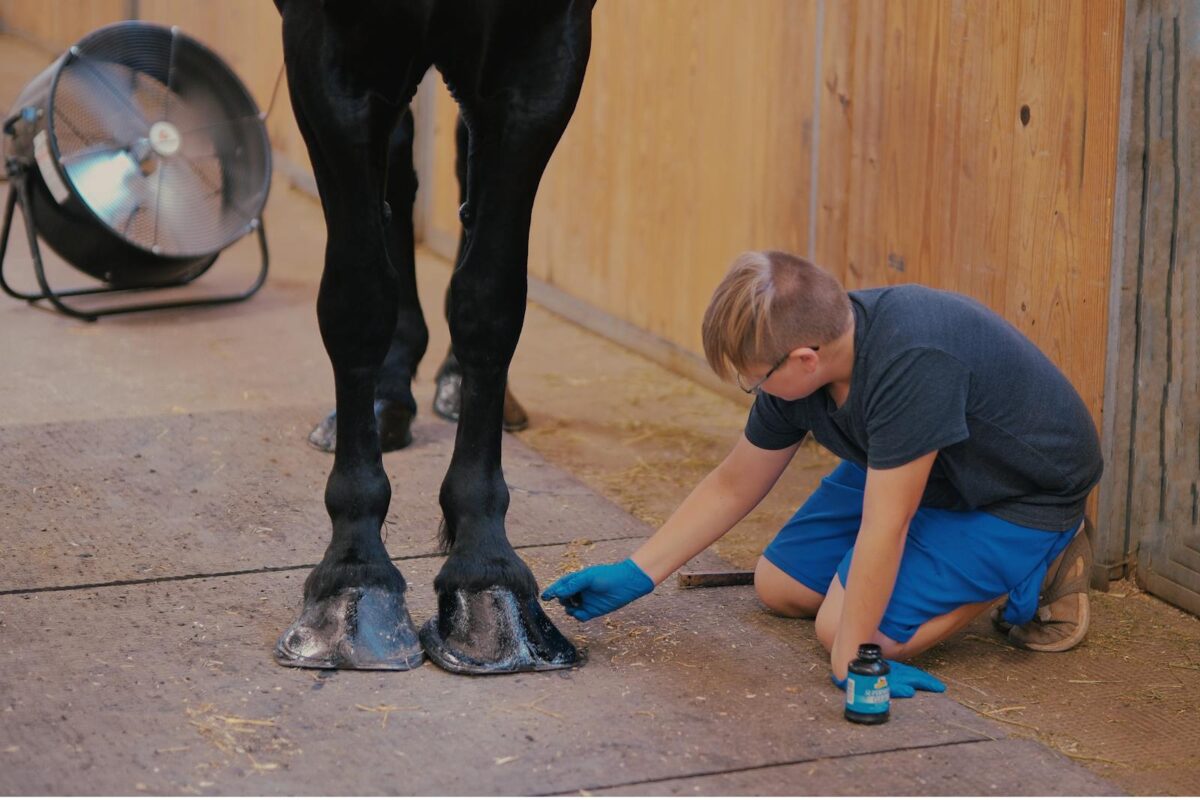
One of the most misunderstood things farriers see in older horses is the slow, creeping evidence of repeated mild laminitic episodes. It may never look like a full‑blown crisis with lying down and obvious pulses. Instead, the horse just seems “shorter,” prefers soft ground, or has days when it is a bit sore after lush grass, a diet change, or stress. The hoof tells the story with slightly dropped soles, a stretched white line, and distorted growth rings.
Owners often write this off as the horse simply ageing or having “bad feet.” Farriers know that many senior horses are living in a grey zone of chronic, low‑grade laminitis that never gets properly recognized or aggressively managed. That might sound dramatic, but it is honest. Listening when your farrier says, “This looks a little laminitic,” and taking it seriously can be the difference between a horse that stays comfortable into its late twenties and one that spirals downhill far too fast.
11. A Growing Reluctance To Turn Tight Or Back Up While Being Worked On
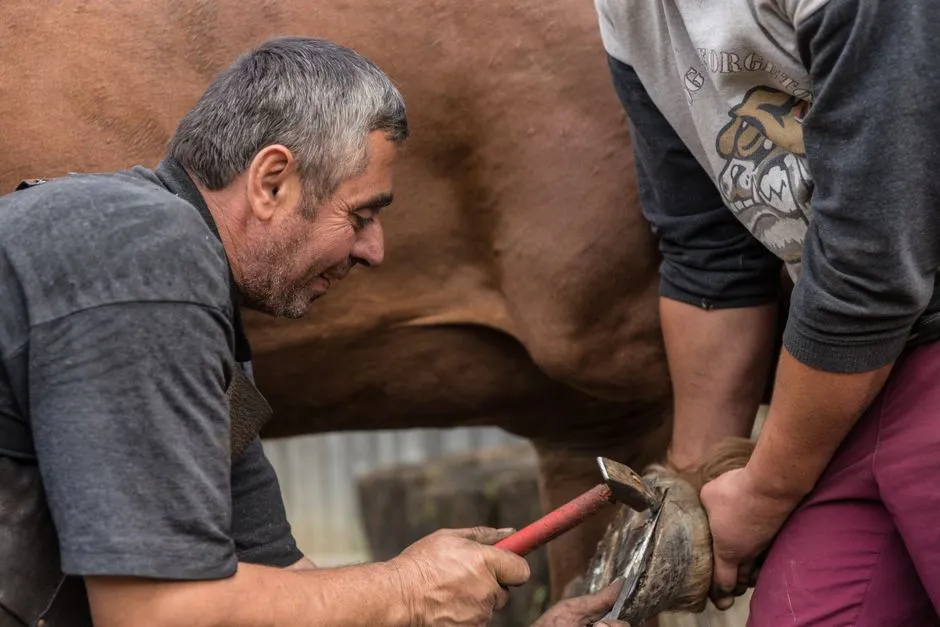
Watch an older horse walk forward in a straight line and it may look just fine. Ask it to pivot in a narrow space, step sideways, or back up while the farrier shifts position, and suddenly you see the stiffness creep in. Farriers pick up on this because they constantly have to move horses around in small arcs while holding onto one leg. They see which horses start to dread those small maneuvers first.
This reluctance often shows early hock or stifle arthritis, sacroiliac discomfort, or a tight, sore back. Owners might never ask their horse to do those same small, awkward moves, so they do not realize how much harder they have become. When your farrier says, “He’s having trouble spinning around here,” that is not a complaint – it is a welfare signal. A little pain relief, a different handling setup, or some thoughtful exercises can make life much easier for that senior body.
12. “Old Injuries” That Quietly Start To Show Up Again In The Feet
Many older horses have a history: that suspensory strain from ten years ago, the tendon tweak from a bad step, the hoof abscess that was “just a one‑off.” Farriers are the ones who start to see those old ghosts return as the horse’s compensatory abilities fade with age. The limb that used to carry its secret history just fine now grows a bit more heel, a slightly different wall texture, or a recurring pattern of bruising.
Owners often say, “But that injury healed ages ago.” On paper, maybe it did; in the body, scar tissue, subtle asymmetry, and old weakness remain. As weight shifts with age, as muscle is lost, those old weak links are exposed again. Farriers see this in the way that hoof responds to load and growth. That observation is less about doom and more about realistic planning: how to support that leg before it becomes a crisis spot again.
13. Hoof‑Pick Sensitivity And Tiny Flinches Around The Coronary Band
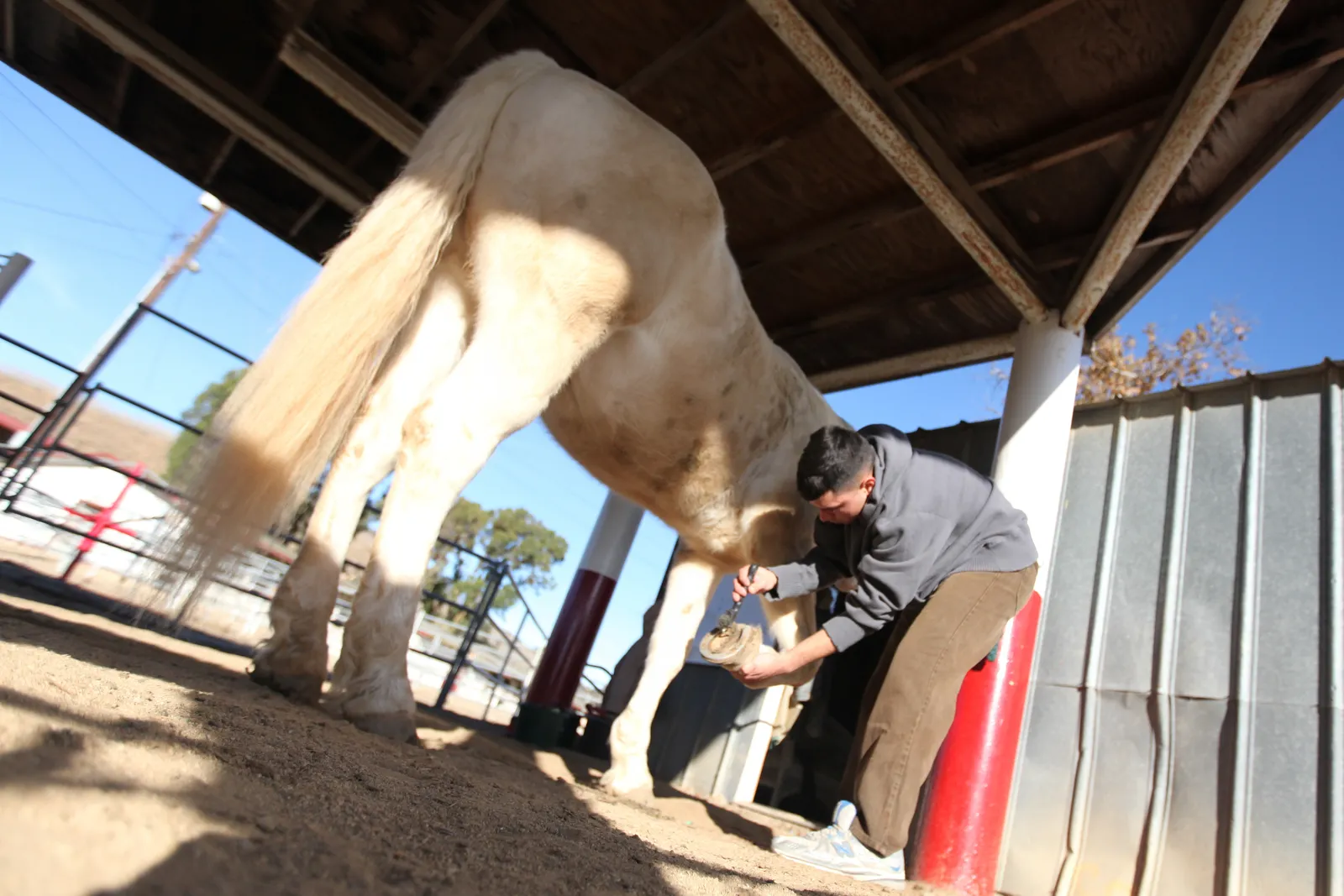
A farrier’s hands spend a lot of time cleaning feet before they ever trim or shoe. They notice when a horse that once tolerated vigorous picking now jerks a foot at the slightest pressure in certain spots, or when running a thumb around the coronary band earns a little flinch. These micro‑reactions often precede obvious lameness or swelling that an owner might finally see weeks or months later.
In older horses, that sensitivity might hint at low‑grade inflammation, abscess brewing, arthritis changing how weight lands, or just a loss of tolerance for discomfort. The horse’s pain threshold can shift with age, and what it used to tolerate it no longer will. Taking those small protests seriously, instead of labeling the horse as fussy, is one of the kindest things an owner can do as a partner in that horse’s late‑life care team.
14. Slow Changes In Hoof Balance That Mirror A Crooked, Ageing Body
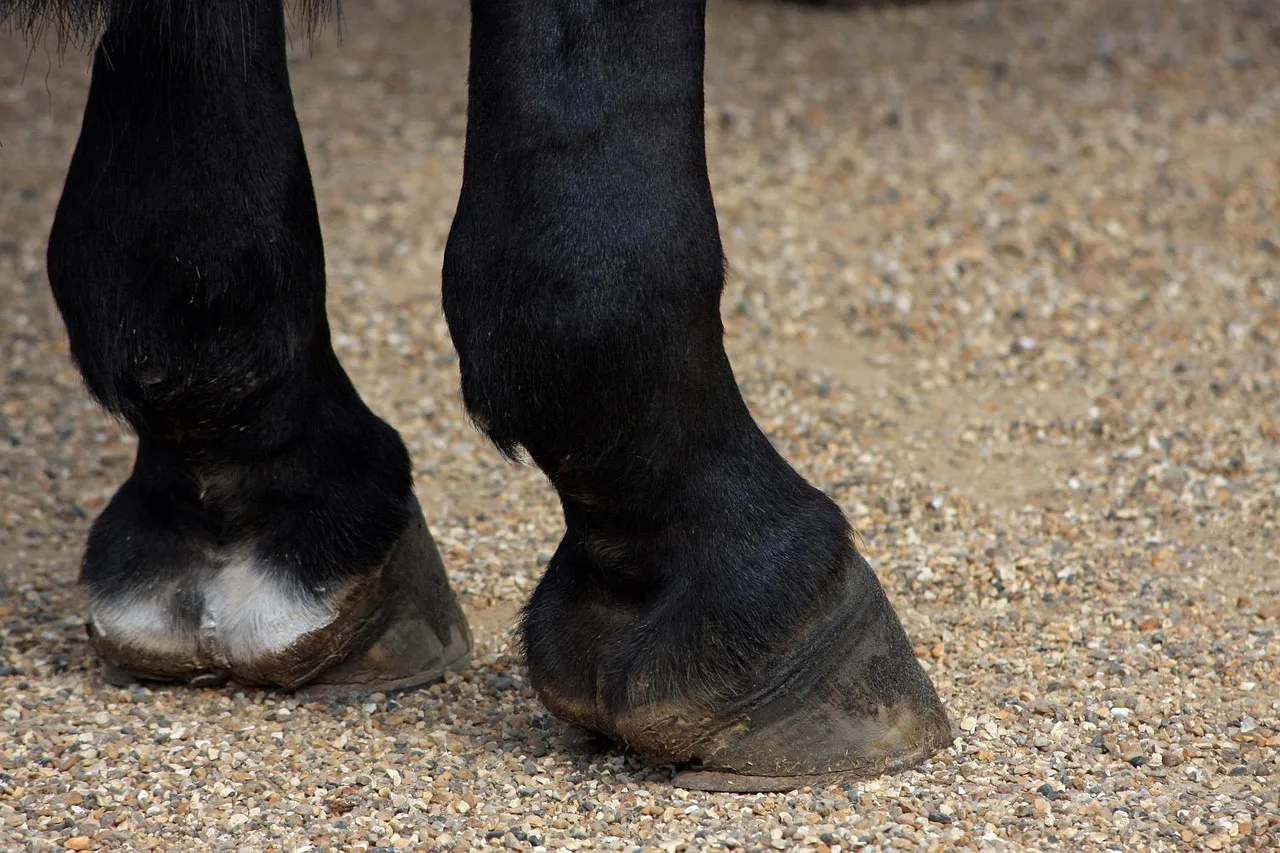
Very few horses age perfectly symmetrical. One shoulder drops a bit, one hip becomes harder to engage, and the spine might curve more one way. Farriers see all of that reflected in hoof balance. One side wall starts taking more load, one heel grows faster, or the hoof tries to twist under the limb. To an untrained eye, those differences seem tiny; to someone who trims all day, they stand out loudly.
The temptation is to keep forcing the hoof back into textbook symmetry every visit. A thoughtful farrier, though, will balance the desire for ideal shape against respect for the horse’s actual ageing posture. They may leave a bit more support on one side or change how they dress the toe to match how the limb truly travels. When an owner trusts that nuanced approach instead of demanding identical feet, the horse has a better chance of staying comfortable in its own crooked, older skin.
15. The Horse’s Emotional Tolerance For The Visit Quietly Shrinking
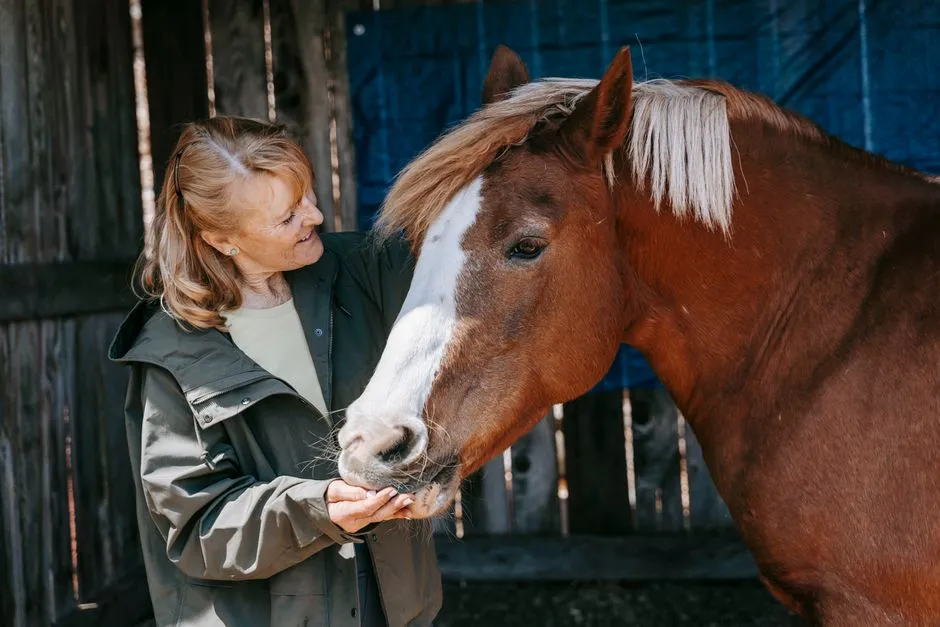
Ageing is not just physical; it is emotional. Farriers often see that an older horse who used to be easygoing about the whole process becomes more anxious, more tired, or less tolerant of long sessions on concrete or in a busy aisle. They are close enough to feel the horse’s breathing change, the tension in the muscles, the way the eye softens or hardens as the visit goes on.
Owners sometimes miss this because they are doing chores, chatting, or not standing in quite the same intimate bubble as the farrier. When the farrier says, “He’s had enough for today,” or suggests shorter, more frequent visits or a quieter place to work, that is not them being precious – it is them advocating for a senior citizen who is overwhelmed. Ignoring the emotional side of ageing often turns foot care into a battle when it could stay a quiet partnership.
16. Season‑To‑Season Shifts In Hoof Quality That Reveal Age‑Related Metabolism Changes
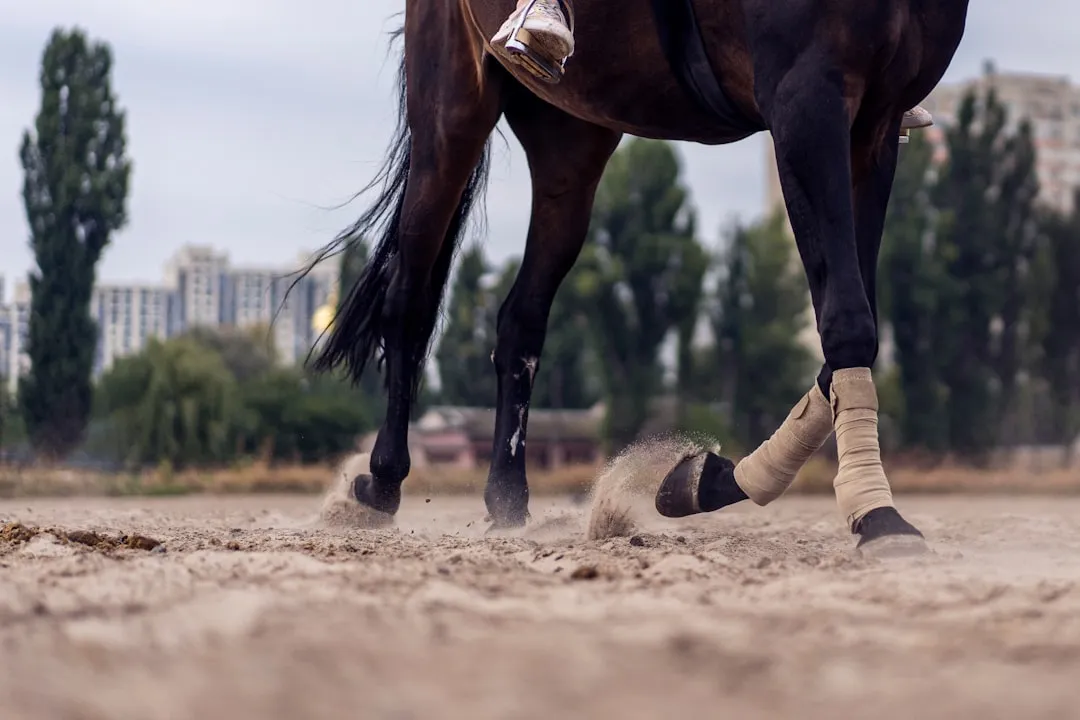
Farriers have the advantage of seeing the same horse through winter, spring, summer, and fall, year after year. They notice when, as a horse ages, the hooves get softer and more thrushy every wet season, or more brittle and cracked every dry spell than they used to. Those amplified reactions to normal weather changes often reflect an older metabolism that is less stable, a gut that is less efficient, or a hormone system that is starting to wobble.
Owners might just blame “this awful mud year” or “this dry summer,” but the farrier thinks, “Other horses in the barn coped; this one did not like it the way he used to.” That is a clue to check diet, add or adjust supplements, talk to a vet about endocrine testing, or change the management environment for that horse in particular. Ageing rarely screams; it usually just amplifies the stresses that were always there in the background.
17. The Gradual Loss Of Cushion In The Digital Cushion And Back Of The Foot
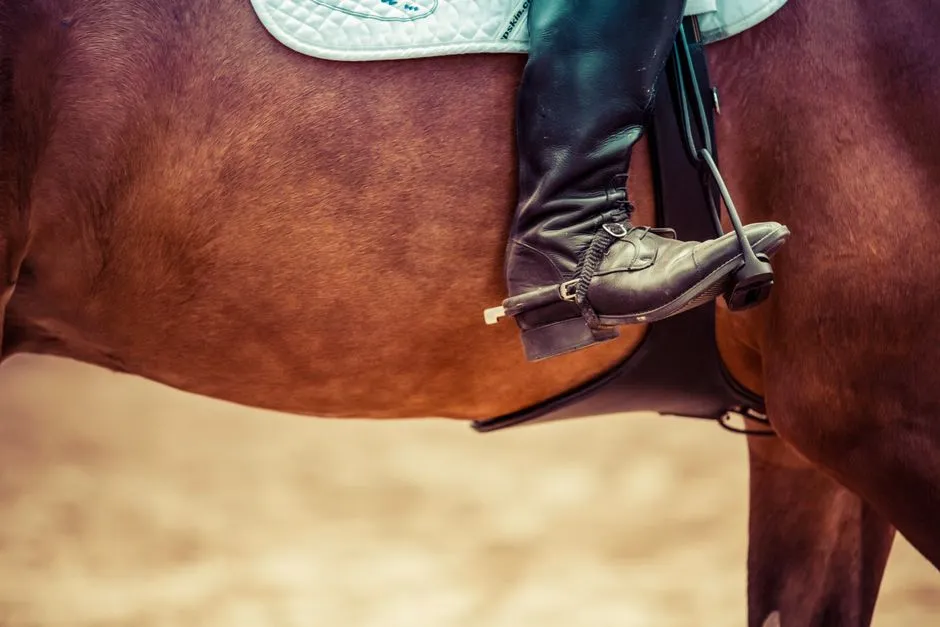
Pick up enough hooves and you learn to feel the difference between a plump, springy digital cushion and one that feels a bit flatter and less substantial. In older horses, especially those that have not moved a lot on varied terrain through their lives, the back of the foot can slowly lose some of that muscular, fatty support. To an owner, the hoof may look about the same; to the farrier’s fingers, it feels like an old mattress that has started to pack down.
This loss of internal padding makes every step a little harsher, every misstep slightly riskier. It is one of the reasons some older horses seem more sensitive on hard ground even if their x‑rays look acceptable. A farrier noticing this might suggest boots and pads for certain rides, a different shoeing approach, or even more deliberate in‑hand walking on forgiving surfaces to stimulate what is left. It is not about pretending we can turn back the clock; it is about being honest about what the clock has done.
18. The Moment When “Managing” Becomes “Prolonging” And Nobody Wants To Say It
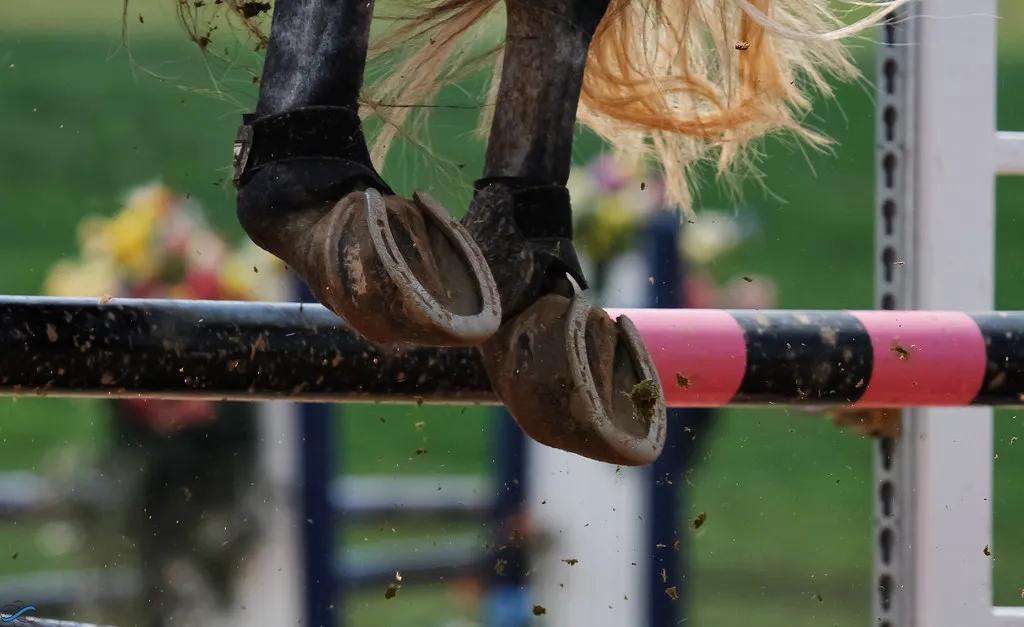
Farriers are often the first to feel when every small adjustment is only buying a little more time, not really restoring comfort. They feel the horse lean more heavily, gasp a little when a joint is flexed, or tremble while a leg is held. They see the feet telling a story of chronic compensation: flares that return fast, heels that will not stay upright, soles that refuse to thicken. These are painful things to witness when you have known a horse for a decade or more.
Owners understandably cling to habits – same shoes, same schedule, same routines – because changing them feels like admitting the horse is truly old. A good farrier, though, will quietly start asking harder questions: Is this horse still enjoying its life? Are we shoeing to keep it moving comfortably, or just because we always have? When your farrier, who has literally held your horse’s weight in their hands for years, gently hints that it might be time to rethink the plan, that opinion deserves deep, honest consideration.
Conclusion: Listening To The Person Under The Horse
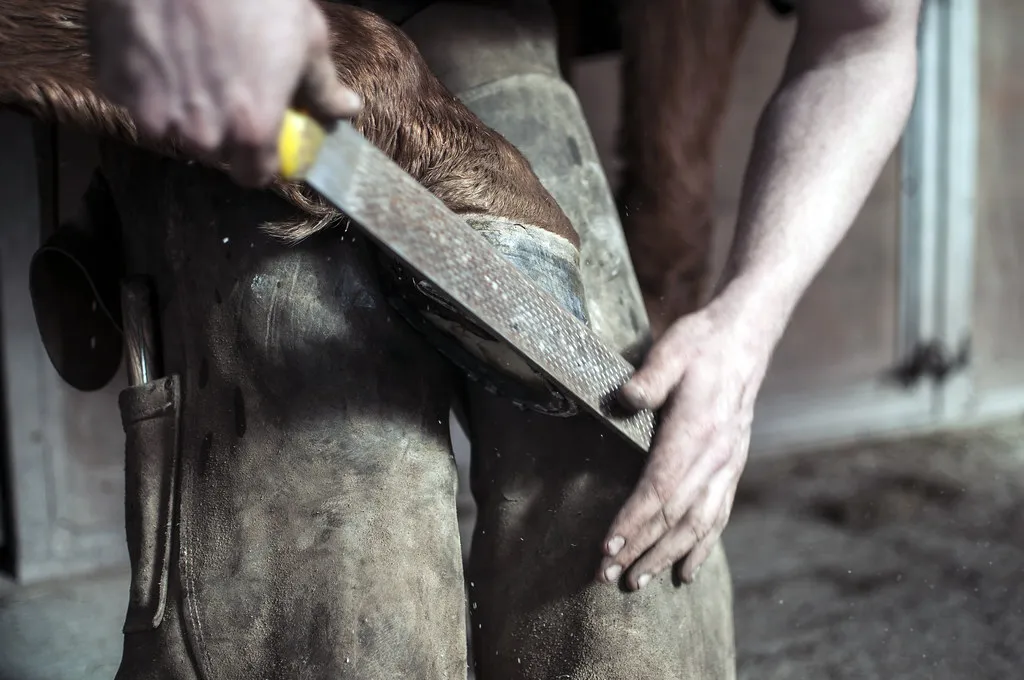
If there is one blunt truth I have learned watching farriers work, it is this: ageing almost always appears in the hooves long before it shows up in your favorite photos. Grey hairs and a dipped back are the last chapters, not the first. The person underneath your horse, rasp in hand and sweat on their back, often sees the earliest paragraphs of that story and has to decide whether to speak up or keep the peace.
Trusting your farrier’s ageing‑related observations is not about giving them the final say over your horse’s fate, but it is about respecting the unique vantage point they hold. When they notice that tiny heel collapse, the new reluctance to hold a leg, or the slowly changing growth rings, they are handing you a chance to act before “old age” becomes an excuse for preventable suffering. In the end, the best senior‑horse care happens when owners, farriers, and vets stop defending what used to be true and start responding to what the hooves are saying right now. Next time your farrier quietly flags a concern, will you brush it off – or will you ask the harder, better question: what is my horse’s body trying to tell us today?
