
Close your eyes and picture the backyard you grew up in. Sparrows squabbling in the hedge. Swallows slicing low over the lawn at dusk. A thrush singing the same phrase twice like it wanted to make sure you heard it. Now open your eyes and look at your yard today. Something is missing, and it isn’t your imagination.
Most people assume backyard birds are doing just fine because a few still show up at the feeder. But long-term bird counts, ringing records, and field surveys tell a much darker story hiding behind that false comfort. Some of the most “ordinary” birds in America have quietly collapsed within a single human lifetime, and once you see the pattern, you won’t be able to unsee the silence.
#1 – House Sparrow: The “Common” Bird That Isn’t Anymore
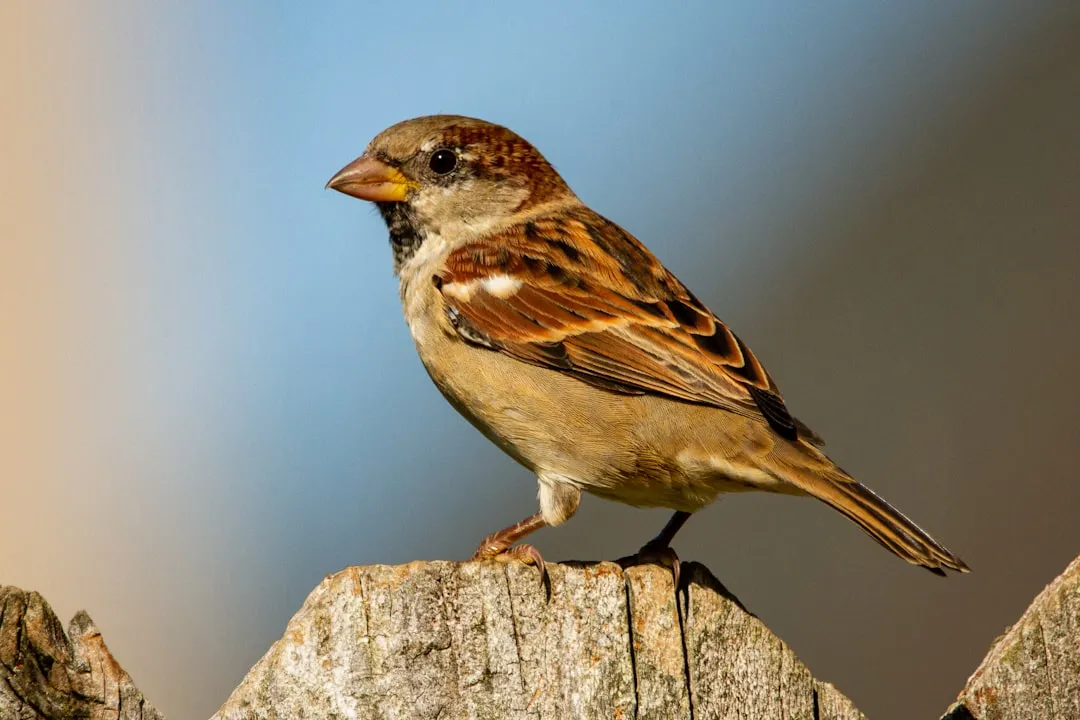
House sparrows used to be the background noise of everyday life, crowding gas station awnings and grocery store parking lots without anyone giving them a second glance. Now, in plenty of towns, anyone under 30 has never actually seen a flock of them mob a dropped french fry the way their parents did. Long-term monitoring shows house sparrow numbers have fallen hard in many cities and suburbs, especially where manicured lawns replaced messy, insect-rich gardens.
The cruel irony is that people still dismiss them as “too common” in places where they’ve already vanished. Sealed roofs took away their nesting holes, pesticides wiped out the bugs they need to feed chicks, and sterile ornamental shrubs offer nothing to eat. If you haven’t heard that familiar cheeping chorus in a while, that’s not nostalgia talking. That’s a real, measurable disappearance.
Fast Facts
- A landmark 2019 study published in Science estimated that North America has lost nearly 3 billion birds since 1970, roughly one in four.
- House sparrows nest almost exclusively in human structures, from roof eaves to streetlights, so sealed buildings hit them especially hard.
- A single sparrow pair can raise two to three broods a season, but only if there’s enough insect protein nearby to feed the chicks.
- Local sparrow crashes across many cities track closely with the loss of insect-rich gardens and untidy green space.
#2 – Barn Swallow: Aerial Acrobats Losing Their Skies
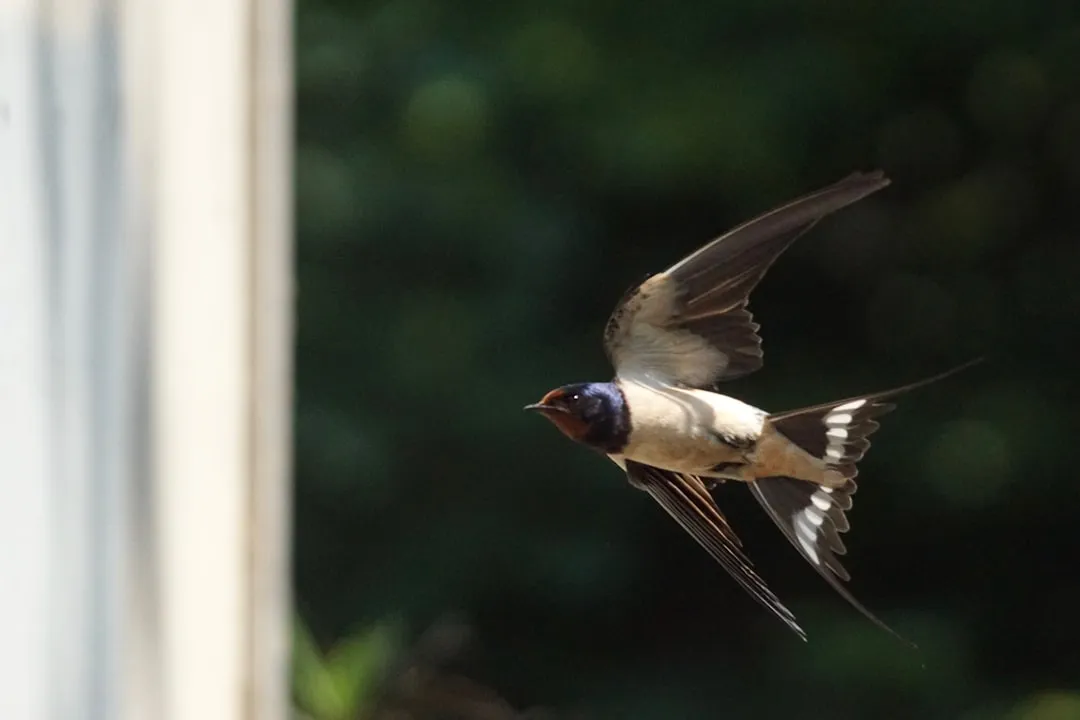
For older generations, summer evenings meant barn swallows carving the air overhead, hunting mosquitoes with that unmistakable scythe-winged flight. Now those aerial displays are shockingly rare in places that once hosted dozens of nests tucked under every barn eave and bridge. Insect declines are the smoking gun here: fewer flying bugs means fewer birds can raise a full brood of hungry chicks.
Modern barns don’t help either. Smooth steel replaced rough wooden rafters, and mud nests simply can’t stick anymore. Well-meaning homeowners hose down the few nests that do appear, worried about droppings, without realizing a single swallow pair can eat thousands of insects a day, free pest control we now quietly pay for with chemical sprays instead.
#3 – Common Starling: From Roaring Murmurations to Thin Scattered Flocks
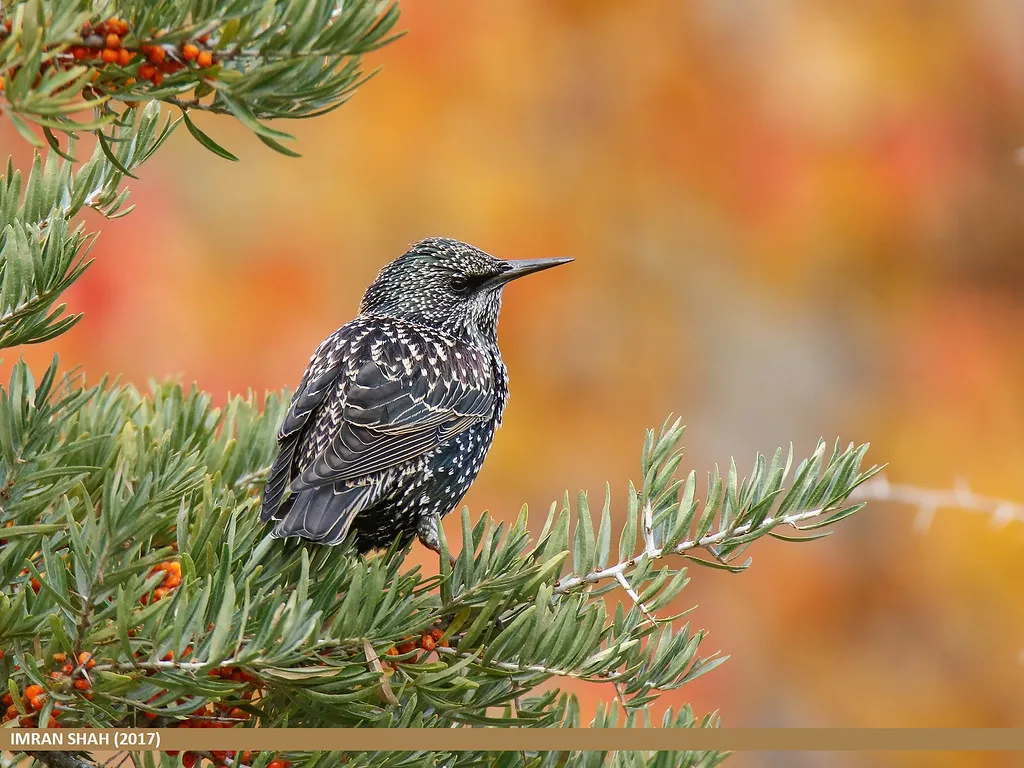
Yes, starlings are invasive and even overabundant in some farm belts, but pretending that means they’re thriving everywhere is lazy thinking. In plenty of suburban gardens and city centers, the noisy winter murmurations older folks remember have collapsed into small, scattered flocks that barely register. Real soil full of earthworms has been swapped for artificial turf, herbicide-soaked lawns, and gravel yards, and even a tough opportunist like the starling can’t survive on decoration.
Younger generations mostly know murmurations from viral drone footage, not from actually standing under one. Nest cavities in old trees and aging buildings get sealed, pruned away, or bulldozed before anyone notices the birds that depended on them. And here’s the uncomfortable part: if even a scrappy generalist like the starling is struggling in your neighborhood, the more sensitive species never stood a chance.
#4 – Song Thrush: The Snail-Busting Voice That Went Quiet
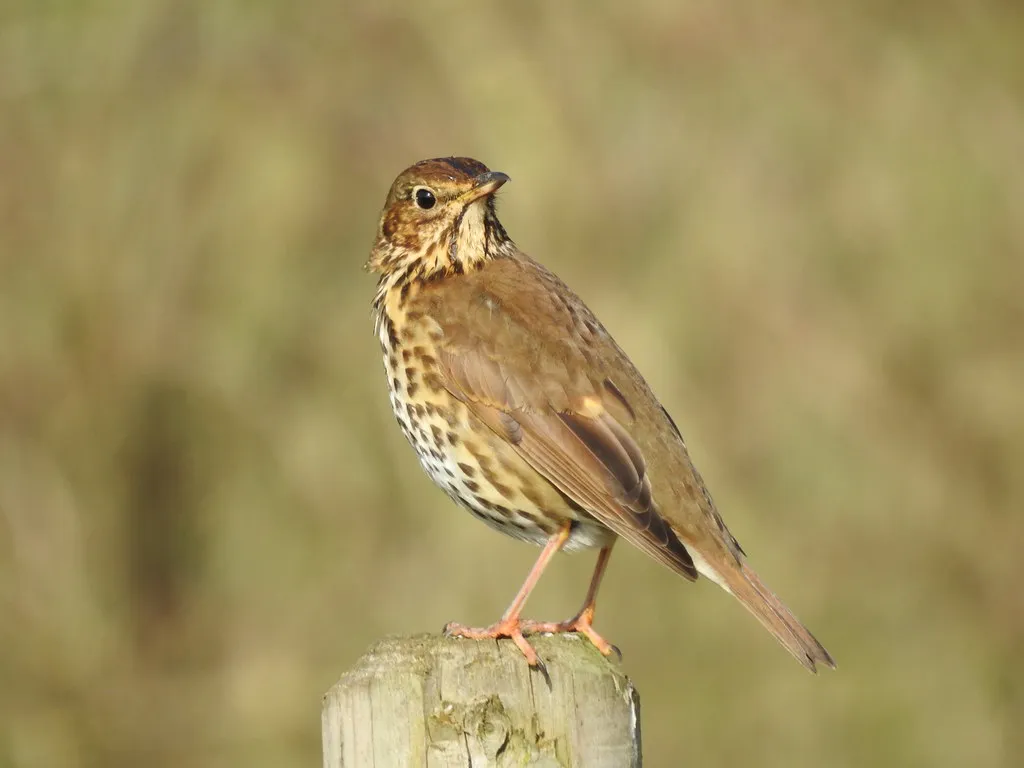
The song thrush used to define spring evenings, repeating its fluted phrases from hedge tops like it was proud of the encore. In garden-heavy neighborhoods now, that voice has nearly disappeared. The decline traces directly back to lost rough, damp corners rich in snails, worms, and leaf litter, the thrush’s entire pantry, raked and sprayed into nothing.
Plenty of people assume the birds are still around because they confuse thrushes with robins, but walk-through surveys tell a harsher truth: territories that held multiple singing pairs in the 1990s now sit completely empty. Gardeners who once relied on thrushes to control snails are now buying pellets instead, unknowingly making the comeback even harder.
On the mornings that had once throbbed with the dawn chorus of robins, catbirds, doves, jays, wrens, and scores of other bird voices there was now no sound; only silence lay over the fields and woods and marsh.
Rachel Carson, Silent Spring
#5 – Chimney Swifts: The Vanishing Arrows Over Rooflines
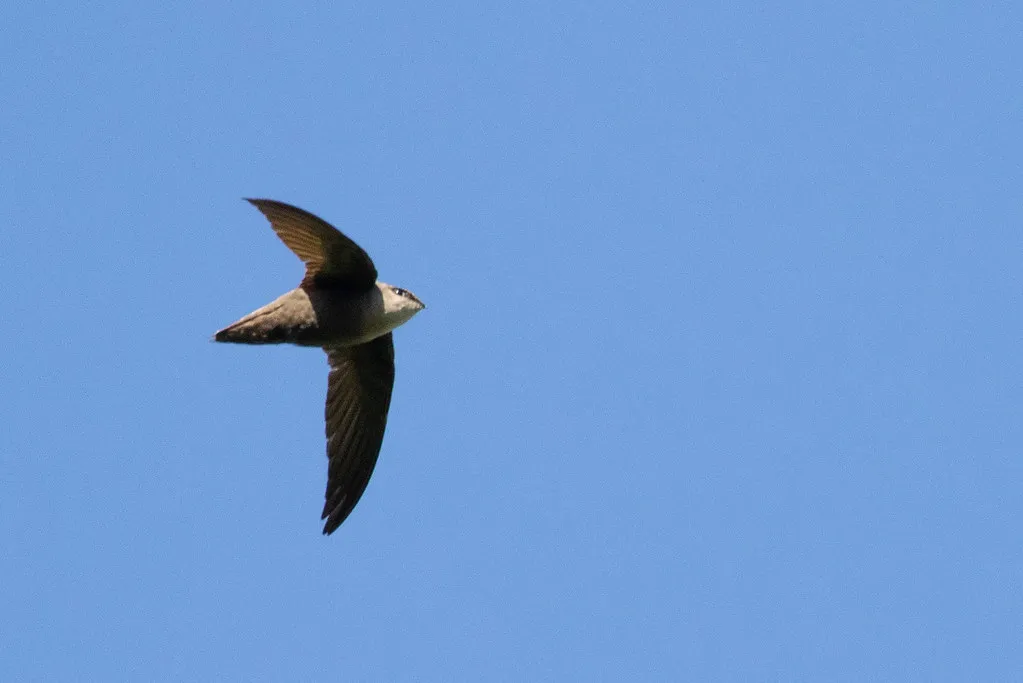
Those screaming, boomerang-shaped birds that used to rip across the sky at dusk have thinned out alarmingly in many towns. Swifts historically nested in hollow trees, then adapted to brick chimneys and open flues, but modern building codes, smooth metal liners, and capped chimneys have erased that option in barely a generation. Ask anyone over 60 how deafening swifts once sounded on a summer evening, then compare it to the eerie quiet your kids grow up with.
Swifts are hardcore insectivores, feeding entirely on tiny flying insects high in the air. As intensive farming and insecticides hollow out that invisible food web, fewer swifts survive even where nest sites still exist. Homeowners sealing every crevice “to keep nature out” are, without realizing it, shutting down one of the most spectacular free shows the sky ever offered.
#6 – Eastern Meadowlark: Suburbia’s Lost Meadow Song
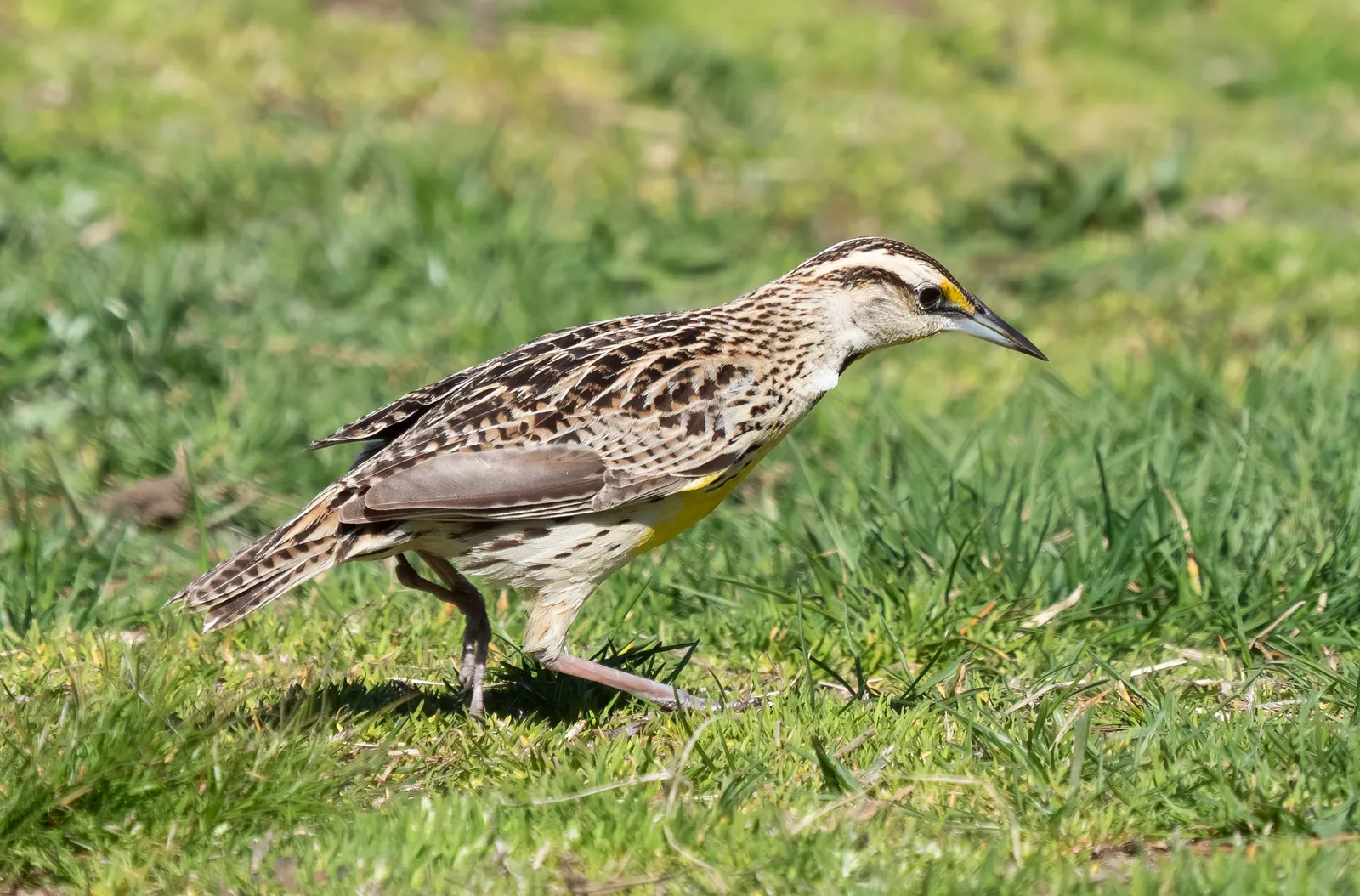
The edges of old subdivisions used to be stitched together with weedy lots and overgrown hay fields, exactly the kind of messy ground meadowlarks and bobolinks needed to nest. Within a generation, those ragged edges got paved, mowed flat, or converted into sterile turf, and the meadowlark’s bright, whistled song vanished with them. This isn’t just a decline. For a lot of kids today, it’s an introduction to a bird that never gets to happen.
Developers call an empty lot “unused,” but for a grassland bird, that lot was prime real estate. By the time the last scrubby field turns into a storage facility or a strip mall, the birds are already long gone, and hanging a feeder in your yard won’t bring them back. Garden bird lists that once casually included meadowlarks now skip them entirely, as if they were always rare.
#7 – Tree Sparrow and True Farmland Sparrows: The Hedgerows Are Gone
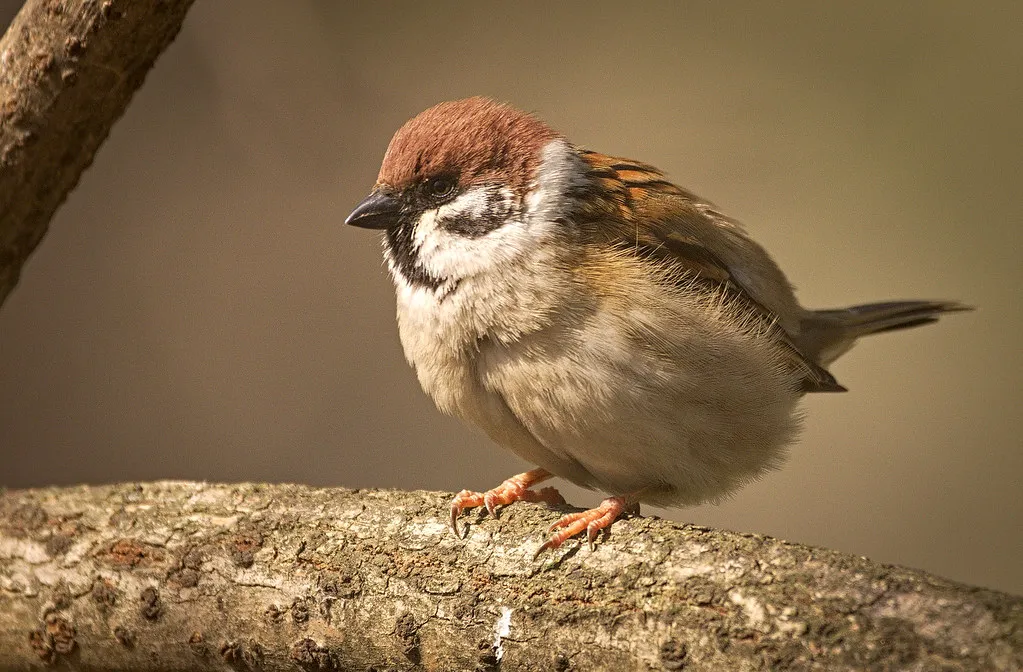
True farmland sparrows used to spill out of hedgerows into the very back edges of gardens, hopping along fence lines like they owned the place. Their decline has been brutal wherever hedges, weedy fencerows, and mixed small farms vanished almost overnight, replaced by giant monoculture fields or tightly packed housing. People who grew up in the 1970s remember clouds of “little brown jobs” along country lanes; their grandkids struggle to spot a handful on the same walk.
These birds depend on winter stubble fields and thick shrub belts, the exact messy edges that got bulldozed, shredded, or sprayed within a single generation. Ironically, birdwatchers now drive out to distant nature reserves just to glimpse species that used to casually hop under their grandparents’ clothesline.
Worth Knowing
- Hedgerows once acted as a combination pantry, nursery, and travel corridor for dozens of small bird species at once.
- Large stretches of traditional hedgerow disappeared across farm country as small mixed farms merged into single, larger fields.
- Farmland sparrows depend on weedy winter stubble for seed; fields left bare and plowed through winter offer nothing to eat.
- Even a single narrow, unsprayed hedge line left standing can support several nesting pairs across a season.
#8 – Horned Lark: The Bird That Needed Bare, Unfinished Ground
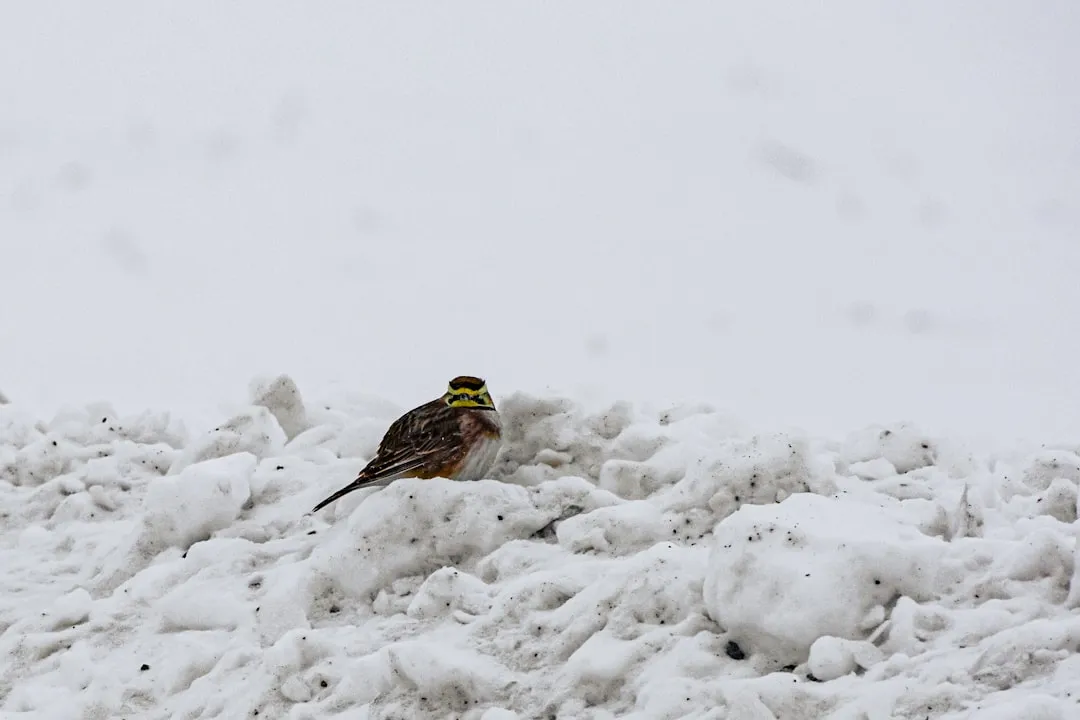
Horned larks and other open-ground specialists used to show up on the raw edges of new housing developments and construction sites, anywhere there was bare soil and scattered stones. Today those transitional in-between zones barely exist. Scraped dirt goes straight to instant landscaping or asphalt, with no half-wild period where a ground-nesting bird could move in and raise a family.
These species also can’t handle heavy disturbance during nesting season, and modern construction runs on tight schedules with big machines, flipping a quiet lot in months instead of years. Most people never even noticed horned larks in the first place because they blend so well into bare ground, but older birders remember exactly how many of those quiet, invisible songs have gone silent.
#9 – Northern Bobwhite: The Vanished Backyard Whistle
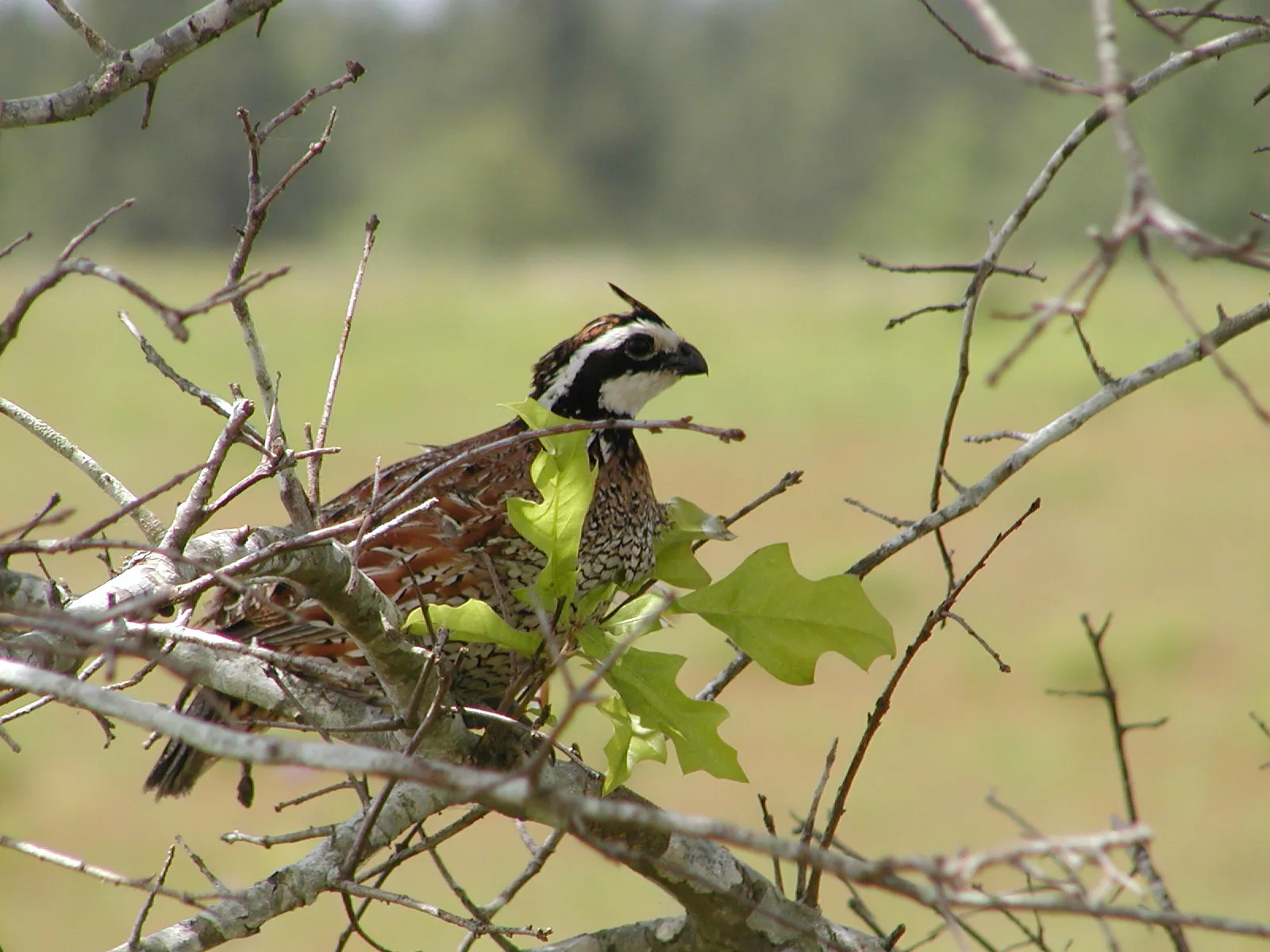
Across huge parts of North America, the clear whistled “bob-WHITE!” used to float right into backyards bordering fields and thickets, a sound kids mimicked without even thinking about it. Within a generation, that call has nearly disappeared from entire neighborhoods. Bobwhite quail collapse when brushy field edges get bulldozed and small farms give way to sprawling monoculture or subdivisions, because they need low cover, seeds, and bugs that manicured lawns simply don’t provide.
Old-timers talk about flushing whole coveys just walking to their mailbox. Their grandkids might never see a wild quail outside a game farm enclosure. Most homeowners assume quail are strictly “a rural thing,” forgetting that wider roads, tidier fence lines, and outdoor cats pushed them out within their own lifetime, not some distant era.
At a Glance
- Bobwhite quail live in tight family groups called coveys, often numbering ten to fifteen birds huddled together overnight.
- Their name comes directly from the male’s clear, two-note whistle, one of the most recognizable calls in the countryside.
- Bobwhites rarely fly far, preferring to run and hide in thick brush rather than take to open air.
- Populations have fallen so sharply in parts of the eastern U.S. that several states now treat them as a species of conservation concern.
#10 – Rufous Hummingbird: Fewer Flickers at the Feeder
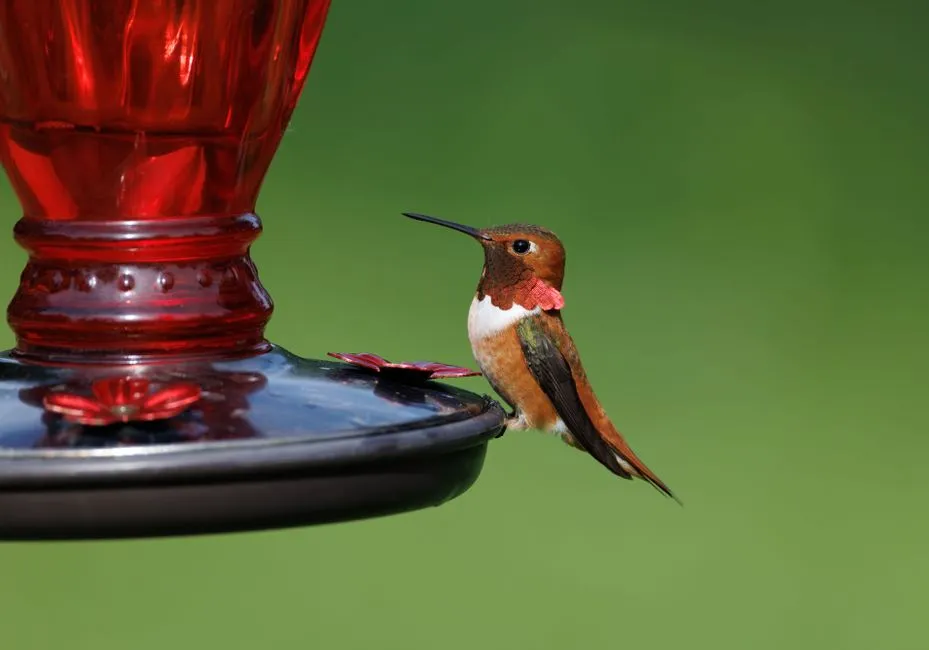
Hummingbirds still feel common because feeders are wildly popular, but talk to long-time banders and you’ll hear a different story about shifting species and shrinking numbers. Along migration routes, once-reliable visitors like the rufous hummingbird show subtle but real declines and range shifts. Gardens that used to shimmer with several birds jousting over blooms now often host just one dominant bird hogging the whole show.
Climate change scrambles bloom times, migration timing, and insect emergence all at once, and habitat loss on wintering grounds only adds to the pressure. Most people assume, “my feeder is busy, so everything must be fine,” without realizing one aggressive hummingbird can mask a much broader drop in overall diversity.
#11 – Eurasian Collared Dove: When Even the “Winners” Hit a Ceiling
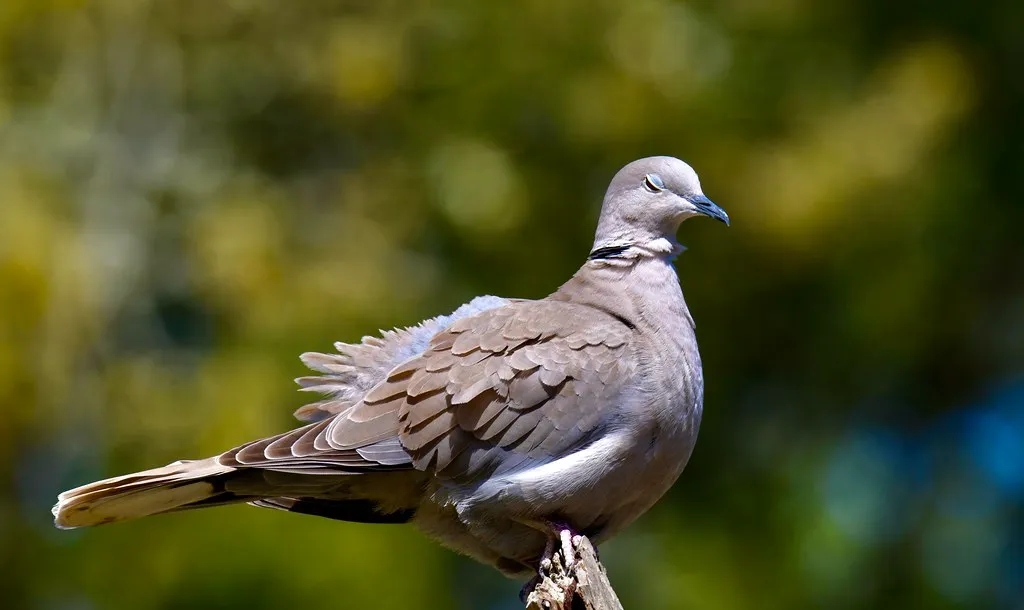
Here’s a twist nobody expects: some doves that exploded in numbers during the late 20th century, like the Eurasian collared dove, are already leveling off or dipping in heavily urbanized areas. They rode a wave of scattered grain and loosely developed suburbs, but as older neighborhoods densify and small plots disappear, even these adaptable “winner” species are hitting a wall. Fewer big trees, fewer safe ledges, and more reflective glass are quietly trimming their numbers too.
Most birders still assume these doves are everywhere, and in rural or exurban areas they often are. But step inside a brand-new high-density development and the bird life can feel eerily sparse. When even the toughest, most adaptable species start thinning out, that’s not a reason to relax. That’s the loudest warning sign of all.
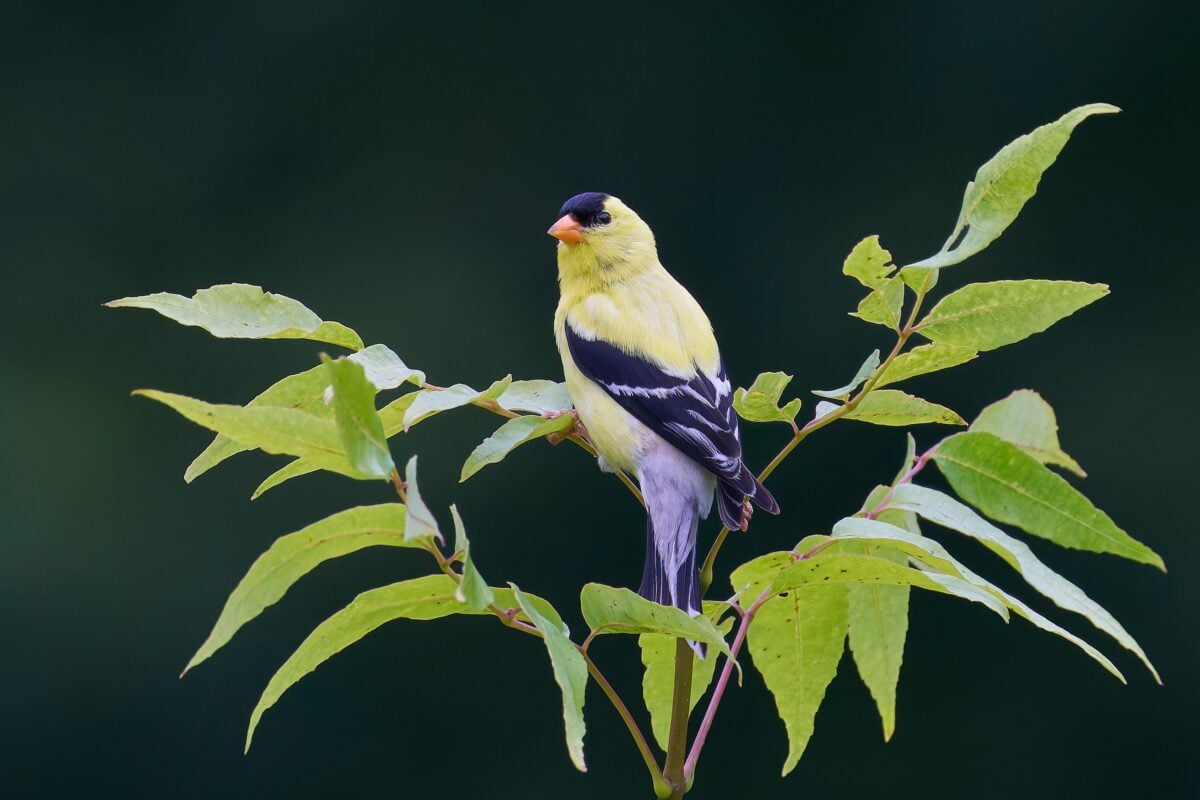
#12 – Goldfinches: Fewer Yellow Flashes at the Feeder
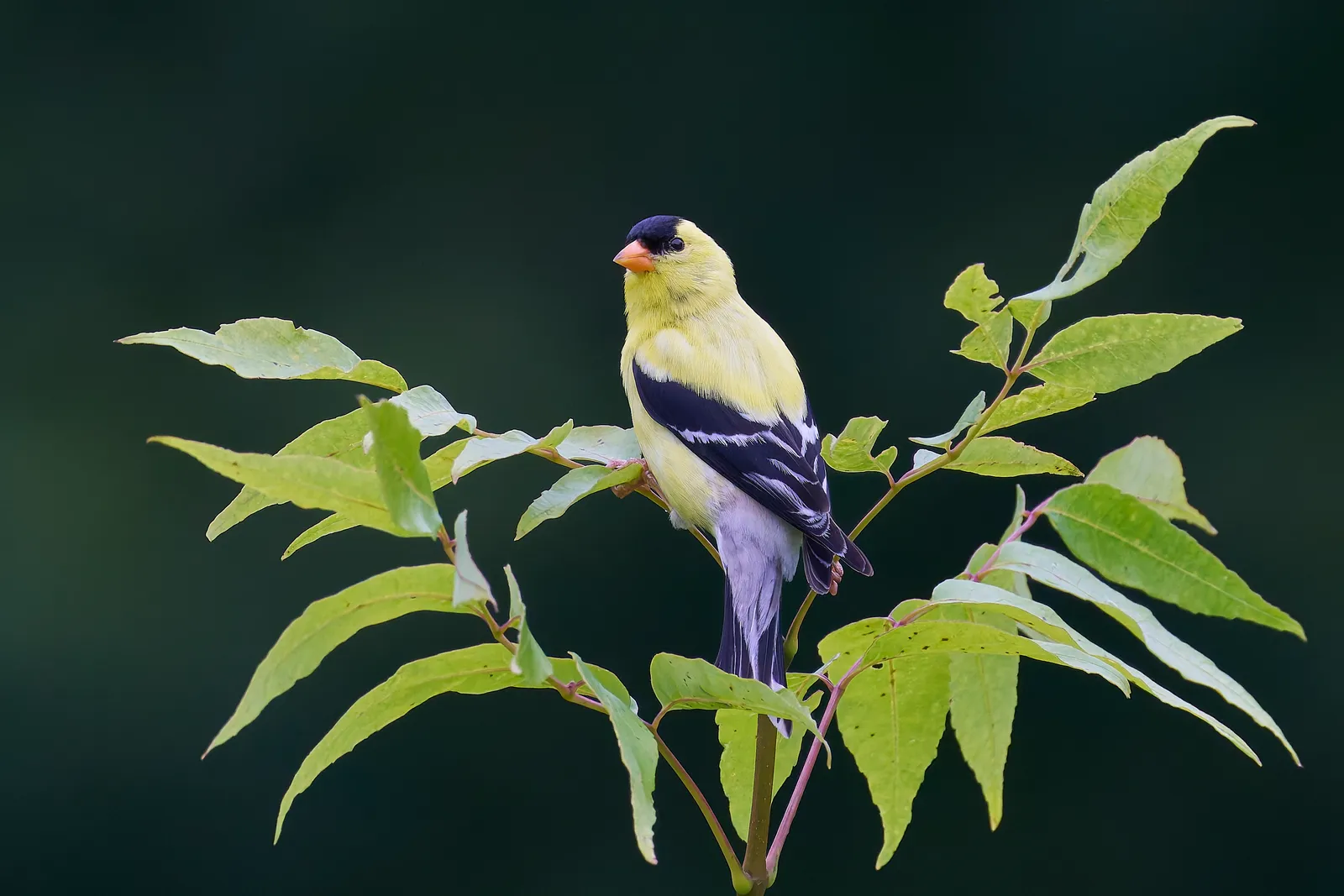
Goldfinches and other small seed-eaters are holding on better than the insect specialists on this list, but “better” doesn’t mean unaffected. Long-term data shows local dips wherever natural seed sources like thistles, coneflowers, and weedy patches get wiped out in favor of rock mulch and plastic landscaping. Your grandparents’ yard almost certainly had scruffy corners full of dandelions and self-sown sunflowers. Today, plenty of HOAs will fine you for letting the exact same plants exist.
Feeders help, but they’re not a magic fix. When entire neighborhoods coordinate weed spraying and aggressive fall cleanups, they strip away food and cover right when birds need it most. A feeder that used to host twenty birds might now draw eight, and without keeping records, it just quietly starts to feel normal.
Why It Stands Out
- American goldfinches are almost entirely vegetarian, feeding chicks regurgitated seeds instead of the insects most songbirds rely on.
- They’re one of the latest-nesting songbirds in North America, often waiting until mid-summer when thistle and milkweed go to seed.
- Goldfinches molt twice a year, trading dull olive winter feathers for the bright yellow breeding plumage backyard birders love.
- Because they need standing seed heads, not bare mulch, a single unmowed patch of native flowers can bring them right back.
#13 – The Ordinary Backyard Mix: The Ghost Flock You Don’t Notice Is Missing
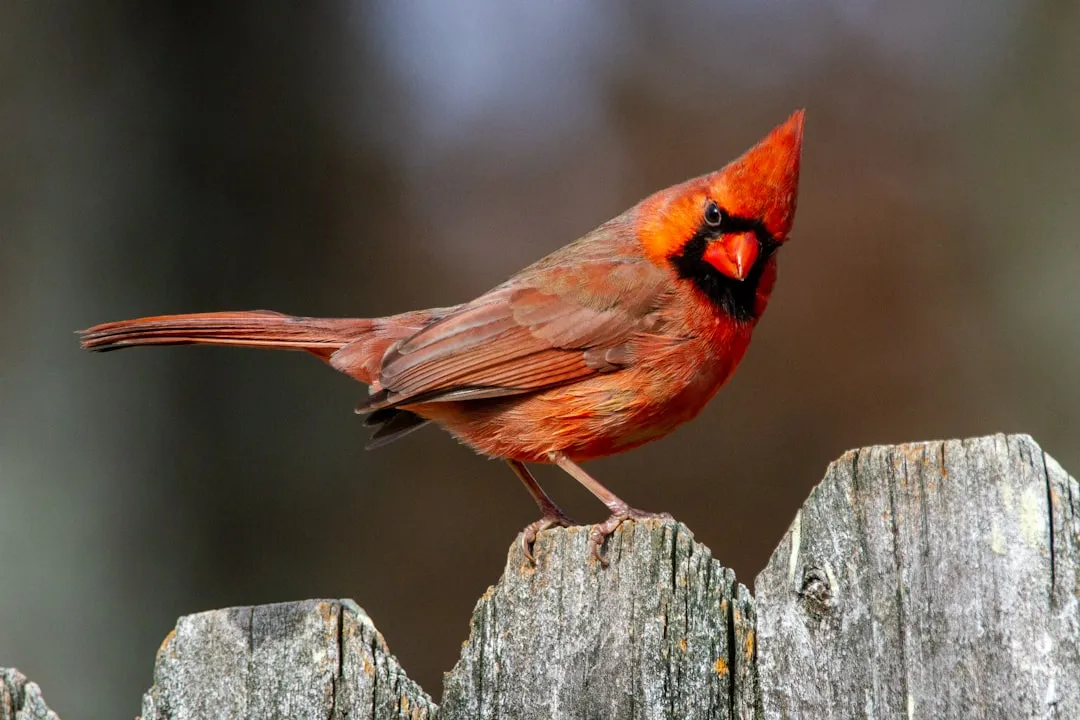
Here’s the uncomfortable truth underneath everything else on this list: it was never really about one or two species. It’s the entire mixed flock, chickadees, nuthatches, wrens, flycatchers, finches, and sparrows that used to mob winter feeders and hedges together in a noisy, overlapping crowd. In many built-up neighborhoods, the total number of individual birds has crashed even where a few hardy survivors linger on.
Bird ecologists call this “defaunation,” a hollowing out of abundance that’s easy to miss because the survivors mask the loss. Garden surveys from the 1980s often recorded two to three times more birds per count than similar routes do today. Most people only compare this year’s yard to last year’s, not to their own childhood, and that’s exactly how a whole generation sleepwalks through a collapse.
Within a single generation, birds that were never exotic or rare have slipped from background noise to nearly gone. House sparrows, barn swallows, song thrushes, bobwhite quail, chimney swifts, these were the soundtrack of ordinary life, not some far-off conservation cause. Their disappearance is really a verdict on how we redesigned our own yards: sterile lawns, hardscaping, pesticides, sealed buildings, and a strange obsession with tidiness over actual life.
The most uncomfortable part is that we did most of this without ever voting on it, then quietly agreed to call the emptier, quieter result “normal.” I don’t think that’s good enough. A backyard can still be a small refuge if we choose messier corners, native plants, fewer chemicals, and a little less glass on our windows. But pretending everything’s fine because you still see a handful of birds at the feeder isn’t optimism, it’s exactly how the rest of them slip away unnoticed. So which one on this list have you actually watched disappear from your own backyard, and which one is still hanging on against the odds where you live?
