
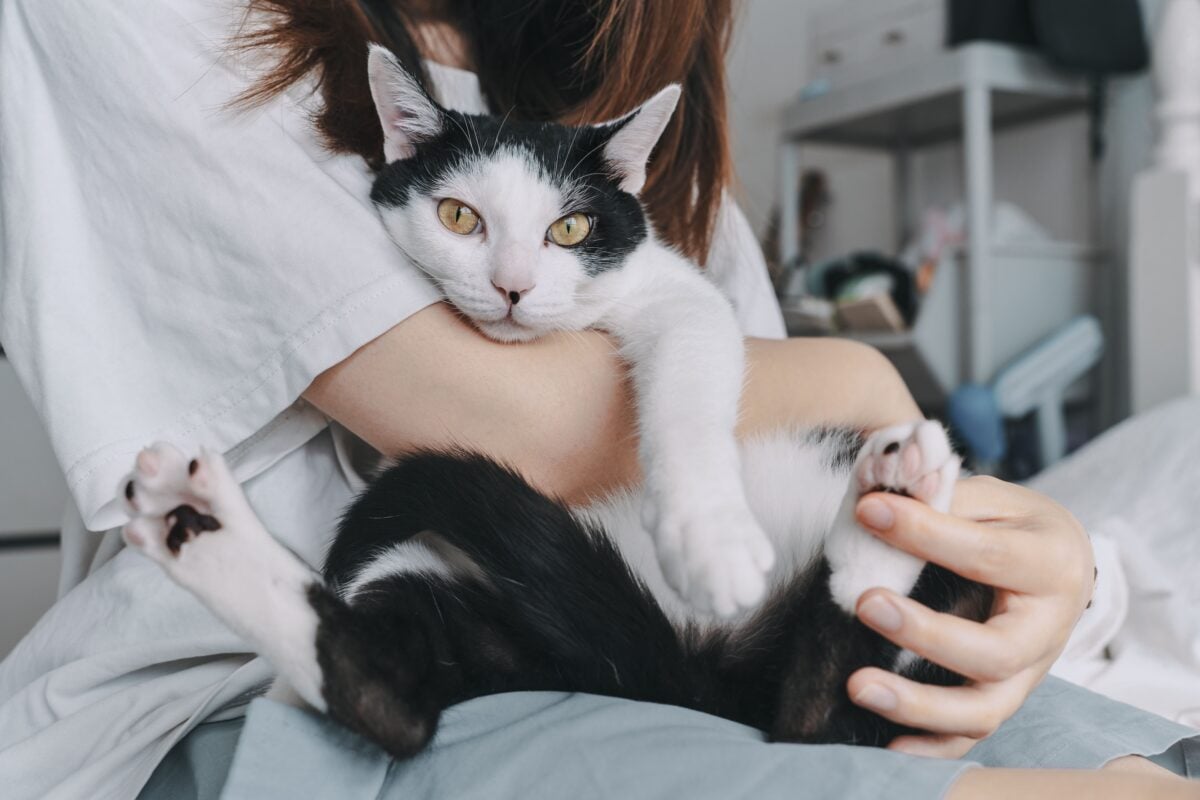
You tell yourself it’s nothing. She’s just older. He’s just tired. The vet visit can wait until next month, because cats slow down, right? That’s the story most owners tell themselves right up until the emergency vet is explaining what’s been going on for months, not days.
Here’s the uncomfortable truth: the changes you’ve noticed in your cat since August aren’t random mood swings or personality quirks. They’re signals. Some are minor. A few are the kind of thing vets wish every owner caught sooner. Below are the 18 changes that actually matter – and why the ones you’re most tempted to shrug off are usually the ones that shouldn’t wait.
#18 – Sleeping More… But Not the Same Kind of Sleep
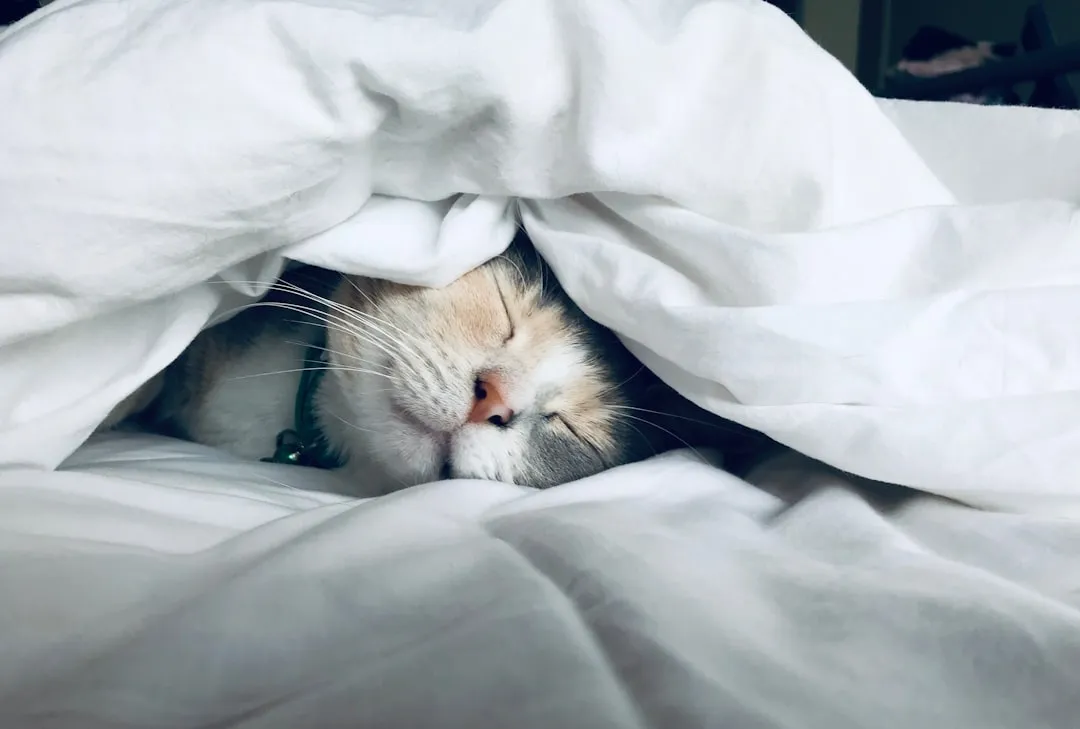
Everyone “knows” older cats sleep more, so this one gets waved off constantly. But there’s a difference between a cat who naps contentedly in a sunbeam and a cat who’s suddenly gone from daily zoomies to barely lifting her head. That shift, especially if it happened over just a few weeks, isn’t relaxation. It’s often the first visible clue of pain, thyroid disease, or early kidney trouble.
Pay attention to how your cat sleeps now, not just how much. Is she hiding to sleep instead of choosing her usual sunny spot? Does he crash hard all day but pace and fuss at night? When sleep turns heavier, more restless, or oddly fragmented since August, your cat might be exhausted from discomfort, not simply winding down with age.
#17 – Drinking Habits That Flip Overnight
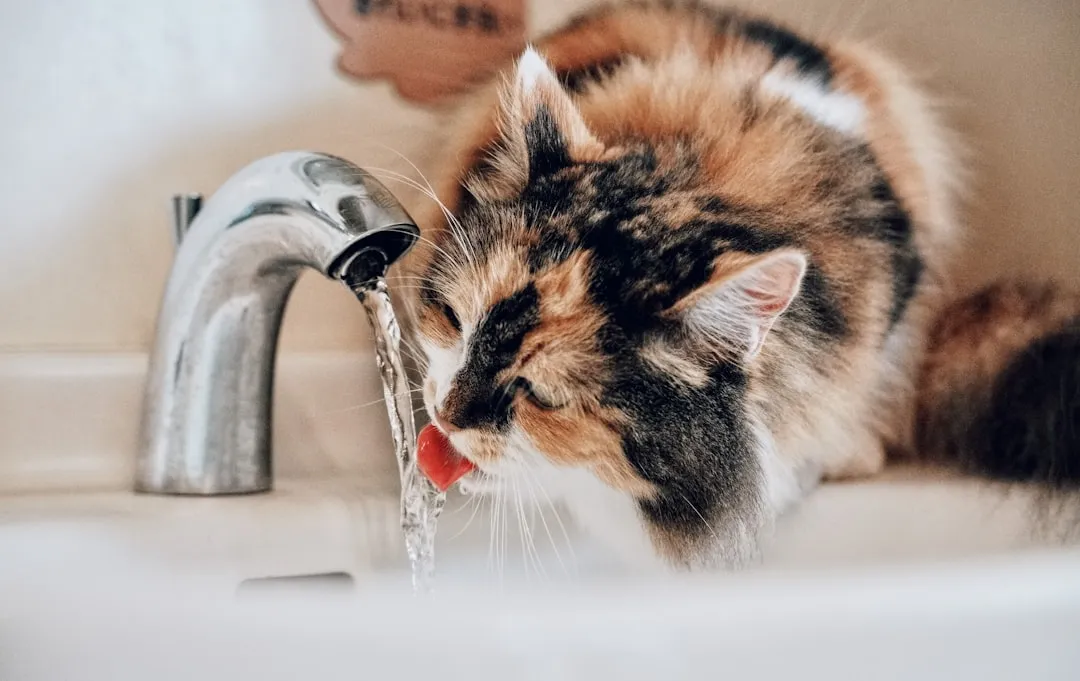
Most people are almost relieved when an older cat starts drinking more water – finally staying hydrated, right? In reality, a sudden jump in water intake is one of the classic early signs of kidney disease, diabetes, and hyperthyroidism. A senior cat shouldn’t need her bowl refilled twice as often without a reason.
Watch for the small tells: you’re cleaning the water bowl more since late summer, or your cat has developed a strange obsession with faucets, showers, or toilet water. Drinking noticeably less deserves just as much attention, since that can signal nausea or advanced kidney failure, where cats feel too sick to bother drinking at all. Either direction, a change since August is a lab test waiting to happen, not a quirky new habit.
Quick Compare
- Drinking more: Often linked to kidney disease, diabetes, or an overactive thyroid
- Drinking less: Can point to nausea, dehydration, or advanced kidney failure
- Either change: Worth a vet visit and basic bloodwork, not a wait-and-see approach
#16 – Weight Loss You Only Notice in Old Photos
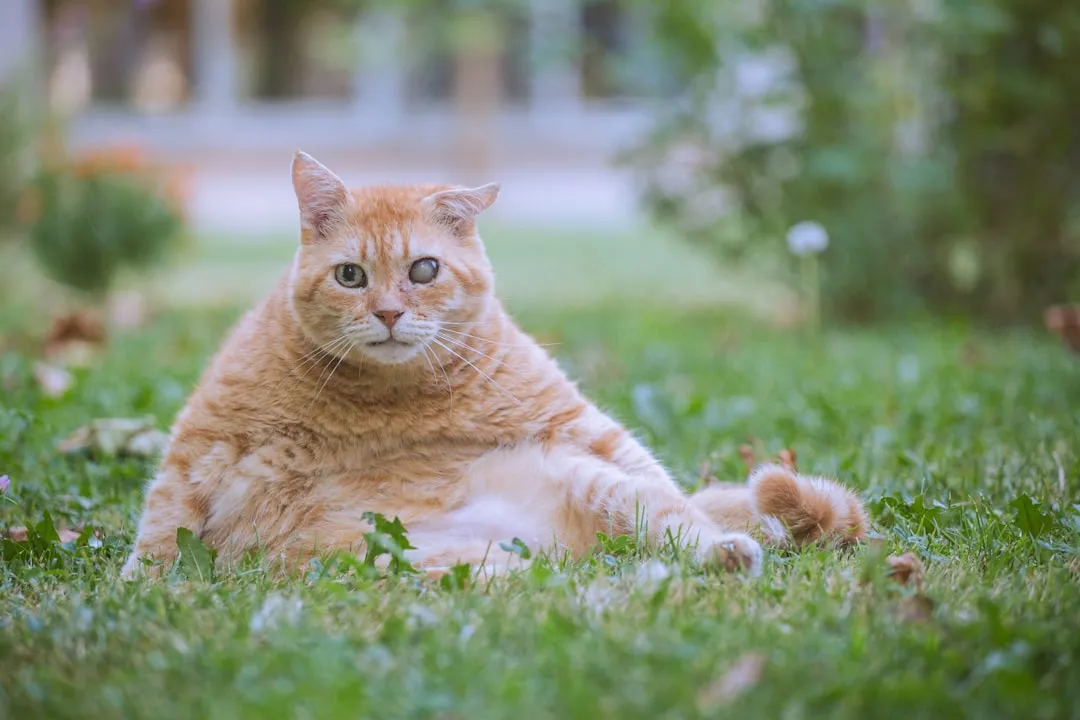
“She looks great, not so chubby anymore” is one of the most dangerous compliments an owner can give a senior cat. Unintentional weight loss is one of the most important red flags in aging cats, and by the time you can feel the ribs clearly under your hand, a dangerous amount of muscle may already be gone.
Run your fingers along the spine and hips. If bones feel sharper than they did back in July, your cat didn’t “tone up” – she lost muscle, and in cats that’s frequently tied to chronic disease like thyroid problems, kidney disease, or intestinal inflammation and even cancer. Pull up an old picture from early summer and compare it honestly. If the cat in that photo looks fuller than the one curled up next to you now, you’re not overreacting.
#15 – The New Yowling That Starts After Dark
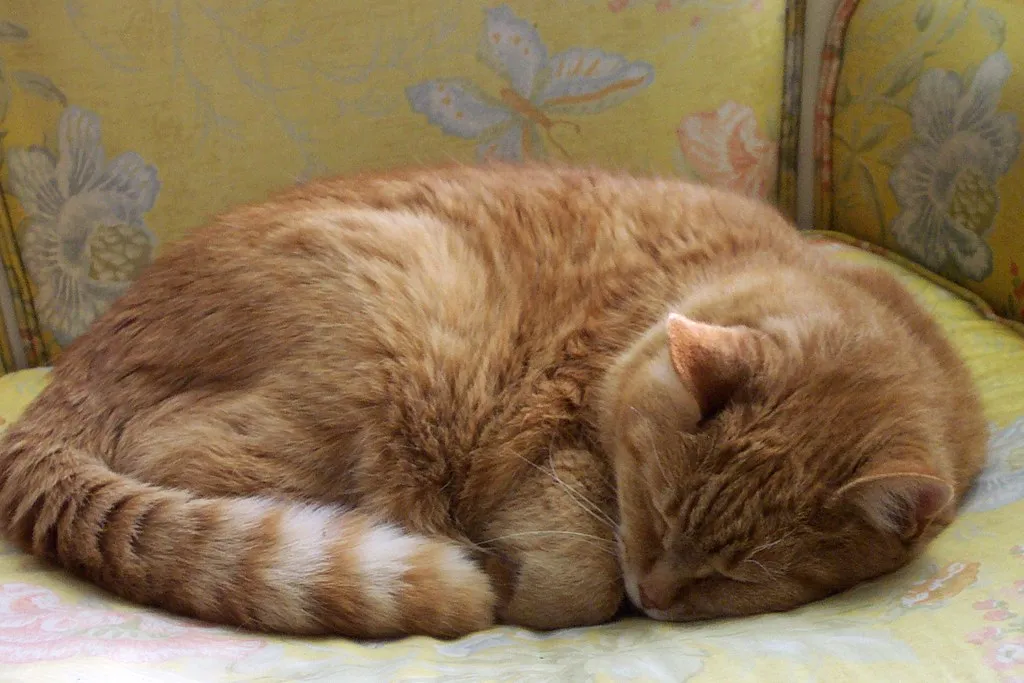
People joke about “midnight zoomies,” but loud, new, or persistent crying at night in an older cat is almost never just a personality quirk. It’s frequently confusion, anxiety, pain, or blood pressure and thyroid problems disrupting sleep and brain function in ways your cat can’t explain to you.
If since August your cat wanders the house crying at closed doors, stands in the hallway yowling at nothing, or only settles once you talk to or touch her, take it seriously. This pattern can point to feline cognitive dysfunction, high blood pressure, or discomfort from arthritis or organ disease. Owners often chalk it up to neediness; vets see it as a warning siren going off in the middle of the night.
#14 – Getting “Lost” in a House They’ve Lived in for Years
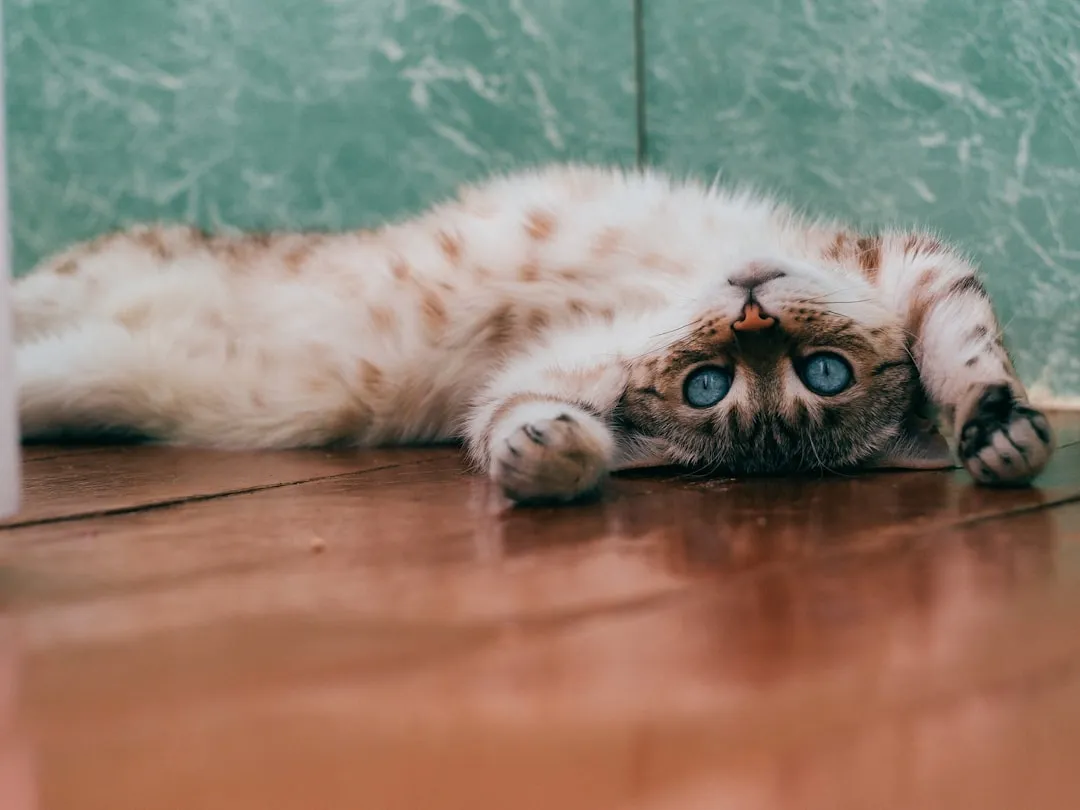
It’s easy to laugh when a cat stares into a corner for ten minutes. It’s harder to laugh when your older cat starts seeming genuinely disoriented in a home she’s lived in for years. Getting stuck behind furniture, hesitating at doorways, or wandering into a room and crying like she forgot why she came in can signal real cognitive decline.
Watch for standing in open spaces looking zoned out, heading to the wrong room for food or the litter box, or startling at ordinary household sounds she’s heard a thousand times. This isn’t the end of a good quality of life. It usually means her brain needs support – sometimes pain control, sometimes small environmental changes, sometimes medication that genuinely helps.
#13 – Litter Box “Accidents” That Are Actually a Cry for Help
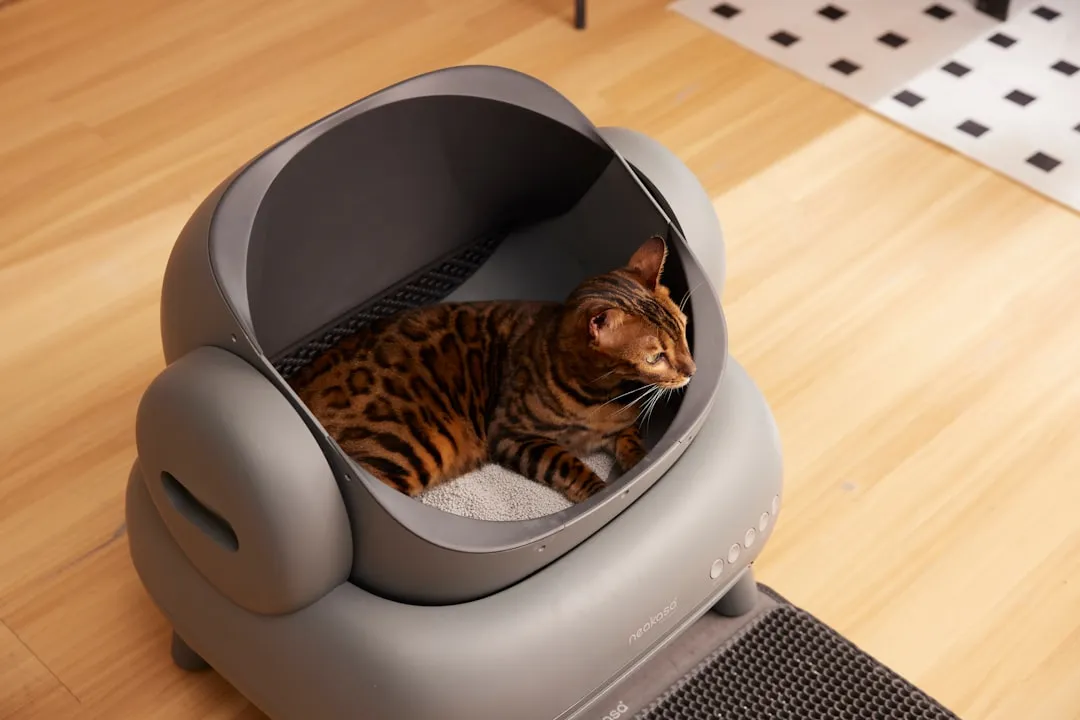
Owners quietly blame themselves first: I changed the litter, I forgot to scoop, maybe she’s just being difficult. But in a senior cat, new litter box issues almost always trace back to pain, illness, or stress – not spite, and definitely not a grudge.
Arthritis can make climbing into the box genuinely painful. Urinary infections or kidney disease can make peeing urgent or uncomfortable. Constipation from dehydration or nerve issues can make squatting in a hard box unbearable. If you’ve found surprise puddles on beds, laundry, or rugs since August, your cat may simply be choosing the softest, easiest surface to avoid pain – not misbehaving.
#12 – Jumping Less, Hesitating Before Every Leap
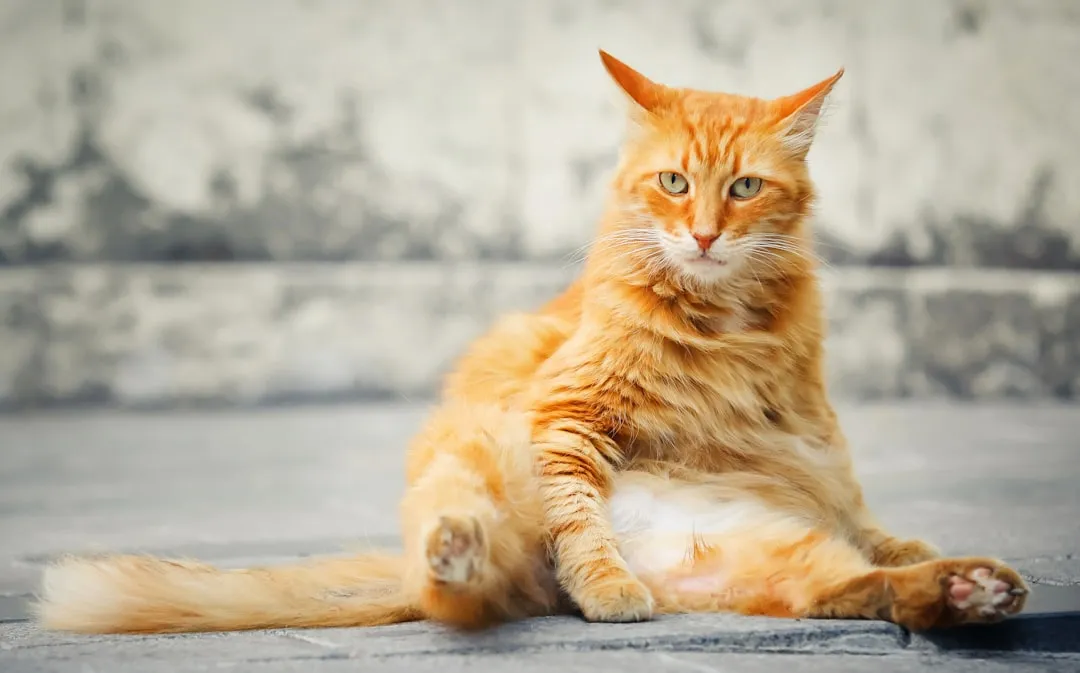
“Of course she doesn’t jump like she used to, she’s old” might be the single most harmful sentence in senior cat care. Arthritis is common in older cats, and it’s genuinely treatable – but only if you stop assuming stiffness is simply the price of aging.
Notice the tiny giveaways: pausing to “calculate” before a jump, using a chair as a halfway step that never used to exist, pulling herself up instead of springing. Cats are famous for hiding pain, so by the time you spot the hesitation, those joints have likely ached for months already. Unlike age itself, this is something you can actually treat and reverse discomfort from.
Fast Facts
- Osteoarthritis is extremely common in senior cats, even when there’s no obvious limp
- Cats mask pain instinctively, so visible stiffness usually means it’s been building for a while
- Joint support, pain management, and small home adjustments like ramps can meaningfully ease discomfort
#11 – A Coat That Suddenly Looks Older Than Your Cat
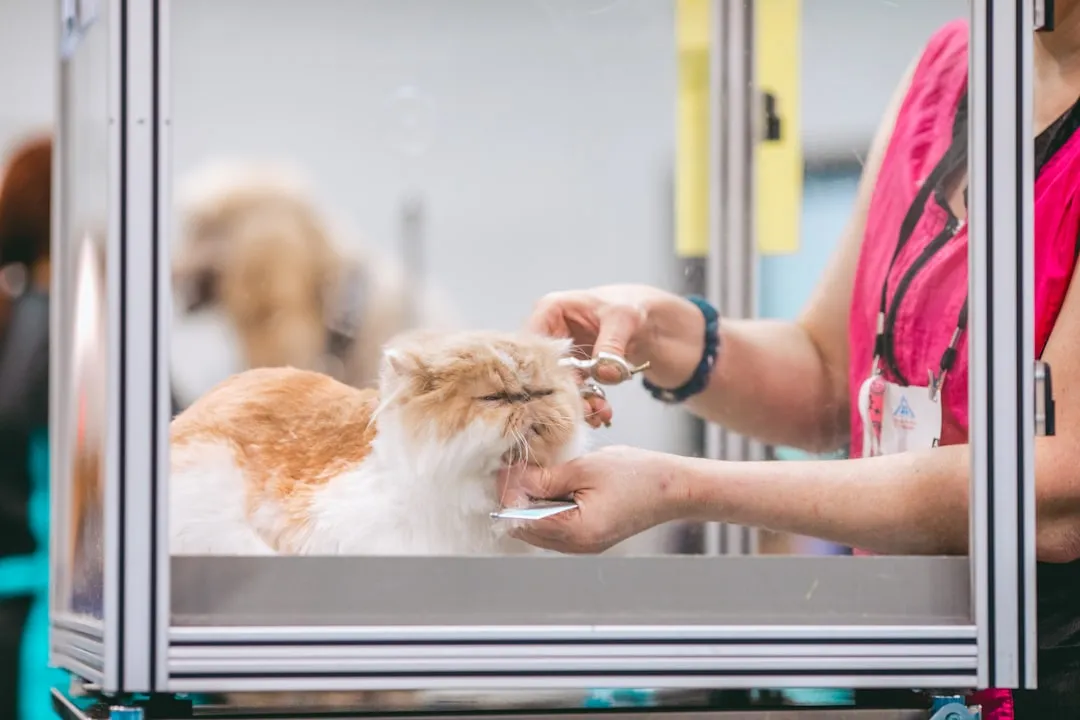
Most people assume a dull, messy coat is just what happens with age. In reality, a sudden change in grooming is one of the clearest physical signs that something is wrong internally. If your once-sleek cat looks greasy, flaky, or matted since late summer, that’s a health clue dressed up as a bad hair day.
Two patterns are worth watching closely. Overgrooming – bald patches on the belly, inner thighs, or front legs – can signal pain, itch, or stress. Undergrooming – dandruff, greasy fur, stubborn knots along the back – often means twisting to reach those spots simply hurts too much now. A healthy senior cat can usually still manage basic grooming; when it stops, it’s because she can’t, not because she’s stopped caring.
#10 – Breath That Hits You From Across the Room
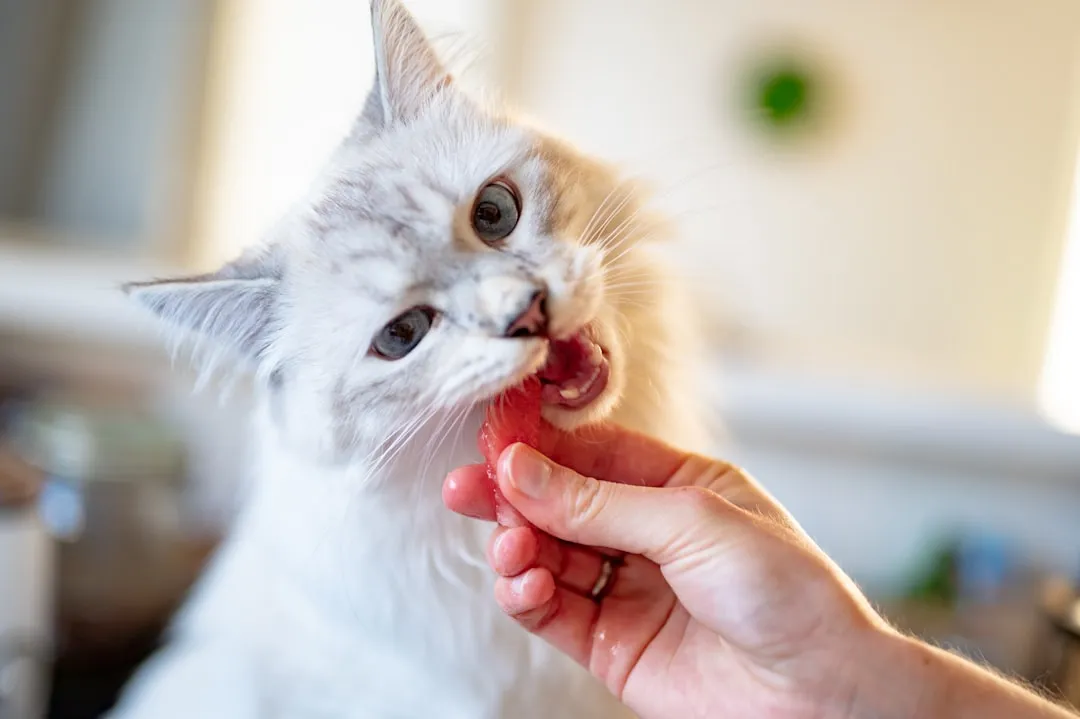
People joke about “fish breath,” but chronic bad breath in a cat is almost never just normal cat smell. A sour, rotten, or metallic odor when your cat yawns or grooms can point to dental disease, but it can also signal kidney issues or deeper metabolic problems.
Check for the supporting signs: dropping food, chewing only on one side, walking away mid-meal, or gums that look red, swollen, or ulcerated. Dental pain is one of the most under-treated problems in cats, and it quietly wrecks appetite, mood, and eventually organ health. A lot of “grumpy old cat” behavior actually starts in a mouth nobody’s checked closely.
#9 – Eating Like Normal, Somehow Shrinking Anyway
Here’s the sneaky one that fools even attentive owners: some cats eat with total enthusiasm while quietly losing weight, and that combination gets mistaken for good health. In seniors, a strong appetite paired with weight loss is a classic red flag for hyperthyroidism or another metabolic disease revving the body too high.
If you’ve caught yourself thinking “she’s always hungry but somehow getting bonier” or “he eats like a horse and I don’t understand why he’s thinner,” that mismatch is the actual symptom. Normal aging doesn’t burn through calories like a furnace while a cat keeps eating well. When intake holds steady or increases while body condition drops, something behind the scenes is working overtime.
#8 – The Food-Motivated Cat Who Suddenly Isn’t
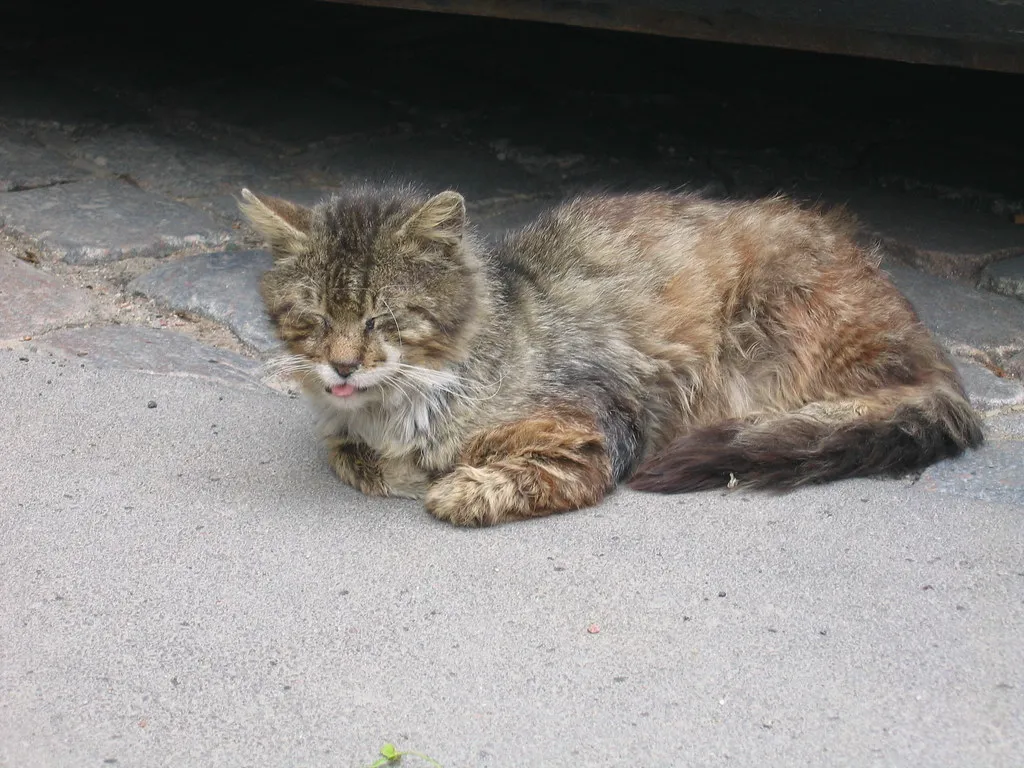
On the flip side, a cat who’s always been food-obsessed but turns picky after August is waving a genuinely large flag. Skipping one meal might mean nothing. But sniffing food and walking away, licking without chewing, or suddenly rejecting textures she used to love is often pain or nausea talking.
Watch for a new preference for soft food over crunchy kibble, only eating when it’s warmed or extra smelly, or vomiting small amounts after meals or overnight. Here’s the part nobody wants to hear: by the time a senior cat stops eating entirely, it’s usually an emergency. The picky, in-between stage is actually where you still have room to help.
#7 – Hiding More, or Suddenly “Done With You”
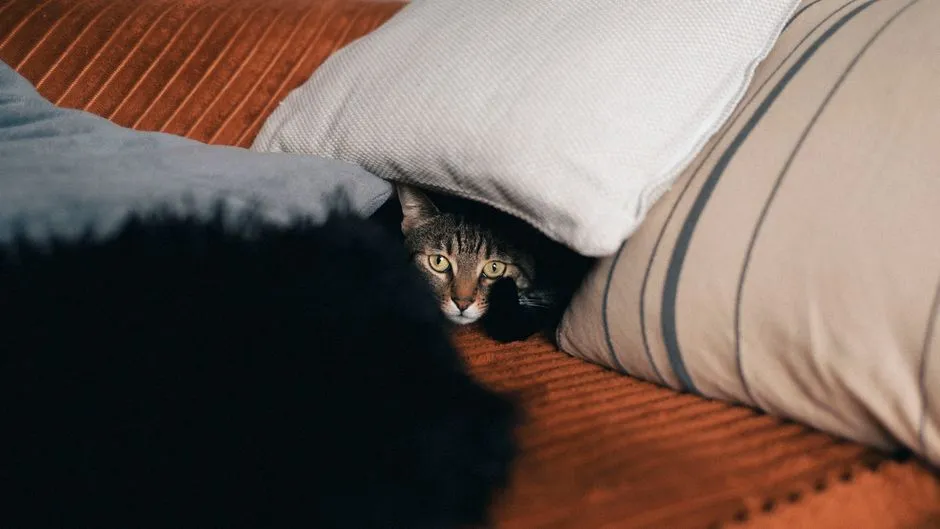
Owners love to explain this one away as personality – she’s just independent now. But a social cat who starts hiding, avoiding touch, or leaving the room when you walk in since late summer is almost always uncomfortable or anxious, not simply over you.
Ask yourself if she’s skipping the family hangout spots she used to love, flinching when you touch certain areas like the back, hips, or belly, or has quietly stopped greeting you at the door. Withdrawal is one of the classic late signs of chronic pain or illness in cats. It’s easier to accept “she’s grumpy now” than “she hurts,” but that comfortable explanation is exactly what delays help.
#6 – Sudden Clinginess That Feels Like a Personality Swap
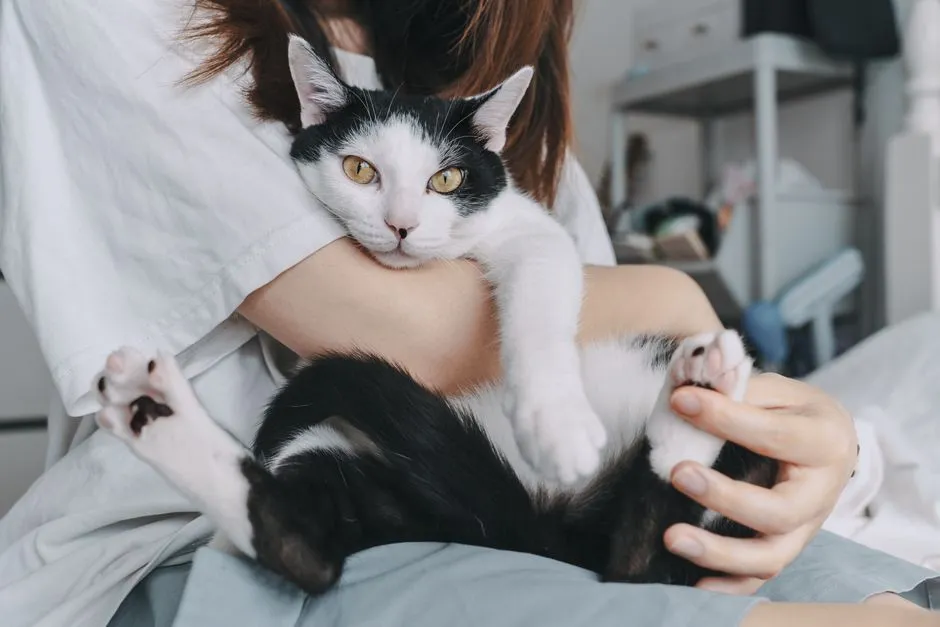
Here’s the twist most people miss: becoming more attached can be just as big a red flag as pulling away. If your previously independent cat has, since August, started following you room to room, crying when you leave, or insisting on sleeping glued to your side, that can signal anxiety, vision loss, cognitive decline, or simply feeling unwell.
Look past the “aww, she loves me more now” reaction and ask harder questions. Did this start suddenly rather than build gradually over years? Does she seem unsettled unless she’s physically touching you? Senior cats often seek out their person more when something feels unstable in their world – not because life just got sweeter, but because it got scarier.
Worth Knowing
- Sudden-onset clinginess reads differently than a cat who’s always been affectionate
- Vision loss and cognitive decline often make cats seek constant physical contact
- Anxiety-driven clinginess frequently shows up alongside crying, pacing, or restlessness
#5 – Breathing That Just Seems… Off
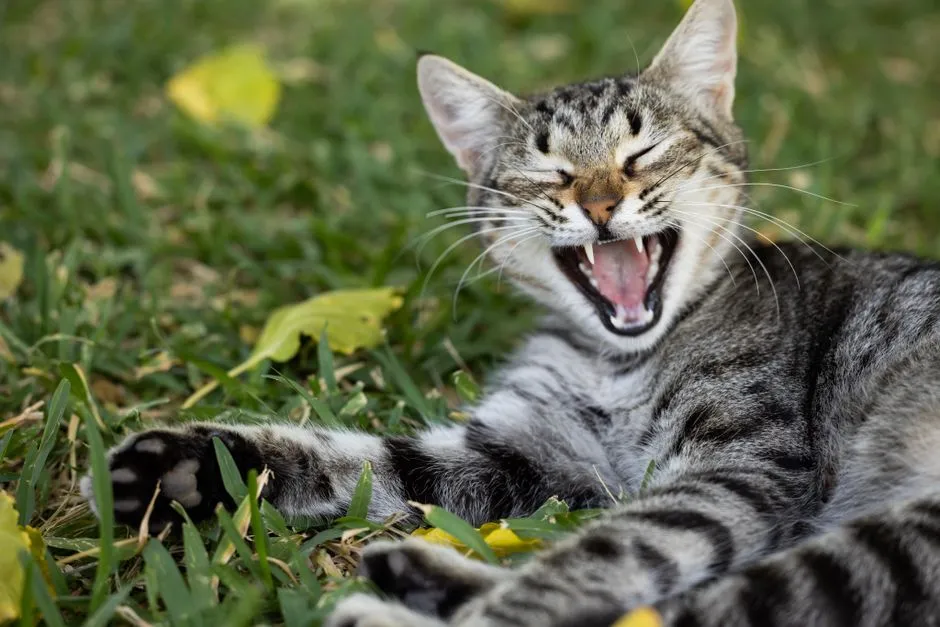
Cat owners are surprisingly sharp at spotting small behavioral shifts – except when it comes to breathing. Any new panting, open-mouth breathing, or faster-than-usual breaths at rest in a senior cat is a stop-what-you’re-doing situation, not a wait-and-see one.
Watch for sides moving faster or more dramatically during sleep, a slightly open mouth with head and neck stretched out, or getting winded after mild activity that never used to bother her. Heart disease, fluid around the lungs, and certain cancers frequently show up here first. Many vets say breathing changes are the sign they most wish owners took seriously sooner, because people tend to notice it right before a crisis instead of months before one.
#4 – A New Lump, or a Belly That Feels Different
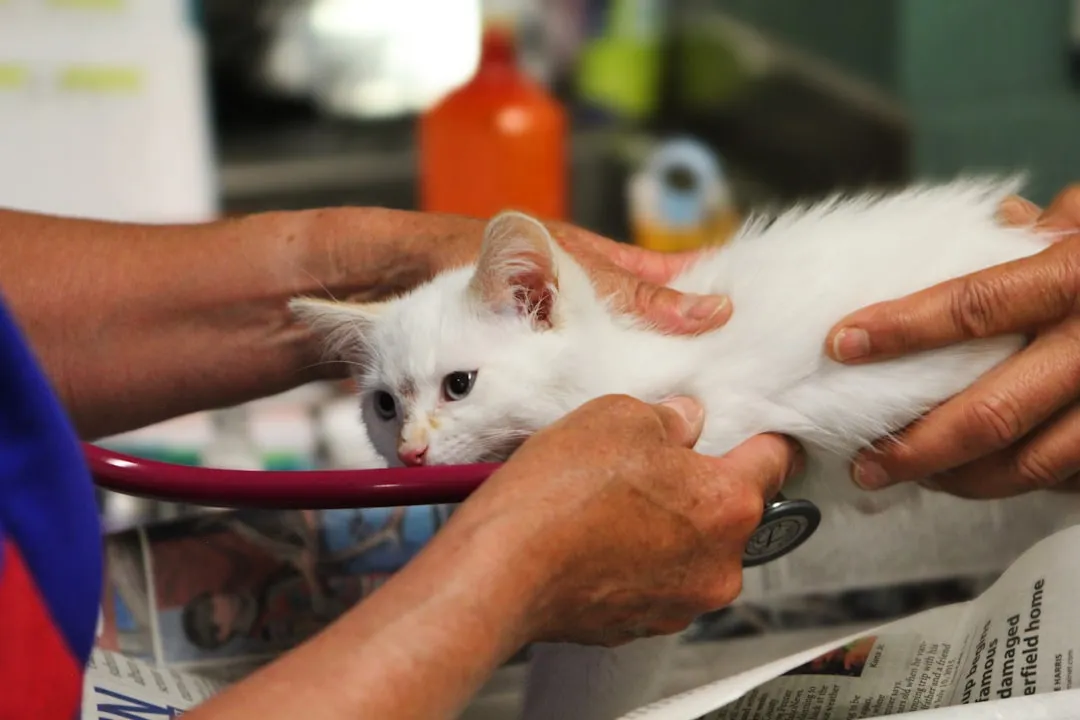
Most owners swing to one extreme or the other: every new lump means cancer, or no lump means nothing to worry about. Both reactions miss the point. In an older cat, any new mass, or a belly that feels fuller, firmer, or oddly empty since August, deserves a professional exam – not a guess.
You don’t need to diagnose anything yourself. Just note how quickly it appeared, whether it feels firm or squishy, fixed in place or movable, and whether your cat reacts when you touch it. Not every lump is an emergency, but some are highly treatable if caught early and far more serious if you wait to “see what happens.” Your hands on your cat once a week are often better screening than any gadget you could buy.
#3 – Vision or Hearing Changes Disguised as “Ignoring You”
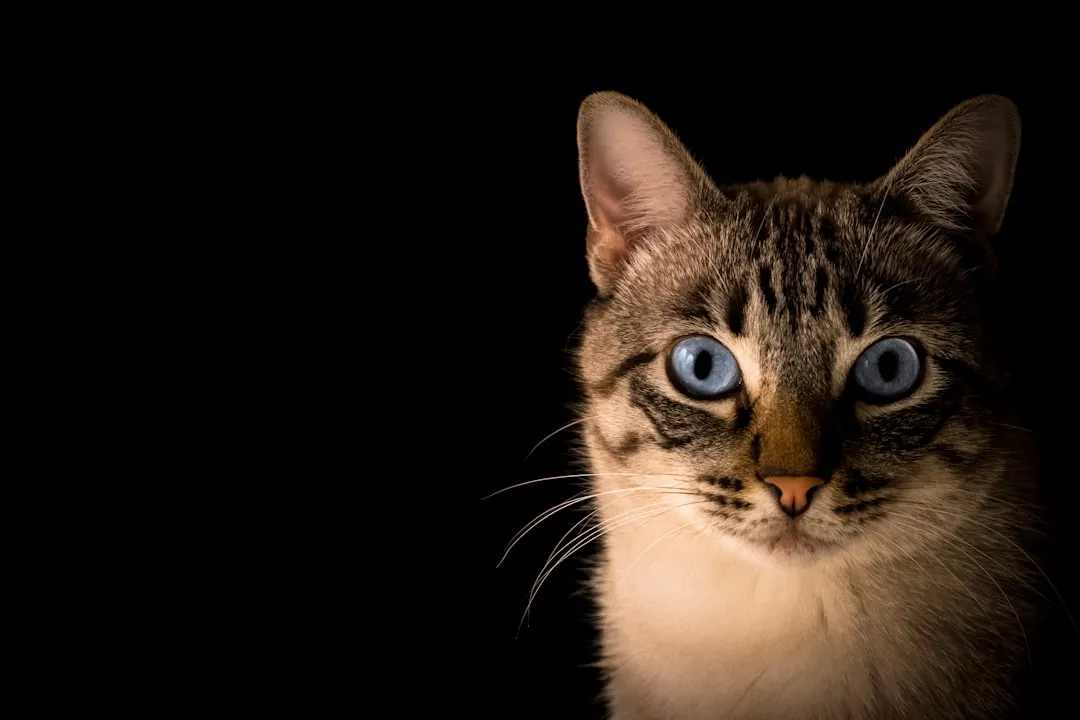
You might assume your cat is just tuning you out more. In reality, hearing or vision changes often show up as behavior shifts long before you notice the senses themselves failing. Have you caught her bumping into furniture, misjudging jumps, or startling easily when you approach since August?
Watch for pupils that stay dilated regardless of light, confusion in dim rooms at night, or not noticing you until you’re right beside her. High blood pressure in older cats can cause sudden blindness, and unlike in humans, it’s sometimes partially reversible if caught fast. Many owners only piece it together after the damage is already done, which means the “clumsiness” you’ve been laughing at might be the emergency you’re missing entirely.
#2 – Obsessive Licking Around the Back End
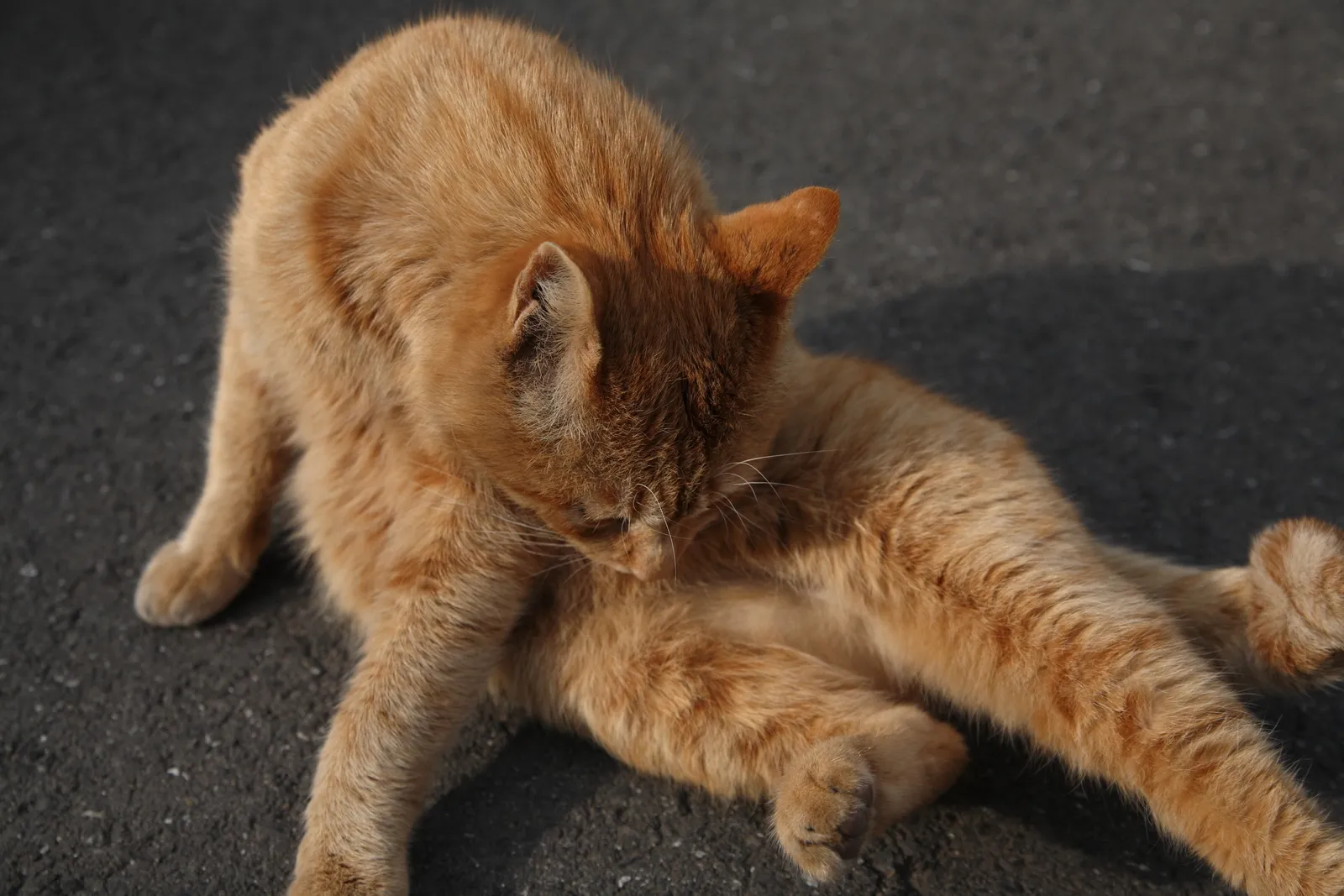
This one flies completely under the radar. If your older cat has started licking her back end, inner thighs, or genital area obsessively since August, something is almost certainly going on. Itching, burning, pain, or moisture from urinary, anal, or reproductive issues all trigger this kind of overcleaning.
Look for damp or discolored fur around the back end, a stronger “cat” odor in the room even with a clean box, or flinching and growling when you lift the tail. Bladder infections, crystals, and early kidney issues frequently show up first in this quiet, easy-to-miss behavior. Waiting for “obvious” pain here is how a planned vet appointment turns into a midnight emergency instead.
At a Glance
- Urinary tract infections and bladder crystals are common triggers
- Anal gland issues can cause repeated licking near the base of the tail
- Kidney irritation and mild reproductive issues can also lead to overcleaning
#1 – The Gut Feeling That She’s “Just Not the Same Cat”
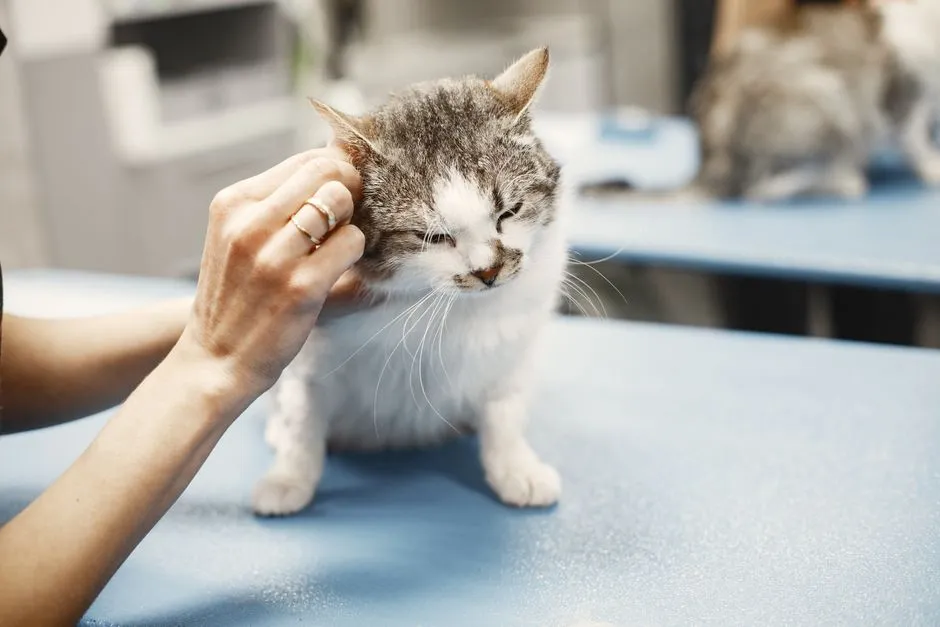
Ask any good vet and they’ll tell you the single most important sign is the one owners brush off first: your own instinct. If you keep quietly thinking “she’s just… different” every time you look at your cat, that feeling matters more than any single symptom on this list.
Mood, posture, routine, even the way she looks at you – your sense that something shifted since late summer is real data, not paranoia. Less joy in favorite activities, subtle stiffening when picked up, a slower and more tired vibe you can’t quite name – these add up. You know your cat better than any chart or checklist ever could, and when your brain keeps nudging you with “something’s off,” that nudge is the sign too many people ignore until it’s too late.
The Bottom Line
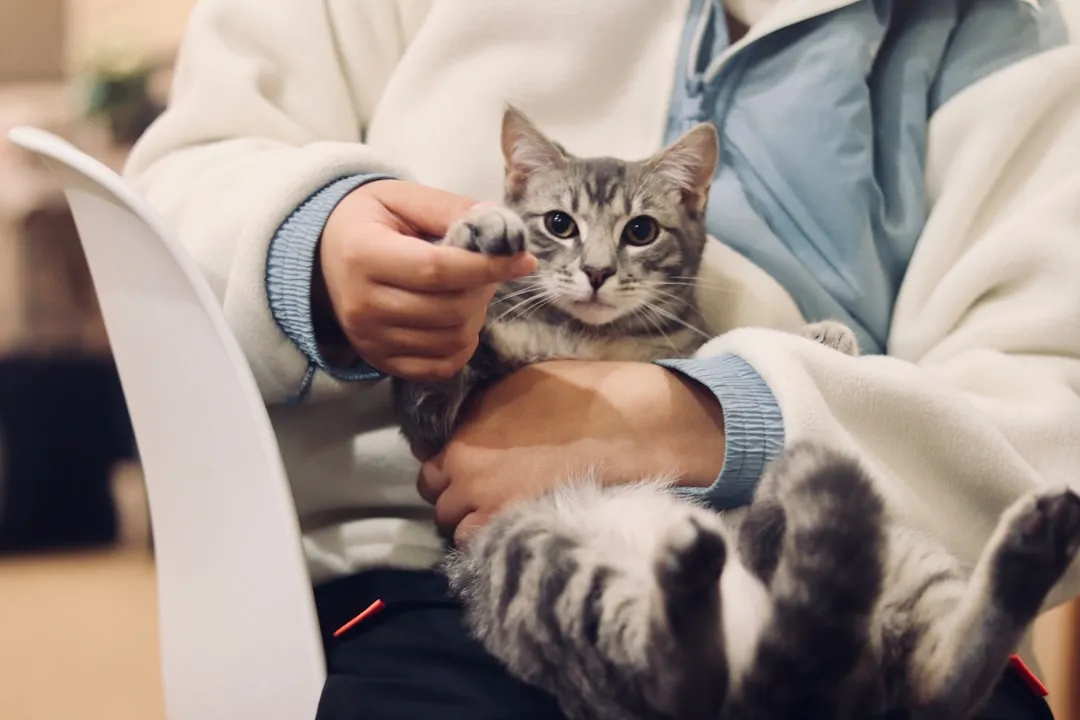
Aging doesn’t flip a switch between fine and failing. It sneaks in through small shifts – sleeping a little differently, eating a little oddly, acting a little more distant or a little more clingy – and those tiny changes since August are exactly where you either lose time or buy it back.
Here’s my honest take: a lot of what gets casually labeled “just getting old” is actually untreated pain, underdiagnosed disease, or brain changes people would rather not look at directly. You don’t need to panic over every quirk your cat has. But you do need to stop dismissing consistent changes as simply age, because a basic senior checkup with bloodwork and a real conversation with your vet can buy comfortable months, sometimes years, that you can’t get back once they’re gone.
Which of these have you already noticed in your own cat – and honestly, do you think most owners are too quick to blame age instead of looking closer?
