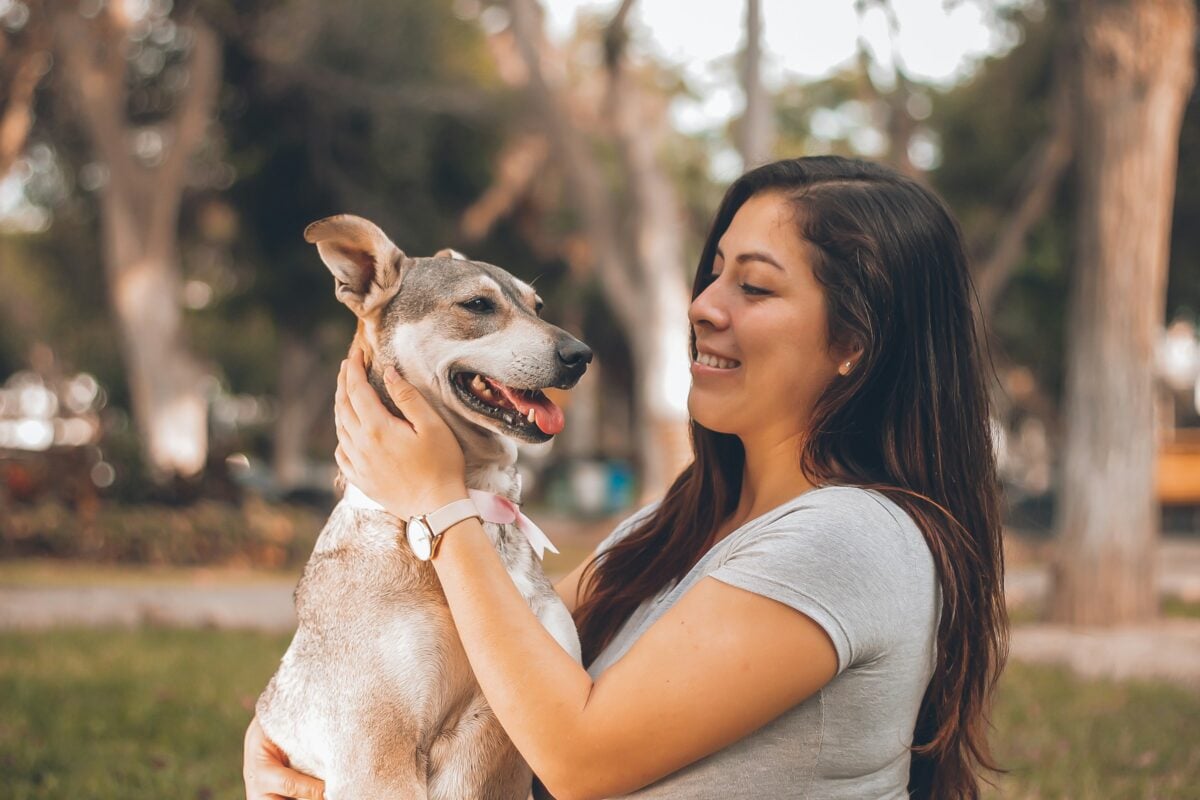
Most people assume a dog picks its favorite human the way it greets the mail carrier – a running leap, a wagging blur, total slobbery chaos at the door. That’s the story everyone tells. It’s also mostly wrong.
Behaviorists who actually study canine attachment say the real decision happens in silence, in the moments nobody bothers to film: a glance across a crowded room, a stolen sock, a body angled just slightly toward yours instead of anyone else’s. Keep reading – you’re about to recognize your own dog doing at least half of these, quietly, and probably without you ever clocking it as a message.
#1 – The Silent “Check-In” From Across the Room
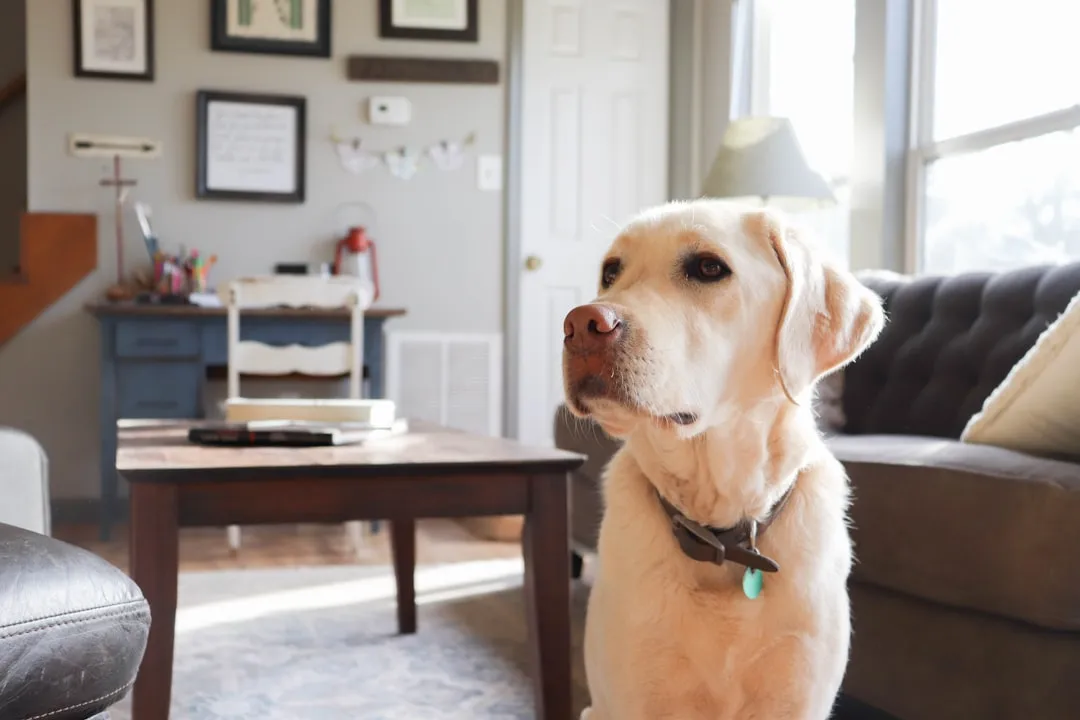
When a dog has picked its person, it doesn’t need to be glued to them – it just needs to monitor them. The dog might be chewing a toy or sniffing a corner, then suddenly lift its head, lock eyes with one specific human, and go right back to what it was doing. It looks like nothing. It’s actually a built-in safety check: where’s my anchor?
Researchers call this “referential looking,” and it clusters hard around the one person a dog trusts most. Dogs who feel secure with a particular human will track that person’s position far more than anyone else’s in the room, even mid-play. Watch during movie night – who does the dog’s head keep drifting toward? In a new place, who does it visually locate first? That quiet glance is a vote, cast over and over.
#2 – Choosing Your Scent as Their “Home Base”
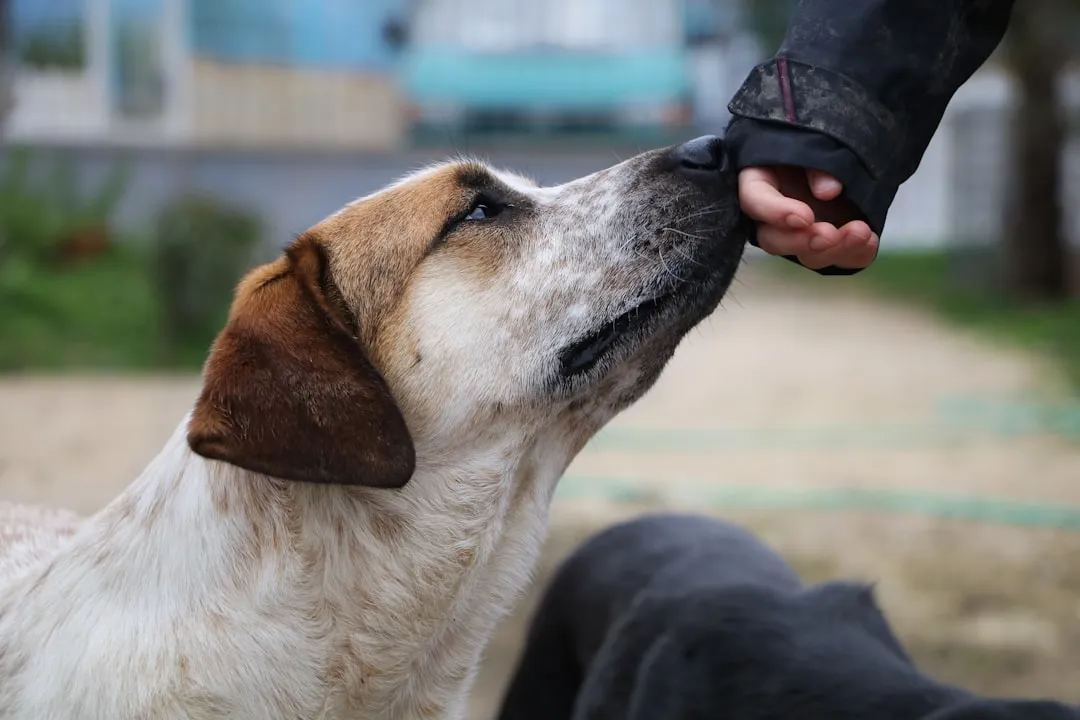
Dogs live in a world built on smell, not furniture. Once they’ve chosen a person, they anchor themselves to that human’s scent the way we’d hang onto a childhood blanket. You’ll see it in odd little habits: stealing your dirty socks and ignoring everyone else’s, burrowing into your side of the bed, or collapsing onto the exact hoodie you just peeled off.
Studies on canine stress markers show dogs’ heart rates measurably drop when they’re near their primary person’s scent – which is exactly why they want the sweaty, lived-in version of you, not the fresh-from-the-dryer one. Owners often mistake this for naughtiness. It’s usually the opposite: deep, quiet devotion. If your laundry pile is always the nap spot of choice, even when you’re not home, your dog is telling you something specific: this smell is safety.
Fast Facts
- Dogs have up to 300 million scent receptors, compared to roughly 6 million in humans
- The scent-processing area of a dog’s brain is proportionally far larger than the human equivalent
- A dog’s nose print is considered as unique as a human fingerprint
- Scent memories linger for a long time, which is why a worn, unwashed shirt often becomes the go-to nap spot
#3 – The Way They Position Their Body Around You
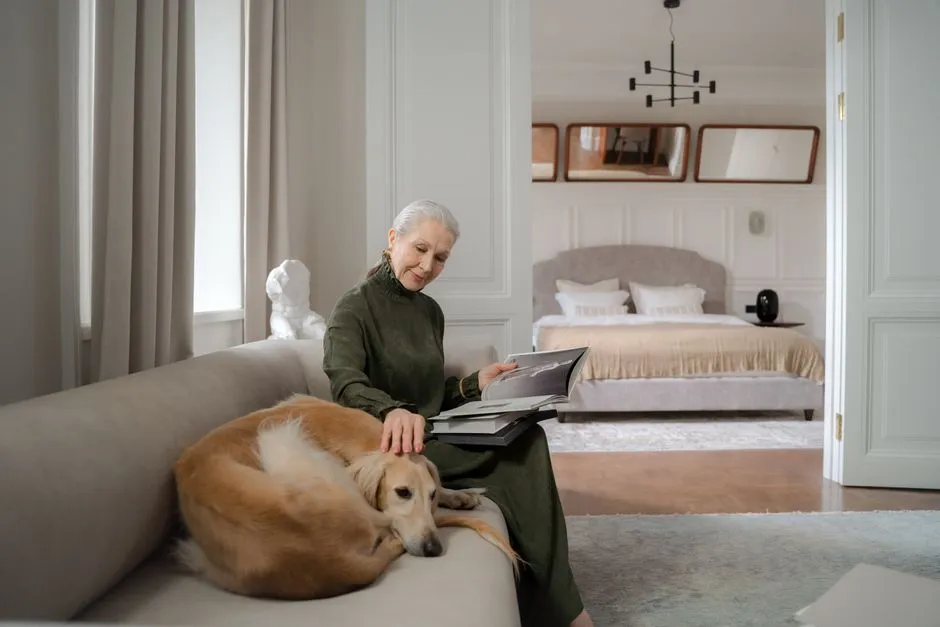
Body placement is one of the clearest, most overlooked ways a dog picks its person. Watch how your dog chooses to rest around you. Do they lie back-to-you but still touching your leg? Curl into a C-shape around your feet? Park themselves squarely between you and the front door?
None of it is accidental. Canine behaviorists note that dogs tend to position their bodies to protect and be protected by whoever they trust most. Lying with their back toward you is actually a rare vote of confidence – they’re exposing their most vulnerable angle because they’ve decided you’ve got them covered. Stationing themselves between you and a doorway is low-key bodyguard duty. In a noisy, crowded house, whoever the dog keeps physically anchoring near isn’t a coincidence. It’s a decision.
#4 – Subtle Guarding You Pretend Not to Notice
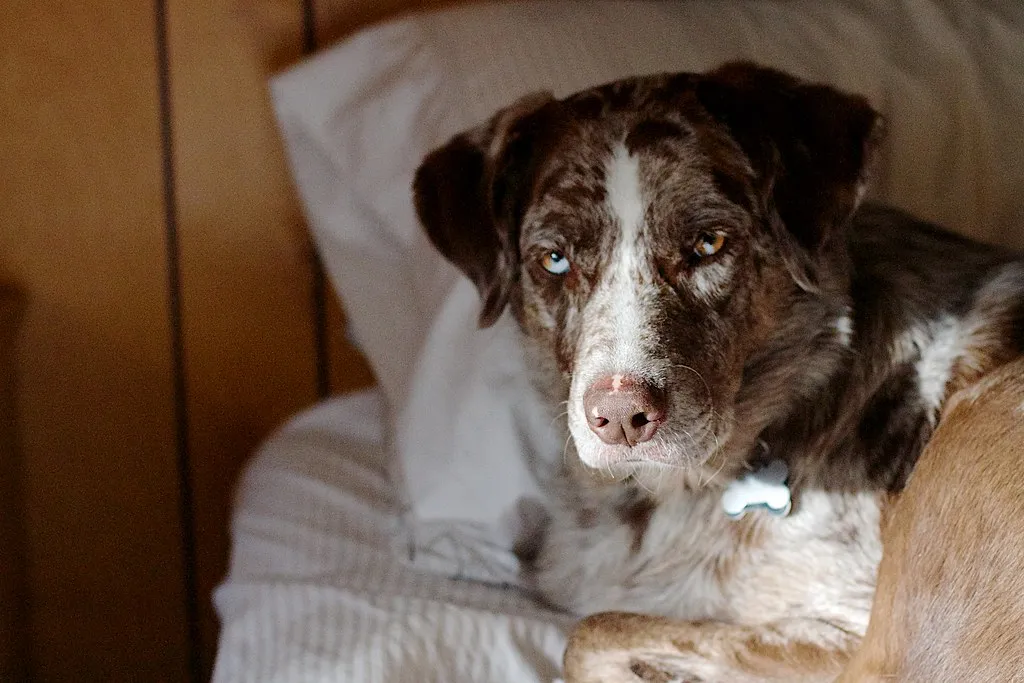
Everyone recognizes obvious guarding – growling at strangers, blocking a doorway. But when a dog has quietly decided you’re theirs, the real marking is subtler: a stiffening when someone leans in too close to you, a half-step in front when a stranger approaches, a watchful stare at anyone who hugs you a little too enthusiastically.
Ethologists point out that many dogs skip the bark entirely and shift posture instead – a slightly widened stance, a raised head, weight shifted forward. It’s a quiet broadcast: I’m monitoring this. At its healthiest, it’s simply investment in your safety, not aggression. You’ll see it most in unfamiliar places, where the dog seems relaxed to everyone else in the room – except its eyes never actually leave you.
#5 – Who They Bring Their “Kills” and Toys To
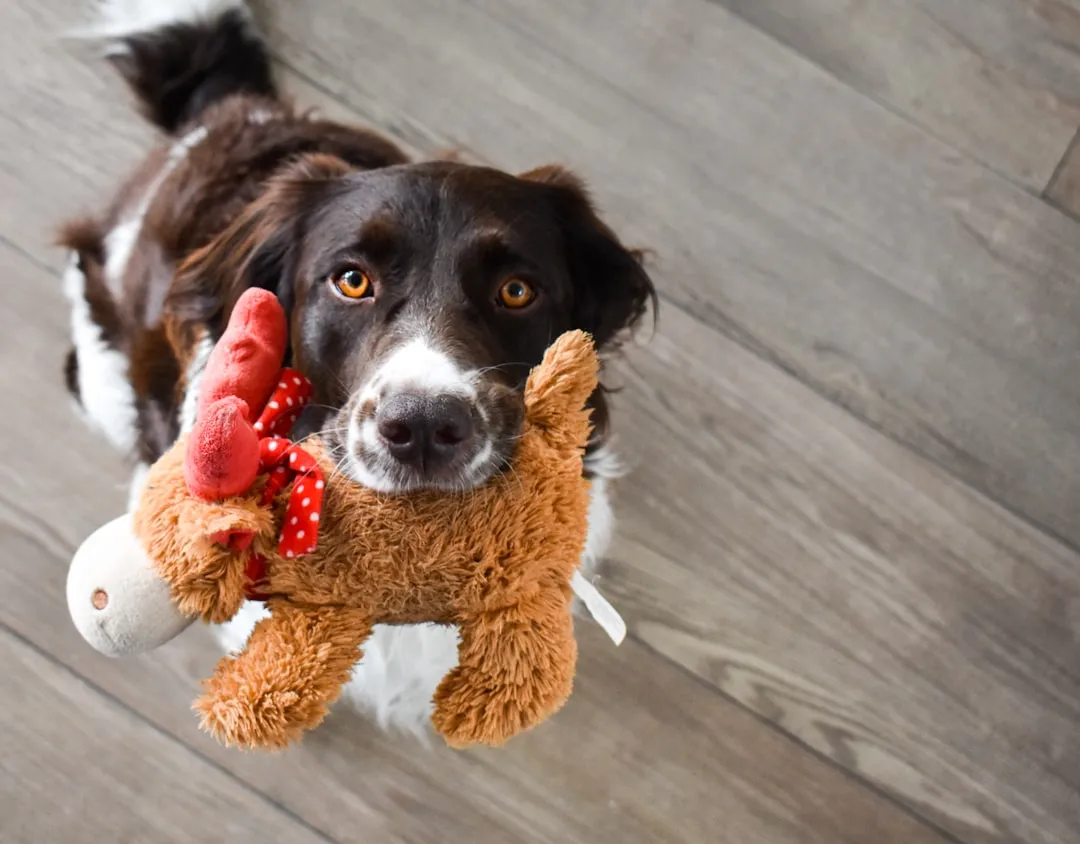
It looks cute when a dog drops a slobbery toy in your lap. In dog terms, it’s a massive social decision. Prey-sharing and object-sharing are reserved for pack members a dog genuinely trusts – so if your dog reliably brings the toy to you first, you’re not just the play partner. You’re the primary social partner.
Behavior research shows dogs prefer to initiate play and share prized objects with whichever human they feel most securely attached to – a squeaky toy, a chewed tennis ball, or yes, the occasional unfortunate dead mouse in the yard. They’re inviting you into the hunt, and the celebration that follows it. Next time several people walk in the door at once, watch who gets the toy. If it’s always you, that’s not random. That’s ritual.
#6 – The “Shadow” That Only Activates Around You
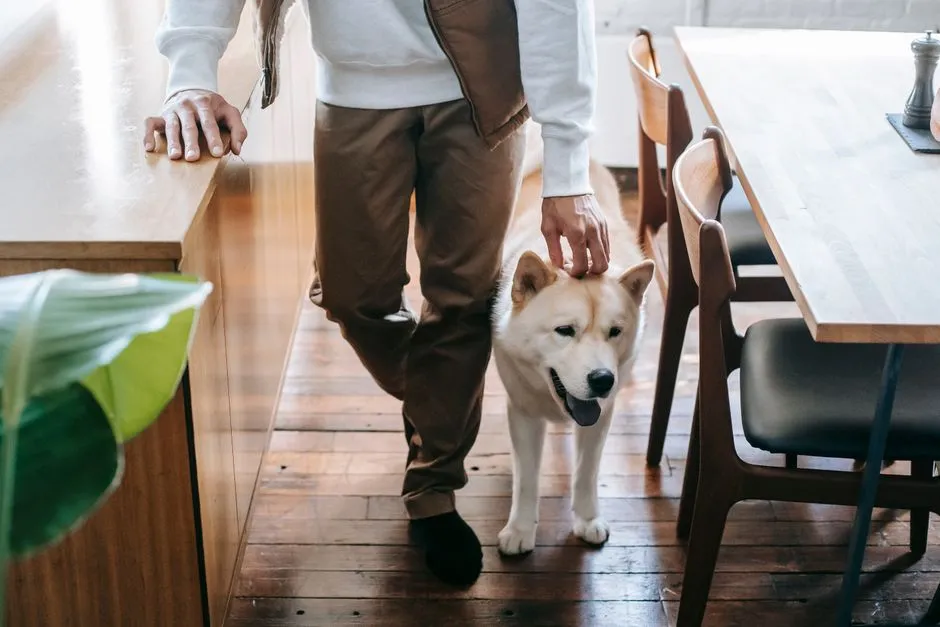
Some dogs are naturally clingy, but a lot of so-called “velcro dogs” are only velcro with one person. That’s the human they trail from room to room even when absolutely nothing interesting is happening – bathroom trips, laundry runs, 2 a.m. kitchen wanderings. It’s boring. They follow anyway. That’s the whole point.
From an attachment standpoint, following someone with no obvious reward on offer – no food, no walk, no toy – is pure proximity-seeking. They just want closeness and information: what are you doing, where are you going, I need to know. With other people in the house, they might stay parked on the couch without moving a muscle. With you, they get up every single time. Ask yourself who can slip away unnoticed, and who can’t even use the bathroom alone. That’s your answer.
#7 – The Soft-Eye Stare That Feels Uncomfortably Human
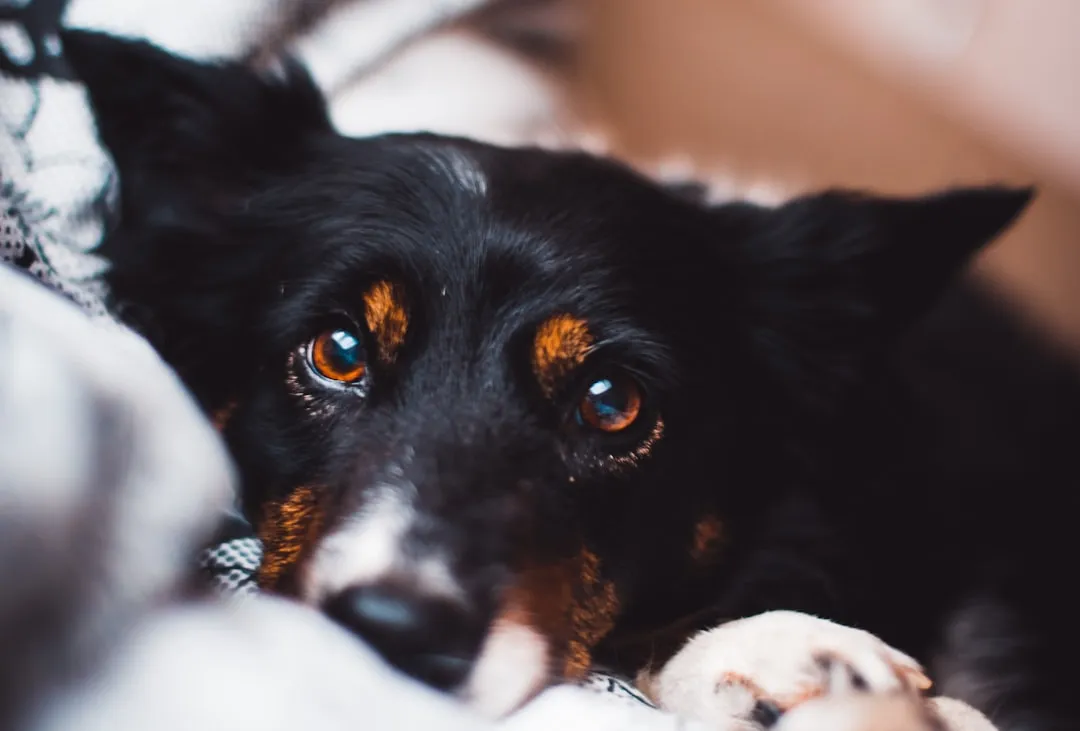
Staring is rude in dog language – except when it isn’t. With their chosen person, many dogs offer a soft, almost sleepy gaze that lingers far longer than casual eye contact should. The muscles around the eyes go loose, the blink rate slows, the mouth hangs slightly open. It isn’t a challenge. It’s closer to a quiet, biochemical love letter.
Research has found that relaxed, mutual eye contact between dog and human can raise oxytocin levels in both – the same bonding hormone at work between mothers and infants. Most dogs don’t hand this out freely; it’s usually reserved for one, maybe two people in their whole life. If your dog locks eyes with you on the couch or in bed and seems to melt rather than tense up, you’re not just familiar to them. You’re emotionally central.
Worth Knowing
- Oxytocin is often nicknamed the “love hormone” and rises during bonding moments in both new parents and pet owners
- Mutual gazing between dogs and their favorite person can trigger this same hormonal loop
- Dogs typically reserve long, relaxed eye contact for just one or two trusted humans in a lifetime
- A prolonged stare from an unfamiliar dog usually signals caution, not affection – context is everything
#8 – Sleeping in the Most Vulnerable Spots Near You
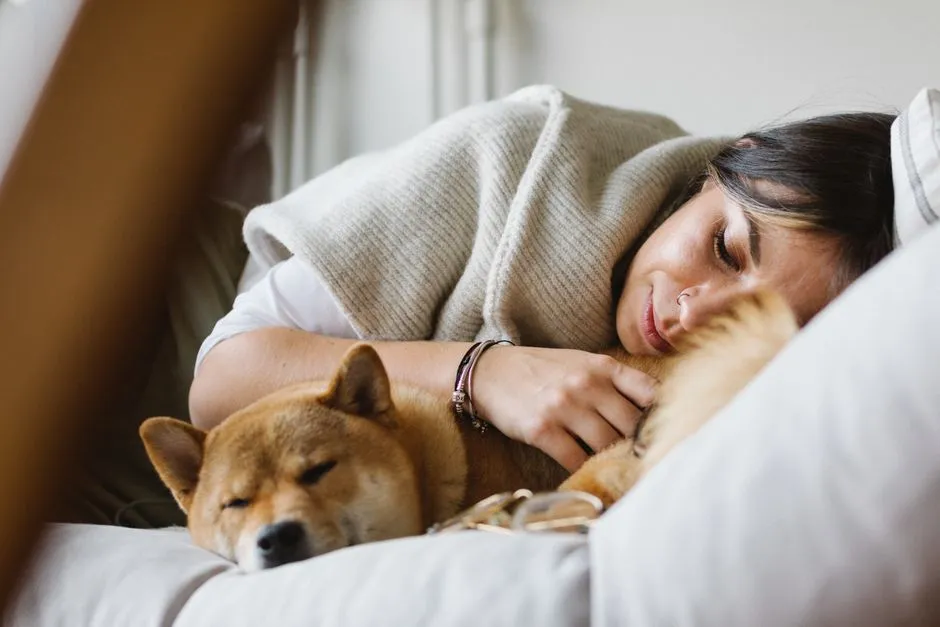
Sleep is when a dog is at its most defenseless, which makes sleeping position one of the loudest trust signals they have. A dog that’s chosen its person will quietly rearrange its whole sleep routine around that human – pressed against your back, curled at your feet, or facing away from you entirely while you sleep, essentially standing guard with its own body.
Choosing to sleep close to you is choosing you as part of their safety circle. Even dogs banned from the bed will often camp right outside the bedroom door, positioned for a direct line of sight to you. It’s not laziness or convenience – it’s strategy.
Dogs are not our whole life, but they make our lives whole.
Roger Caras
#9 – Subtle Seeking of Comfort From You (Not Others)
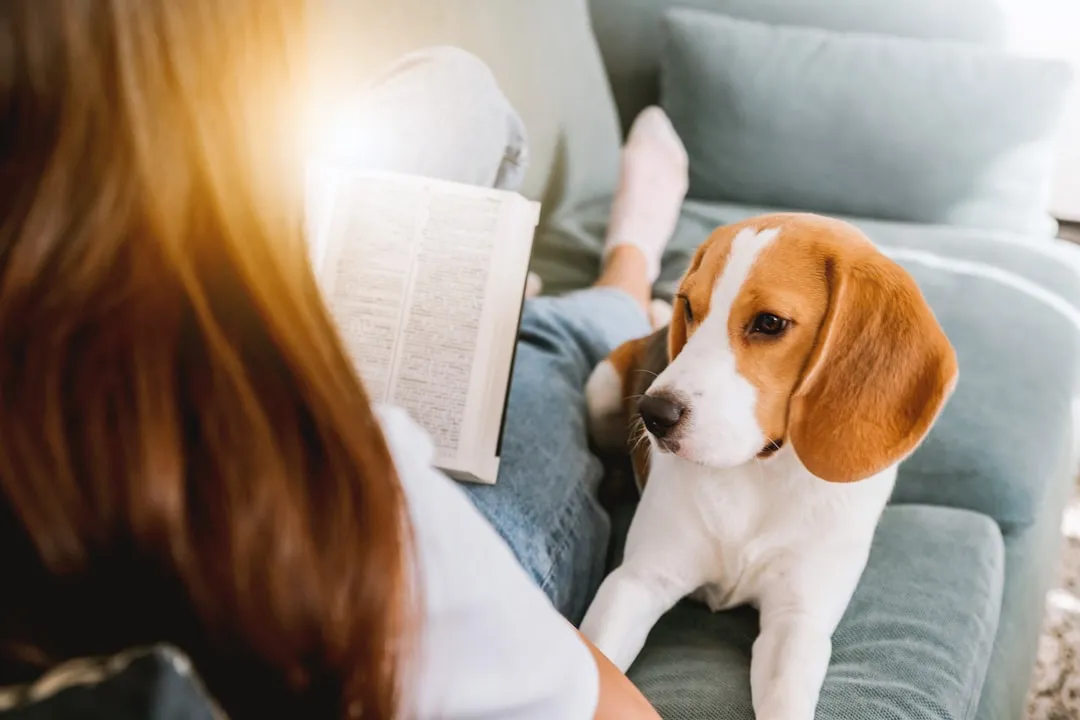
When a dog gets startled – a loud crash, a strange dog, an unfamiliar object – watch who they move toward. That split-second reflex is brutally honest. A dog that has truly chosen its person will orient toward that human when stressed, even if someone else is standing physically closer.
Attachment studies show dogs use their primary human as a secure base and safe haven, almost identical to how toddlers use a parent – exploring, getting spooked, then circling back. With everyone else, they might tolerate a comforting hand. With their chosen person, they actively seek it out: a paw on your leg, a lean into your side, a sudden hop into your lap after a scare. If you’re the one their nervous system runs to, that’s about as clear as this gets.
#10 – Hairline “Resource Guarding” of Your Attention
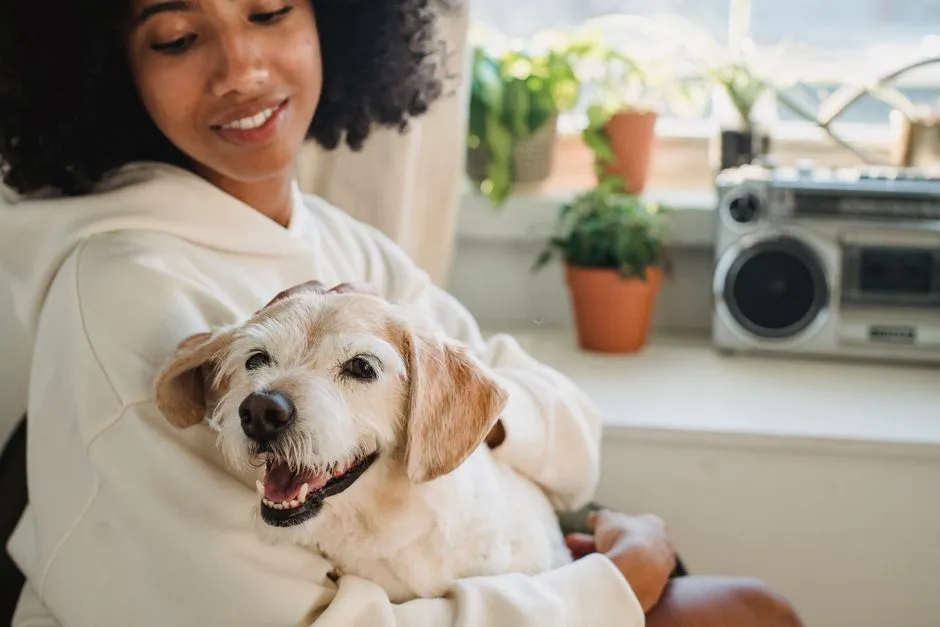
Here’s a slightly uncomfortable one. When a dog decides you’re theirs, they sometimes guard your attention like it’s a finite resource – not with snarling, but by wedging between you and another dog, nudging your hand off your phone, or pressing their body into you the second someone else leans in close.
What looks like clinginess is often social possession: your touch, your gaze, and your time are high-value, and they want first rights to all three. In moderation it’s just attachment; taken too far, it can slide into jealousy or protectiveness worth managing. Either way, it tells you exactly who your dog considers theirs. Families often misread it as the dog being “mean” to others, when the real message is simpler: this person is my most important asset, and I’m not thrilled about sharing.
#11 – Mirroring Your Routines and Energy
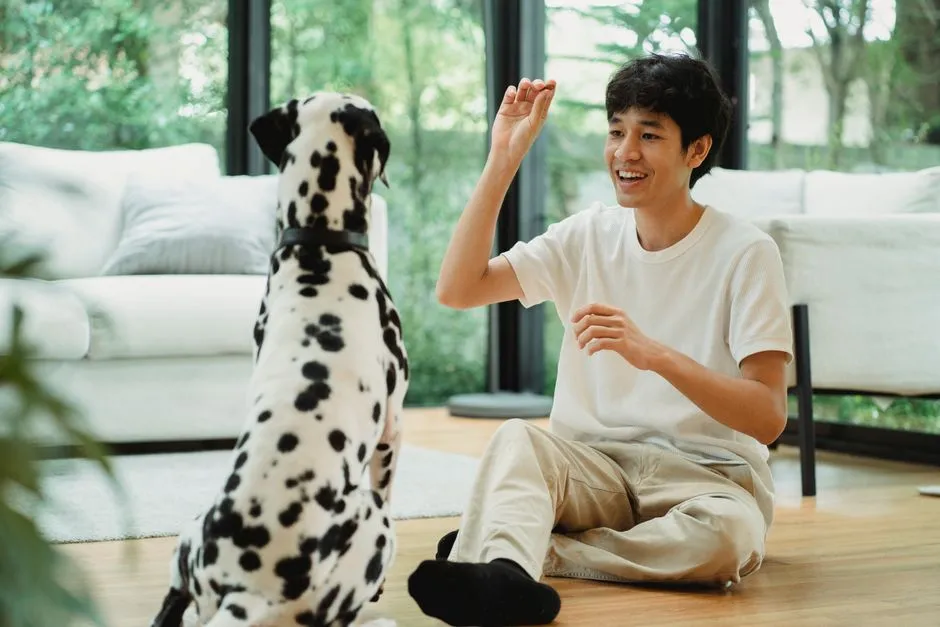
Dogs are professional pattern-readers, and with their chosen person, they don’t just notice patterns – they sync to them. You’ll catch it in the small stuff: restlessness ten minutes before your usual walk time, heading to bed the second you do, perking up at the specific sound of your car pulling into the driveway.
Studies on dog cognition show they can differentiate and anticipate individual humans’ routines by sound, smell, and subtle timing cues – and once they’ve picked a favorite, nearly all of that tracking energy funnels into one person. They know your alarm, your keys, your mood shifts. This shows up emotionally too: calmer when you’re calm, more alert when you’re tense. Dogs may seem to love everyone, but this level of synchronization is never spread evenly. They choose whose life to orbit.
#12 – Choosing You as the “Safe Exploration Base” Outdoors
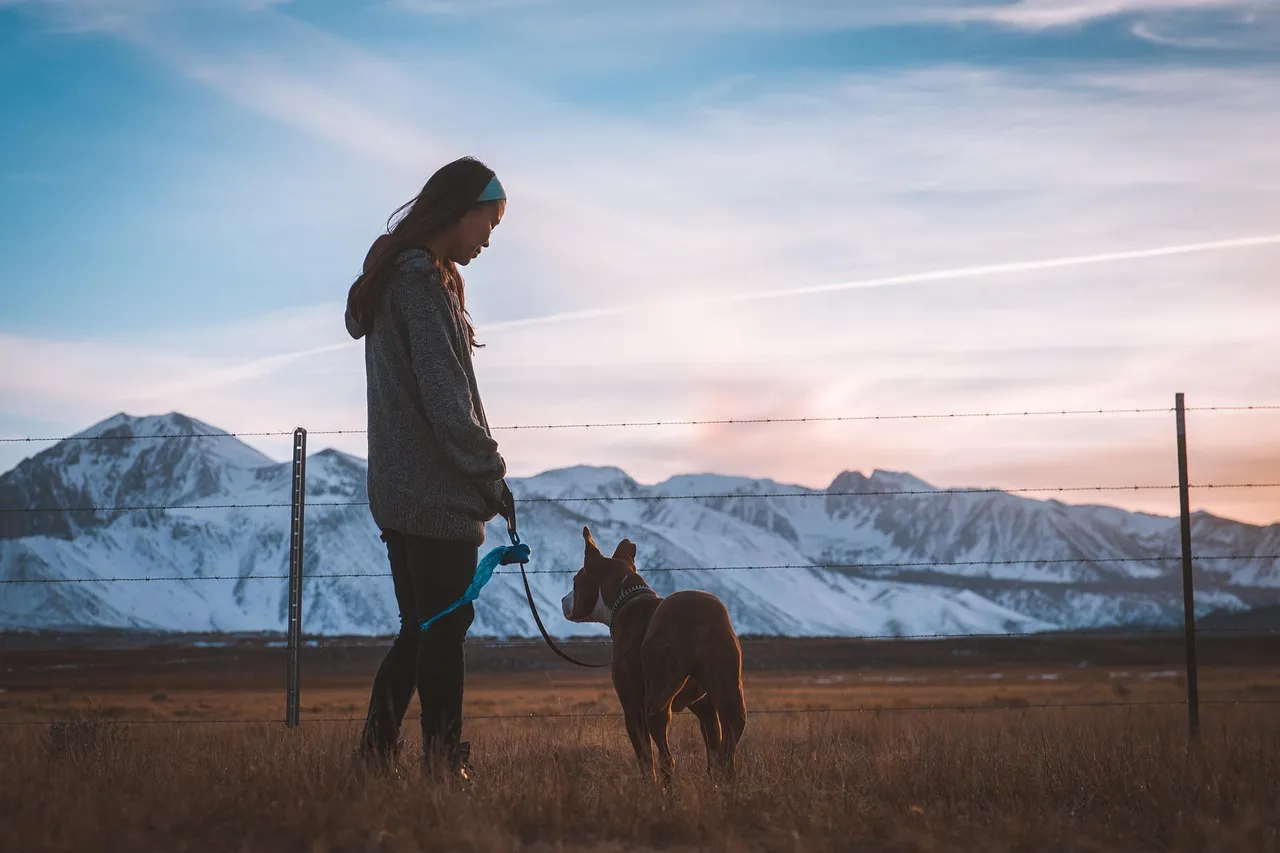
Outside, where smells and sounds explode in every direction, dogs reveal their truest attachments. A dog that’s chosen you will still explore – but it will keep returning or orienting back to you without being called, something behaviorists label “checking back.” Watch the path at a park: big loops out, then straight back to you.
Secure attachment testing shows strongly bonded dogs actually explore more, but only because they trust their base – you – to stay stable. They’ll chase a scent, then circle back to your legs like clockwork. With a less-chosen human, dogs often either stick nervously close the whole time or bolt off with little regard for reconnecting. Curious range plus predictable returns is dog-speak for “you’re my home point,” and it has nothing to do with who’s holding the leash.
Quick Compare
- Securely bonded dog: Explores confidently, checks back often, returns without being called
- Less-bonded dog: Either clings nervously the whole time or wanders off with little regard for reconnecting
- Securely bonded dog: Uses you as a stable home base to venture from and return to
- Less-bonded dog: Treats every nearby human as roughly equal in importance
#13 – Quietly Tolerating (or Even Enjoying) Your Handling
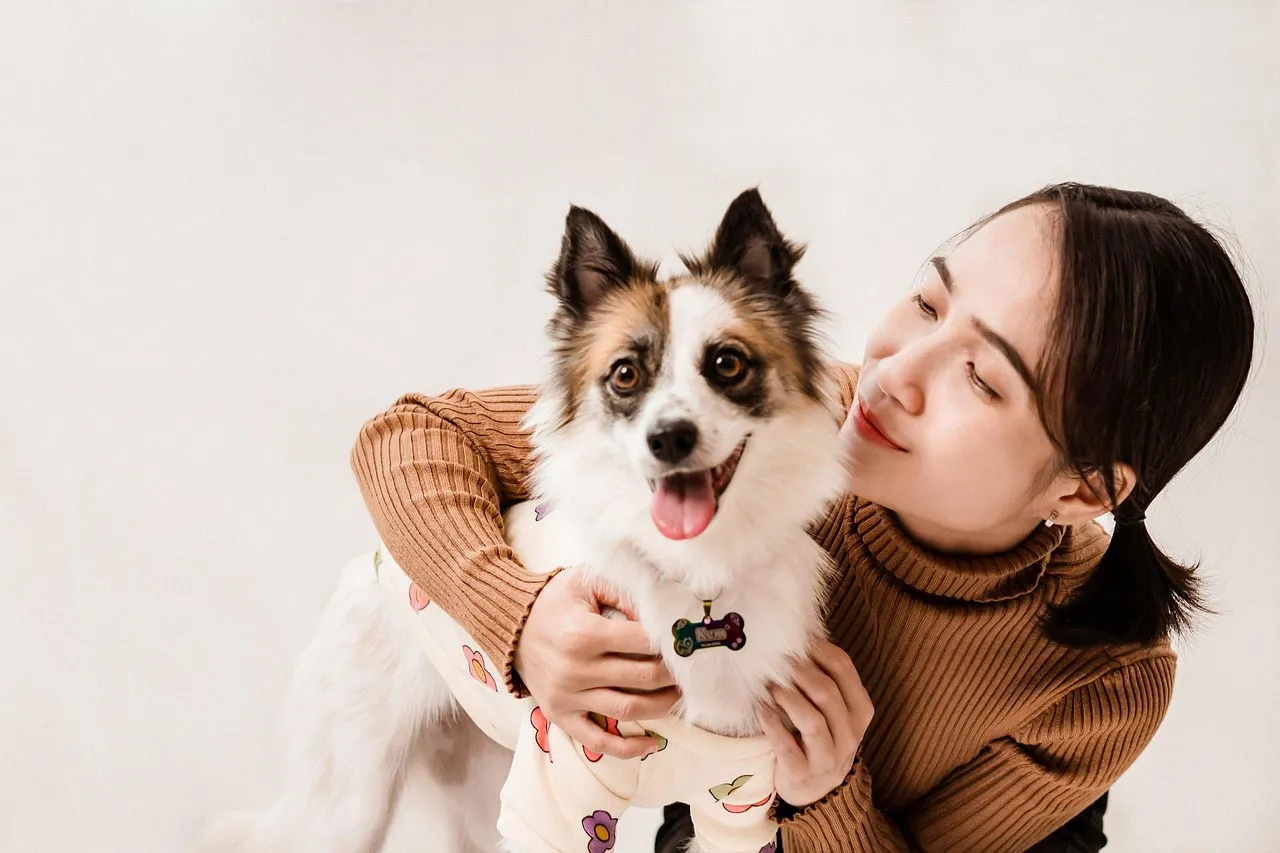
Dogs have very different thresholds for being handled – hugged, repositioned on the couch, having paws wiped or nails checked. Most tolerate only the basics from strangers, but with their chosen person, they’ll allow far more intimate or mildly annoying touch without protest.
Research on dog-human interaction suggests dogs show fewer stress signals – lip licking, yawning, looking away – when handled by their primary attachment figure than by anyone else. That may make you the only one allowed to clean their eyes or awkwardly scoop them up without a meltdown. If they lean into you during grooming or go fully limp on your lap, that’s trust you genuinely can’t fake your way into.
#14 – The “Private” Greeting They Only Give You
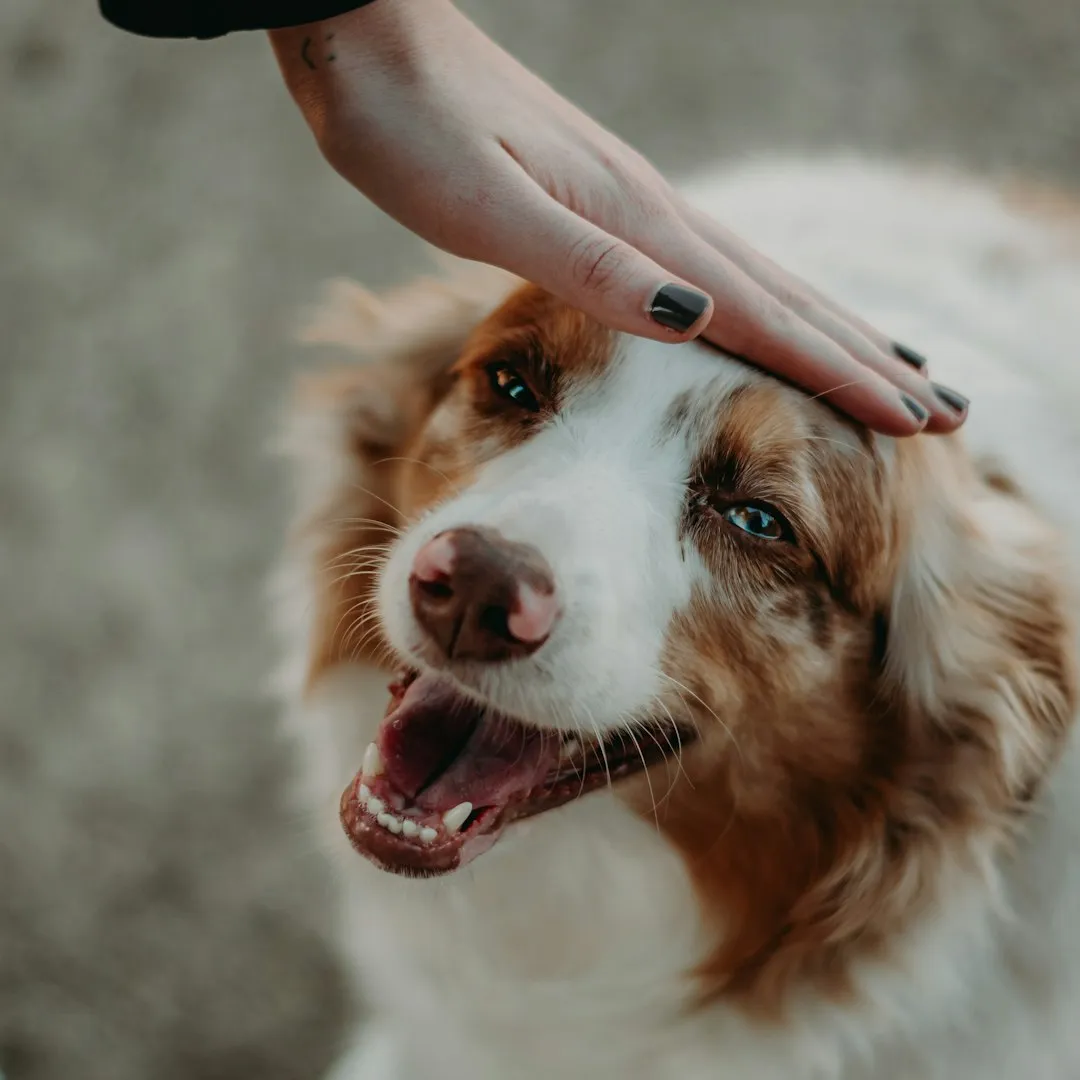
Every dog has a generic hello – tail wag, maybe a jump. But many also keep a very specific greeting ritual reserved for exactly one person: a particular spin, a low grumble-howl, a full-body lean into your legs, or flopping belly-up the instant you walk through the door.
These rituals are customized social scripts, built out of your shared history – the dog has learned this exact sequence with you gets rewarded, so they don’t waste it on strangers or even other family members. Test it: have several people walk in one after another. Does the dog save the zoomies, the spin, or the weird vocal “speech” only for you? If so, that’s not your imagination. That’s a private language, and you’re the only one who speaks it.
#15 – Choosing Your Stress Over Someone Else’s Calm
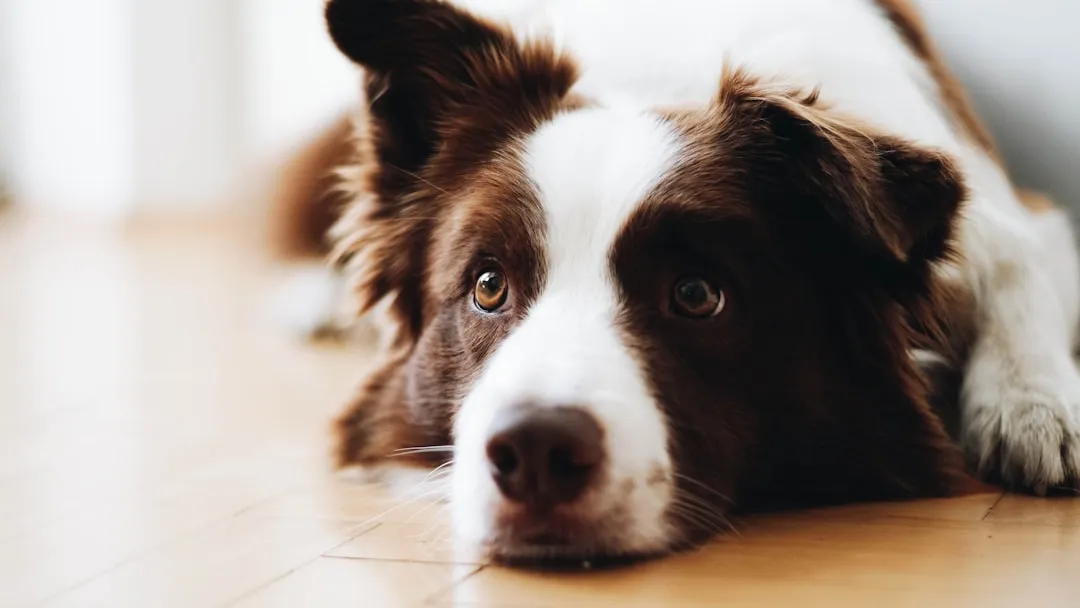
Here’s where it gets a little uncomfortable: highly bonded dogs will often stay glued to their chosen person even when that person is stressed, crying, or sick – rather than retreating to enjoy calmer company somewhere else in the house. It isn’t the healthiest dynamic in every case, but it reveals something close to real loyalty.
Studies on emotional contagion in dogs show they can detect, and sometimes absorb, their primary human’s stress. A dog with options might leave a chaotic room – unless their person is the source of the chaos, in which case they stay put, hovering, nudging a hand, lying within arm’s reach. Meanwhile they might completely ignore a calmer, less-important human two rooms over. Attachment means choosing you, not the most pleasant conditions available. If your worst days don’t scare them off, that says everything.
#16 – Showing Off or “Performing” Mainly for You
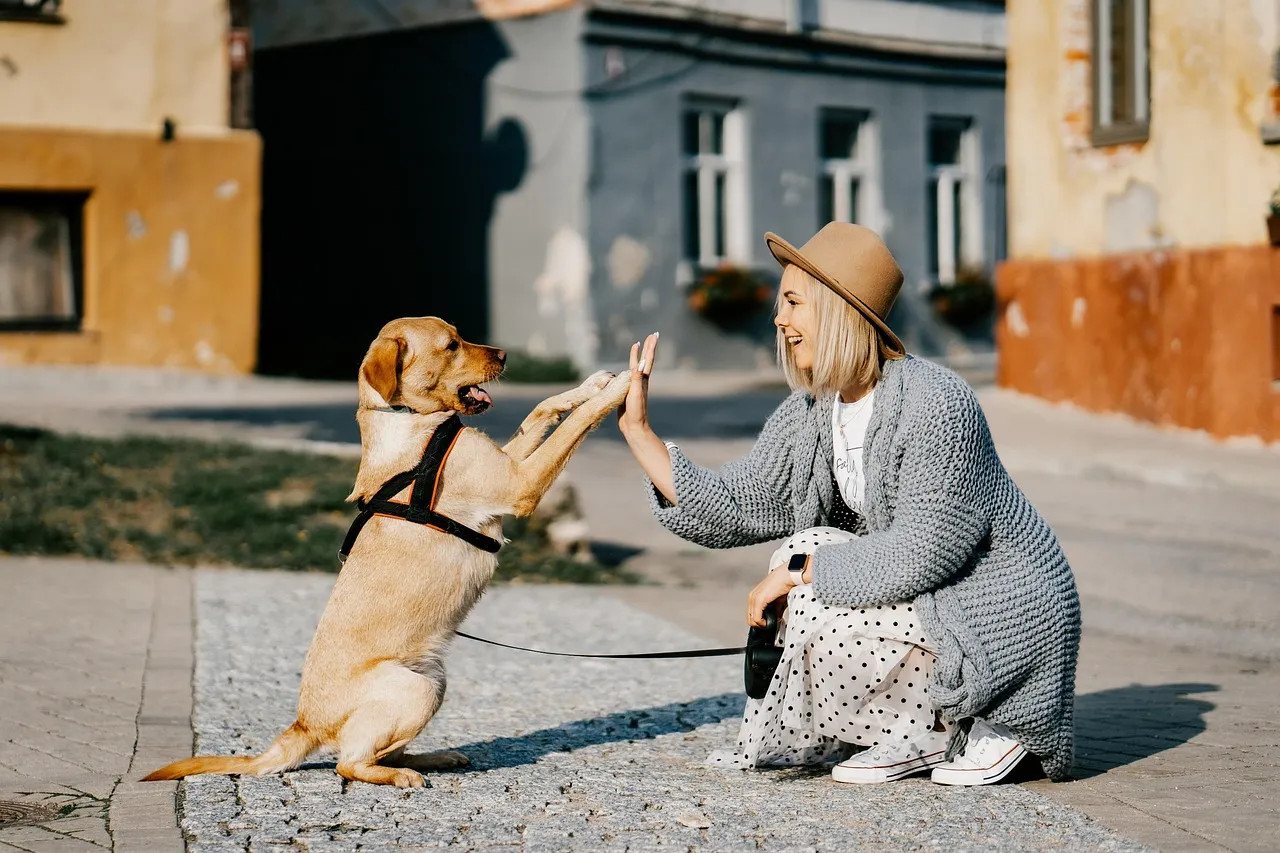
Every ham of a dog still has a favorite audience. That’s the person they bring their weirdest behaviors to – zoomies, dramatic flops, air-biting, little tricks nobody actually cued. It’s not just self-entertainment; it’s an invitation to react.
Behaviorists note that dogs repeat whatever gets a reliable social reward from a specific person. Laugh, talk back, or play along when they do something ridiculous, and it becomes a standing ritual – over time, more and more of those performances get funneled straight to you. With others they might stay polite and mellow; with you, it’s full-clown mode. Who gets the backstage pass to their most ridiculous self says a lot about where you rank.
#17 – Subtle Scent-Marking Directly On You
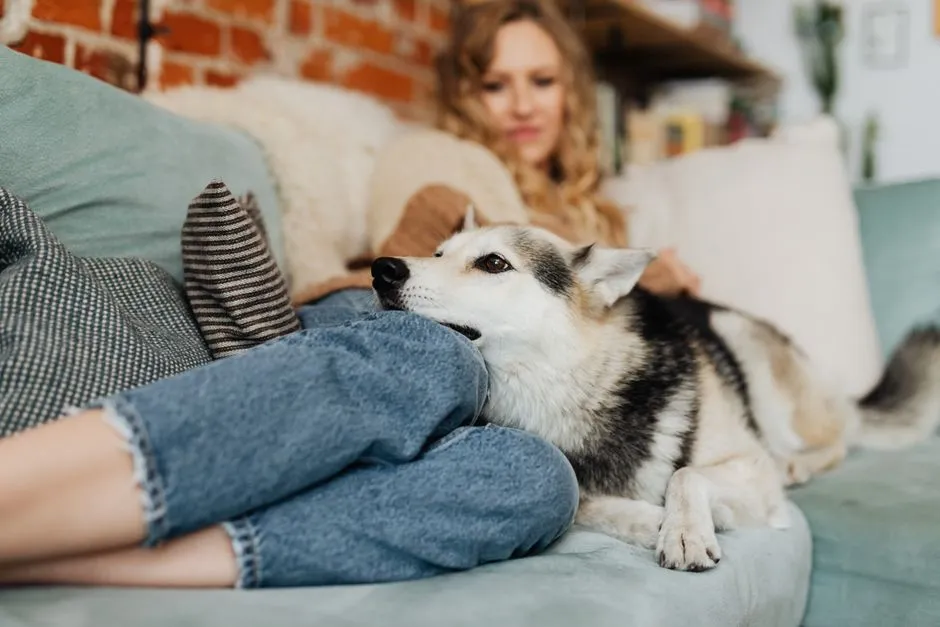
Dogs mark territory with urine, sure – but with a chosen person, the marking gets far subtler: leaning their full weight against your legs, rubbing their face on your clothes, sleeping with their head jammed in your shoe, burrowing into your armpit if you’ll let them. They’re layering your scent with theirs on purpose.
Wolves and wild canids share scent across a pack to build one blended group odor, and your dog is doing a domestic version of the same thing. When it rubs its head on you fresh out of the shower or wedges under your blanket, it’s adding you to its own olfactory team. Humans obsess over fur on black pants; dogs are reading an entirely different story – this smell is me, and also my person. If your clothes smell like dog even when they haven’t peed on anything, congratulations. You’ve been claimed.
At a Glance
- Wild canid packs blend scent among members to build one shared group odor
- Rubbing, leaning, and burrowing are a dog’s way of layering your scent onto its own
- A dog sleeping in your shoe or hoodie isn’t confused – it’s collecting your scent on purpose
- Smelling faintly “like dog” even without direct contact is often a sign of this constant scent-sharing
#18 – Adjusting Their Behavior Based on You, Not the Rules
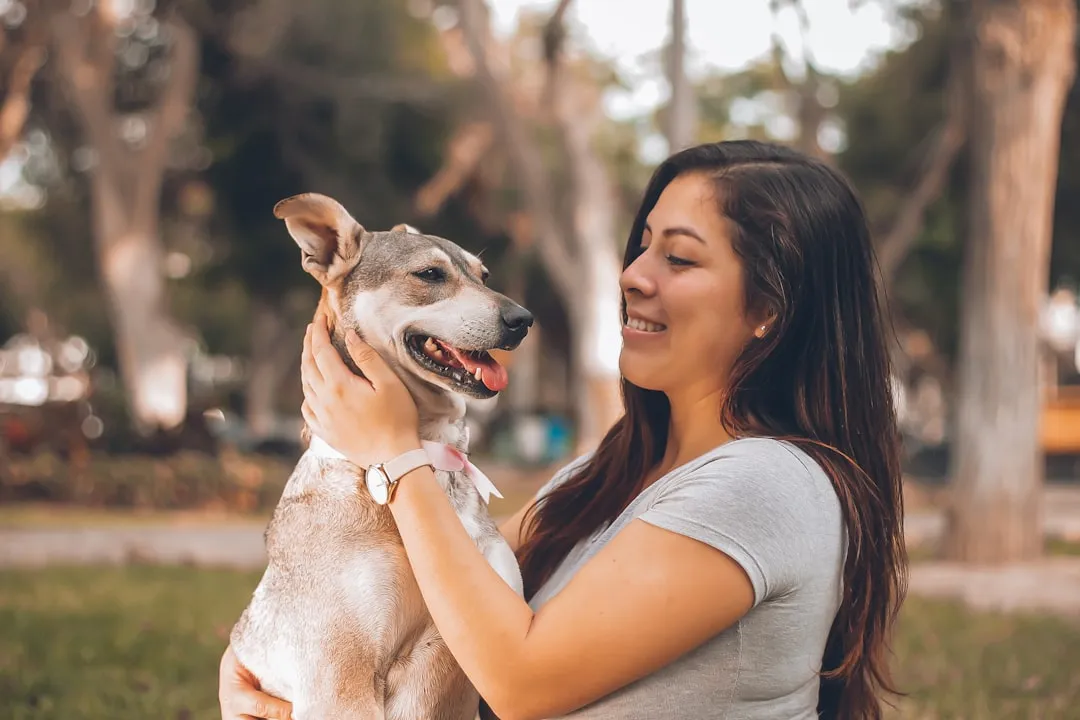
The clearest sign of all isn’t cute – it’s when your presence changes a dog’s behavior more than any formal rule or command ever could. They settle faster when you say their name, stop roughhousing at one look from you, or refuse to eat until you’re in the room, even when everyone else offers identical cues.
Attachment research shows dogs respond more strongly to guidance, reassurance, and even mild disapproval from their primary person than from anyone else. Your quiet “hey, knock it off” carries more weight than someone else’s full training routine, because they’re not following generic rules – they’re following you. It can be flattering or exhausting depending on the day, but it’s the purest mark there is: their internal compass is set to your reactions, not the household’s.
The Bottom Line
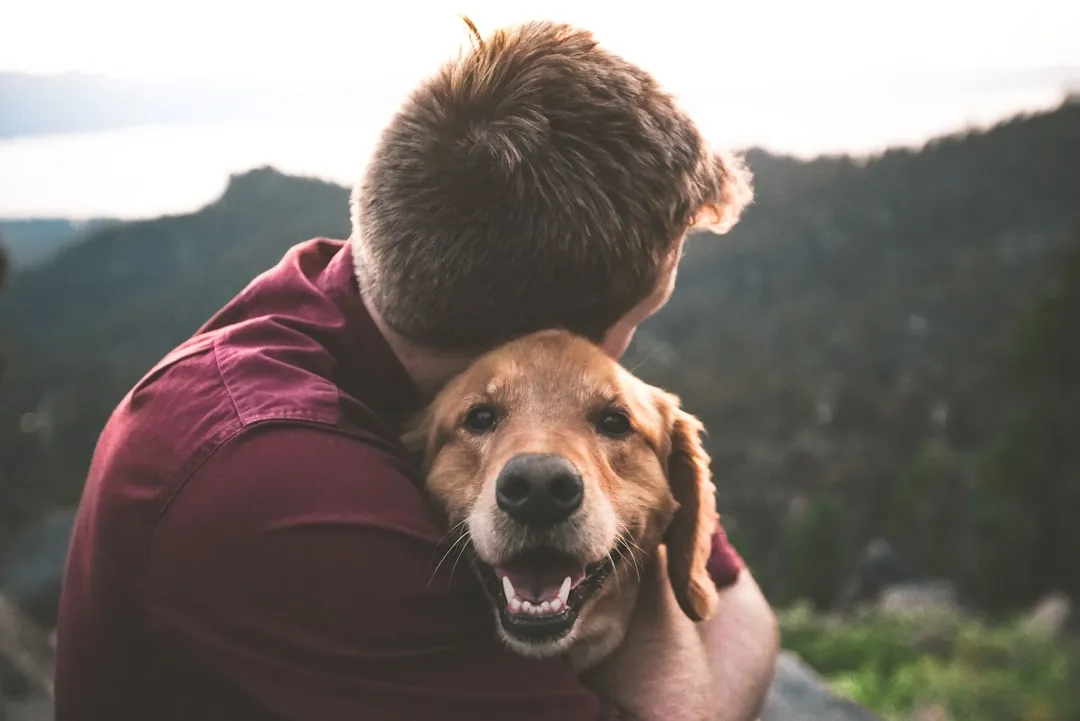
Dogs rarely announce, “you’re my person,” with one big gesture. They whisper it, over and over, in the boring, tiny details – who they check in with, whose laundry they sleep on, who they run toward when the world gets loud and strange.
A lot of people misread these quiet choices and assume a friendly dog loves everyone equally. It doesn’t. Attachment was never about who buys the food or throws the ball highest – it’s about whose presence actually changes that dog’s nervous system, moment to moment, without either of you noticing.
If you saw your own dog in most of these signs, they made up their mind about you a long time ago, probably before you even realized there was a decision to make. If you didn’t recognize much of this, it doesn’t mean your dog loves you less – it might just mean someone else in the house is quietly holding that title. Either way, watch closer tonight. The proof was never in the big greeting at the door. It was in everything your dog does when it thinks nobody’s grading the performance.