
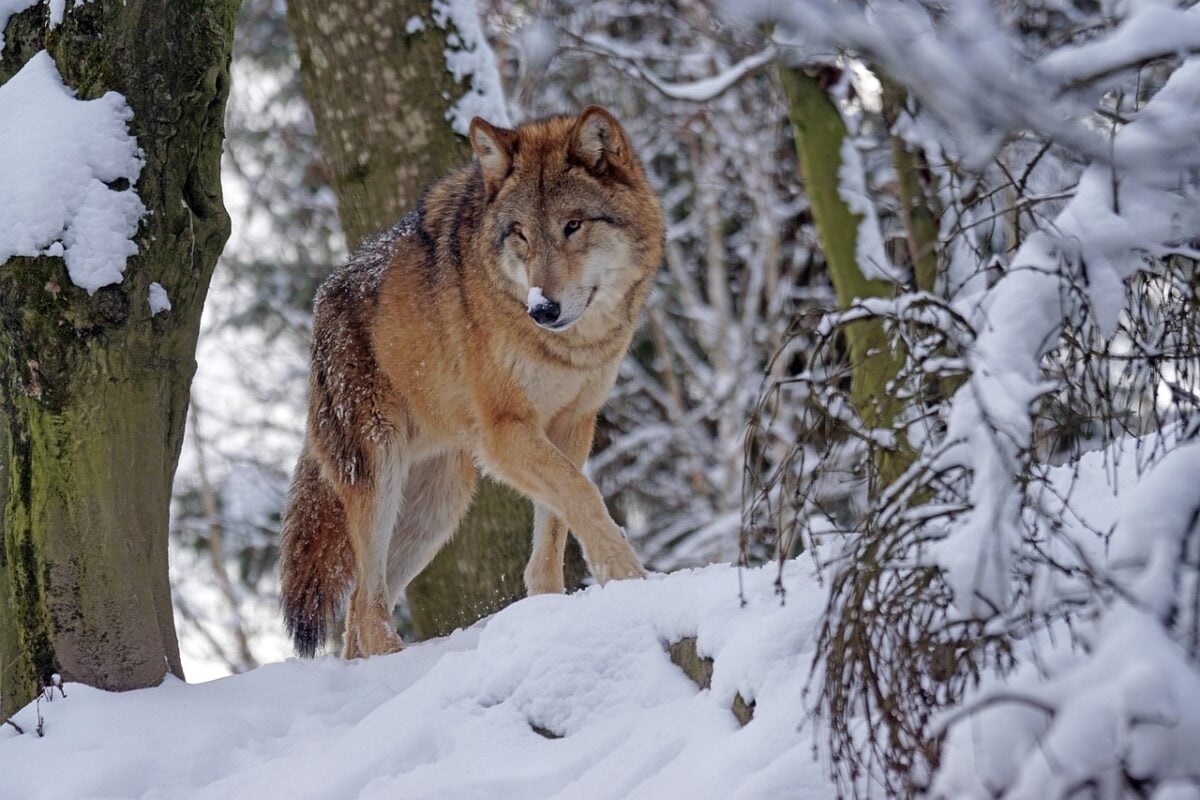
There is something quietly heartbreaking about knowing that one of North America’s rarest predators is now hanging on by a thread in just a few corners of the United States. Red wolves once roamed from Texas to the Atlantic coast; today, the wild population is so small that you could almost count them on your fingers. And yet, against the odds, they are still out there – ghost-like shapes slipping through coastal marshes and pine forests, clinging to survival.
In this article, we’ll look at six states that still matter for red wolves today – some where wild packs roam, others where captive breeding and carefully managed populations are keeping hope alive. This isn’t a fairy-tale comeback story; it’s complicated, fragile, and sometimes frustrating. But if you care about wildness, recovery, and second chances, these places are where the story of the red wolf is still being written.
#1 North Carolina: The Last Stronghold Of Wild Red Wolves
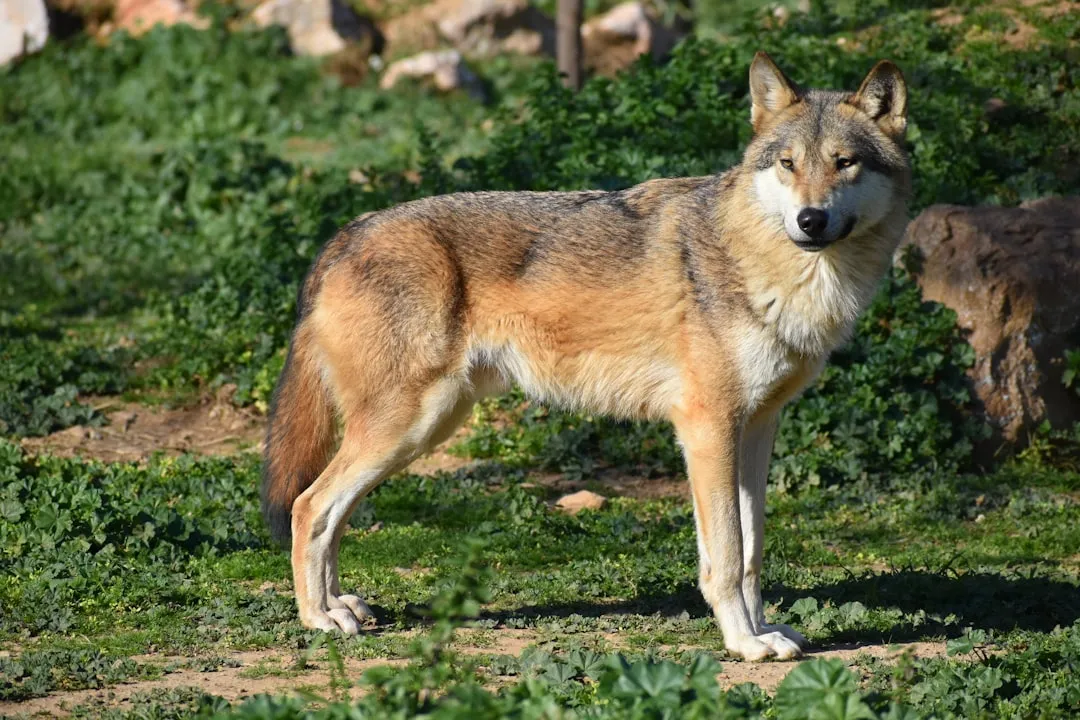
If you want to know where red wolves still roam totally free on the American landscape, you start in eastern North Carolina. The Albemarle–Pamlico Peninsula, a patchwork of wildlife refuges, farms, pine forests, and wetlands, is home to the only officially recognized wild population of red wolves left in the country. Here, small family groups patrol the edges of fields, den in sandy rises, and try to raise pups in a landscape that is changing fast.
The population has gone through dramatic swings, from a promising few hundred animals to, at times, only a few dozen in the wild. Habitat loss, vehicle strikes, conflicts over coyote control, and local opposition have all hit them hard. Yet biologists, local landowners, and advocacy groups are still fighting for their future, using tools like fostering captive-born pups into wild dens and working with private landowners to keep habitat open. Whenever I read about a new litter of wild-born pups in North Carolina, it feels less like a statistic and more like a small, defiant act of hope.
#2 Tennessee: A Quiet Backbone For Captive Recovery
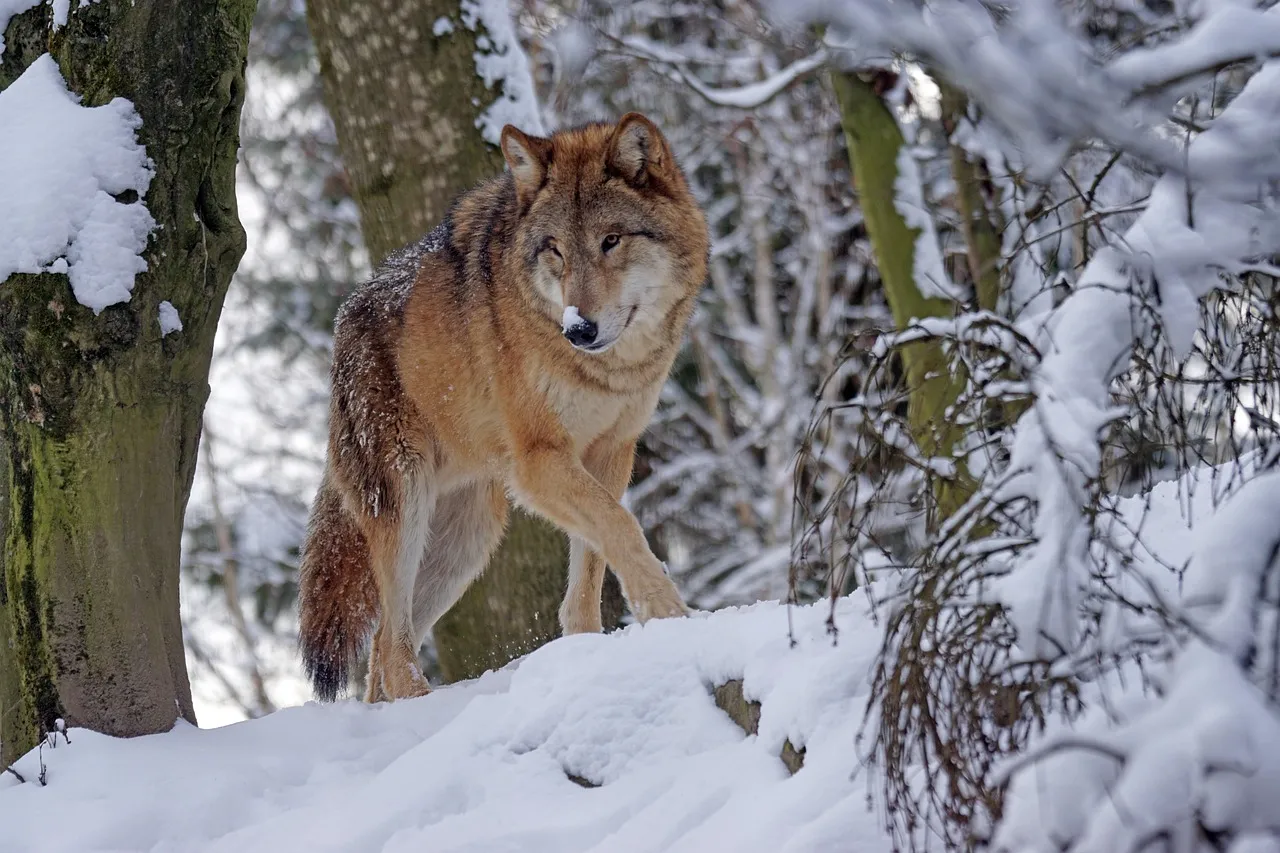
Drive through eastern Tennessee and you might not realize that, behind the scenes, this state plays a small but meaningful role in red wolf recovery. While there are no self-sustaining wild packs here, facilities such as accredited zoos and conservation centers in the region participate in the Species Survival Plan, a coordinated captive-breeding network. These institutions carefully manage family trees, genetics, and breeding pairs to prevent inbreeding and preserve what is left of the red wolf’s wild heritage.
It can be tempting to dismiss captive wolves as “not real wildlife,” but that attitude completely misses the point. Without these managed populations, the wild red wolves in North Carolina would have no backup, no source of new genetic diversity, and no safety net if disaster struck. Tennessee’s role is more laboratory and nursery than untamed wilderness, but it is essential. It reminds me a bit of a seed bank for rare plants: invisible to most people, but absolutely vital when you are trying to bring a species back from the edge.
#3 Florida: A Southern Refuge For Future Releases
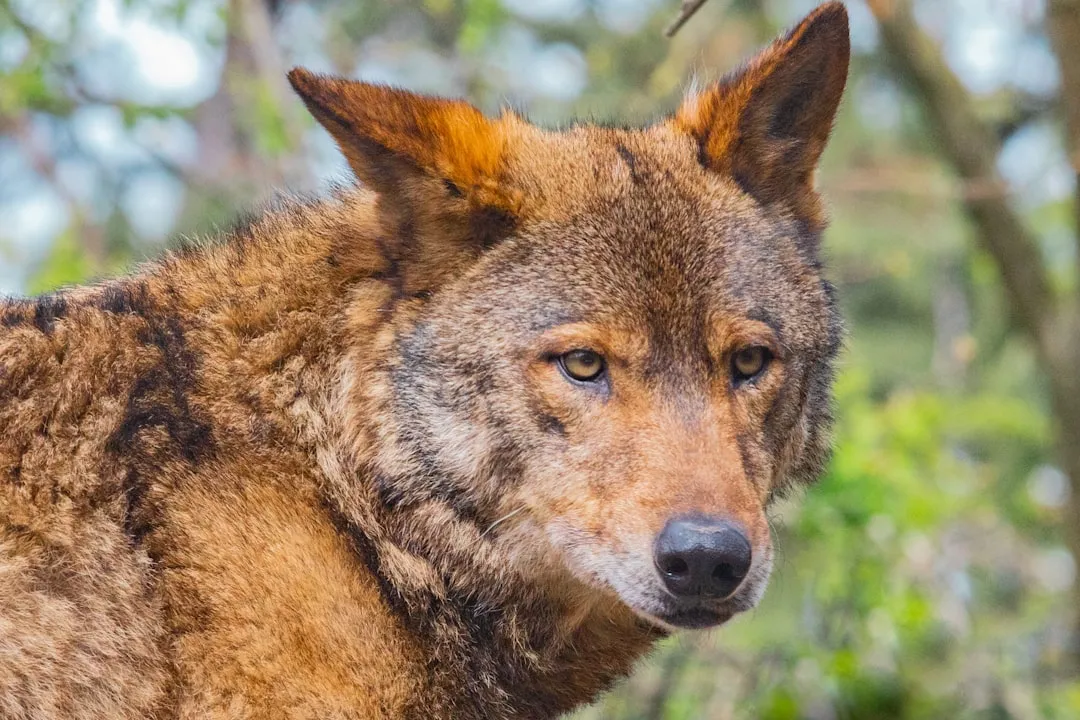
Florida does not have red wolves roaming its swamps and pine flatwoods the way they might have a century ago, but it remains an important player in their survival. A handful of zoos and wildlife parks in the state hold red wolves as part of the national breeding program. In a warm climate with a huge audience of visitors, these facilities help keep the species in the public eye, which honestly matters more than many people think. If the public forgets an animal exists, funding and political will vanish almost overnight.
Florida’s landscapes – longleaf pine, wiregrass, and sprawling wetlands – could, in theory, support red wolves again under the right conditions. For now, though, the state’s role is more about preparation than reintroduction. Wolves raised in Florida may one day be candidates for release elsewhere, adding critical genetic threads to populations that are struggling. The idea that an animal born in a quiet off-exhibit enclosure could someday be howling under a wild Carolina moon is strangely moving, and it shows how interconnected these states really are.
#4 Texas: Birthplace Of The Last Wild Red Wolves
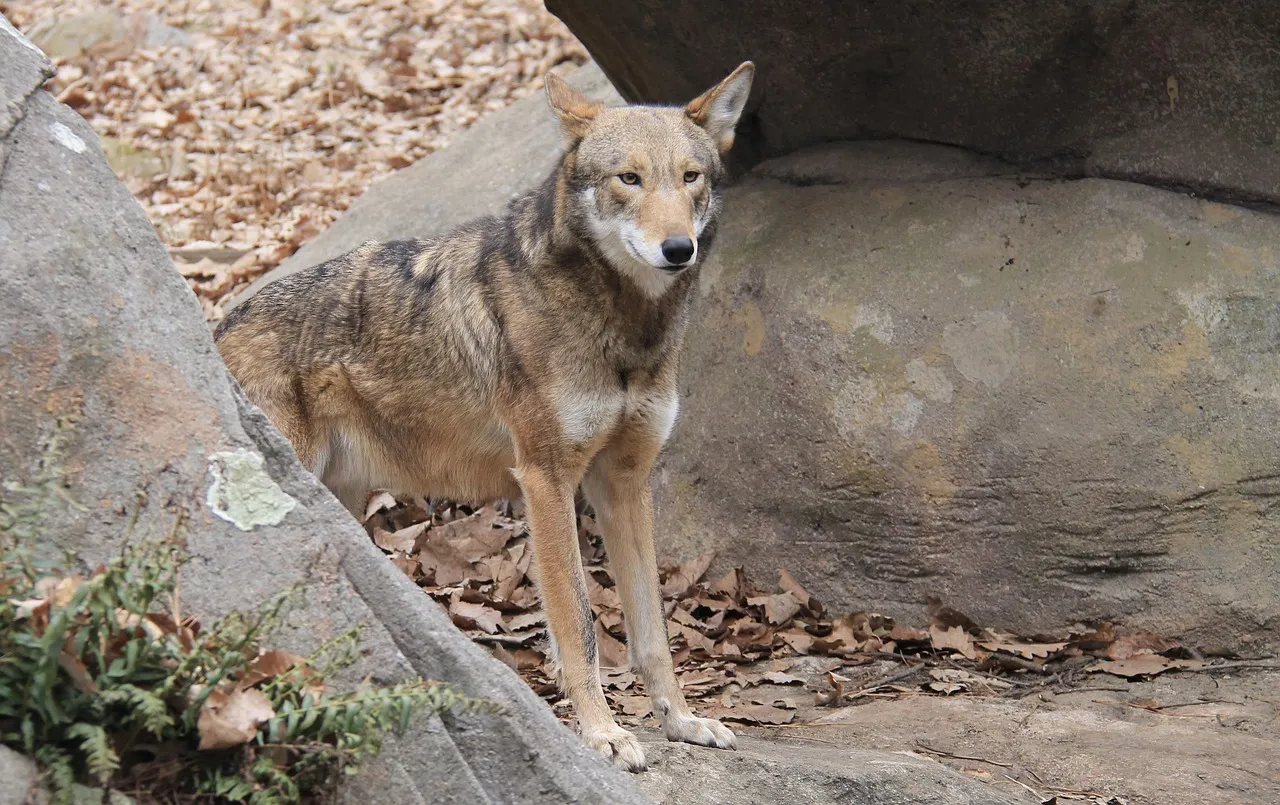
Texas is where the story of modern red wolf recovery takes a dramatic and bittersweet turn. In the coastal marshes and brush country of Texas and neighboring Louisiana, the last truly wild red wolves were trapped in the late twentieth century for an emergency captive-breeding rescue effort. That drastic move erased the species from the wild, but it also prevented total extinction. Every red wolf alive today traces its roots back to those final animals taken from the Texas–Louisiana borderlands.
Today, Texas does not have a free-ranging red wolf population, and the landscapes where they once lived are now dominated by development, industry, and dense human use. Still, the state is home to a few conservation facilities and zoos that care for captive wolves and keep the story alive for visitors. I sometimes think of Texas as the red wolf’s ancestral memory: even if the animal is physically gone from its prairies and marshes, the genetic legacy of those last wild wolves carries that landscape with it into every new generation.
#5 Washington: A Western Hub For Breeding And Research
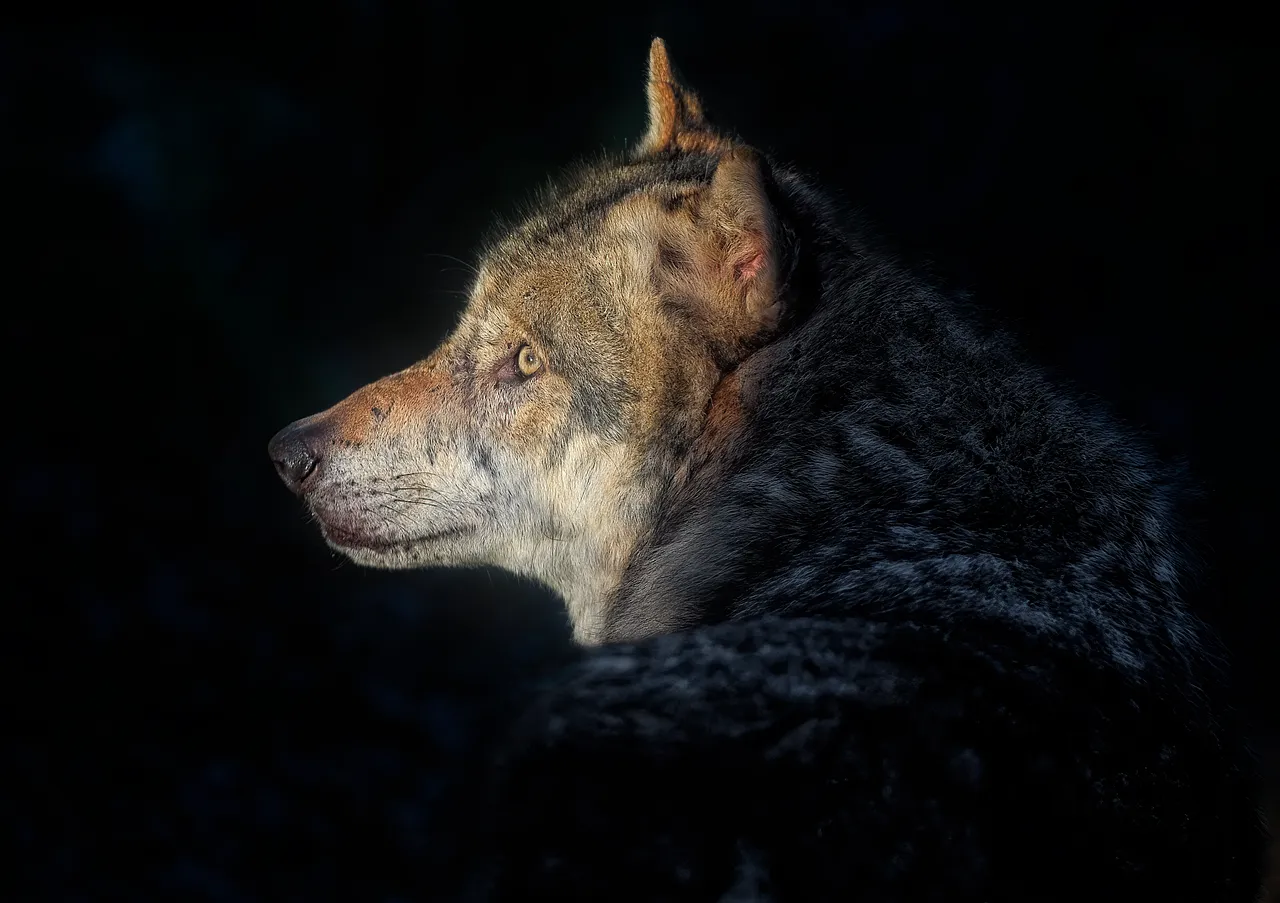
It might surprise you to see Washington on a list about a southeastern predator, but conservation in the twenty-first century isn’t constrained by old range maps. Several institutions in Washington participate in red wolf breeding and research, helping manage genetics, behavior studies, and the husbandry techniques needed for successful releases. In a way, Washington is part science lab, part nursery, and part public classroom for a species that most residents will never see roaming their own forests.
Having a western hub for red wolves spreads out the risk and builds capacity. If disease, disaster, or politics hit facilities in the East especially hard, wolves in Washington and other distant states can keep the recovery effort going. To me, that geographic spread is a quiet strength of the program. It says that saving the red wolf is not just a regional responsibility; it is a national choice, with people thousands of miles away deciding that this animal’s story is worth keeping alive.
#6 Kentucky: Linking Appalachia To The Red Wolf’s Future
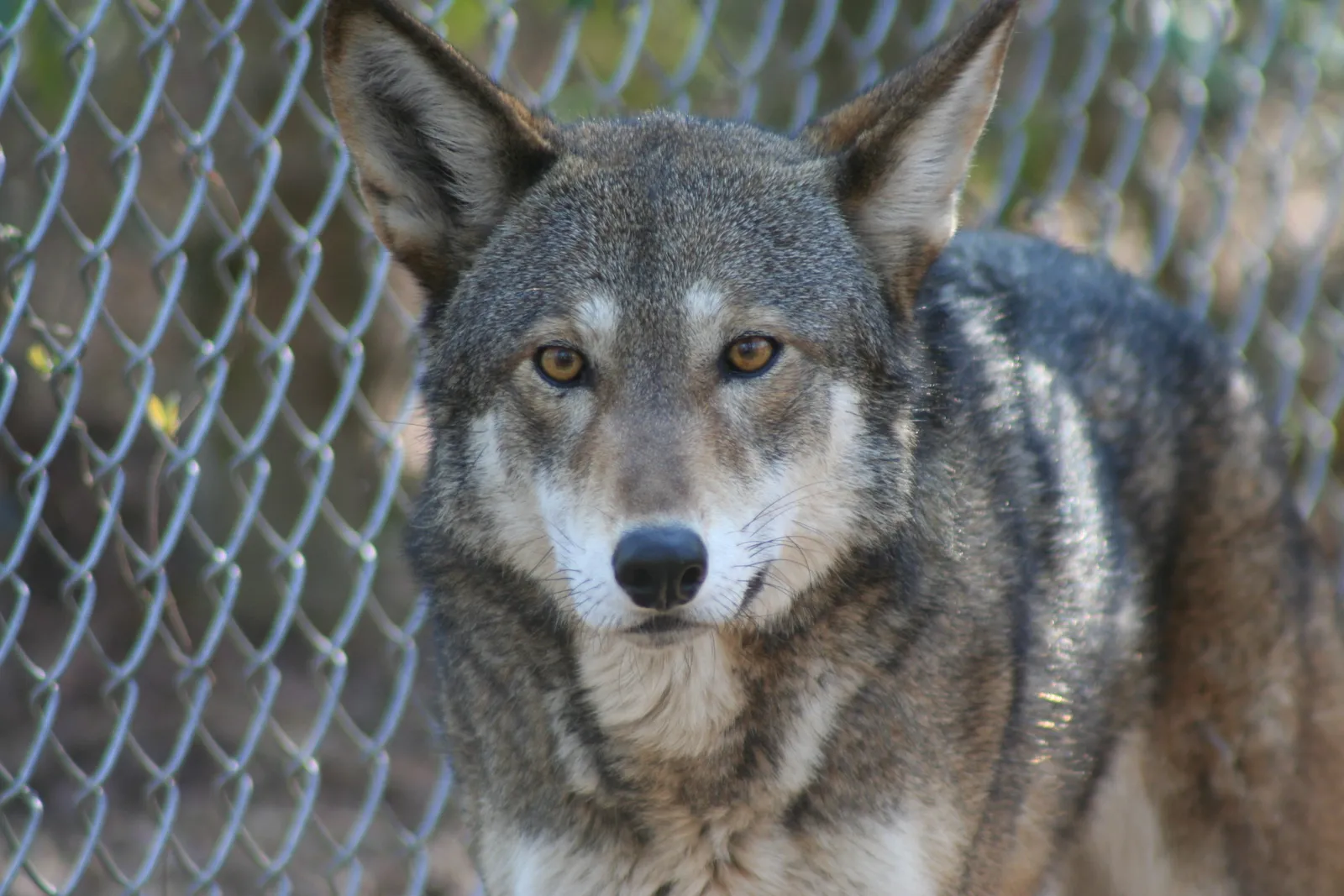
Kentucky, like several other Appalachian states, once formed part of the broad transition zone between the red wolf’s historical range and interior North America. Today, the state holds red wolves only in captivity at participating zoos or wildlife centers, but those animals are part of the same meticulously tracked family tree that connects facilities across the country. Each litter born here is one more thread in a fragile web that keeps the species from slipping into history.
There have been occasional discussions and studies about where red wolves could someday be reintroduced beyond coastal North Carolina, and landscapes in and around Appalachia often enter that conversation. For now, Kentucky’s role is cautious and behind the scenes, but it matters. By housing wolves, supporting education programs, and proving that people in the region care about this animal, the state helps keep options open. In a recovery effort this precarious, keeping options open is not a luxury; it is survival strategy.
Opinionated Conclusion: A Species Held Together By Threads
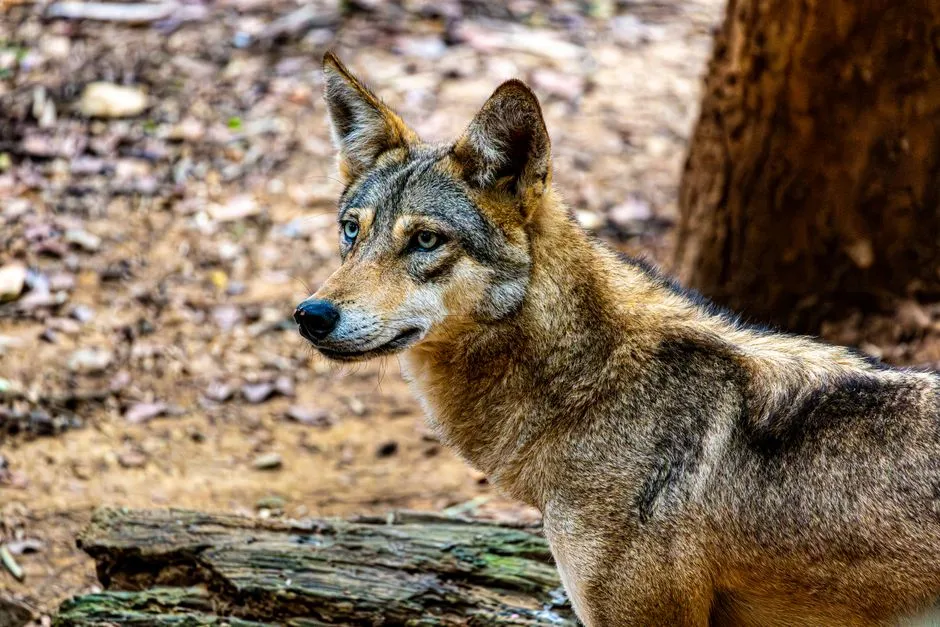
Looking across these six states, what stands out most to me is how thin and patchy the safety net for red wolves really is. One wild population in North Carolina, and a scattered archipelago of breeding facilities from Tennessee to Washington and beyond – that is all that stands between this species and silence. It is impressive that we pulled the red wolf back from total extinction once, but it is frankly inexcusable that we have allowed things to stall so close to the edge again.
At the same time, the fact that any red wolves remain at all feels like a quiet act of rebellion against the idea that extinction is just the cost of doing business. Each state in this list plays a different role – wild stronghold, genetic bank, research hub, or public storyteller – but they are all pieces of the same fragile puzzle. If we choose to, we can strengthen those pieces, expand them, and someday hear red wolf howls echo over more than one lonely corner of the South. The real question is not whether we know how to do it; it is whether we care enough to try – what would your answer be if the last wild howl disappeared on our watch?

- 6 US States Where Red Wolves Still Survive - August 25, 2026
- 8 Native Plants That Host Caterpillars Even When Adult Butterflies Prefer Different Flowers - August 24, 2026
- 7 Reasons Your Dog Suddenly Chooses a Different Place to Sleep - August 24, 2026