
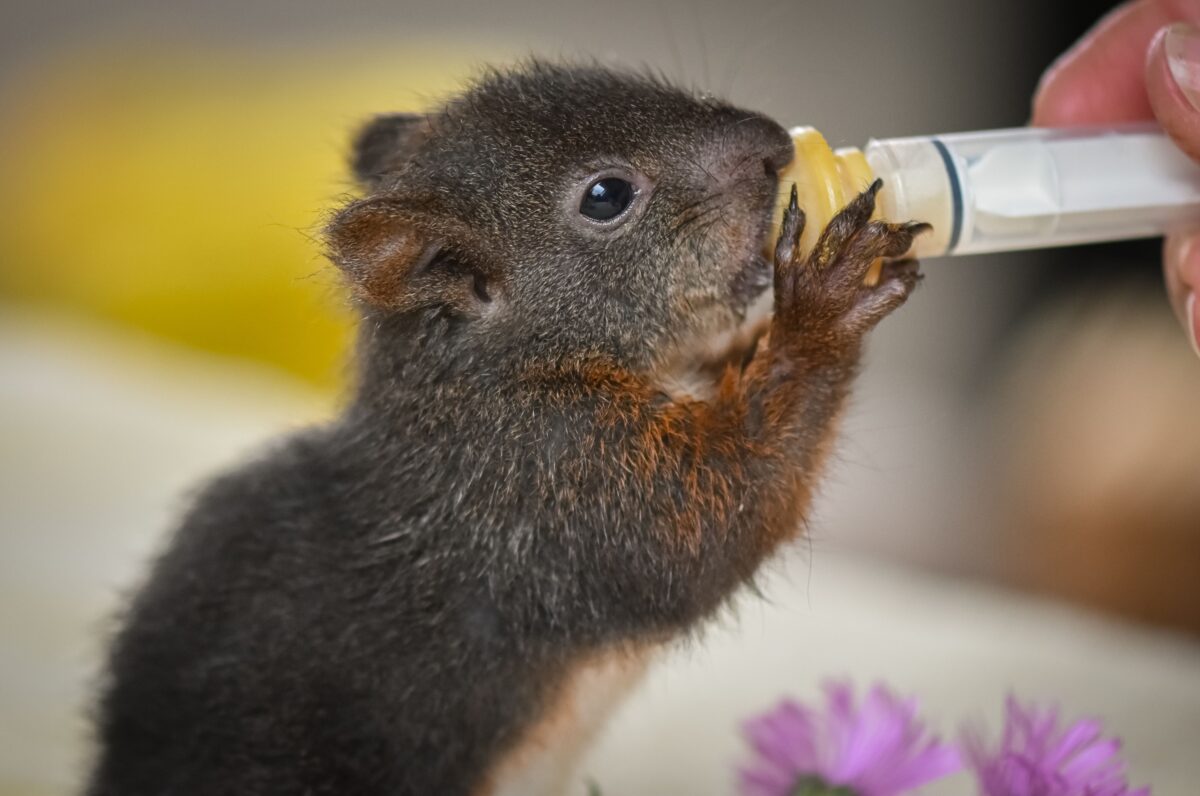
Walk into any wildlife rehab center and ask the staff what an intake form actually tells them. The honest answer is almost nothing. The real history isn’t written down anywhere – it’s hiding inside the animal itself, in how it flinches, how it eats, whether it can fall asleep without a television humming somewhere nearby.
Rehabbers have learned to read these signals like a second language, and once you know the vocabulary, you start seeing it everywhere – in shelter dogs, backyard squirrels, even that “adorable” fox video everyone shared last week. Some of what they notice is heartbreaking. Some of it will make you rethink every cute animal clip you’ve ever liked. Here are the 17 tells they say never lie.
#1 – The Animal That Never Flinches

When fireworks crack or a door slams, most wild or semi-wild animals jump hard. That’s healthy wiring. So when a rehabber watches a fox, raccoon, or bird barely register the noise at all, they don’t see “calm.” They see a red flag.
A blunted startle response usually points to chronic stress, repeated chaos, or even old head trauma. Animals raised in blaring garages, near nonstop barking kennels, or around constant gunfire learn early that flinching changes nothing, so their bodies simply stop trying. Rehabbers describe it as a frozen kind of calm – stiff muscles, dilated pupils, movements a half-second too slow. It’s the animal version of tuning the world out because the world never gave it a reason to stay alert.
#2 – Panicking at Hands, But Not at Objects
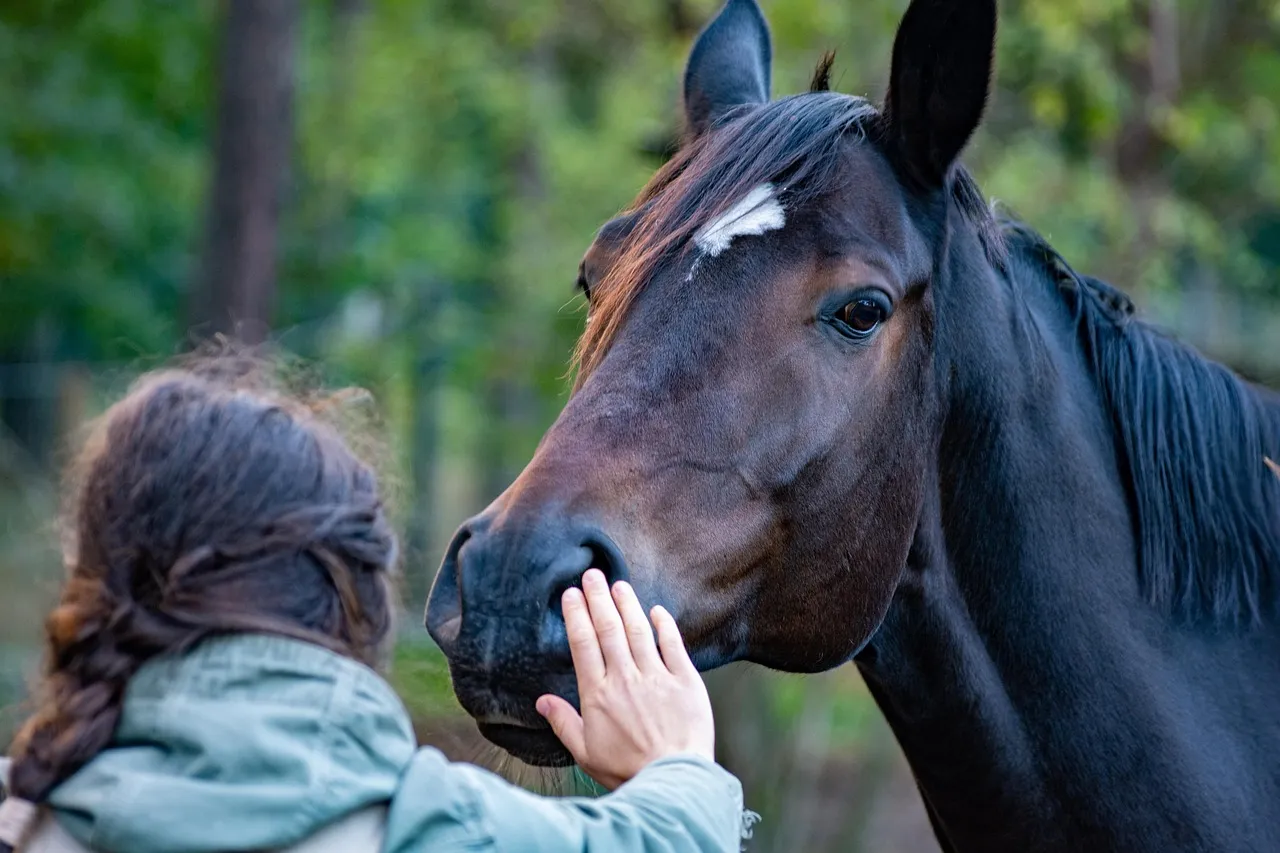
Most people assume a hand-shy animal was simply “abused.” Rehabbers get more specific than that. If an animal panics the instant fingers appear but stays relatively neutral around brooms, leashes, or towels, that’s usually a history of rough handling rather than a single violent incident.
Hands that grabbed, pinned, or yanked over and over leave a deeper mark than one bad moment ever could. You’ll see it in tiny, fast reflexes – a raccoon shrinking the second fingers spread apart, a squirrel freezing but not fleeing when a towel drifts past. Rehabbers say this pattern shows up constantly in illegally kept “pet” wildlife that got passed around for photos or bottle-fed by a rotating cast of strangers. Nobody necessarily hit them. They were just handled like toys, over and over, until their nervous system learned the difference.
Quick Compare
- Hands appear: flinching, shrinking, sudden bolting
- Objects appear: mild curiosity or neutral watching
- Likely cause: repeated rough handling, not one bad incident
- Rehab goal: slow, hand-specific desensitization work
#3 – The “Friendly” One With Zero Sense of Personal Space
Ironically, the friendliest fox or raccoon in the room often carries one of the most damaging histories of all. When a wild animal rushes into a stranger’s lap, paws at pockets, or climbs a body without a flicker of hesitation, rehabbers don’t see “cute.” They see imprinting that’s going to get that animal killed.
Animals that treat every person like a vending machine were almost always hand-raised, fed from the table, or actively encouraged to be cuddly. It can be more dangerous than fear-based trauma, because it strips away survival instinct entirely. They expect every human to be safe – and the next one they approach might be holding a trap instead of a treat. Rehabbers have to deliberately rebuild wariness that should have grown naturally, work the public sometimes calls “mean” without understanding what’s actually at stake.
Every individual matters. Every individual has a role to play. Every individual makes a difference.
Jane Goodall
#4 – Guarding the Food Bowl Like Its Life Depends On It
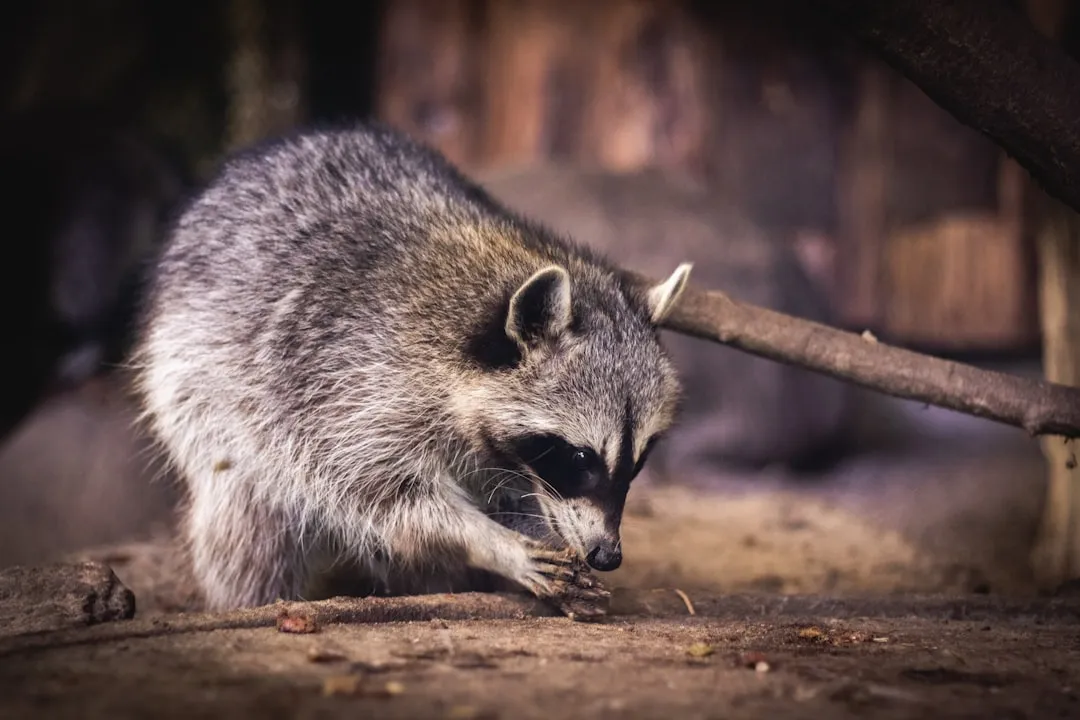
Watch an animal at mealtime and you can usually tell whether it has starved, competed, or been free-fed its whole life. When a rehabber sees a raccoon or opossum inhaling food so fast it chokes, hovering over the dish, or growling at movement that isn’t even a threat, the backstory is almost always the same: scarcity, or food used as leverage.
You’ll notice wide, rigid eyes locked on the bowl, and growling or lunging even when nobody is really approaching. On the flip side, animals that were over-indulged with constant treats often show the opposite problem – pushy, demanding behavior and refusal to eat anything “plain.” Rehabbers say food behaviors are some of the hardest to unlearn, because they’re wired into survival instinct, not just manners.
#5 – Total Meltdown at the Sight of a Leash or Crate

If an animal is fairly stable in a room but suddenly falls apart the moment a leash, carrier, or specific tool appears, rehabbers take note immediately. Targeted fear like that usually means restraint or confinement was used as punishment, not just management.
A leash tied to punishment walks, a crate turned into a time-out prison, a trap that stayed shut too long – all of it leaves a mark. You’ll see shaking, sudden urination, frantic escape attempts, even biting at the object itself. Rehabbers often start by introducing a completely different-looking leash or a covered carrier, just to separate the tool from the memory. The public tends to write this off as “crate-phobic,” but to a rehabber it’s a breadcrumb trail pointing straight back to exactly how that animal used to be controlled.
#6 – Chewing, Plucking, or Licking One Spot Raw
Self-mutilation is one of the loudest silent screams in animal behavior. When a rehabber meets a parrot with a bald, plucked chest or a fox that has chewed its own tail down to skin, they know that didn’t start yesterday.
Chronic stress, boredom in tiny enclosures, or pain that went untreated for months all push animals into self-soothing that eventually crosses into self-harm. Rehabbers see it most in animals kept in long-term solitary confinement or “display” setups where humans stared through glass but never actually interacted. Perfect wings paired with a bald belly. Raw wrists or flanks from obsessive chewing. Once medical causes are ruled out, the timeline of neglect usually starts to write itself.
#7 – Freezing Instead of Trying to Escape
Fight or flight get all the attention, but freeze is the response rehabbers recognize fastest – and dread the most. A truly wild animal, cornered, will try to flee or defend itself. An animal that simply slumps, stares, or turns statue-still under stress has usually learned, painfully, that nothing it does changes the outcome.
That level of learned helplessness shows up in animals that were repeatedly restrained, punished for struggling, or crammed into enclosures too small to move in. It can look “easy” to handle – no lunging, no bolting. Rehabbers know better. These animals often ignore hiding spots entirely and go limp under handling with flat, dead eyes. Rebuilding any sense of control takes patient, choice-based work, undoing damage that a well-meaning former owner never even realized they’d caused.
Fast Facts
- Fight, flight, and freeze are the three classic animal stress responses
- Freeze tends to develop after escape has repeatedly failed in the past
- Frozen animals can look “calm” while showing dilated pupils and rigid muscles
- Undoing learned helplessness often takes months of patient, choice-based handling
#8 – Losing It Over One Specific Sound
When an animal reacts violently to a single, oddly specific sound – a car door chime, a certain ringtone, the jingle of keys, even one particular word – rehabbers know there’s a story attached to it. Everything else can be calm, and that one sound still flips a switch.
Paired associations are powerful. If punishment, forced feeding, or rough handling reliably followed a specific cue, that cue becomes a standalone trigger, no matter how the rest of the environment feels. Rehabbers have documented animals that panic at the word “no” but nothing else, or tremble the second a certain TV theme song plays. It usually points to a predictable routine – feeding followed by confinement, or a nightly shouting match in the house. Consistent fear leaves cleaner fingerprints than random chaos ever does.
#9 – Obsessively Tidy in a Tiny Cage
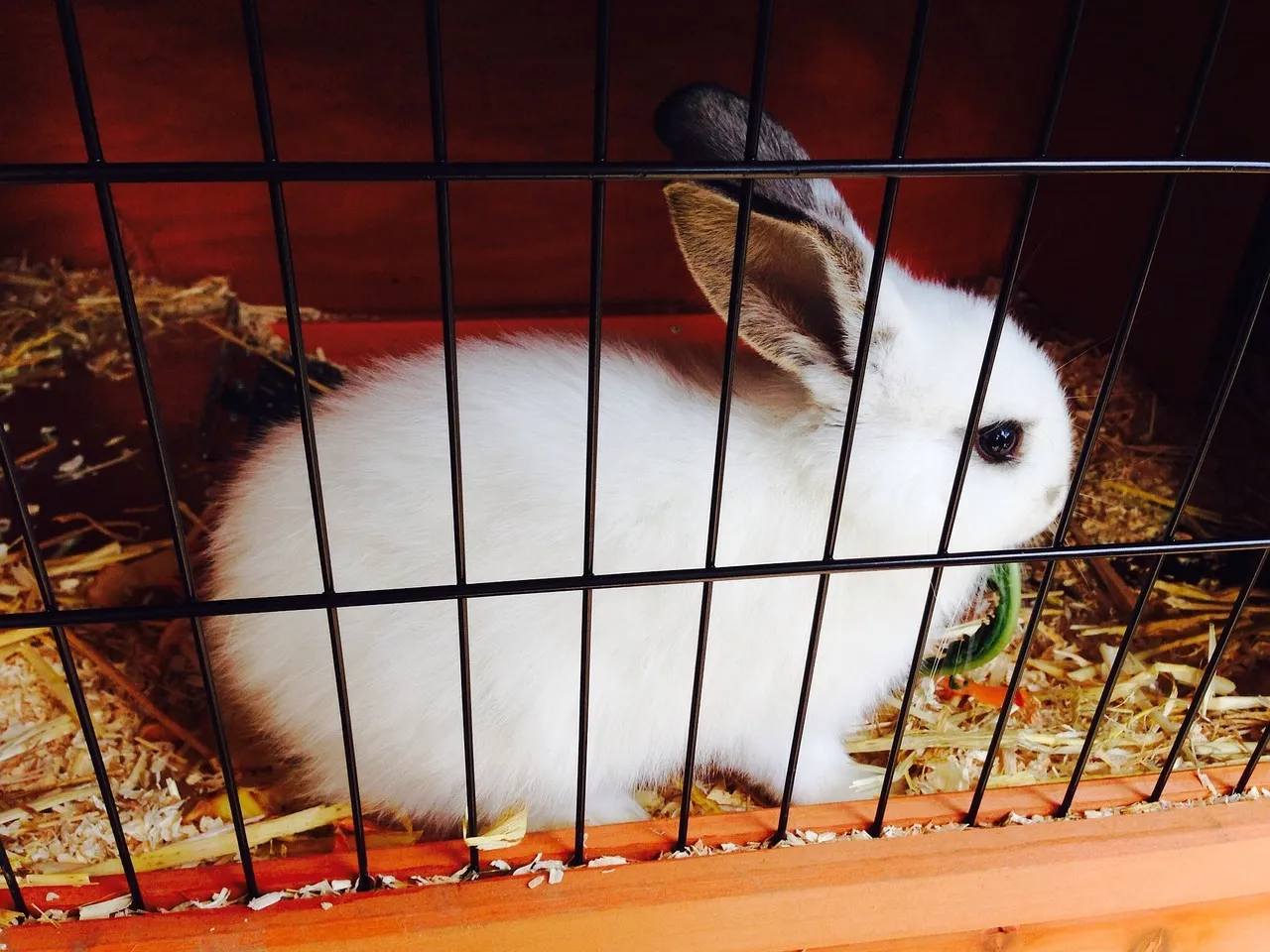
Most people see a spotless enclosure and assume good care. Rehabbers are more suspicious than that. When a caged rabbit, bird, or rodent seems compulsively clean – constantly rearranging bedding, panicking over the smallest mess – it can point to a past where mess meant punishment.
Owners who scolded, sprayed, or confined an animal harder over normal dirt often accidentally created compulsive little cleaners. You’ll see constant nest “editing” instead of resting, or endless grooming instead of exploring. Rehabbers contrast this with genuinely well-kept animals, who tend to be relaxed, a little messy, and far more interested in poking around than maintaining order. Hyper-clean behavior in a barren cage tells its own quiet story about a life spent trying not to do anything wrong.
#10 – No Fear of Predators or Obvious Danger
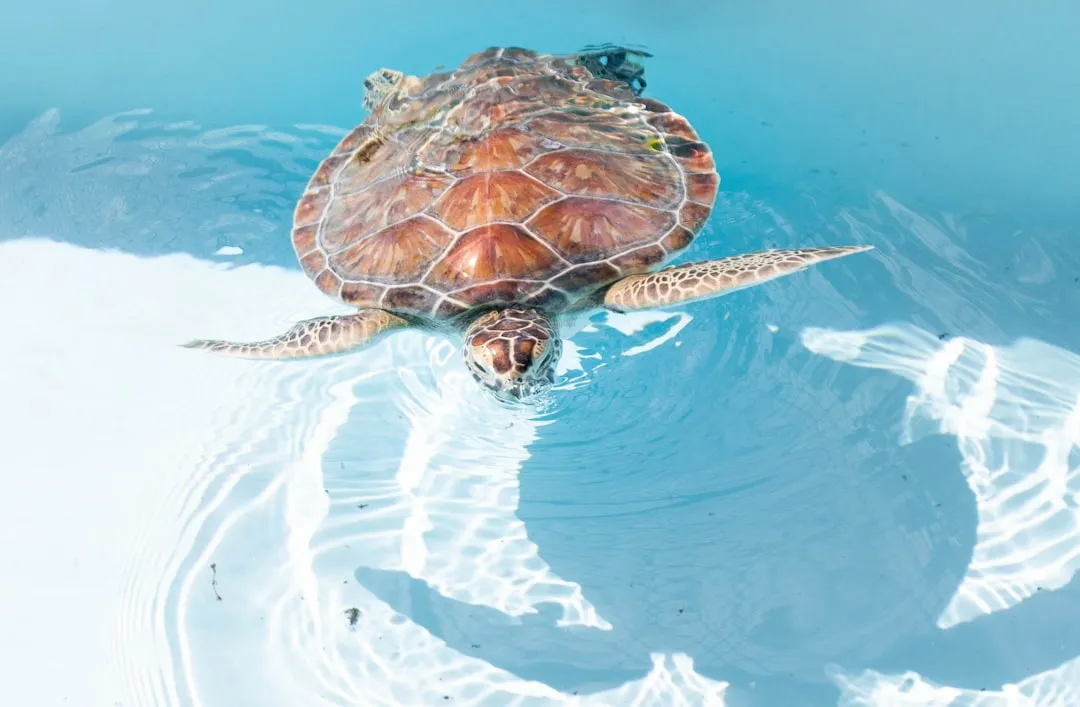
For a wild species, not fearing predators is practically a death sentence. Rehabbers immediately clock animals that stroll past barking dogs, hold a human’s gaze from three feet away, or ignore approaching cars and machinery without a flicker of concern.
It almost always means they were raised inside an unnaturally safe bubble – indoors, hand-fed, shielded from every consequence, treated like a plush toy instead of a future wild animal. People love bragging that their pet raccoon plays with the family dog. Rehabbers see the aftermath: animals released into the world with zero concept of risk, approaching strangers for food or wandering into farmyards in broad daylight. The tragic part is these animals rarely get a second chance once they cross paths with the wrong human, and rehabbers are left trying to install fear that should have developed on its own years earlier.
#11 – Bizarre Human Habits That Make No Sense in the Wild
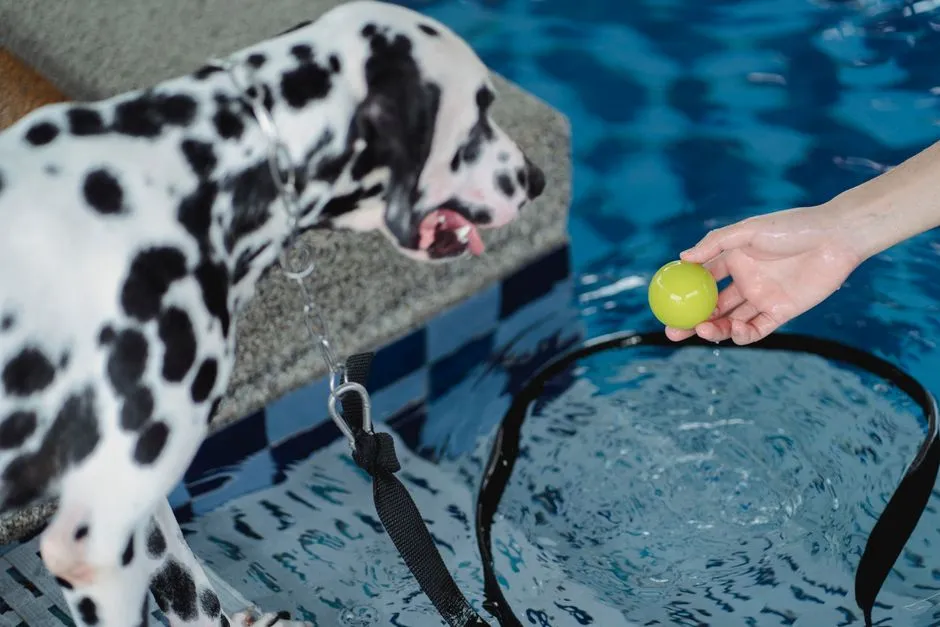
An owl that only eats near a windowsill. A raccoon that won’t sleep unless a radio is playing. A squirrel that panics the second the lights go out. Rehabbers see these quirks and can practically sketch a floor plan of the house the animal came from.
Animals adapt to our routines fast. If lights, TV noise, or even the sound of a vacuum once marked “safe time,” they’ll cling to those cues long after they’re removed from that home. It shows up as nocturnal animals forcing themselves onto a human daytime schedule, or creatures sleeping in laundry piles because that’s the only nest they’ve ever known. Online audiences call it relatable and adorable. Rehabbers call it a coping strategy that has to be carefully unwound before an animal can survive on its own.
#12 – Making Sounds That Don’t Match What’s Actually Happening

Rehabbers pay close attention to sound, because animals that purr, chirp, or “talk” at obviously wrong moments usually have a mismatched reward history behind it. If a stressed or scared sound once earned treats, attention, or release, the animal will reuse that sound anytime it wants something – whether it’s actually feeling that emotion or not.
It’s emotional code-switching, taught completely by accident. A parrot might say “I’m fine” while visibly agitated, simply because that phrase once ended an argument in the house. A fox might use a hungry-sounding whine out of boredom, because whining once reliably produced food. It doesn’t always signal cruelty – sometimes it just reflects chaotic or inconsistent care. But it absolutely reveals how that animal learned to manage the humans around it.
#13 – Guarding a Person Instead of Guarding Resources
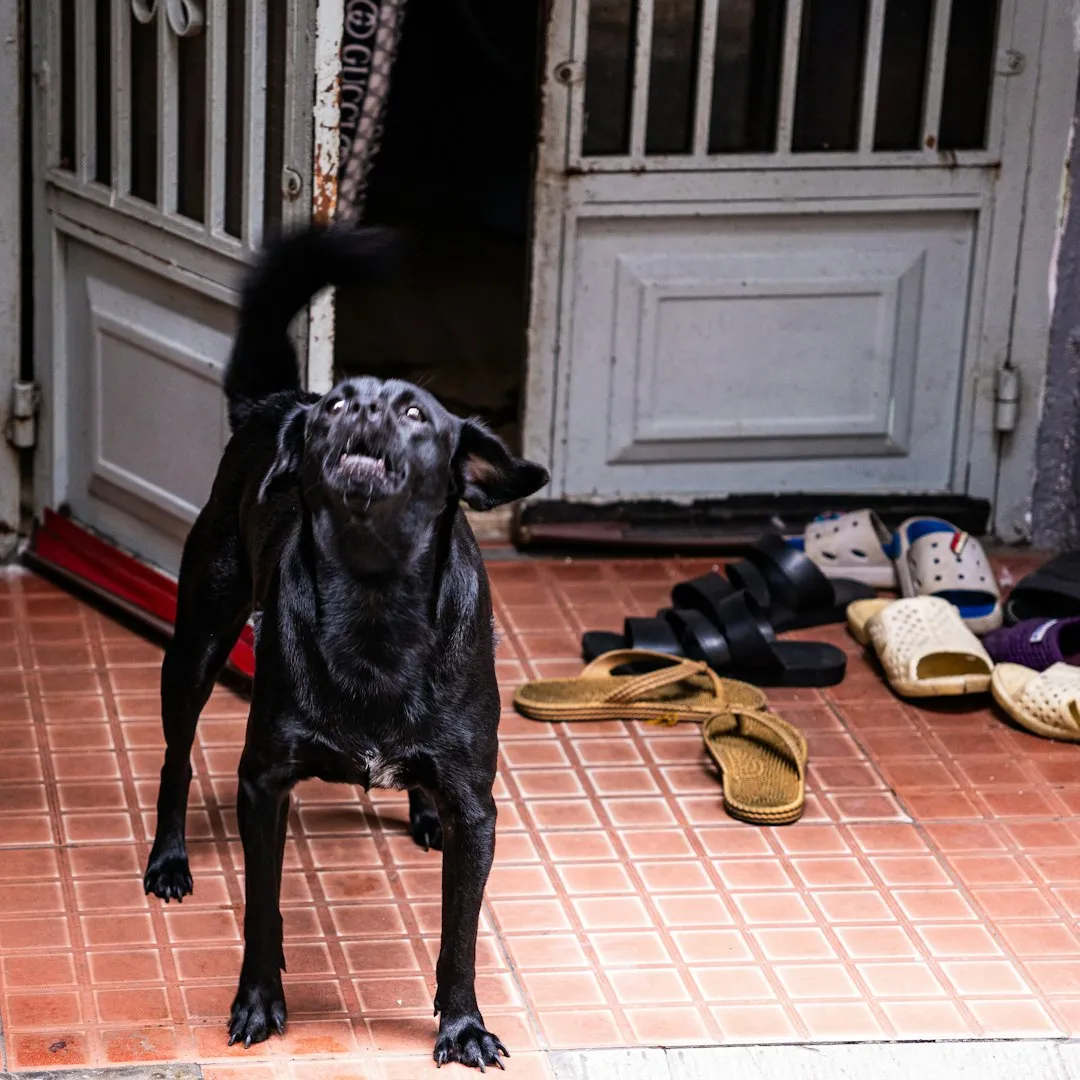
Guarding a food bowl is one thing. Guarding a specific human being is another story entirely. When a rehabbed dog, fox, or even a pig positions itself between “its” person and everyone else, snarling or blocking access, it often traces back to a history of intense emotional dependency.
Animals raised by one over-attached, over-isolating caretaker frequently become possessive of that relationship, not of objects. Rehabbers see animals that panic when their one person leaves the room but shrug off everyone else walking away, or that only turn aggressive when someone approaches that specific person. It can look flattering – like loyalty. Behavior professionals read it differently: a life with almost no social exposure, where one human became the entire universe, sometimes loving and sometimes unpredictable, but always the only thing that mattered.
#14 – Total Indifference to New Toys, Scents, or Enrichment
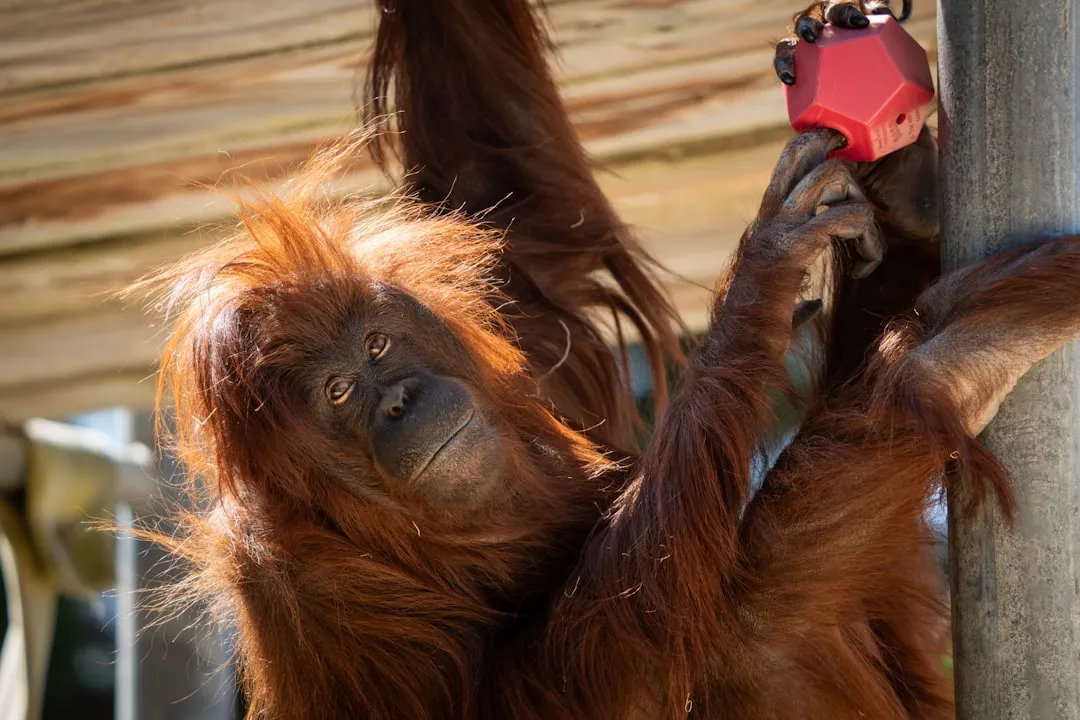
In a genuinely enriched environment, animals attack novelty with curiosity. So when rehabbers meet an animal that stares blankly at toys, ignores new scents, and barely reacts to unfamiliar food, they suspect a past that was either far too barren, or far too chaotic to trust anything new.
Sensory deprivation dulls curiosity over time; constant overwhelming chaos teaches the opposite lesson, that new automatically means dangerous. Barren pasts tend to produce slow, confused, hesitant reactions. Chaotic pasts more often trigger sudden avoidance or defensive outbursts. Either way, an animal that never learned how to play simply never got the chance, and rehabbers have to teach – sometimes for the first time in that animal’s life – that exploring the world is actually safe.
Worth Knowing
- Barren environments tend to produce slow, hesitant reactions to anything new
- Chaotic environments more often trigger sudden avoidance or defensive outbursts
- Both patterns point to a life where curiosity was never safe to express
- Enrichment work usually starts with the smallest, least threatening new stimulus
#15 – Performing Tricks Under Stress, Uninvited
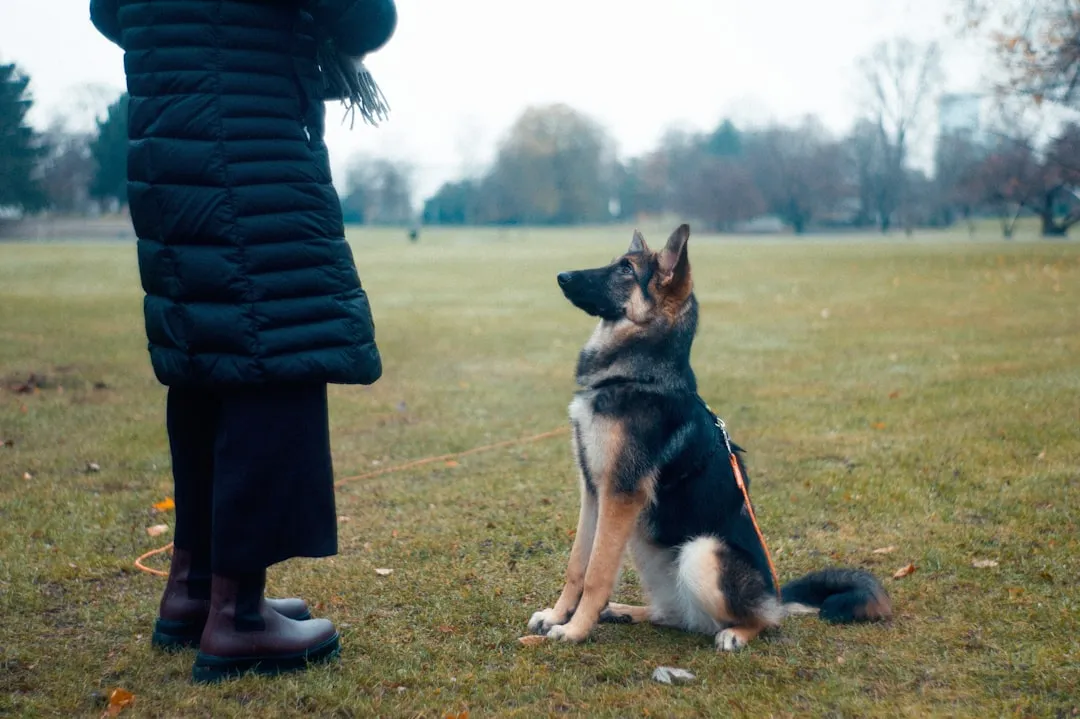
To the untrained eye, an animal that sits, spins, or offers a paw the second things get tense looks impressively well-trained. Rehabbers see it as something closer to panic. When an animal machine-guns through every learned behavior it knows the moment it’s nervous, it’s often a survival strategy from a history where not performing meant punishment.
They’re frantically guessing at whatever will keep them safe. Rehabbers see the same trick repeated over and over before anyone even asks for it, or behaviors offered while an animal is cornered or being examined, with no cue given at all. It can come from high-pressure training environments, but just as often it comes from a home where positive attention only ever showed up after a performance. So the animal learns to treat every tense moment like a test it can’t afford to fail.
#16 – Choosing Humans Over Its Own Species
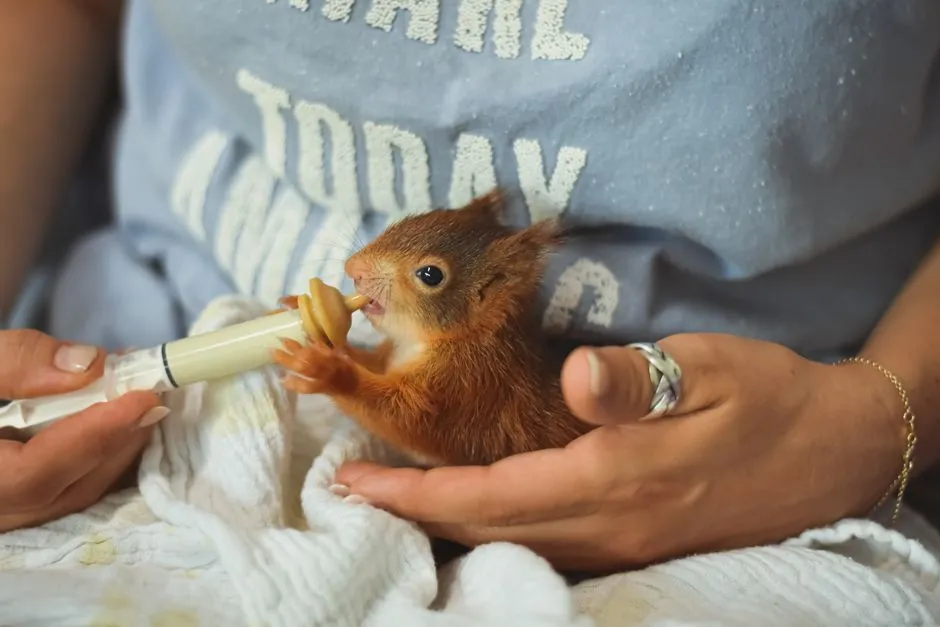
Given a real choice, a healthy wild or semi-wild animal should gravitate toward its own kind. If a fox ignores other foxes to hover near people, or a parrot picks humans over flockmates every single time, rehabbers know that didn’t happen by accident.
Extensive early bonding with humans, combined with little to no contact with its own species, quietly rewires social priorities. The animal has been socially bent around us, showing distress when a human leaves but staying unbothered when another animal is separated from it, or acting clumsy and even fearful around its own kind. Social media loves cross-species friendship stories. Rehabbers are far more blunt about it: for most wildlife, preferring humans isn’t heartwarming, it’s a serious handicap that has to be carefully undone before any real chance at release.
#17 – Unable to Sleep Unless a Human Routine Happens First
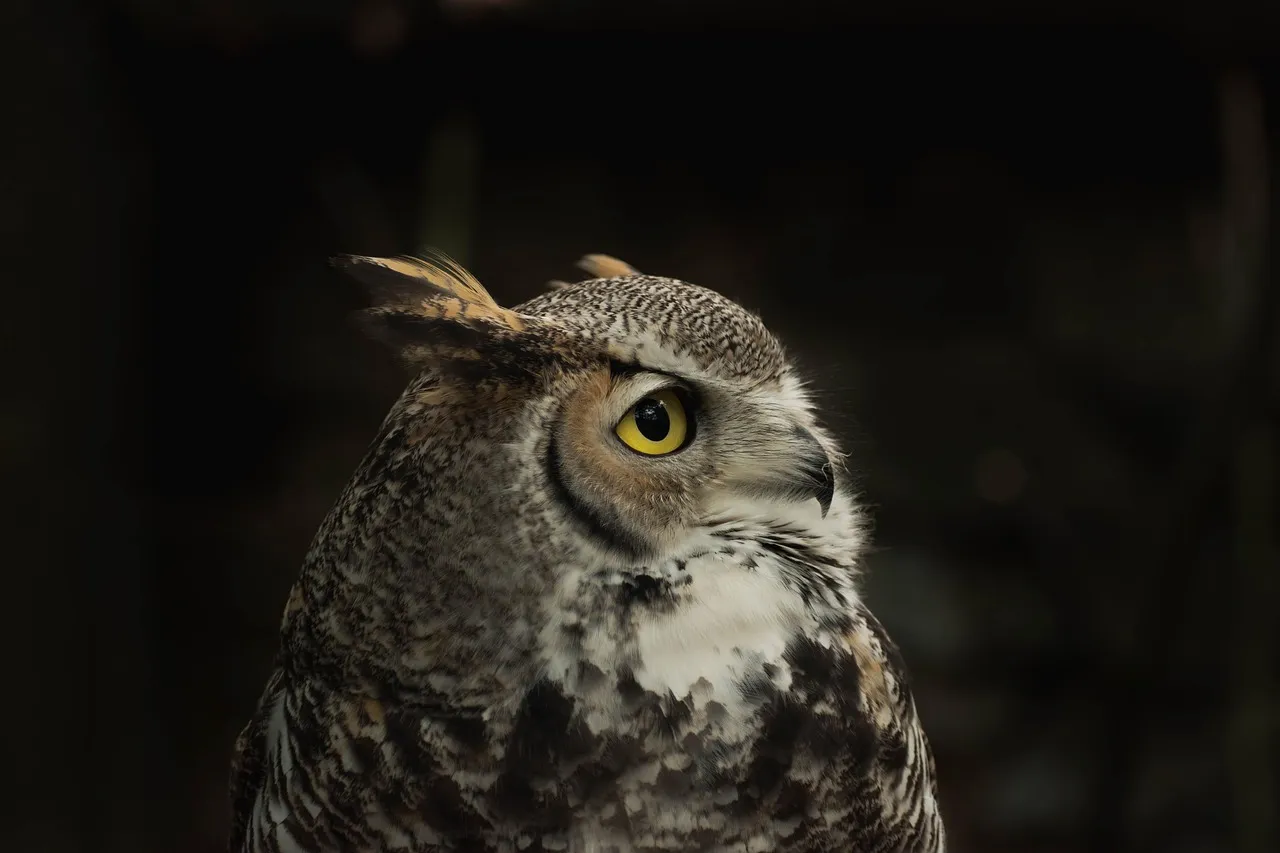
One of the most haunting tells rehabbers describe involves sleep itself. An owl that won’t settle until the lights go off at one specific time. A raccoon that paces the enclosure until a radio switches on. A dog that can’t relax without a TV humming somewhere in the background.
When an animal’s nervous system has fused rest to a human routine, it usually means years spent living around our schedule instead of its own. These animals can stay hyper-alert all night in a perfectly quiet rehab setting, only relaxing once staff accidentally recreate the old pattern – a certain voice, a certain light level, background music at a certain hour. It reveals a history where natural rhythms were quietly overridden by work hours, movie nights, or a child’s bedtime. Rehabbers can shift them back toward species-appropriate cycles eventually, but the ghost of that old household tends to linger for a long, long time.
At a Glance
- A muted startle response often signals chronic stress, not calm
- Zero personal space can mean dangerous over-socialization, not friendliness
- Sleep patterns tied to a human schedule reveal years of routine mismatch
- Rehabbers treat every quirk as a clue, never a coincidence
The Bottom Line
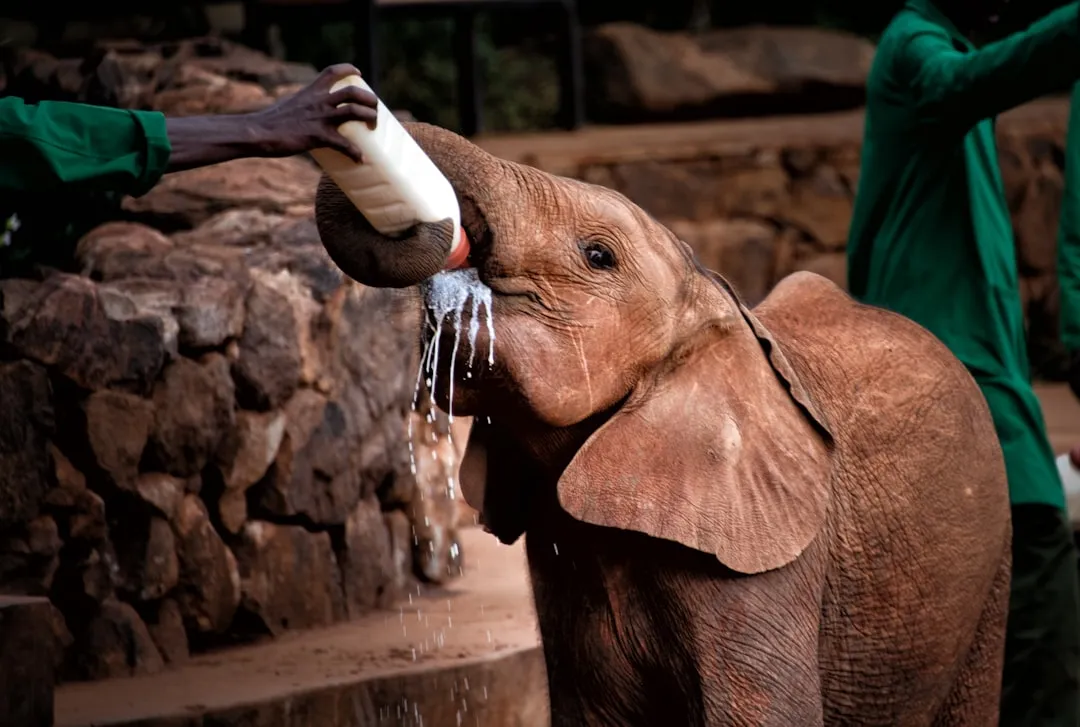
Wildlife rehabbers will tell you plainly: animals don’t come with written histories, but their bodies and behavior are basically confessionals. From a startle response that never fires to a raccoon that can’t stop cleaning its own cage, every strange quirk is a breadcrumb leading straight back to how that animal was actually treated before.
Some of these clues scream cruelty outright. Many more reveal something harder to sit with – well-meaning people who loved animals in exactly the wrong ways, turning wild beings into half-pets, half-prisoners without ever meaning to cause harm. That’s the uncomfortable truth rehabbers deal with every single day: the “cute” clip going viral online is very often the opening scene of a story someone else is going to have to spend years quietly cleaning up.
Which of these have you actually seen in an animal you’ve known – and does it change how you feel about what you were watching at the time?
