
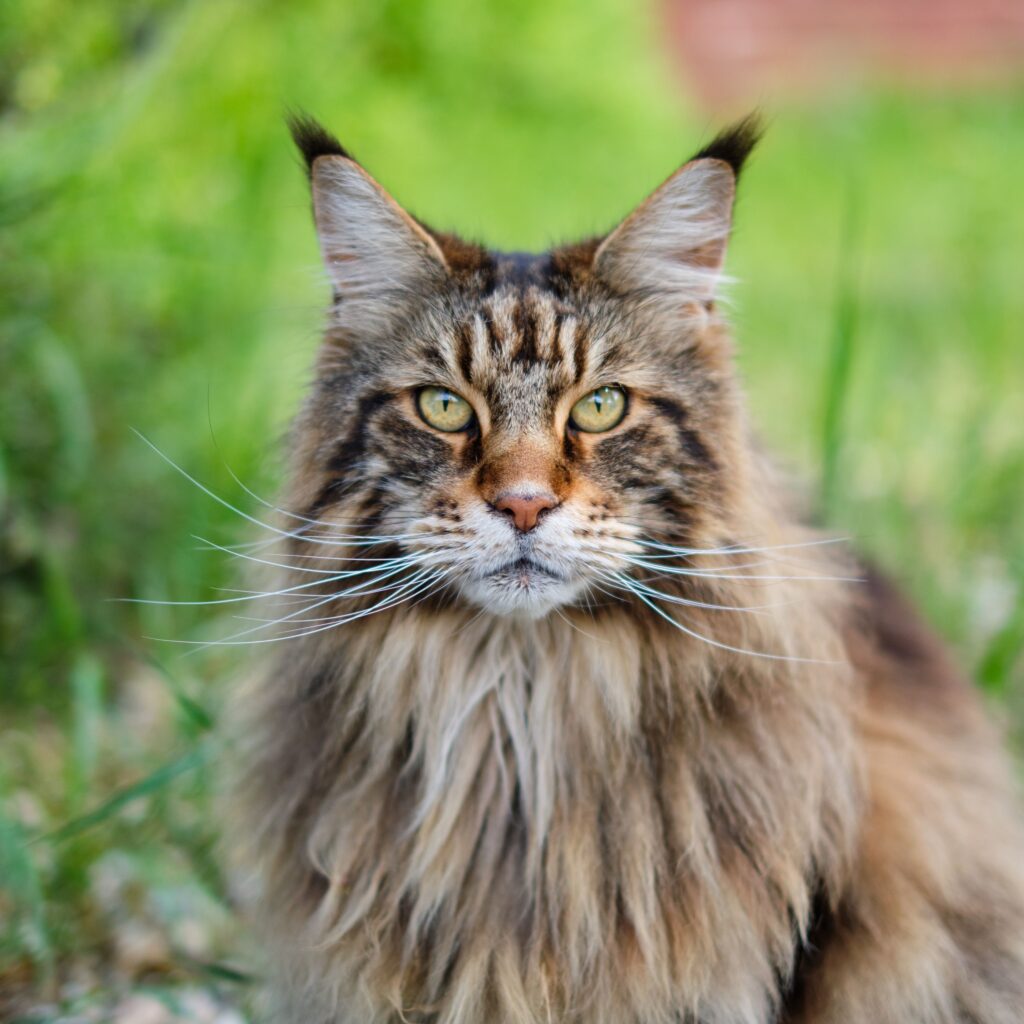
Everyone assumes a cat just “gets used to” a quiet house – fewer footsteps, less noise, no big deal. Ask a veterinary nurse who’s watched hundreds of cats move through empty-nest homes, grief, or divorce, and you’ll hear a very different story.
Some breeds shut down. They stop eating, stop playing, and quietly waste away in the silence. Others don’t just cope – they lean in, bond harder, and somehow make an empty house feel less empty. The breeds that thrive aren’t always the ones you’d guess, and a few wildly popular cats actually land near the bottom of the list. Here’s what vet nurses really say, breed by breed, about which cats hold up best when the noise disappears.
#18 – Siamese: The Chatty Cat Nobody Expected to Handle Loneliness This Well
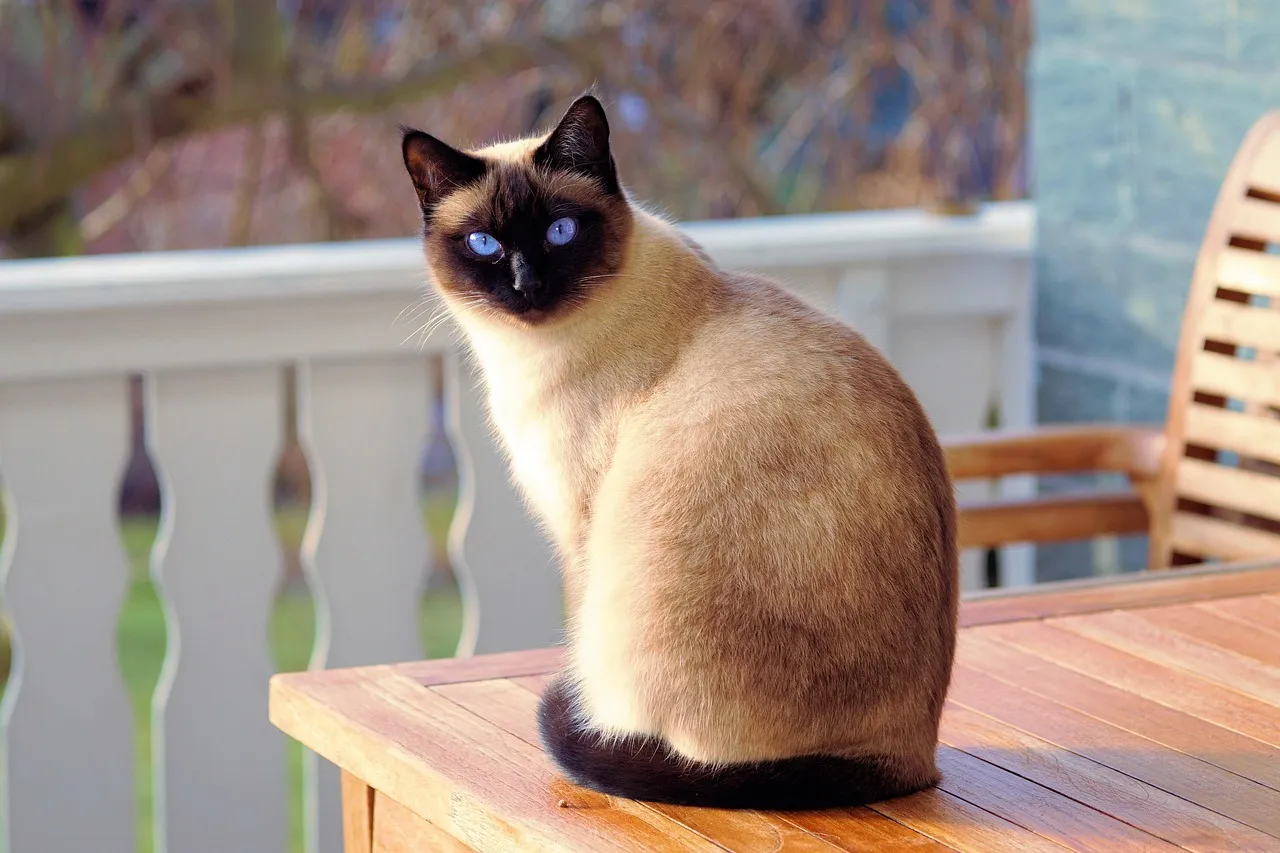
Siamese cats have a reputation for being loud, dramatic, and needy – and that part checks out. What catches vet nurses off guard is how emotionally resilient they become once they’ve locked onto one person. In a quieter home, a Siamese doesn’t drift away; it attaches like Velcro, trailing you from room to room and narrating your day like a running commentary track.
The catch is real: ignore a Siamese and loneliness hits hard. But in a home where someone is around most of the day, this breed turns into a furry shadow that simply refuses to let you feel alone. Nurses say they’ve watched grieving or newly single clients light back up because their Siamese wouldn’t give them a moment’s peace.
Fast Facts
- Originates from Siam, the Southeast Asian country we now call Thailand, making it one of the oldest recognized breeds.
- Often lives 15-20 years, with some reaching their mid-20s.
- Males typically run 8-12 pounds, while females stay slightly smaller at 6-8 pounds.
- Because Siamese cats are so attached to their people, they can be prone to separation anxiety, so they do best with someone home fairly often.
#17 – Sphynx: The Naked Cat That Acts Like a Living Hot-Water Bottle
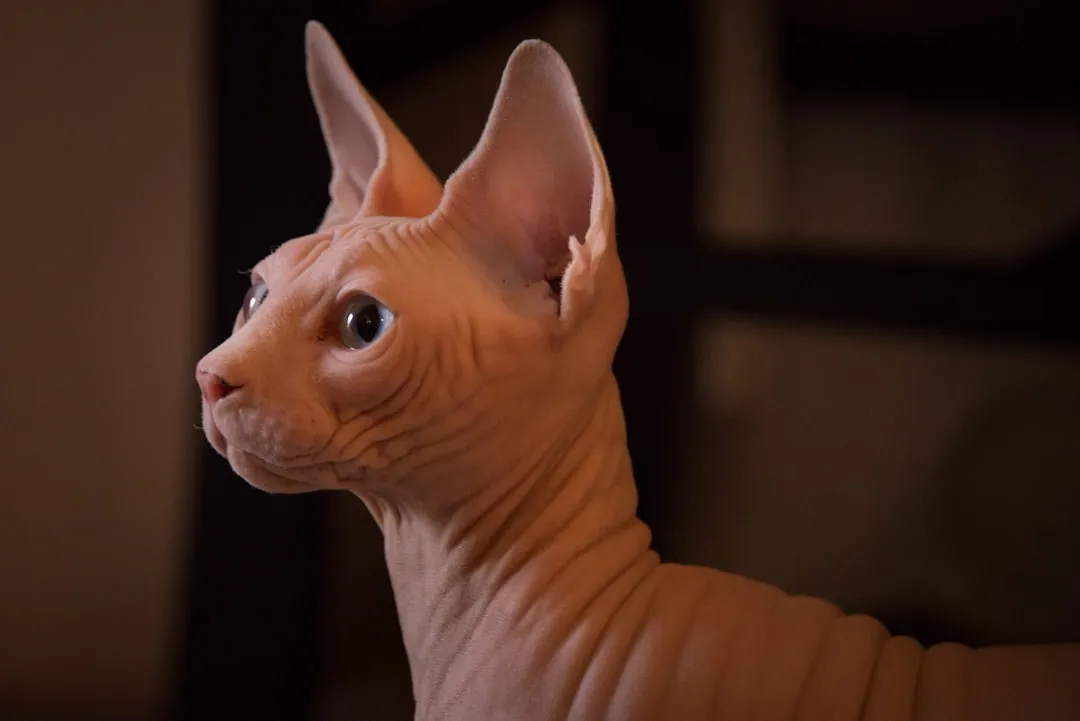
People assume Sphynx cats are high-maintenance fashion statements. Vet nurses see something else: a hairless cat with an almost eerie emotional radar, built to burrow under blankets and press its bare skin against your chest like it’s reading your pulse.
In homes gone quiet after a loss or big change, that skin-to-skin need for warmth works both ways – it’s exactly the contact many lonely owners crave too. A Sphynx doesn’t handle being ignored well, but give it a person, and it treats your couch, bed, and even your desk chair as shared territory. Nurses often joke that a Sphynx doesn’t understand personal space, and for someone suddenly living alone, that’s precisely what keeps the silence from feeling crushing.
#16 – Ragdoll: The Classic Cat Built for an Empty Nest
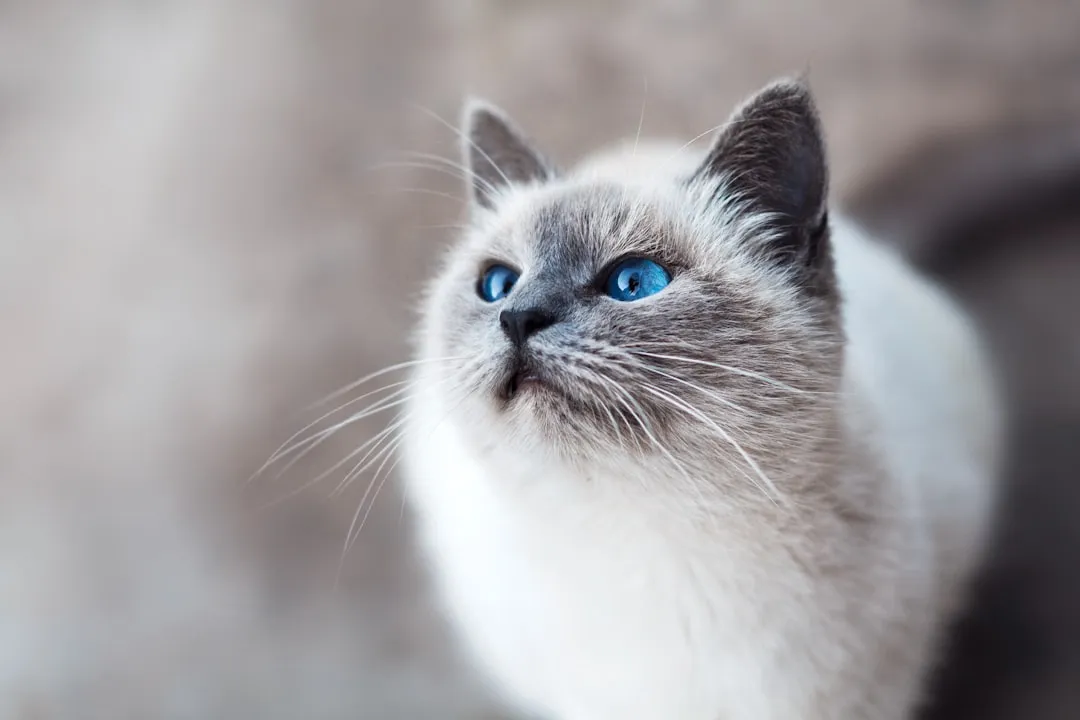
Ragdolls get called “the cuddly cat” so often it sounds like a cliché – but vet nurses say it’s earned. They’re low-drama, low-energy, and intensely people-oriented without demanding constant action, which makes them oddly perfect for a house that’s just lost its noise.
When the household empties out, a Ragdoll typically narrows its whole social world down to one person and settles into long naps, gentle following, and floppy lap time. Fewer visitors and less commotion don’t faze them – if anything, they seem to relax into it. The one warning nurses give: without enough play, a Ragdoll can slide into pure couch-potato mode, so keep an eye on their weight.
#15 – British Shorthair: The Quiet House’s Unbothered Guardian
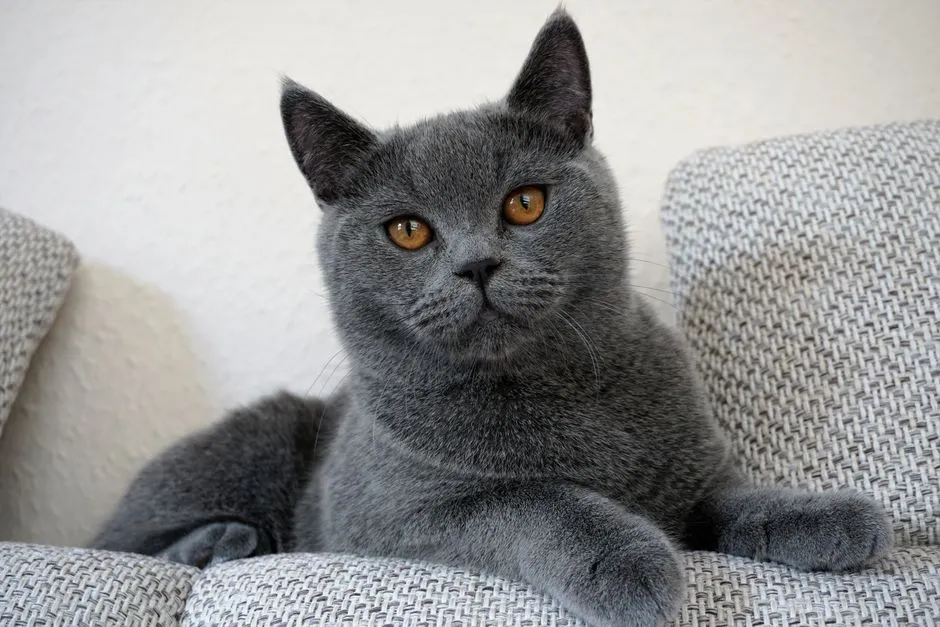
Vet staff sometimes describe the British Shorthair as “furniture with opinions” – meant as a compliment. This breed is famously unbothered by calm, quiet environments and doesn’t need a busy household to feel secure, which makes it a dream for anyone who wants company without constant interaction.
They like being near you, not necessarily on you – ideal for introverts or anyone processing a big emotional shift. In homes that used to be chaotic with kids or guests, British Shorthairs often look visibly relieved once things settle down, gravitating toward a stable, low-noise routine. They’re not the type to panic over an empty house during your workday; they just want their safe base and their person to come home to it.
#14 – Scottish Fold: The Sensitive Soul That Blooms When the Noise Stops
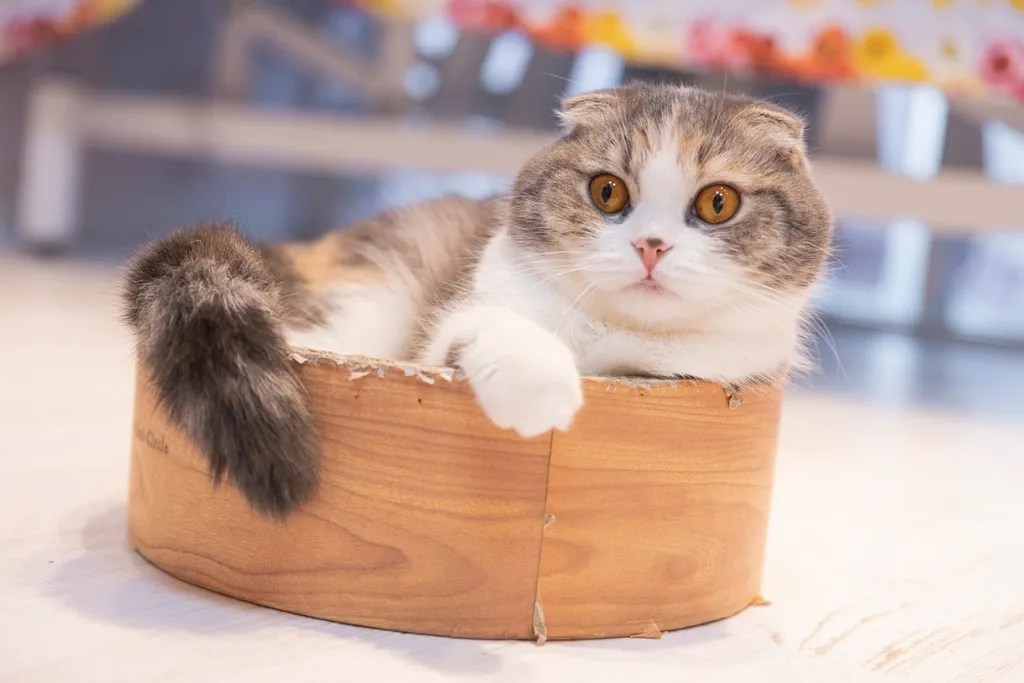
With their folded ears and round, gentle faces, Scottish Folds look perpetually soft-hearted – and vet nurses say that’s not far off. They’re sensitive, people-focused, and almost dog-like in their attachment once they feel safe, but a loud, chaotic house can genuinely overwhelm them.
Strip away the noise, and their affectionate side comes out in full: following you room to room, sitting close, watching you with quiet, intense attention. That makes them especially soothing for someone moving through grief or a major life change. One serious caveat nurses always flag – this breed carries known joint and cartilage risks, so adopting through ethical breeders and staying on top of pain management matters as much as the emotional fit.
#13 – Exotic Shorthair: The “Chill Persian” Made for Slow Days
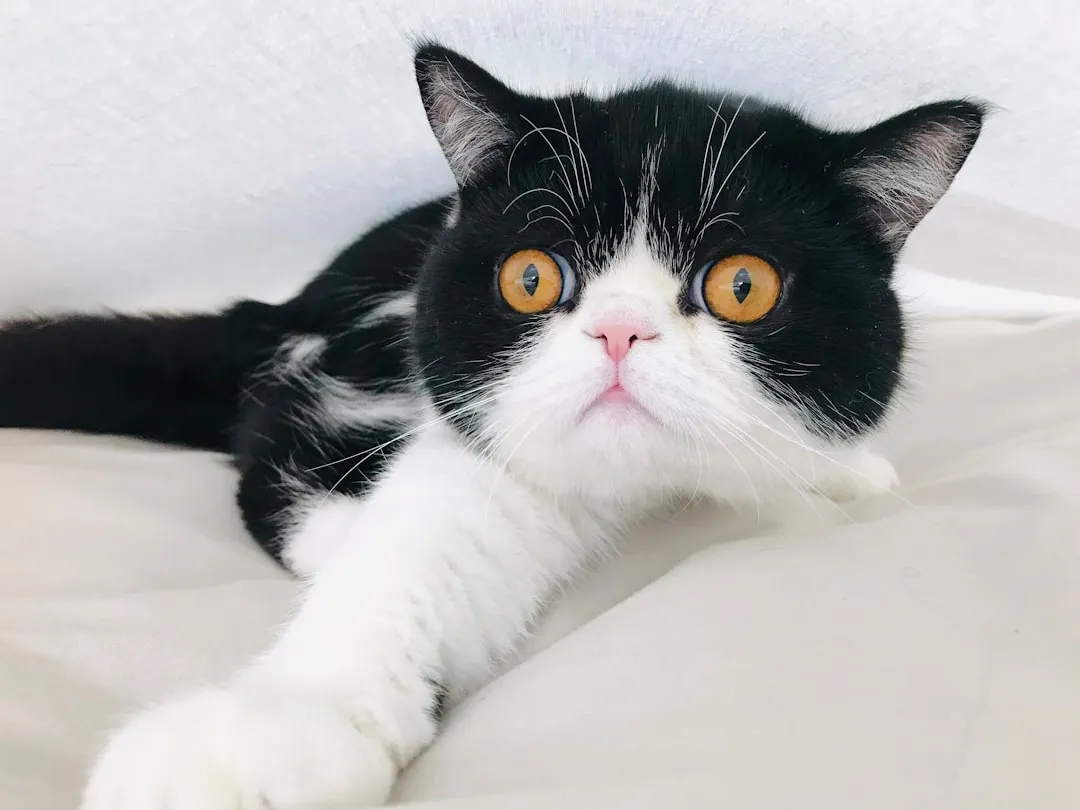
Think of the Exotic Shorthair as a Persian that decided grooming was overrated. Vet nurses love recommending them for calmer homes because they keep that same sweet, laid-back temperament but with less coat maintenance and, often, less stress sensitivity overall.
They’re content to lounge, watch the room, and waddle over occasionally for a pat before returning to their favorite sunny spot. In a home that’s recently gone quiet, that steady, undemanding presence feels grounding rather than isolating. They’re usually happiest with a couple of cozy beds and a human willing to sit still long enough to become an honorary nap companion – nurses call them “background comfort” cats, always there, never in your face.
#12 – Russian Blue: The Introvert’s Perfect Match for a Silent House
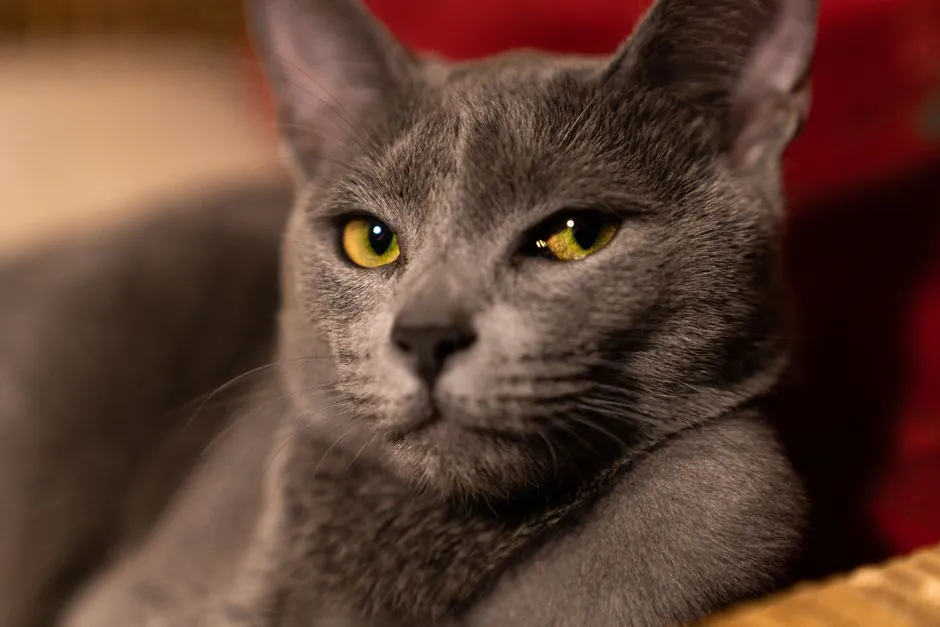
Russian Blues get overlooked constantly, but vet nurses quietly rave about them for calm, stable homes. They’re cautious around strangers yet fiercely loyal to their chosen person, and once that trust is built, they move through the house like a quiet shadow – gliding after you, curling up nearby without demanding constant touch.
The transition to a quieter house can take some adjustment, since sudden change unsettles them at first. But once a new routine sets in, most Russian Blues thrive, and their sharp intelligence means they notice mood shifts fast – plenty of owners say their cat seems to appear right when the room feels heaviest. They’d rather work a puzzle toy than tear through the house in a zoomie, which fits a home where the whole energy has shifted downward.
#11 – Chartreux: The Silent Watcher With an Old Soul
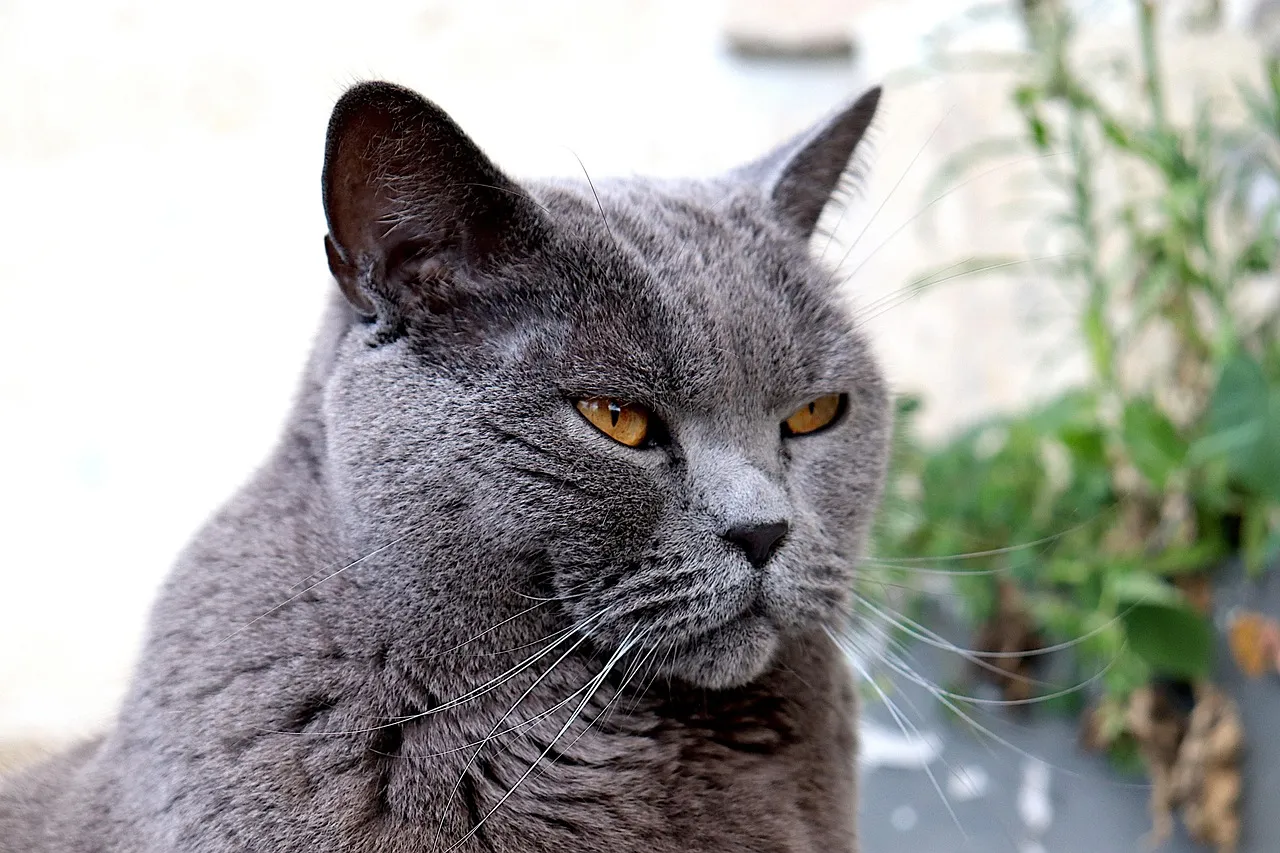
Vet nurses call the Chartreux a “secret favorite” for good reason. It’s famously quiet vocally but strongly attached emotionally, which makes it ideal for someone who doesn’t want a talkative cat but still craves real connection.
In a house gone still, a Chartreux tends to station itself in the main living area – watching, slow-blinking, occasionally claiming your lap as the designated nap zone. Nurses describe them as “old souls,” content with simple routines, brief play, then long, peaceful rest, and far less likely than high-strung breeds to spiral from boredom. What feels like depressing silence to a person often feels like a natural habitat to a Chartreux.
#10 – American Shorthair: The Unfussy Cat That Just Rolls With It
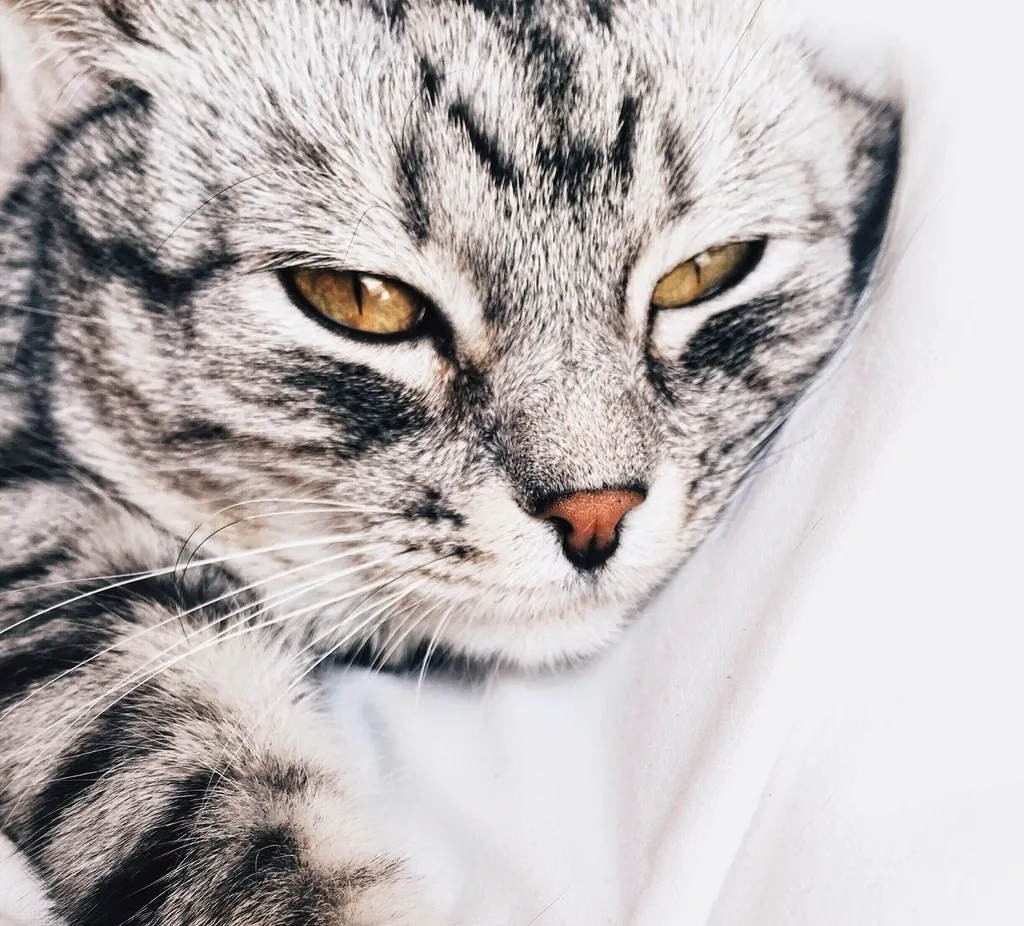
While trendier breeds soak up attention online, plenty of vet nurses quietly recommend the classic American Shorthair for quiet homes. They tend to be balanced – not too needy, not too aloof – and surprisingly emotionally sturdy when a household’s energy drops.
Go from a house full of kids and chaos to something calm and minimal, and an American Shorthair usually just adjusts its schedule and carries on. They’re content with moderate daily playtime, reliable feeding and litter routines, and a favorite window perch to keep watch from. Because they’re rarely high-anxiety or hyper-attached, they handle time alone without falling apart, while still enjoying real lap time and couch snuggles when invited – the “safe bet” cat, as nurses put it, for people who want genuine companionship without extremes.
At a Glance
- History: first brought over by settlers in the United States to protect the cargo of their ships from mice and rats.
- Lifespan: lives an average of 15-20 years – as long as you keep your cat indoors.
- Weight: a fully grown adult might weigh between 8–15 pounds or more.
- Temperament: typically calm, friendly, and moderately playful, and usually independent enough to entertain itself.
#9 – Birman: Gentle, Social, and Almost Too Easygoing
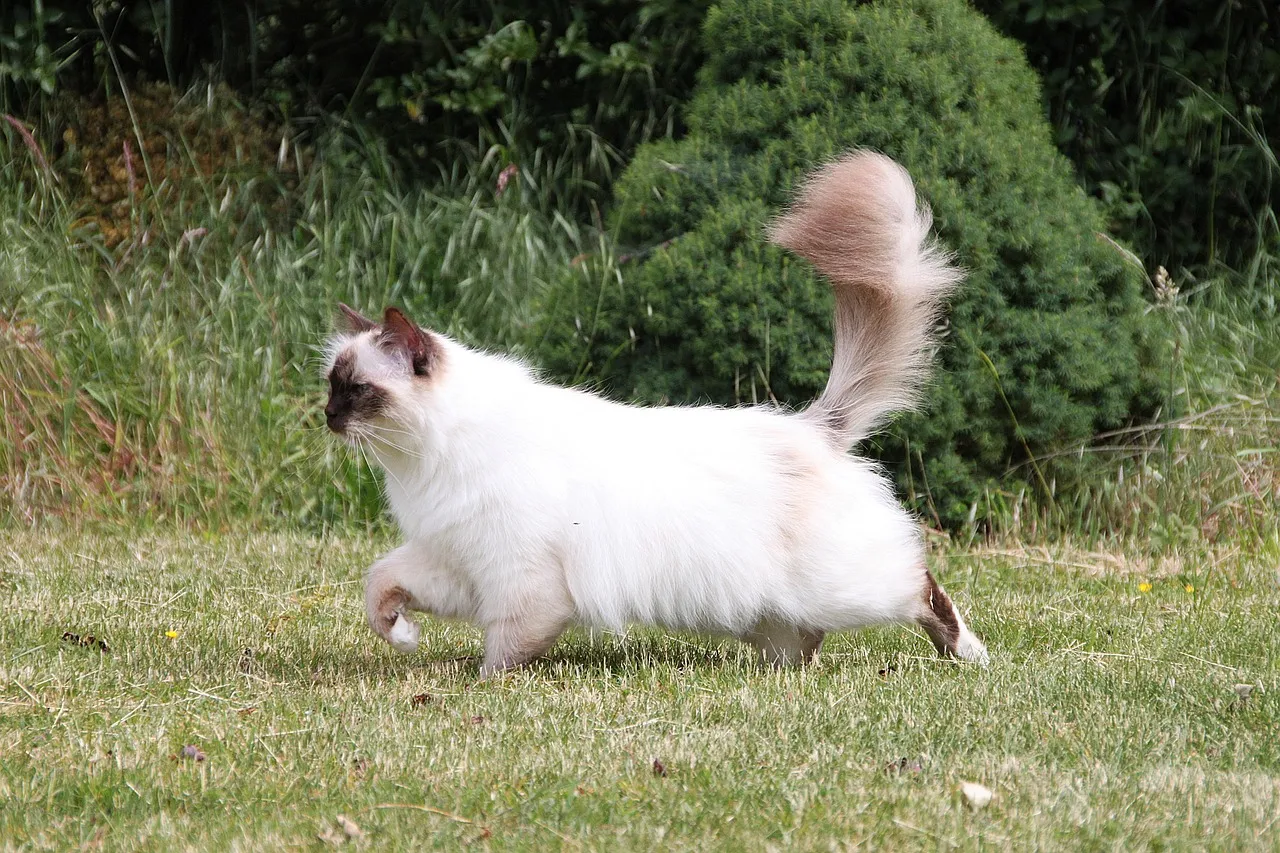
Vet staff sometimes call the Birman “Ragdoll-lite” – sweet and people-oriented, but a bit more alert and curious than its floppier cousin. When a house goes suddenly still after years of activity, Birmans tend to re-center their whole world around whoever’s left, following casually, investigating your activities, then settling in nearby.
It’s social without being clingy – affectionate without ever feeling like too much. They handle lower noise levels well, often enjoying quiet feather-toy sessions or simply perching on a chair while you work or read. Nurses notice they do especially well with older adults or single people who keep some routine but don’t want intense emotional demands – steadfast companions who just want to be wherever you are.
#8 – Burmese: The Velcro Cat That Turns Into a Security Blanket
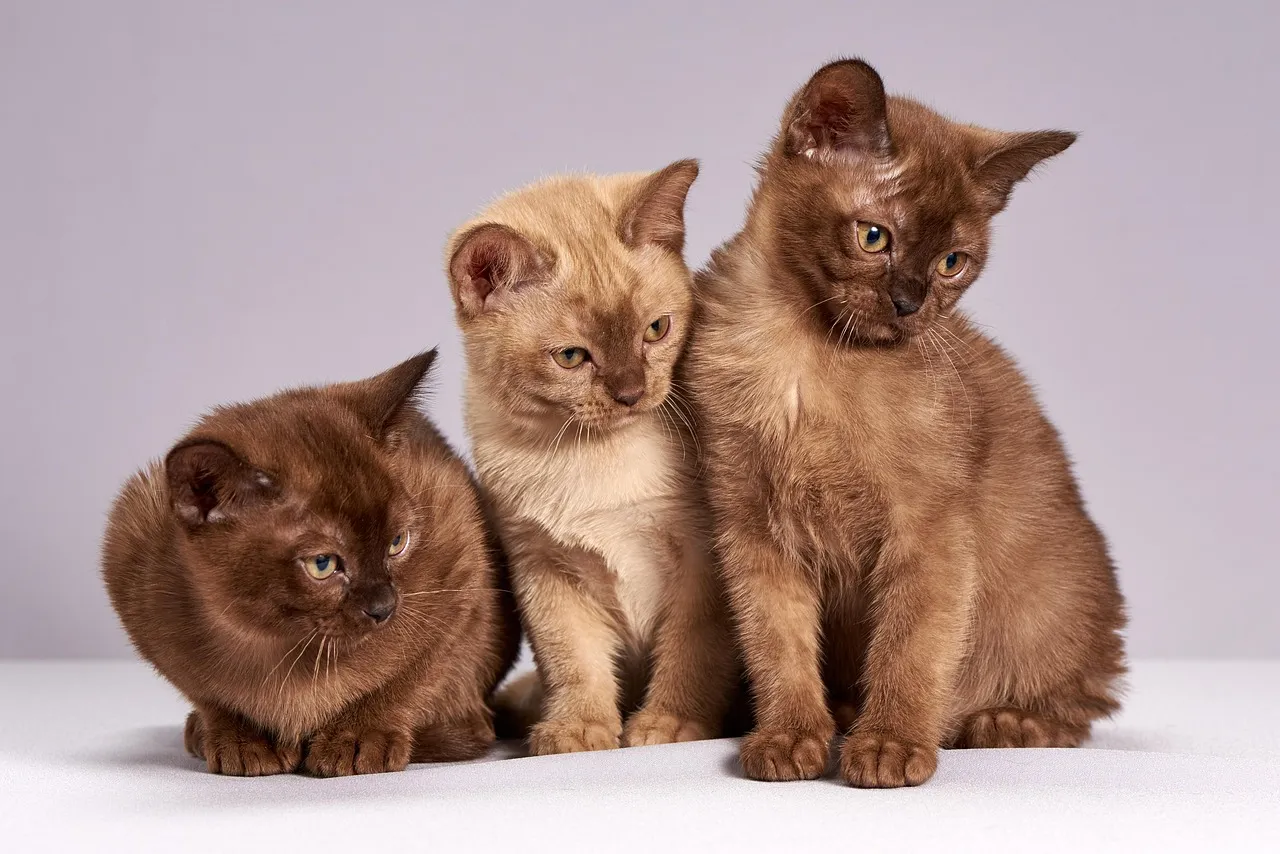
Burmese cats are famously people-obsessed – vet nurses call them “Velcro cats” without hesitation. In a quieter home, that trait stops being overwhelming and starts feeling like a warm, living security blanket. These cats don’t just want to be in the same room; they want to be on your lap, your desk, or curled into the crook of your arm.
What surprises many owners is how well Burmese adapt when the audience shrinks – they seem almost relieved to focus every ounce of attention on a single human, tuning into that person’s routines and emotional rhythms with real precision. There’s one hard limit: they hate long stretches of isolation. A quiet home works fine; a house empty for 10-12 hours a day does not. For someone who’s home a lot but suddenly alone, though, a Burmese can be the exact antidote silence calls for.
#7 – Norwegian Forest Cat: The Calm Observer Who Reclaims the House
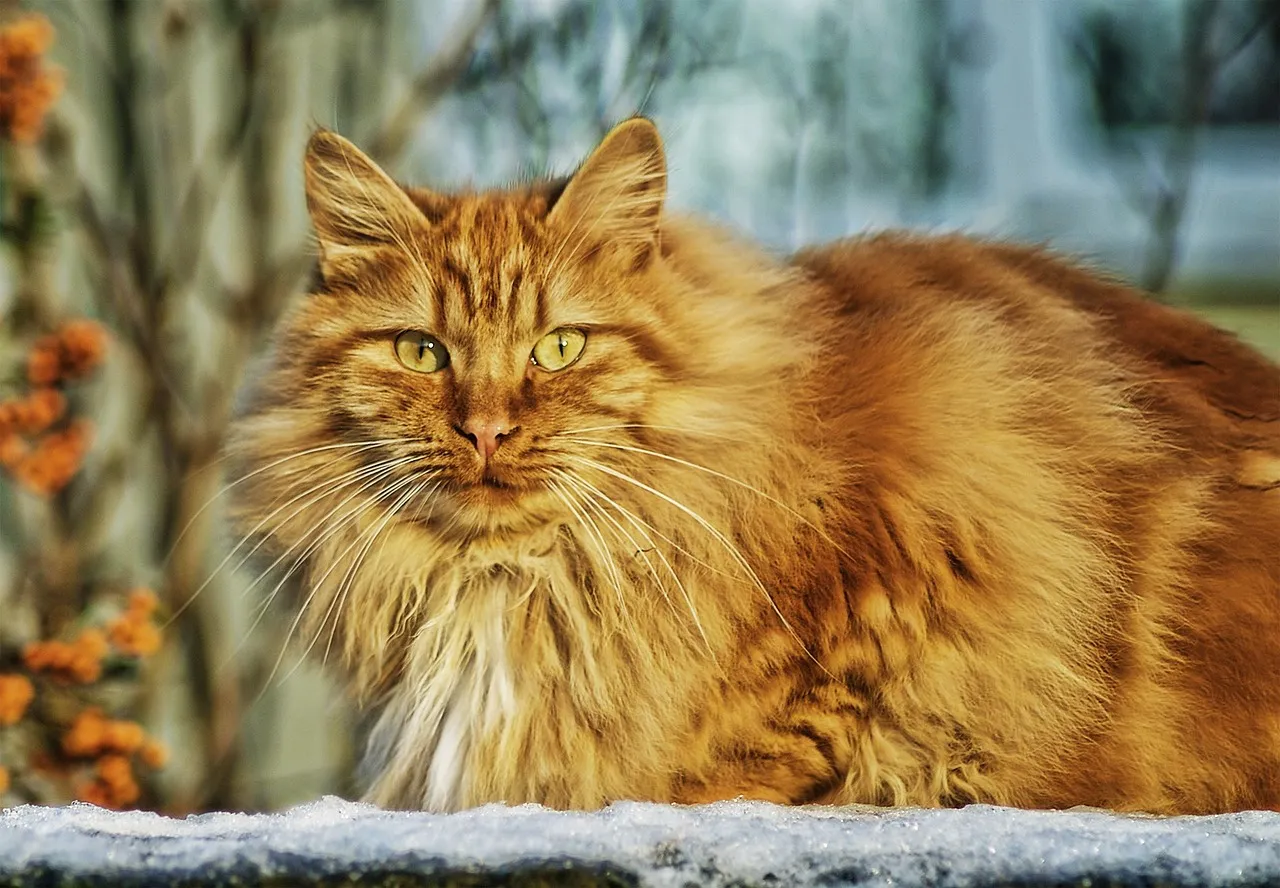
Norwegian Forest Cats look wild and untamed, but in the clinic, vet nurses see something calmer: thoughtful observers who genuinely enjoy routine and soft, predictable environments. They’re confident and independent, which helps enormously once the human traffic through the house drops off.
Instead of panicking at the quiet, a “Wegie” tends to reclaim the space – patrolling hallways, perching up high, then choosing its own moments to come down for affection. Many like to lie near their person at a respectful distance, offering presence without demanding constant touch, which makes them excellent at “filling the space” for someone now living alone in a larger home. They’re also a great match for owners who still go out but want a calm, fluffy sentinel waiting by the window when they return.
#6 – Maine Coon: The Gentle Giant That Makes a House Feel Full Again
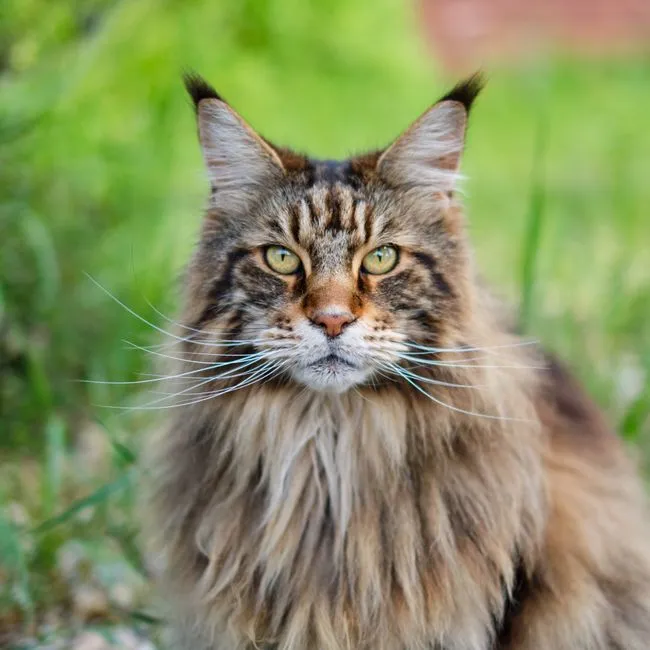
Maine Coons are social cats, no question, but vet nurses stress they’re also remarkably adaptable – and they often become the true center of gravity in a newly quiet home. Their sheer size alone makes a house feel less empty, and they patrol hallways, chirp softly, and nap wherever you happen to be, like they’re quietly supervising your day.
They handle downtime well, too. Give a Maine Coon climbing spots, window views, and a few interactive toys, and it can self-entertain between cuddle sessions – affectionate without smothering, social without needing a party. Nurses frequently see older or single owners bond intensely with them, treating them like true housemates. Fair warning: once a 15-to-20-pound cat starts following you room to room, the house stops feeling empty.
Why It Stands Out
- The Maine Coon is the largest domesticated cat breed recognized by the Cat Fanciers’ Association.
- Adult males typically weigh 15 to 25 pounds, with some exceptional individuals exceeding that.
- Average lifespan runs around 9-15 years, so they’re often around for the long haul.
- Known for dog-like quirks: Maine Coon cats have some dog-like mannerisms, like their love for water and tendency to play fetch.
#5 – Persian: The Professional Lounger Built for Ultra-Quiet Homes
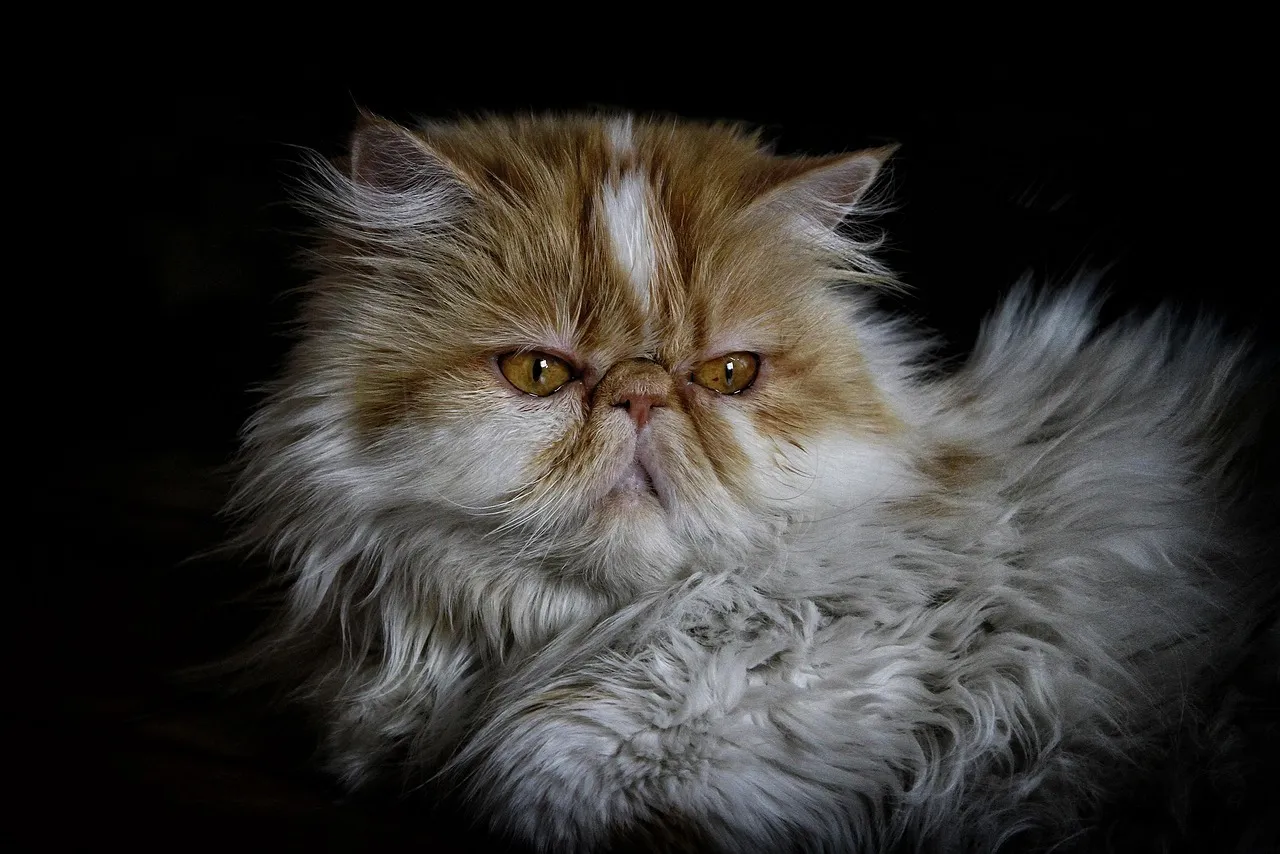
Persians get called lazy a lot, but vet nurses see it differently – they’re simply built for a slow-paced life. In a house that’s gone genuinely quiet, with no kids, few visitors, and predictable routines, a Persian is completely in its element, content with short bursts of attention, gentle petting, and long, luxurious naps.
Their needs run toward care, not chaos: daily grooming, eye cleaning, and a stable routine that avoids sudden upheaval. In return, they offer a steady, peaceful presence that some nurses only half-jokingly call “an emotional noise-canceling device” – their slow rhythms have a way of pulling you into a calmer pace too. For someone dealing with grief or burnout, that kind of calm can feel like relief after years of a louder, more demanding household.
#4 – Tonkinese: The Playful Extrovert That Thrives in a One-Human Home
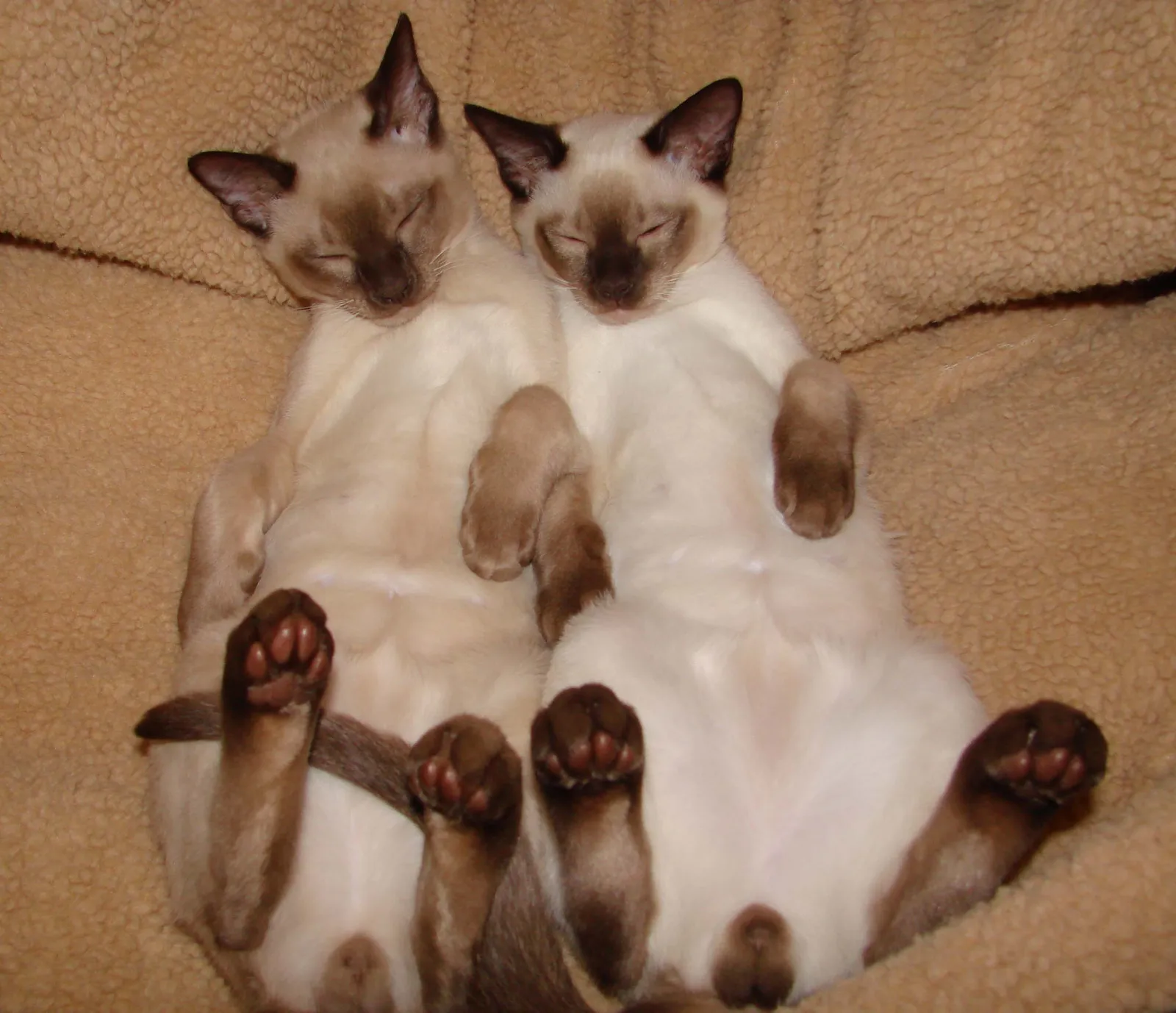
Tonkinese cats blend Siamese and Burmese personalities, and vet nurses describe them as playful extroverts who still do remarkably well in one- or two-person households – as long as they get enough interaction. In a quiet house where the remaining person is still reasonably active, a Tonkinese can bring back a sense of fun that’s been missing, initiating games and flopping dramatically for attention.
Their intense person-orientation is what makes them fit so well after a loss or departure – they pick “their human” and pour all their social energy into that one relationship. They’re not a match for anyone gone long hours every day, since they genuinely need conversation, play, and presence. But for remote workers, retirees, or anyone suddenly spending more time home alone, a Tonkinese can be the bright, slightly ridiculous force that keeps loneliness at bay.
#3 – Devon Rex: The Quirky Mood-Lifter Vet Nurses Adore
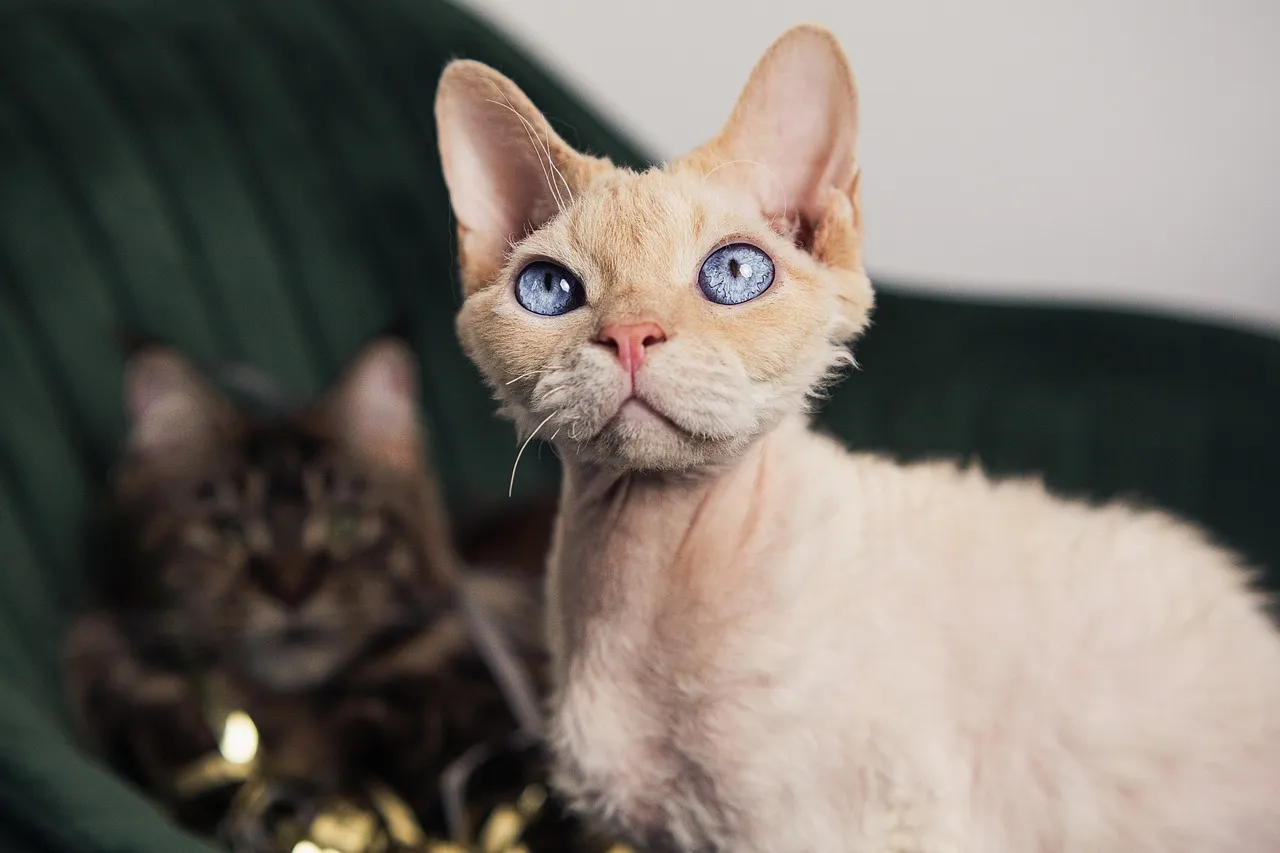
Devon Rex cats are the oddballs vet nurses can’t stop talking about – playful, clownish, and weirdly in tune with the emotional temperature of a room. In a home that’s gone still and heavy, a Devon Rex often becomes the comic relief, leaping onto absurd perches, chasing shadows, or folding itself into the smallest possible ball on your lap just to make you laugh.
Their constant need for interaction becomes a genuine lifeline on the days you can barely get off the couch – they’ll seek you out and refuse to let you disappear into the silence. Nurses say they’ve watched Devons pull grieving or depressed owners back into daily routines simply by being impossible to ignore, as long as someone’s around most of the time and the environment stays safe and predictable.
#2 – Domestic Longhair Moggies: The Overlooked Stars of Quiet Homes
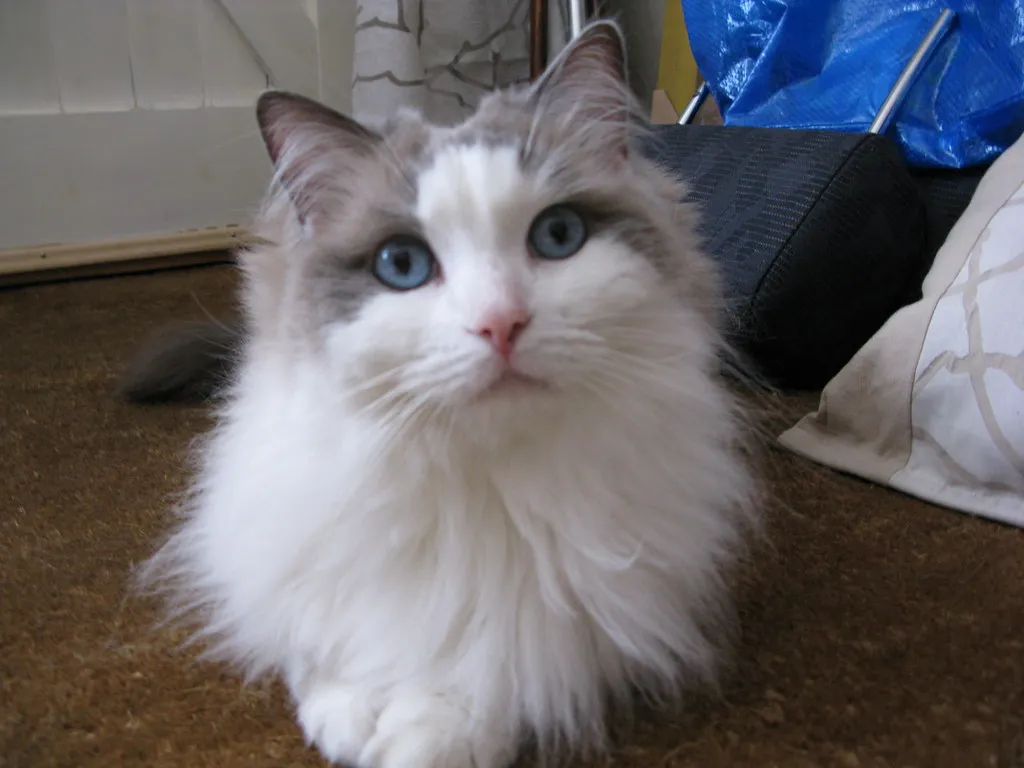
Here’s the opinion most breed lists avoid: mixed-breed domestic longhairs and medium-hairs, chosen for temperament instead of looks, often cope with a quiet house better than plenty of “designer” breeds. Vet nurses see shelter cats all day long, and they notice exactly which ones stay stable in low-stimulation environments and which ones unravel.
Time and again, the calm, middle-of-the-road moggies – especially ones that have already lived in a real home – settle into quieter households beautifully. They’re less extreme in behavior, already “tested” in foster or previous homes, and chosen for personality fit rather than pedigree. For someone whose home has changed drastically, nurses will often push personality-first adoption over breed-chasing: a five-year-old former lap cat from a quiet foster home can outperform a high-octane kitten of a trendy breed, every time.
#1 – Domestic Shorthair: The True Champion of the Quiet House
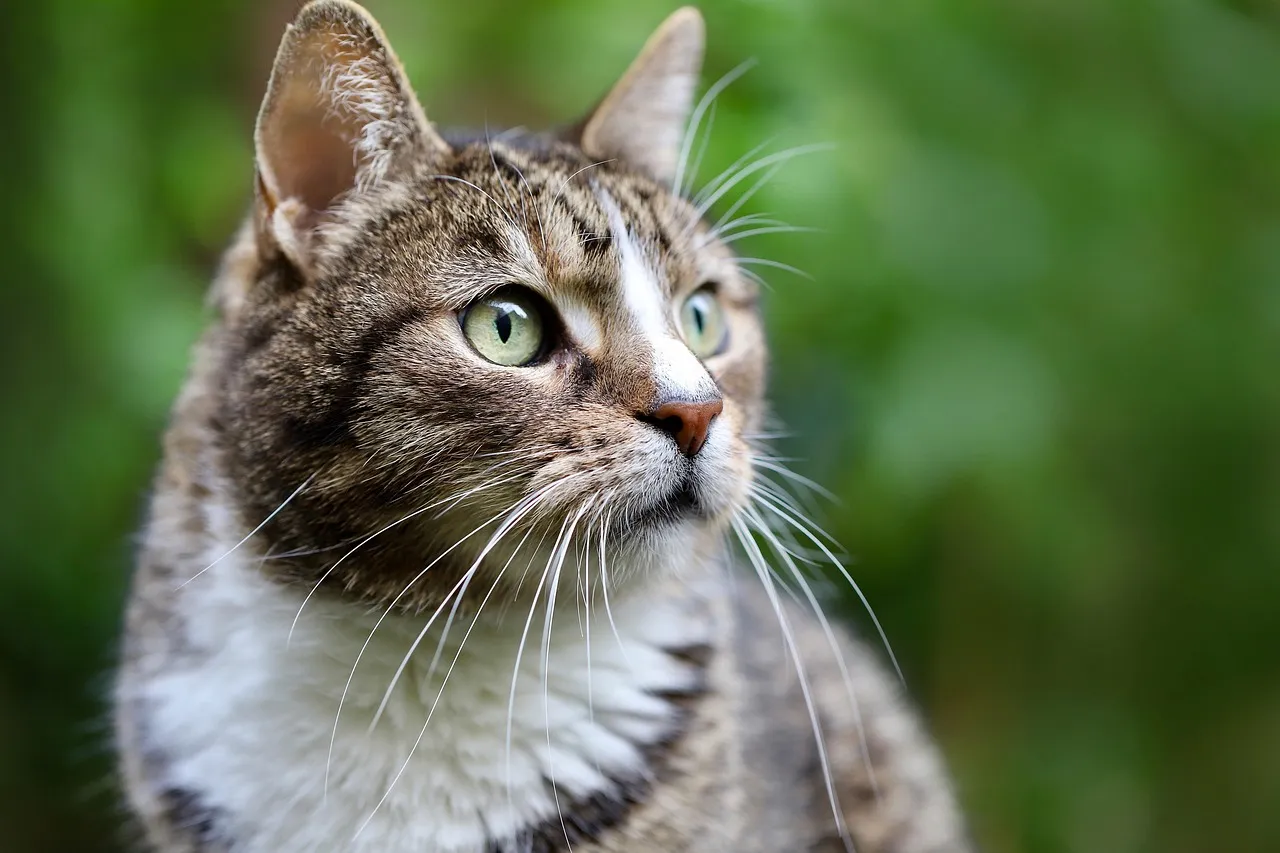
Ask most veterinary nurses off the record which cats actually cope best when a home goes quiet, and you’ll hear the same answer more often than not: a well-chosen domestic shorthair with the right temperament beats almost every pedigree cat for pure adaptability. These everyday “shelter cats” come in every personality type imaginable, and that variety is the whole secret – you’re not locked into a breed stereotype, you can pick the exact energy level and attachment style your new life actually needs.
In clinics and shelters, staff repeatedly see DSH cats stay calm through routine changes, bond deeply to one or two people without collapsing when left alone, and adjust from a busy house to a quiet one in just a few weeks of consistency. The real magic is in the matching: adopting an adult DSH who’s already shown they enjoy a slower, quieter life is often the single smartest move for an empty nest, a post-loss home, or a fresh start after divorce. It’s not flashy, but it’s the truth frontline staff keep coming back to – personality, history, and environment matter more than pedigree when the house finally goes silent.
Quick Compare: DSH vs. Pedigree
- Lifespan: the expected Domestic Shorthair cat lifespan is anywhere from 12 to 14 years or more, holding its own against most purebreds.
- Weight: the typical Domestic Shorthair cat weight can vary, anywhere from 6 to 16 pounds, giving adopters real flexibility in size and build.
- Personality: unlike a single-breed standard, DSH cats span the full range from velcro companion to independent observer, so you can match temperament to your specific home instead of hoping a breed stereotype holds true.
- Genetics: a wider gene pool generally means fewer of the narrow, breed-specific hereditary conditions that purebred lines can carry.
The Bottom Line
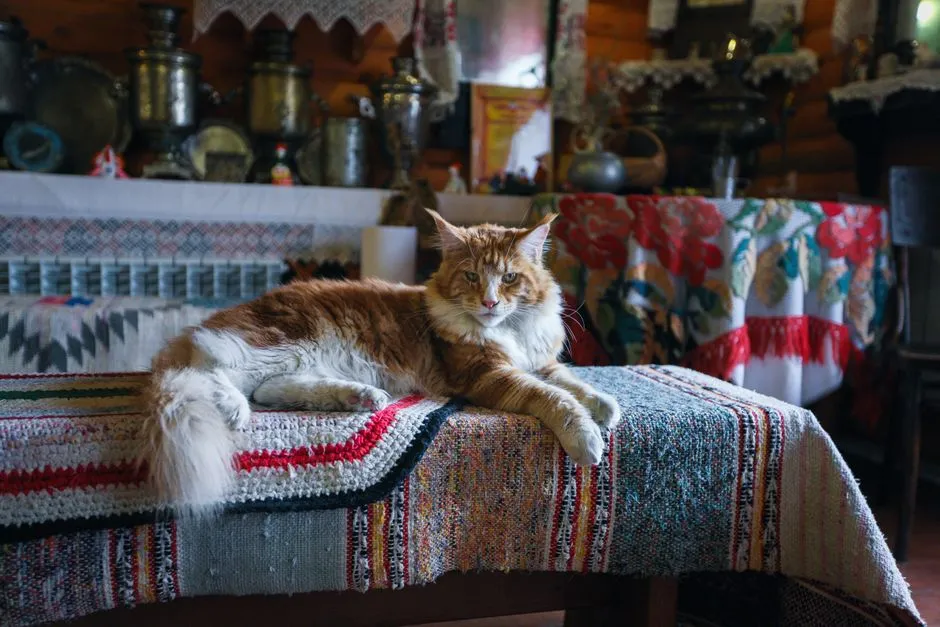
When a house goes quiet, most people fixate on finding the “cutest” breed. Veterinary nurses fixate on something far less Instagrammable: stability, attachment style, and how a cat actually behaves once the stimulation drops.
Yes, Ragdolls, British Shorthairs, and Maine Coons can be phenomenal in a calmer home. But so can the plain domestic shorthair who’s already proven they love a soft couch and one steady person – and that’s the part breed-obsessed lists conveniently skip.
The hard truth is this: chasing a trendy breed while ignoring your actual lifestyle is exactly how people end up with anxious, miserable cats in a house that’s already struggling with silence. If your world has shrunk – kids gone, a partner gone, routines shattered – the right cat won’t fix everything, but it can stop the silence from feeling quite so empty.
So which matters more to you: the “correct” breed on paper, or the cat that actually fits the life you’re living now? And be honest – did we get #1 right, or is your quiet-house cat missing from this list entirely?
