
You probably think your dog lives in one long, happy “now” – chasing balls, begging for scraps, blissfully unaware that the years are catching up. That’s the story most owners tell themselves, right up until the day their dog hesitates at the bottom of the stairs for the first time and you realize something’s been happening quietly for a while.
Here’s the uncomfortable part: your dog has been clocking its own decline a lot longer than you have. Through scent, pain, body language, and the way people suddenly start treating it “gently,” a dog builds a surprisingly accurate picture of its own ageing – and most owners miss almost every signal. Here’s what’s actually going on in that head you thought was still stuck in puppyhood.
#1 – Your Dog Knows Its Body Doesn’t Move Like It Used To
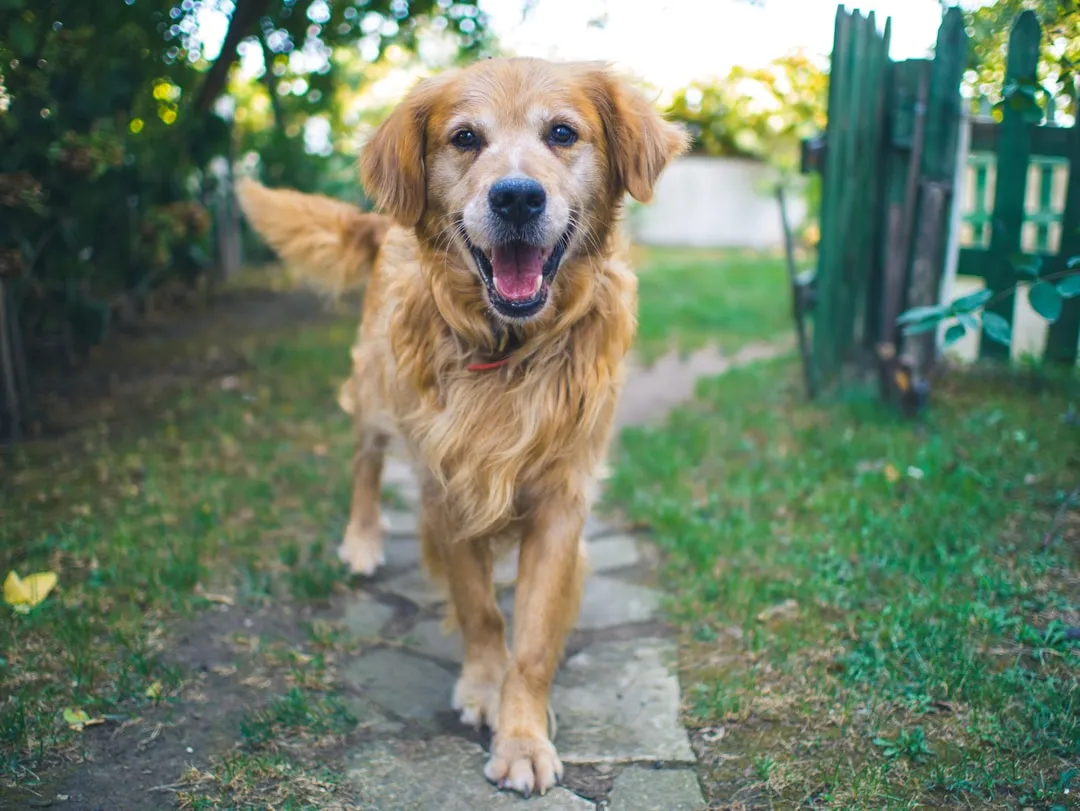
Dogs don’t know the word “arthritis,” but they absolutely notice when their body stops cooperating. A dog that once launched itself onto the couch without a second thought will suddenly hesitate at the edge, test the height with one paw, and sometimes just give up. That’s not laziness. That’s a dog quietly recalculating what its body can still do.
Watch closely and you’ll catch the workarounds: circling twice as long before lying down, picking the shorter path across the room, waiting for you to move instead of squeezing past. These aren’t random quirks – they’re an older athlete managing sore joints in real time, the same way a retired runner favors one knee without ever mentioning it.
#2 – They Feel the Gap Between Their Energy and Younger Dogs
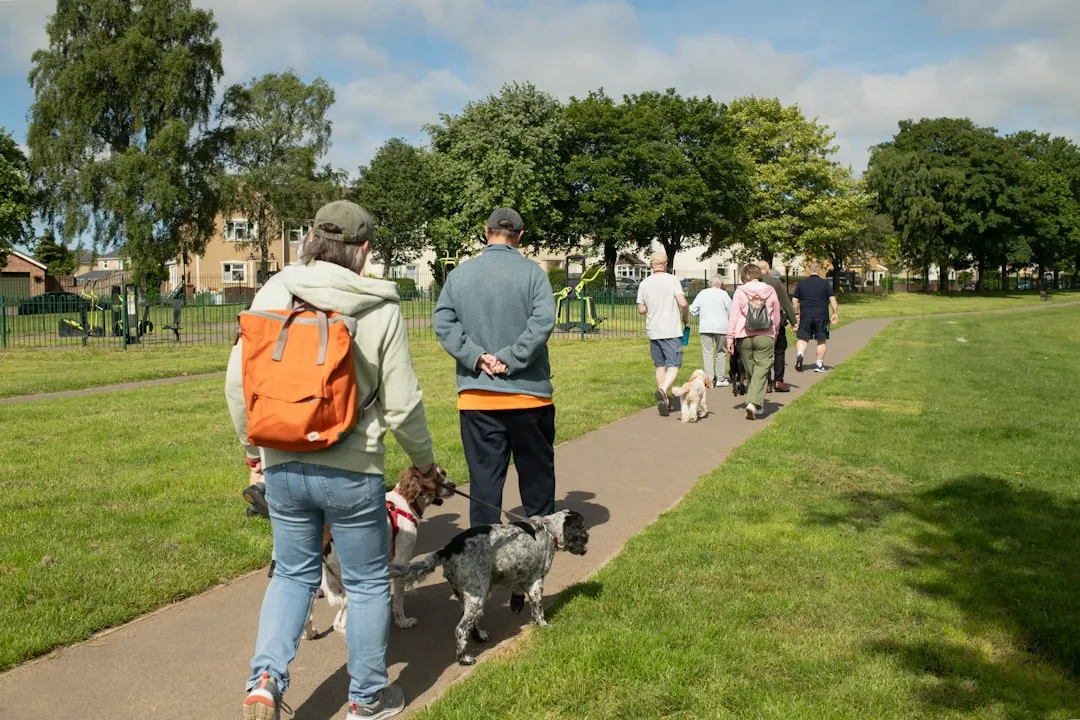
Take an ageing dog to the park and watch what happens when a puppy tears past. They’ll often start the chase – old instincts firing – then pull up short, stand aside, and just watch. That pause isn’t confusion. It’s a dog realizing, mid-stride, that its body can’t cash the check its brain just wrote.
Some seniors try to fake it for the first minute or two before retreating to your side to watch the chaos from a safe distance. That’s self-regulation happening in real time – a dog learning its own new limits one winded lap at a time. The gap between wanting to run and choosing not to is one of the loneliest parts of getting old, for dogs and humans alike.
#3 – Your Dog Senses Its Own Smell Changing With Age
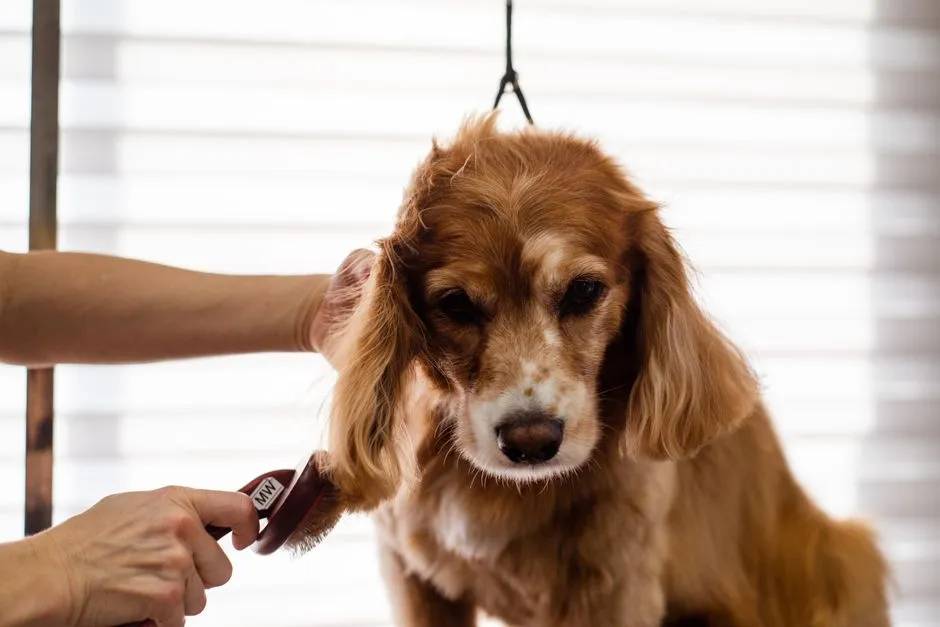
Dogs live in a scent-first world, and that includes their own scent. As they age, hormones shift, skin oils change, breath sours, and even ear wax smells different. Your dog almost certainly notices its own “scent profile” isn’t what it used to be – even if you can’t smell a thing.
That’s why older dogs often groom differently, fixating on spots that never used to bother them. Some will sniff the exact place they just got up from, as if double-checking: wait, is that me? It’s not vanity. It’s a primitive kind of self-awareness – recognizing that the body producing that smell has changed, even if the dog can’t say why.
Fast Facts
- A dog’s nose holds hundreds of millions of scent receptors, far more than a human’s roughly six million.
- Dental disease is one of the most common health issues in senior dogs and a frequent cause of breath changes.
- Shifting hormone levels and skin oil production with age can noticeably alter a dog’s natural scent.
- Older dogs are more prone to ear infections, which can change how their ears smell almost overnight.
#4 – They Learn That Certain Movements Now Equal Pain
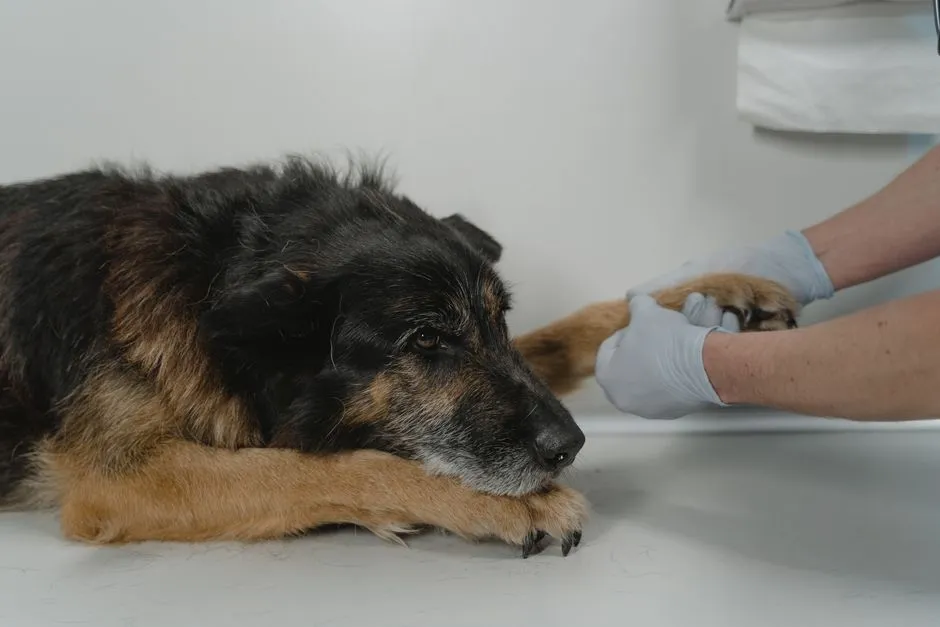
Most people assume dogs simply tolerate chronic pain until it becomes unbearable. In reality, ageing dogs build detailed mental maps of exactly which movements hurt. A dog that refuses the stairs but happily steps over a low threshold has already run the calculation: vertical impact means pain, small step means safety.
Over time the patterns get obvious – avoiding hard floors, climbing into the car from one specific angle only, refusing to turn quickly on tile. That’s not stiffness showing up at random. That’s a dog anticipating pain before it happens and opting out on purpose. They’ll still push through it sometimes to follow you or chase a ball, but the slow recovery afterward tells you exactly what it cost them.
#5 – They Notice Humans Treat Them Differently as They Age

Here’s the part owners don’t want to hear: your dog absolutely notices when it becomes “the old one.” When a stranger’s hand goes to the younger dog first, or when kids get told, “Be gentle, she’s old,” your dog is tracking that shift in real time. Dogs are relentless readers of human tone, posture, and attention – and they know when the spotlight has moved on.
Some respond by getting clingier, shadowing their favorite person more closely – part comfort, part insurance policy. Others go the opposite direction, withdrawing as the household energy tilts toward younger, louder animals. Neither reaction is random moodiness. It’s a dog adjusting to a social role it never asked for, one you probably assigned without even noticing.
#6 – They Remember a Faster Version of Themselves
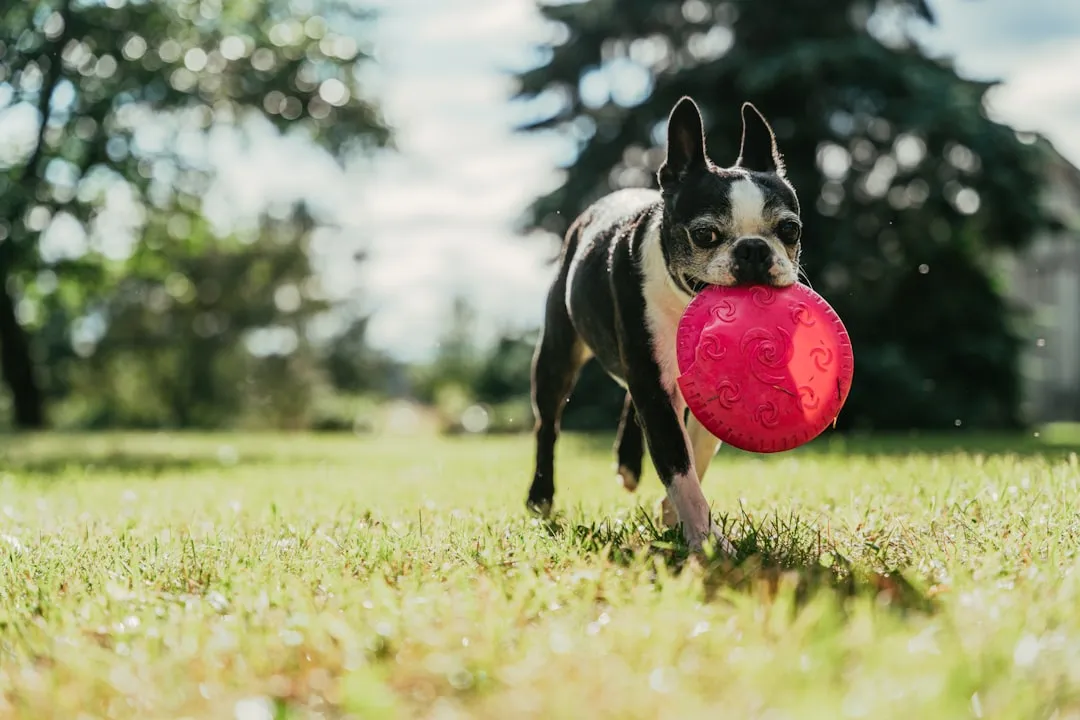
Watch an old dog who used to live for fetch. The ball comes out and they still light up – same bark, same wag, same desperate excitement. But once the game starts, they stop sooner, glance at you with a strange mix of desire and exhaustion, and sometimes just walk away mid-throw.
That gap is uncomfortable to watch because it’s memory colliding with reality. Dogs form strong emotional attachments to routines – the sprint they used to nail, the jump they used to clear without thinking. As those routines get harder, you see it in their frustration growls, their hesitation, the way they give up faster than they used to. They’re not pondering their glory days, but there’s a clear before-and-after playing out in their behavior.
#7 – They Quietly Adjust Their Sleep and Safety Habits
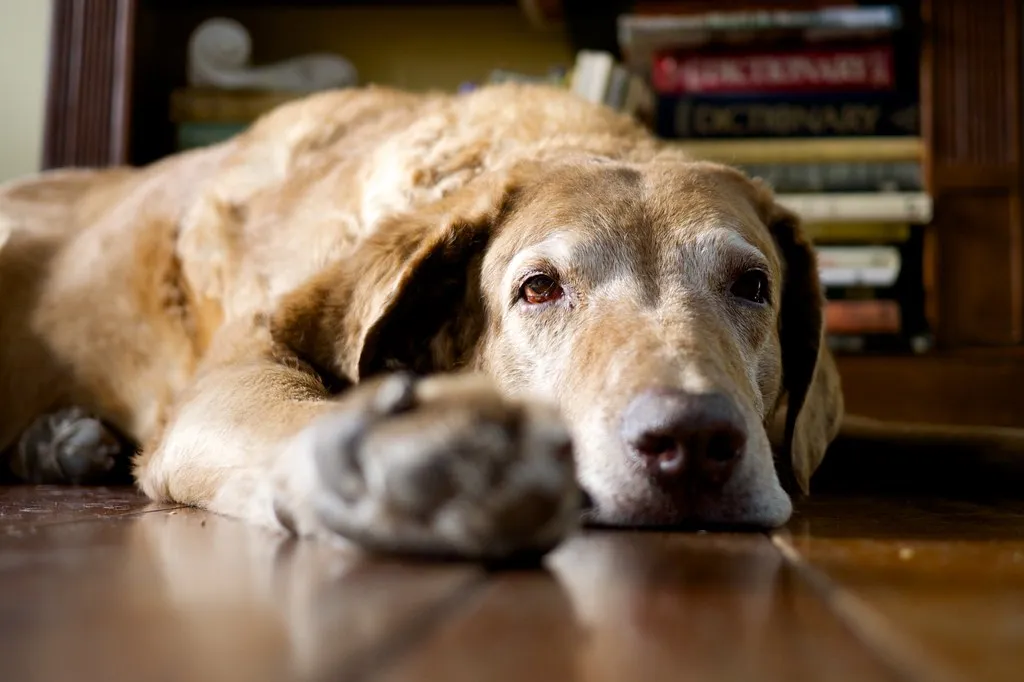
Older dogs don’t just sleep more – they sleep differently. Many gravitate toward corners, walls, or spots with a clear sightline to the door. They’re compensating for slower reaction times and duller senses by choosing resting spots that feel safer and more predictable, especially if they used to be fearless in open spaces.
You’ll start to notice the pattern: thicker bedding suddenly matters, high-traffic hallways get avoided, favorite old sleeping spots get traded for quieter corners.
- Choosing thicker, warmer bedding over old favorites.
- Avoiding busy zones where they might get bumped or stepped on.
This isn’t pickiness. It’s a dog “age-proofing” its own environment – minimizing the chance of getting startled or jostled – while you sit there thinking they’ve just gotten stubborn.
#8 – They Sense Their Hearing and Vision Fading
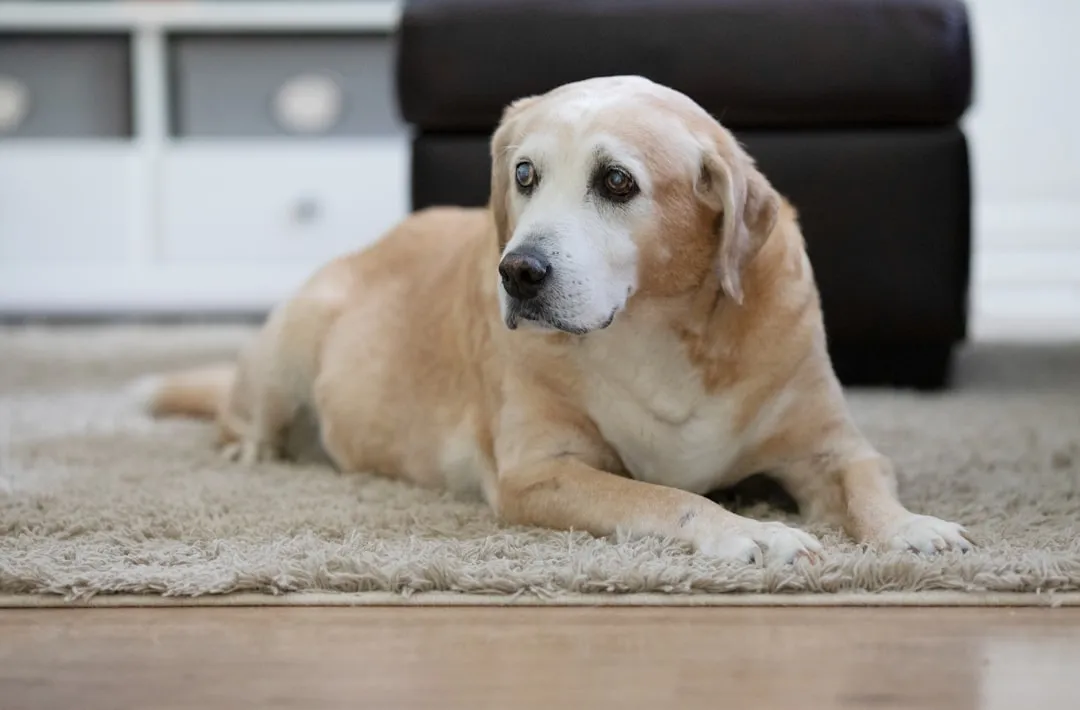
Owners love to assume an older dog is “ignoring” them. More often, that dog genuinely can’t hear the way it used to – and it knows something is off. A dog that startles easily, spins around when a sound comes from the “wrong” direction, or stares hard before finally recognizing your face is actively testing failing senses in real time.
Some seniors start sticking closer to furniture, walls, or your legs on walks. Others scan more slowly when called, like they’re searching through fog. Through repeated small failures, they learn the world has gotten less sharp and more unpredictable – which creates a low-level anxiety most owners completely miss. Their coping mechanism is you: more check-ins, more reliance on scent, more staying close.
At a Glance
- Cloudy-looking eyes are often a normal ageing change, separate from true cataracts, but both become more common with age.
- Hearing loss in older dogs frequently starts with high-pitched sounds, like a doorbell or a squeaky toy.
- Reduced night vision and slower pupil response are common in senior years.
- Most ageing dogs lean harder on smell and touch to make up for fading eyes and ears.
#9 – They Feel Time Pass Differently Through Routine
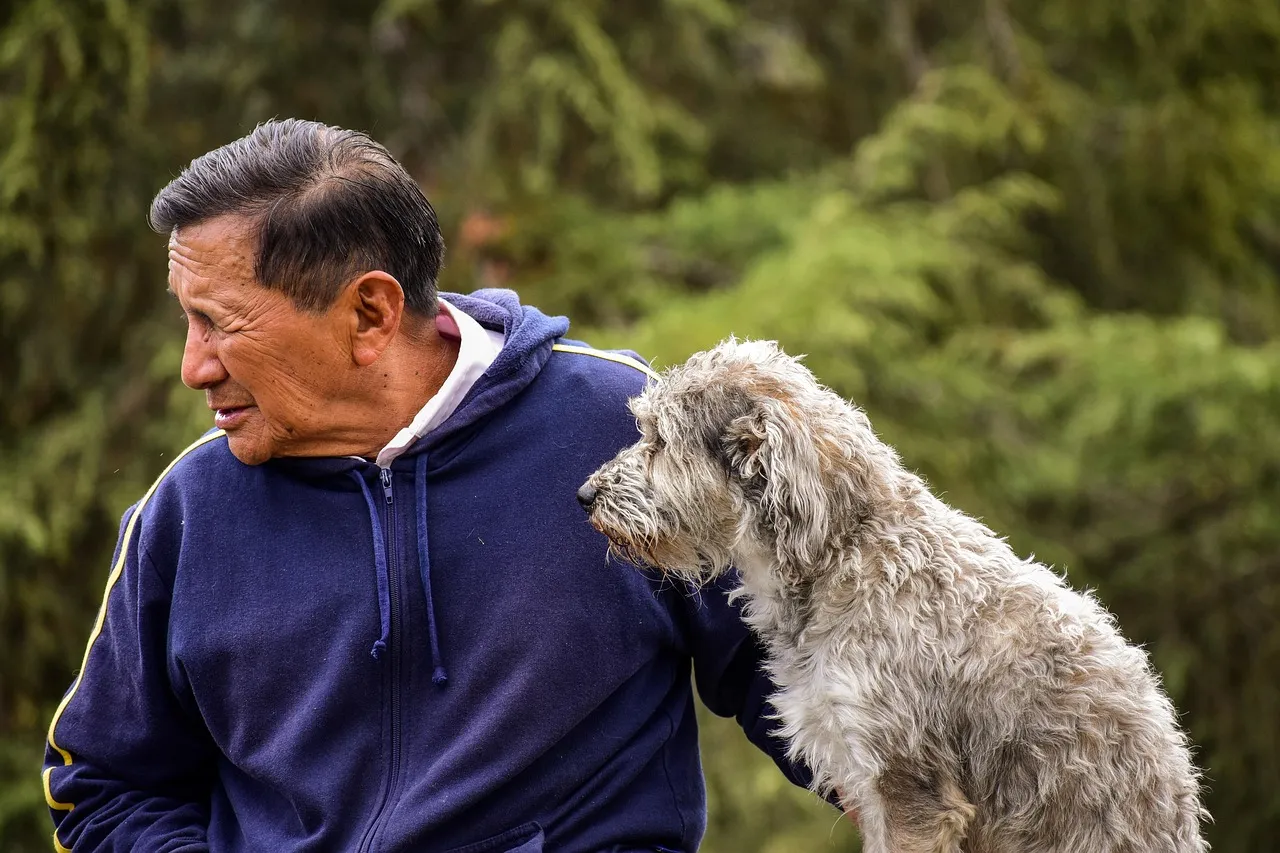
Dogs don’t read calendars, but they’re experts in patterns – and as they age, those patterns tighten. Meals at the same time. Walks at the same time. Bedtime rituals repeated down to the smallest detail. When an older dog gets anxious or insistent about a shifted routine, it’s because that routine has become their way of navigating a world that suddenly feels less reliable.
What looks like clinginess to you is actually risk management to them. They know, in their own body-based way, that long gaps between meals now leave them shakier. They know a late-night walk means colder, stiffer joints. Predictability isn’t a preference anymore – it’s a survival tool that smooths out the rough edges of an unpredictable body.
#10 – They Understand When Puppies Don’t Respect Their Limits
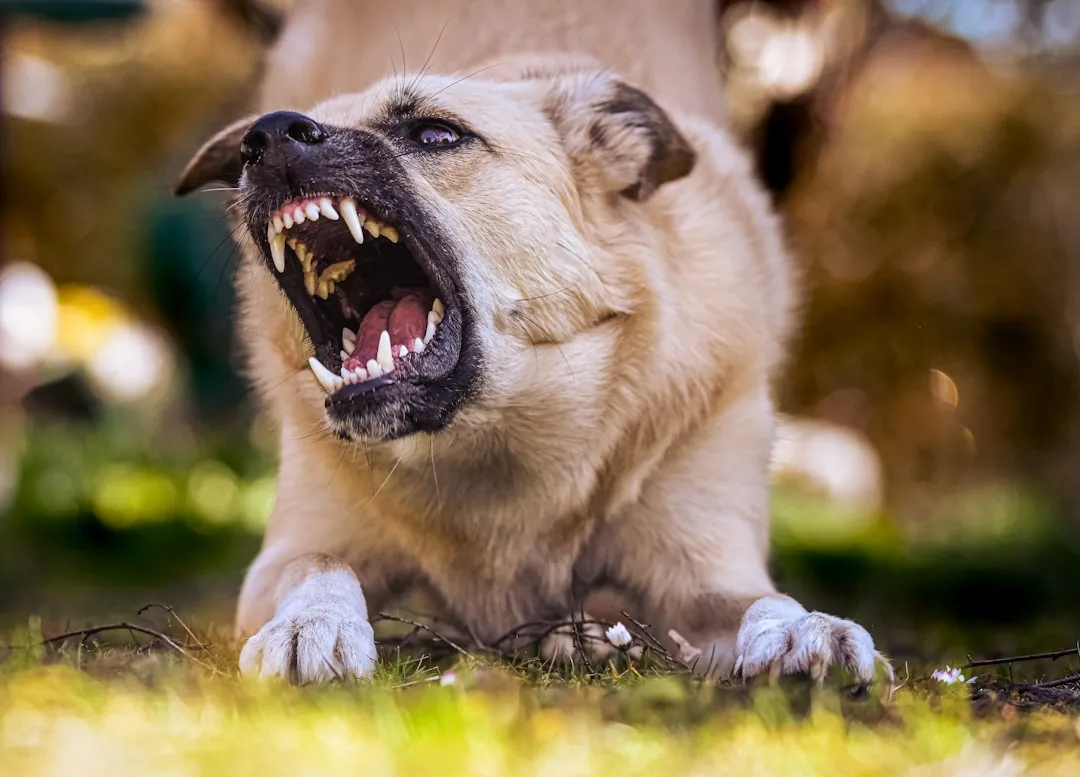
“He’s just grumpy with puppies now” is lazy labeling, and it’s usually wrong. Older dogs show precise, educated corrections toward young dogs that slam into them, nip at sore joints, or crowd their resting space. A sharp growl, an air snap, a stiff body block – that’s an older dog clearly communicating: my body can’t handle this anymore.
Plenty of seniors will happily tolerate gentle sniffing and calm play, then shut down instantly the moment things get rough – walking away entirely rather than risk it. They know one bad tumble can mean days of pain afterward. The irony is that owners often scold the older dog for “being mean,” punishing the exact boundary-setting that ageing demands. It’s one of the most common – and most unfair – mistakes senior dog owners make.
#11 – They Notice Their World Shrinking – and They React to It
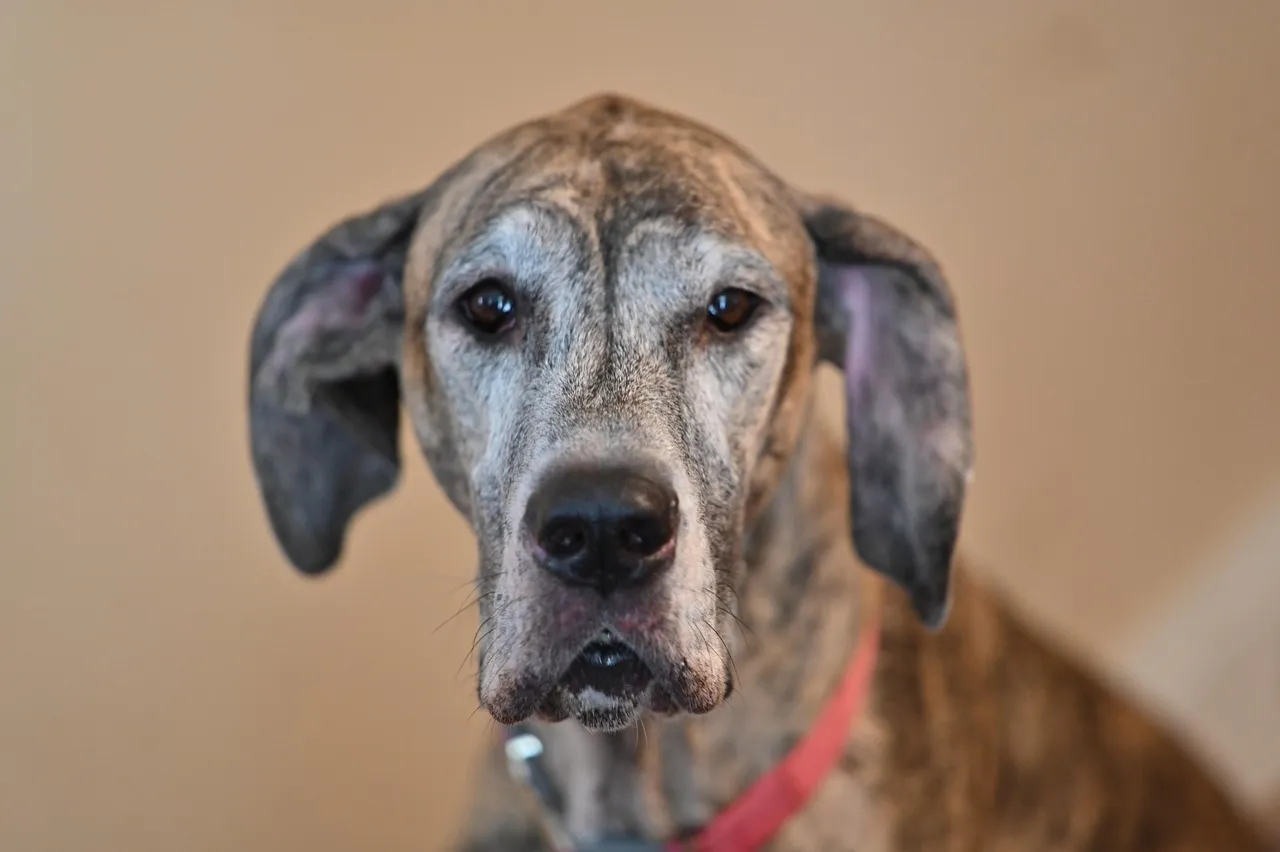
Ageing quietly shrinks a dog’s world: shorter walks, fewer car rides, less time exploring off-leash. Your dog isn’t counting those losses like a spreadsheet, but it’s absolutely tracking them emotionally. When a once-adventurous dog starts exploding with joy over a trip to the mailbox, that’s because the baseline they’re measuring against has changed dramatically.
- Explosive joy over the smallest things – you walking through the door, a five-minute stroll.
- Or, in other dogs, a strange flatness that owners mistake for calm.
Neither is really “contentment.” It’s adjustment – a dog quietly lowering its own expectations because its body, and often your schedule, no longer delivers what it used to.
#12 – They Feel Their Place in the Pack Shift
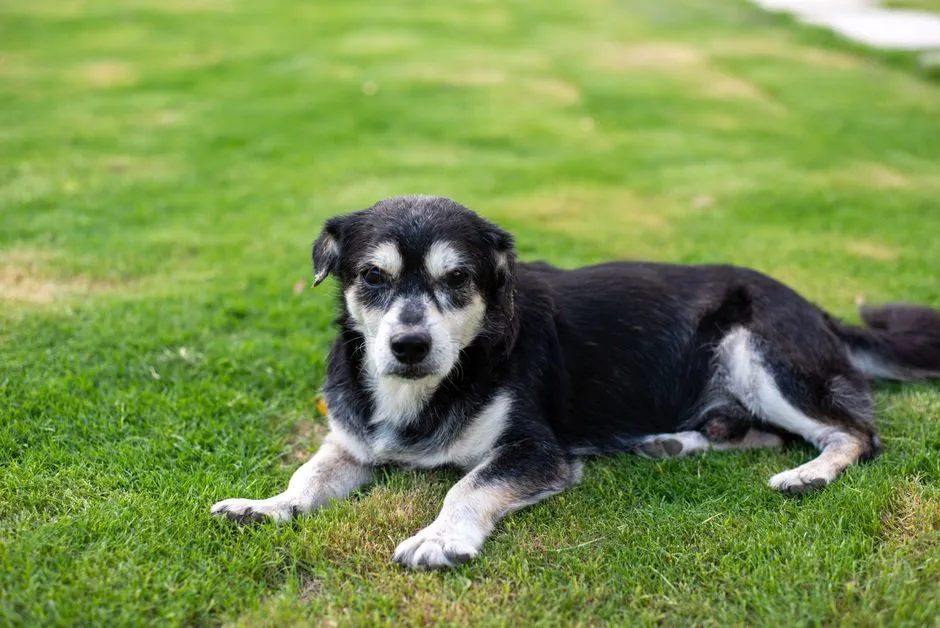
In multi-dog households, older dogs often slide out of leadership without a fight – and they know it’s happening. The senior who used to shove through doors first starts hanging back. The dog that once claimed the best spot on the couch now yields it to someone younger and pushier. These aren’t accidents. They’re quiet renegotiations of rank.
Some older dogs seem almost relieved by the demotion – the pressure of patrolling and monitoring eases off, and they nap more, delegate more, only stepping in when it truly matters. Others resent every inch of it, snapping at younger dogs who overstep. Either way, ageing isn’t just physical for a dog in a multi-dog home. It’s political – a slow shift from boss to elder that reshapes how they see themselves in the family.
Quick Compare
- Doorways: younger dog pushes through first / senior dog waits and follows behind.
- Best spot on the couch: younger dog claims it / senior dog yields, then quietly reclaims a quiet corner instead.
- Conflict: younger dog postures and pushes / senior dog de-escalates or simply walks away.
- Daily energy: younger dog patrols and monitors constantly / senior dog naps more, stepping in only when it truly matters.
#13 – They Anticipate Recovery Time After Effort

Here’s the part almost nobody talks about: older dogs don’t just learn what hurts – they learn how long it’s going to hurt afterward. A senior who overdoes it at the beach or the dog park will often self-limit strictly for days afterward, sometimes before the pain has even fully set in. That’s forecasting, not just reacting.
- One big sprint equals two stiff mornings.
- Jumping into the SUV equals limping all evening.
So next time, they think twice before committing – maybe one joyful burst instead of ten, then a clear decision to stop. That’s not laziness. That’s a dog running cost-versus-payoff calculations on its own body, the exact same risk management older humans do without thinking twice about it.
#14 – They Experience Real Frustration With Their Own Limitations
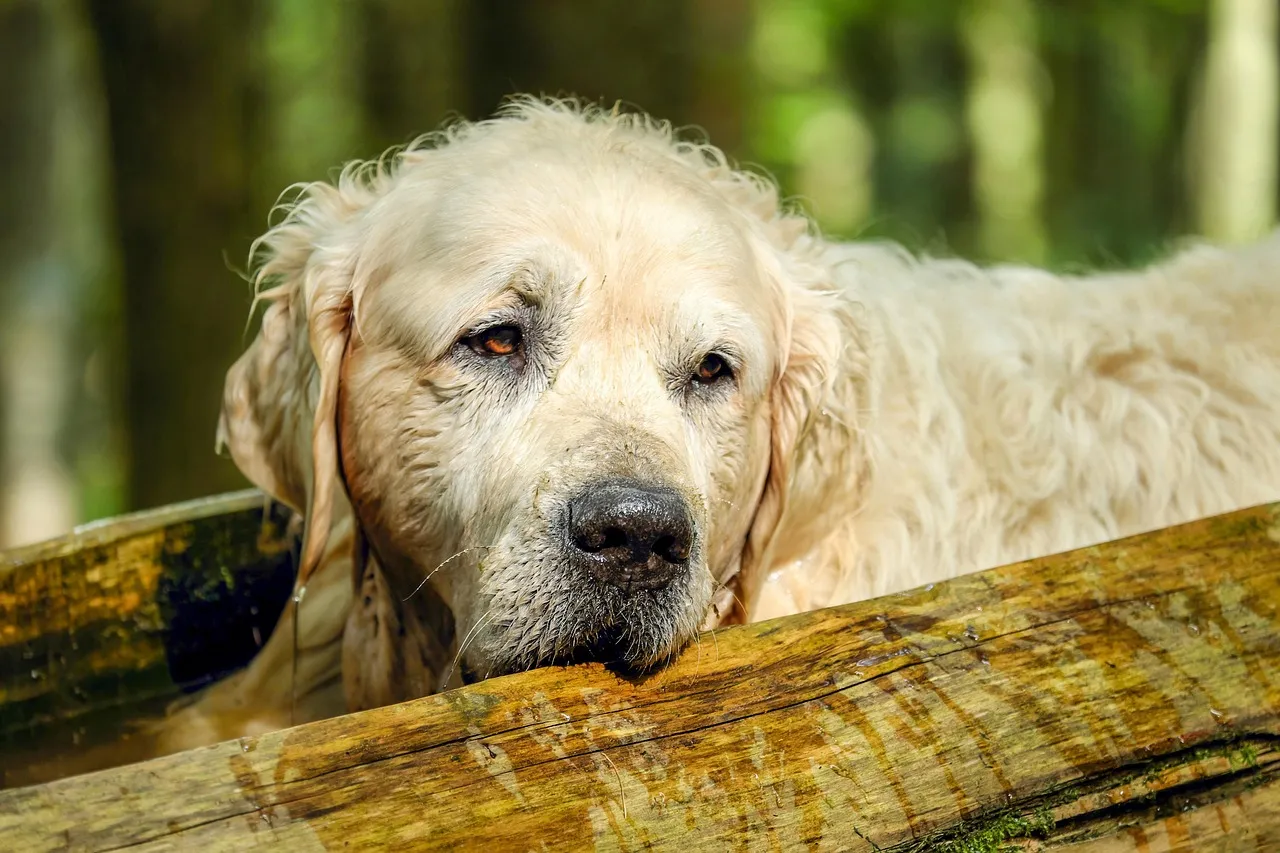
We love to romanticize old dogs as peaceful and wise, but plenty of them go through a genuine phase of frustration first. They still know exactly what they want to do – jump on the bed, bolt to the door, chase the squirrel – and their body simply refuses to cooperate anymore. That mismatch can look like barking, whining, pacing, or destructive habits in a dog that never had them before.
This isn’t “bad behavior” showing up out of nowhere. It’s anger at a body that’s lagging behind the brain still running the show. Some dogs vocalize more when they can’t reach you, or when they misjudge a jump and land wrong. Others get snappier when startled awake or moved too suddenly. Underneath all of it is a dog wrestling with new rules it never agreed to – and liking them about as much as you would.
#15 – They Lean Harder on You as Their Anchor
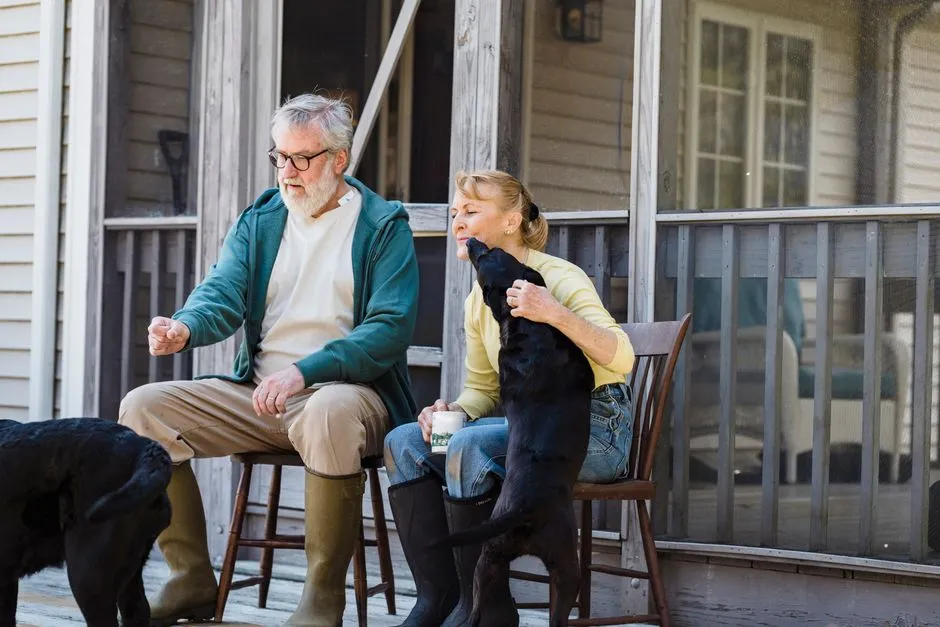
As dogs age, something shifts in how they see their favorite human: less playmate, more lifeline. Older dogs watch their person more closely, follow room to room with real consistency, and only fully relax once that person is in the same space. That’s not simple affection anymore – it’s strategic attachment.
Their senses are fading and their body has become unreliable, but you haven’t. Your scent is familiar. Your routines are predictable. Your reactions, even when you’re annoyed, are more forgiving than a strange dog or a startling noise. So they outsource their safety to you – trusting you to read the sounds they can’t place, the stairs that suddenly look like cliffs. Calling that “clingy” or “spoiled” misses the real story: they know they’re ageing, and you’re the plan they’ve built around it.
Why It Stands Out
- Following room-to-room becomes near-constant, not occasional.
- Deep, fully relaxed sleep often only happens once their person is nearby.
- More frequent “checking-in” glances during walks and outings.
- Visible unease when a familiar caregiver’s schedule suddenly changes.
#16 – They Sense When Their Health Is Truly Failing

This is the hardest one for people to accept. So many owners describe the same moment right before a serious diagnosis: “He just seemed… done.” Dogs often show a sudden withdrawal from normal pleasures, a deeper and more settled fatigue, or a strange calm that feels nothing like ordinary old age.
- Stop greeting you at the door.
- Turn down favorite foods.
- Seek out cool, quiet, hidden places instead of their usual bed.
Is that a conscious “I know I’m dying”? Nobody can prove that level of awareness exists. But behaviorally, they act exactly like animals recognizing a fundamental internal shift – conserving energy, avoiding stress, quietly detaching from daily life in a way that looks like preparation for something beyond “just old.”
#17 – They Understand More About Ageing Than You Want to Believe
Most people cling to the comforting idea that dogs live only in the present, blissfully unaware of what’s happening to their bodies. The behavior tells a completely different story. Your dog recognizes the pattern – the slower body, the shorter walks, the extra help getting into the car, the shifting attention, the growing quiet.
They’re not lying awake philosophizing about mortality. But they are living the reality of decline and adjusting to it, day after day, in ways that are impossible to fake. What’s uncomfortable is this: your dog is often more honest about its own ageing than you are. While you’re telling yourself “he’s fine, just getting older,” your dog is already managing pain, avoiding risk, and leaning on you in specific, deliberate ways. The real gap was never in what they understand. It’s in what you’ve been willing to see.
The Bottom Line
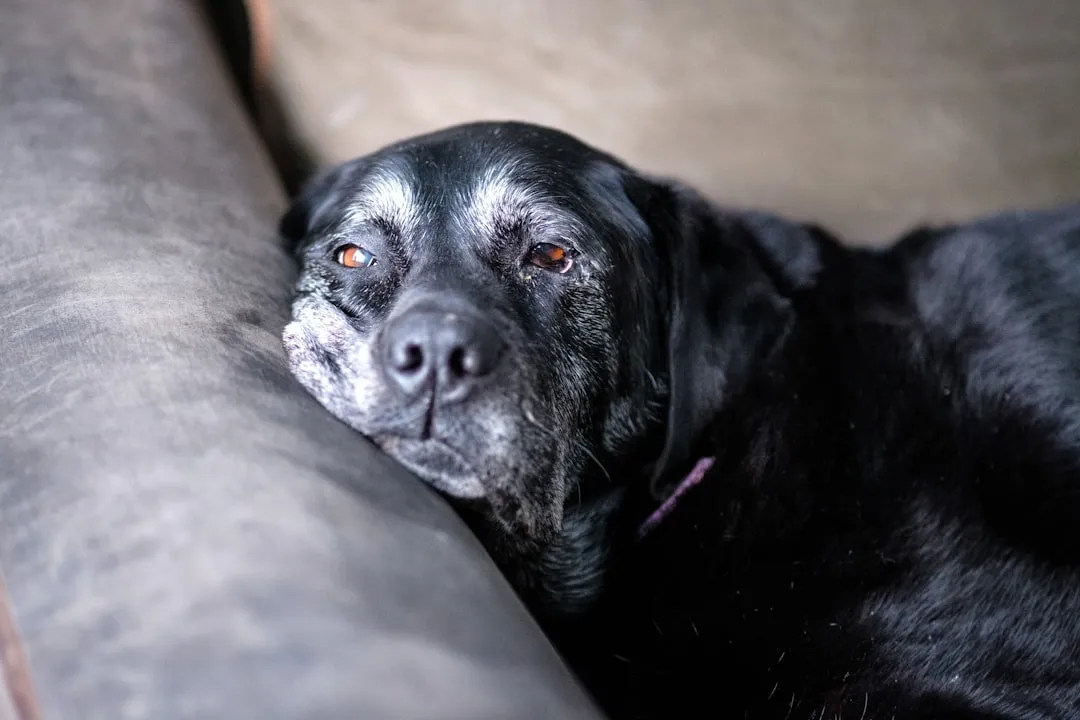
Here’s my honest take after going through all seventeen of these: we’ve spent decades underselling dogs. We tell ourselves they “live in the moment” because it’s a tidy, comforting story – it lets us off the hook for noticing the limp, the hesitation at the stairs, the way they’ve started sleeping in a different corner of the room. But the evidence is right there in front of us every single day.
Your dog is mapping which movements hurt. It’s feeling the energy gap with younger dogs. It’s noticing its own fading senses, its shrinking world, its shifting place in the family. It leans on you not out of neediness but out of calculated trust – because you’re the one constant left in a body that keeps changing the rules on it.
The uncomfortable truth is simple: your dog is already doing the emotional and physical math of getting old. Most of the denial in that relationship belongs to us, not them. If anything, we’ve been underestimating what they know about themselves – not overestimating it.
So skip the question “does my dog understand it’s ageing?” That one’s answered. The real question is what you’re going to do now that you know how much they’ve been quietly carrying on their own. Did this hit different than you expected? Tell us in the comments.
