
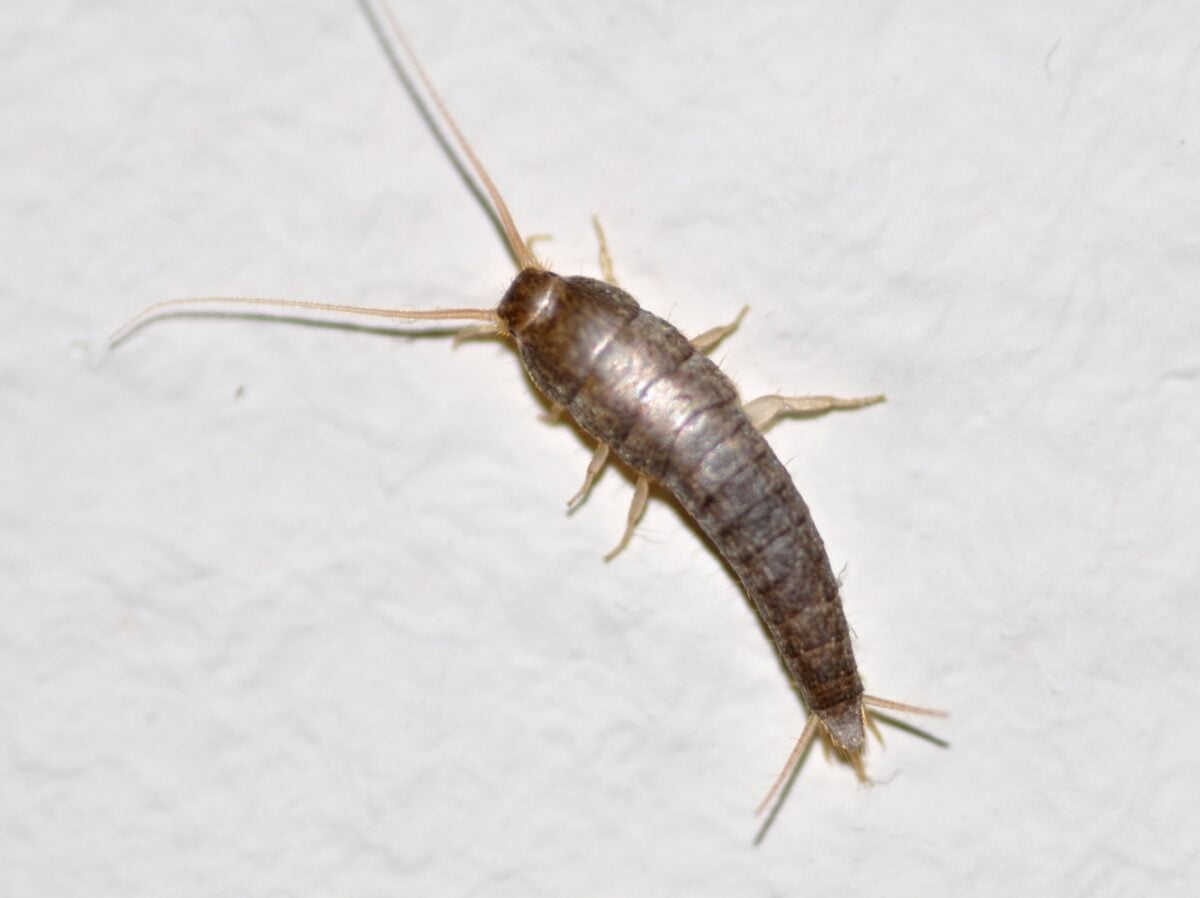
If you’ve ever flipped on a bathroom light at midnight and watched a tiny, silver, wiggly bug dart for cover, you know how unsettling silverfish can be. They feel like something out of a forgotten basement, not the kind of roommate you willingly invite into your home. Yet, without realizing it, many of us are basically rolling out the red carpet for them every single day.
When I first found silverfish in a box of old notebooks, I was honestly grossed out and weirdly offended. Why my stuff? But the more I learned, the more I realized they weren’t appearing at random. Silverfish love specific conditions: moisture, darkness, carbs and clutter. And a lot of modern homes, especially when we get a bit relaxed with maintenance, give them everything they need. Let’s break down seven everyday habits that quietly attract these tiny, prehistoric-looking houseguests.
1. Letting Humidity Build Up In Bathrooms And Basements
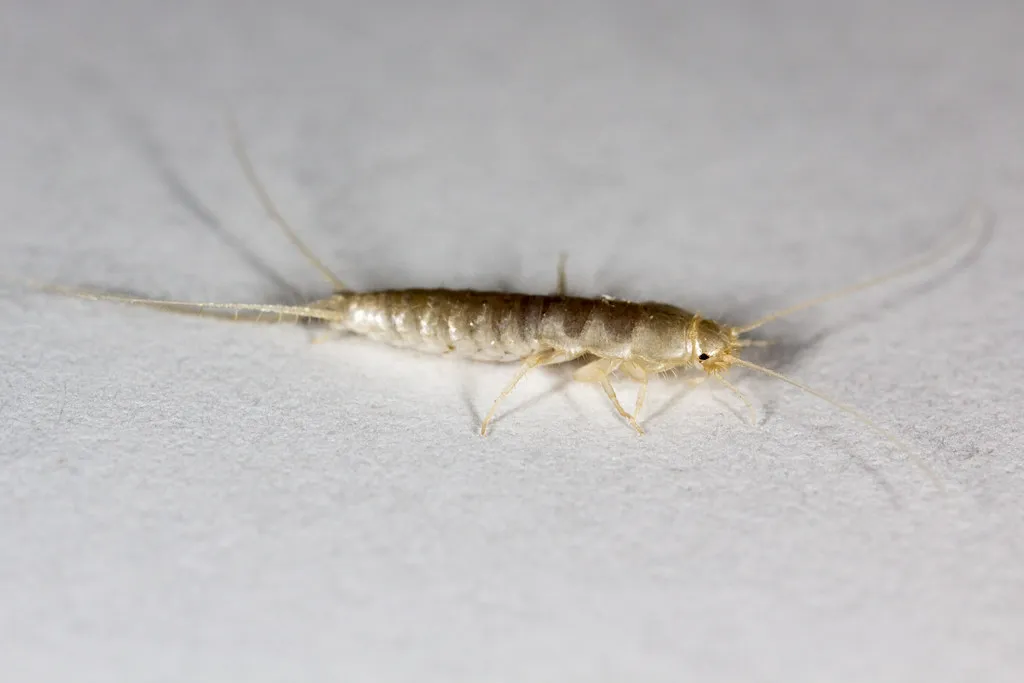
Here’s the hard truth: silverfish absolutely thrive in damp, humid spaces. Bathrooms without proper ventilation, steamy laundry rooms, and perpetually clammy basements are basically luxury apartments for them. When you take long hot showers and leave the door closed, or you never bother to run the exhaust fan, you’re creating the kind of moist environment where silverfish eggs and nymphs can survive and grow comfortably.
Over time, this constant humidity doesn’t just attract silverfish; it supports mold and mildew, which can make the problem even worse because damp, decaying material is easier for them to feed on. Small changes – like running the fan for 15–20 minutes after a shower, cracking a window, or using a dehumidifier in the basement – hint to silverfish that this might not be such a cozy home after all. Think of moisture control as turning off the “vacancy” sign for them.
2. Ignoring Leaks, Drips, And Condensation
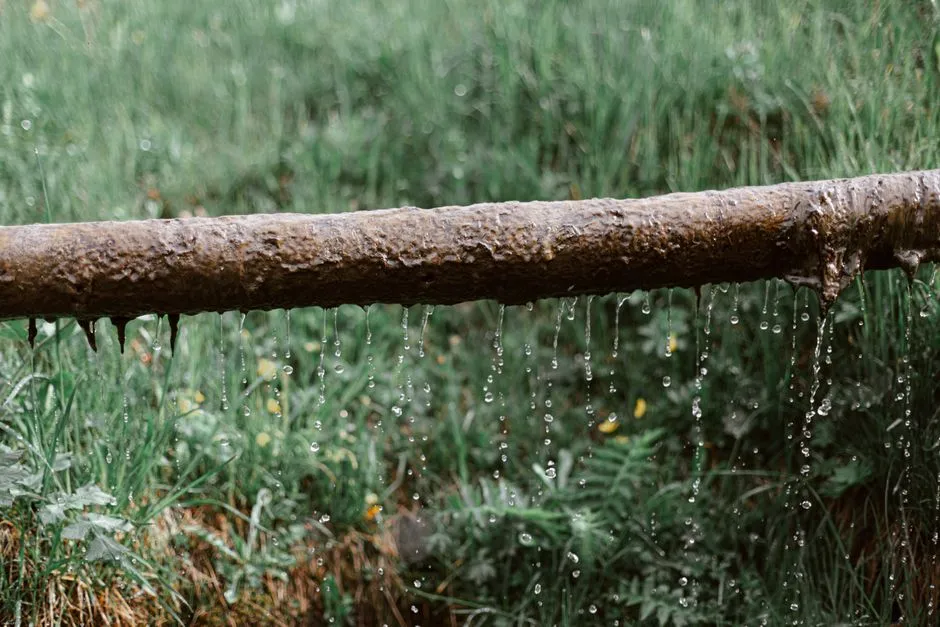
A slow-dripping pipe under the sink or a sweating cold-water line along a wall might not seem like a big deal, but to silverfish it’s like a free soda fountain that never shuts off. They don’t need much water, but consistent moisture from leaks or persistent condensation creates ideal micro-habitats in wall voids, under cabinets, and behind appliances. These are exactly the hidden spots where silverfish like to shelter during the day.
When we shrug off leaks as “something to fix later,” we’re not just risking water damage and higher bills; we’re also giving pests a stable moisture source. Fixing drips, insulating cold pipes to reduce condensation, and wiping up standing water around sinks, tubs, and washing machines disrupts that stability. It sends a pretty clear message: this is a dry zone now, and dry zones are far less appealing to silverfish.
3. Storing Cardboard Boxes And Paper Clutter On The Floor
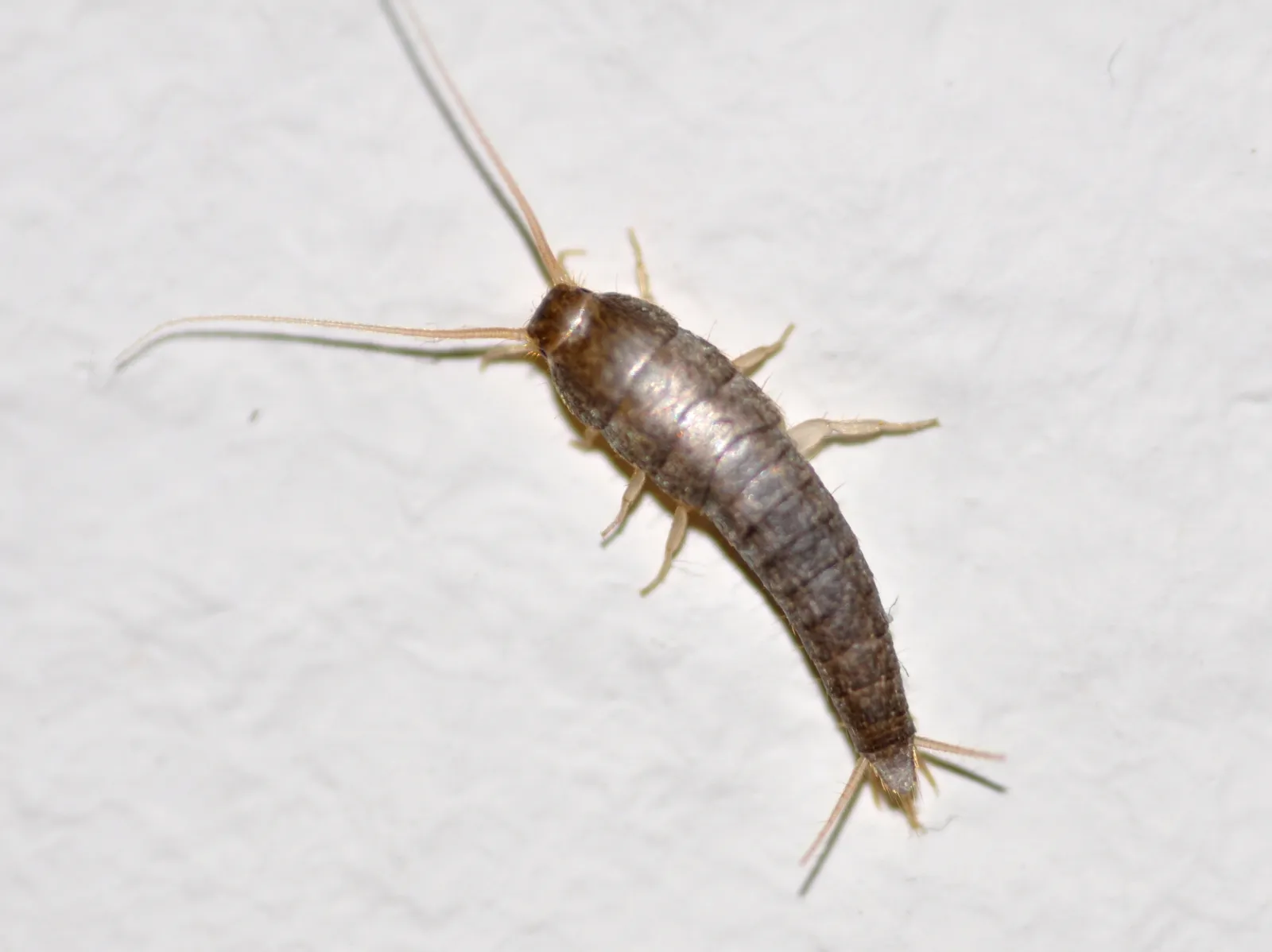
Silverfish have a serious thing for paper, cardboard, and anything starchy that they can nibble on slowly over time. Old moving boxes on the basement floor, stacks of paper bags in the pantry, or piles of magazines under the bed are a buffet of carbohydrates and cellulose. Add in a bit of darkness and humidity, and you’ve basically opened an all-you-can-eat diner for them, hidden in plain sight.
What makes this habit especially sneaky is how easy it is to justify: “I’ll sort those papers later” or “These boxes are just temporary.” Months go by, and in the meantime, silverfish are happily feeding and hiding between layers of cardboard and paper. Switching to plastic bins with tight lids, keeping important documents in sealed containers, and lifting storage off the ground not only protects your stuff from damage, it starves out potential silverfish hotspots.
4. Keeping Old Books, Magazines, And Photos In Damp Corners
If you love books like I do, this one can sting a little. Silverfish are notorious for damaging book bindings, pages, and even old photographs because they feed on the glue, paper, and sometimes the materials in the ink. When you stash boxes of books in a damp basement, a musty attic, or a closet that never quite dries out, you’re practically handing over your memories and favorite stories as food and shelter.
Instead of treating books and photos as indestructible, it helps to think of them as delicate, snackable treasures in the eyes of pests. Keeping them in dry, climate-controlled areas, using sealed plastic containers, and occasionally checking storage areas for signs of damage can make a huge difference. It’s not about being paranoid; it’s about accepting that silverfish see your old photo albums the way you might see a fresh box of cookies.
5. Leaving Crumbs, Cereals, And Pantry Goods Loosely Stored
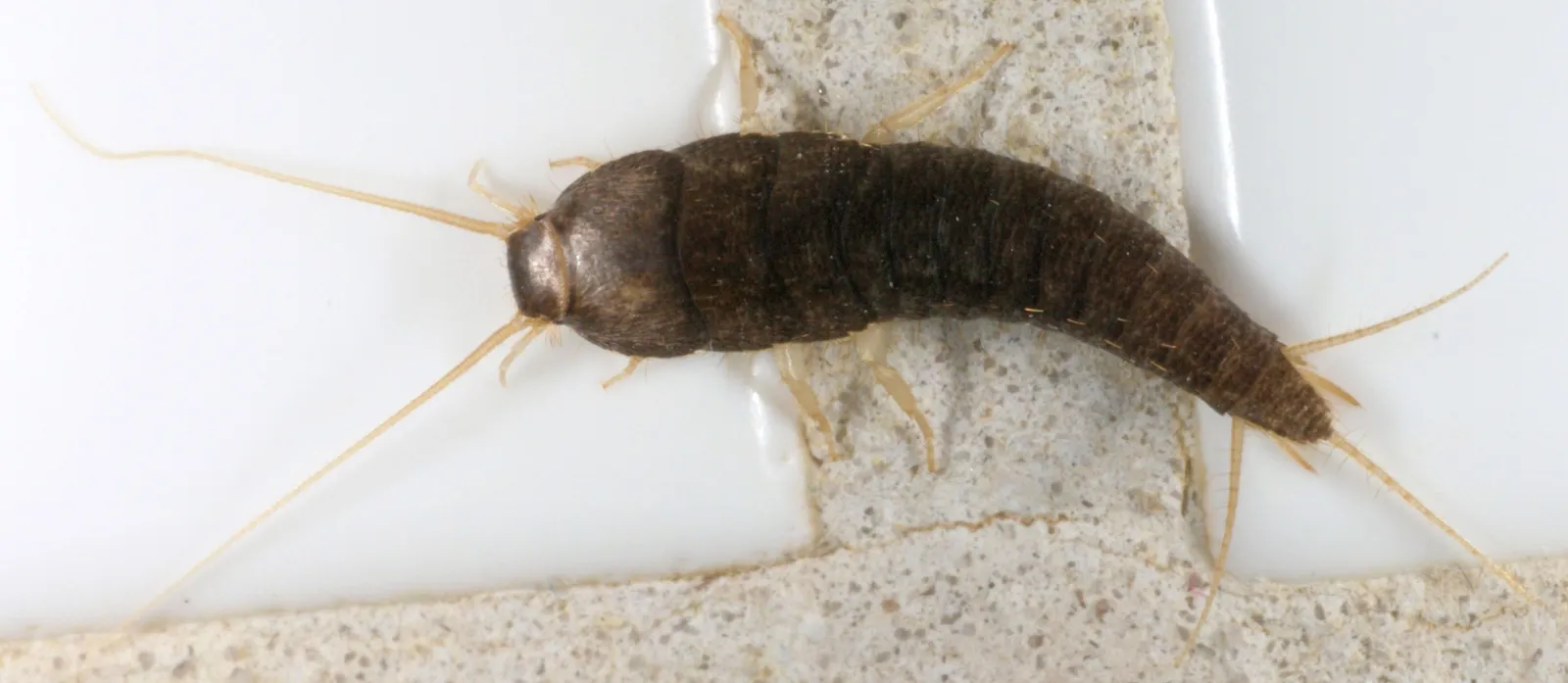
Most people think of silverfish as bugs that eat paper and glue, but they’re not exactly picky eaters. They’ll also go after cereals, flour, pasta, and other dry goods, especially if the packaging is easy to chew through or poorly sealed. That half-closed cereal bag, the open box of crackers, and the layer of crumbs behind your toaster can all act as attractants over time.
While silverfish aren’t usually the main pantry pest people worry about, they are absolutely drawn to starchy and sugary food residues. Storing dry goods in airtight glass or sturdy plastic containers, wiping down shelves regularly, and cleaning up crumbs around appliances pulls the rug out from under them. It’s a bit like changing a restaurant from “serve yourself all day” to “sorry, kitchen’s closed.”
6. Skipping Deep Cleaning In Hard-To-Reach Areas
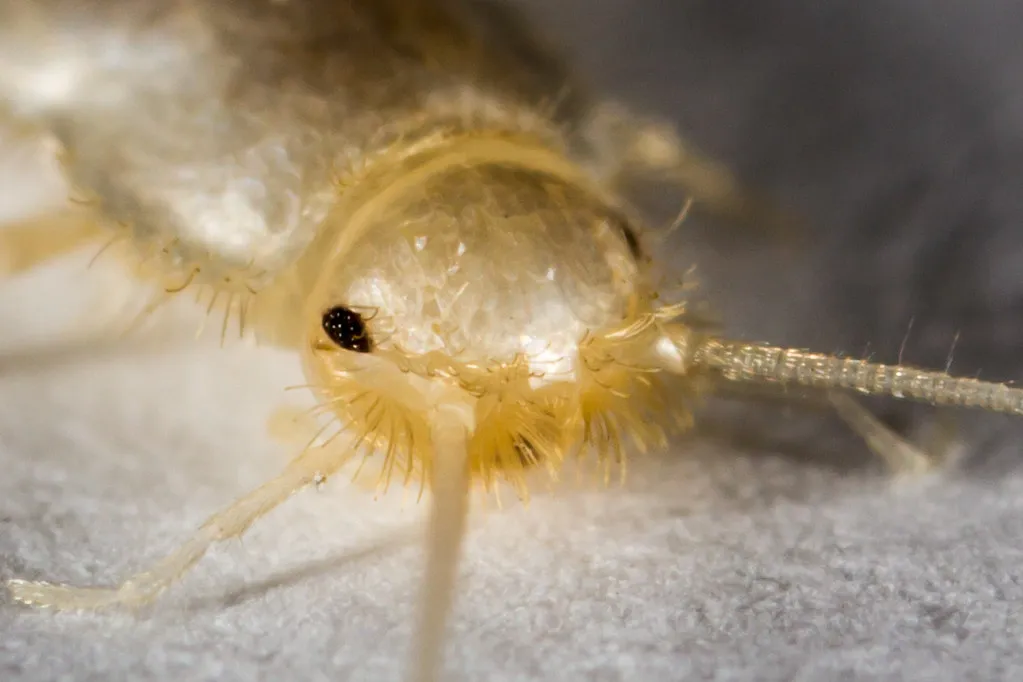
Silverfish love the places you forget about: behind baseboards, under heavy furniture, inside closets you rarely open, and along dark, cluttered corners. Dust, hair, tiny food particles, and shed skin cells all build up there, creating a surprisingly rich mix of material for them to graze on. When regular cleaning stops at the visible surfaces, those hidden zones turn into long-term safe houses for pests.
I used to treat “moving the couch” or “pulling out the fridge” as a once-a-year event, and every time, I’d find a whole ecosystem of crumbs and dust bunnies. Making it a habit to occasionally vacuum along baseboards, under furniture, and inside closets reduces both hiding spots and food sources. You don’t need to be obsessively spotless, but showing some attention to the forgotten corners keeps silverfish from feeling too comfortable.
7. Overlooking Cracks, Gaps, And Loose Trim Around The Home

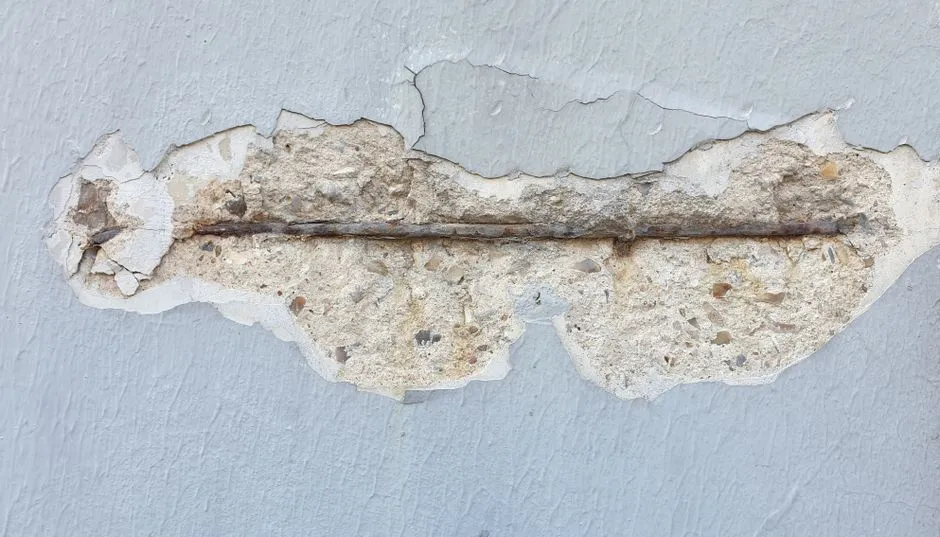
Silverfish are flat, flexible, and surprisingly good at squeezing through tiny openings. Gaps under doors, cracks around windows, loose baseboards, and unsealed openings where pipes enter walls can all serve as entry points or cozy harbors. When these structural details are ignored, you make it much easier for silverfish to move in from outside or migrate between rooms unnoticed.
Sealing cracks with caulk, repairing damaged weatherstripping, tightening loose trim, and adding door sweeps are not just cosmetic fixes – they are genuine pest control strategies. It can feel tedious, but each small repair is like closing another hidden doorway into your living space. The more you tighten up your home’s envelope, the less likely it is that silverfish (and a lot of other bugs) will decide it looks like a great place to settle down.
Conclusion: Silverfish Are A Symptom, Not Just A Nuisance
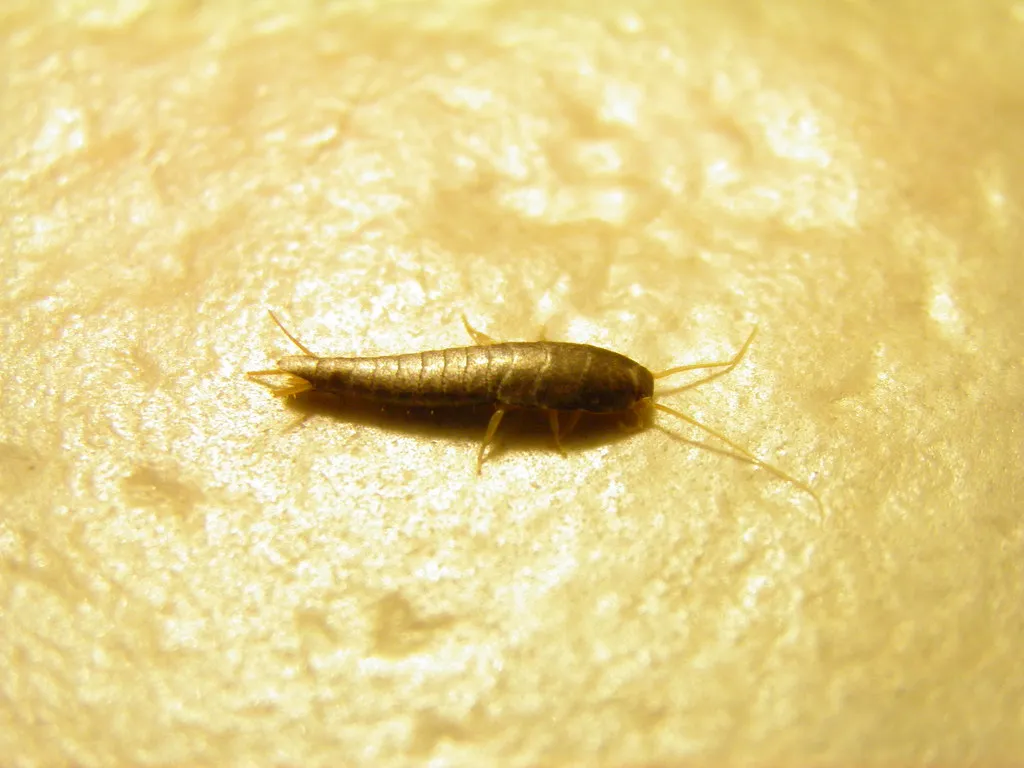
Silverfish may look like minor pests, but they are actually telling you a story about your home: too much moisture, too much clutter, and too many dark little corners that never quite get attention. Instead of just reacting with a spray or a trap every time you see one, it pays to step back and ask what conditions allowed them in. In my opinion, if we treat silverfish only as a bug problem and not as a home-maintenance clue, we’re missing the bigger picture.
Breaking these seven habits – taming humidity, fixing leaks, protecting paper and pantry goods, cleaning smarter, and sealing gaps – does more than keep a few creepy-crawlies away. It protects your belongings, reduces mold and musty odors, and makes your space genuinely healthier and more comfortable to live in. In the end, silverfish are just doing what nature programmed them to do; the real question is, are we unintentionally rolling out the welcome mat, or finally taking it away?
