
If you could vanish every winter and reappear months later at almost the exact same park bench, rooftop, or stretch of shoreline, it would feel like magic. For migratory birds, that kind of precision is just everyday life. These tiny navigators cross oceans and continents, dodge storms, and outfly entire weather systems, only to touch down within meters of where they hatched or nested the year before.
I still remember watching a banded shorebird show up on the same muddy corner of a lagoon, years in a row, like it had a calendar and a GPS tucked under its wing. The more you learn about these travelers, the more it feels like the map we see is missing half the story. Let’s dive into ten birds whose migration skills are so sharp they seem almost unreal.
1. Arctic Tern – The Ultimate Long-Distance Champion
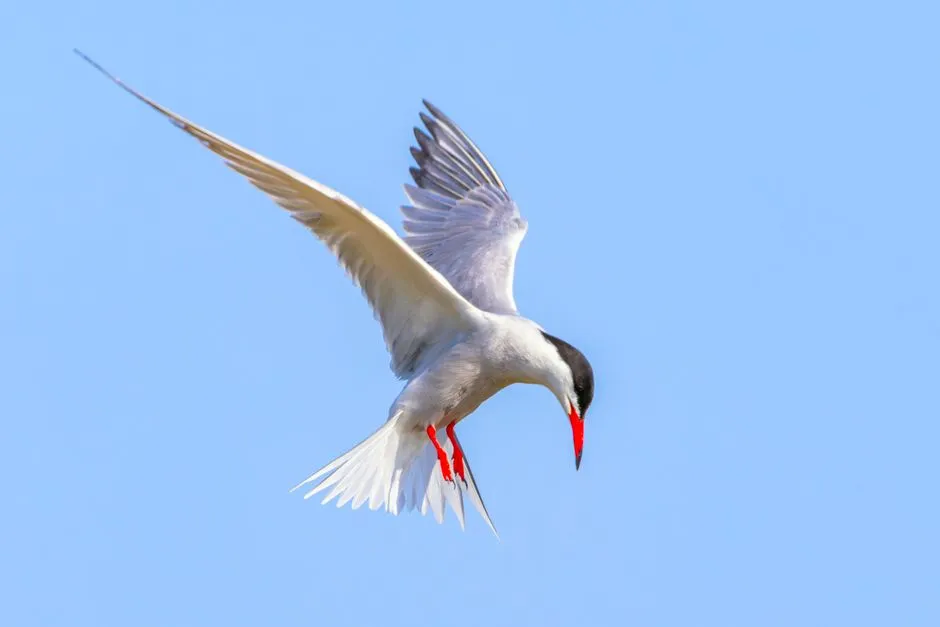
The Arctic tern is the bird that makes every frequent-flyer program look embarrassing. This slender, graceful bird breeds in the Arctic and then travels all the way to the Antarctic and back again, racking up a round trip of tens of thousands of miles each year. What blows people away is not just the distance but the fact that individual terns will return to the same nesting area, and sometimes even the same patch of rocky ground, after circling half the planet.
Researchers who have tracked Arctic terns with tiny geolocators have found that they don’t just fly in a straight line, either. They follow looping routes that help them exploit winds and rich feeding areas, yet they still zero in on their breeding colonies with astonishing accuracy. Imagine driving from Alaska to Argentina and back without a map, then parking in the same exact space you left six months earlier; that is essentially what these birds are doing, guided by a mix of the Earth’s magnetic field, the sun, stars, smells, and maybe cues we still do not fully understand.
2. Bar-tailed Godwit – Nonstop Flights Across the Pacific
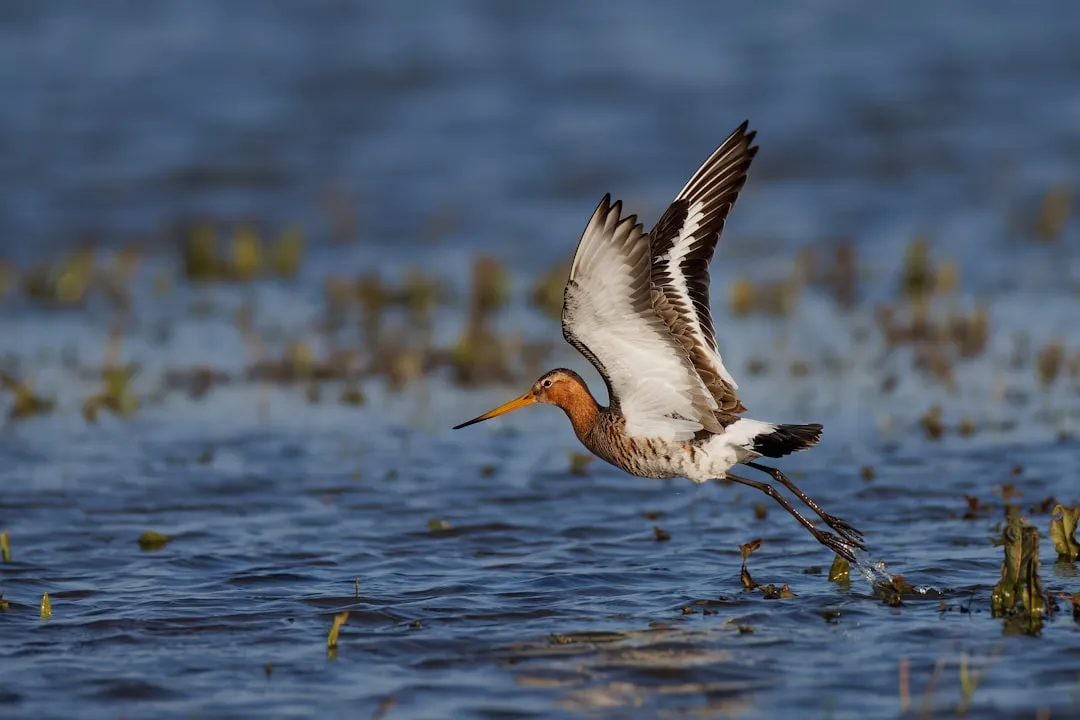
The bar-tailed godwit might not look like an athlete at first glance, but this shorebird pulls off one of the most brutal non-stop migrations known. Some individuals have been documented flying more than a week without landing, crossing the Pacific Ocean from Alaska to New Zealand in a single uninterrupted push. After such a journey, they often return in later years to the same estuaries and tidal flats where they once refueled and rested.
Scientists have tracked certain godwits that show an almost eerie loyalty to particular mudflats or sandbars, dropping in within a very small area on their epic route. I like to think of them as long-distance truckers who insist on using the same exact diner every trip, no matter how far they have come. Their ability to locate the same stopover sites is not just a neat trick; it is crucial to survival because if that feeding spot is gone or degraded, the bird’s finely tuned fuel calculations suddenly fall apart.
3. Common Swift – Months in the Air, Home in the Same Roof Tile
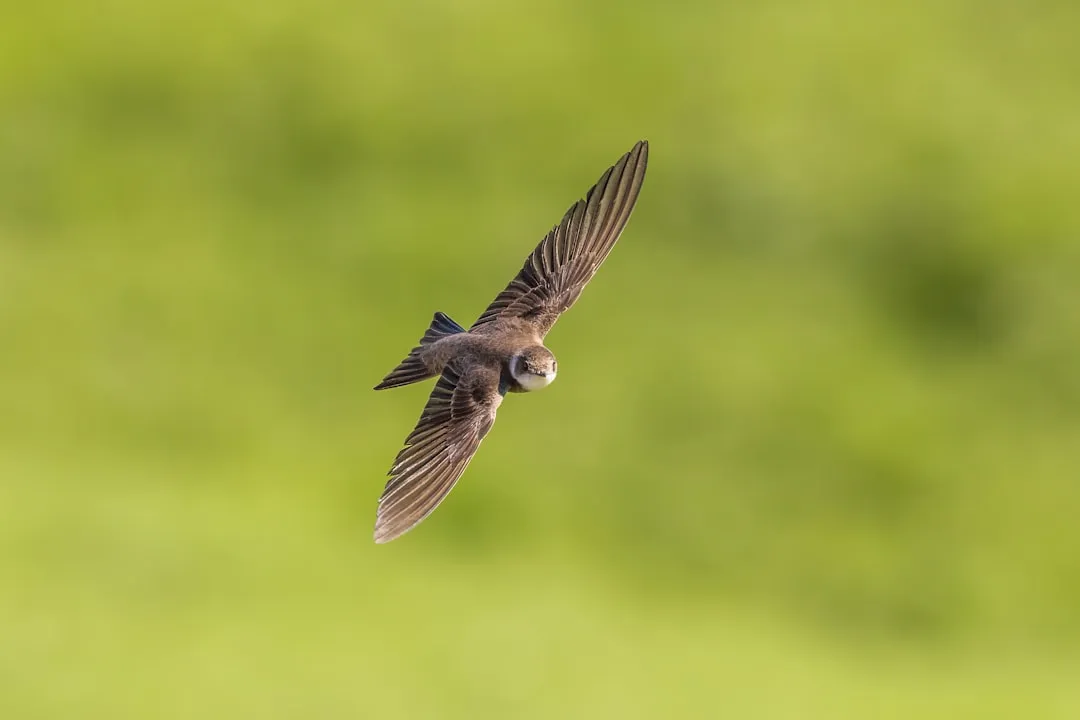
Common swifts are famous for hardly ever landing outside of the breeding season. For months, they sleep on the wing, eat insects in flight, and skim through the sky like living boomerangs across Europe and Africa. Yet, when it is time to nest, many swifts return to the same building crevice, roof tile, or nest box, sometimes for years in a row.
There are stories of swifts using the exact same tiny hole in an old church or apartment block while spending the rest of the year thousands of miles away south of the Sahara. I find that level of site fidelity almost emotional; it suggests that a simple gap under a tile is as much “home” to a swift as our favorite chair is to us. When those nesting spots get sealed up during renovations, you are not just closing a hole – you are erasing a point on a mental map that stretches across continents.
4. White Stork – Village Icons That Come Back to the Same Chimney
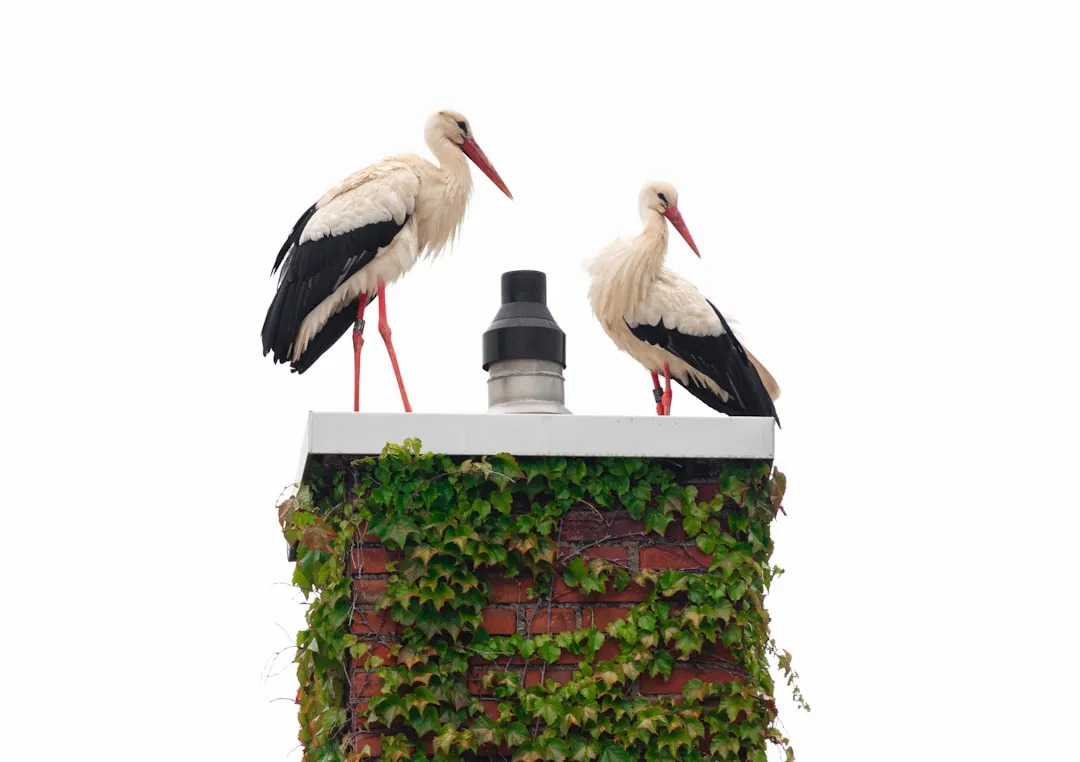
In several European towns, white storks are practically honorary residents. They travel from Europe to Africa and back, yet many pairs return to the same village rooftops, church towers, or chimneys year after year. Some nests become local landmarks, towering piles of sticks built up by generations of storks, each bird adding a little more to the structure on its return.
Tracking studies show that individual storks use consistent migration routes, pausing at particular wetlands and river valleys like punctual tourists on a familiar road trip. Their loyalty to specific nesting sites is so strong that local people often feel a genuine sense of loss if a pair does not come back one spring. To me, white storks are a perfect example of how wild migration weaves itself into human culture: their predictable return turns a random rooftop into a piece of shared history.
5. Blackpoll Warbler – A Palm-Sized Bird with an Ocean Route
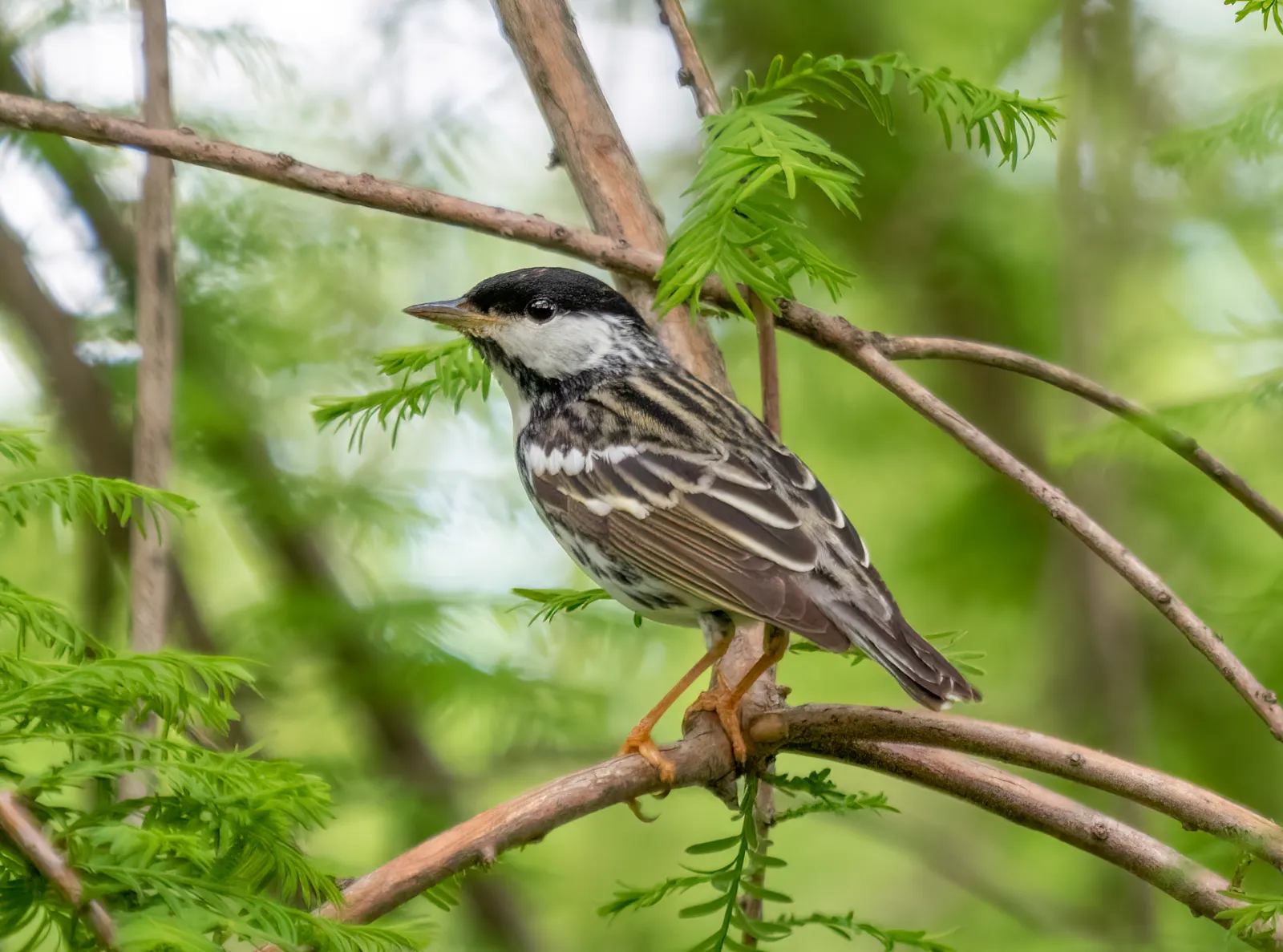
The blackpoll warbler is one of those birds that makes you rethink what “small” really means. This little songbird, light enough to sit comfortably in your hand, can fly thousands of miles between North America and South America. Many take a dramatic path that includes a long stretch over the Atlantic Ocean, powered by fat reserves they have carefully built up along the way.
Despite their size and vulnerability, blackpoll warblers show strong loyalty to their breeding territories. Males may return to the same stand of spruce or birch in northern forests, sometimes even to the same cluster of trees they defended the previous summer. It is like a traveler leaving a tiny, hidden campsite in the wilderness and then, after a year and a half of upheaval and distance, walking straight back to the same clearing without a wrong turn.
6. Manx Shearwater – Navigating Back to the Same Burrow
Manx shearwaters are seabirds that live a life most of us will never see. They spend their days far offshore, skimming the waves and feeding at sea, then return at night to their nesting colonies on islands. Many individuals use the same underground burrow every breeding season, even after traveling thousands of miles across the open ocean to wintering areas off South America or southern Africa.
Long-term banding studies have shown that some Manx shearwaters can live for many decades, which means the same burrow might be used by the same bird for a large part of a human lifetime. The idea that a bird can cross entire oceans and then drop, in the dark, into a specific tunnel on a grassy hillside is just staggering. Their navigation appears to rely on a mixture of smell, memory of landmarks like coastlines, and the Earth’s magnetic field, but even with all that, the precision still feels like something out of science fiction.
7. Barn Swallow – From Distant Winters Back to the Same Barn Beam
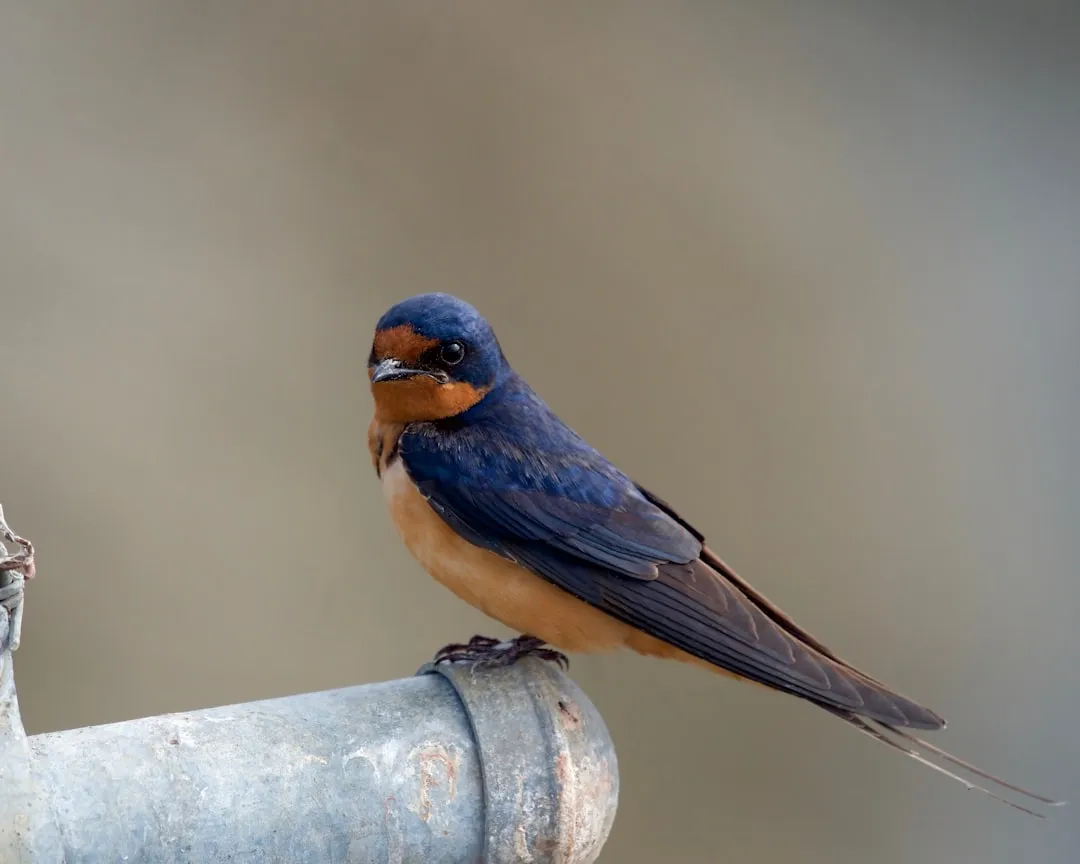
Barn swallows are some of the most familiar migratory birds to many people, especially in rural areas. They build their mud nests on beams, rafters, and ledges in barns, bridges, and porches, then migrate to faraway wintering grounds that can be thousands of miles away in another continent. Yet many of them return in spring to the same farmyard or even the same wooden beam that held their nest the year before.
Farmers sometimes notice that “their” swallows seem to show up like clockwork, and there is good evidence that individual birds do indeed come back to their previous breeding sites. I have always found it oddly moving that a bird can cross deserts and oceans and then swoop in under the same roof where someone is stacking hay or parking a tractor. It is a reminder that migration is not some random wandering; it is a tightly choreographed dance between memory, instinct, and the changing seasons.
8. Sandhill Crane – Generations Sharing the Same Stopover Fields
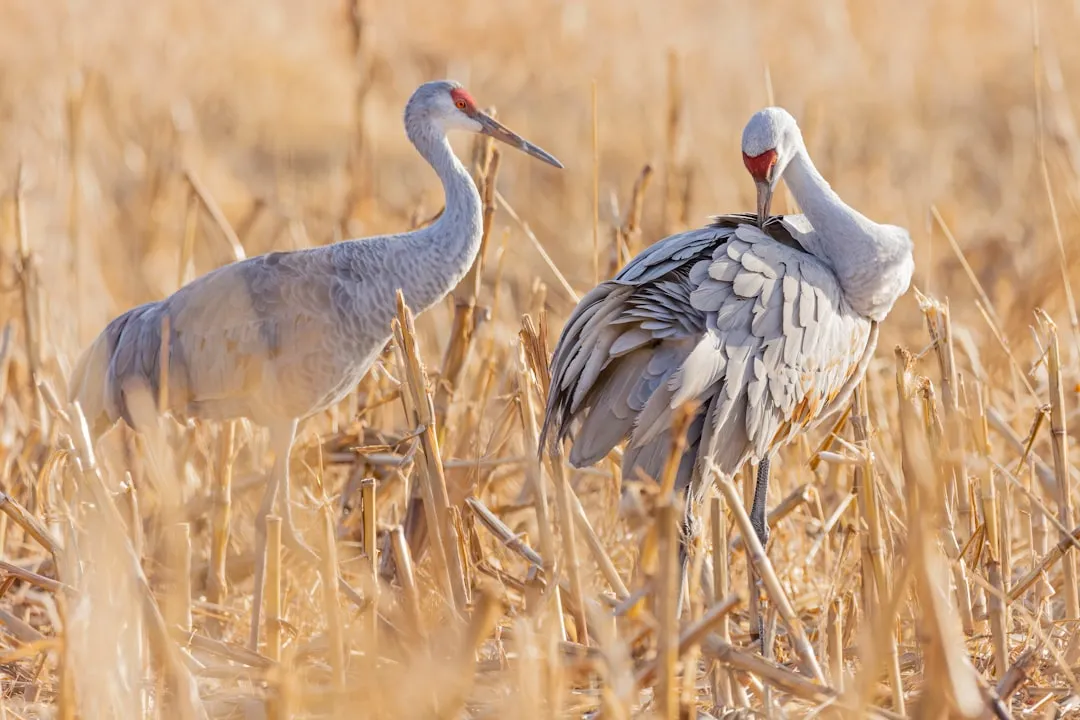
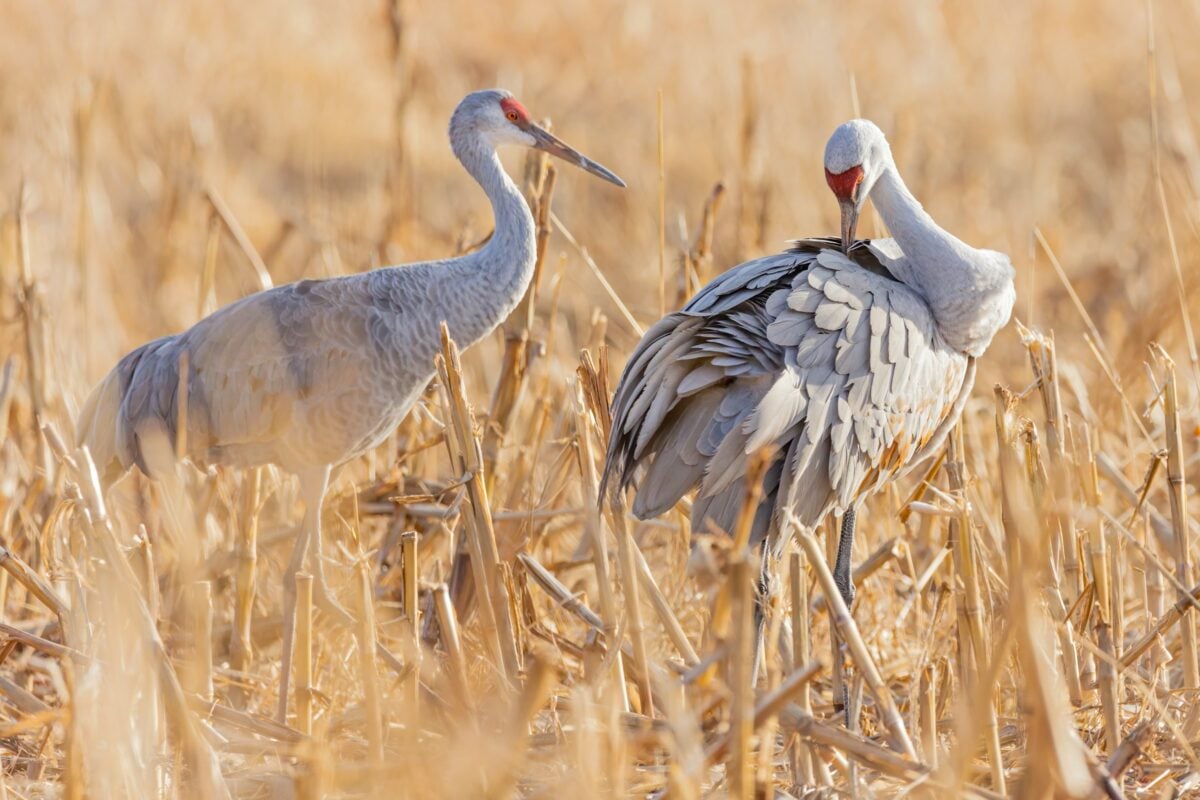
Sandhill cranes are tall, elegant birds whose bugling calls carry for miles. Many populations migrate vast distances between northern breeding grounds and southern wintering sites, using traditional stopover areas along the way. At some of these staging sites, the same fields, river sandbars, or wetlands are used year after year, with individual cranes showing strong fidelity to these resting and feeding spots.
What fascinates me is that this is not just individual memory but also culture, passed from parents to young. Juvenile cranes learn the route and the reliable places to stop from the adults they travel with, so a particular field in the middle of nowhere can become a multi-generational meeting point. When you see thousands of cranes crowded into a single river valley, you are looking at layer upon layer of remembered journeys stacked on top of each other like ghostly maps.
9. Sooty Shearwater – Looping the Oceans Back to the Same Colony
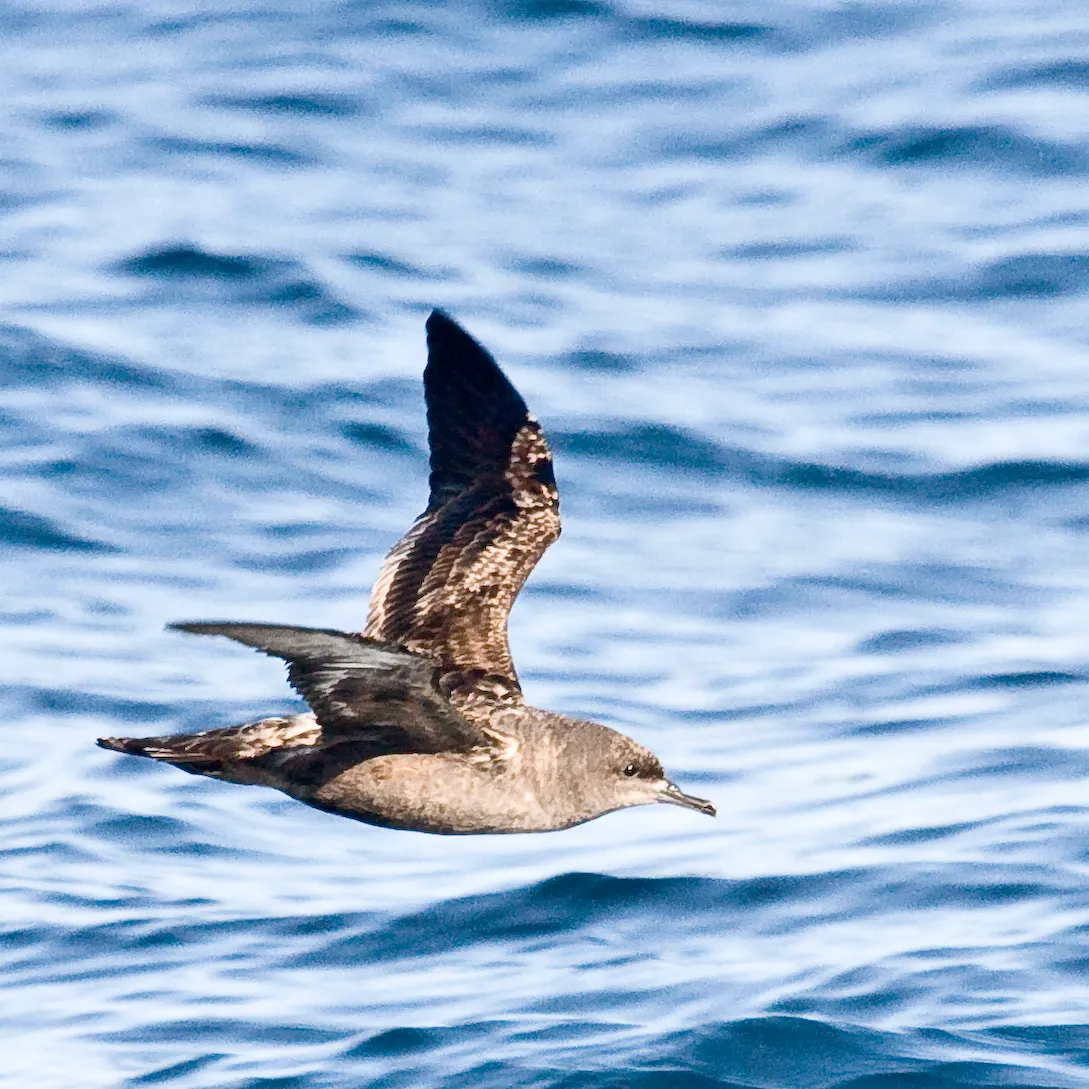
Sooty shearwaters are long-distance champions of the southern oceans, performing large looping migrations that can take them through multiple ocean basins in a single year. They breed on islands in the Southern Hemisphere, then range northward into rich feeding grounds in northern oceans before returning to their colonies. Despite the huge scope of these movements, individuals consistently come back to the same nesting colony and even the same burrow or crevice.
Tracking devices have revealed that some sooty shearwaters follow routes that resemble gigantic figure-eights across the seas, yet at the end of these circuits, they hone in on a pinpoint of land in the middle of the water. I like to imagine them as long-haul sailors who can circle the entire globe and still find their favorite harbor in the dark. When you consider the storms, shifting currents, and lack of obvious landmarks in the open ocean, their homecoming feels nothing short of miraculous.
10. Albatross (Wandering and Other Species) – Lifelong Bonds to Remote Nests
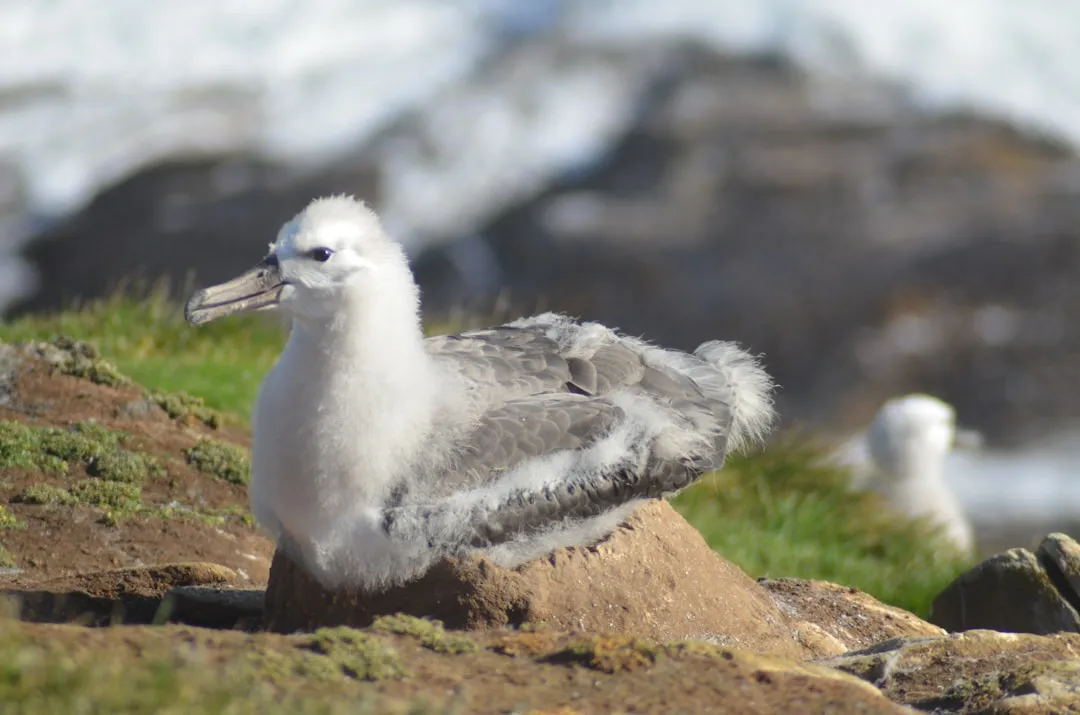
Albatrosses, especially wandering albatrosses, are icons of the open ocean. They can glide for hours without flapping, covering immense distances with barely any apparent effort, sometimes circling the Southern Ocean many times over their lifetimes. Yet many species return to the same lonely islands and even the same nesting areas to breed, reuniting with partners and reclaiming familiar bits of windswept ground.
Some long-term studies of banded albatrosses have shown remarkable site fidelity, with pairs meeting again and again in the same nesting territory after spending months or years apart wandering the seas. To me, that image of two birds finding each other and their old nesting spot in a world of endless waves is one of the most powerful symbols of navigation and memory in nature. Their journeys are a reminder that “home” can be a tiny speck of land in a massive ocean and that even in a world that feels increasingly chaotic, some paths are still followed with almost perfect precision.
Conclusion – The Quiet Genius Behind Every Return Flight
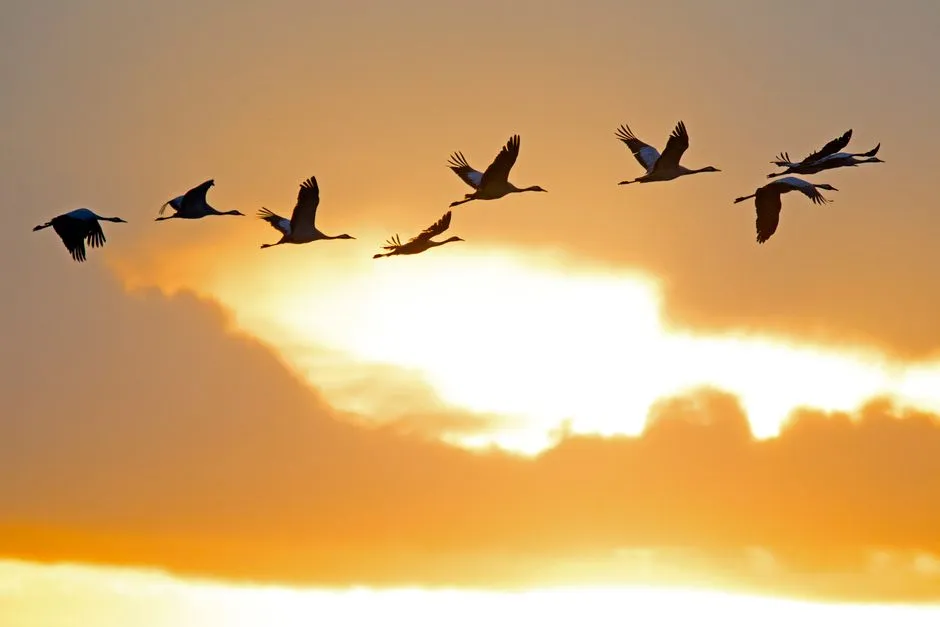
When you put these stories side by side, a pattern jumps out: migration is not just about distance, it is about accuracy. From terns and godwits to swallows and storks, these birds are not drifting aimlessly across the globe; they are threading invisible needles, landing again and again in almost the same spots, sometimes down to a single chimney or burrow. We still do not fully grasp how they blend magnetic senses, star maps, smell, and learned routes into such razor-sharp navigation, and honestly, I hope we never reduce it to something completely ordinary.
My own opinion is that we underestimate these birds terribly when we talk about them as if they are just running on simple instinct. The evidence suggests a kind of flexible intelligence and memory that deserves as much respect as any high-tech navigation system we have built. As their stopover sites and nesting places are paved over, drained, or altered, we are not just inconveniencing a few passing birds; we are erasing the endpoints of ancient, precise journeys. Next time you see a swallow under a bridge or a stork on a rooftop, it might be worth asking yourself: how many thousands of miles did it fly just to come back to that exact spot – and what would it mean if that spot were gone the next time it tried?
