
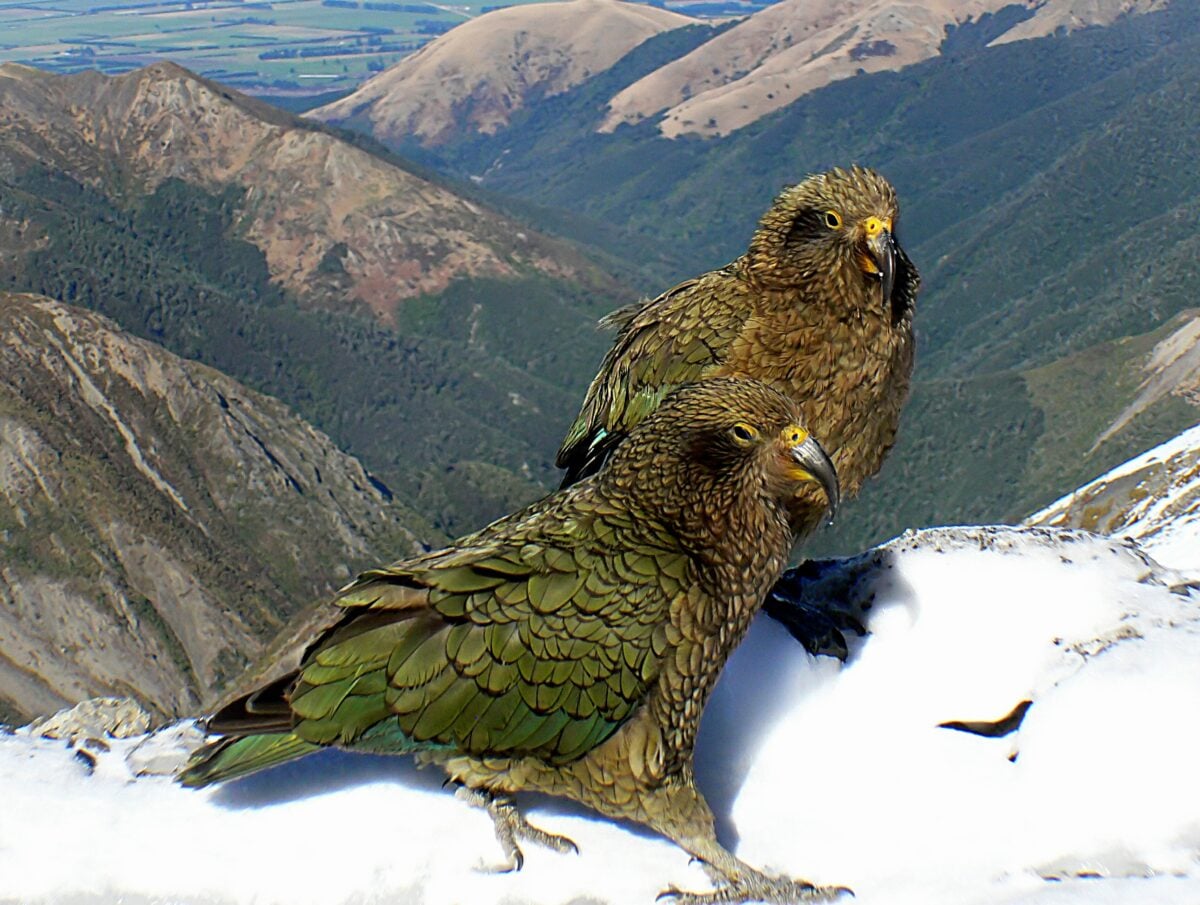
Somewhere high in the mountains of New Zealand, a green parrot is quietly blowing up what we thought we knew about animal intelligence. While most of us are still struggling to assemble flat-pack furniture, kea parrots are solving multi-step puzzles without ever being shown what the final solution should look like. They are not just pecking randomly and getting lucky; they are planning, inferring, and adapting in ways that feel uncomfortably close to how we do it.
This might sound like a fun curiosity from the bird world, but it cuts straight into a much bigger question: how special is human intelligence, really? When a bird with a walnut-sized brain can work out complex tasks on its own, it forces us to rethink what “smart” even means. Let’s dive into what scientists are discovering about kea cognition, why these birds keep surprising researchers, and what it says about the way thinking minds evolve.
The Mischievous Mountain Parrot You Should Be Taking Seriously
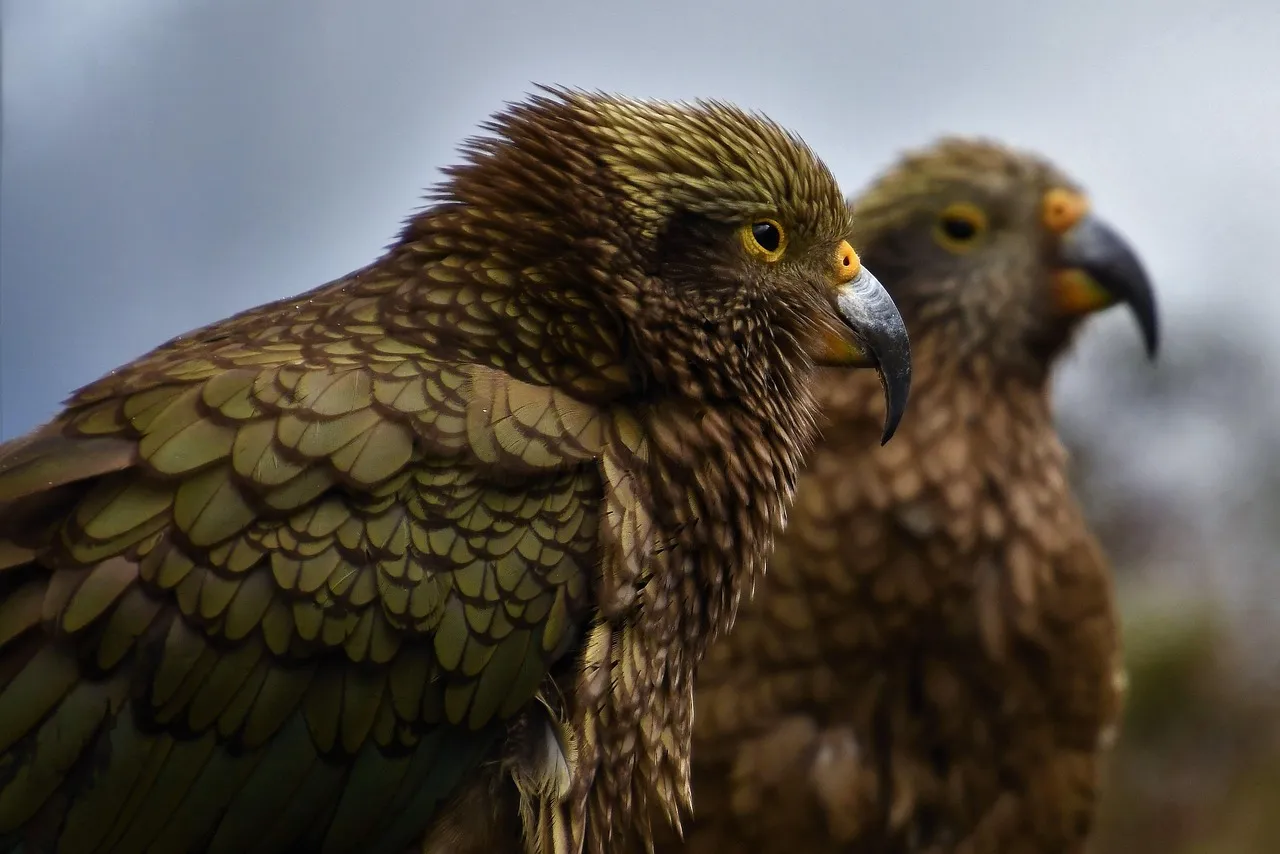
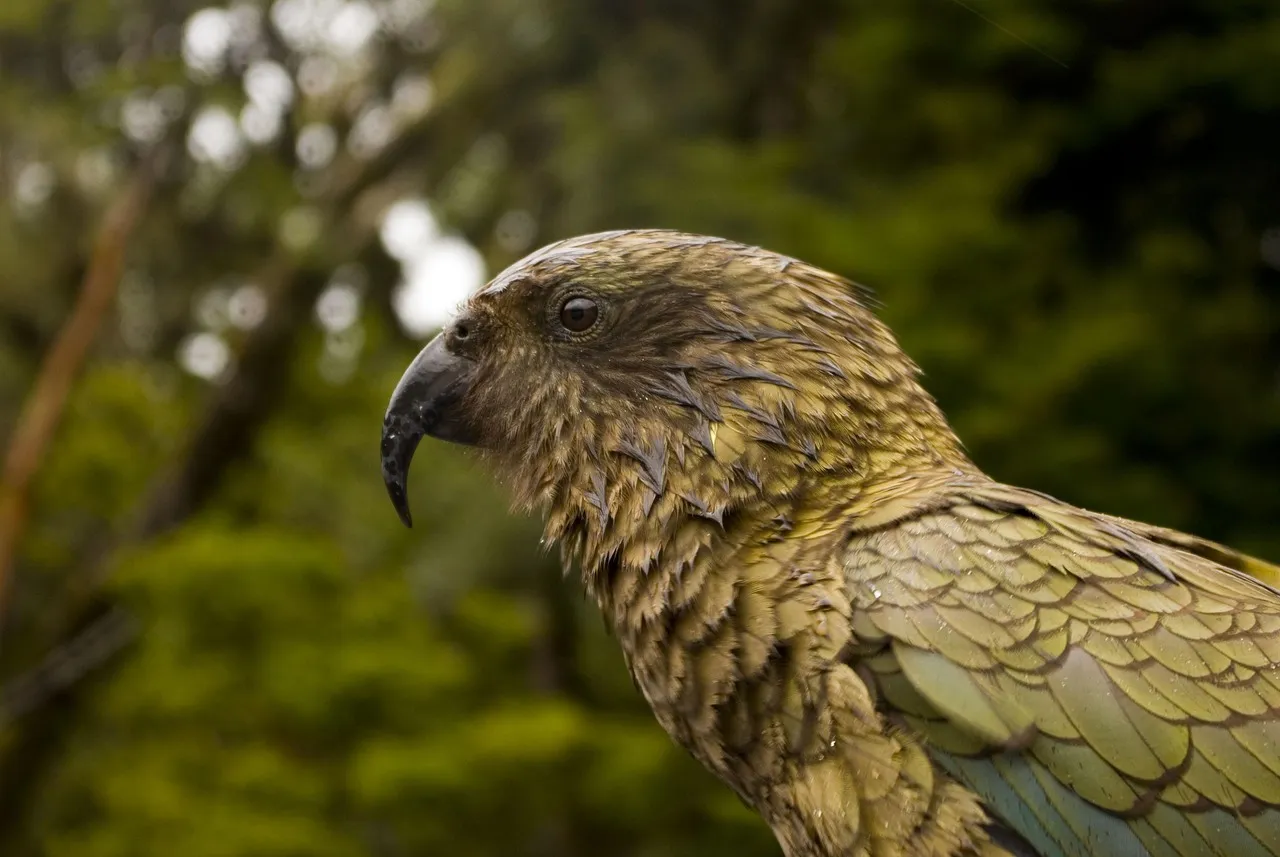
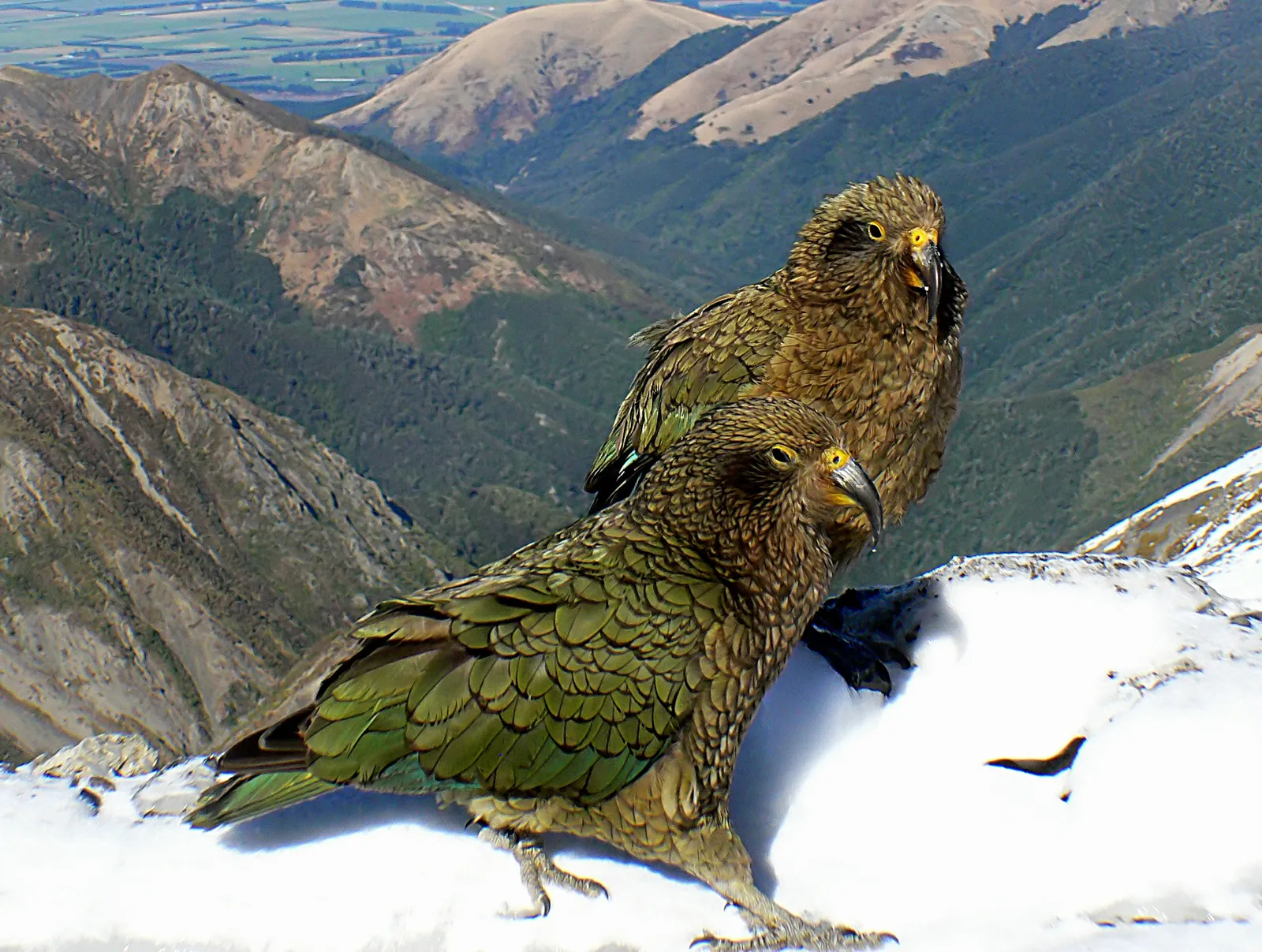
If you have never heard of a kea, picture a large, olive-green parrot with an orange underwing, living in cold, rugged alpine valleys instead of tropical rainforests. Kea are native to New Zealand’s South Island and are famously curious, bold, and slightly chaotic, known for ripping rubber seals from car windows and unzipping backpacks at ski fields. Locals sometimes talk about them like feathery teenagers looking for trouble, because they will investigate just about anything that looks new, shiny, or forbidden.
That streak of mischief is not just personality; it is a clue to how their minds work. Curiosity drives exploration, and exploration is exactly what you need if you are going to solve problems you have never seen before. In the wild, kea live in a harsh, changeable environment where food is scattered and seasonal, so being willing to poke, pry, and test new things is a survival strategy. When scientists bring that curiosity into the lab and dress it up as puzzles, kea rise to the challenge in spectacular fashion.
What It Really Means To Solve a Multi-Step Problem
When researchers say that kea can solve “multi-step” problems, they are talking about tasks where you cannot get a reward by doing just one obvious thing. Imagine a puzzle box where you first have to slide a panel, then pull a pin, then lift a lid in exactly the right sequence to reach the food inside. If you skip a step or do them in the wrong order, nothing happens. You can think of it as a low-tech escape room designed for a bird.
The striking part is that many kea can figure out these sequences by trial, error, and rapid learning, but they do more than just memorize movements. In some studies, researchers change the layout, remove a part, or make one step irrelevant, and the birds adjust. That suggests they are not only repeating a routine but actually understanding which actions causally matter. It is like the difference between someone who follows a recipe blindly and someone who can improvise when they are out of an ingredient.
Solving Without a Demonstration: Why That’s a Big Deal
For a long time, animal cognition studies often relied on demonstration: a human or trained animal would show how to solve a task, and researchers would see whether others could copy it. That is useful, but it leaves a big question open: is the subject really inferring how the problem works, or just mimicking what they saw? Kea shake things up because they have been shown to crack complex tasks without being given the answer first, only the opportunity to explore.
This matters because it points to something more flexible and powerful than rote imitation. When a kea works out that pulling a string moves a platform, which then makes a reward fall, it is connecting cause and effect on its own. It is as if you were handed a weird gadget with knobs and levers, no manual, and you slowly worked out how it functions just by poking around. That ability to reverse-engineer a problem from scratch is one of the hallmarks we usually associate with human-style reasoning.
Inside the Kea Mind: Causal Reasoning in Feathery Form
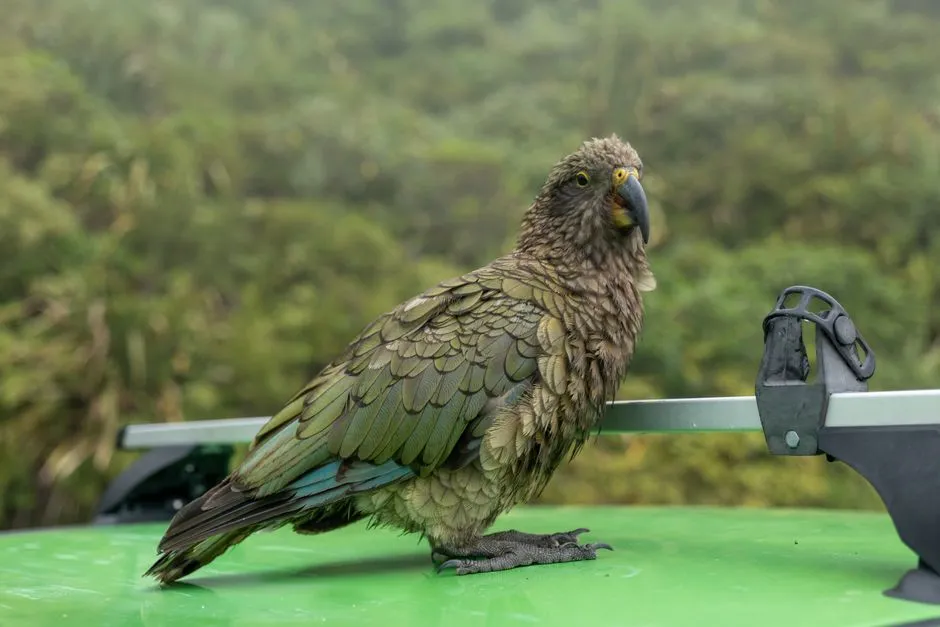
One of the most talked-about abilities in kea research is their apparent grasp of causal structure: having at least some sense that actions produce outcomes for specific reasons, not just by coincidence. In experimental setups, kea have been tested on tasks where they must infer which part of a mechanism is actually doing the work, and which parts are just along for the ride. When they consistently choose the option that genuinely causes the reward, it hints that they are not just following surface patterns.
Some experiments probe this by using hidden connections or tricky setups where appearances are misleading. Kea that can still pick the correct choice are basically telling us that they are tracking an invisible chain of cause and effect, a bit like a child who realizes that a particular switch really controls the light even when it is moved to a different place. That kind of flexibility is rare in the animal kingdom and edges very close to the problem-solving strategies we rely on in everyday life, from fixing a broken laptop to diagnosing a car that will not start.
How Kea Compare to Crows, Apes, and Us
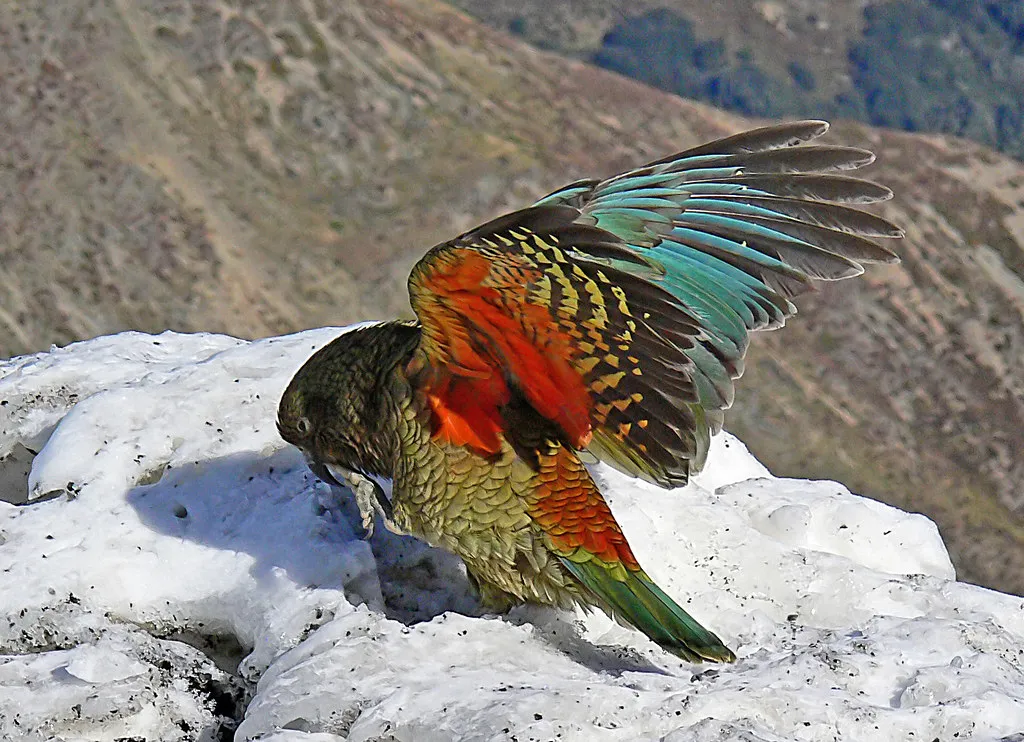
Kea are not the only non-human species that shine in puzzle labs. Corvids like ravens and New Caledonian crows are famous for bending wires into hooks and using multiple tools in sequence, while great apes can understand things like invisible displacement and even basic numbers. What makes kea stand out is that they combine parrot-level social and vocal complexity with an almost ape-like enthusiasm for objects and mechanisms.
When you look at these species side by side, a pattern starts to emerge: very different animals, with very different brains, have independently evolved the capacity to reason through layered problems. In other words, intelligence is not a straight ladder with humans on top and everyone else below, but more like a tangled forest of overlapping abilities. In some tasks, an ape might win; in others, a crow or kea could outperform a human child. That alone should make us a bit humbler about where we draw the line between “our” kind of thinking and theirs.
Why Evolution Built Such a Smart Bird
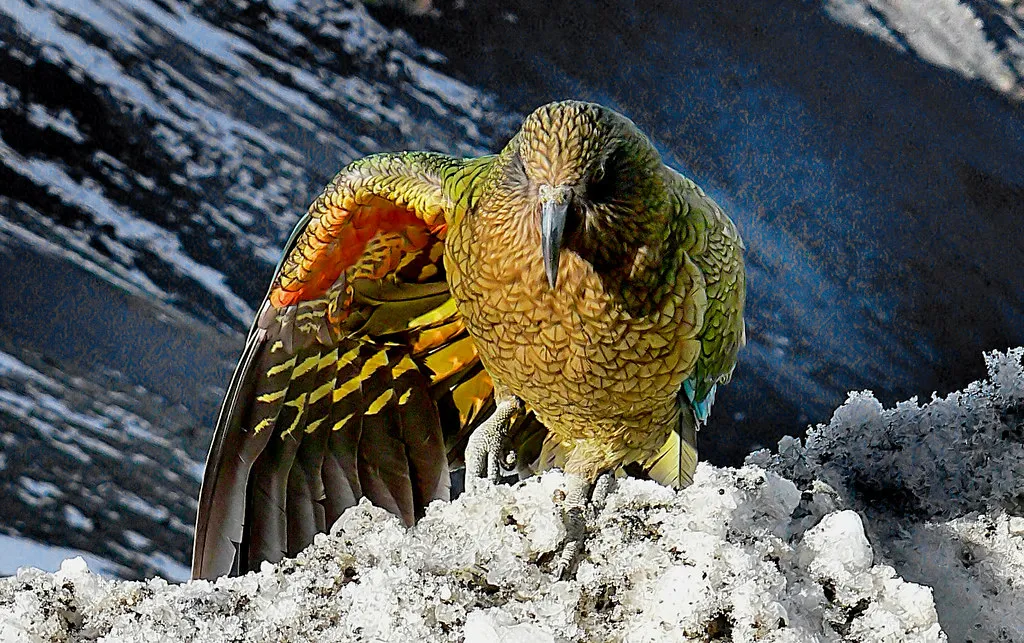
It is tempting to ask why a parrot in a cold mountain environment would ever need this level of mental firepower. One likely answer is that kea live in a world that constantly changes and demands inventive solutions. They scavenge, forage, and sometimes exploit new human-made opportunities, from ski resorts to car parks. If food sources are unpredictable, then a brain that can flexibly solve novel problems is worth the metabolic cost, even if it means carrying around extra neural hardware in a small skull.
Another piece of the puzzle is social life. Kea live in loose, dynamic groups and engage in rich social play, including tug-of-war games and object exchanges. Socially complex animals often need to track relationships, alliances, and shifting dynamics, which can drive the evolution of more sophisticated cognition. The same mental machinery that helps a kea navigate its social world might be repurposed to untangle physical puzzles, much like how humans use the same frontal brain systems for planning a conversation and planning a construction project.
What Kea Intelligence Says About Us
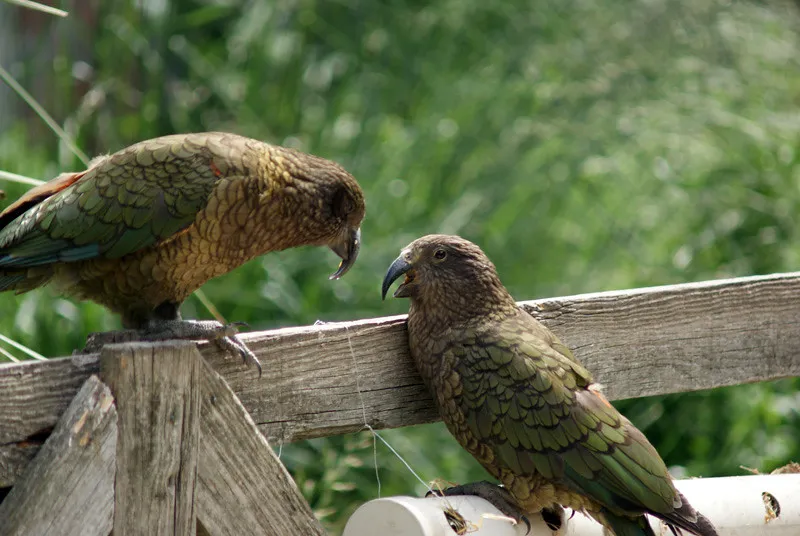
When a bird with a brain far smaller than ours can reason through multi-step problems without guidance, it undercuts the comforting story that complex thinking is uniquely human. To me, that is both slightly unsettling and deeply inspiring. It suggests that intelligence is not a single magic trick that evolved once, but a recurring solution that nature finds when the environment rewards flexible problem-solving. In that sense, kea are not just clever birds; they are another branch of the same broad tree of curious, experimenting minds that we belong to.
My opinion is that we underestimate animals not because they are simple, but because we are biased toward our own style of thinking. Kea show that you can reach impressive reasoning abilities with a completely different brain design, life history, and sensory world. If a mountain parrot can look at a strange contraption and, step by step, work out how to make it pay off, maybe our definition of “higher” cognition needs to expand. The bigger question is this: if we are only just now noticing what kea can do, how many other species have been quietly solving their own invisible puzzles all along – and what else might we discover if we finally start paying attention?
