
Imagine standing under the weight of dozens of jumbo jets stacked on your shoulders. Now multiply that a few times over, and you’re getting close to what deep-sea animals endure every second of their lives. While our submarines and cameras get bent, cracked, or totally destroyed down there, some creatures drift along as calmly as if they were floating in a swimming pool.
The wild part is, most of them don’t even have what we’d call “proper” armor. No titanium shells, no reinforced glass, just soft bodies, jelly-like flesh, and strange chemistry that rewrites the rules of life. Let’s dive into seven of the most mind-bending ocean animals that shrug off .
1. Hadal Snailfish – The Deepest-Living Fish Known
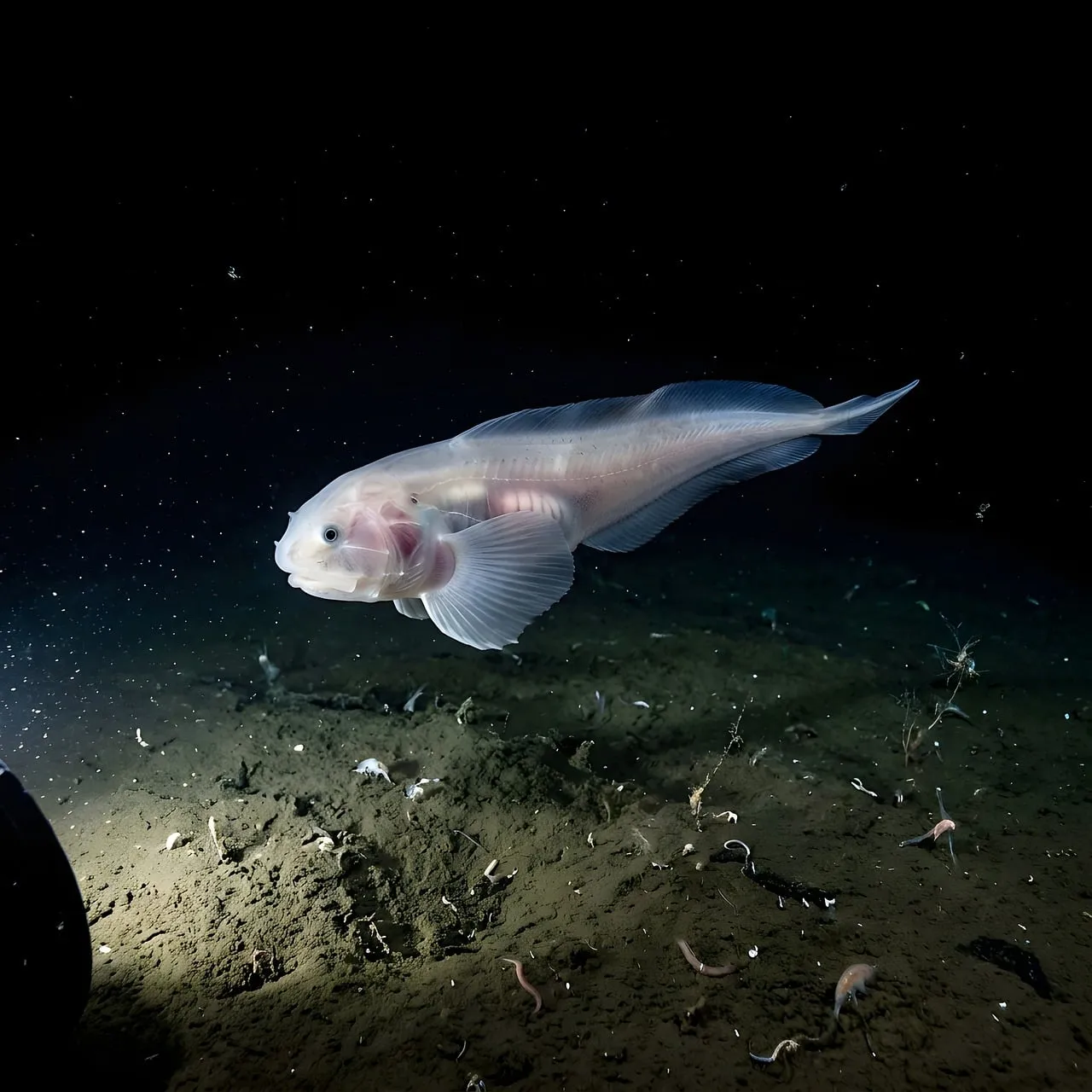
If there’s a poster child for pressure-defying life, it’s the hadal snailfish. These small, almost translucent fish have been recorded living in trenches more than six miles down, where the pressure can be over a thousand times what you feel at sea level. Cameras and probes that go that deep need custom-built housings, yet the snailfish just paddle around like it’s no big deal.
Their secret weapon is softness. Instead of rigid bones and dense structures that would snap or crush, their bodies are gelatinous and flexible, allowing them to deform safely under immense pressure. Their cells are loaded with special molecules that stabilize proteins and cell membranes, basically acting like internal shock absorbers that keep their biochemistry from falling apart in the deep.
2. Giant Squid – A Soft-Body Legend of the Mid-Deep Sea
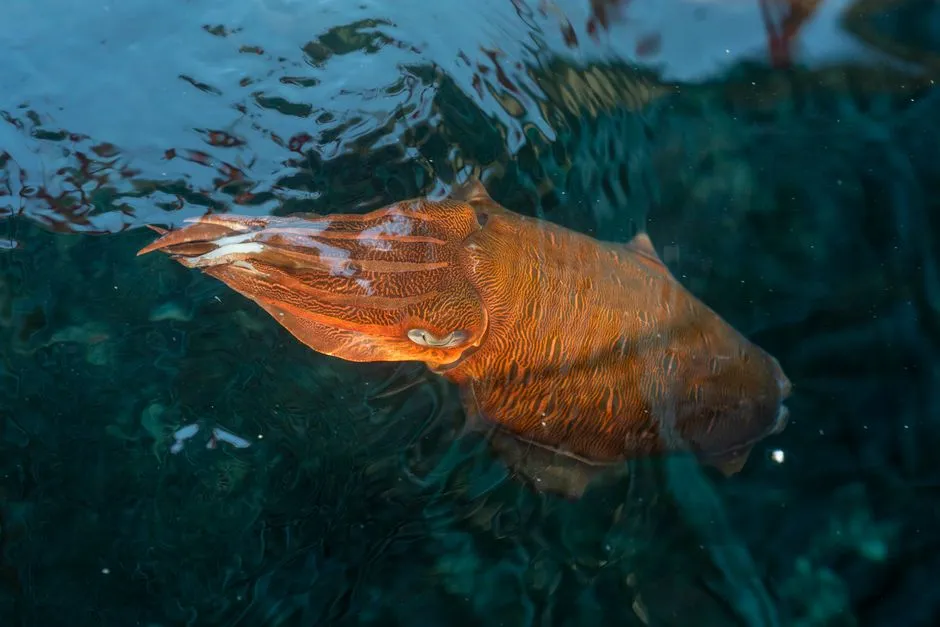
The giant squid feels like a myth brought to life: huge eyes, tentacles longer than a car, a brainy predator drifting in the deep twilight zone. They do not live at the very deepest extremes, but they still patrol depths where the pressure would demolish unreinforced machinery. Submersibles designed to watch them need tough shells and specially engineered parts just to function for a short time.
Giant squid survive by embracing softness and fluidity rather than resisting it. Their bodies are mostly water, with minimal internal air spaces, so there’s nothing inside to collapse. Think of them more like living water balloons with muscle and nerves – the pressure outside and inside stays balanced, letting them move gracefully in a place that would crush almost anything rigid we build.
3. Dumbo Octopus – The Deep-Sea “Elephant” With Ear-Like Fins
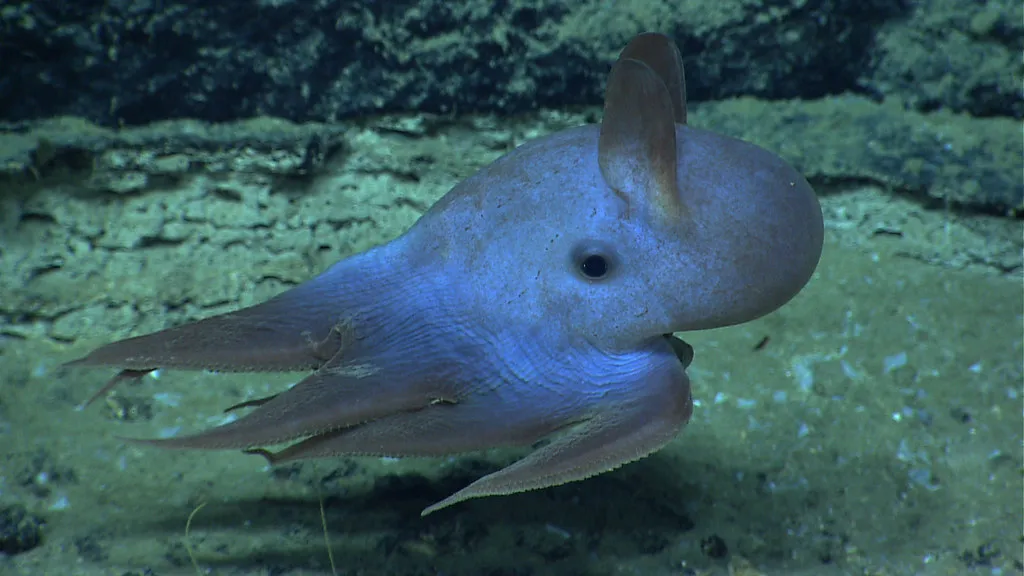
The dumbo octopus might be the most unexpectedly adorable resident of the deep ocean. With its ear-like fins that resemble a cartoon elephant, it flaps gently through the darkness at depths where sunlight never reaches and pressure would destroy a typical research drone without special design. Yet this tiny, soft-bodied creature seems completely unfazed.
Like many deep-sea invertebrates, the dumbo octopus has no air-filled cavities and very little that is truly rigid, which means there is almost nothing for the pressure to crush. Its tissues are adapted to work at high pressure, using flexible proteins and membranes that actually perform better down deep than they would near the surface. In a way, if you brought a dumbo octopus up quickly, the relative lack of pressure would be more dangerous to it than the crushing depths it calls home.
4. Deep-Sea Anglerfish – Monsters Built for the Midnight Zone
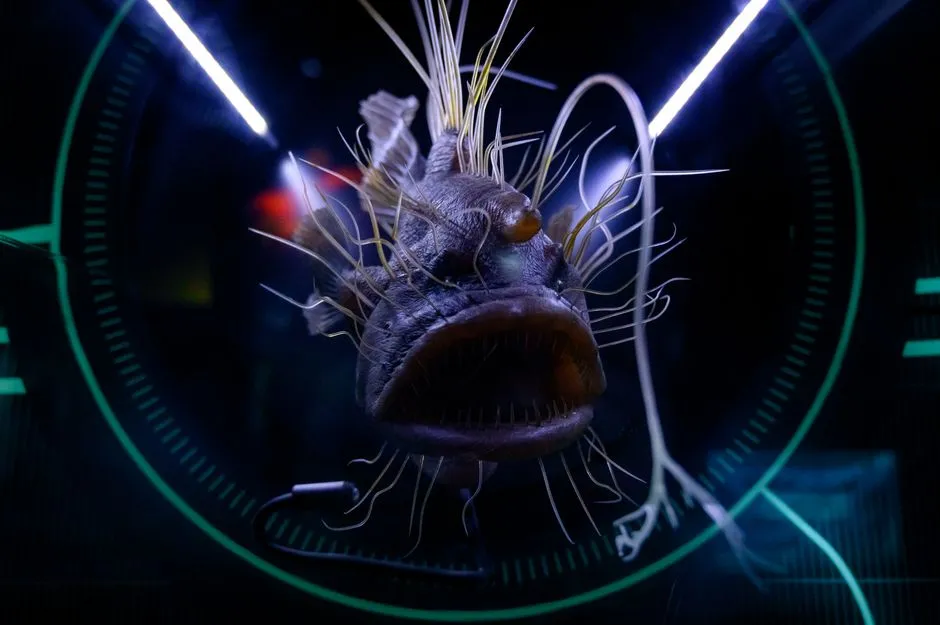
Deep-sea anglerfish look like something that crawled straight out of a nightmare, and honestly, that feels fitting for the world they live in. They lurk in the midnight zone and sometimes deeper, where pressure is strong enough to damage standard equipment and where every meal is a rare opportunity. Their grotesque bodies, gaping mouths, and glowing lures are all tuned to a universe of darkness and compression.
The way anglerfish handle pressure is both simple and brutal: everything that can be soft, is soft. Their skeletons are weak by our standards, their muscles flabby, their bodies oddly loose. But in high pressure, that floppiness is an advantage, allowing their form to compress slightly without breaking, while their internal chemistry is stabilized by deep-sea–adapted proteins. The result is a creature that looks fragile on the surface but is perfectly engineered for a place where metal can fail.
5. Vampire Squid – A Living Relic of the Deep
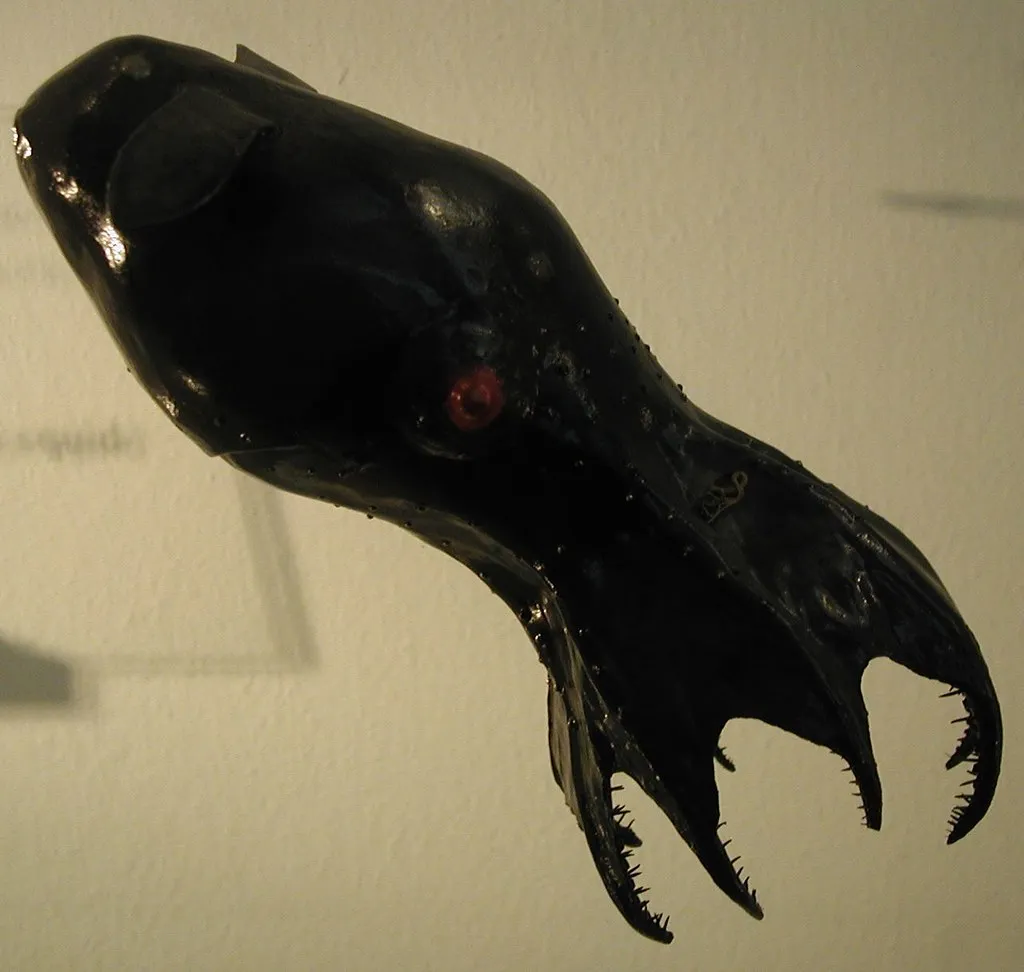
The vampire squid, despite its dramatic name, is more of a gentle drifter than a bloodsucking terror. It lives thousands of feet below the surface in oxygen-poor waters where pressure is intense and many machines struggle to operate without carefully planned engineering. Yet this animal drifts calmly with its cloak-like webbing, glowing in the dark with bioluminescent displays.
Its survival strategy mixes pressure tolerance with energy efficiency. The vampire squid’s tissues are low density and jelly-like, and its metabolic rate is remarkably slow, meaning its cells can function steadily under constant high pressure and low oxygen without tearing themselves apart. It is almost like the deep-sea version of a minimalist: soft, simple, and built to endure a harsh environment that would crush more complex mechanical systems.
6. Grenadiers (Rattail Fish) – Long-Tailed Survivors of the Abyss
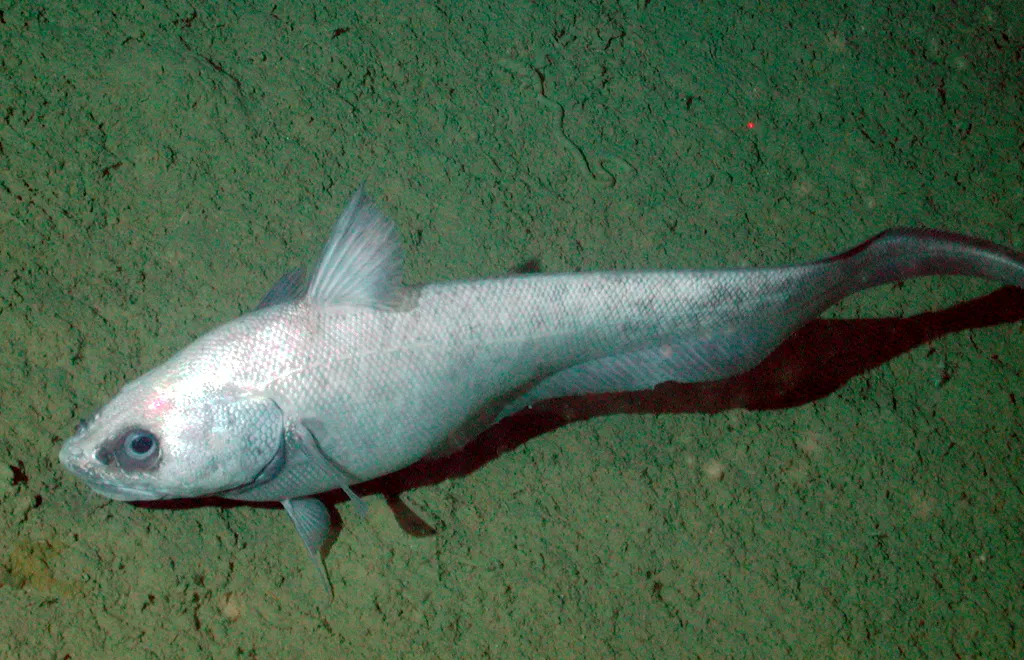
Grenadiers, often called rattail fish, are not as flashy as squid or anglerfish, but they are some of the most common deep-sea fish on the planet. They live in waters so deep that pressure would deform many unprotected instruments, yet they cruise along the seafloor searching for scraps as if they were in a shallow bay. Their long, tapering bodies give them a strangely ghostly look on camera.
Their ability to survive crushing pressure comes down to a combination of flexible anatomy and specialized biochemistry. Their muscles and organs are adapted to work at high pressure, relying on molecules that keep enzymes, membranes, and even DNA stable when everything around them is under intense compression. In a sense, grenadiers prove that in the deep sea, being ordinary-looking can actually hide a level of biological engineering that would put many of our pressure vessels to shame.
7. Deep-Sea Sea Cucumbers – Squishy Vacuum Cleaners of the Trenches
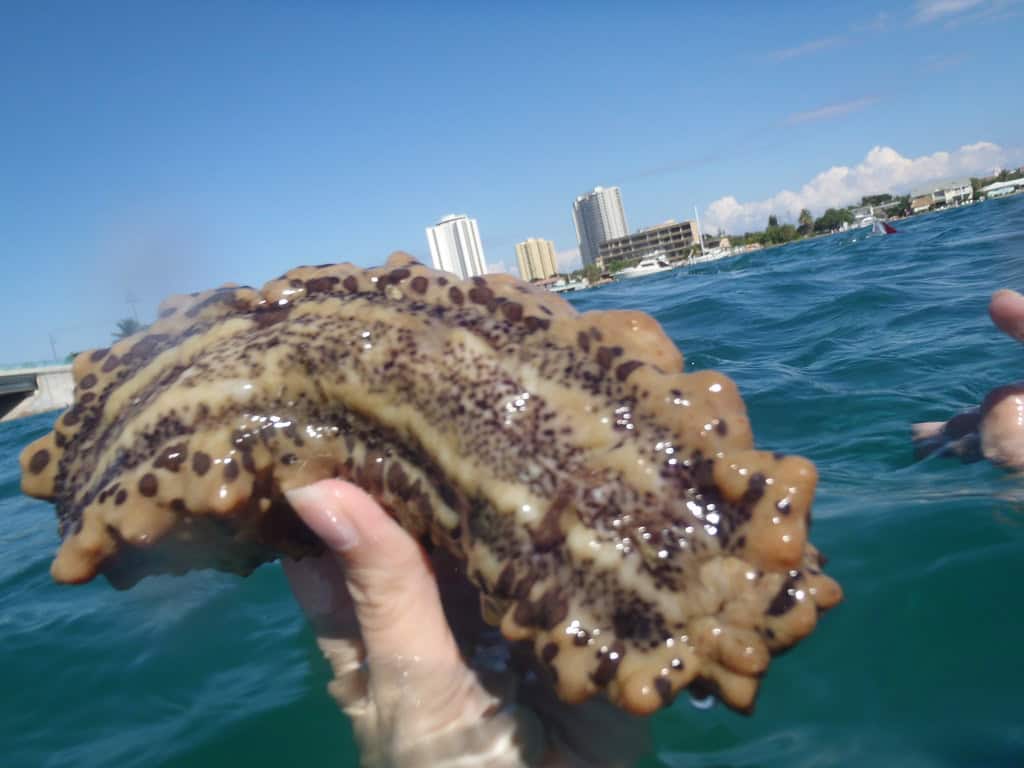
Sea cucumbers do not look like much at first glance, but in the deep sea they become some of the toughest janitors on Earth. Certain species live on trench floors at depths where pressure would wreck standard equipment housings, slowly hoovering up organic debris that settles from above. They move slowly, but there is something quietly impressive about a creature that just keeps going where almost nothing else can.
The key is extreme softness and internal fluid balance. Deep-sea sea cucumbers are like living stress balls, made mostly of water and flexible tissue, with no delicate air pockets to implode. Their cells are chemically tuned to handle constant high pressure, keeping their internal machinery stable and functional, so while our gear needs thick walls and careful testing to survive, these squishy animals simply exist comfortably in a world that would crush us flat.
Conclusion – Why Soft, Squishy Life Beats Our Hardest Tech at Depth
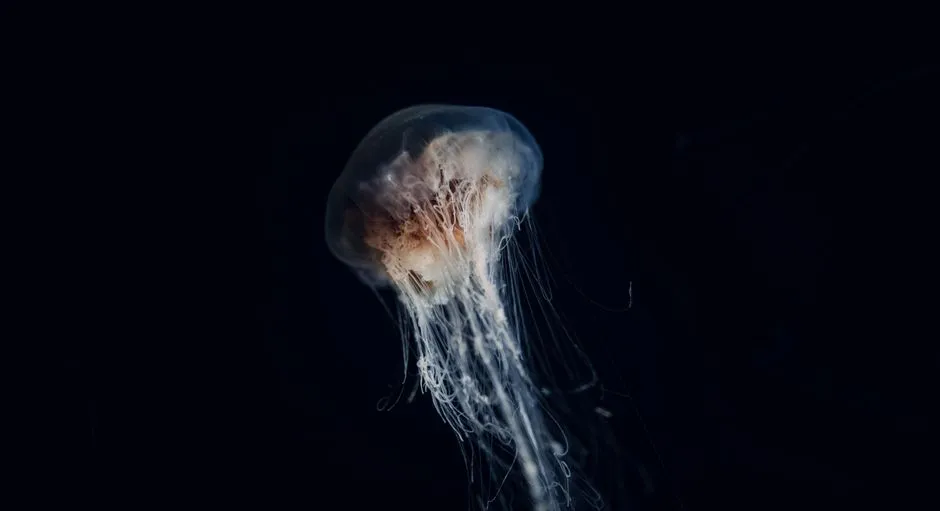
What strikes me most about these animals is how wrong our intuition can be. We tend to think survival under crushing pressure demands harder shells, thicker walls, and more armor, but the deep ocean keeps teaching us the opposite: softness, flexibility, and clever chemistry usually win. While our equipment needs careful design and constant maintenance to venture down briefly, these creatures are born there, grow there, and die there without ever “leaving” their impossible environment.
To me, that flips the script on what toughness really means. True resilience is not about resisting change at all costs, but about bending, flowing, and adapting so well that the harshest conditions become normal life. If jelly-like fish and squishy sea cucumbers can thrive where steel starts to fail, maybe being less rigid and more adaptable is not just a survival trick for the deep sea, but for us too – and that begs the question: in your own life, are you trying to be a submarine, or a snailfish?

- 7 Ocean Animals That Survive Pressure Strong Enough to Crush Ordinary Equipment - August 23, 2026
- 8 Deep-Sea Predators That Hunt Where Sunlight Has Never Reached - August 23, 2026
- 9 Cat Behaviors That Look Aloof but Actually Require a Great Deal of Trust - August 23, 2026