
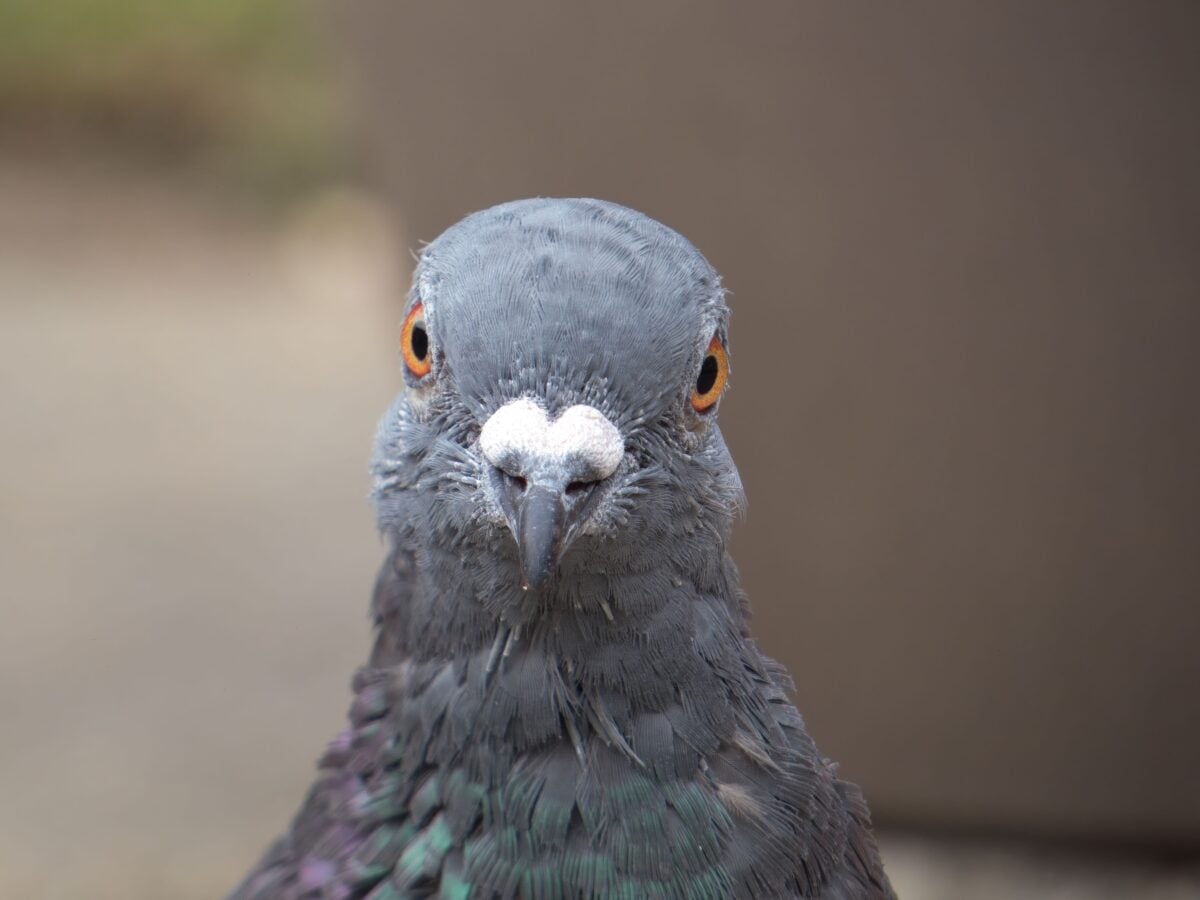
Most of us think of pigeons as background noise in city life: birds pecking at crumbs, dodging traffic, and leaving little “surprises” on park benches. But quietly, in research labs over the past few decades, these same birds have been rewriting what we thought we knew about animal intelligence. The real shock is this: pigeons are not just memorizing simple patterns or pecking at shapes; they’re showing signs of understanding abstract ideas that look eerily like the way our own minds work.
Once you see the experiments, it becomes hard to keep telling yourself that humans sit on a lonely island of intelligence. Pigeons have learned concepts like “same versus different,” “category versus exception,” and even how to tell medical images apart. That does not make them tiny feathered people, but it does completely destroy the old picture of them as simple stimulus–response machines. If anything, it forces an uncomfortable question: if pigeons can do this, what else out there is a lot smarter than we’re willing to admit?
Why Pigeons Became The Unsung Stars Of Cognition Research
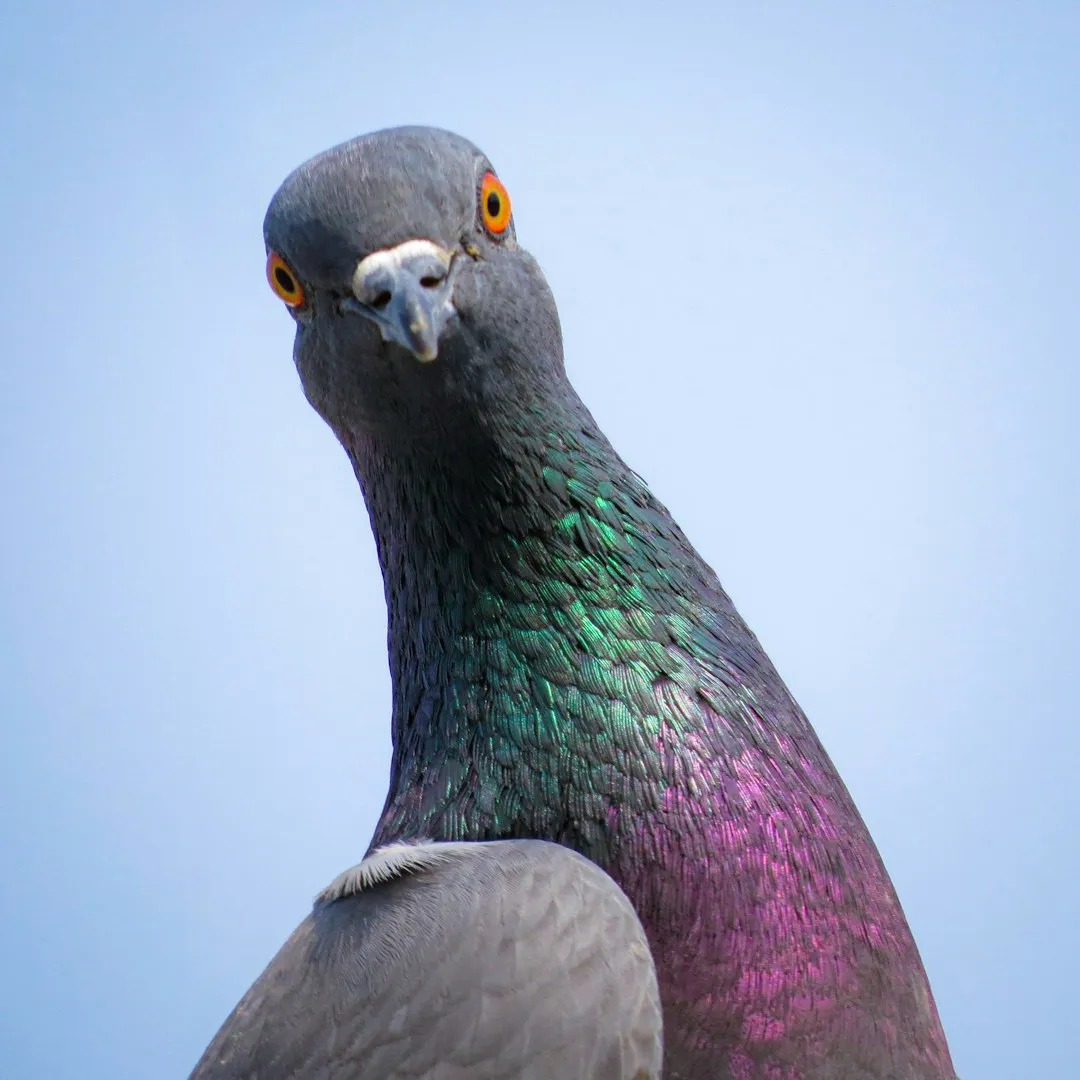
There is a surprising reason pigeons keep showing up in animal cognition studies: they are nearly perfect test subjects for visual learning and categorization. They see color and detail extremely well, they are comfortable with repetitive tasks, and they can learn to peck on screens to report what they see. In other words, pigeons are like natural-born participants for vision and pattern experiments, the kind that would exhaust most other animals – and probably many humans.
Over time, researchers realized something unexpected: when you give pigeons complex visual problems, they do not just stall out at simple rules. Instead, they often keep improving, even when the images change in size, style, or angle. This flexibility is exactly what you would expect from a mind that is latching onto concepts, not just memorizing pictures. That shift – from “bird with good eyesight” to “animal capable of abstract learning” – is what has turned pigeons from lab footnotes into headline material.
From Pecking At Pictures To Grasping Abstract Categories
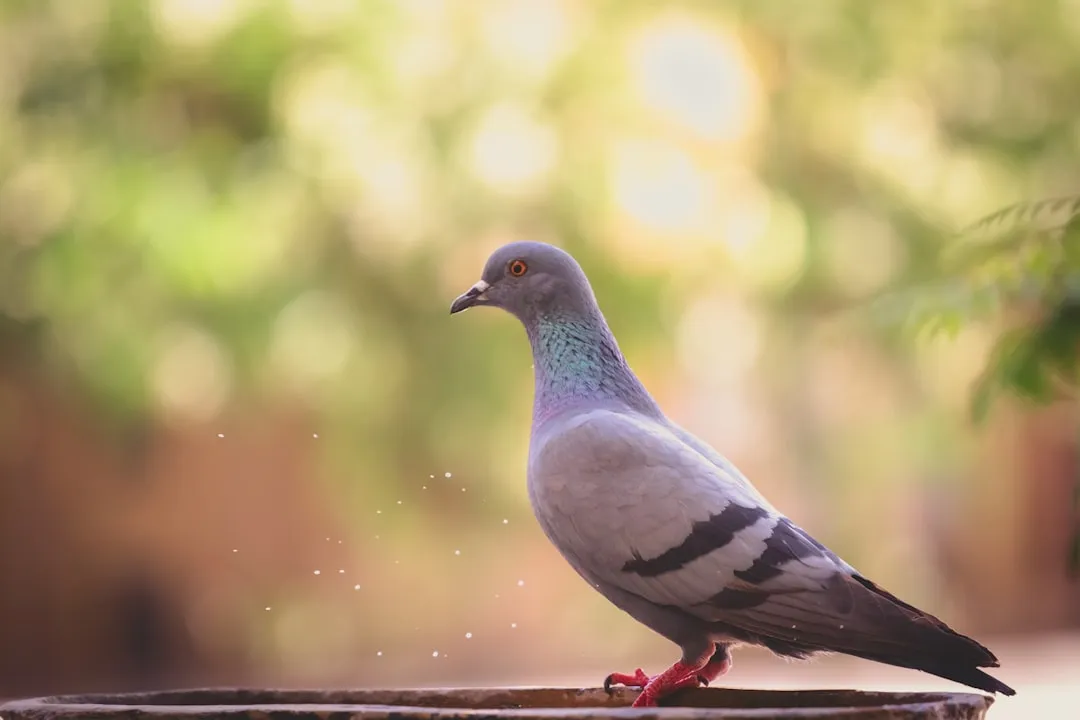
In many classic experiments, pigeons are shown thousands of images split into broad categories, like “trees” versus “non-trees,” or “fish” versus “not fish.” At first glance, you might assume they simply memorize each picture and its correct answer. But then the researchers sneak in completely new images the pigeons have never seen before, and the birds still get it right far more often than chance. That suggests they are picking up on shared features and, more importantly, generalizing – the key ingredient of abstract thinking.
Even more striking are tasks where pigeons must sort images using concepts like “same versus different” or “belongs to this kind versus that kind,” across wildly varied visual content. The birds are not being helped by simple, low-level patterns, because the pictures can differ in color, shape, and layout. Yet pigeons still learn the rule. That points to a cognitive skill set that goes beyond surface patterns and looks much more like forming mental categories – a basic building block of human reasoning.
When Pigeons Rival AI And Challenge Human Pride
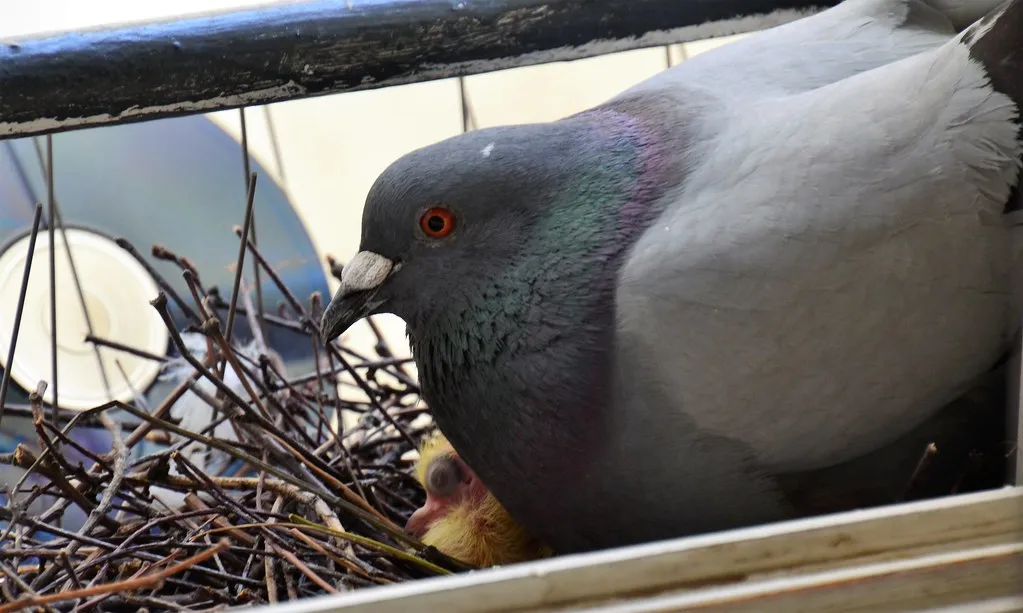
One of the most provocative twists in this story is how pigeons sometimes perform on par with, or even better than, artificial intelligence systems designed for the same tasks. In complex visual categorization problems, pigeons gradually hone their performance across thousands of trials, much like a machine learning model adjusts its weights over many training examples. This comparison is not just a fun metaphor; in some studies, the birds and the algorithms make similar kinds of mistakes, as if both are converging on similar strategies.
For human pride, this is a bit uncomfortable. We like to think that our ability to learn abstract categories is special, mysterious, and unique, while the pigeon is just a creature on autopilot. But when a bird with a brain the size of a walnut can sort images, follow higher-order rules, and show statistical learning patterns that look like simplified versions of our own, the gap suddenly feels more like a difference in degree than a difference in kind. It becomes harder to argue that intelligence is an all-or-nothing human superpower rather than a gradient shared across species.
Beyond Simple Pattern Matching: The Power Of Relational Thinking
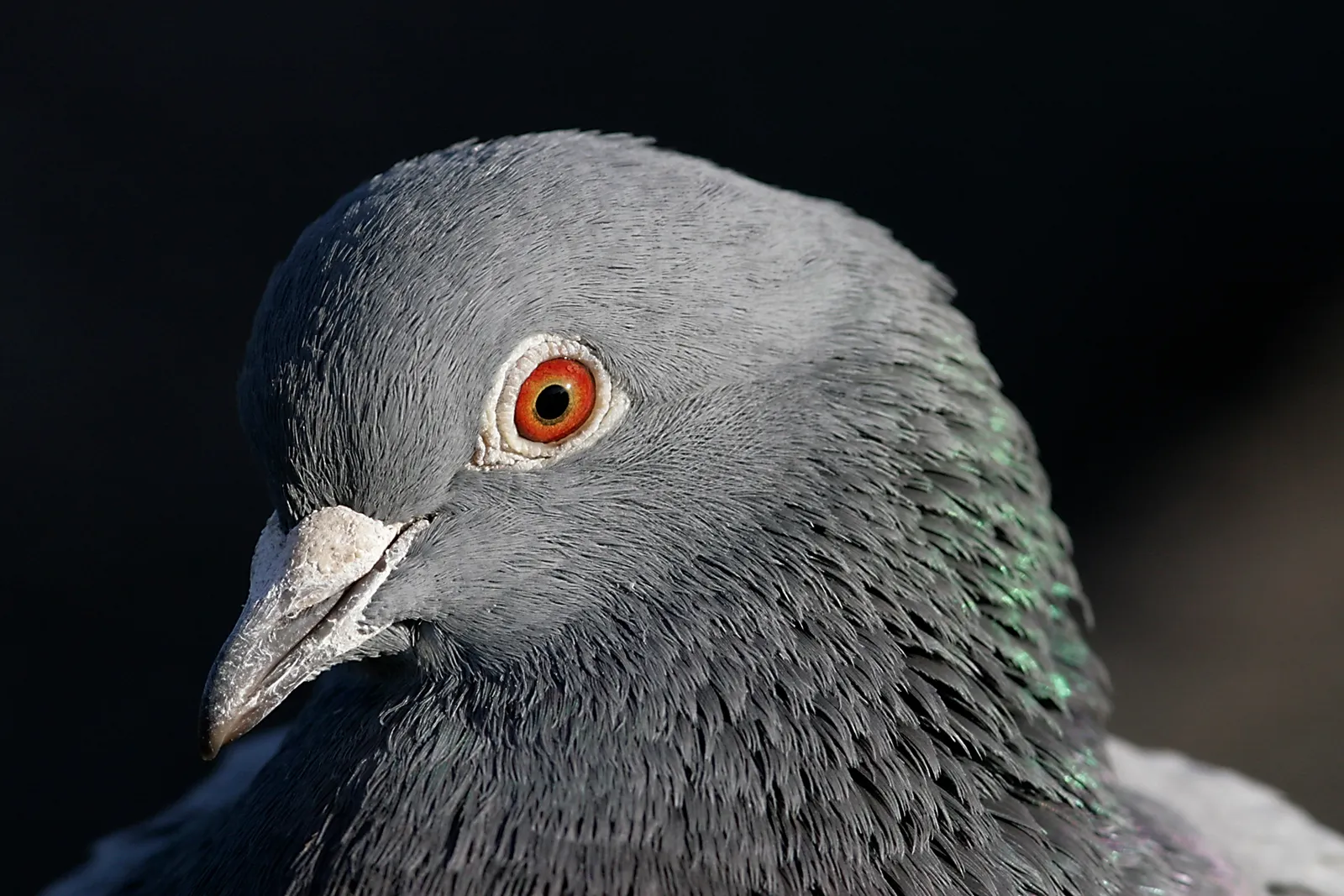
It is tempting to shrug all this off and say, “Sure, but pigeons are just really good at pattern matching.” Yet the more relational tasks you look at, the less that story holds up. In “same–different” experiments, for example, pigeons are not responding to the specific shapes; they have to notice whether the relationship between items is one of identity or difference. That is not a simple pattern glued to a particular object – it is a rule about how items relate to each other, which is a more abstract level of understanding.
There are other tasks that push this idea further. Pigeons can learn “categories of categories,” where they must treat one set of images as belonging to a broader type, while recognizing exceptions or special cases. This sort of hierarchical thinking sounds a lot like what human children struggle with when they figure out that a whale is a mammal, not a fish, despite living in water. When birds can operate at that level, it becomes increasingly weak to say they are only memorizing what they see on the screen.
What Pigeon Intelligence Tells Us About Our Own Minds
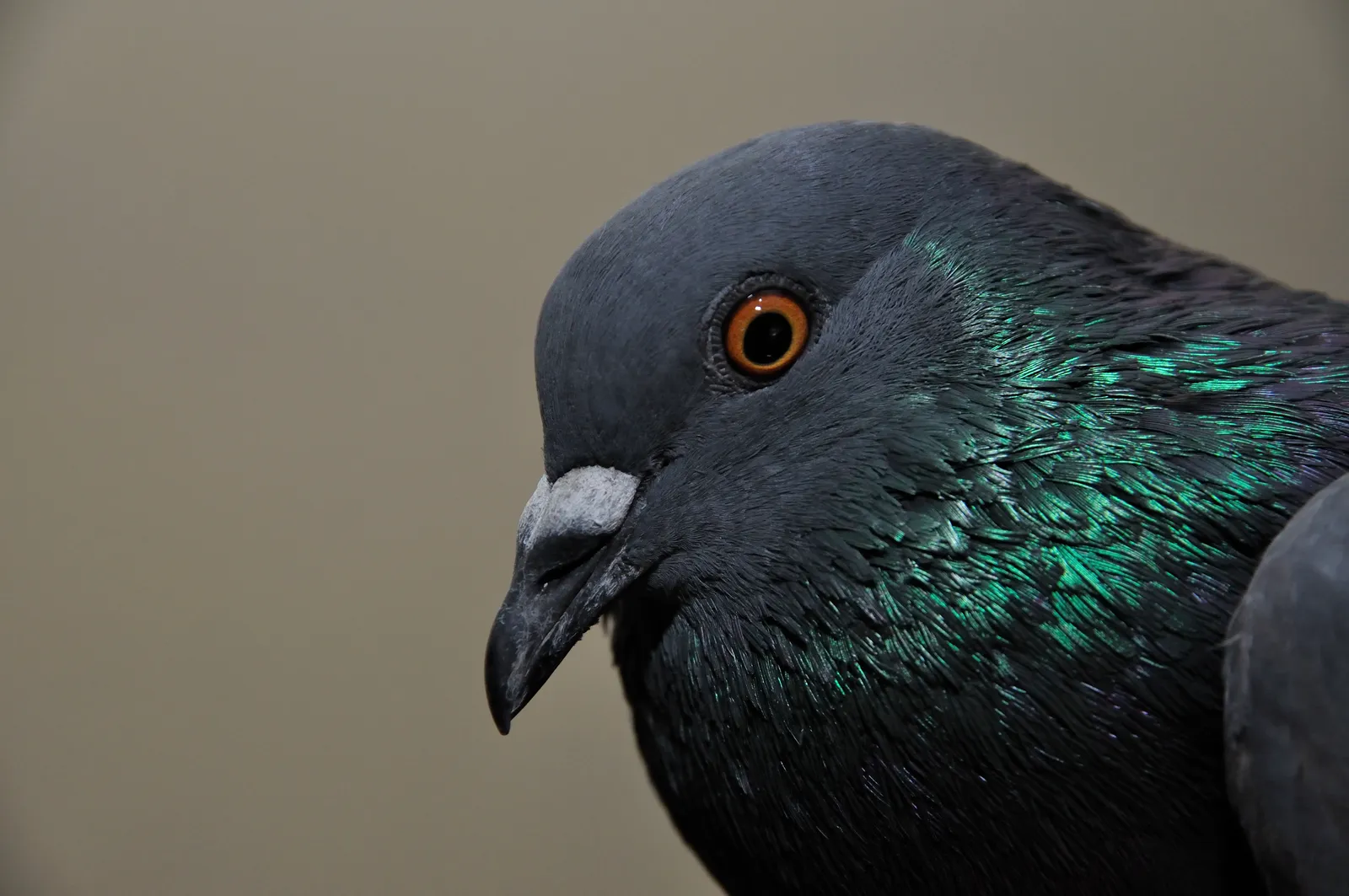
The most radical implication of pigeon cognition research has nothing to do with birds at all; it has to do with us. If a small-brained bird can pick up abstract categories through gradual exposure and feedback, maybe much of what we call human “understanding” is also the product of repeated experience and statistical learning. That does not make our abilities less impressive, but it does make them feel less magical and more continuous with the rest of nature.
Personally, I find this both humbling and liberating. Humbling, because it means our minds might be built from the same basic learning ingredients as a pigeon’s, just at a different scale and complexity. Liberating, because it broadens the circle of creatures we might see as genuine thinkers rather than living tools. The more we discover about how pigeons form concepts, the more it nudges us to rethink classroom learning, artificial intelligence design, and even how we talk about “innate genius” versus the power of training and experience.
Practical Surprises: Pigeons As Tiny Cognitive “Employees”
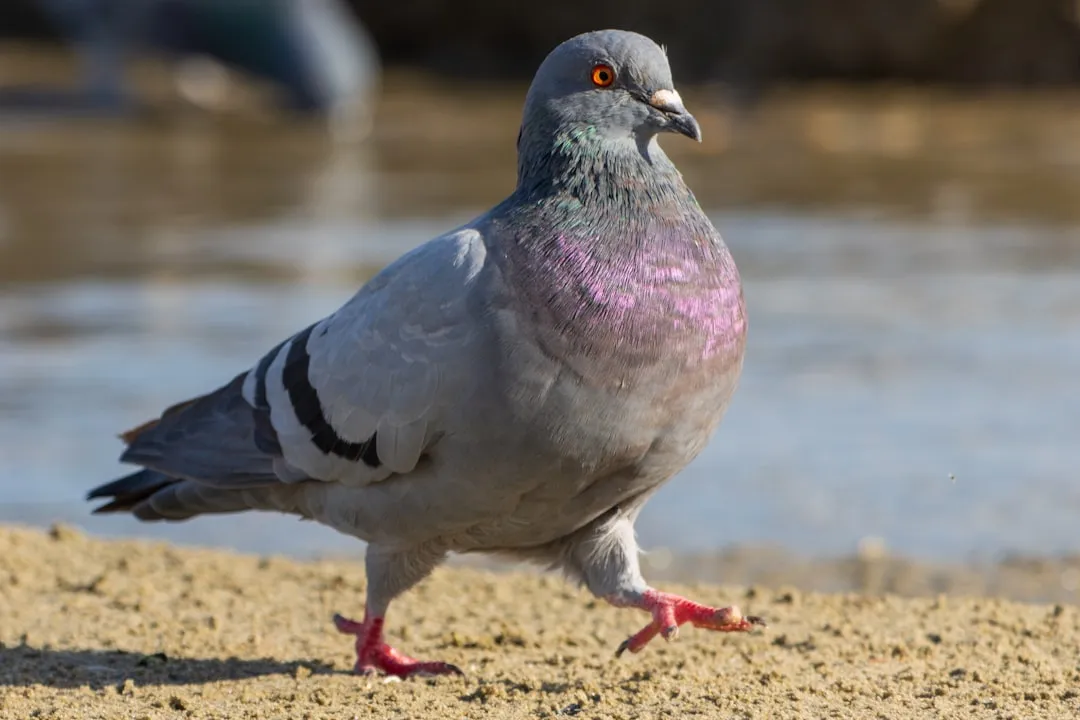
One of the strangest and most concrete outcomes of this research is that pigeons have been trained to perform classification tasks that matter in the real world. In controlled settings, they have learned to distinguish normal from abnormal medical images, such as certain types of scans, often improving their accuracy with more practice in a way that closely mirrors how humans and algorithms learn. This does not mean hospitals are hiring flocks of pigeons, but it does prove that their abstract category learning is robust enough to handle serious, non-trivial distinctions.
There is a wider lesson hiding in that observation. If pigeons can become surprisingly competent at such tasks, then our assumptions about which creatures are “useful” or “intelligent enough” are probably too narrow. It also highlights that cognition is not just about language or self-report; it is about what an organism can reliably do with the information it receives. When a pigeon can consistently tell one kind of complex image from another, it is quietly blurring the line between animal behavior and what we usually label as expert judgment.
Ethical And Emotional Fallout: Rethinking “Just A Bird”
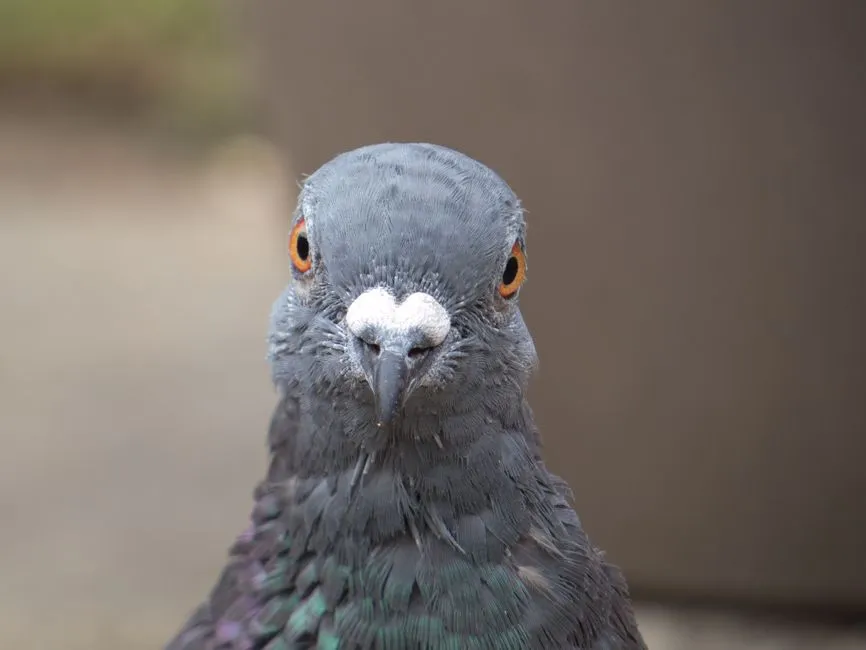
Once you accept that pigeons can handle abstract categories, it becomes harder to justify treating them as disposable city clutter. These are animals capable of flexible learning, long-term memory, and conceptual problem-solving. They may not write poetry or debate philosophy, but they experience the world through a surprisingly rich mental lens. Dismissing them as mindless pests starts to look less like scientific realism and more like convenient arrogance.
For me, this hits a personal nerve. I used to walk past pigeons without noticing anything but the mess, seeing them as moving furniture in the street. After reading about their cognitive abilities, it is almost impossible not to look twice when one tilts its head and tracks your movements. It feels less like watching a random bird and more like making eye contact with a quiet neighbor whose inner life you have been ignoring for years.
Conclusion: Pigeons Force Us To Drop The Ego

When you pull all of this together, the evidence that pigeons can learn abstract categories is more than a quirky animal fact; it is a serious challenge to the story we tell about human uniqueness. The old view that non-human animals are bound to simple pattern matching simply does not survive contact with modern animal cognition research. Pigeons are not honorary humans, but they are also not the feathered automatons many people still imagine. In my opinion, clinging to that outdated picture says more about our ego than about the birds.
Maybe the most honest conclusion is that intelligence, including abstract thought, is a spectrum spread across species, not a trophy sitting in one place. Pigeons just happen to be one of the clearest reminders that sophisticated minds can come in small, unglamorous packages. So the next time you see a pigeon pacing at your feet, you might be standing next to a creature that could outlearn an algorithm on the right task. Did you ever think a city bird could make you rethink what it means to be smart?
