
Mastering Tool Use
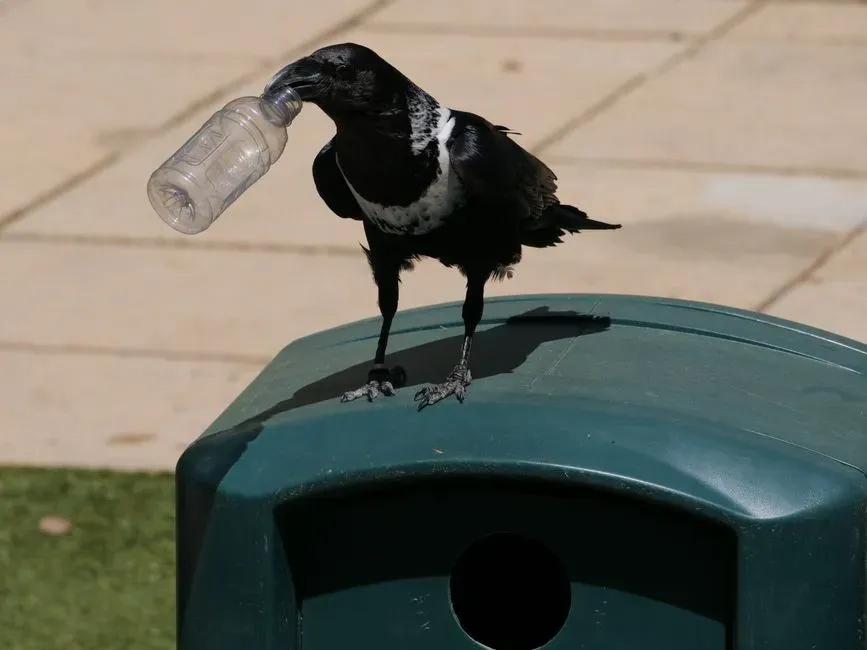
Ravens select and modify objects to reach food or solve tasks in ways that mirror primate ingenuity. They bend wires into hooks or choose the right stick length for a particular job. Observations show they adjust their approach based on the specific challenge rather than repeating the same action.
This flexibility appears early and persists across different contexts. Studies place their performance alongside that of chimpanzees when presented with comparable problems. The birds demonstrate an understanding of how tools function as extensions of their own capabilities.
Planning for the Future
Ravens cache tools or tokens hours ahead of when they will need them. They select items for later use even when current hunger does not drive the choice. Experiments reveal they anticipate delays of up to seventeen hours and still make the correct selection.
Such forward thinking requires holding multiple possibilities in mind at once. The behavior matches levels seen in great apes on similar bartering and tool preparation tasks. Ravens apply this skill outside of food caching, showing it operates as a general capacity.
Tackling Multi Step Puzzles
These birds work through sequences that demand several distinct actions in order. They identify the right tool, transport it, and then apply it precisely to retrieve a reward. Success rates remain high even when the steps increase in complexity.
Performance on these tests aligns closely with results from adult chimpanzees and orangutans. Young ravens often reach comparable levels by four months of age. The rapid development highlights how efficiently their cognitive systems mature.
Engaging in Tactical Deception
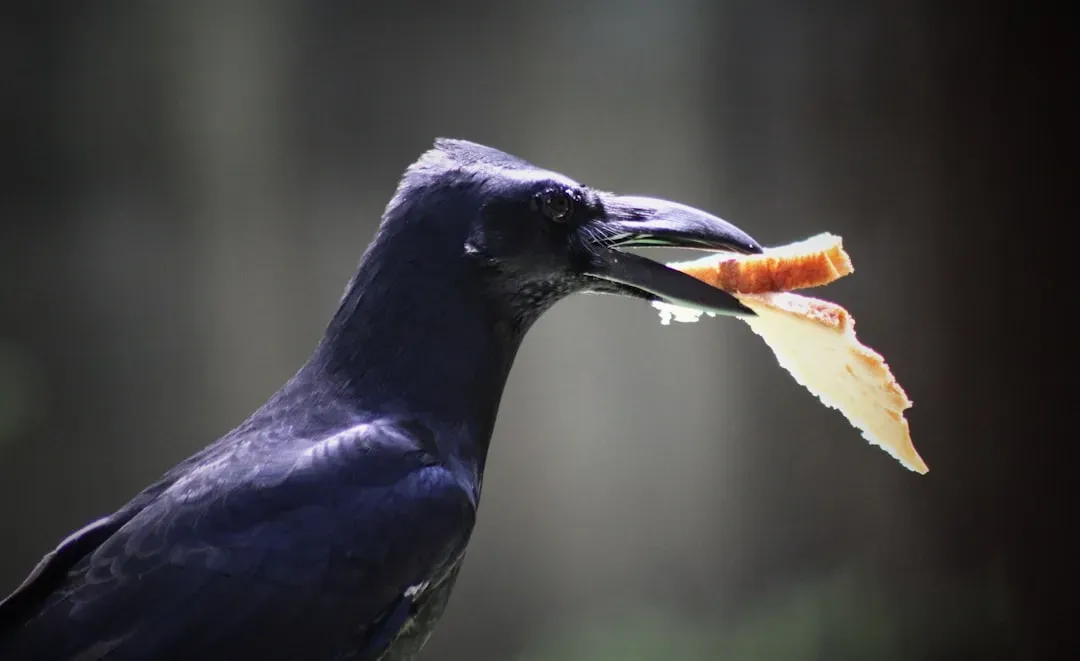
Ravens hide food while watching whether others observe the act. They create false caches or move items when potential thieves appear distracted. This calculated misdirection protects resources in competitive group settings.
The skill reflects an awareness of what others can see and know. Researchers note parallels with primate strategies for managing social information. Such behavior emerges consistently in both captive and wild populations.
Remembering Faces for Years
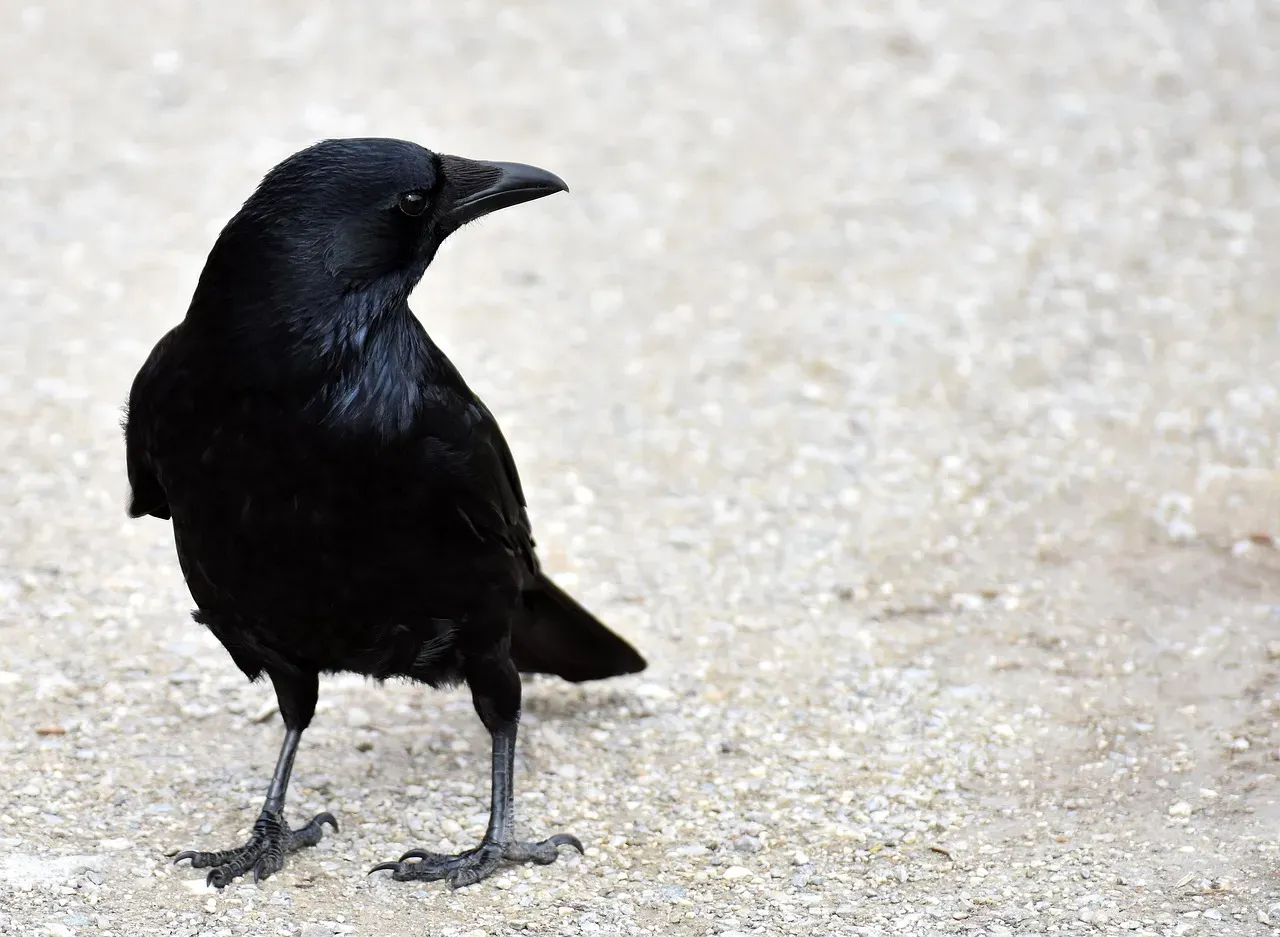
Ravens recognize individual human faces after single encounters and retain the memory for extended periods. They adjust their responses based on whether a person previously posed a threat or offered food. This long term retention extends to other ravens as well.
The ability supports stable relationships within fluid social groups. It allows them to track allies and avoid repeat conflicts without constant relearning. Field studies confirm the memory lasts multiple years in natural conditions.
Playing Just for Fun
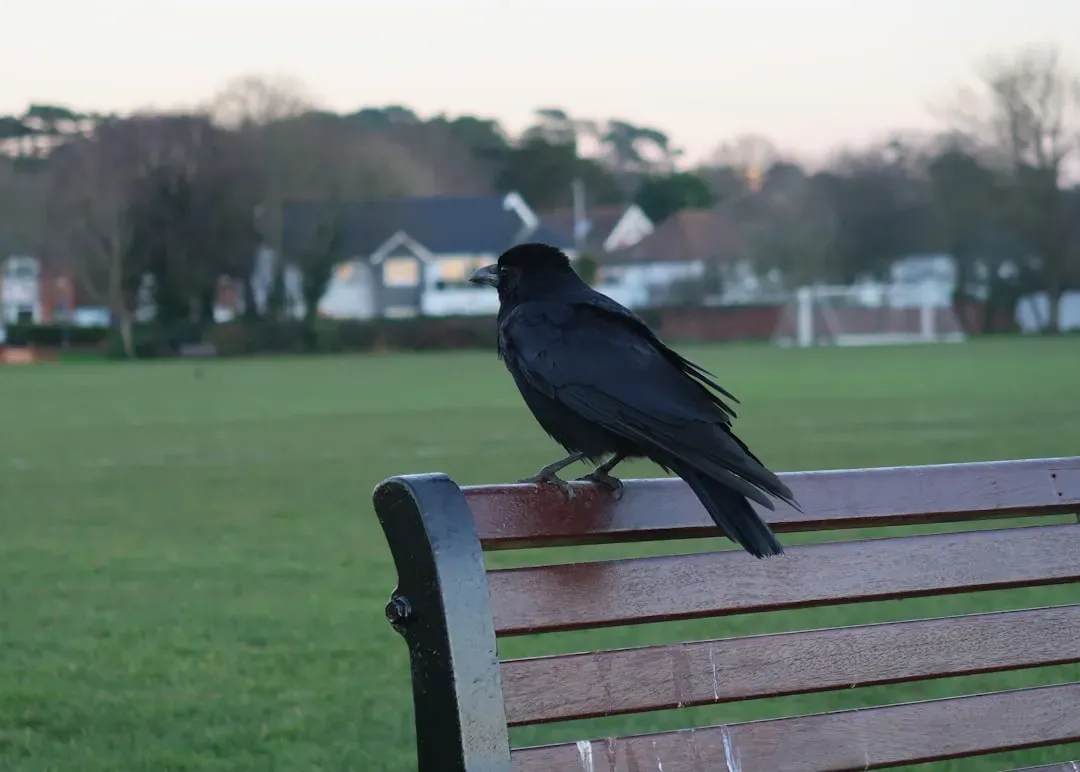
Ravens slide down snowy slopes or manipulate objects in repetitive patterns that serve no immediate survival need. They engage in aerial acrobatics or tug of war games with conspecifics. These activities occur across age groups and seasons.
Play likely sharpens motor skills and social bonds in ways similar to primate juveniles. The behavior persists even when energy costs are considered. Observers describe it as genuine enjoyment rather than practice alone.
Mimicking Sounds and Voices
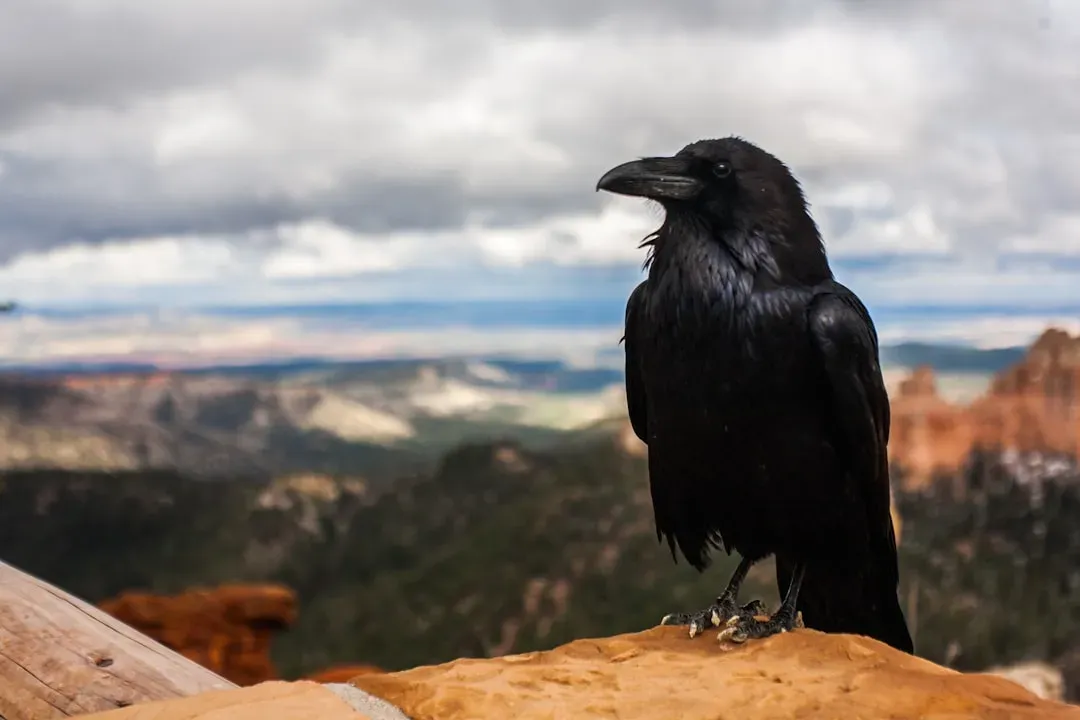
Ravens reproduce a wide range of noises including other animal calls and human speech patterns. They use these imitations in context appropriate ways during interactions. The vocal flexibility aids both communication and occasional deception.
This capacity exceeds simple repetition and shows creative recombination of sounds. It supports complex social signaling within their groups. Comparisons often note similarities to the vocal learning seen in some primates.
Forming Strategic Alliances
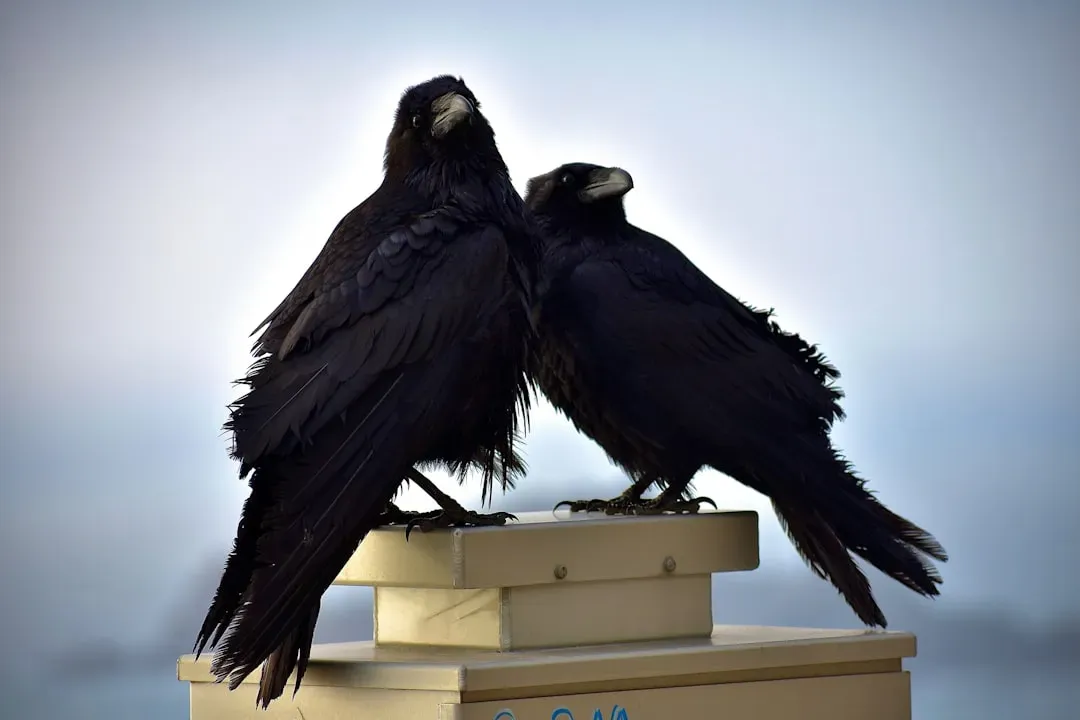
Ravens build coalitions that shift depending on the situation and individuals involved. They recruit partners for conflicts or share information about food sources selectively. These alliances require tracking relationships over time.
The fission fusion dynamics of their groups demand sophisticated social bookkeeping. Performance on related cognitive tests matches patterns observed in great apes. Such networking enhances survival in variable environments.
Grasping Cause and Effect
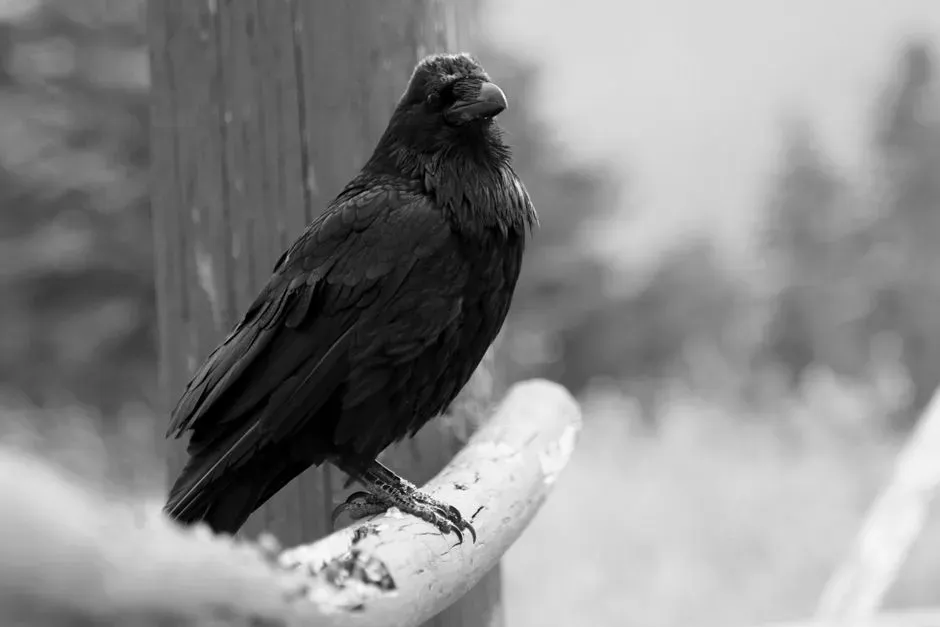
Ravens infer hidden causes from visible outcomes in controlled experiments. They understand object permanence and make predictions about how actions lead to results. This causal reasoning appears in both physical and social domains.
Quantitative comparisons place their abilities on par with those of adult orangutans and chimpanzees. The skill develops early and generalizes across novel situations. It underpins many of their other problem solving feats.
Exercising Remarkable Self Control
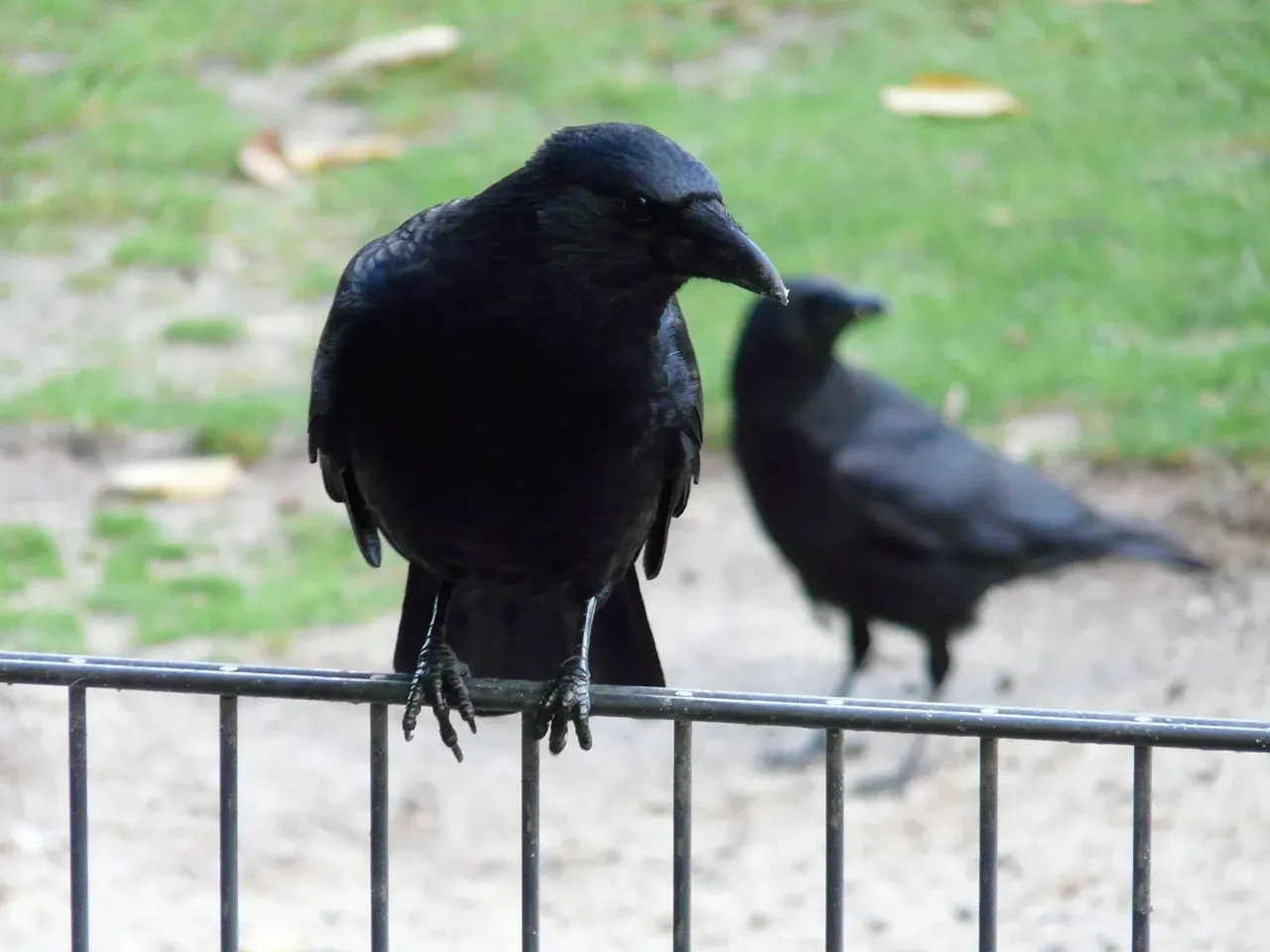
Ravens wait for better rewards instead of taking immediate smaller options. They forgo food now to secure tools or tokens that yield larger payoffs later. Success in these delay tasks rivals or exceeds results from some primate studies.
The capacity involves inhibiting impulses while keeping future goals active. It supports planning and cooperation in daily life. Researchers highlight how this trait integrates with memory and decision making.
Learning from Others Socially
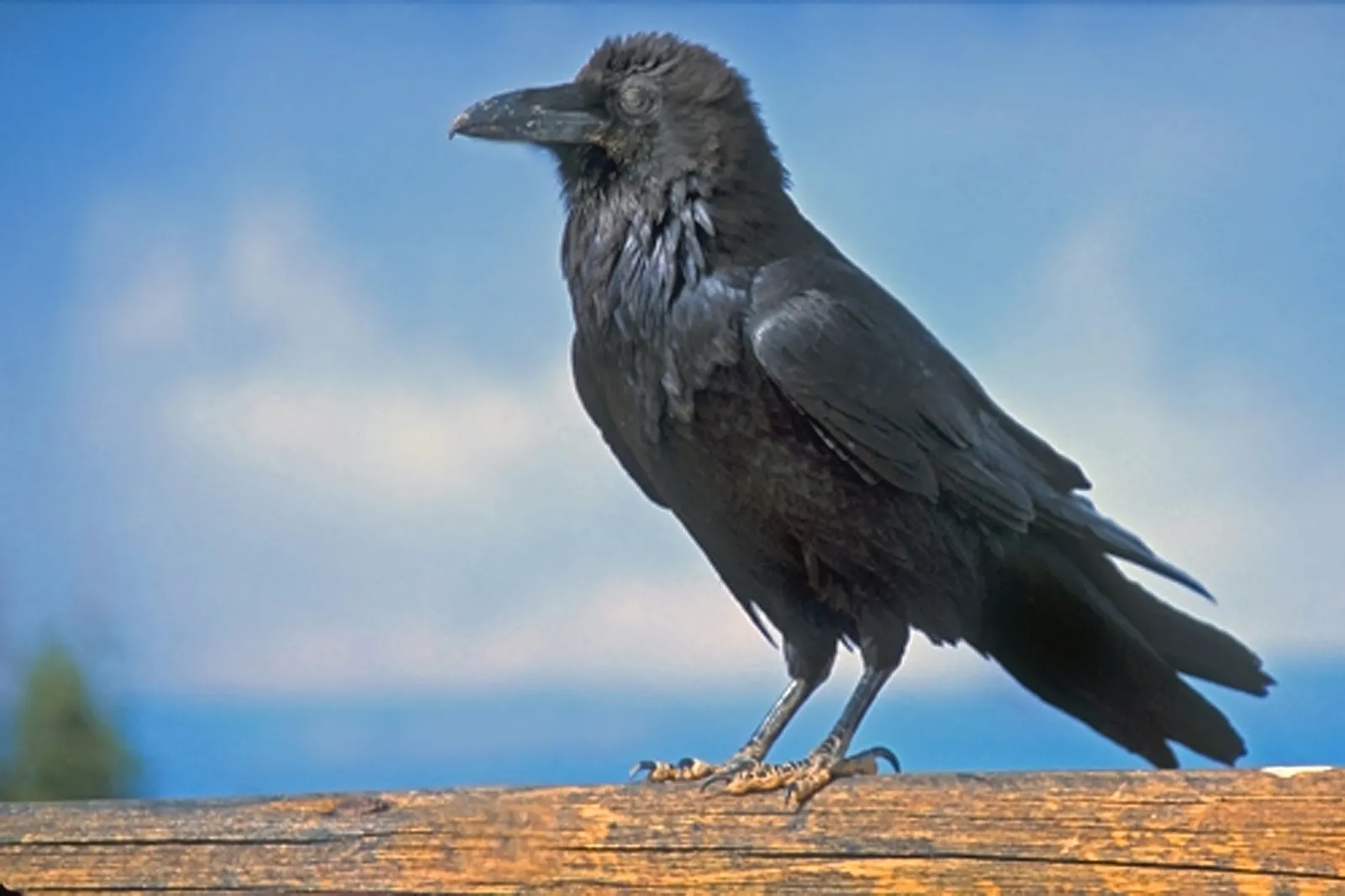
Ravens observe and copy effective techniques demonstrated by group members. They adjust their own behavior based on what they see others achieve. This transmission occurs without direct trial and error in many cases.
Social learning accelerates adaptation to new challenges within populations. It parallels mechanisms documented in primate communities. The process strengthens group level knowledge over generations.
Taking Others Perspectives
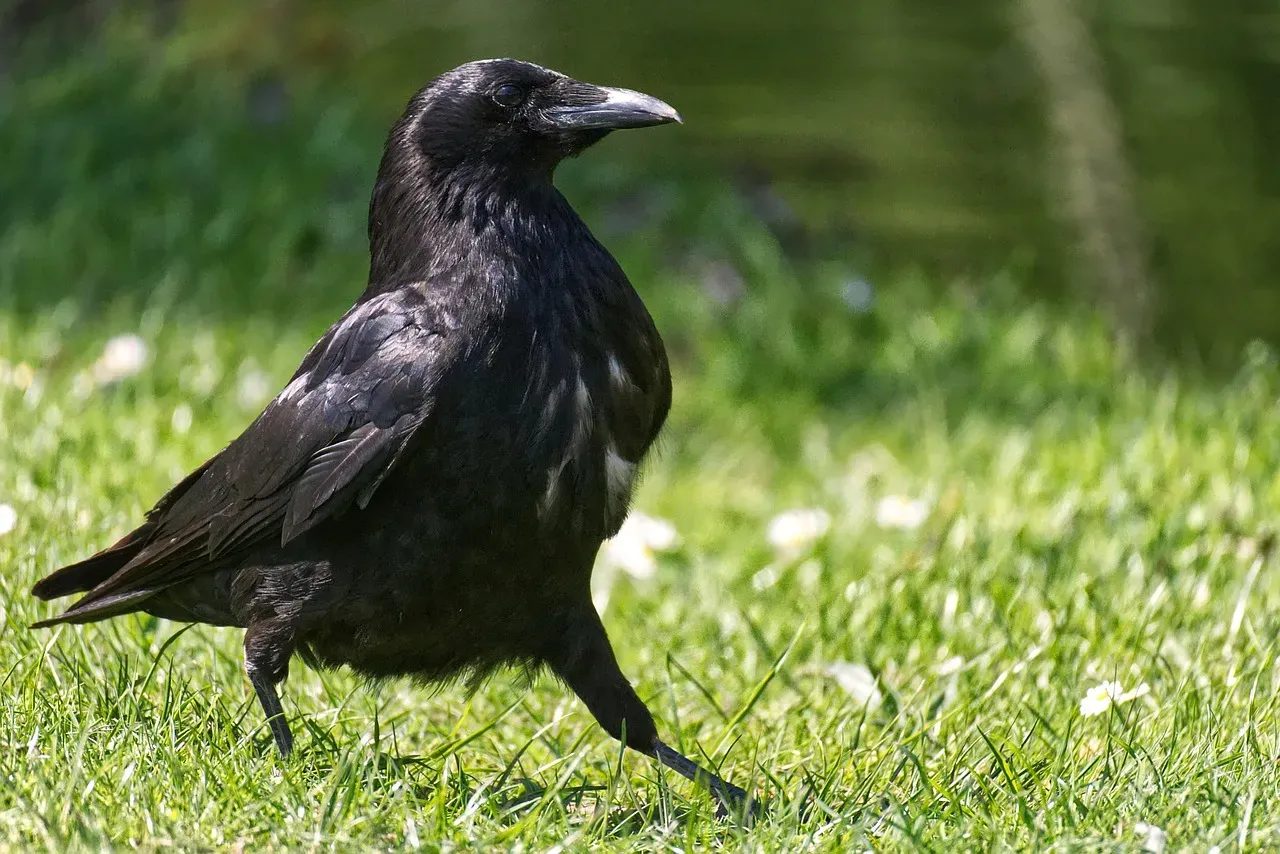
Ravens account for what a competitor can see or hear when deciding their next move. They position themselves or time actions to limit information available to others. This perspective taking supports both competition and cooperation.
Tests of theory of mind related skills show performance comparable to great apes. The ability emerges in natural caching and social interactions alike. It adds depth to their already intricate group dynamics.
Ravens demonstrate that sophisticated cognition can arise through different evolutionary paths. Their achievements invite a broader view of intelligence that includes birds alongside primates. Continued study will likely reveal even more layers to these remarkable minds. In the end, the parallels underscore how problem solving and social navigation reward flexible thinking wherever it appears.