
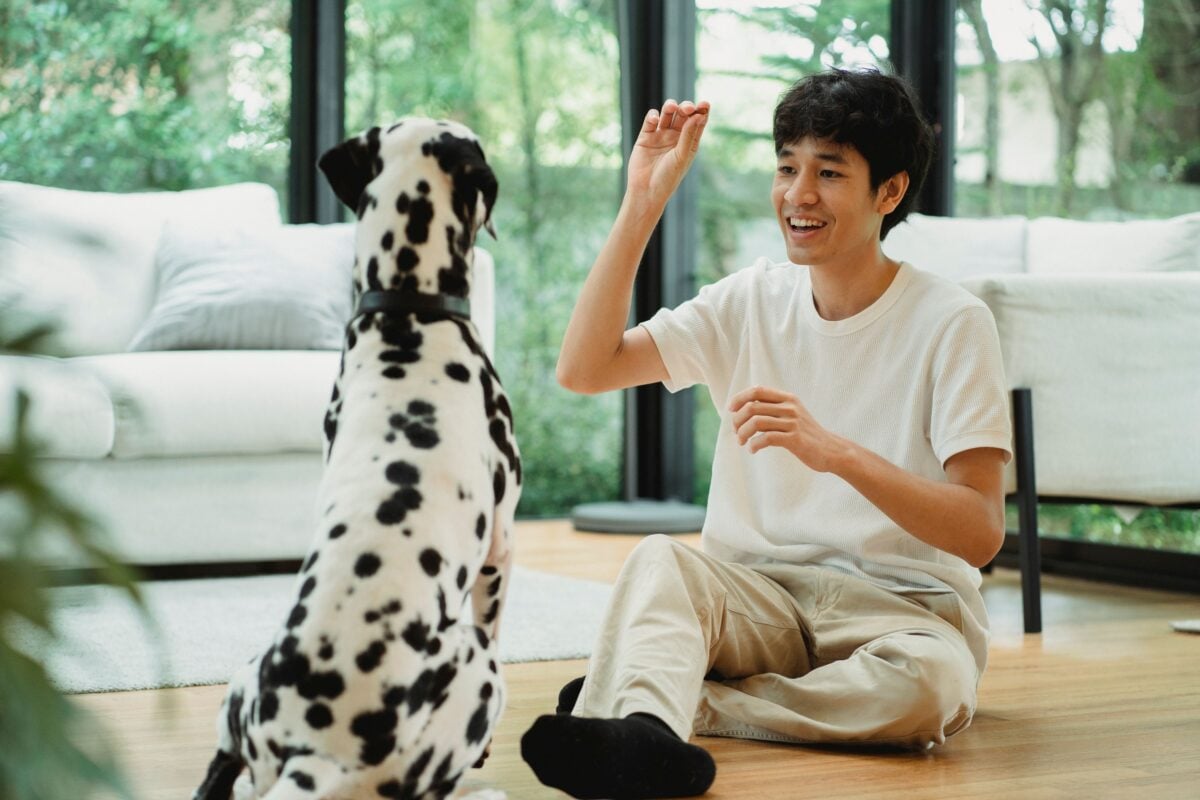
There’s a special kind of heartbreak in realizing your dog has been asking for reassurance all along, just in ways so quiet you barely noticed. Dogs rarely spell it out in big dramatic gestures; more often, it’s a soft sigh, a slow blink, or a tiny shift closer on the couch that’s actually them saying, “Are we still okay?” Once you start seeing these subtle signals, it’s almost impossible to unsee them.
I remember thinking my own dog was just “being lazy” when she followed me from room to room and lay down just out of reach. It took time to understand she wasn’t looking for a big cuddle session; she just needed to know I was there. When you learn these quiet behaviors, you’re not only a more attentive dog parent – you’re also giving your dog exactly what they crave most: calm, steady safety.
1. The Slow, Soft Follow From Room to Room
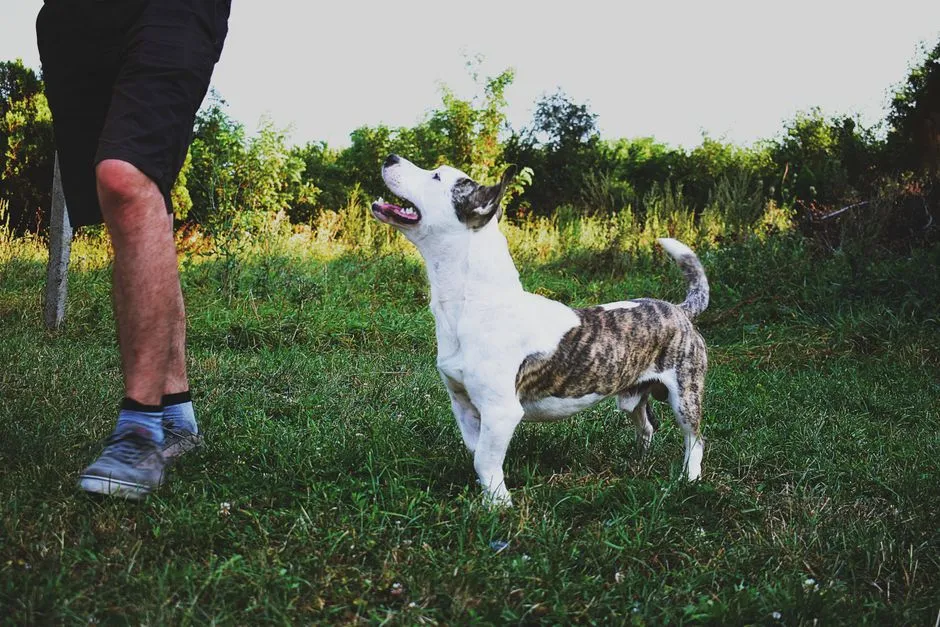
One of the most common quiet signals is when your dog pads along behind you everywhere you go, but without the playful enthusiasm of a dog hoping for a walk or treat. They’re not bounding, not whining, not tugging at your clothes. Instead, they trail you like a soft shadow, settle down when you do, and get up again the moment you stand, as if there’s an invisible string connecting you. On the surface, it can look like simple clinginess, but often it’s a dog gently checking that their world is still anchored to you.
This subtle following is usually about reassurance, not entertainment. Your dog might lie down near the doorway instead of right at your feet, giving you space while still keeping you in sight. It’s their quiet way of saying, “I don’t want to bother you, but I need to know I’m not alone.” When you notice this, even just pausing to make eye contact, saying their name calmly, or giving a soft head rub can instantly let them know they’re safe and seen.
2. Lying Nearby, But Not Touching You
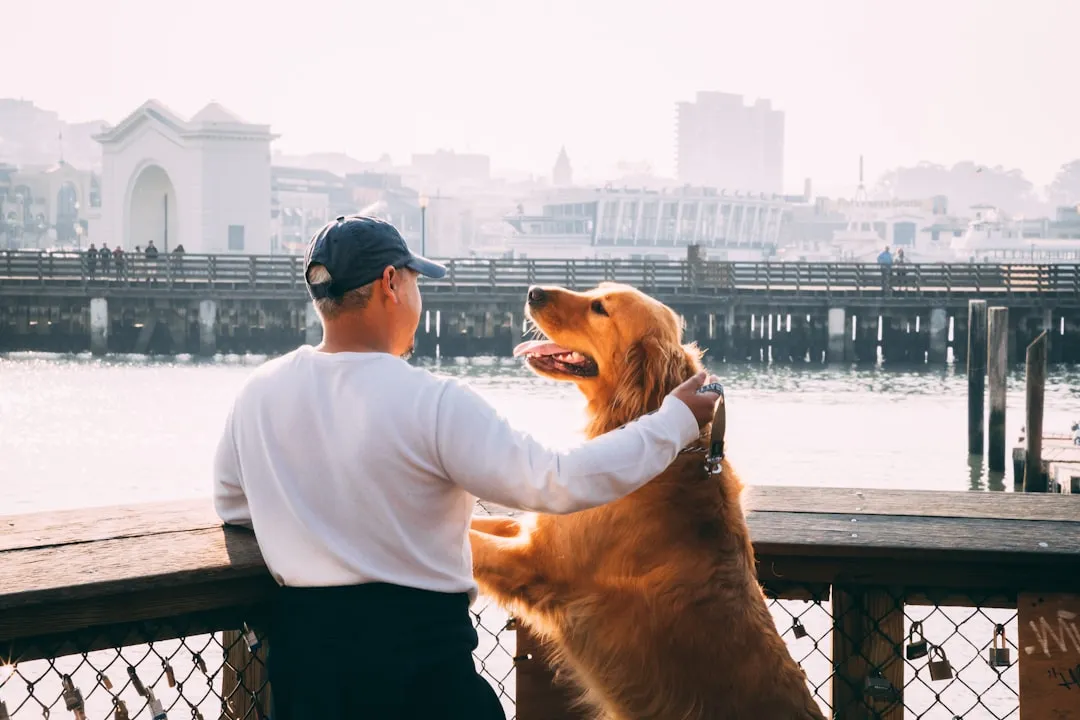
Sometimes a dog will choose a spot just a few inches away from you – close, but not quite leaning in. They might curl up near the couch instead of on your lap, or stretch out at the edge of your bed rather than right against your side. To someone not paying attention, it can look like indifference. In reality, many dogs do this when they’re unsure if they’re allowed to ask for comfort directly, or when they want to feel connected without demanding attention.
This in-between distance is a fascinating emotional compromise. Your dog wants the security of your presence but doesn’t want to push your boundaries or risk being scolded for “begging” or “being in the way.” Think of it like a kid sitting at the edge of a room where the adults are talking, quietly hoping someone will invite them in. A gentle invitation – patting the couch, lowering your hand for a scratch, or quietly saying, “You can come closer” – can reassure them that their need for closeness is welcome.
3. The Long, Searching Stare From Across the Room
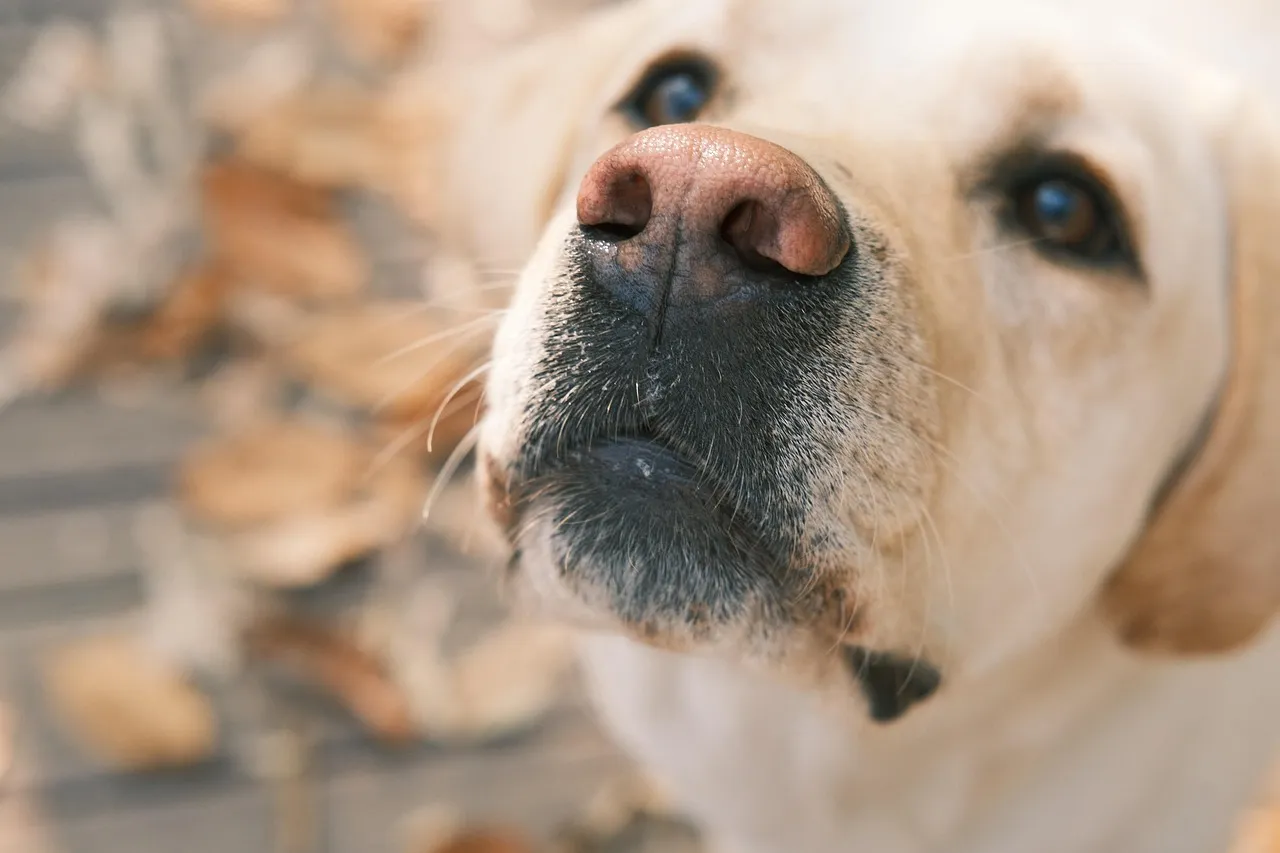
You’ve probably felt it before: you’re working, scrolling, or watching TV, and suddenly you realize your dog is just staring at you. Not the sharp, excited look that says “Is that cheese?” but a softer, more thoughtful gaze. Their eyes might look a bit rounder, their ears relaxed or slightly back, their whole face almost asking a question. This kind of stare is often a quiet check-in, a way of reading your mood and silently asking where they stand with you.
Many people miss this and assume their dog is simply bored or zoning out, but that gentle eye contact is a powerful emotional bridge. Dogs are incredibly tuned in to human expressions and body language, and when they’re unsure, they look to us for cues. A calm smile, a slow blink, or softly saying their name can be enough to reassure them. If your dog looks away quickly after you catch their eye, that can actually be a polite, respectful gesture – they wanted reassurance, got it, and now they can relax.
4. Quietly Leaning Their Body Weight Against You
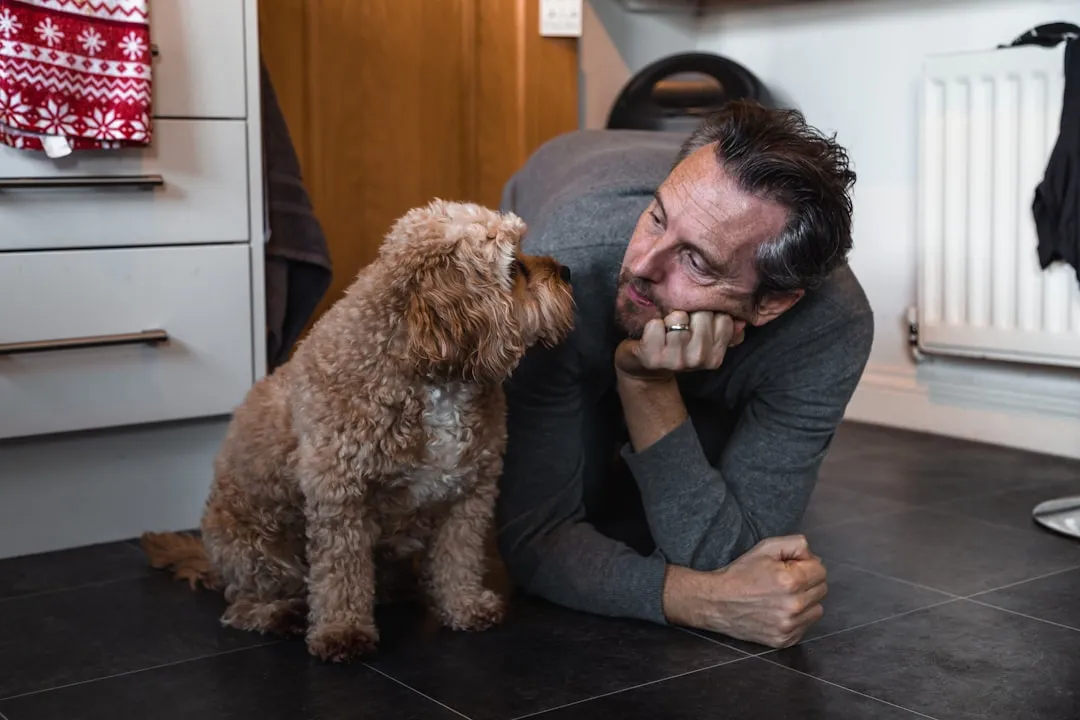
Leaning is one of the most tender things a dog does when they’re seeking comfort without “making a scene.” They might sit beside you and slowly let their weight sink against your leg, or stand next to you in the kitchen with just their shoulder touching your calf. There’s no pawing, no licking, no obvious begging – just that steady, gentle pressure that says, “I’m here with you; tell me I’m okay.” For many dogs, physical contact is the most direct route to feeling safe.
What’s easy to overlook is how restrained this gesture actually is. Instead of jumping in your lap or pressing their face into yours, they’re choosing something that respects your space while still getting what they need. Notice when they do this – is it after a loud noise, a stressful visitor, an argument, or a long day alone? If so, that lean is not random. Resting a hand on their back, speaking in a low, even voice, or just staying still and letting them lean can be incredibly soothing for them.
5. Subtle Sighs, Yawns, and Slow Blinks
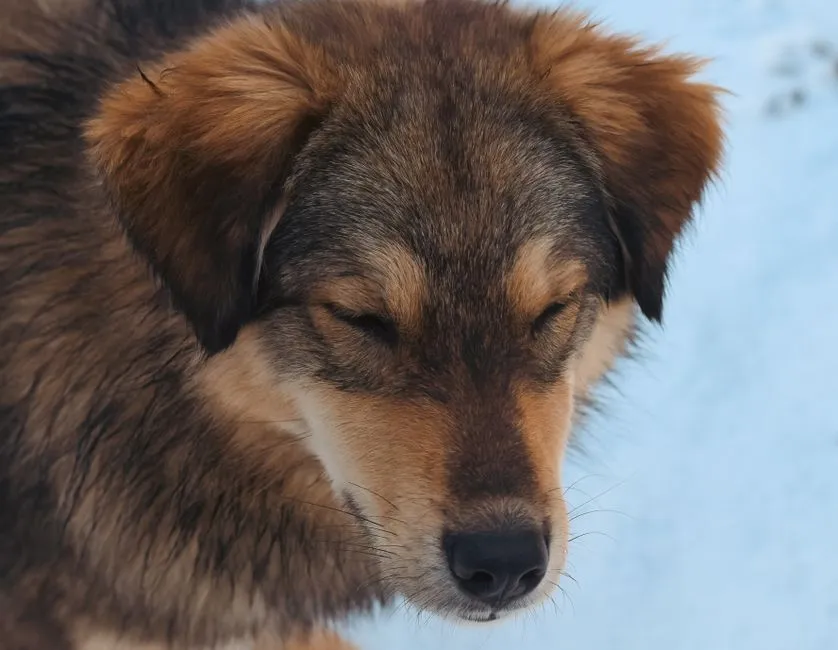
Dogs communicate a lot with their faces and breath, and some of the most overlooked signals are the tiny releases of tension: a deep exhale, a slow yawn, or a long, lazy blink. These can be signs of relaxation, but they also show up when a dog is trying to self-soothe or signal that they mean no harm. If your dog is lying near you, gives a big sigh, then looks at you with a soft, sleepy expression, they might be quietly asking for reassurance that everything really is as calm as they’re trying to make it seem.
Slow blinking, in particular, can be like an emotional olive branch. When a dog blinks softly while watching you, it often says, “I trust you; I’m not a threat,” and sometimes, “Please be gentle with me right now.” If your dog pairs these slow blinks with a slightly lowered head or ears that tilt back just a little, they could be feeling uncertain. Meeting their gaze with your own relaxed blink or speaking to them calmly can validate their attempt to settle their own nerves – and remind them you’re emotionally tuned in.
6. Bringing a Toy, Then Just Holding It
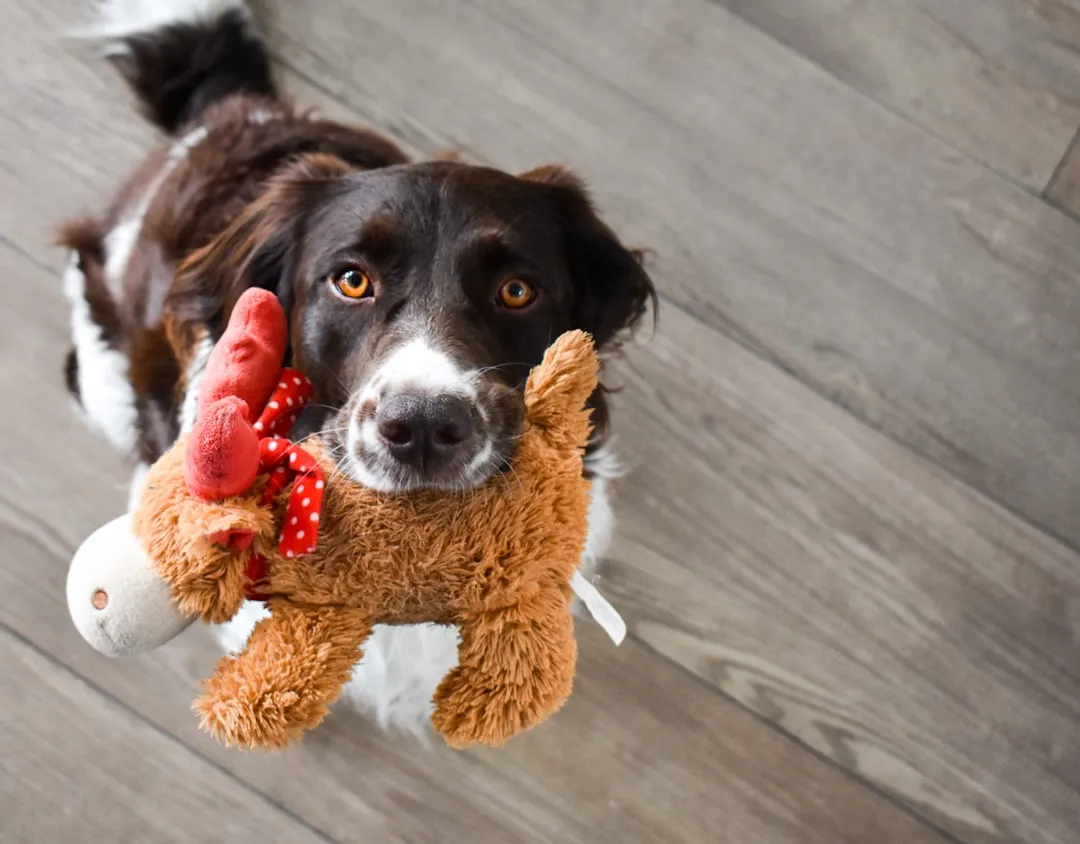
When a dog wants to play, it’s obvious: they bounce, wag like crazy, and shove the toy into your hand. But there’s a different version of toy-carrying that’s much quieter. Your dog might walk over with a favorite toy, sit near you, and simply hold it, maybe placing it gently on the floor without pushing it toward you. They might glance at you, then away, almost like they’re not sure whether they’re allowed to ask for more. This can be a subtle way of saying they need connection, not necessarily a full-on game.
In moments of uncertainty or mild stress, dogs often reach for familiar objects the way some people reach for a favorite hoodie or mug. The toy smells like them, like home, like safety – and by bringing it near you, they’re linking that comfort with your presence. You don’t always have to start a big play session; sometimes just acknowledging them, touching the toy, or giving a few gentle seconds of interaction is enough to reassure them that you’re still a secure base.
7. Sitting With Their Back to You, But Staying Close
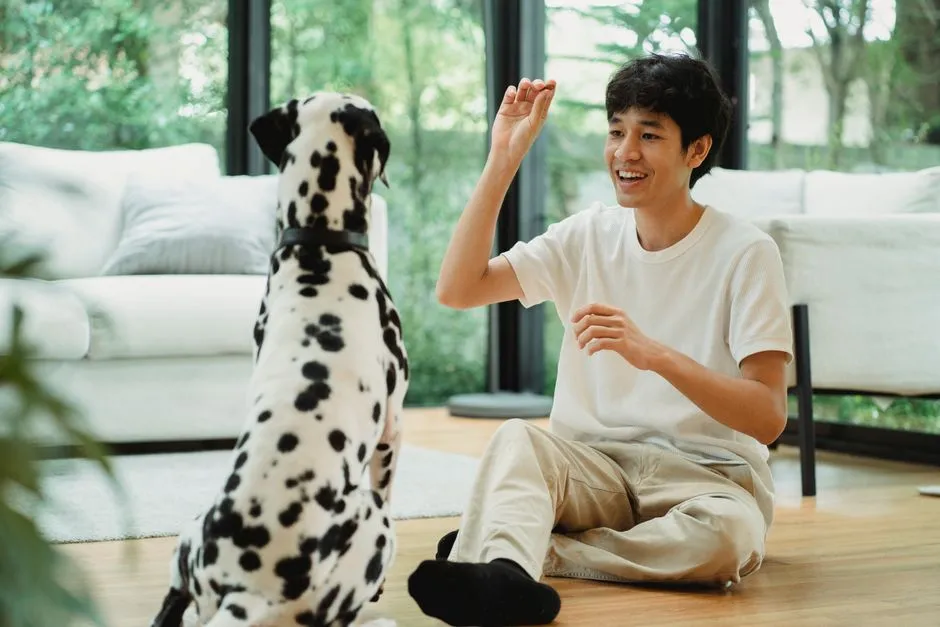
This one confuses a lot of people: the dog who sits with their back to you, maybe at your feet or right beside you on the couch. It can look like they’re ignoring you or being aloof, but in dog language, this is often a sign of deep trust. By facing away, they’re essentially saying, “I feel safe enough to let you watch my back.” When a dog chooses to do this quietly and calmly, especially in a mildly stressful environment, it’s often a subtle way of seeking reassurance while also being your quiet guard.
Think of it like a friend who sits beside you at a party, not talking much, but refusing to leave your side. Your dog might not be nudging your hand or staring you down, but their positioning speaks volumes. They’re close enough to feel you, to sense your movements and hear your breathing, but oriented outward toward potential “threats.” Gently resting a hand on their shoulder or speaking softly to them acknowledges that unspoken partnership and can strengthen the feeling of mutual security they’re looking for.
8. Pausing in Doorways or Hallways, Waiting for You
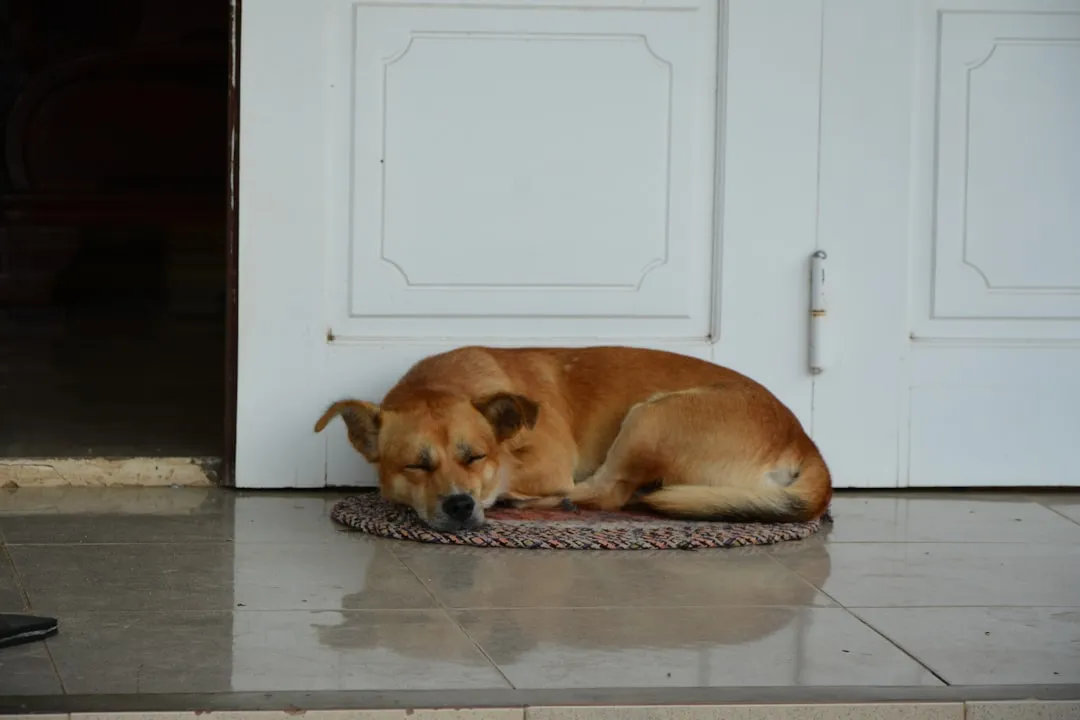
Watch your dog the next time you move from one part of the home to another. Some dogs will trot ahead, then pause right at a doorway or halfway down the hallway, turning slightly back or just slowing down until you catch up. They’re not dragging you like on a walk, and they’re not obviously anxious. Instead, they hover in that in-between space, almost as if they’re asking, “We’re doing this together, right?” That pause is often a quiet request for reassurance and unity.
This behavior can be especially noticeable in dogs who are a bit unsure in new or noisy environments. They may not whine or refuse to move, but they’ll show this subtle hesitation whenever things feel unfamiliar. By walking with them, speaking calmly as you pass through, or giving a little pat as you catch up, you answer that question they’re too polite to shout. Over time, when dogs repeatedly get that steady, predictable reassurance, those hesitant pauses often soften into more confident, relaxed movement.
Conclusion: The Quiet Dogs Are Saying the Most
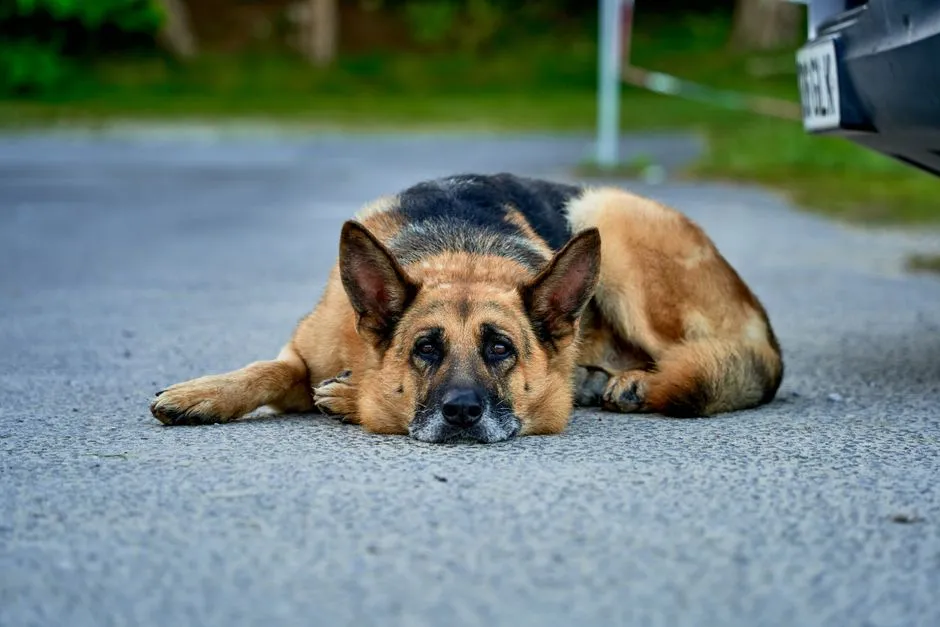
In my opinion, the biggest mistake we make with our dogs is assuming that silence means everything is fine. The truth is, many of the most sensitive, emotionally aware dogs speak in whispers: a soft lean, a quiet follow, a still stare from across the room. They’re not trying to manipulate us or demand constant entertainment; they’re trying to find proof that their little world is secure, that their person is steady, predictable, and safe. When we ignore these signals, it is not usually out of cruelty – just out of human busyness and distraction.
The good news is that once you learn these quiet patterns, you can never really unlearn them. You start catching the way your dog pauses in a doorway, the way they choose a spot just close enough, the way they exhale and blink after a stressful moment. And if you respond – consistently, calmly, kindly – you build the kind of trust that no fancy training tool can create. In the end, the real question is simple: now that you know what your dog is quietly asking, how will you answer them the next time they come looking for reassurance without saying a word?
