
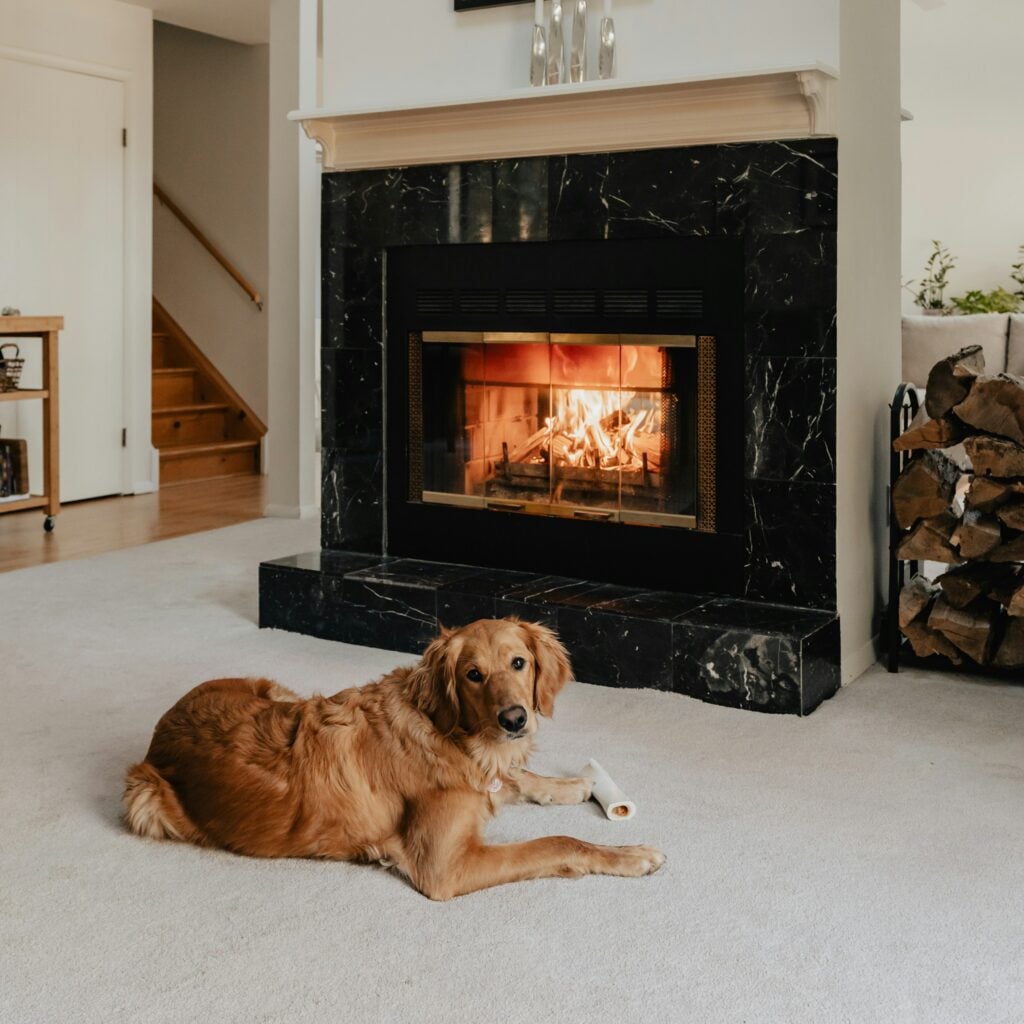
One night your dog is curled up in their usual spot at the foot of your bed, and the next night… they’re gone. You find them in the hallway, under the table, in the bathroom, or crammed into a tiny corner that makes absolutely no sense. It can feel a bit personal, like they broke up with their favorite place (and maybe with you) without leaving a note.
The truth is, dogs rarely change sleeping spots for no reason. Their new “weird” choice is usually their way of solving a problem, following an instinct, or responding to something in their environment that you might not have noticed yet. Once you understand what might be going on, the whole thing starts to feel a lot less mysterious – and a lot more fixable.
1. Temperature Changes: Too Hot, Too Cold, or Finally Just Right
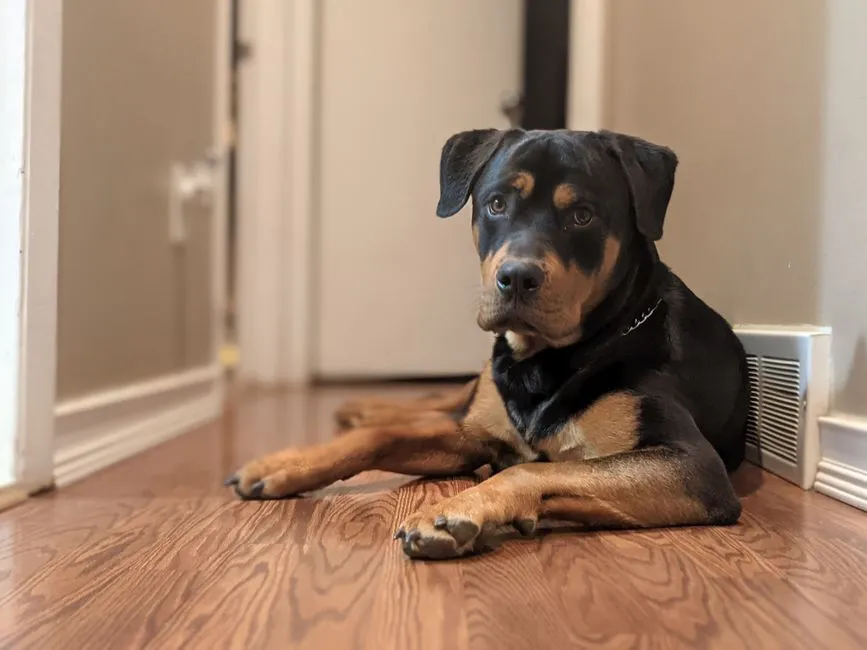
One of the most common reasons a dog suddenly abandons a sleeping spot is temperature. Maybe that cozy bed by the radiator was perfect in winter, but now that the weather’s warmer, it feels like a sauna in a fur coat. Dogs are very practical about comfort; if they’re overheating, they’ll seek out a cooler surface like tiles, wood floors, or a drafty hallway.
The reverse can also happen when seasons change or you shift your home’s thermostat. That bare floor they loved in summer might suddenly feel too cold, so they migrate to a thick rug, a blanket, or squeeze closer to you for body heat. If you notice your dog panting at night, constantly changing positions, or stretching out as far as possible, that’s a big hint they’re trying to self-regulate their temperature and their new sleep spot is their solution.
2. Noise, Light, and Household Activity That Suddenly Feels “Too Much”
Dogs are way more sensitive to sound and movement than we are, so what feels like normal background noise to you can be genuinely disruptive to them. Maybe a new neighbor is coming home late and slamming car doors, your upstairs neighbor just bought a treadmill, or your partner started snoring louder. A dog that used to sleep happily in your room might decide that the hallway, closet, or another room is simply quieter and safer.
Light can matter too. A newly installed streetlight, a blinking device, or a TV left on late can all nudge a dog toward a darker, calmer corner. Think about how you might leave your own bedroom if someone kept opening the curtains and talking on the phone – you’d start scouting for a better place to rest. Your dog is doing the same thing, just without the ability to complain about it out loud.
3. Physical Discomfort: Pain, Aging Joints, or an Ill-Fitting Bed
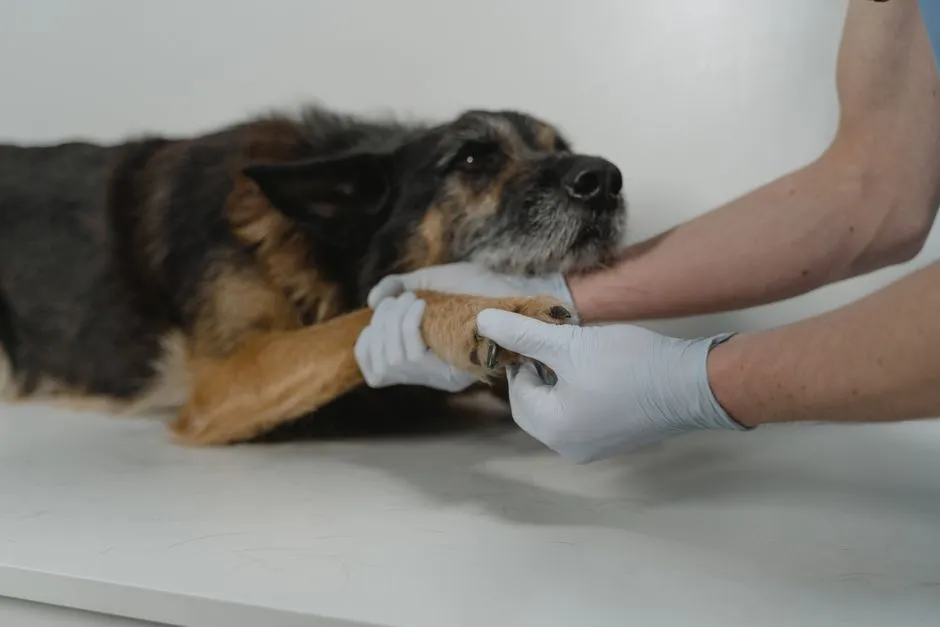
When a dog suddenly switches sleeping spots, pain or discomfort should always be on the list of possibilities. As dogs age, joints can get stiff and sore, and what used to be a cozy, squishy bed might now lack enough support. Some dogs move to the floor because it’s firmer, others seek a softer couch or layered blankets. If your dog seems hesitant to jump up or down, moves slowly after lying down, or licks at their joints, they might be choosing a place that hurts less.
Even younger dogs can hit a growth spurt where their old bed just does not fit their body anymore, or they can develop sore spots from lying on a surface that’s too hard. Sometimes they’ll also avoid spots that require stairs or jumping if something hurts. It’s worth watching how they move getting into and out of sleep, and if you see any limp, stiffness, or wincing, consider that their new sleep choice might be an attempt to cope with physical discomfort rather than a quirky preference.
4. Emotional Shifts: Anxiety, Stress, or Wanting More (or Less) Closeness
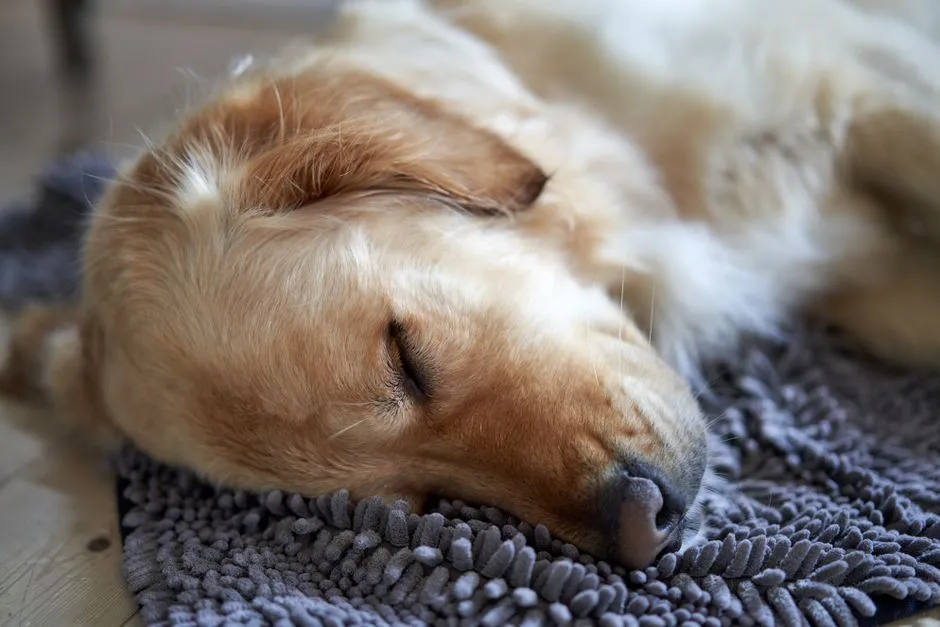
Dogs are emotional creatures, and their sleeping habits are often tied to how safe or connected they feel. A dog that suddenly starts sleeping closer to you – by your door, next to your bed, or even pressed up against you – might be feeling more anxious or insecure. This can happen after a big life change: a move, a new baby, a breakup, a new pet in the house, or even a change in your work routine. They might be choosing a spot that keeps them physically near the person or space that makes them feel safest.
On the flip side, some dogs will step back and seek a bit more distance when the household feels overwhelming. If your once-snuggly dog has retreated to a quiet room, under the bed, or behind the couch, they may be trying to create a personal bubble away from constant stimulation. That can feel like rejection, but it’s often their way of self-regulating stress. Watching the full picture – body language during the day, appetite, playfulness – can help you tell whether this is just a new routine or a sign of deeper anxiety worth addressing.
5. Territory, Scent, and the Need to “Guard” a Different Spot
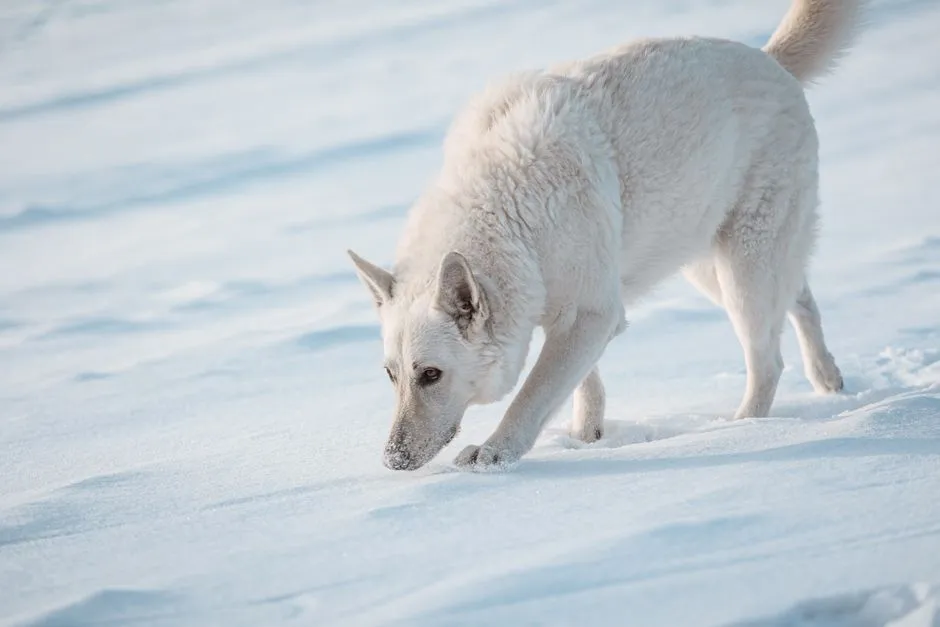
Dogs experience the world through scent in a way we can barely imagine. When they choose a place to sleep, they’re not just thinking about comfort; they’re also thinking about territory and scent marking. Sometimes a new pet, a visiting dog, or even a strong cleaning product can change how an area smells and make it feel less like “theirs.” In response, they may move to a place where their scent feels stronger or more in control, and then reinforce it by sleeping there every night.
There’s also a guarding or lookout instinct at play for some dogs. A dog that moves to sleep near the front door, the stairs, or a hallway intersection may be naturally choosing a “watch post” where they can monitor activity. It doesn’t mean they’re plotting an all-night security operation like a movie hero, but it does mean their instincts to keep track of their pack and territory are kicking in. When my own dog suddenly started sleeping by the door, it honestly felt like he promoted himself to head of security without asking anyone’s permission.
6. Routine Changes: New Schedules, Furniture Rearrangements, or Household Upgrades
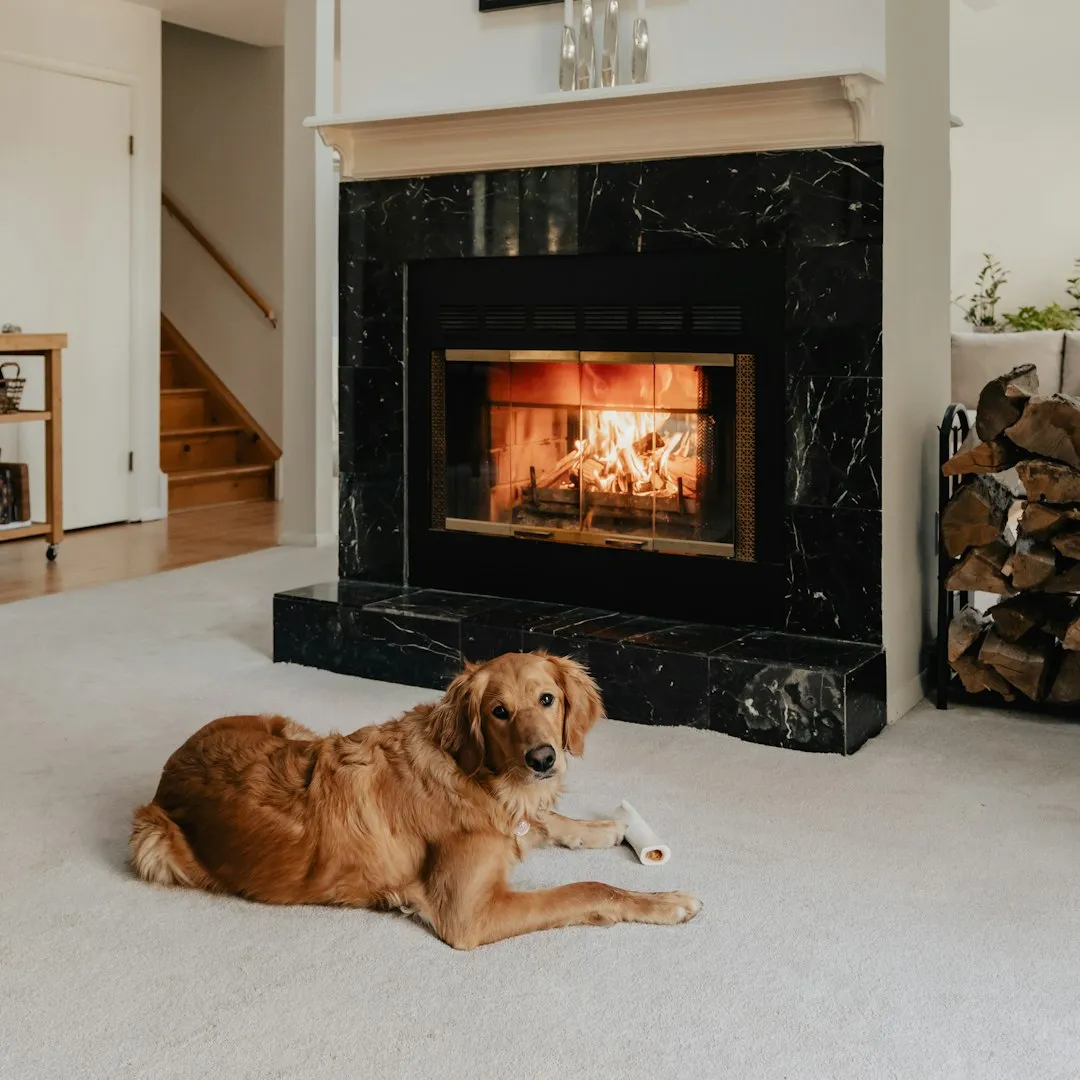
Sometimes the reason is painfully simple: you changed something, so they changed something too. Maybe you bought a new sofa and moved the old one, rearranged the bedroom, put their bed in a different corner, or started closing a door you used to leave open. Dogs are creatures of habit, but they’re also quick to adapt when their usual pattern is disrupted. A new favorite spot might be their way of rebuilding a routine in a shifting environment.
Even subtle changes in your schedule can affect their sense of when and where sleep feels right. If you’re staying up later, working nights, or suddenly leaving early in the morning, your dog might shift to a place where they can better track your comings and goings. They might camp out by a door you use, near the spot where you usually put on shoes, or in a space where they hear you moving first thing. In a way, they’re reorganizing their “sleep strategy” around the rhythm of your life.
Food, exercise, and bedtime rituals also play a part. A dog that gets a late-night walk might settle in a cooler or closer place afterward, while one who eats closer to bedtime may favor spots near the kitchen or water bowl. When their daily puzzle pieces move, their sleeping pattern usually shifts along with them.
7. Simple Preference: Your Dog Just Likes the New Spot Better

Sometimes we search for deep meaning where there really isn’t any: your dog might have simply discovered a better spot and fallen in love with it. Maybe the new place has the perfect combination of quiet, temperature, and vantage point. Maybe it smells like you, or like sunshine, or like a favorite memory you will never fully decode. Dogs do not overthink their comfort the way we do – they try something, and if it feels better, they stick with it.
This can be especially true if they stumble onto a place that gives them a little independence while still keeping tabs on you. A spot where they can see the hallway and the living room, or hear you moving around the house, can feel like the best of both worlds. It does not automatically mean something is wrong with the old spot or your relationship. It might just mean your dog upgraded to a layout that makes more sense to them, and your job is to respect that choice while still keeping an eye on their overall health and happiness.
Conclusion: When Your Dog Moves, Pay Attention – But Don’t Panic
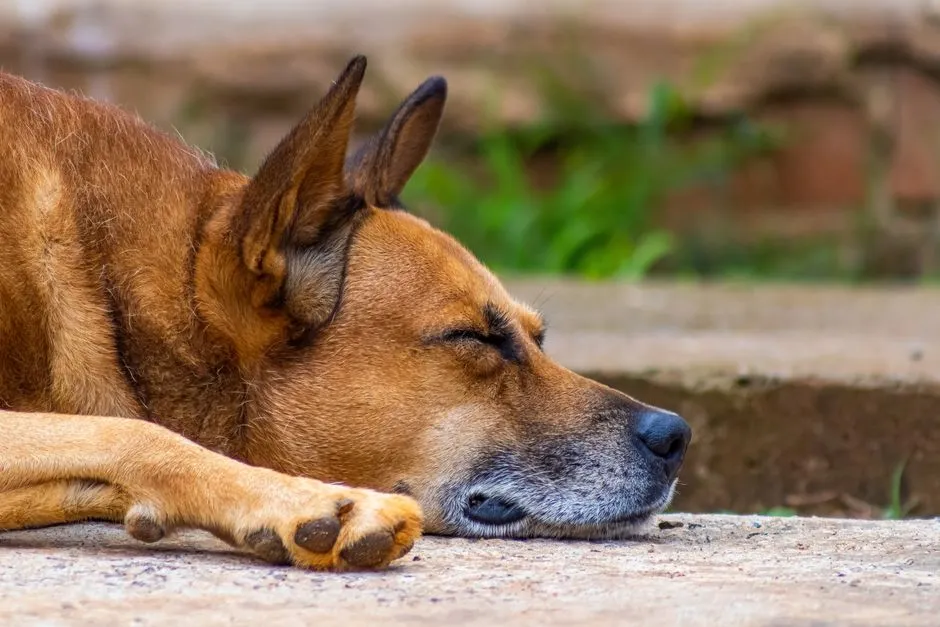
When a dog suddenly picks a new place to sleep, it can hit you in the feelings more than you expect. It is tempting to assume they do not like you as much or that you did something wrong. In reality, their new sleep spot is almost always a practical response to comfort, safety, or routine – not a silent judgment on your worth as a dog parent. The most grounded way to respond is to be curious, not panicked: look at temperature, noise, pain, stress, and recent changes in your home.
My own opinion is that these little shifts are actually a gift. They force us to slow down and notice our dogs more closely, to read the quiet ways they communicate their needs. If something seems off – like ongoing restlessness, clear pain, or major anxiety – it is worth talking to a vet or trainer. But if your dog seems content, relaxed, and healthy in their new chosen corner, respecting that choice is part of loving them well. After all, if you suddenly decided the couch was better than your bed, you would want the same freedom, right?

- 7 Reasons Your Dog Suddenly Chooses a Different Place to Sleep - August 24, 2026
- 9 Dog Behaviors That Look Stubborn but Often Have a Different Explanation - August 24, 2026
- 8 Quiet Things Dogs Do When They Want Reassurance Without Asking for Attention - August 24, 2026