
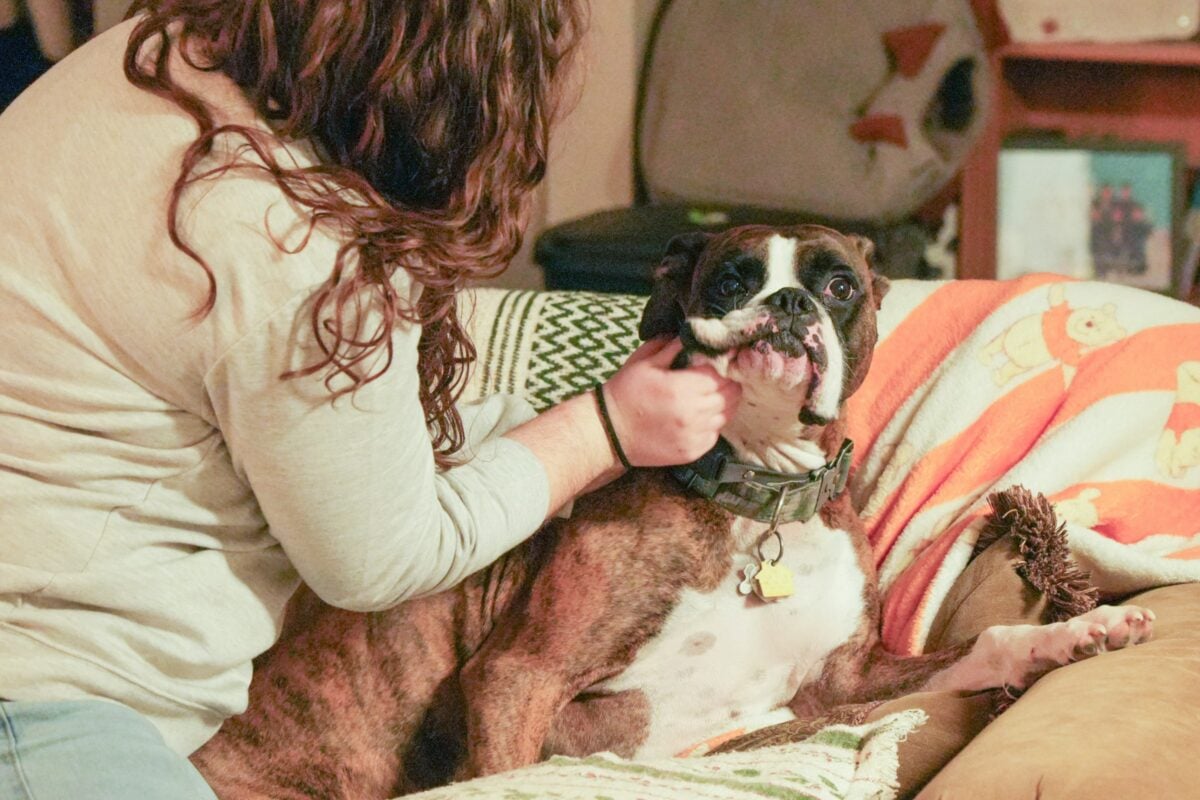
Most people assume dogs love everyone the same way, especially the friendly “grandpa” dogs that trot up to every stranger at the park. But behaviorists say something quieter happens in an old dog’s heart: they pick one human as their emotional home base, then build a private language that only that person understands.
The signs are subtle, easy to miss, and sometimes the exact opposite of what viral dog videos train us to look for. If you’ve ever wondered whether your senior dog has truly chosen you as its forever person, the real clues are quieter than you’d expect, and a few of them might catch you off guard.
#17 – They Don’t Panic, Because You’re Their Safe Anchor
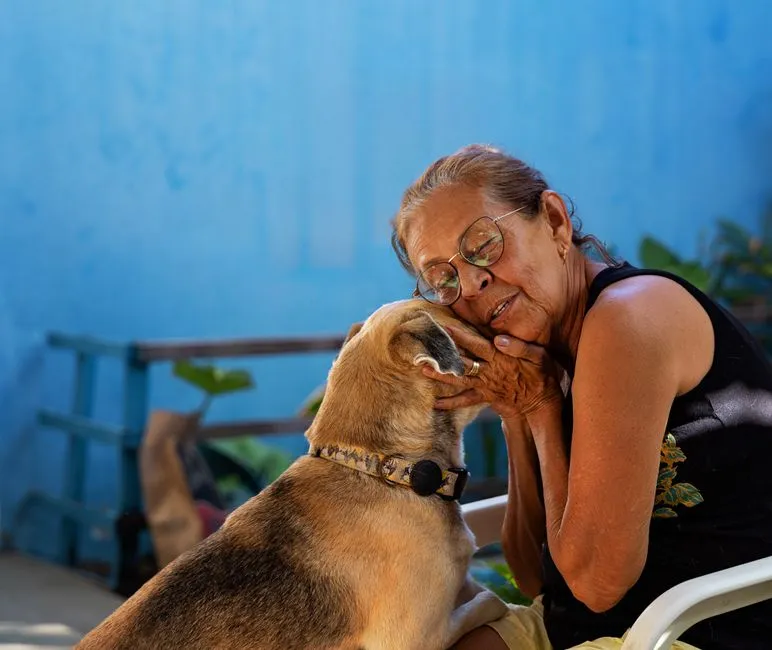
People assume a bonded dog will melt down every time you leave, but deeply attached senior dogs often do the opposite: they stay calm because they trust you’ll come back. That quiet confidence isn’t detachment, it’s security. They might watch you walk out, sigh, circle once, and settle into your favorite spot because your scent alone keeps them grounded until you return.
Notice how they react when you come home, too. There may not be wild zoomies anymore, but there’s that slow tail thump, the soft eye contact, the gentle lean against your legs. It’s not dramatic, but it’s deep, and it says something like, “You left. You came back. Of course you did.”
Fast Facts
- Dogs are typically considered “senior” around age 7, though large breeds often reach that stage earlier than small breeds.
- Reunions with a bonded person can trigger an oxytocin surge in dogs, the same “bonding hormone” tied to human relationships.
- Older dogs often sleep more overall, but lighter, easily interrupted sleep becomes more common with age.
- Separation-related stress in seniors frequently looks like stillness and watchfulness rather than classic destructive puppy panic.
#16 – Their Old Bones Still Follow You From Room to Room
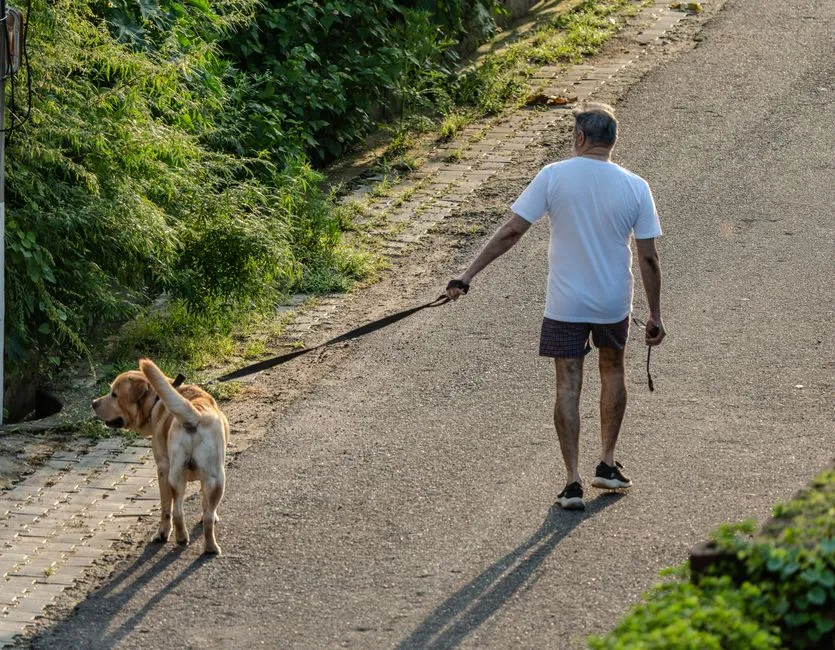
Senior dogs don’t waste energy. If they’re getting up on stiff hips just to trail you down the hall, they’re spending their limited comfort budget on you. They may not shadow you like a puppy, but they’ll quietly reposition themselves so you stay in their line of sight, by the couch, near the bathroom door, at the edge of your home office.
Watch the small movements: you switch chairs, they scoot to face you; you head upstairs, they pause, think it over, and climb anyway. Some dogs even “escort” you to bed or the door, then lie facing the entrance until you’re back in view. That intentional trailing isn’t clinginess, it’s commitment with a limp.
#15 – They Only Reach Deep Sleep When You’re Around
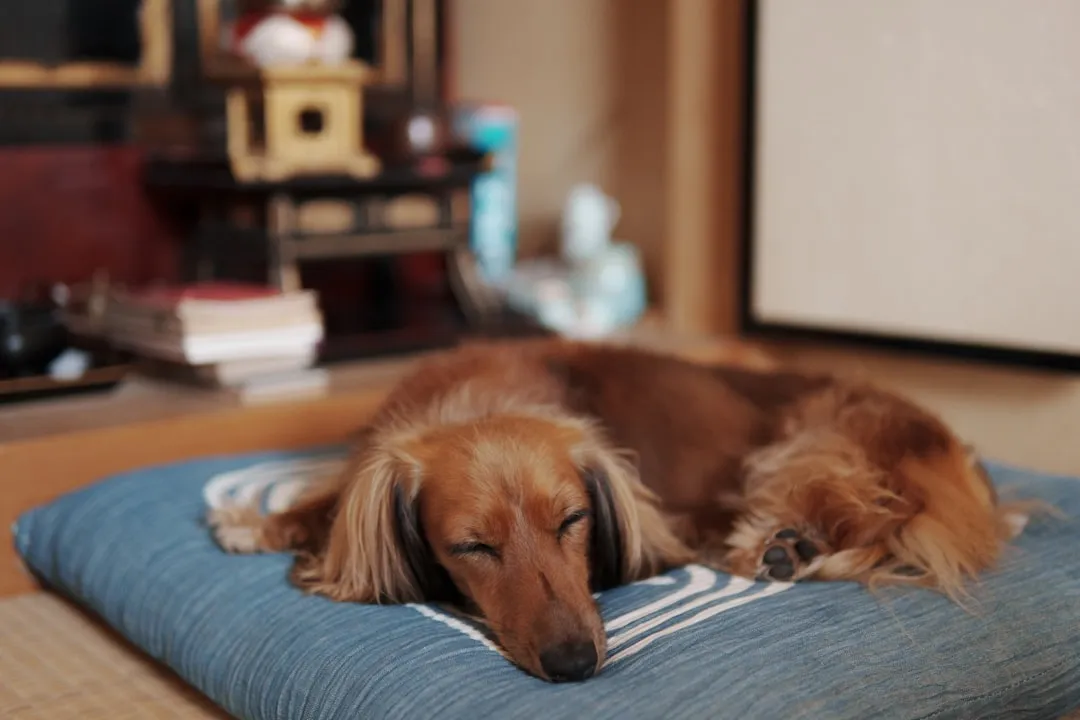
Older dogs are naturally lighter sleepers. Arthritis pain, hearing loss, and low-grade anxiety keep them half-alert through the night. But with their chosen human nearby, they finally let their guard all the way down, and you’ll see it: twitching paws, soft grumbles, deep snoring belly breaths.
Pay attention to where this happens. On nights you’re away, they might pace or sleep lightly near a doorway. When you’re home, they curl against your bed, your chair, or your feet and go completely limp. In dog language, sleeping that deeply near you says, “You’re in charge of safety now. I can finally rest.”
#14 – They Save Their Softest Eyes Just for You
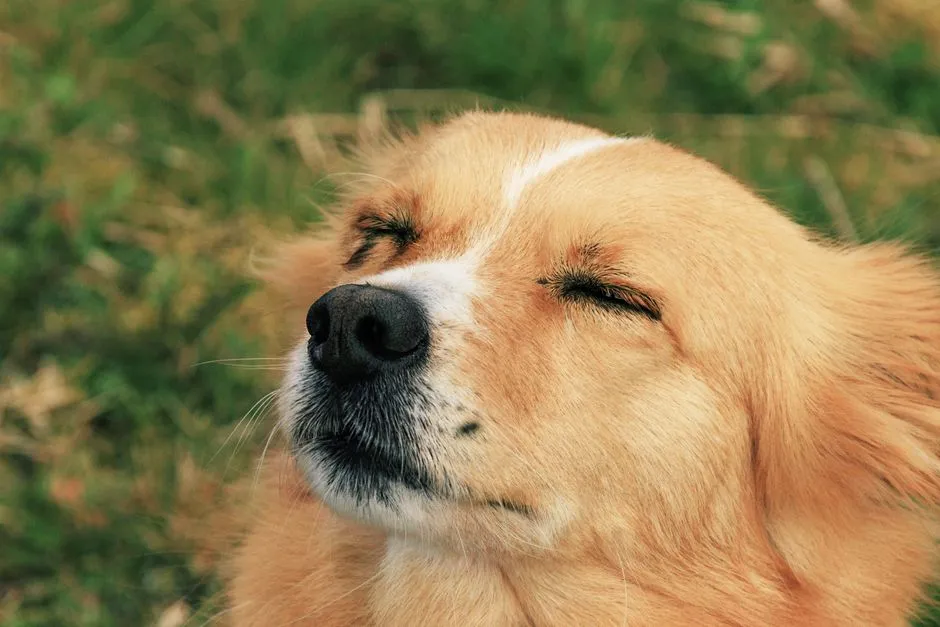
Contrary to internet myth, a dog that stares at everyone isn’t automatically “in love” with them. The real tell is who gets the slow, relaxed, blinky eyes and the quiet, lingering gaze. With their bonded person, senior dogs often gaze like they’re memorizing your face, soft eyelids, no tension in the brow.
Watch them check your face after something unusual happens, a loud sound, a guest arriving, a small argument in the house. They’re not just looking, they’re reading your emotional weather, and if you smile or speak calmly, they visibly relax. Most people chase cuddles as proof of love, but with an old dog, the eyes rarely lie.
#13 – Your Greeting Ritual Is Completely Different From Everyone Else’s
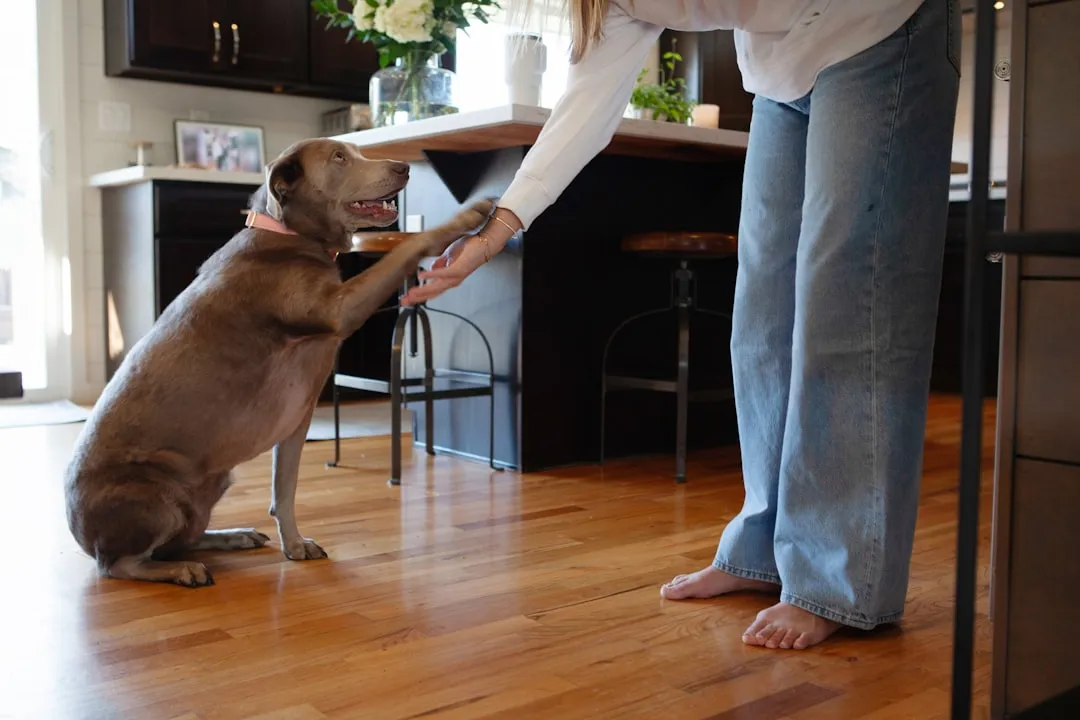
Plenty of dogs wag for anyone who walks through the door. But a senior dog usually has one greeting reserved just for their person, and it can be oddly specific: a certain toy they always fetch, a particular spin in place, a nose poke to your hand every single time you walk in.
Do they whine softly for you but never for guests? Do they do that slow, almost creaky full-body wag that starts at the shoulders and rolls down the tail? That ritual didn’t happen by accident. Over years, your dog built it with you, repetition after repetition, until it became your shared language for “You’re finally back.” Visitors get a generic hello. You get the whole ceremony.
#12 – They’ll Tolerate Real Discomfort Just to Stay Close
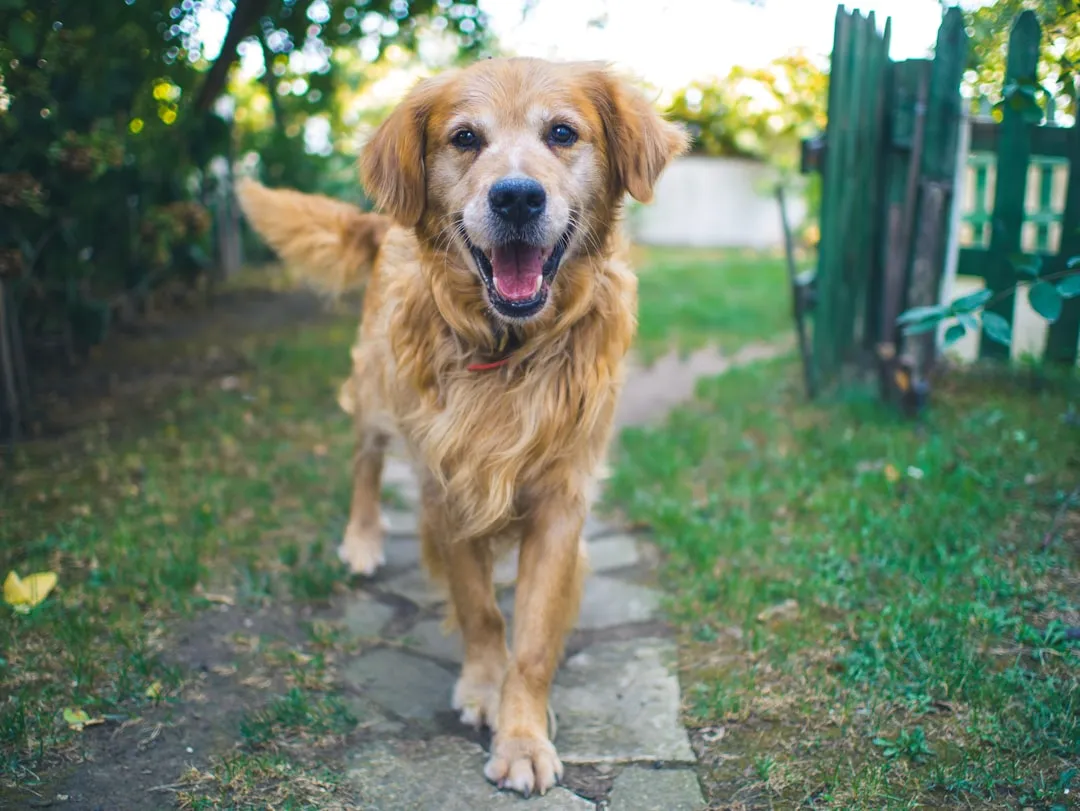
Senior dogs are brutally honest about what hurts. If a certain floor or position bothers them, they’ll simply stop using it, unless you’re there, and being near you is worth the ache. That’s one of the clearest, most underappreciated signs of a lifelong bond.
You might notice them hop onto a too-firm couch just because that’s where you watch TV, or insist on the bed even though jumping down is awkward now. Some will choose a hard floor beside your chair over a soft bed in the next room. This isn’t neediness, it’s a conscious, repeated decision that emotional closeness matters more than physical ease.
#11 – Your Voice Is the One Instruction They Still Trust
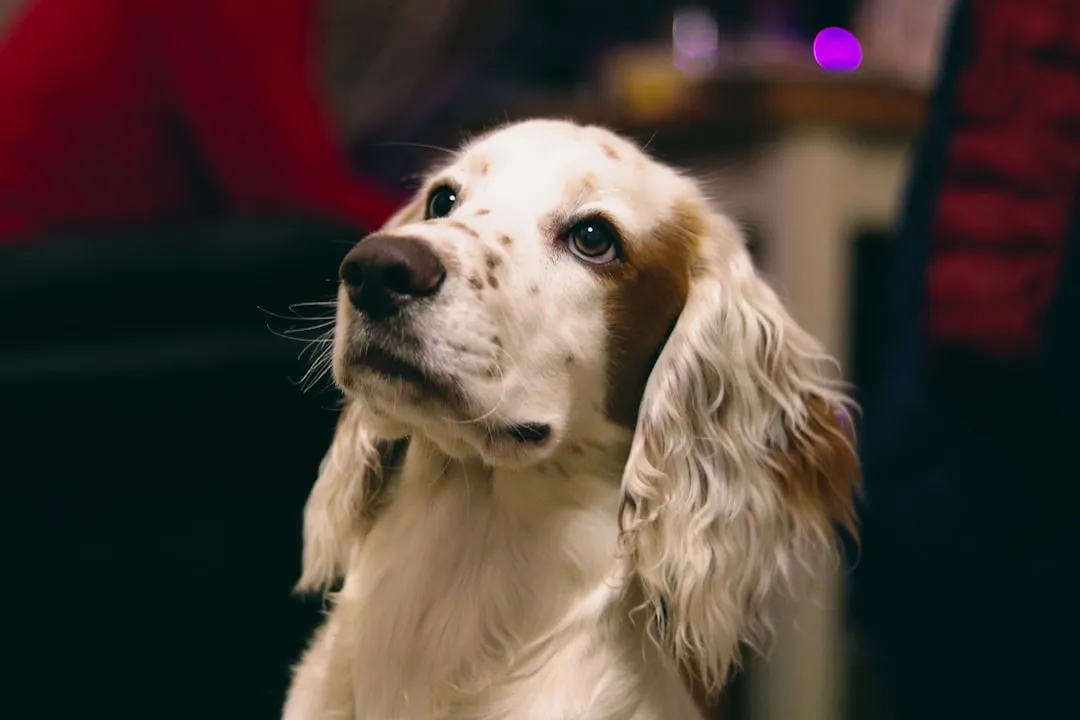
Here’s where people get defensive: your dog may listen better to you not because you’re “the alpha,” but because your voice is their most trusted instruction manual. As hearing fades, dogs filter out more background noise, yet they still pick up your tone, your footsteps, your specific way of saying their name.
When multiple people call, they drift toward you. When someone else gives a command and they seem confused, one quiet cue from you gets instant results. That’s not just training history, it’s emotional priority. In a room full of noise, yours is the voice they still bother to decode.
#10 – They Bring You the Objects That Matter Most to Them
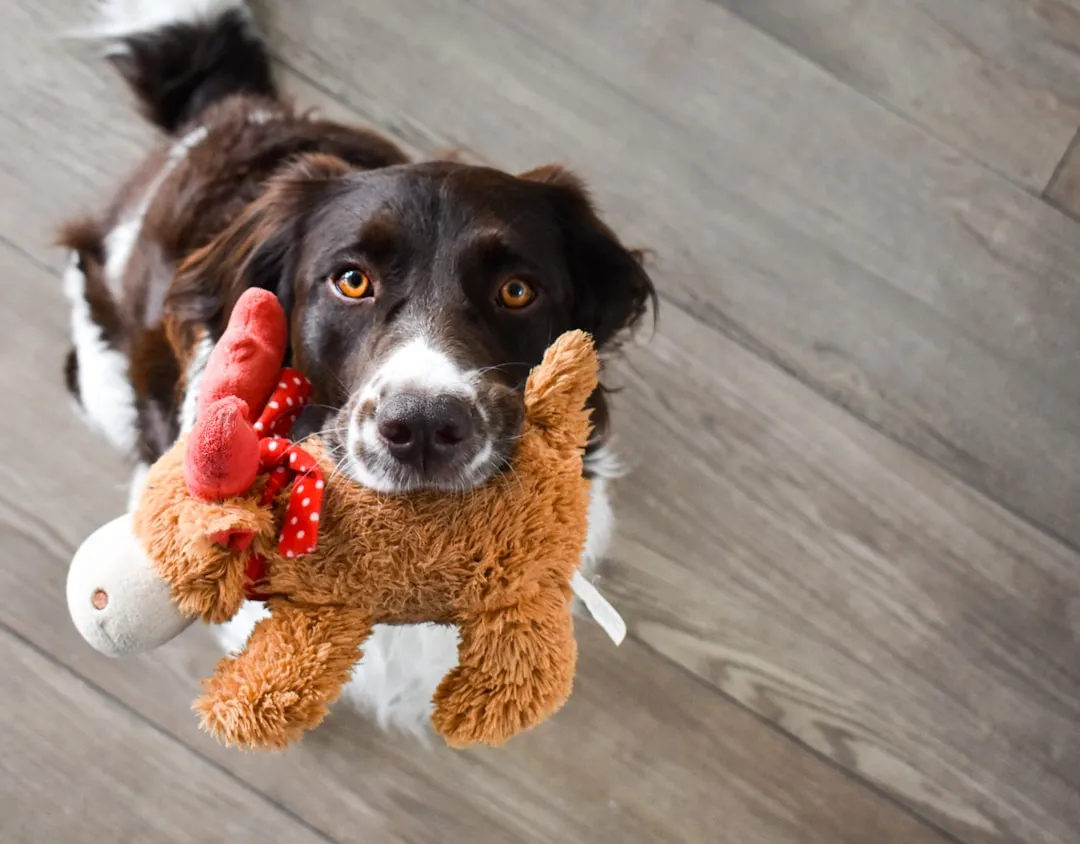
Senior dogs aren’t usually toy hoarders anymore; their energy is limited and their priorities have shifted. So when they still choose to bring you something, that item means more than you think. Maybe it’s a ragged old toy, a specific ball, a favorite blanket corner they only drop in your lap.
Sometimes it isn’t playful at all. It’s symbolic, a quiet “here, this is mine, and I’m sharing it with you.” Older dogs also deliver objects to the person they feel safest with when they’re unsure, like nudging you with a toy after a noise startled them. They’re using you as their decision-maker: “You handle this. You’re the one I trust.”
#9 – They Come Find You the Moment Something Feels Wrong
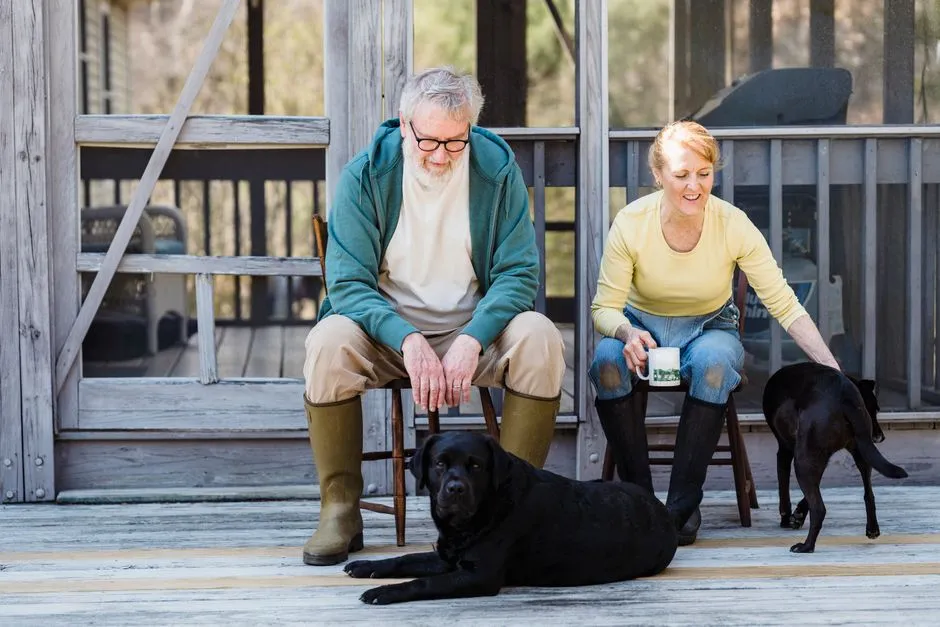
This is the one most owners don’t want to think about, but it’s powerful. When a bonded senior dog feels off, nauseous, sore, disoriented, they often quietly migrate toward their chosen human. They may not ask for pets. They might just lie at your feet, lean against your leg, or settle somewhere they can see you easily.
Dogs are not our whole life, but they make our lives whole.
Roger Caras
Dogs are wired to hide weakness, so this is a massive tell. Some will even wake you gently at night, a paw on your arm, breathing near your face, pacing until you notice. They’re not being difficult, they’re saying, “You’re the one I go to when I don’t feel right,” and for many senior dog owners, that vulnerable moment is the clearest bond marker of all.
#8 – Their Protective Streak Is Quiet, Not Dramatic
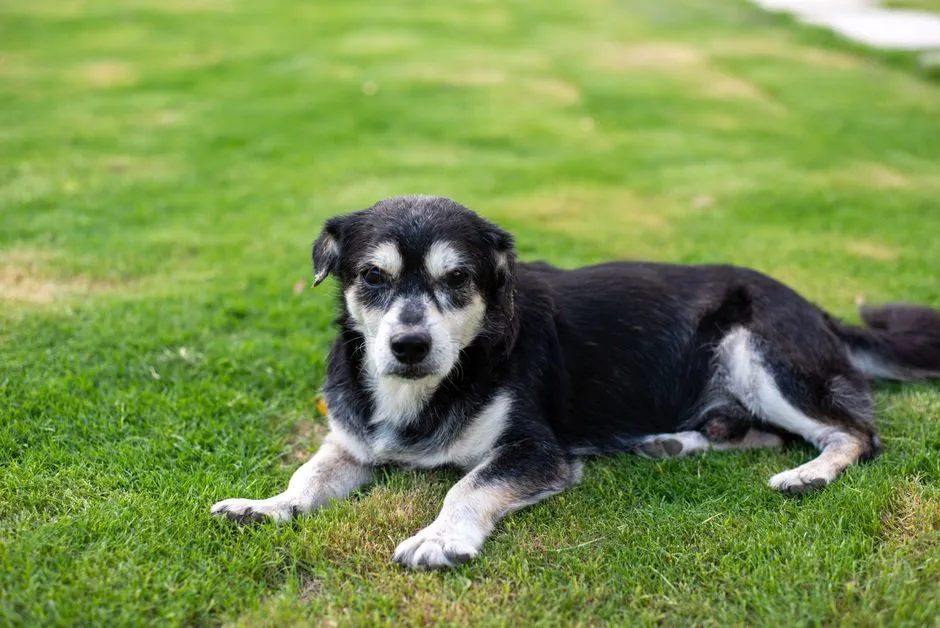
Social media loves dogs barking and lunging to “defend” their people. In real life, deeply bonded senior dogs usually show a quieter, more measured kind of protection. They subtly place themselves between you and a stranger, sit closer when a voice rises, or watch the door calmly when someone knocks.
Watch for body blocking, standing or lying where anyone approaching has to go through them first. No snarling, no theatrics, just a deliberate position between you and whatever feels uncertain. It doesn’t go viral, but it’s a lifetime of learning boiled down to one instinct: be here, between them and it.
Quick Compare
| Puppy Bonding Signs | Senior Dog Bonding Signs |
|---|---|
| Loud barking at strangers | Quiet body-blocking or repositioning |
| Frantic zoomies at reunions | Slow tail thumps and soft eye contact |
| Destructive anxiety when left alone | Stillness, watchfulness, and quiet pacing |
| Following everywhere at full speed | Deliberate, effortful trailing despite stiff joints |
#7 – They Sync Their Walking Pace to Match Yours
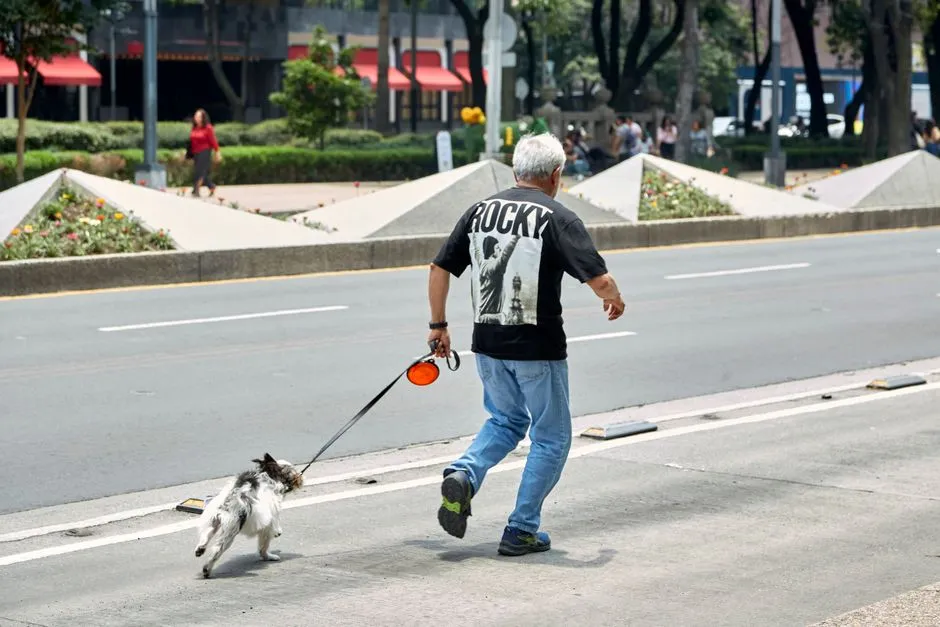
You can tell who a senior dog belongs to on a walk by who they pace with. A dog that has truly bonded for life will often sync their speed to their person’s natural rhythm, whether that’s brisk, slow, or somewhere in between, checking in constantly along the way.
Notice what happens when you stop. Do they freeze with you and glance up, waiting? If someone else is holding the leash, do they still look toward you for cues? That pacing partnership is a quiet, everyday love story, reserved for the one human who’s become their default teammate.
#6 – They Pick Your Scent Over an Actually Comfortable Bed
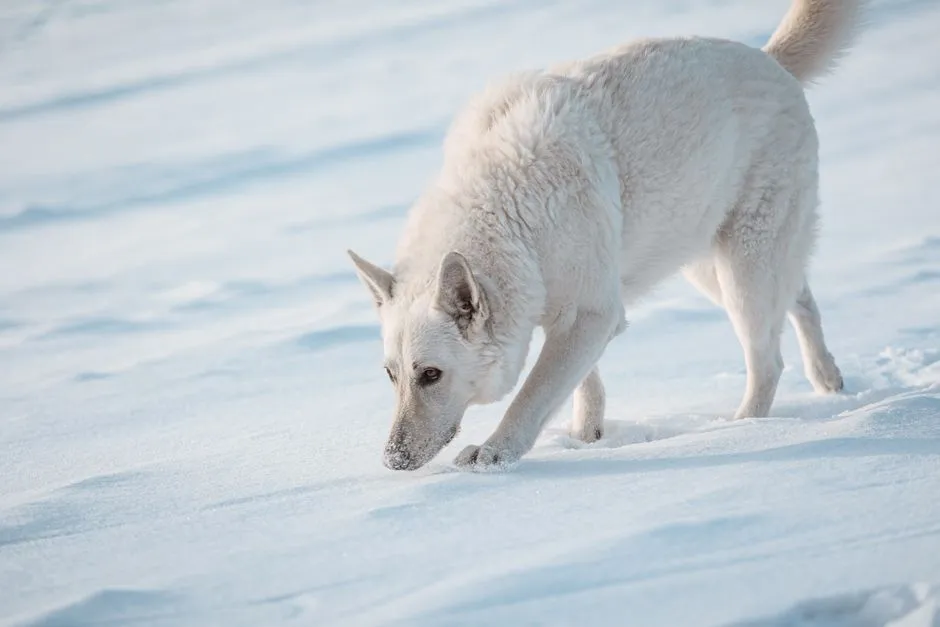
If your senior dog insists on lying on your dirty laundry, your spot on the couch, or the side of the bed that smells most like you, here’s the unromantic truth: your scent is their emotional security blanket. Dogs process the world primarily through smell, and older dogs lean on it even harder.
You could buy them the best orthopedic bed on the market, put it in a quiet corner, and they’ll still curl up on your old hoodie on the floor. That’s not a snub to the fancy bed, it’s a vote for you. Familiar human scent triggers reward centers in a dog’s brain, and to your senior dog, your smell equals safety, history, and home.
At a Glance
- Dogs have roughly 300 million scent receptors, compared to about 6 million in humans.
- The part of a dog’s brain devoted to analyzing smell is proportionally far larger than in humans.
- Familiar human scent can activate reward-related brain regions in dogs, similar to reactions seen with food.
- Older dogs often lean on scent even more heavily as eyesight and hearing decline.
#5 – They Keep Circling Back to You in Unfamiliar Places
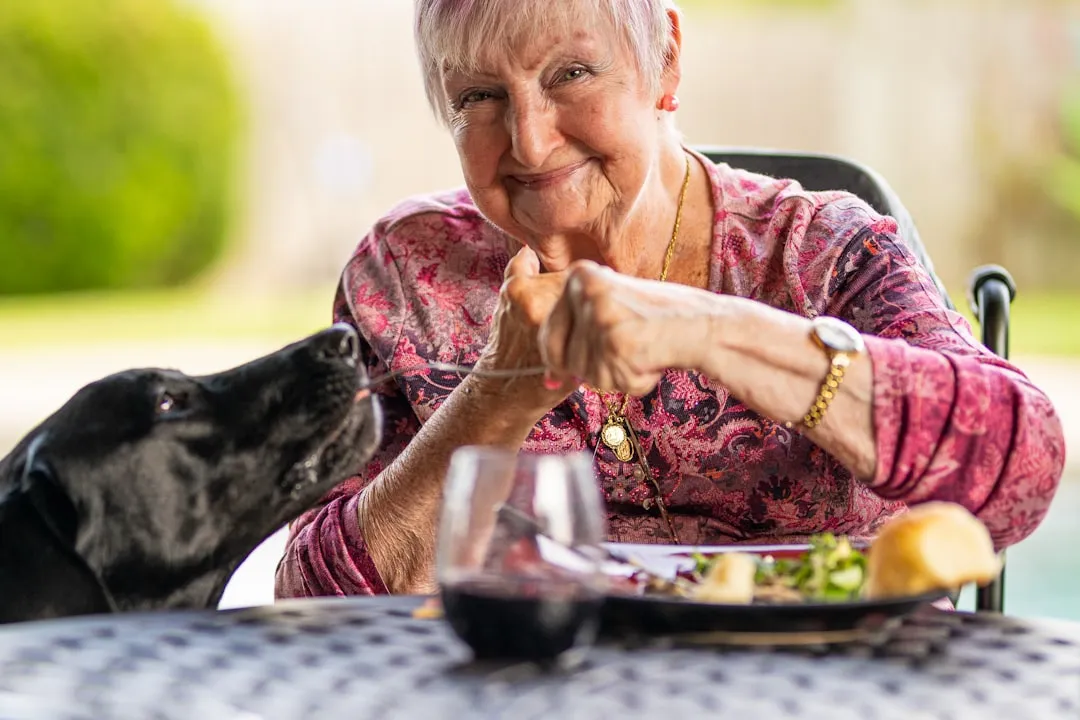
Take a senior dog somewhere new, the vet, a friend’s house, an unfamiliar park, and watch their eyes and feet. A dog that has truly bonded for life will keep circling their awareness back to you: a quick nose tap to your leg, a glance into your eyes, a brief lean before they explore again.
These micro check-ins are your dog’s way of asking, “Is this okay? Are we okay?” They’re more cautious than puppies and more aware of their own limits, so they lean on the relationship you’ve built instead. Dogs without that deep attachment either blast around recklessly or shut down completely. Bonded seniors use you as their anchor point in the middle of the chaos.
#4 – They Build Their Entire Day Around Your Routines
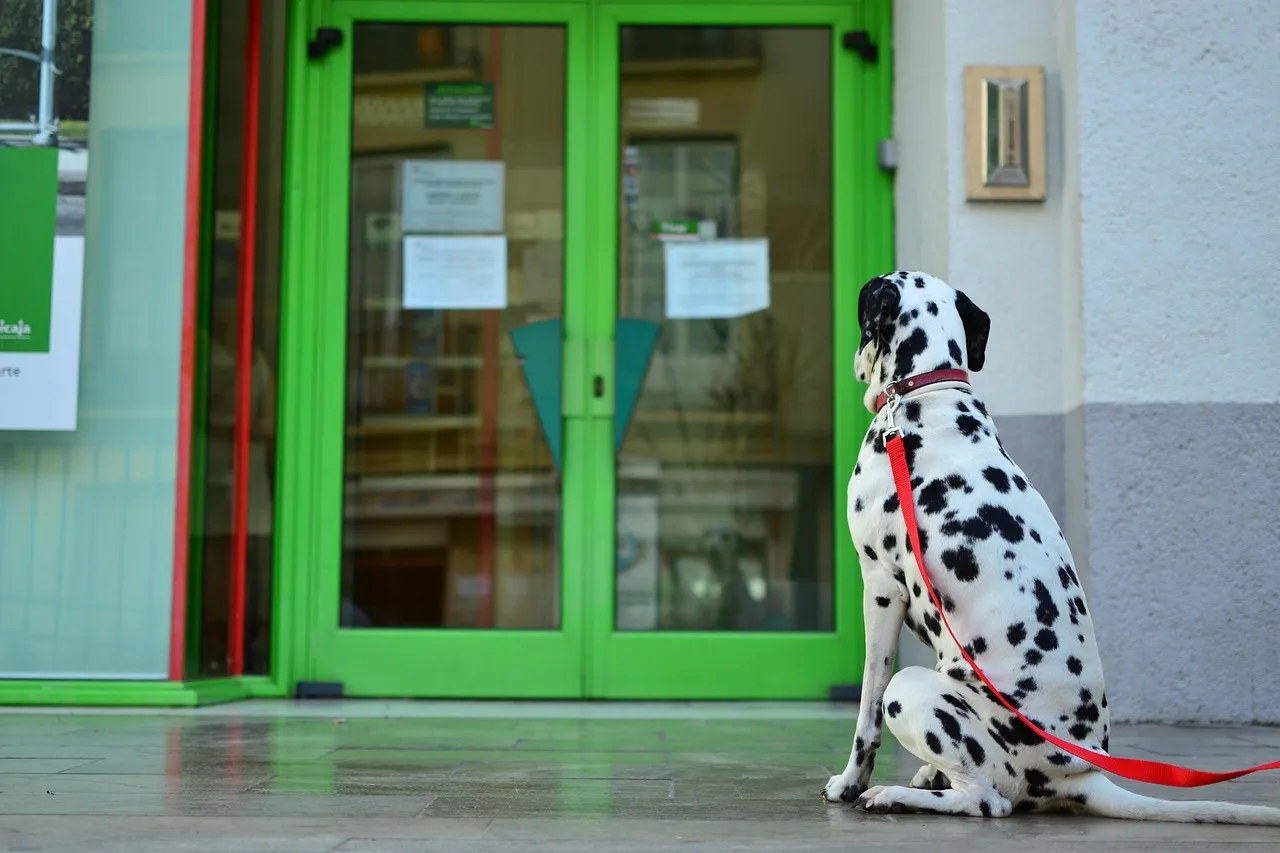
By their senior years, most dogs have studied your patterns so closely that they move their whole day around your habits. They know when you usually wake up, when the house goes quiet, when you reach for your keys, and instead of fighting those rhythms, they fall into step with them.
Maybe they wait by the door ten minutes before you’re usually home. Maybe they wander into the kitchen right at your coffee time, or bring you a toy the moment your workday ends. This isn’t mind-reading, it’s long-term observation fueled by affection, and a dog simply won’t invest that much attention in decoding someone they don’t deeply care about.
#3 – They Let You, and Only You, Handle Their Weakest Moments
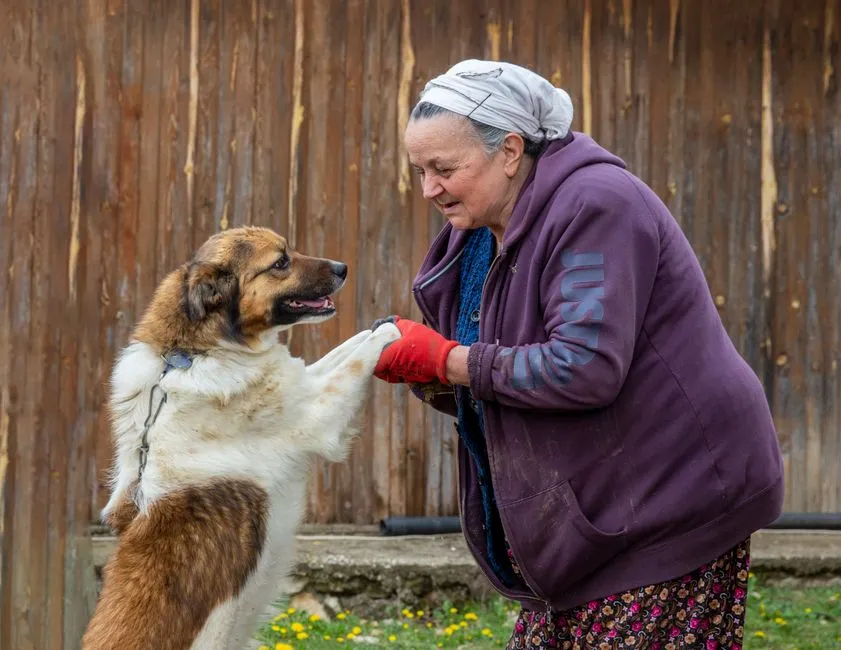
Older dogs can be surprisingly proud. Many hate being lifted, restrained, or fussed over by strangers, yet with you, they’ll often let you handle their most vulnerable moments, cleaning their eyes, checking sore paws, supporting their hips up the stairs, even giving them medicine they clearly hate.
If they pull away from others but lean into you on slippery floors or uncertain stairs, that’s not just convenience, it’s a conscious choice: “If anyone’s holding me when I’m unsteady, it’s you.” Some seniors will even position themselves beside you before something hard, like stepping into a car, as if to say, “Okay, I’ll let you help me through this.” That’s about as intimate as dog trust gets.
Worth Knowing
- Arthritis and joint pain are extremely common in senior dogs, often affecting mobility on stairs and slippery floors.
- Many older dogs mask pain instinctively, so behavior changes are often the first visible clue something’s wrong.
- Routine senior wellness checkups help catch pain and illness earlier, before it becomes obvious at home.
- Letting a trusted person handle grooming or medicating can meaningfully reduce a senior dog’s stress.
#2 – They Stay Glued to You Through Your Hardest Seasons
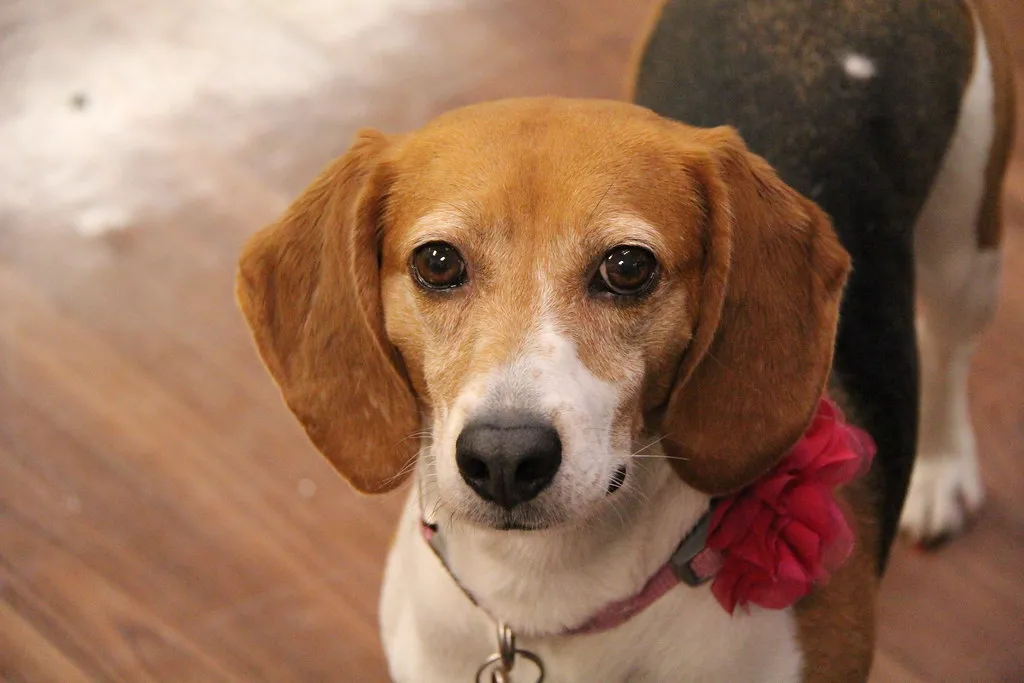
Dogs may not understand words like “job loss” or “divorce,” but they’re brutally tuned into mood shifts and household tension. A senior dog fully bonded to one person will often change their own behavior during your hardest stretches, napping closer, following more, watching you with that unblinking, searching gaze.
You might notice them climb onto the couch more on the days you cry, or curl up beside you when you’re sick and barely move except to inch closer. Some become noticeably less playful with others, almost as if they’ve gone “on duty” for you instead. People argue over whether dogs sense emotion, but anyone who’s had a senior dog shadow them through grief already knows the answer.
#1 – When Their World Shrinks, You’re the One Thing They Still Choose
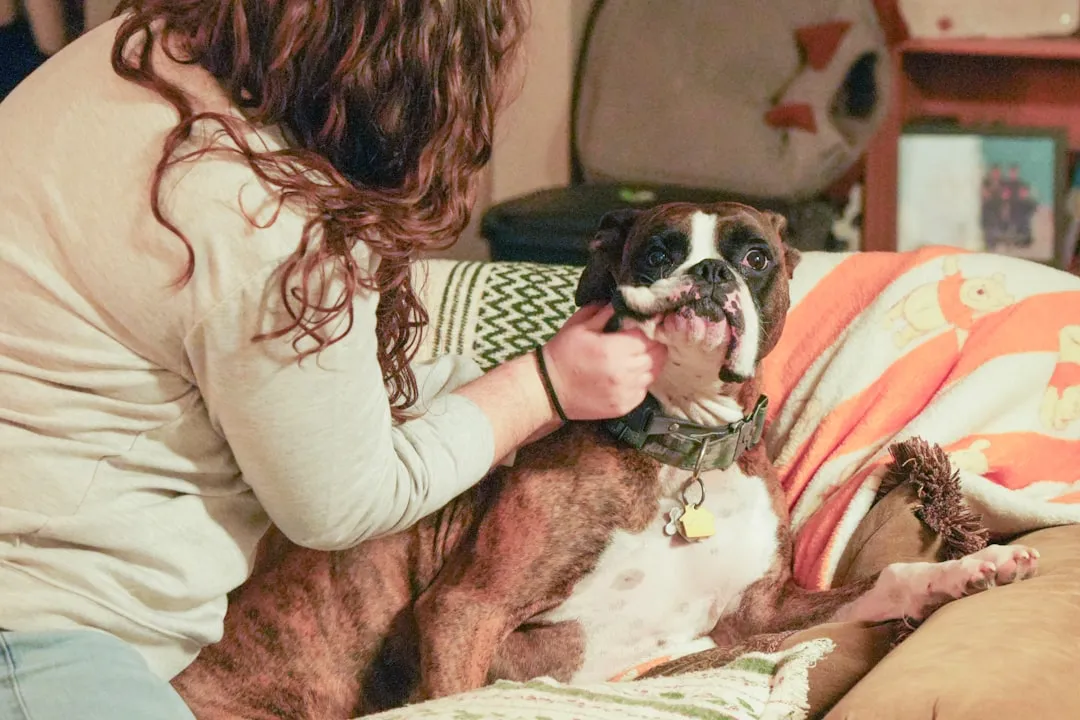
In the final years, a dog’s world gets smaller. Fewer walks, fewer people, less energy to spare. And yet, in that shrinking circle, the one constant they orbit around is usually a single person. They may ignore visitors they once adored, skip play with other pets, even lose interest in treats from strangers, but they still perk up, however slightly, when it’s you.
Maybe the tail only thumps once now. Maybe they just lift their head when you walk in. But they notice you specifically, settle deeper when you sit down, eat better when you hand them the bowl, and grow calmer just knowing you’re home, even if you’re doing nothing but breathing in the same room. In those small, quiet choices, your senior dog is making one loud statement: out of everyone in their entire life, you are the one they’re staying with until the very end.
The Bottom Line
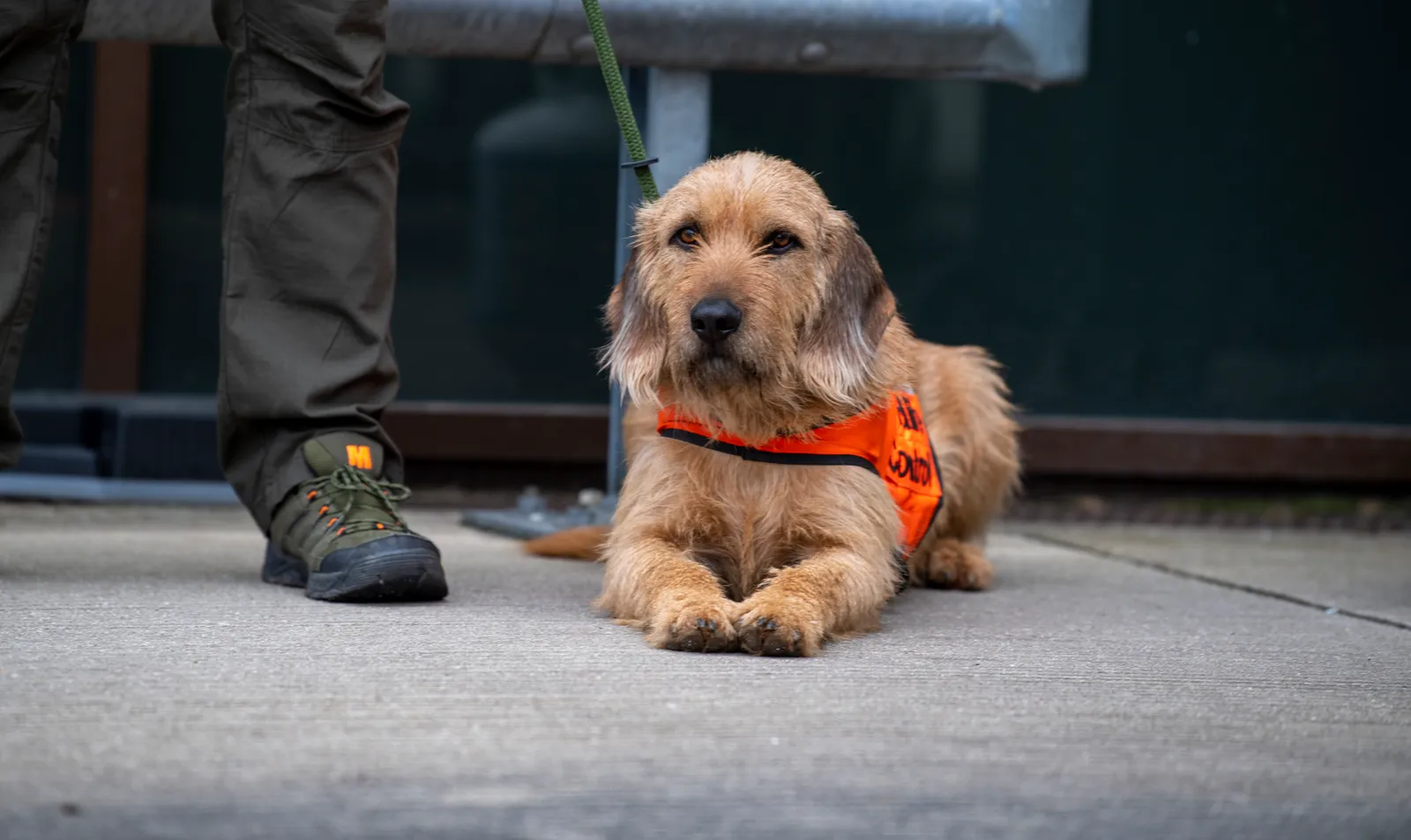
Most people look for the loud, Instagram-worthy signs of love, big jumps, endless kisses, over-the-top “protection.” But with senior dogs, the truth is quieter and far more honest: the dog that has bonded to you for life shows it in where they spend their limited energy, attention, and comfort.
They choose your room when they hurt, your scent when they’re anxious, your voice when they’re confused, your side when the world feels too big. Not everyone wants to hear this, but it’s true: sometimes the dog that isn’t “the most fun” anymore is the one who loves you the most.
If you recognized your own dog in these quieter, older-dog habits, you’re not just a pet owner, you’re home base for a soul that picked you, thoroughly and permanently. Did we miss a sign your senior dog shows you? Drop your story in the comments, this is the one topic where the small, quiet details matter most.
