

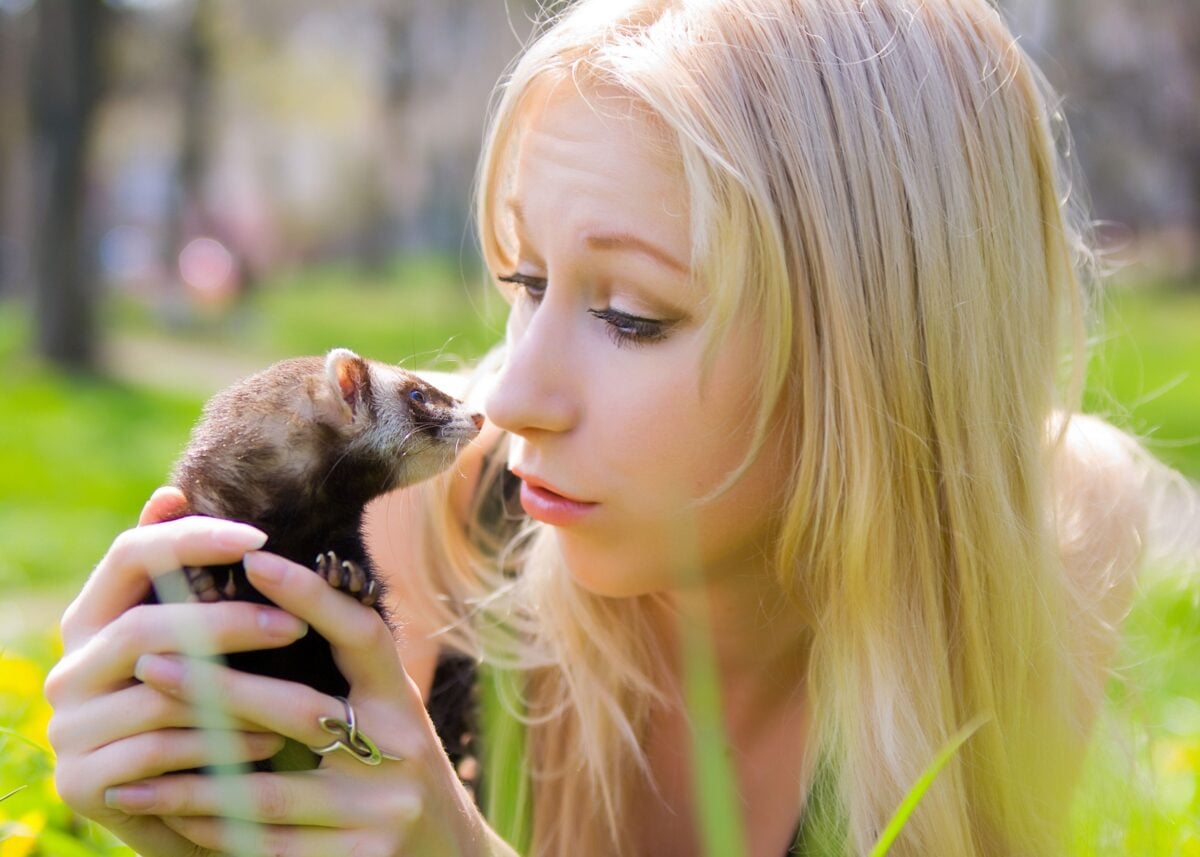
You’ve probably absorbed the idea that emotional bonding is basically a mammal privilege – something reserved for dogs on the couch, cats on your lap, maybe a horse nuzzling its favorite rider. It’s a tidy little belief. It’s also falling apart under the weight of actual research.
Crocodiles that remember a single rescuer for over two decades. Goldfish that pick your face out of a room full of strangers. Spiders that let their own babies eat them alive as a final act of care. This isn’t a blooper reel of animal weirdness – it’s a pattern scientists keep tripping over, whether they want to admit it or not. Here are 24 animals that prove attachment isn’t a mammal monopoly, and a few of them will wreck every “cold-blooded” joke you’ve ever made.
#1 – Crocodiles That Refuse To Leave “Their” Humans
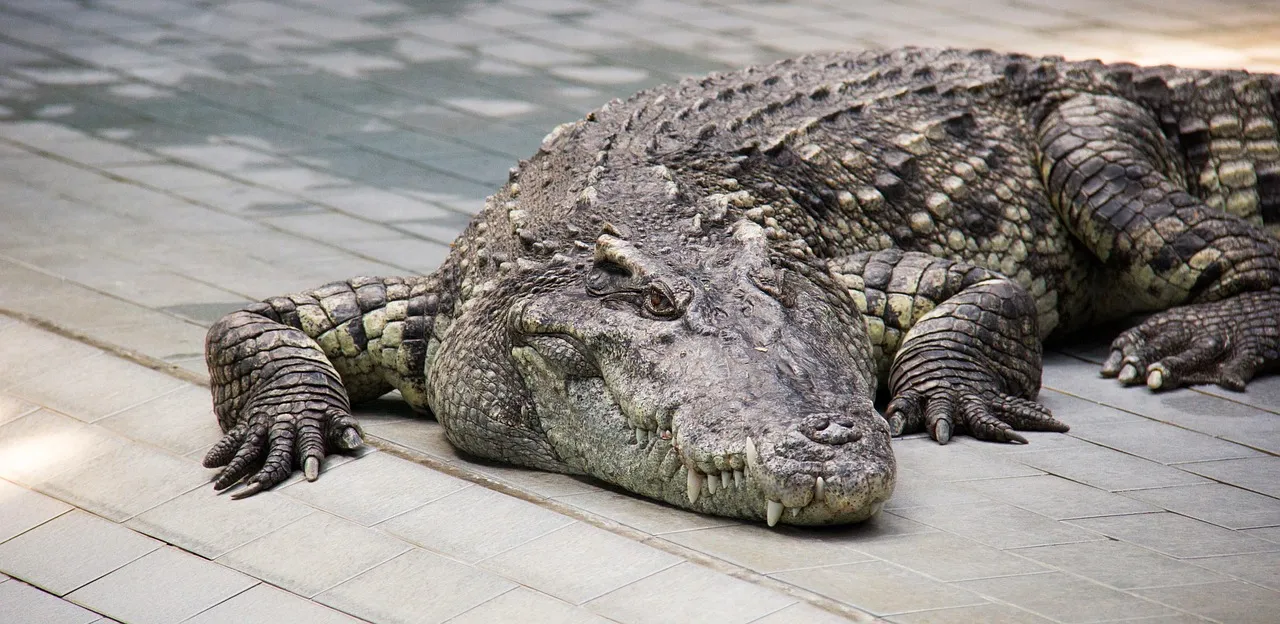
Most people assume crocodiles are pure prehistoric killing machines, not creatures capable of real bonds. But there are documented cases of crocodiles recognizing and repeatedly seeking out specific humans who once helped or raised them. One Costa Rican crocodile famously returned to the same man for over 20 years after being rehabilitated.
He’d swim beside it, pet it, even rub its belly in a river where the animal could have vanished at any point. Herpetologists argue this isn’t just food association – the reptile tolerated closeness that would get anyone else killed, and it consistently chose that one man over strangers. Biologists still flinch at the word “bond,” but a 20-year friendship with an animal built to kill in seconds is hard to explain away as coincidence.
#2 – Octopuses That Pick Favorite People
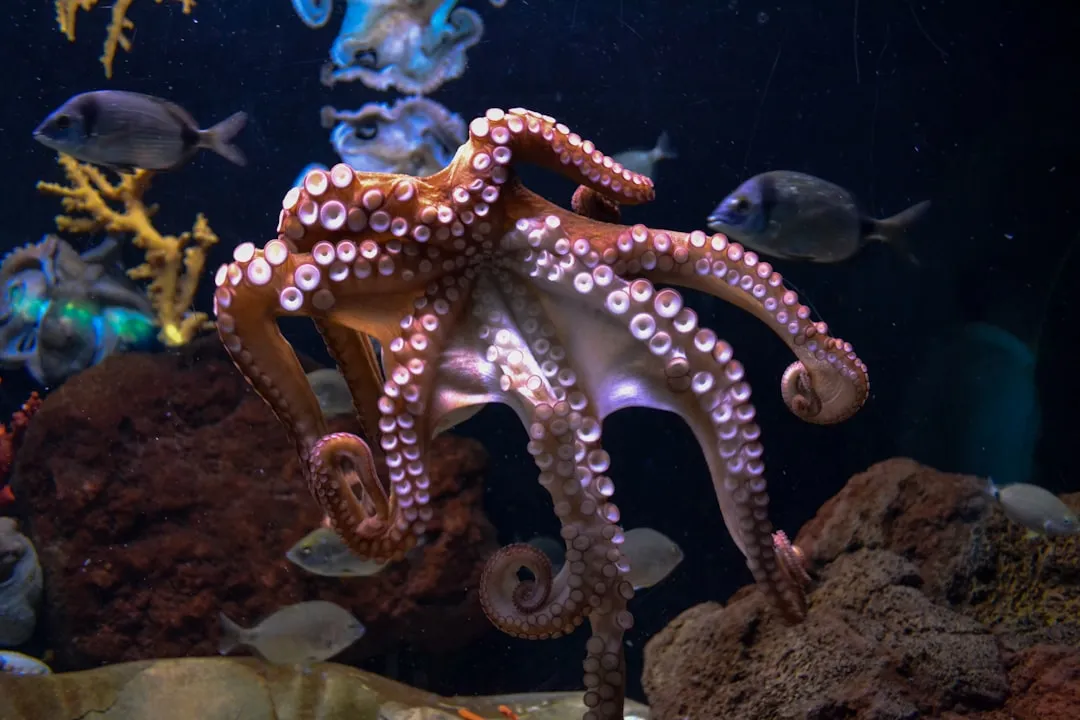
Ask most people to picture an octopus and they’ll say “slimy alien” before they ever say “affectionate.” Yet aquarium keepers quietly admit a secret: many octopuses clearly prefer certain humans and actively avoid others. Some swim right over to “their” person, brighten in color, and offer their arms – while jetting ink or retreating the moment a different staff member walks up.
In controlled settings, octopuses have been observed touching, exploring, and even gently “holding” favored humans’ hands far more than would be explained by feeding cues alone. Others play keep-away, stealing toys and returning them like mischievous dogs. Scientists suspect their huge brains and solitary lifestyles push them to latch onto the rare safe social contact they get – which flips the script entirely on the ocean’s strangest invertebrate.
Why It Stands Out
- Octopuses have three hearts and blue, copper-based blood instead of red, iron-based blood.
- Roughly two-thirds of their nervous system lives in their eight arms, not their central brain.
- A single arm can taste, grip, and react to a threat without ever “checking in” with the brain.
- Most species live only one to two years, so any bond they form with a person is built on borrowed time.
#3 – Tortoises That Follow Their Humans Like Dogs
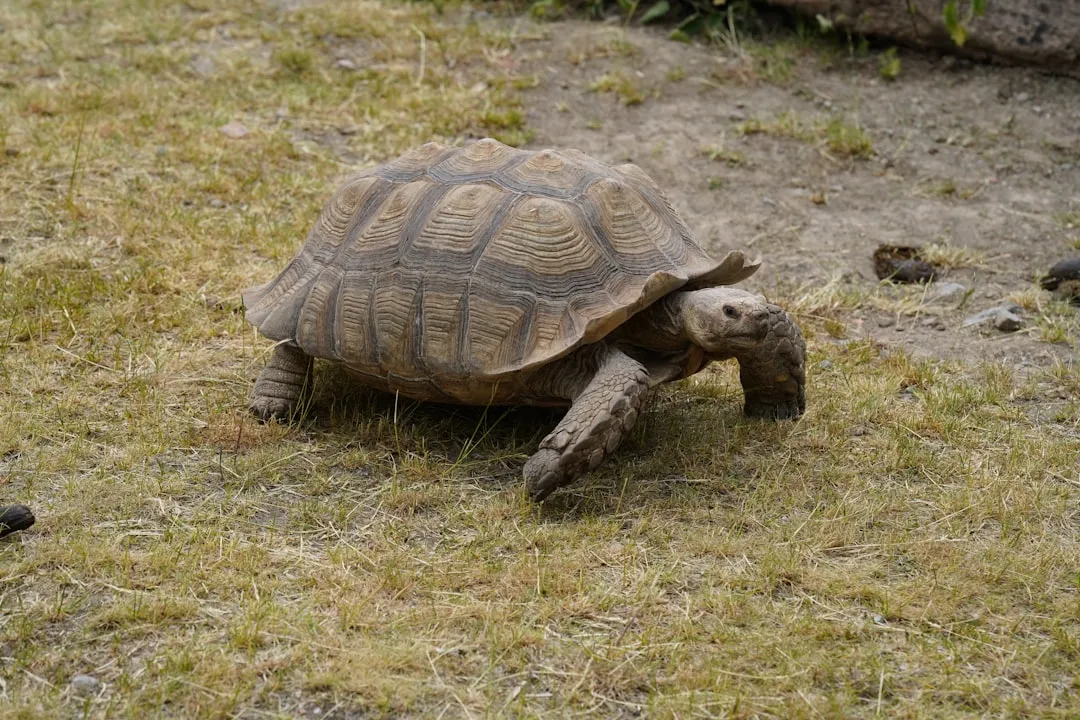
We tend to see tortoises as slow, indifferent lawn ornaments that barely register we exist. Long-term keepers know better. Some individuals will follow a particular person from room to room or across a yard, ignoring everyone else. They bump legs, nudge for chin scratches, and wait by the door around the time their person usually gets home.
Is it just food? Partly, maybe. But plenty of owners report their tortoise seeking closeness with zero feeding pattern attached – showing up during quiet reading time, resting beside a chair for an hour with nothing to gain. These reptiles also show real distress when abruptly re-homed or separated, which is a strange thing for a brain we’ve spent decades calling “simple.”
#4 – Cows That Mourn Their Friends
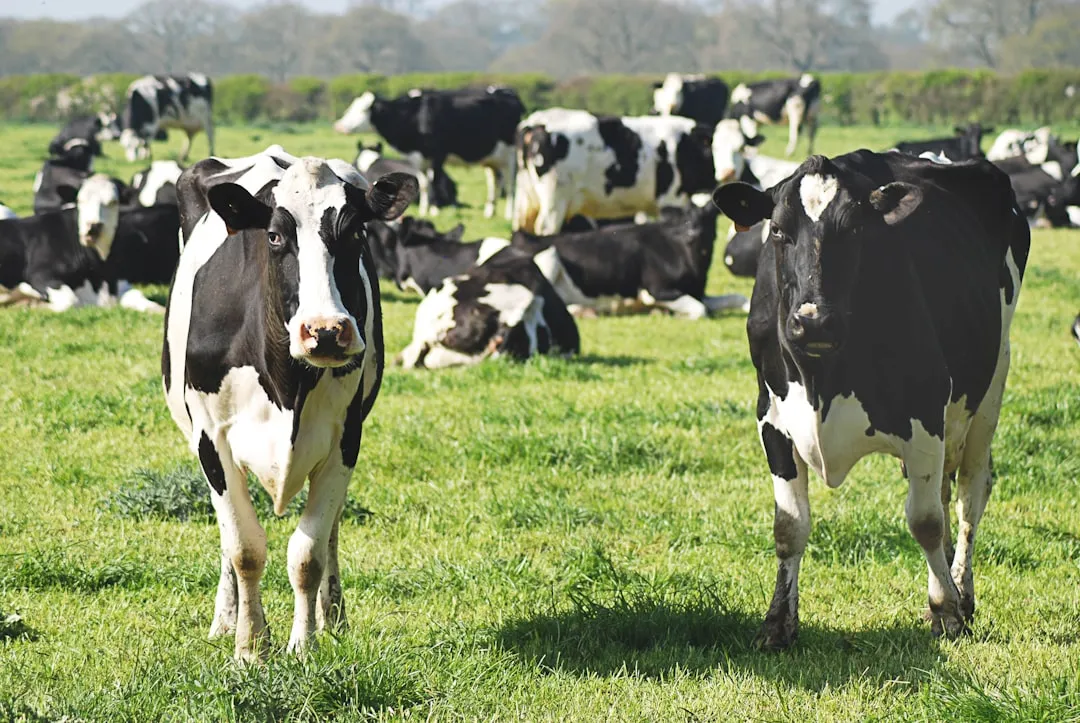
We talk about “dumb cows” like they’re interchangeable units. That’s becoming scientifically embarrassing. Ethologists now recognize that cows form stable, long-term friendships and show visible distress when separated from specific companions. Some pace, bellow, or stop eating when their preferred partner is removed – even while still surrounded by the rest of the herd.
Studies on dairy herds show individuals consistently choose the same few friends to lie down with, groom, and explore new spaces alongside. Heart rate and stress hormone data back up what farmers have quietly observed for decades: cows calm down around their favorites and visibly unravel when those animals disappear. You don’t have to stop eating burgers to admit it – this is selective social bonding, uncomfortably close to what we’d call friendship in anything else.
#5 – Goldfish That Actually Know Who You Are
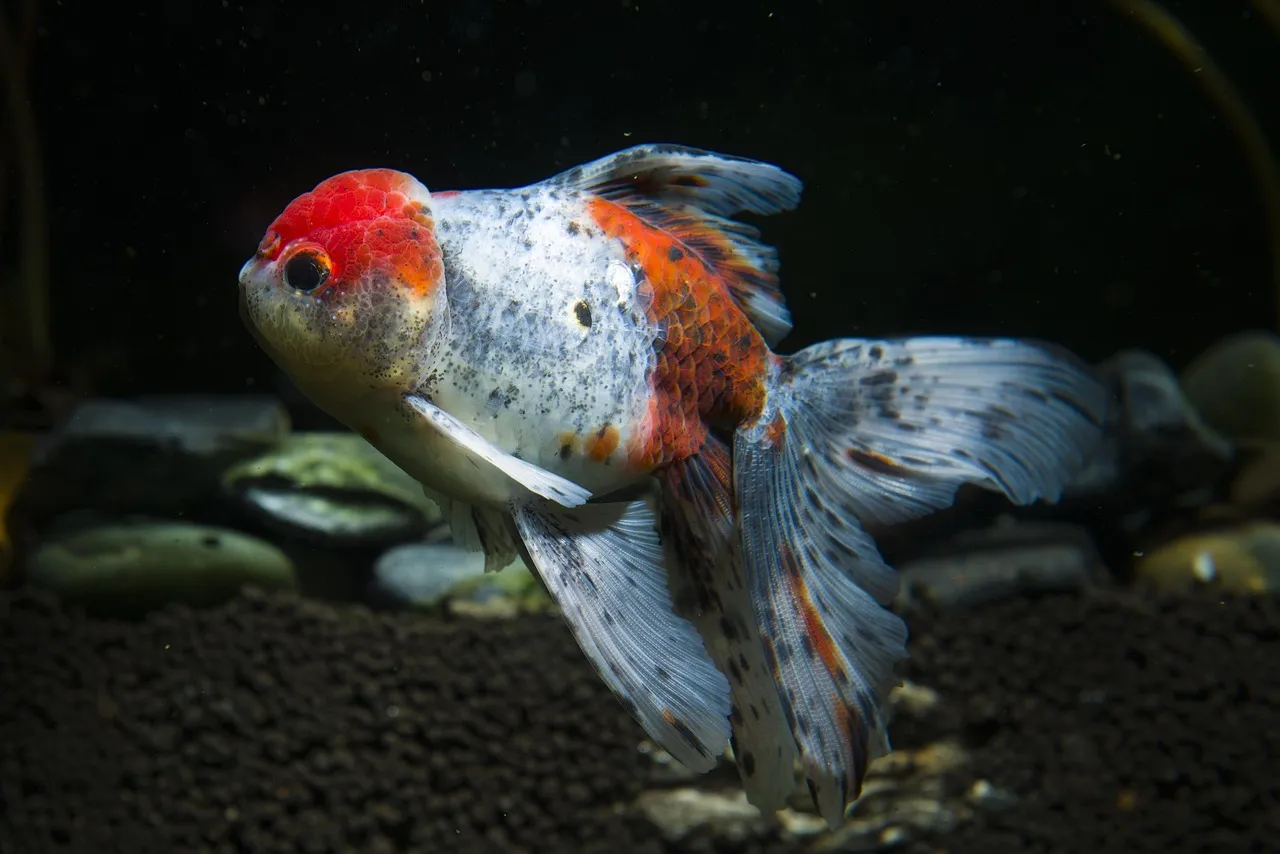
The running joke is that goldfish forget everything every three seconds. Reality is almost the opposite. Behavioral experiments show goldfish can remember human faces, recognize shapes and colors, and retain training for months. Many reliably swim toward the face that usually feeds them, and ignore unfamiliar people even when those strangers are closer to the glass.
Some long-term keepers report their goldfish approaching the tank front and tracking a specific person’s movement, getting visibly more active when that individual is nearby – even when no food ever shows up. That’s not “love” in the human sense, but it is targeted recognition and consistent preference, which happens to be the scientific backbone of attachment. Using goldfish as the poster child for forgetfulness says more about our laziness than their brains.
#6 – Pigeons That Mate for Life (And Act Like It)
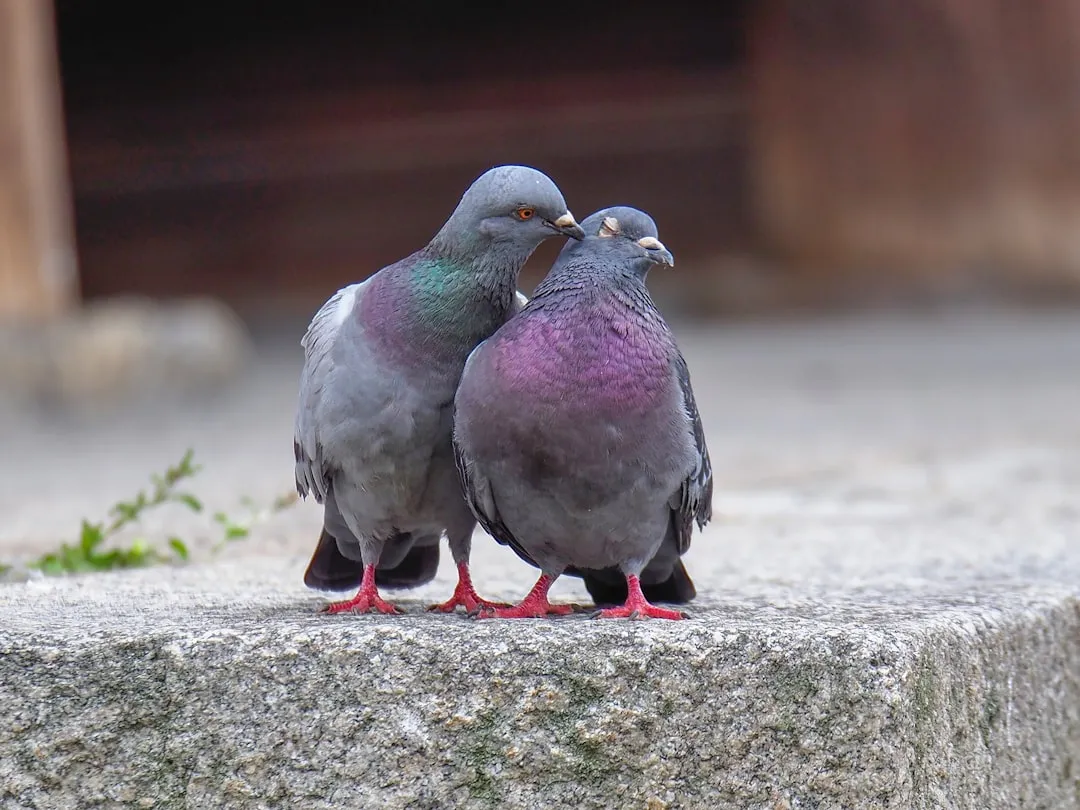
Urban pigeons get treated like flying rats, but their personal lives are surprisingly intense. Many pigeon species are socially monogamous, forming strong pair bonds that can last for years – sometimes effectively for life. Bonded pairs preen each other, share nesting duties, and coordinate feeding like a practiced team.
When one bird disappears, the other often visibly searches, calls, and grows restless. Pigeon racers claim their birds fly better when stable partners are waiting at home, and worse after a mate has been lost. We glorify swans for loyalty and completely ignore the same behavior happening on our own sidewalks every day.
Fast Facts
- Homing pigeons can navigate back to their loft from hundreds of miles away using a mix of magnetic, visual, and scent cues.
- Bonded pairs typically split incubation duty into shifts, trading nest-sitting several times a day.
- Racing pigeons have been clocked averaging near 50 miles per hour on long flights home.
- Many pairs stay together for the rest of the bird’s breeding life, not just a single season.
#7 – Snakes That Seem To Miss Their Handlers
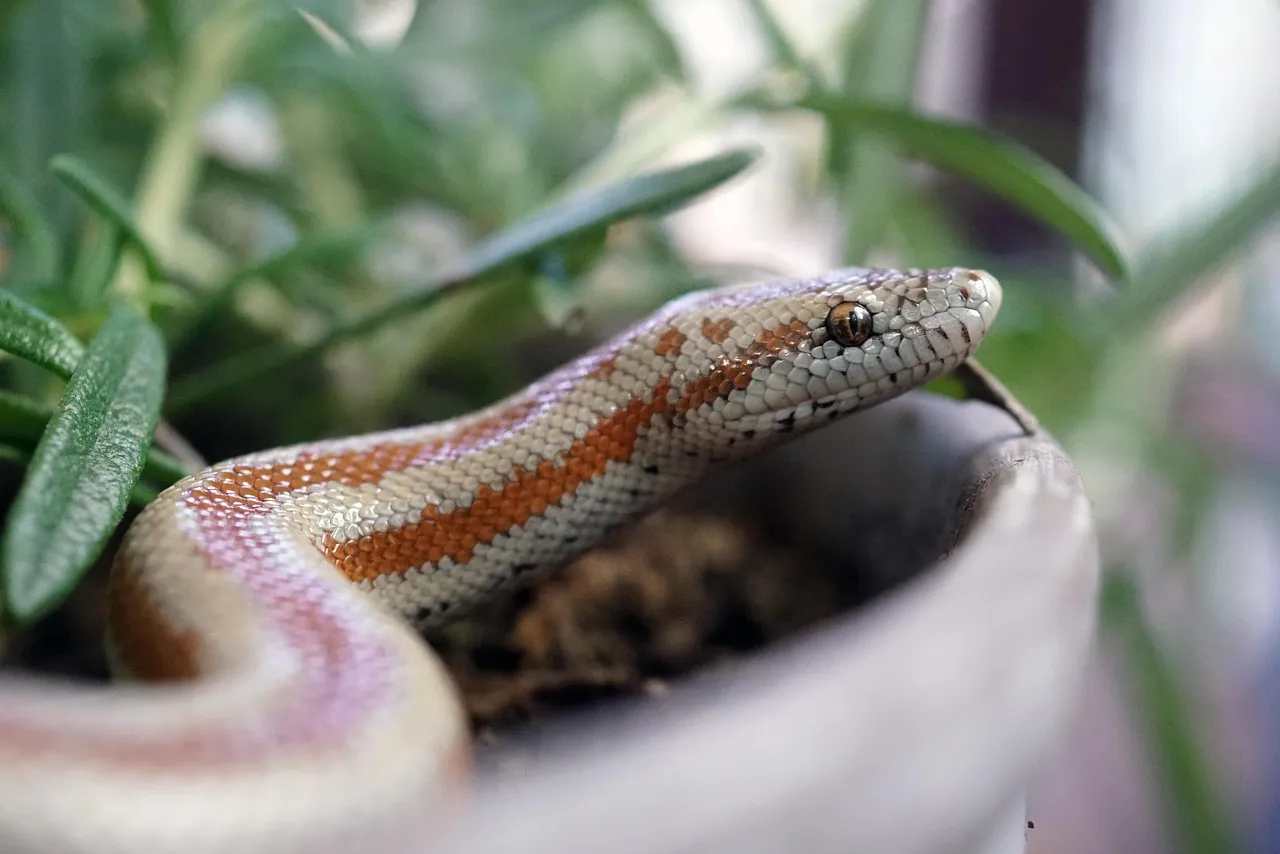
Snakes get painted as cold, emotionless symbols of betrayal. Yet many experienced keepers quietly insist some individual snakes show a clear preference for one human over others, especially when handled gently from a young age. Certain pythons and boas grow noticeably calmer and more exploratory in the hands of “their” person, while staying wary with strangers.
There are cases of re-homed snakes refusing food, hiding constantly, and staying defensive for weeks – only to relax dramatically when handled by a familiar prior caretaker. Most researchers are careful to call this basic comfort and familiarity rather than Hallmark-level love. But attachment, in the clinical sense, is really just safety and proximity preference – and by that measure, some snakes qualify more than we’d like to admit.
#8 – Parrots That Treat You Like a Mate
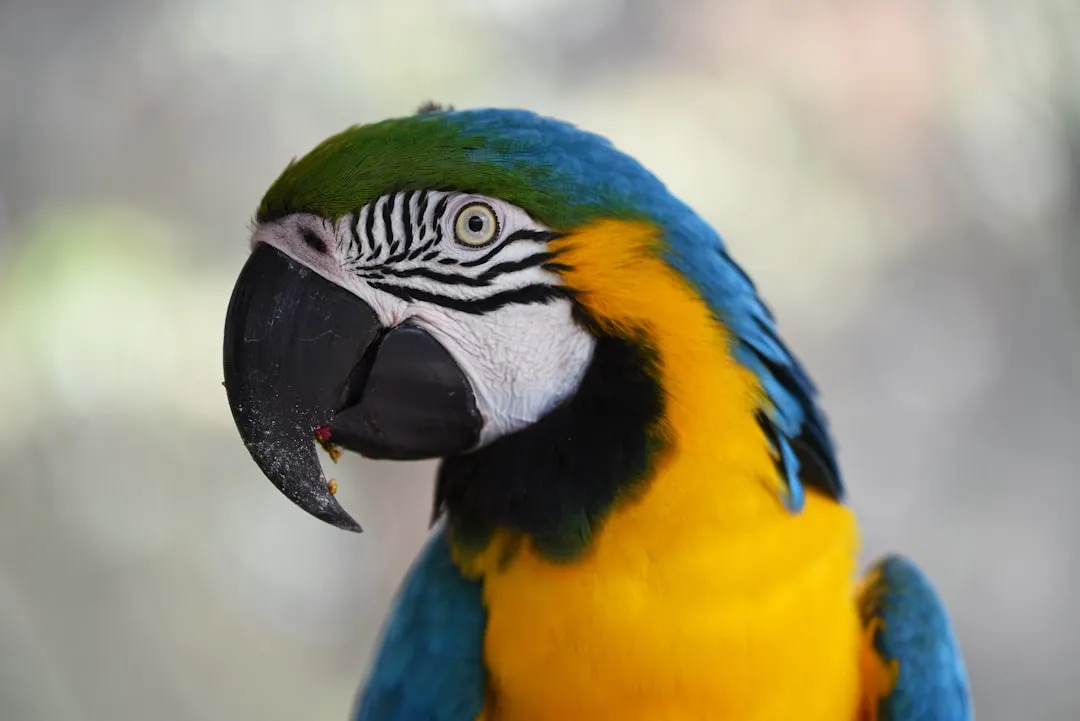
Parrots aren’t “talking decorations.” They’re long-lived, deeply social, and frankly intense. In captivity, many parrots imprint on one person and behave as if that human is their chosen partner. They beg for attention, scream when that person leaves the room, and may attack anyone else who gets too close – classic jealous, pair-bond behavior.
This isn’t cute; it’s serious attachment. Some parrots pluck their own feathers or self-harm when separated from their favorite human, and reunited birds have been seen screaming and dancing with excitement after long absences. Behaviorists warn this “super bond” can be devastating for the bird if life circumstances change – when a 70-year-old creature treats you as its lifelong mate, you’re not a pet owner, you’re its entire social universe.
#9 – Goats That Run to Their “Best Friend”
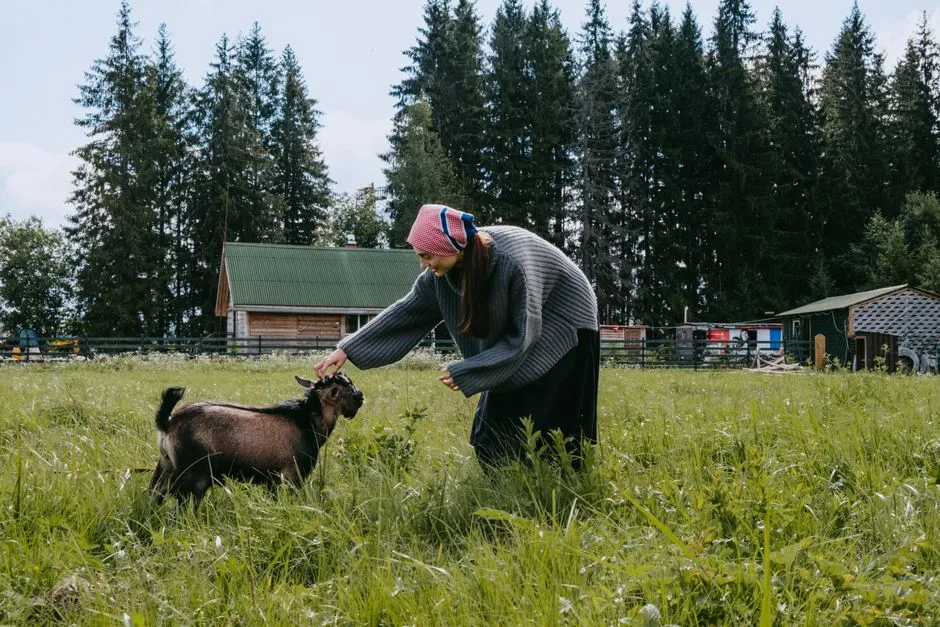
Most people only think about goats when a yoga video goes viral. Meanwhile, research shows they’re quietly forming selective friendships and human attachments that look suspiciously dog-like. In controlled tests, hand-raised, kindly treated goats consistently chose to approach their familiar caregiver over strangers, especially when facing a problem they couldn’t solve alone.
Some goats bleat, paw, or stare directly at their person for help – very similar to what dogs do. Out in the pasture, they form tight-knit subgroups, and when a close companion is removed, you’ll see pacing, vocalizing, and heightened vigilance. We’ve used goats as props and lawnmowers for years, but the science says they’re capable of complex, enduring attachments too.
#10 – Chickens That Choose Favorite Humans
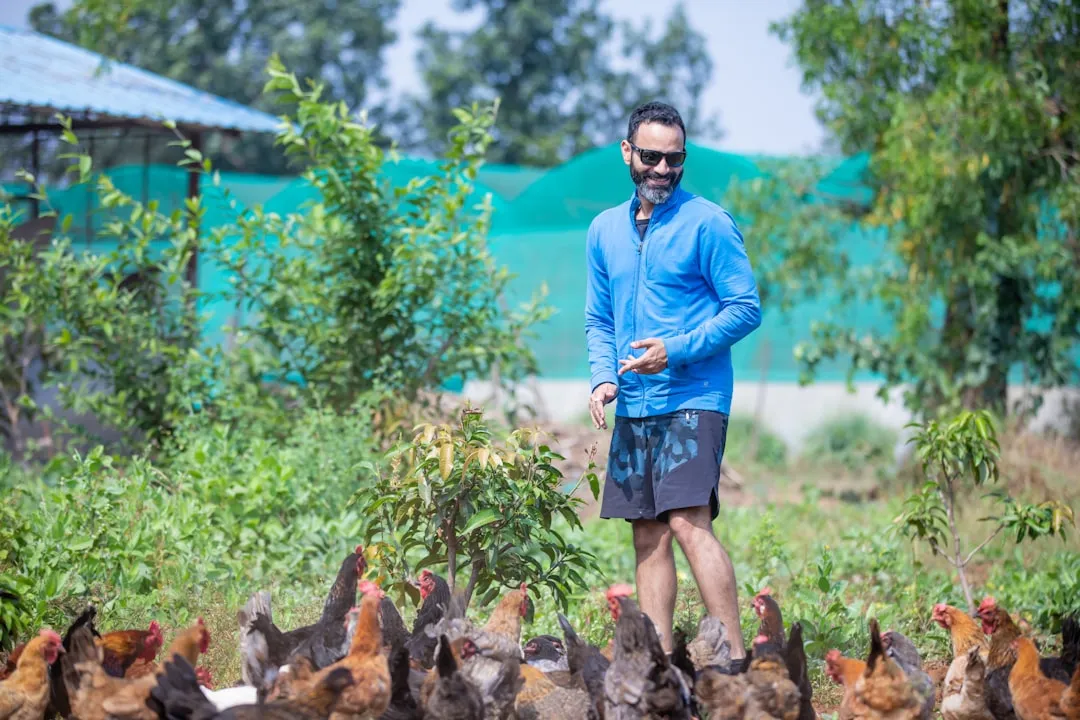
Chickens are still dismissed as brainless farm equipment, which is increasingly absurd. Studies and keeper reports show chickens can recognize dozens of individual faces – including humans – and remember them for long periods. Some birds reliably run to, follow, and even jump onto the lap of “their” person while ignoring anyone else who walks into the coop.
Backyard keepers often notice certain hens sticking close during chores, vocalizing softly, and tolerating handling only from one or two people. Birds that have been chased or grabbed roughly will avoid that specific human long after the fact – which is exactly what a lasting social memory looks like. For an animal we’ve written off as food on legs, that’s one of the more uncomfortable truths on this list.
#11 – Ducks That Imprint… and Never Really Stop
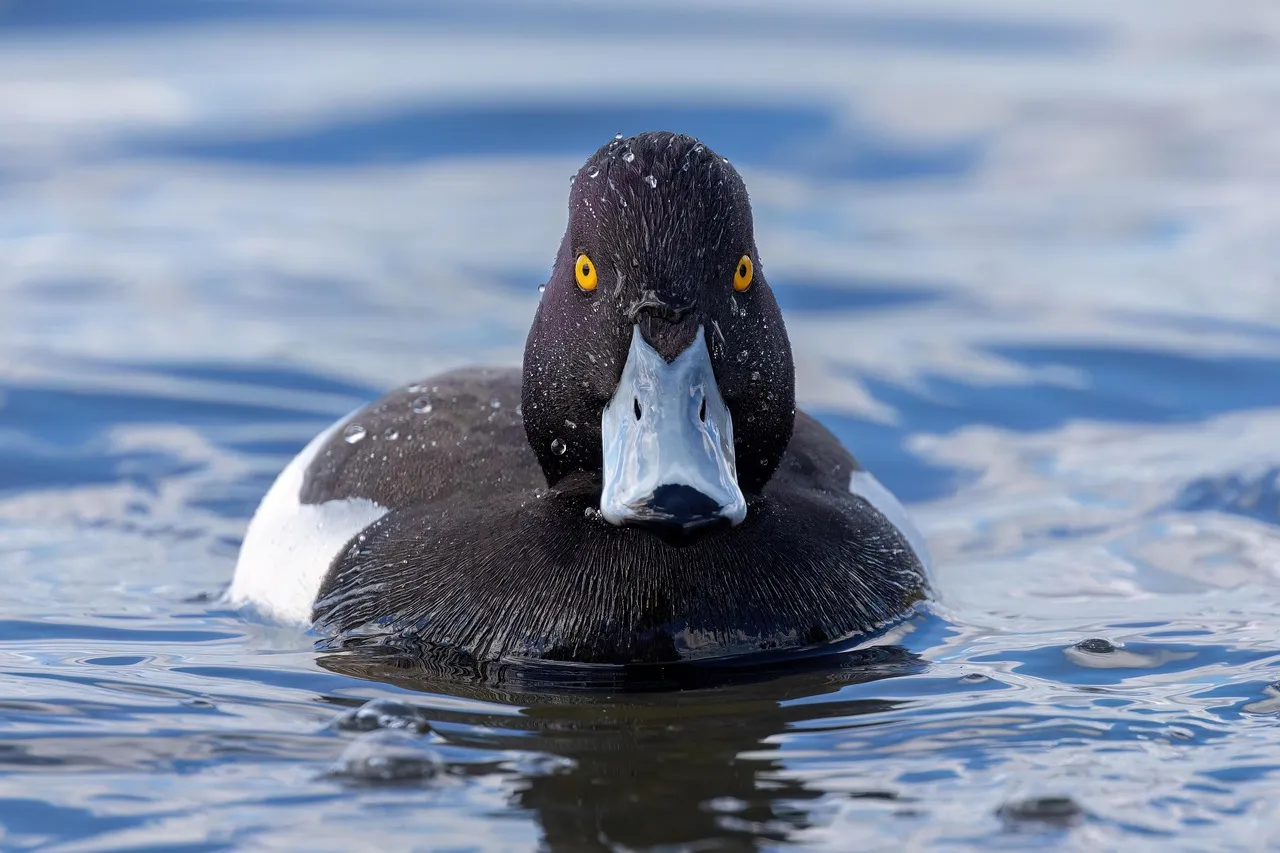
We know the classic story: ducklings imprint on the first moving thing they see. What most people don’t realize is how long-lasting and intense that early attachment can be when the “moving thing” is a human. Imprinted ducks will follow their person relentlessly, panic when separated, and sometimes refuse to integrate with their own species.
There are countless accounts of adult ducks trailing a specific human like a shadow – through houses, into barns, even waiting outside bathroom doors. This isn’t a baby phase; it can last for years, and if that person disappears, the duck often struggles to adjust. We engineered this attachment response to work in our favor, then treated it like a party trick – for the bird, it’s their entire map of the world.
#12 – Rats That Pine for Their Cage Mates
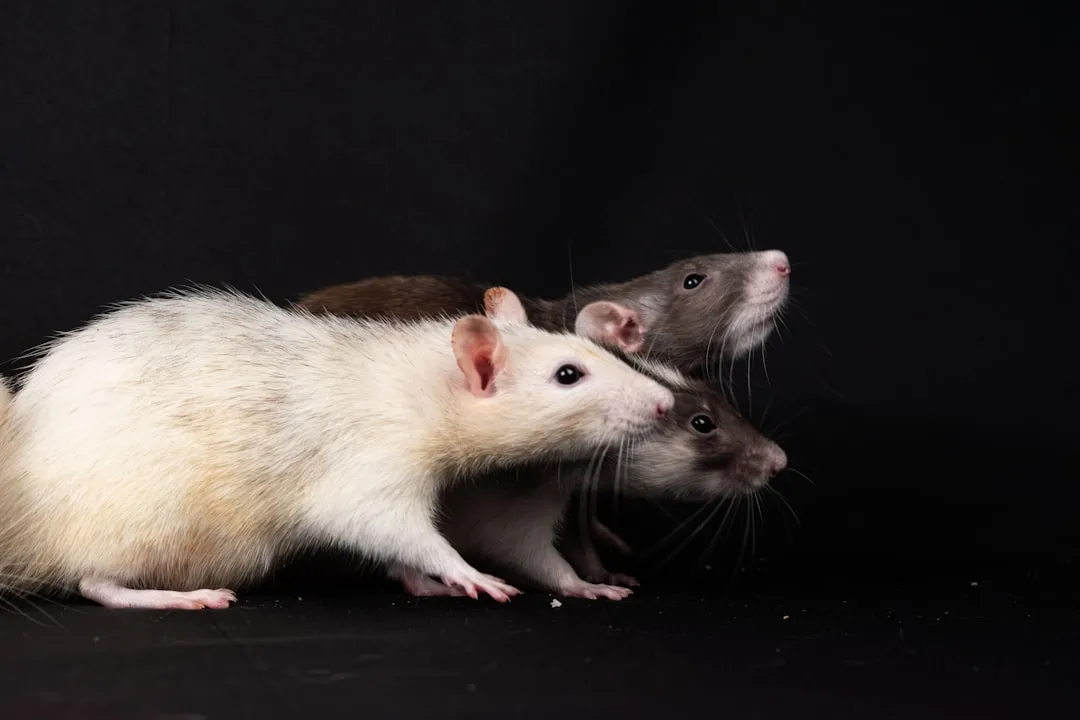
If any animal deserves a PR makeover, it’s the rat. Lab studies have blown up the myth that they’re emotionless vermin. Rats show clear signs of distress when separated from specific cage mates, and measurable relief upon reunion. They groom, huddle, and play preferentially with certain individuals, and some will even press a lever to free a trapped friend instead of grabbing a treat for themselves.
When a bonded companion dies or is removed, surviving rats can turn lethargic, eat less, and show anxiety-like behavior. For an animal we mostly associate with sewers, their attachment system looks remarkably mammal-familiar: memory, preference, and real suffering when the bond breaks. The “test subjects” entire industries were built on are apparently capable of loyalty and loss.
At a Glance
- In lab tests, free rats will work to open a door and release a trapped cage-mate, even with no reward offered.
- Given the choice, many rats free their trapped companion before eating an available treat themselves.
- After releasing a trapped rat, the rescuer often shares food with it shortly afterward.
- This helping behavior shows up most strongly between rats that already know each other well.
#13 – Iguanas That Cuddle the Same Person
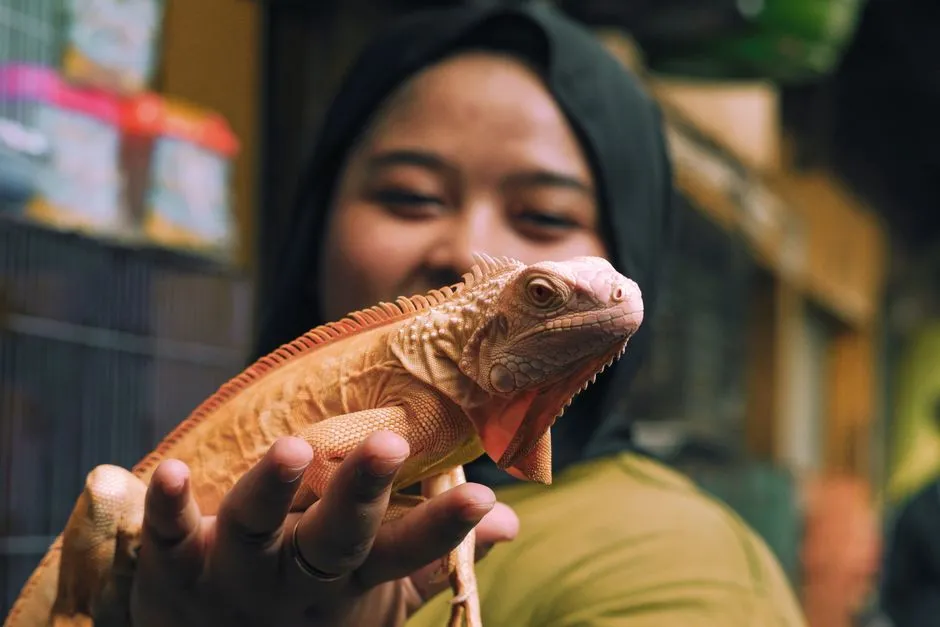
Iguanas are usually branded as spiky decor – ornamental reptiles with zero feelings. Long-term keepers describe something different. Given consistent, gentle handling, many iguanas learn to relax only with one or two specific humans, climbing onto them and even falling asleep on their shoulders. With strangers, that same animal may whip, bite, or bolt.
Reptile cognition research is still catching up, but the pattern is hard to ignore: targeted calmness, voluntary approach, physical closeness with one familiar person. Some iguanas will walk across a room, bypass everyone else, and climb straight onto “their” human – then grow visibly agitated the moment that person leaves. The animals we assumed were “too primitive” keep quietly rewriting the rules.
#14 – Rabbits That Bond Like Tiny, Anxious Dogs
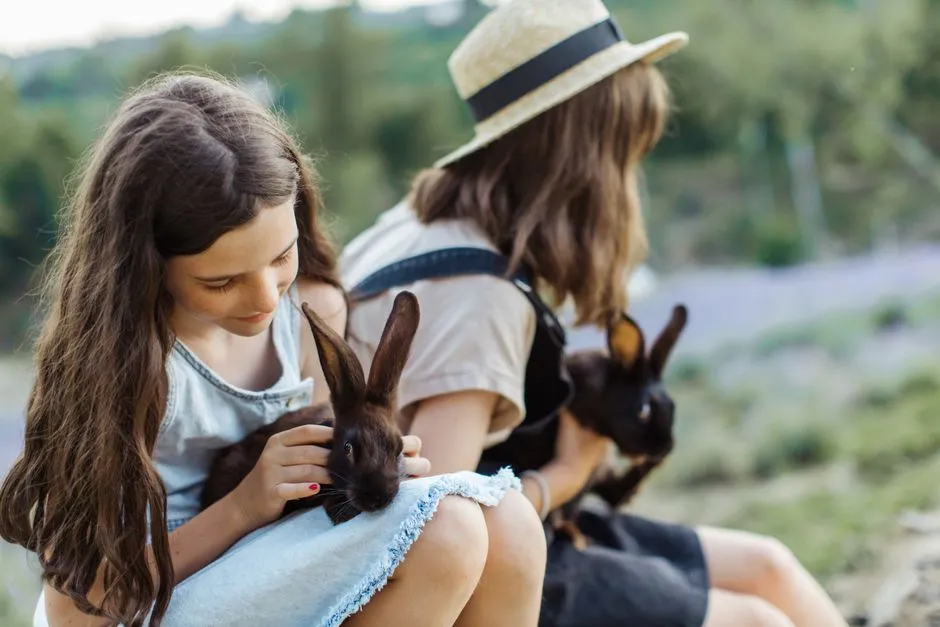
People buy rabbits as “easy starter pets,” then act surprised when they behave like sensitive, socially complex mammals. Domestic rabbits form extremely strong bonds with other rabbits and specific humans, to the point that sudden separation can trigger depression-like symptoms: hiding, reduced appetite, listlessness.
Bonded rabbits groom their favorite person’s hands and clothes, follow them room to room, and flop contentedly nearby during quiet time. Many show clear agitation when that person leaves – thumping, pacing, scanning the door. We keep pretending they’re plush toys, but their emotional wiring is closer to a prey-animal version of a dog: desperate for safety, routine, and consistent company from their chosen few.
#15 – Ferrets That Treat You as Part of the Business
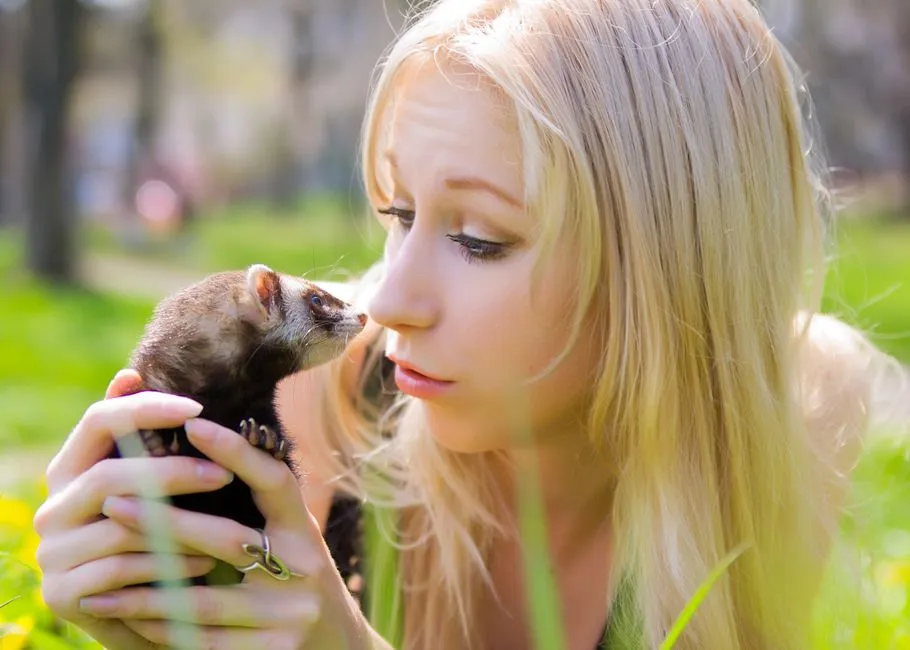
Ferrets already feel like chaotic little roommates, but their attachments run deeper than the chaos suggests. In the wild, polecat relatives form small social groups; in homes, ferrets build that same “business” structure around their favored humans and ferret friends. They greet their person with excited dances, follow them obsessively, and stash stolen socks where they sleep together.
Keepers notice ferrets often show clear preference for one household member, curling up on that person’s lap and whining the second they walk away. Bonded ferrets also grieve – vocalizing and searching when a cage mate or bonded human is gone. A lot of people still treat ferrets as novelty pets, but once you’re part of the business, you’re in whether you signed up for that level of attachment or not.
#16 – Horses That Choose One Rider Over All Others
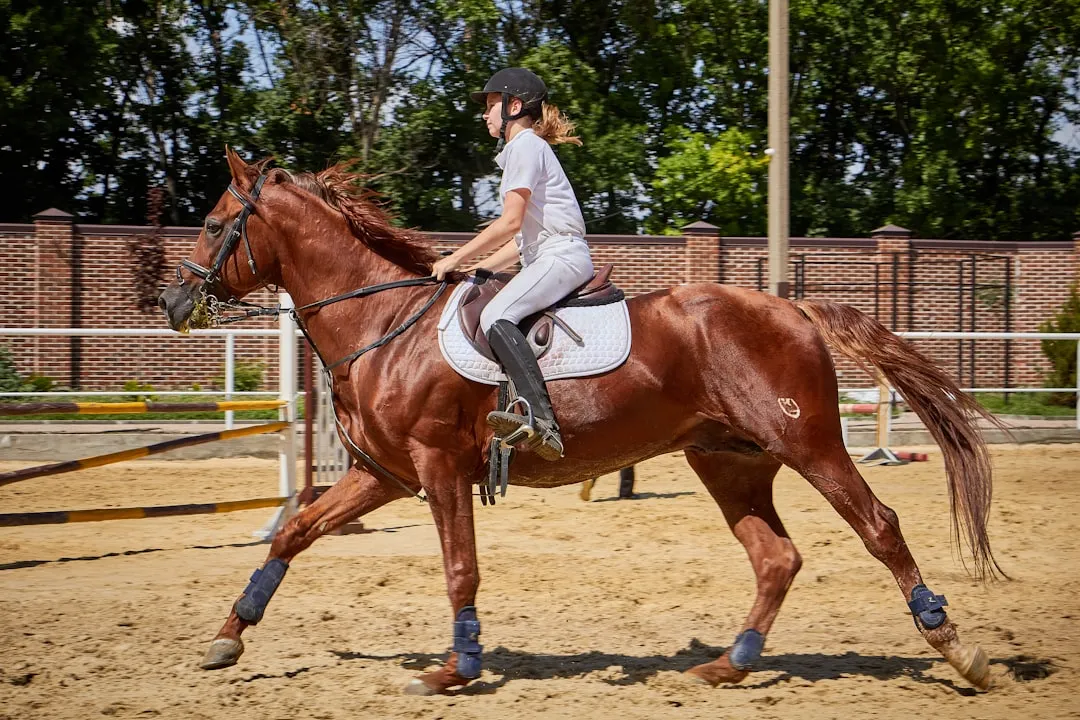
We romanticize horses, but even then we underestimate how specific their bonds get. Trainers and studies alike report that horses show measurable stress differences depending on who handles or rides them. Heart rates run lower and behavior stays calmer around a familiar, trusted person than around a stranger or someone associated with rough handling.
Many horses will whinny, walk to the fence, or shadow a particular person around the pasture while ignoring everyone else. Some that have been sold or moved barns turn unsettled and reactive for months – until an old rider visits, and the animal visibly brightens and relaxes. In practice, horses are choosing their people, and they remember those choices for a very long time.
#17 – Sheep That Remember Faces for Years
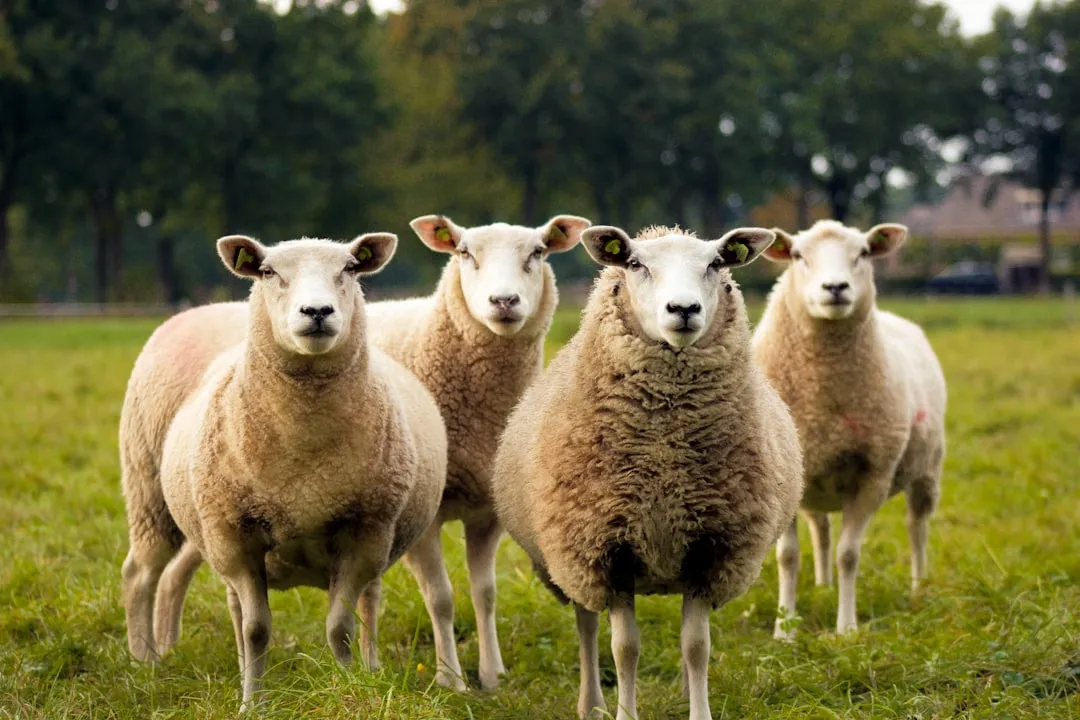
Sheep jokes usually involve stupidity, but the neuroscience says otherwise. In face-recognition tests, sheep have been shown to remember and distinguish individual faces – both sheep and human – for up to two years. They show clear preference and reduced stress around familiar humans and flock mates, approaching those individuals more readily than strangers.
Sheep also remember negative experiences and can become wary of people who’ve handled them roughly, sometimes permanently. That’s the whole engine of attachment science: calm down around one face, tense up around another. The same animals we mock as mindless followers are quietly running complex social maps in their heads – tracking, year after year, exactly who makes them feel safe.
#18 – Pigs That Prefer Certain People (And Remember Slights)
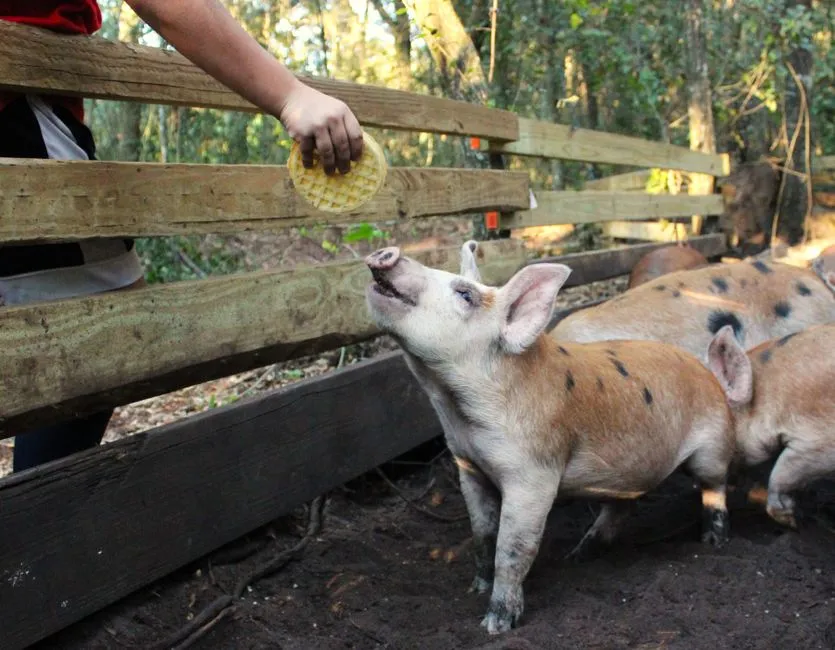
Everyone loves calling pigs “intelligent,” then acts surprised when that intelligence includes emotional nuance. Farm and lab studies show that pigs not only recognize individual humans, they develop distinct attitudes toward them based on past treatment. Pigs handled gently seek those people out, nudging and vocalizing softly; pigs handled roughly avoid or fear that specific person, even after long gaps of time.
In social groups, pigs also form cliques and long-term alliances, favoring certain companions for resting and exploring. If one of those companions disappears, pigs show agitation or aimless searching. Many animal behaviorists now argue pigs’ social-emotional lives rival dogs in complexity – an opinion that makes industrial farming practices a lot harder to look away from.
#19 – Elephants That Carry Grief for Decades
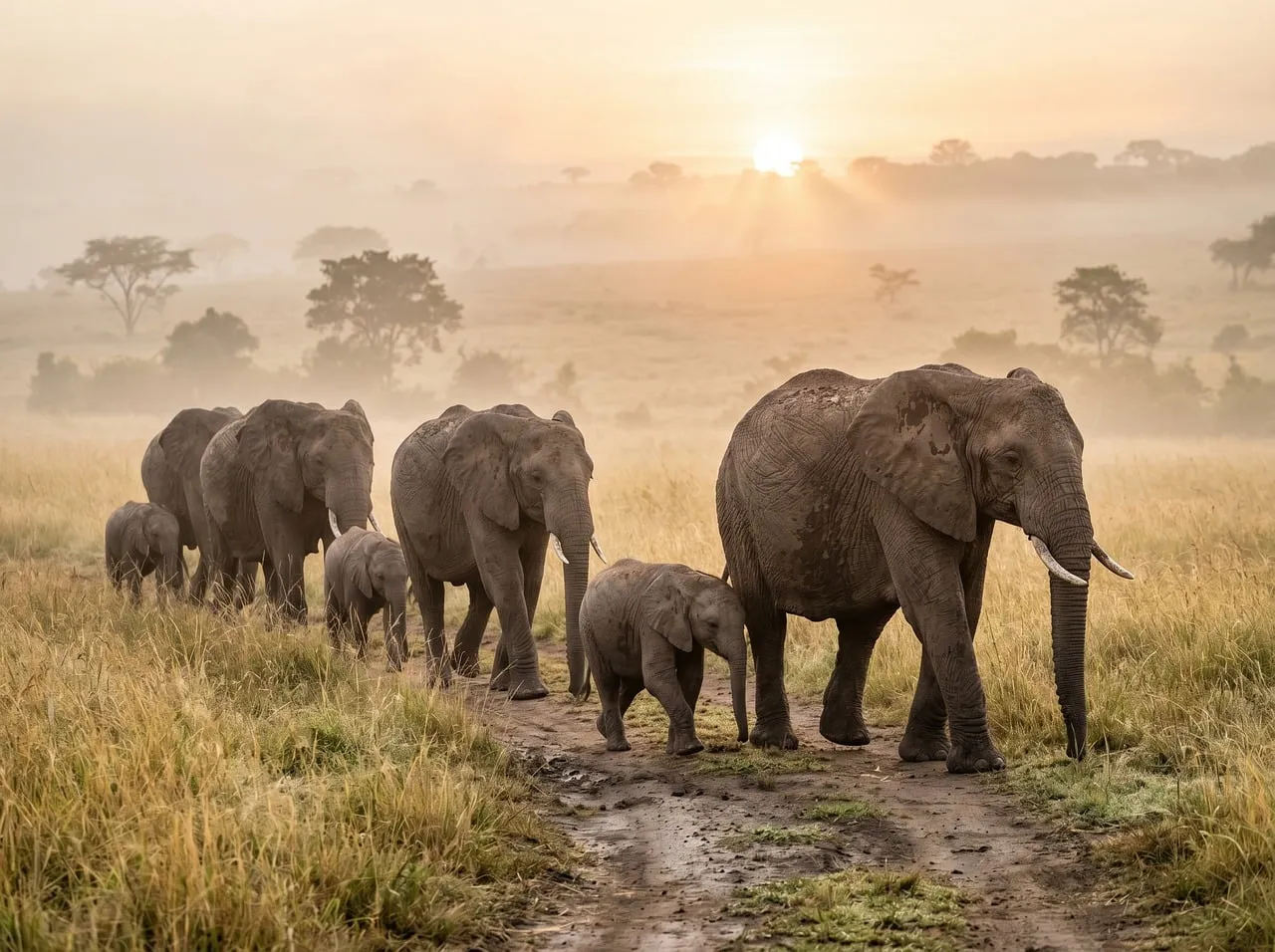
Elephants are the one animal people already expect to be emotional, but even then, the reality hits harder than the myth. Field observations document elephants revisiting the bones of dead relatives, touching them gently, and standing quietly for long periods – as if holding vigil. Calves orphaned young often show trauma-like behavior for years, and family groups visibly reorganize around these losses.
Attachment in elephants isn’t a poetic metaphor; it’s their core survival system, built around close-knit matriarchal families and specific individuals who provide leadership and comfort. When those anchors vanish, you see vocal distress, altered movement, even apparent depression. In captivity, separated companions sometimes stop eating or fall into repetitive, self-soothing motions. We love saying “elephants never forget” – we just conveniently skip the part where that includes never forgetting who they lost.
#20 – Penguins That Reunite Against the Odds
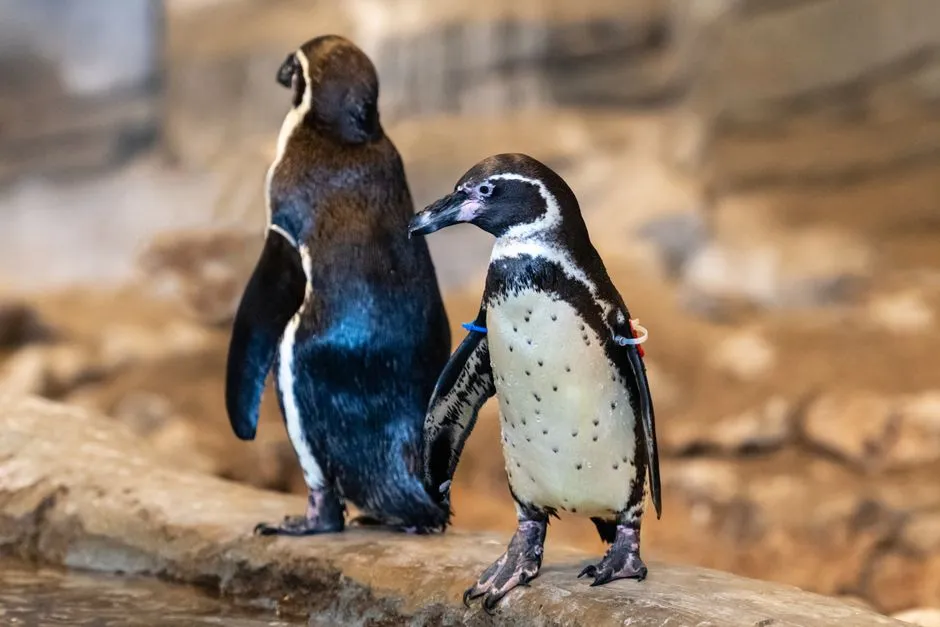
We meme penguins as clumsy comedians, but their relationship habits are painfully earnest. Many penguin species are seasonally monogamous, reuniting with the same mate year after year at the same nesting site, despite massive colonies and total chaos. They pick out each other’s calls in a deafening crowd and will search, call, and circle until they reconnect.
If a mate doesn’t return one season, the surviving bird often grows restless, calling repeatedly before pairing up again or skipping breeding altogether. Watching a penguin father balance an egg on his feet for weeks without eating, just to keep it alive, is basically a masterclass in commitment. We love the tuxedos and the waddle; we ignore that their entire life strategy is built on forming and defending specific, high-stakes bonds.
#21 – Bats That Have “Best Friends” in the Roost
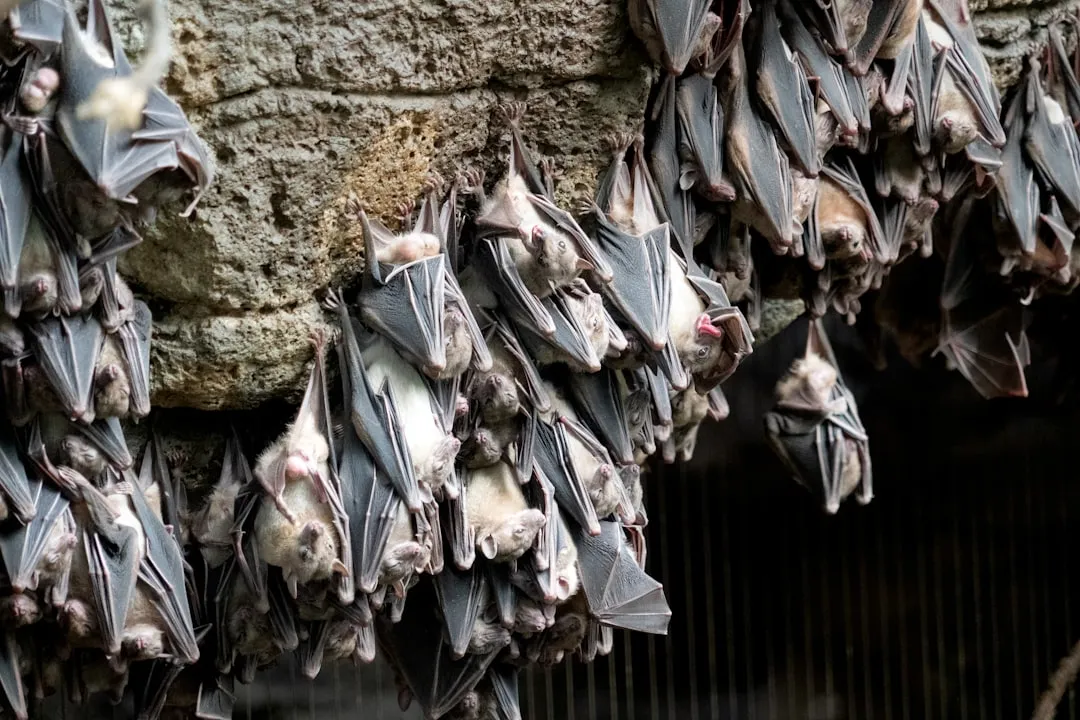
Bats get framed as faceless swarms, but researchers tagging individuals in roosts found something else entirely. Female bats, especially in some fruit bat species, form stable, long-term friendships within huge colonies. They preferentially roost next to the same individuals, groom them, and even share food by regurgitation – one of the strongest attachment signals known in social mammals.
These bonds can last for years, surviving changes in environment and group structure. When a preferred partner is absent, bats change their roosting patterns and social behavior noticeably. Even packed into a cave full of bodies, they still seek out their someone – which is a strange thing to admit about an animal we mostly reserve for Halloween decorations.
Worth Knowing
- A vampire bat can starve to death after roughly two to three nights without a blood meal.
- Well-fed bats regurgitate blood to hungry roost-mates, most often close relatives and long-term roosting partners.
- These food-sharing relationships have been tracked persisting for years within the same colony.
- Bats that groom each other more frequently are also more likely to share food with each other later.
#22 – Sea Lions That Respond to Familiar Voices
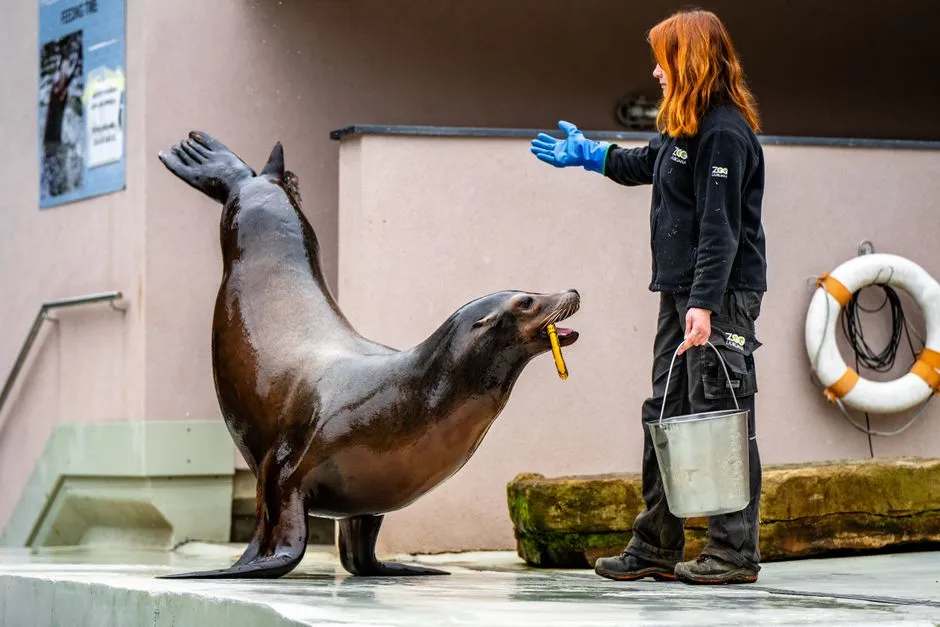
At marine centers, trainers have long noticed that sea lions respond differently to familiar versus unfamiliar humans, and science is finally catching up. These animals recognize specific voices and faces, swimming straight to “their” trainer even in a crowd of people. Some rescued, raised, and released sea lions have later approached boats or shorelines at the sound of that same human voice.
The relationship isn’t just hand signals and fish. Trainers describe sea lions leaning into rubs and lingering close long after a session technically ends. When a long-term trainer leaves, animals can turn hesitant or less responsive for a while, as if recalibrating their whole social map. Strip away the job-conditioning label and just watch the behavior – most people would call it exactly what it looks like: a bond.
#23 – Spiders That Guard Their Young Like Tiny Lions
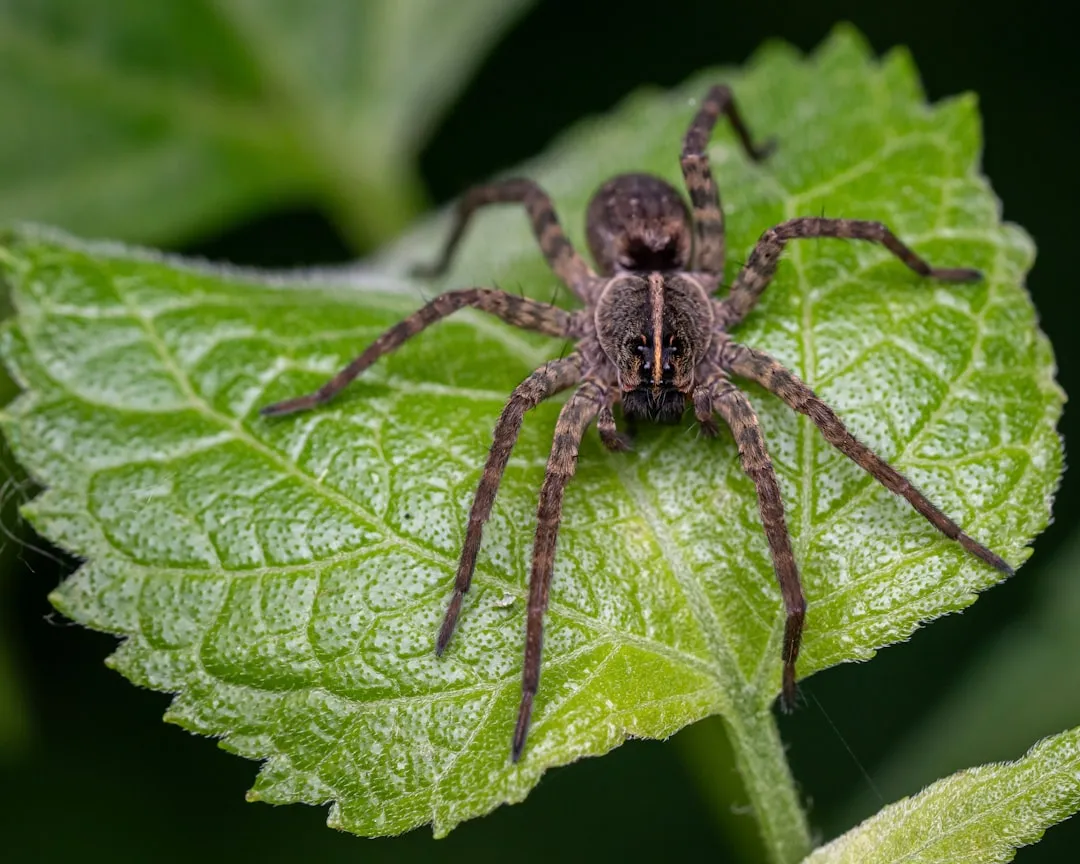
This one makes a lot of people uncomfortable: some spiders don’t just lay eggs and vanish. They actively guard, feed, and defend their spiderlings, and in a few species, the mother literally allows her young to eat her body as their first major meal. That’s about as extreme a parental attachment as you’ll find in any animal, let alone an arachnid we mostly know as a jump-scare machine.
Wolf spiders carry their babies on their backs for days to weeks, keeping them safe as they move. If the spiderlings get brushed off, the mother frantically gathers them back up. Are they “feeling” what we’d call love? We don’t know – and that’s the point. The behavior is protective, sustained, and sacrificial, and dismissing it just because it comes from eight legs instead of four says more about our bias than the biology.
#24 – Clownfish That Can’t Function Without Their Anemone Partner
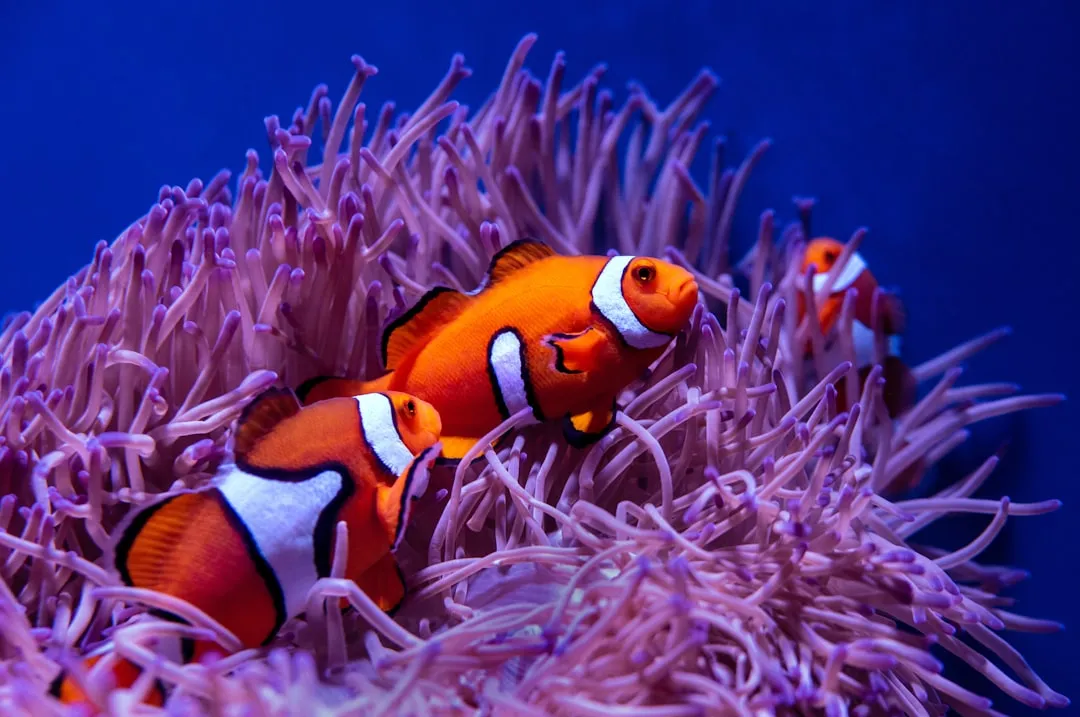
The most unexpected attachment on this list isn’t between animal and human – it’s between two totally different species that literally can’t live the same way without each other. Clownfish and sea anemones form tight mutualistic partnerships, with the fish gaining protection from predators and the anemone gaining cleaning and improved water circulation. Remove the clownfish, and the anemone often fares worse; remove the anemone, and the clownfish becomes far more vulnerable and stressed.
Clownfish don’t treat any anemone as interchangeable, either. They show preference for a specific individual and will fiercely defend that home partner from intruders, sleeping in its tentacles and performing little “greeting” dances when returning. Is it attachment in the mammal sense? No. But it’s a deep, persistent, life-defining relationship – and the idea that attachment only counts when it’s fuzzy and barks starts to look pretty shallow next to this.
The Bottom Line
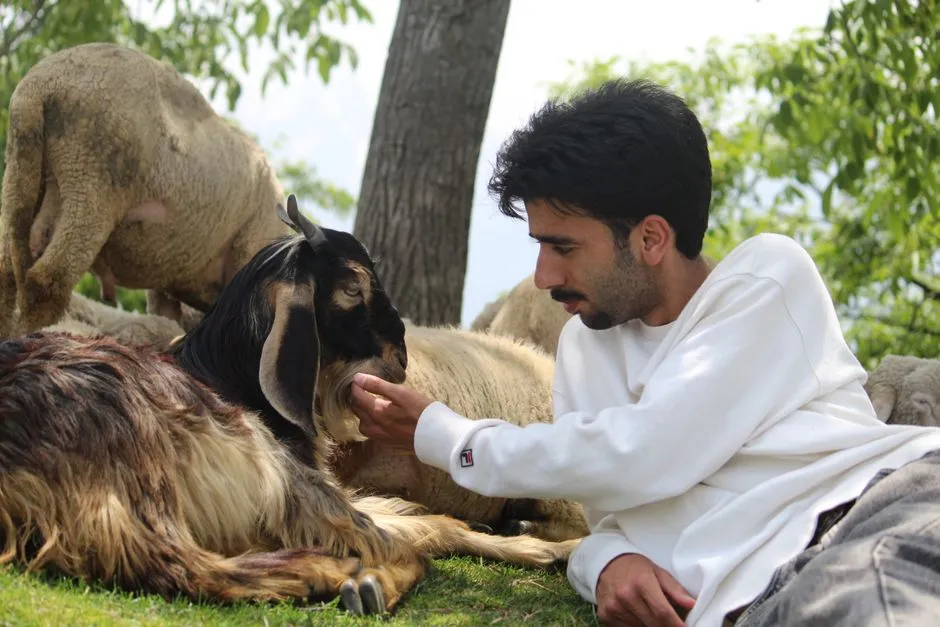
The real mistake here was never animals “acting human” – it was us refusing to admit how much attachment exists outside our narrow comfort zone. From a crocodile that remembers a single rescuer for decades to goldfish tracking your face, from grieving cows to jealous parrots, the pattern is brutally consistent: emotional-style bonds are the rule in nature, not the rare exception.
Not every behavior here is romantic “love,” and not every keeper story holds up as clean science. But pretending reptiles, birds, fish, and even spiders are just little machines is starting to look lazy, not objective. If animals this different, this “primitive,” this overlooked, can all form bonds this specific and this lasting, the real question isn’t whether they’re capable of attachment. It’s what we owe them now that we can’t pretend we didn’t know.
