


In the heart of South Africa’s Greater Kruger region, a bold conservation strategy is making headlines: dehorning rhinos to deter poachers. A recent study published in Science reveals that this approach has led to a significant reduction in poaching incidents.
A Radical Approach to Conservation
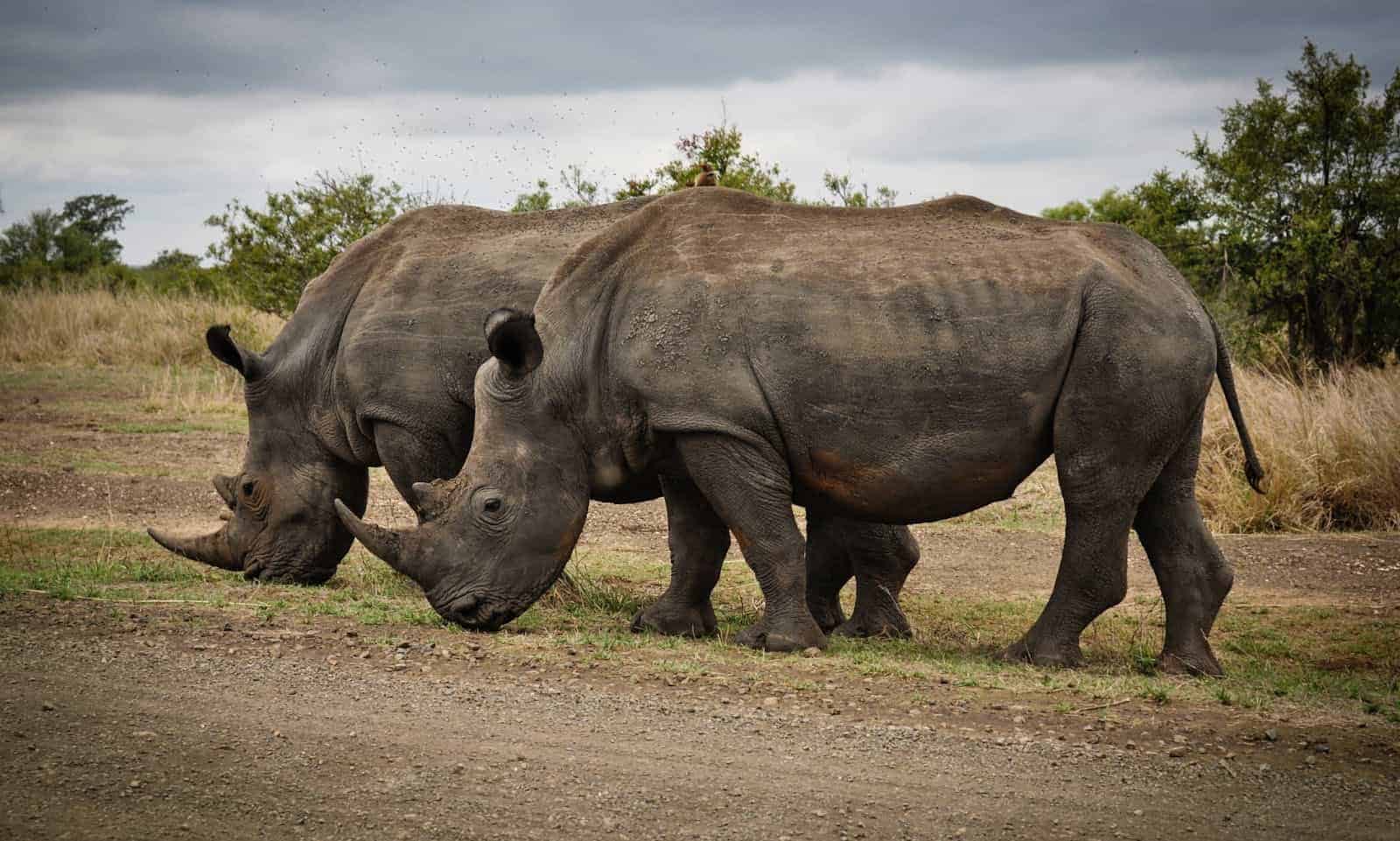
Dehorning involves sedating rhinos and carefully removing their horns, which are composed of keratin—the same material as human fingernails. The procedure is painless and must be repeated every 1.5 to 2 years as the horns naturally regrow. While it may seem extreme, the method aims to make rhinos less attractive targets for poachers.
The Study’s Findings
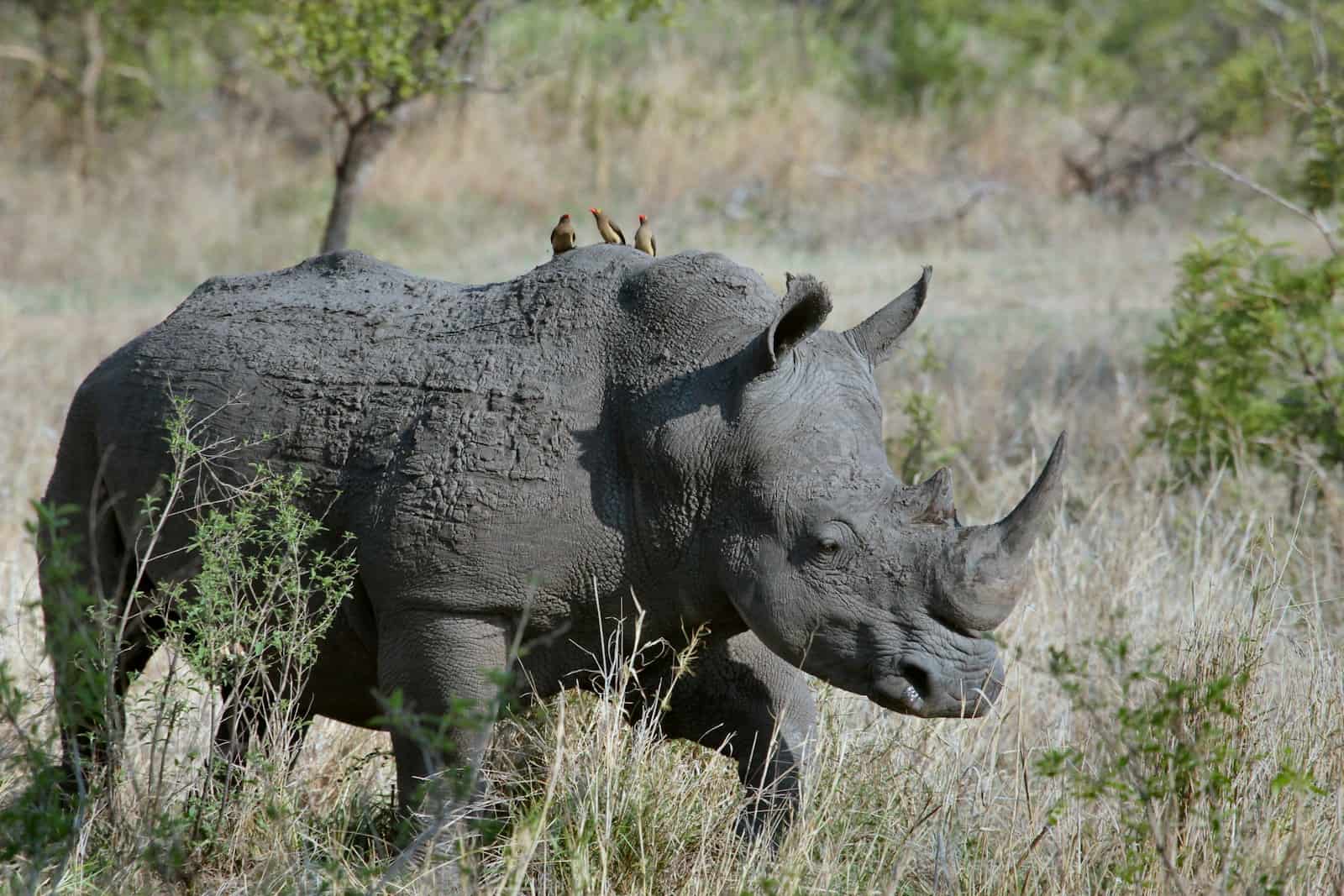
Between 2017 and 2023, researchers analyzed data from 11 reserves in the Greater Kruger area. Eight of these reserves implemented dehorning, resulting in a 78% decrease in poaching incidents compared to those that did not. This significant drop highlights the effectiveness of dehorning as an anti-poaching measure.
Cost-Effectiveness and Efficiency
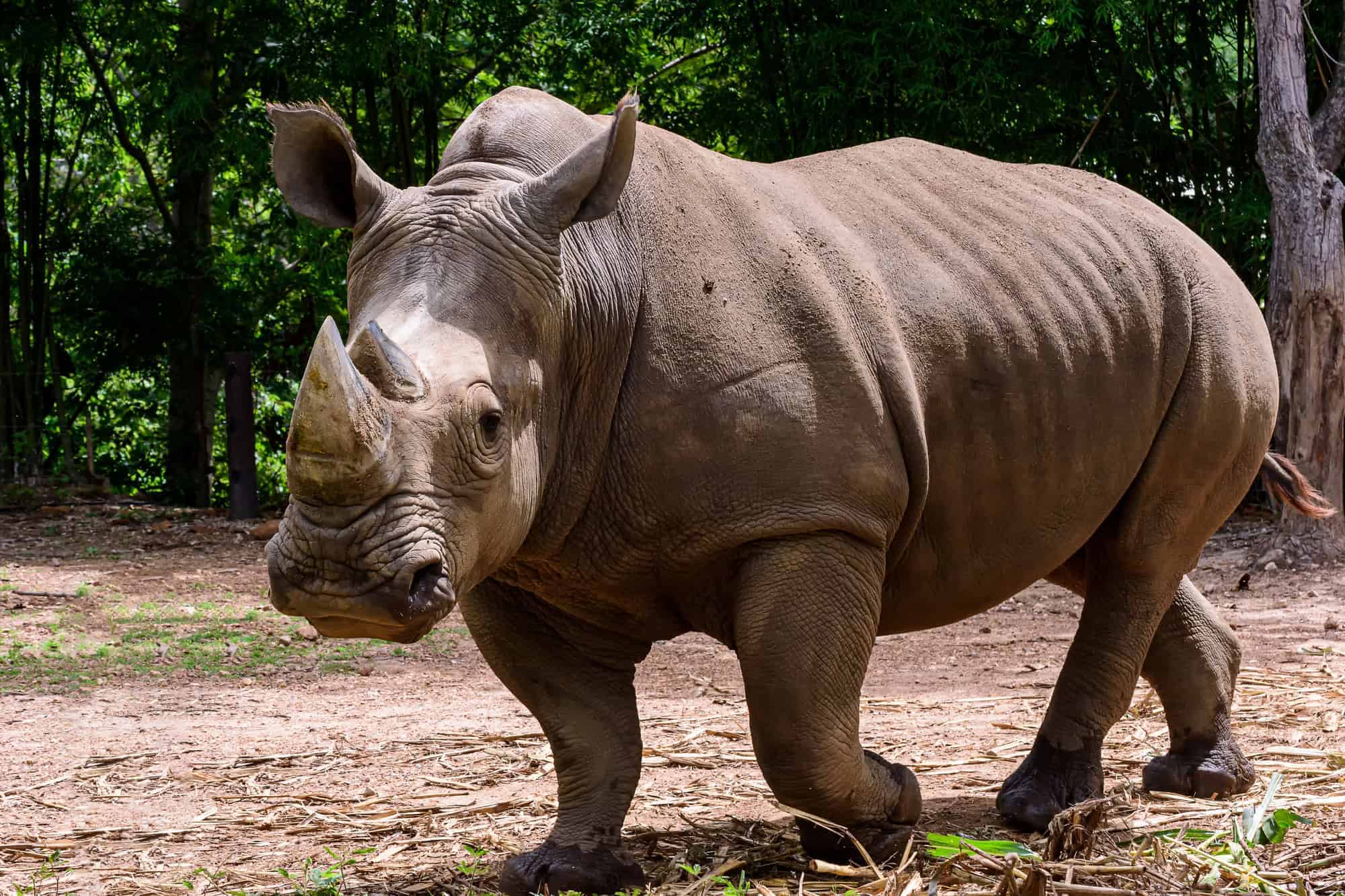
Traditional anti-poaching methods—such as patrols, surveillance, and fencing—are resource-intensive and often yield limited results. In contrast, dehorning accounted for just 1.2% of the overall rhino protection budget in the studied reserves, making it a cost-effective strategy with substantial impact.
Ethical Considerations
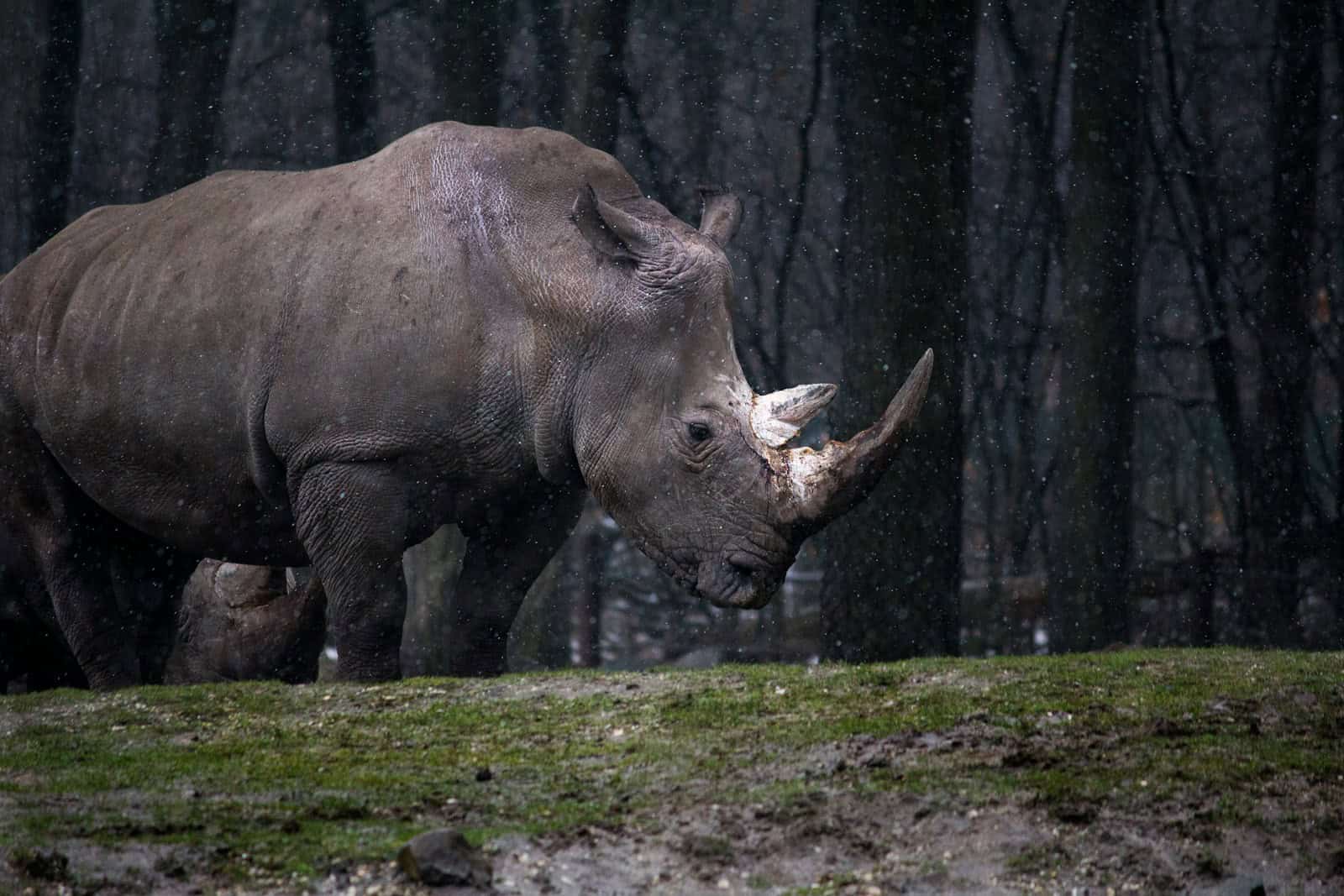
While dehorning has proven effective, it raises ethical questions. Rhino horns play a role in social interactions and defense mechanisms. However, studies indicate that dehorning does not adversely affect rhino behavior or reproduction. Conservationists view it as a necessary, albeit temporary, solution to protect the species.
The Bigger Picture
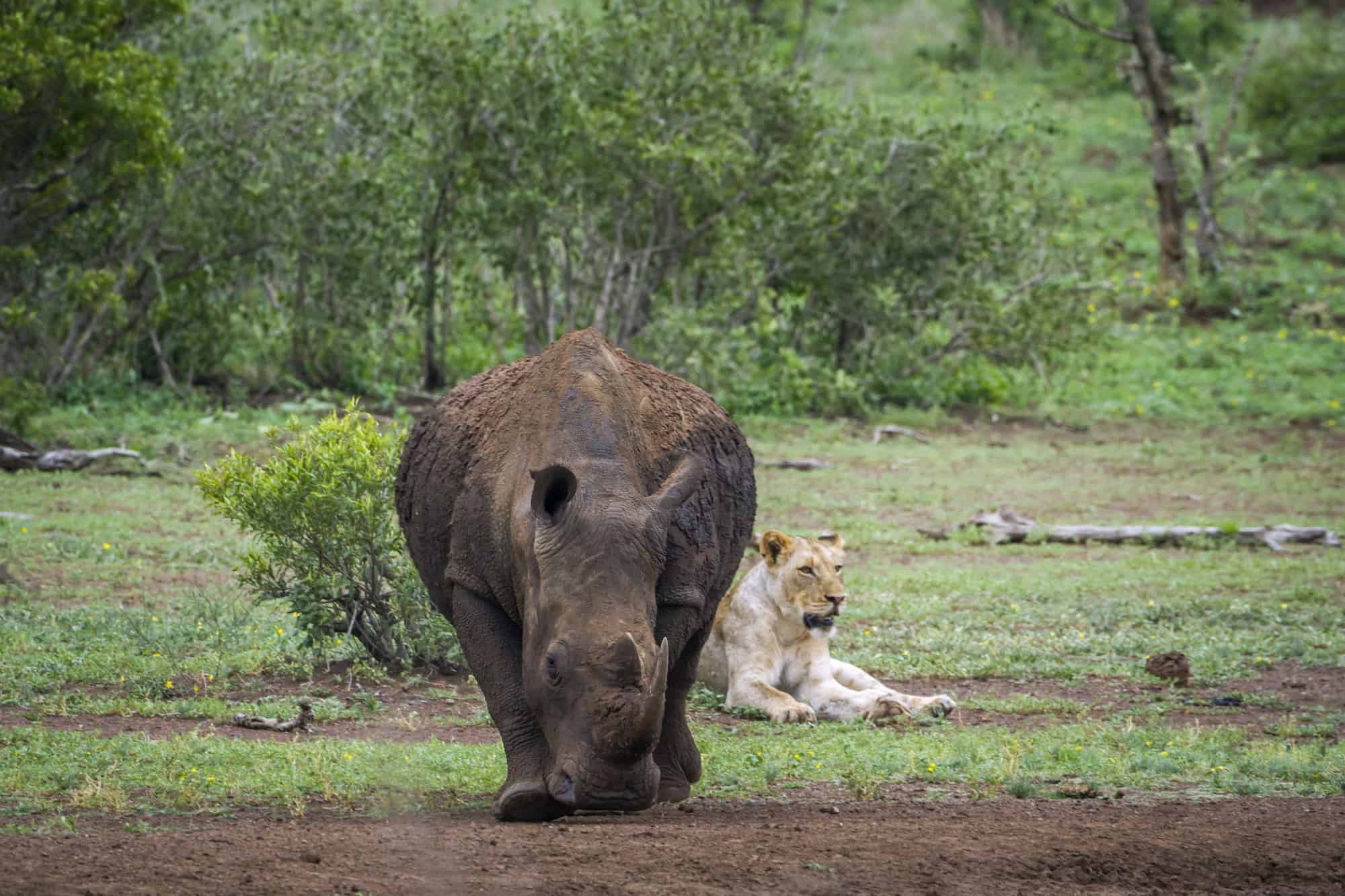
Dehorning alone cannot eradicate poaching. Comprehensive strategies—including community engagement, law enforcement, and demand reduction—are essential. Addressing the root causes of poaching, such as poverty and illegal wildlife trade, remains critical for long-term success.
A Step Towards Hope
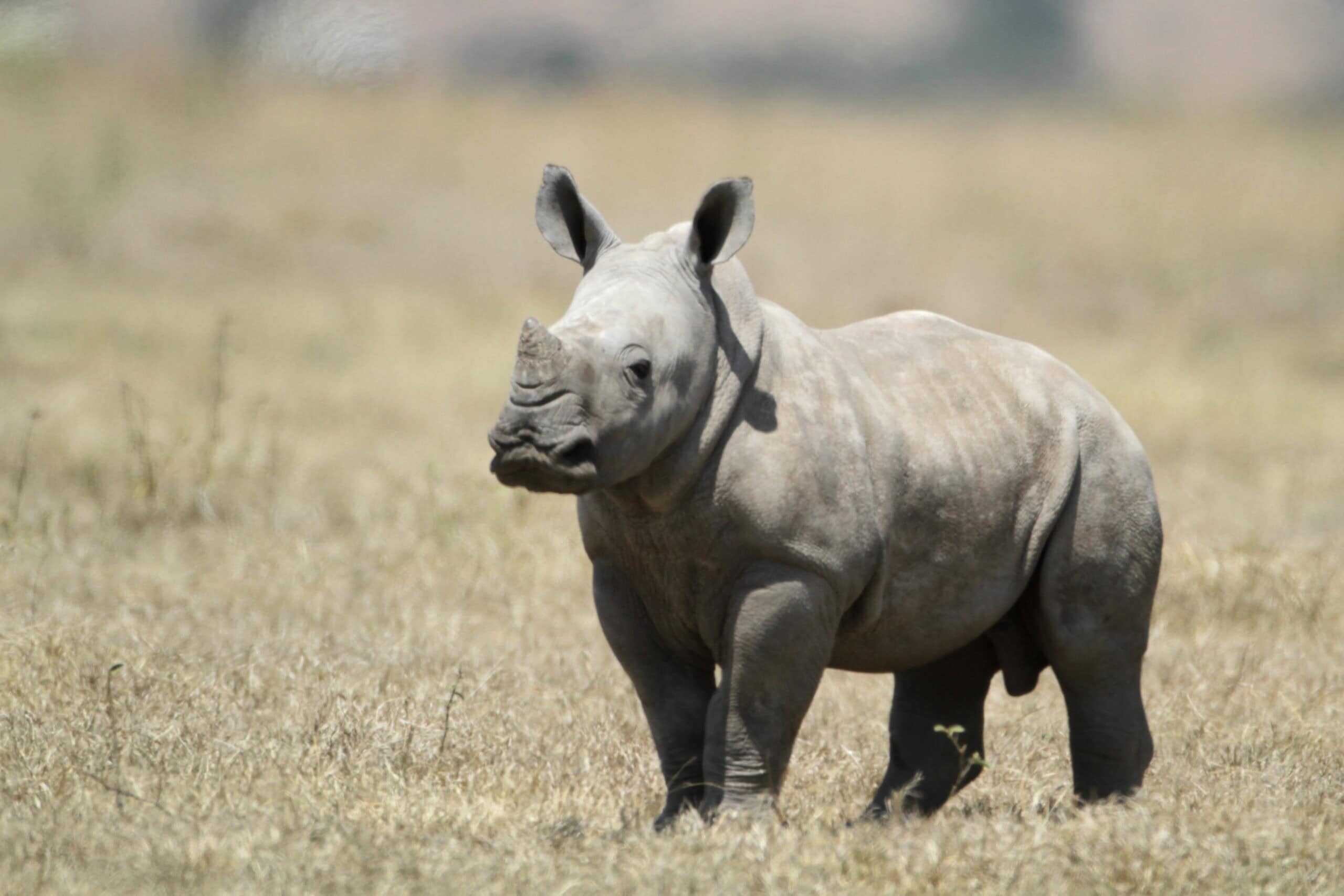
The success of dehorning offers a glimmer of hope in the fight against rhino poaching. As conservationists continue to refine and implement multifaceted approaches, the goal remains clear: to ensure a future where rhinos can thrive in the wild, free from the threat of poaching.

adventuring, photography and videography. I am currently working towards a BSc in Biodiversity and Ecology at Stellenbosch University to go on to specialise in Marine Sciences one day.
Please send any feedback to Feedback@animalsaroundtheglobe.com
- Are South Australia’s Toxic Algal Blooms to Blame For Sharks Coming on Shore? - July 18, 2026
- How Wildlife is Helping Track Human Impact - July 18, 2026
- Zoo Keeper Suffers Serious Arm Injury in Shocking Animal Attack - July 18, 2026