


Throughout history, numerous species have come and gone, marking their place in the evolutionary timeline before seemingly disappearing forever. However, some ancient creatures thought long extinct have mysteriously reappeared, challenging our understanding of extinction and adaptation. Known as “Lazarus species,” these animals and plants emerge from the shadows of presumed extinction, often after hundreds or even thousands of years. While paleontologists and biologists continue documenting extinct species through fossil records, explorers occasionally stumble upon living specimens of creatures thought lost to time. This phenomenon raises an intriguing question: what other ancient species might still be lurking in unexplored corners of our planet, having survived against all odds?
The Coelacanth: Ancient Fish That Defied Extinction
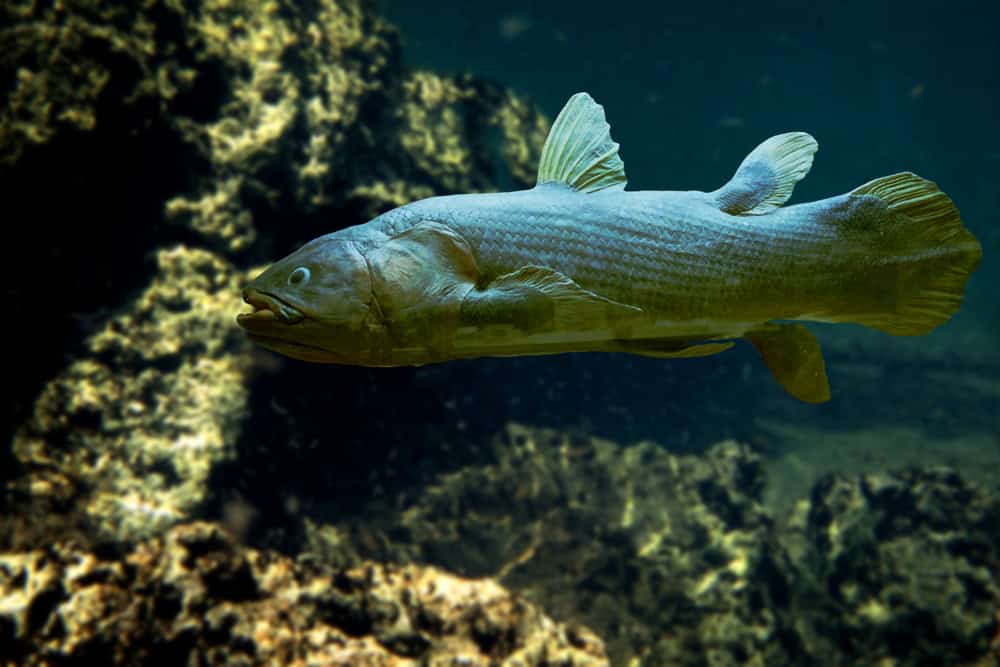
Perhaps the most famous example of a living fossil is the coelacanth, a prehistoric fish believed extinct for 65 million years until its astonishing rediscovery in 1938. When South African museum curator Marjorie Courtenay-Latimer spotted an unusual fish among a local fisherman’s catch, she unwittingly uncovered one of zoology’s greatest surprises. The coelacanth belongs to a lineage dating back 400 million years, making it older than dinosaurs and virtually unchanged for eons.
With its lobed fins that move in an alternating pattern similar to limbs, the coelacanth represents a crucial evolutionary link between fish and tetrapods. Today, these remarkable creatures survive in small populations off the eastern coast of Africa and near Indonesia, demonstrating that ancient species can persist in specialized ecological niches despite changing environments.
Megalodon: Could the Ocean’s Ultimate Predator Still Exist?

The megalodon, an enormous prehistoric shark that reached lengths of up to 60 feet, officially went extinct approximately 3.6 million years ago. With teeth the size of human hands and a bite force estimated at 40,000 pounds, this apex predator dominated ancient oceans. While scientific consensus firmly places megalodon in the extinction category, some cryptozoology enthusiasts point to rare deep-sea sightings and alleged encounters with massive unidentified marine creatures as evidence that isolated populations might persist in unexplored ocean depths. However, these claims lack scientific verification, and researchers note that maintaining a viable megalodon population would require substantial food resources and breeding numbers that could hardly remain undetected in today’s closely monitored oceans. Additionally, the deep-sea environments often suggested as potential megalodon habitats lack the warm-water conditions and prey abundance that these enormous predators would require to survive.
The Thylacine: Tasmania’s Extinct Wolf That Might Not Be Gone

The thylacine, commonly known as the Tasmanian tiger due to its distinctive striped back, was declared extinct in 1936 when the last known specimen died in Hobart Zoo. This remarkable marsupial predator evolved independently from canines yet developed striking similarities through convergent evolution. Despite its official extinction status, hundreds of reported sightings continue to emerge from Tasmania’s remote wilderness areas, with some witnesses providing detailed descriptions matching the animal’s unique characteristics.
In 2021, researchers analyzing alleged thylacine sightings concluded that while most reports likely involved misidentified animals, a small percentage contained details specific enough to warrant further investigation. Recent environmental DNA studies in remote Tasmanian regions have yielded tantalizing but inconclusive results, keeping alive the possibility that small populations might have survived in isolated pockets of the island’s dense forests, far from human observation.
Living Dinosaurs: Birds as Modern Survivors
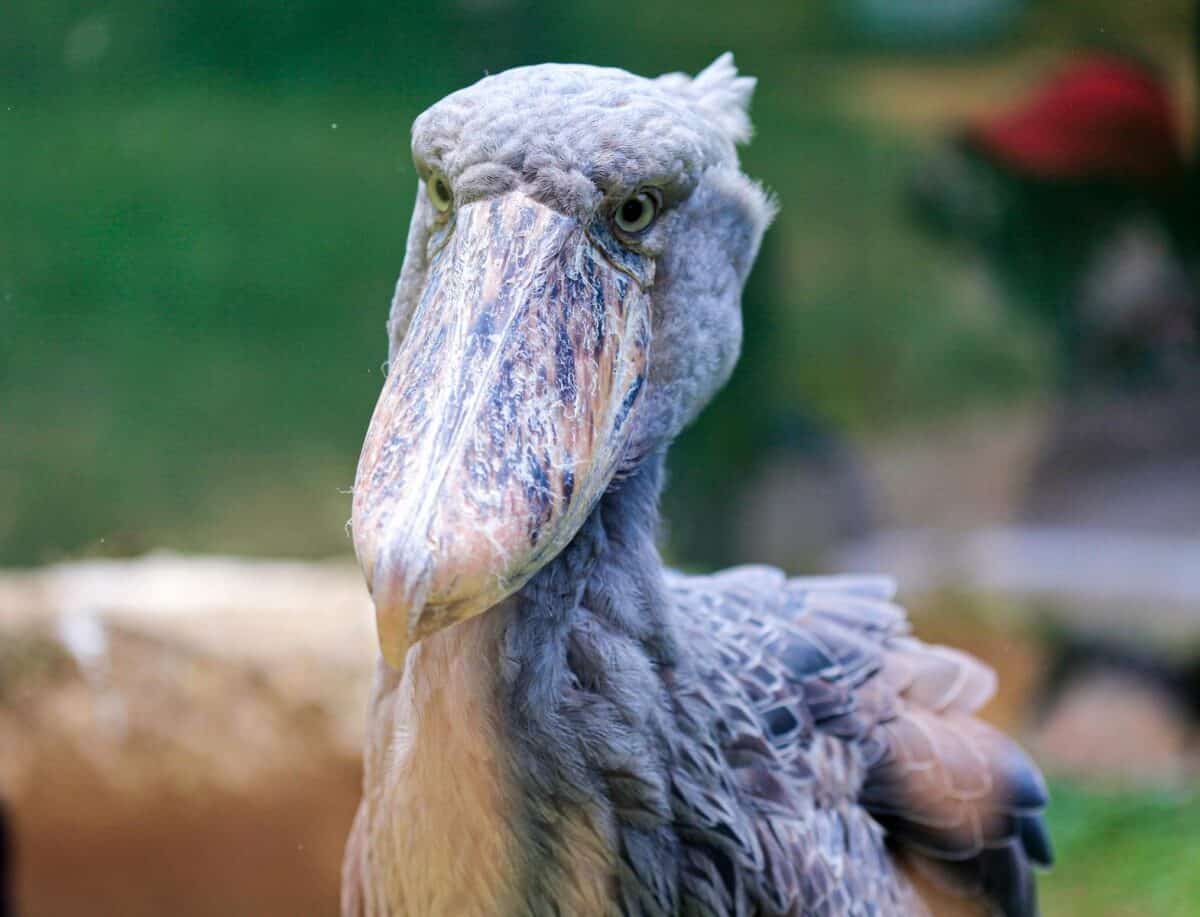
While many people associate dinosaurs exclusively with extinction, scientific evidence confirms that one lineage of dinosaurs never actually died out—they evolved into modern birds. Paleontological research over the past few decades has firmly established that birds are theropod dinosaurs, specifically descended from small, feathered maniraptoran dinosaurs that survived the Cretaceous-Paleogene extinction event 66 million years ago.
Features like hollow bones, air sacs, efficient lungs, and the fundamental structure of their eggs all point to their dinosaurian heritage. The discovery of numerous feathered dinosaur fossils in China’s Liaoning Province has provided compelling evidence of this evolutionary connection. So while we won’t find T. rex or Triceratops roaming modern landscapes, their evolutionary cousins surround us daily in the form of everything from sparrows and pigeons to eagles and ostriches—living dinosaurs that adapted and thrived while their larger relatives perished.
The Giant Squid: From Mythology to Reality

For centuries, the giant squid existed primarily in maritime legends as a fearsome kraken that dragged ships into the abyss. Despite occasional carcasses washing ashore throughout history, the creature remained largely mythical until relatively recently. The first photographs of a living giant squid weren’t captured until 2004, and the first video footage came in 2012, confirming what many scientists had long suspected—these elusive deep-sea predators really do exist and can reach lengths of up to 43 feet.
Their extreme rarity in scientific observation despite their large size demonstrates how effectively deep-ocean environments can conceal even massive creatures. This remarkable case of an animal transitioning from legend to scientific fact raises compelling questions: what other legendary creatures might have roots in biological reality? And what other enormous species might currently inhabit Earth’s least explored environments, avoiding human detection just as the giant squid did for centuries?
The Mountain Gorilla: Rediscovered After Presumed Extinction

Mountain gorillas represent another dramatic case of a species brought back from presumed extinction. For years, these magnificent primates were considered mythical by Western science until 1902, when German explorer Oscar von Beringe shot two specimens, confirming their existence. Even after this discovery, mountain gorillas remained extremely rare and elusive, with many scientists believing them to be on an inevitable path to extinction.
By the 1970s, their population had dwindled to approximately 240 individuals, leading many conservationists to fear they were witnessing the species’ final decline. However, intensive conservation efforts combined with ecotourism initiatives helped reverse this trend. Today, mountain gorilla populations have rebounded to over 1,000 individuals across their range in central Africa’s volcanic mountains. Their story illustrates how species can persist in remote regions despite extremely low numbers and demonstrates that even critically endangered animals can recover when given adequate protection.
The New Guinea Singing Dog: Ancient Canid Rediscovered

The New Guinea singing dog, named for its unique vocalization capabilities resembling a wolf’s howl combined with a whale’s song, was believed extinct in the wild for over 50 years. This ancient canid, closely related to the Australian dingo and thought to represent one of the oldest dog lineages, had been maintained only in captivity since the 1970s, with all captive individuals descending from just eight original dogs.
Scientists feared the wild population had disappeared entirely due to hybridization with village dogs and habitat loss. However, in 2016, researchers documented wild dogs in the remote highlands of Papua New Guinea displaying the singing dog’s distinctive characteristics. In 2020, genetic testing confirmed these highland wild dogs were indeed New Guinea singing dogs that had remained isolated and genetically pure in their remote mountain habitat. This remarkable rediscovery provides scientists with fresh genetic material to revitalize the captive population and offers new insights into canine evolution and the domestication process.
Mokele-mbembe: Africa’s Alleged Living Sauropod
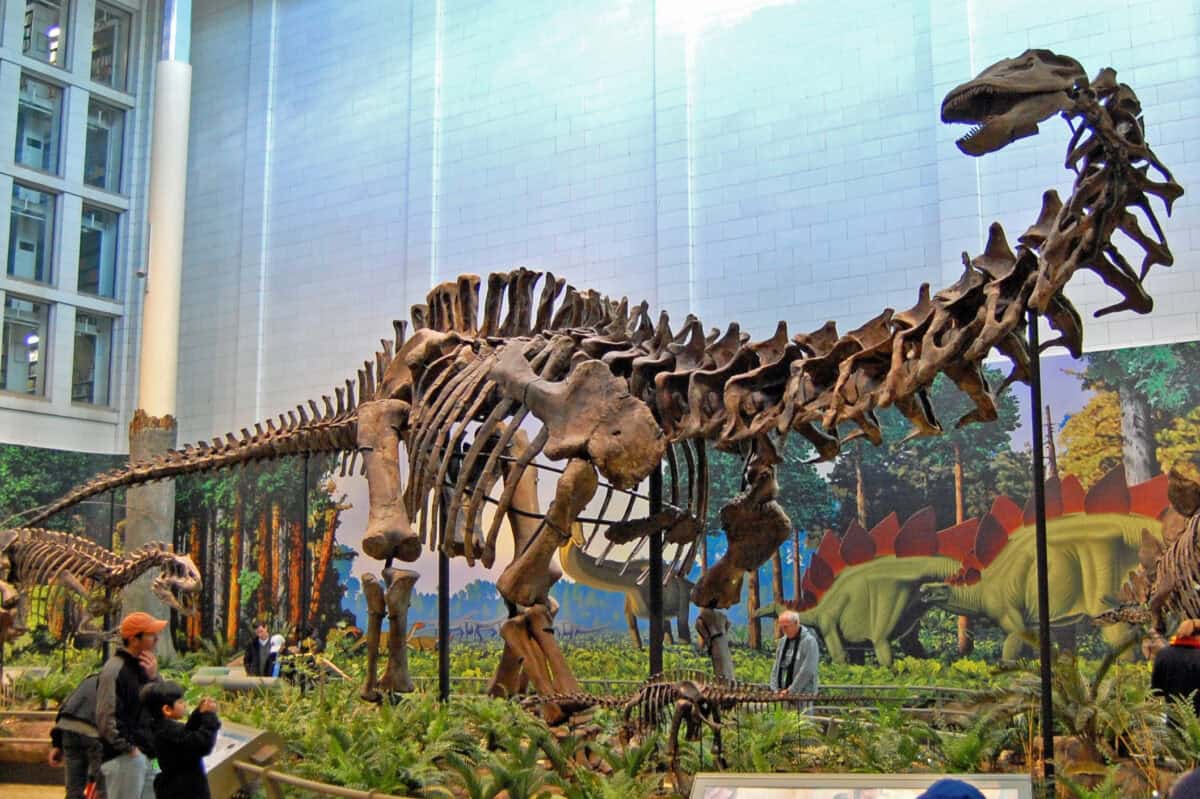
Deep in the Congo Basin swamps, local traditions describe a creature called Mokele-mbembe, said to resemble a long-necked sauropod dinosaur. Indigenous accounts describe an elephant-sized animal with a long neck, small head, and lengthy tail that inhabits remote riverways and lakes. Some cryptozoologists have proposed these reports might represent a relict population of sauropod dinosaurs that somehow survived the mass extinction event 66 million years ago.
Several expeditions throughout the 20th and 21st centuries have attempted to verify these claims, though none have produced conclusive evidence. While mainstream paleontologists remain skeptical, pointing to the absence of any physical evidence and the ecological impossibility of a breeding dinosaur population remaining undetected, the region’s vast unexplored areas and difficult access keep the legend alive. The Congo Basin contains over 500,000 square miles of dense rainforest, much of it never systematically surveyed by scientists, leaving at least the theoretical possibility that undiscovered large species might exist there.
The Terror Skink: Reappearing After 130 Years
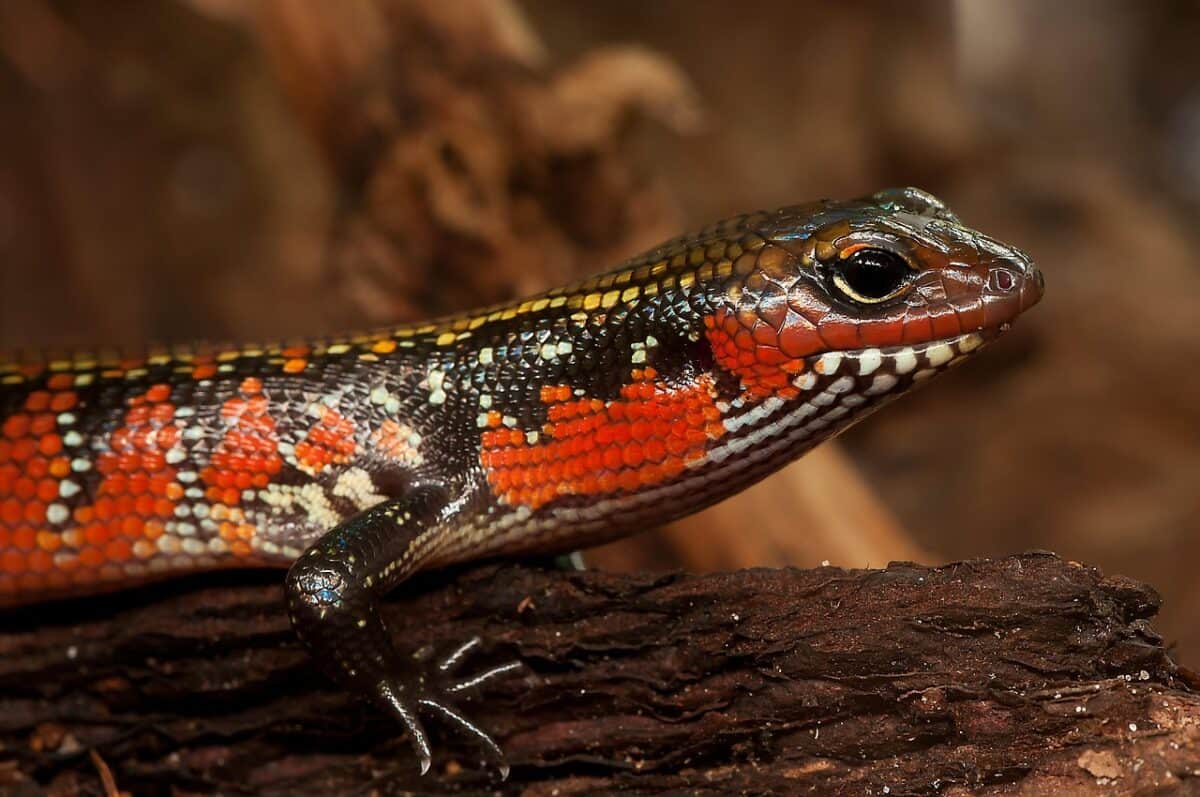
The terror skink (Phoboscincus bocourti) represents one of the most dramatic recent rediscoveries among presumed extinct species. This large predatory lizard, named for its curved, shark-like teeth adapted for capturing and dismembering prey, was known only from a single specimen collected in 1876 in New Caledonia. Scientists presumed it extinct until 2003, when herpetologists conducting a survey on a tiny islet off New Caledonia’s coast spotted and photographed a living specimen.
Since then, researchers have documented only a handful of individuals, all confined to Île Brosse, an uninhabited island measuring less than one square kilometer. The terror skink’s rediscovery after 130 years demonstrates how small, isolated populations of species can persist undetected for generations, particularly in remote island ecosystems. It also underscores the importance of thorough biological surveys even in seemingly well-explored regions, as extinction determinations based on absence of sightings can prove premature.
Woolly Mammoths: Could They Be Revived?

While woolly mammoths officially went extinct around 4,000 years ago (with the last isolated population on Wrangel Island), recent scientific advances have raised the possibility of bringing these Ice Age giants back through de-extinction technologies. Unlike most extinct species on this list, mammoths left behind exceptionally well-preserved remains in permafrost, providing scientists with intact DNA, tissue samples, and even blood.
Companies like Colossal Biosciences are actively working to resurrect mammoth-like creatures by editing elephant genomes to express mammoth traits such as cold tolerance, thick fur, and subcutaneous fat layers. While not technically a case of an ancient species that might still be alive, the mammoth represents a unique situation where an extinct animal could potentially walk the Earth again through genetic engineering. Beyond scientific achievement, proponents argue that reintroducing mammoth-like grazers to the Arctic could help restore grassland ecosystems and potentially slow permafrost melt by compacting snow layers, highlighting the ecological roles these ancient species once played.
Deep Sea Mysteries: The Potential for Undiscovered Ancient Species
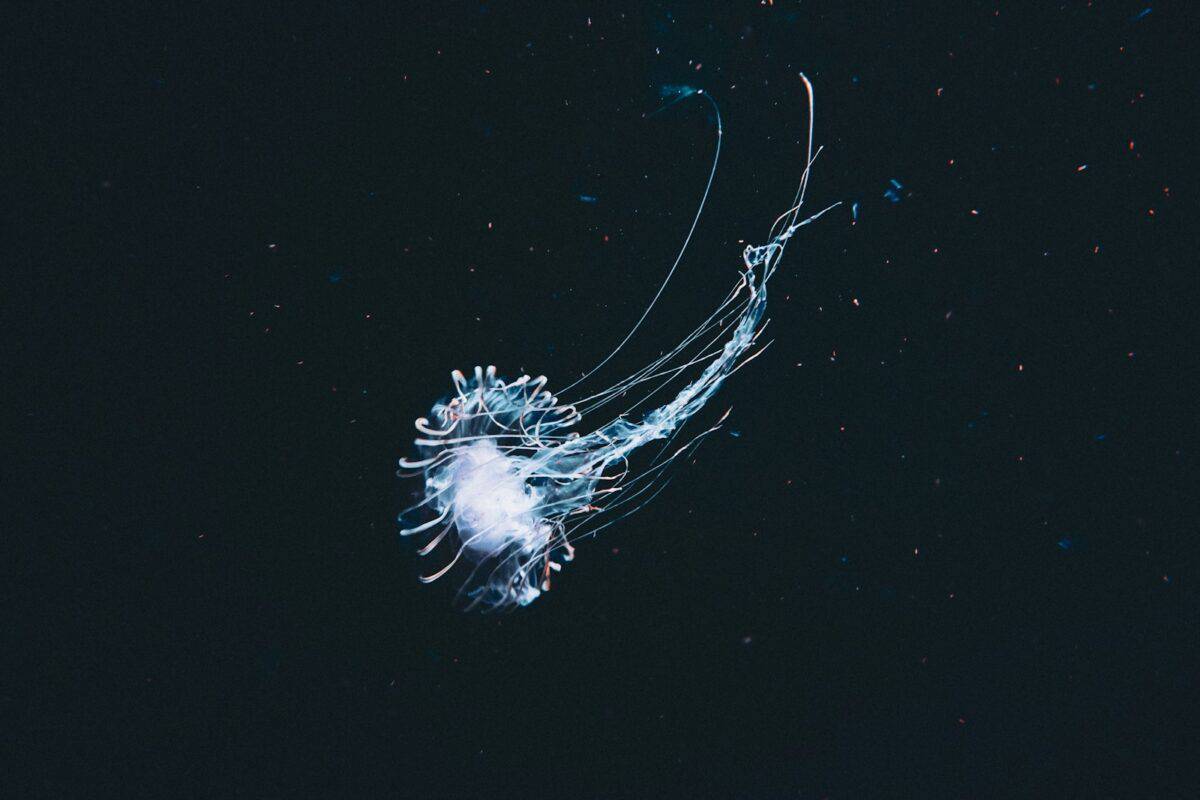
Earth’s oceans remain astonishingly unexplored, with scientists estimating that over 80% of these underwater realms remain unmapped and unobserved. The deep sea in particular—regions below 1,000 meters where sunlight cannot penetrate—represents one of our planet’s last true frontiers for discovery. These extreme environments host bizarre creatures that often resemble prehistoric life forms, from the frilled shark with its 300-million-year-old lineage to the vampire squid, which has remained virtually unchanged for 165 million years.
The conditions of the deep ocean, including stable temperatures, limited predation pressure, and relative isolation, create the perfect sanctuary where ancient lineages might persist unchanged for millions of years. Each deep-sea expedition continues to uncover new species, with researchers documenting approximately 2,000 new marine species annually. Given that scientists have explored less than 0.05% of the deep seafloor in detail, the possibility remains that undiscovered ancient lineages, perhaps even some previously known only through fossils, might still lurk in these lightless depths.
The Role of Remote Ecosystems in Species Preservation

Throughout Earth’s history, isolated and inaccessible ecosystems have repeatedly served as refugia—places where species can persist despite broader extinction events or environmental changes. Examples abound: the Wollemi pine, discovered in a remote Australian gorge in 1994 after being known only from 90-million-year-old fossils; the mountain pygmy possum, found alive in 1966 after being considered extinct for 11 million years; and numerous cave-dwelling species that represent ancient lineages preserved in their isolated environments. Remote mountain ranges, deep canyons, isolated islands, and pristine rainforests continue to yield species thought long extinct.
These geographical features create microenvironments that can remain relatively stable even as the broader world undergoes significant climate shifts or disturbances. The persistence of living fossils in such habitats suggests that other supposedly extinct species might similarly survive in Earth’s remaining wilderness areas. As technology improves and more researchers venture into previously inaccessible regions, the list of Lazarus species—those that return from presumed extinction—continues to grow, reminding us how much remains to be discovered about Earth’s biodiversity.
Conclusion: The Enduring Mystery of Extinction and Survival

The possibility that ancient species might still exist in unexplored corners of our planet remains one of biology’s most tantalizing mysteries. Each new discovery of a living fossil or Lazarus species forces scientists to reconsider assumptions about extinction and adaptation, revealing nature’s remarkable resilience. While creatures like megalodon and dinosaurs (excluding birds) have almost certainly vanished forever, history teaches us humility when declaring any species definitively extinct, particularly those from remote or inaccessible habitats.
The coelacanth, terror skink, and New Guinea singing dog all demonstrate how easily relict populations can escape scientific detection for decades or even centuries. As we continue exploring Earth’s last frontiers—from deep ocean trenches to isolated mountain valleys—we must remain open to the possibility that some ancient lineages have quietly persisted, awaiting rediscovery by those willing to venture beyond the boundaries of what we think we know about the natural world.

From exploring the marine wonders in the Azores and witnessing the vast savannas of Kenya, to delving deep into the rich biodiversity of South Africa and traversing iconic landscapes in Australia and the US like Yellowstone, Chris's experiences are vast.
With a penchant for diving alongside sharks, the ocean holds a special place in his heart.
Through his academic insights, he champions wildlife conservation, striving with 'Animals Around The Globe' to cultivate a profound connection between humans and animals, enhancing our mutual appreciation.
Connect with him at Feedback@animalsaroundtheglobe.com.