

The vibrant ecosystems of coral reefs, often described as the “rainforests of the sea,” are under siege. A massive coral die-off is occurring off the Gulf Coast, alarming scientists and environmentalists alike. This unfortunate event has significant implications, not only for marine biodiversity but also for human communities that rely on these ecosystems. This article unravels the reasons behind this catastrophic event and its potential consequences for the Gulf Coast and beyond.
The Significance of Coral Reefs

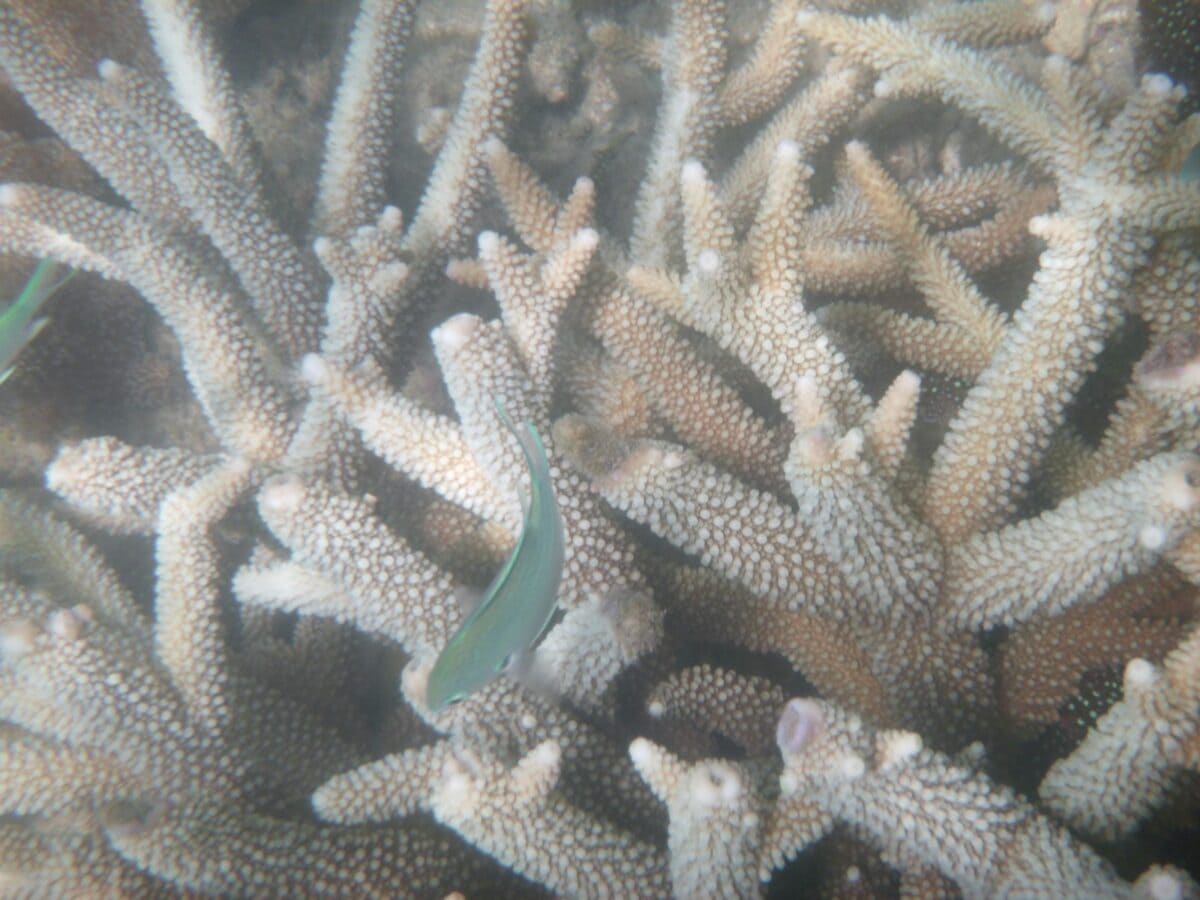
Coral reefs are vital marine ecosystems, supporting approximately 25% of all marine species. These complex underwater structures provide habitat and shelter for thousands of organisms while also playing crucial roles in coastal protection, carbon sequestration, and even medicine. They are also economic powerhouses, offering tremendous value to fisheries and tourism.
Understanding Coral Bleaching

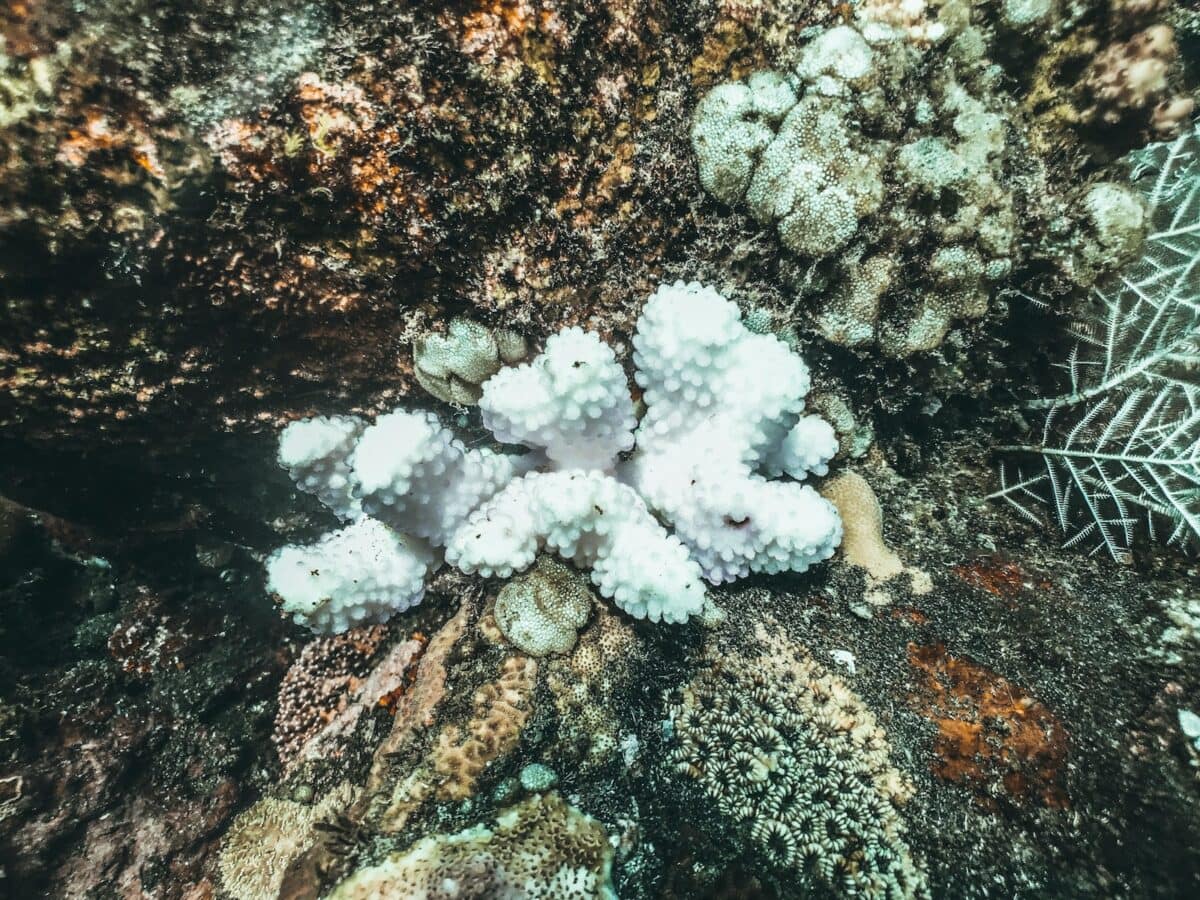
Coral bleaching occurs when corals, stressed by changes in conditions such as temperature, light, or nutrients, expel the symbiotic algae living in their tissues. This process turns corals white and can lead to their death if the stress conditions persist. In the Gulf Coast, rising sea temperatures are a primary factor triggering widespread bleaching.
Climate Change: A Driving Force
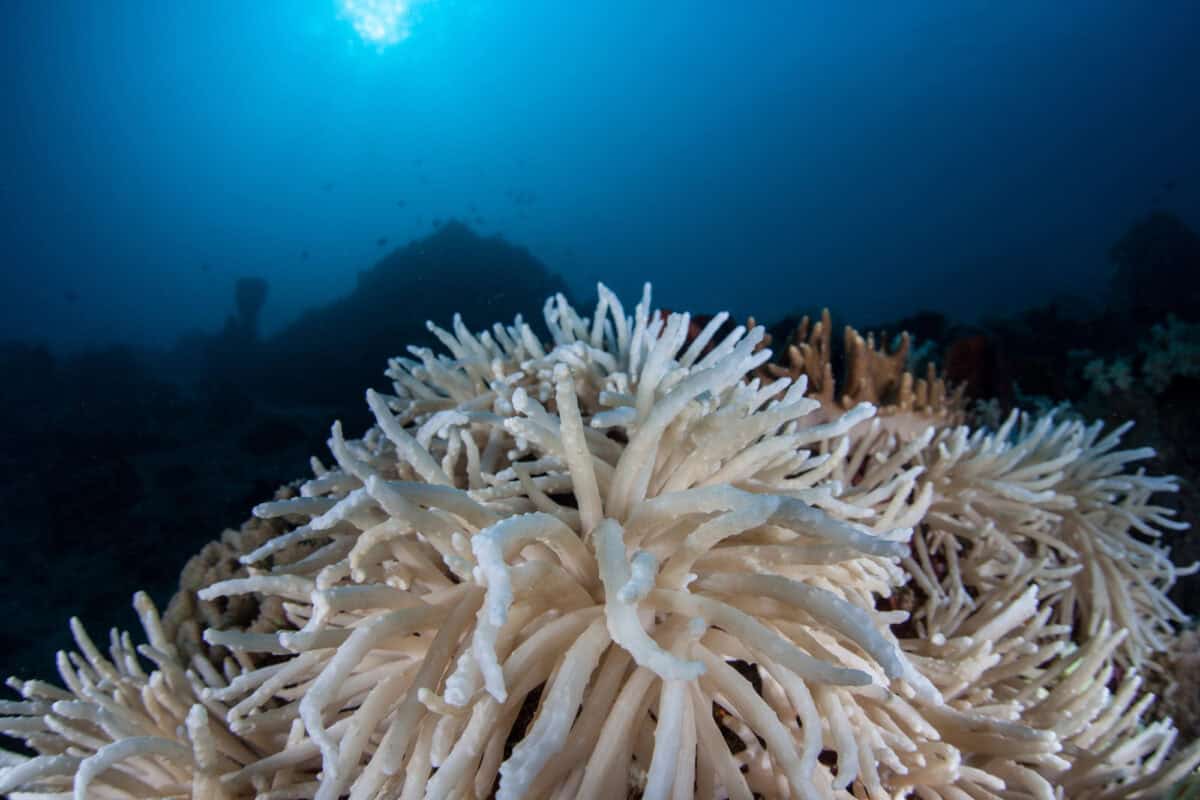
The rising ocean temperatures linked to climate change are a significant driver of coral die-offs. The Gulf of Mexico has experienced higher-than-average temperatures, putting immense stress on corals. Prolonged exposure to such temperatures inhibits coral growth, reproduction, and, ultimately, survival.
Pollution and Coastal Development

Apart from global warming, pollution from agricultural runoffs, oil spills, and urban development contributes to the decline of coral reefs. These pollutants increase nutrient levels in the water, leading to algal blooms that suffocate corals. Coastal development also exacerbates these challenges by altering water flow and sedimentation patterns.
The Role of Ocean Acidification

Ocean acidification, caused by the absorption of excess atmospheric CO2, reduces the availability of carbonate ions necessary for coral calcification. This chemical alteration of ocean waters weakens coral structures, making them more susceptible to disease and breakage.
Impacts on Marine Biodiversity

The current coral die-off spells disaster for marine biodiversity. With coral reefs serving as vital habitats, their decline leads to the loss of species that depend on them for food and shelter. This disruption can have cascading effects throughout the marine food web, threatening the survival of numerous organisms.
Economic Repercussions
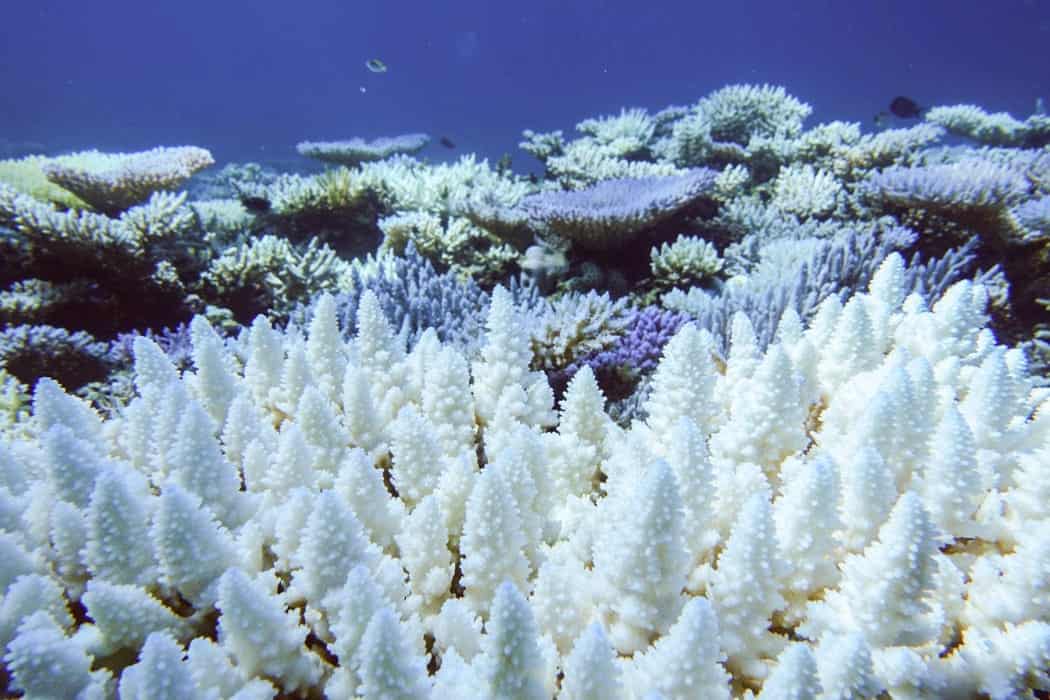
Coral reefs are critical to the Gulf Coast’s economy, especially in sectors like tourism and fisheries. The decline of these ecosystems can lead to substantial economic losses, affecting livelihoods and local communities. The fishing industry, in particular, could experience a downfall as fish populations that rely on reefs dwindle.
Scientific Efforts to Rescue Corals
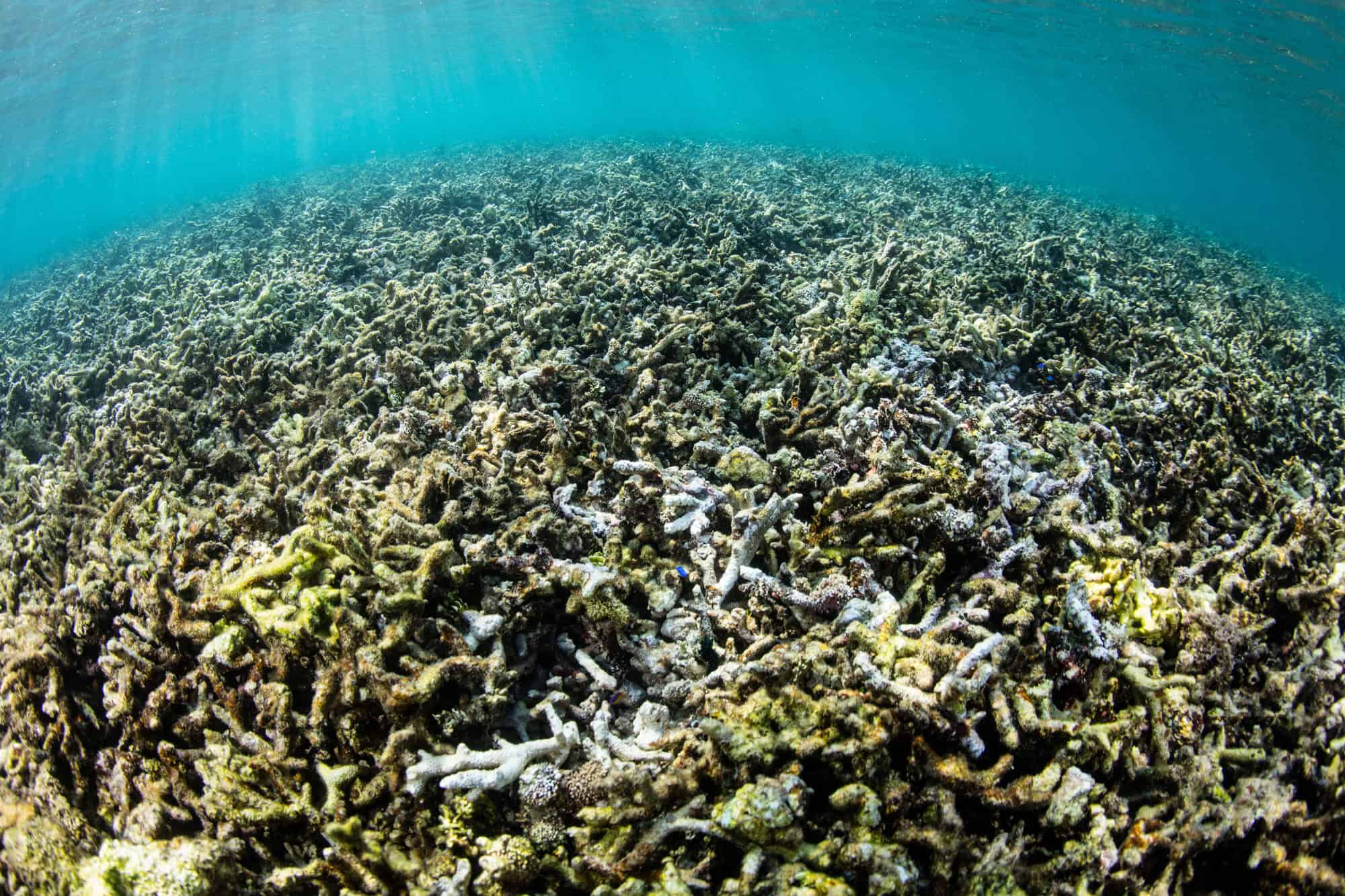
Researchers are working tirelessly to understand and mitigate the widespread coral die-off. Initiatives such as coral gardening and the development of more resilient coral strains hold promise for restoring these ecosystems. Furthermore, scientists are exploring ways to reduce environmental stressors through policy and innovation.
Preservation Through Marine Protected Areas
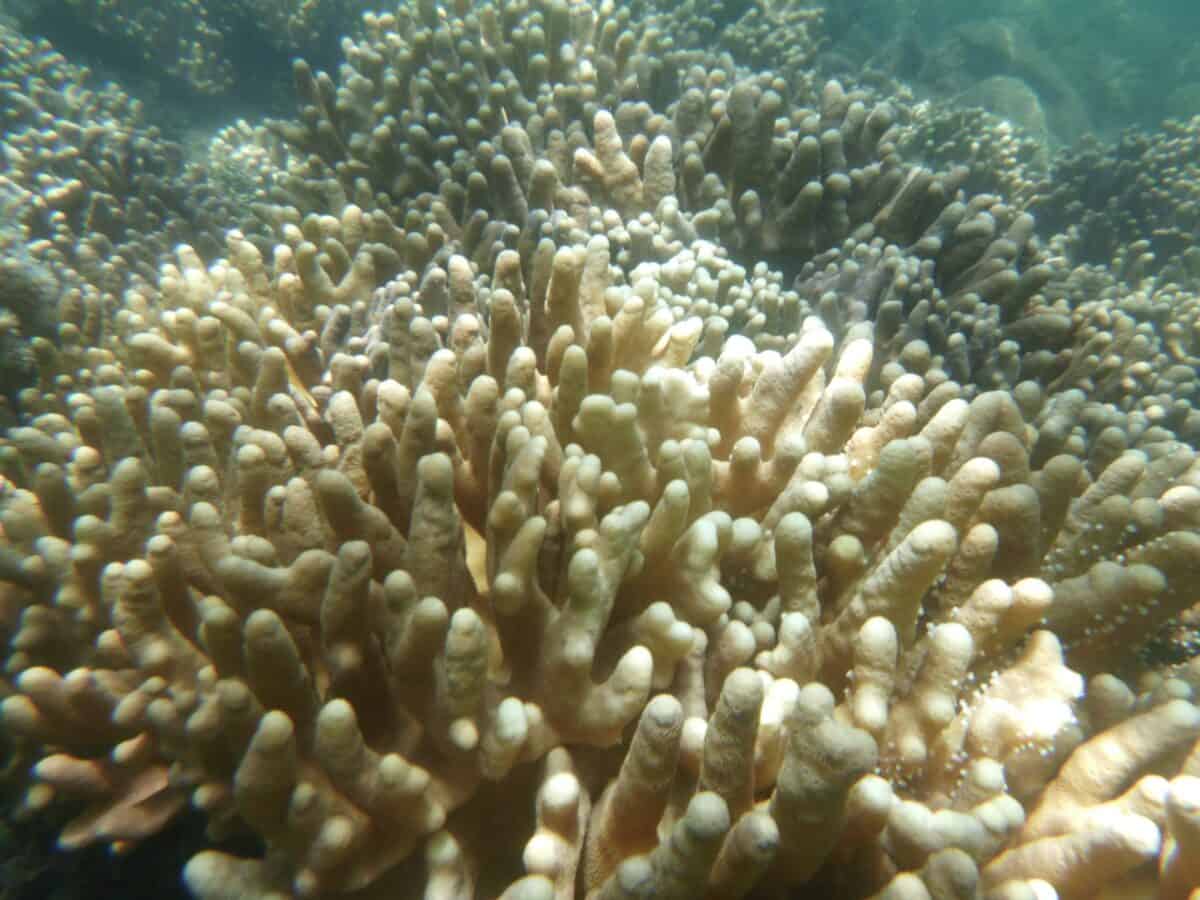
The establishment and expansion of marine protected areas (MPAs) play a crucial role in reef conservation. MPAs protect important ecosystems from destructive human activities, allowing coral populations to recover and thrive. Effective enforcement and community engagement are vital for the success of these initiatives.
Community Involvement and Awareness
Local communities have a crucial role in coral reef preservation. Increasing public awareness and education about the importance of coral reefs can drive community-led conservation efforts. Simple actions, such as responsible tourism and reducing carbon footprints, can collectively make a significant difference.
Policy and Global Cooperation
Addressing the coral die-off crisis requires strong policy measures and international cooperation. Strategies to combat climate change and reduce ocean pollution are essential. The collaboration of governments, NGOs, and international bodies is crucial for implementing effective policies and ensuring their success.
The Future of Coral Reefs off the Gulf Coast
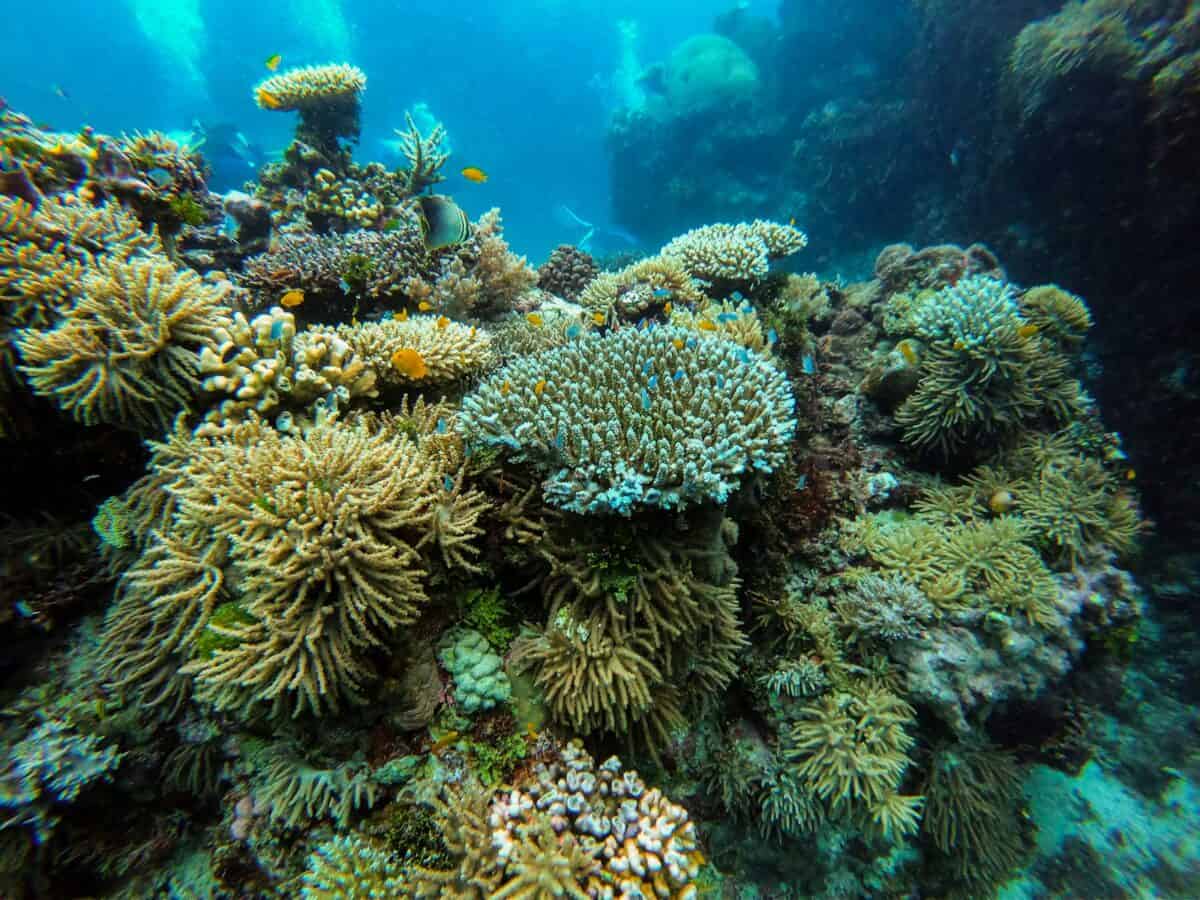
While the situation is dire, there is still hope for coral reefs on the Gulf Coast. With concerted efforts from scientists, policymakers, and communities, it’s possible to halt and potentially reverse these die-offs. This crisis underscores the urgent need to address the root causes of climate change and pollution, safeguarding these precious ecosystems for future generations.
Conclusion

The massive coral die-off off the Gulf Coast serves as a stark reminder of the intricate connections between climate, ecosystems, and human society. As stakeholders united in the fight against environmental degradation, we can implement meaningful change. By protecting coral reefs, we are preserving biodiversity and ensuring a healthy planet for generations to come. Through awareness, action, and cooperation, we can work towards restoring these magnificent underwater forests and all the treasures they hold.

- The Story of the Arctic Fox’s Incredible Seasonal Transformation - July 18, 2026
- 10 Most Venomous Snakes in US National Parks - July 18, 2026
- The Moth That Drinks Blood - July 18, 2026