


When the Environmental Protection Agency (EPA) announced plans to end its animal testing programs, the fate of hundreds of lab animals hung in the balance. But instead of quietly euthanizing them, the agency is offering these animals—rabbits, guinea pigs, and more—a second chance through public adoptions. For many, this marks a rare moment of hope born from a difficult past.
The Push for Change

The move comes after years of criticism over the use of animals in federal toxicity testing. Advocacy groups and some lawmakers had long called on the EPA to stop experiments that many saw as outdated and cruel. Under the Trump administration, budget cuts and directives to reduce animal testing accelerated the timeline, creating urgency around what to do with the animals already in labs.
Giving Animals a New Beginning

Instead of ending their lives, the EPA is coordinating with animal shelters and rescue organizations to place lab animals into loving homes. These animals, once used to test chemicals and pollutants, now have the opportunity to experience life as pets. For many of them, it will be the first time they feel grass under their feet or receive a gentle touch just for comfort.
From Experiment Subjects to Family Members
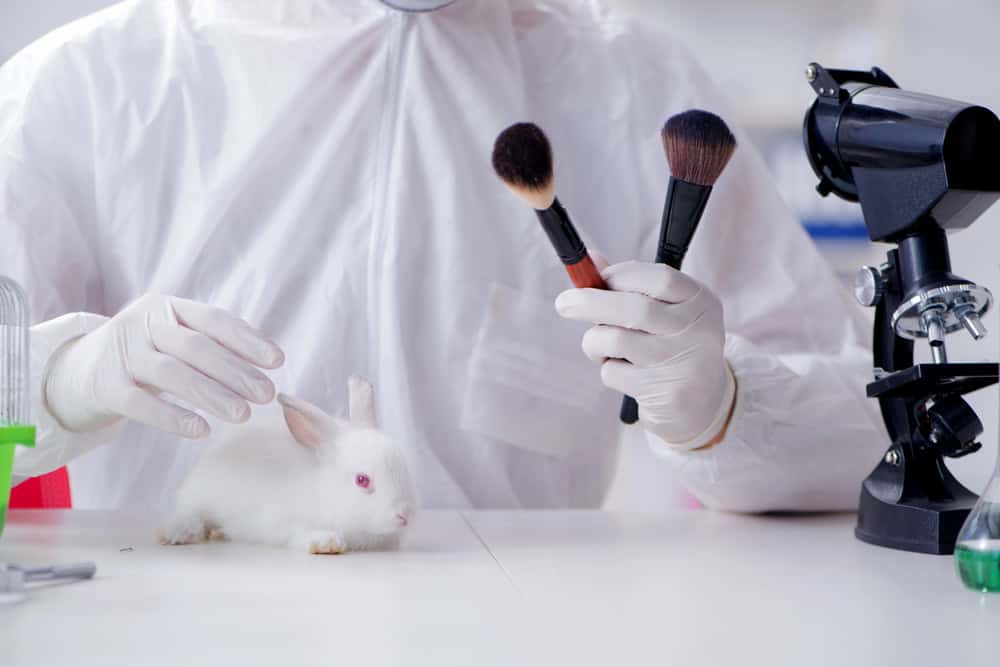
Animal rescue groups say that while these animals may need extra patience and care at first, many quickly adapt to home life. Families who adopt are reporting that their new companions, despite their past, show remarkable resilience and affection. Like a dog who’s been saved from a bad situation, these rabbits and rodents can bond deeply with the humans who give them a second chance.
A Bond Built on Compassion

For new adopters, taking in a former lab animal is more than just adding a pet—it’s a commitment to healing. Just as James became Nahkato’s pack in the wolf story, adoptive families become everything to these animals. They offer trust, love, and the safety that was once unimaginable in a sterile lab cage. Over time, adopters and animals create bonds that prove compassion can transform lives.
A Future Without Lab Testing
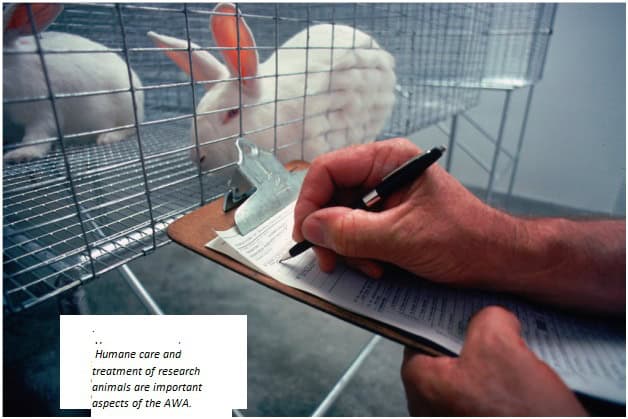
The EPA’s decision reflects a growing shift in science and society. Advances in technology are making traditional animal testing less necessary, and ethical concerns are driving policy changes. While challenges remain, the program to adopt out lab animals shows a path forward: one where animals are seen not as disposable tools but as beings deserving care. These adoptions remind us that even the most overlooked lives can find a home—and hope.

adventuring, photography and videography. I am currently working towards a BSc in Biodiversity and Ecology at Stellenbosch University to go on to specialise in Marine Sciences one day.
Please send any feedback to Feedback@animalsaroundtheglobe.com
- A New Chapter for EPA’s Lab Animals - July 16, 2026
- Lion Found Sleeping in a Massive Cactus Tree - July 16, 2026
- Squirrels Steals A Golfer’s Pack Of Cigarettes - July 15, 2026
Leave a comment
You must be logged in to post a comment.