


In a remarkable discovery that has electrified the scientific community, researchers have recently identified a previously unknown species of wild cat living in the remote highlands of the Andean mountain range. This elusive feline, now named the Andean mountain cat (Leopardus andinus), represents the first new cat species discovered in the Americas in over 50 years.
Found living at elevations between 3,500 and 4,800 meters above sea level, this medium-sized wild cat has managed to remain hidden from scientific documentation until now, despite inhabiting one of the world’s most iconic mountain ranges. The discovery underscores how much remains unknown about Earth’s biodiversity, even in regions that have been subject to human exploration for centuries.
The Momentous Discovery

The discovery of the Andean mountain cat occurred during a biodiversity expedition led by a multinational team of zoologists and conservation biologists in early 2023. The research team, comprising scientists from Peru, Chile, Bolivia, and the United States, was conducting routine camera trap surveys when they captured the first photographic evidence of an unfamiliar cat species.
Following this initial sighting, the team spent eight months collecting additional evidence including hair samples, scat, and eventually, DNA samples from a temporarily captured specimen. Genetic analysis confirmed what researchers had begun to suspect—they had encountered a previously undocumented species of wild cat that had evolved in isolation in the high Andean ecosystem.
Physical Characteristics

The Andean mountain cat exhibits several distinctive physical characteristics that set it apart from other South American felines. With an average weight of 8-10 kilograms (17-22 pounds), it’s slightly larger than a domestic cat but smaller than many other wild cat species. Its most striking feature is its thick, silver-gray coat adorned with distinctive black rosettes that become solid stripes along the legs and tail. The dense fur provides crucial insulation against the harsh Andean climate.
Other notable physical traits include disproportionately large paws that help distribute weight when walking on snow, amber-colored eyes adapted for low-light hunting, and particularly rounded ears that minimize heat loss in the frigid high-altitude environment. The tail is remarkably long, measuring approximately 70% of the body length, which scientists believe helps with balance when navigating rocky terrain.
Habitat and Range

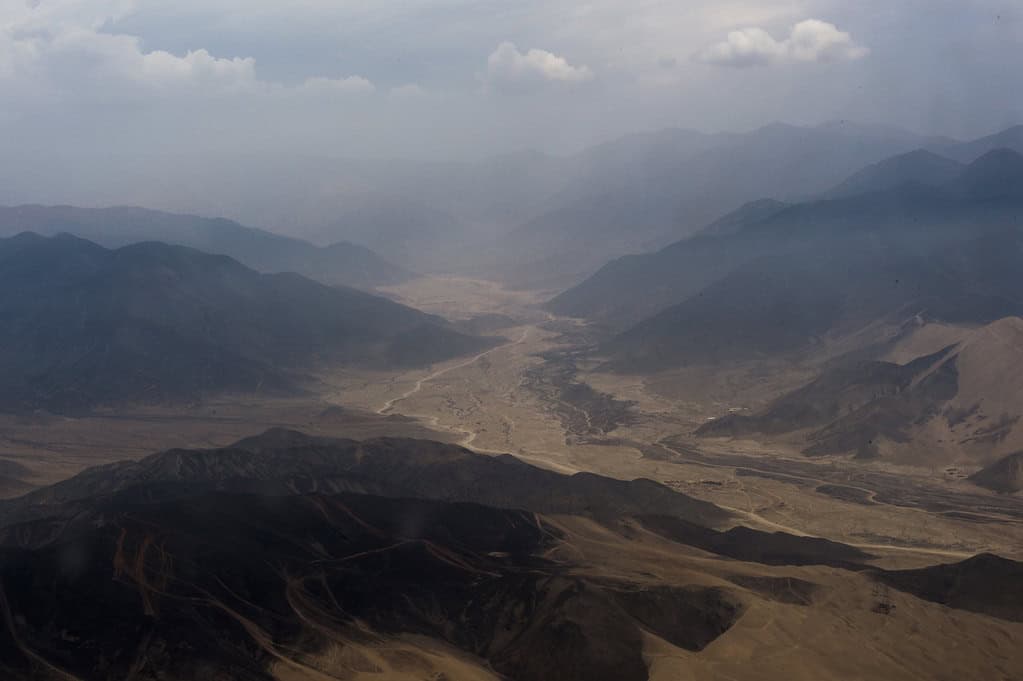
This newly discovered species appears to inhabit a specific ecological niche in the high Andean plateau regions spanning parts of southern Peru, western Bolivia, and northern Chile. Unlike many cat species that prefer dense forest cover, the Andean mountain cat has adapted to life in sparse, rocky landscapes above the tree line. Initial surveys suggest its range may be limited to approximately 25,000 square kilometers of high-altitude habitat, typically between 3,500 and 4,800 meters above sea level.
The cat shows a preference for rocky outcroppings and cliff faces that provide both shelter and vantage points for hunting. Interestingly, researchers have noted that the species appears to follow seasonal migration patterns of its prey, moving to slightly lower elevations during the harshest winter months when temperatures at higher elevations can plummet to -20°C (-4°F).
Evolutionary History
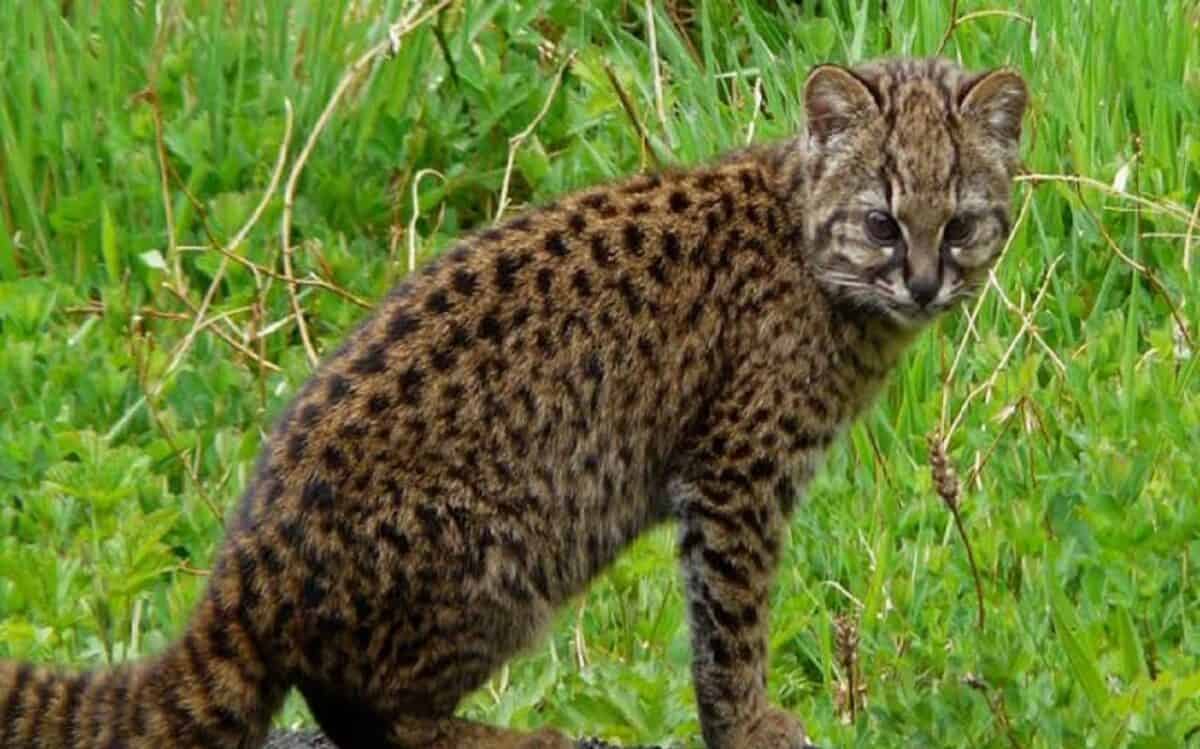
Preliminary genetic analysis suggests the Andean mountain cat diverged from other South American wild cats approximately 1.8 million years ago, coinciding with a major period of uplift in the Andes mountains. This timeframe aligns with significant climate changes that created new ecological niches throughout the region. The cat appears to be most closely related to the Pampas cat (Leopardus colocolo) and the small Kodkod (Leopardus guigna), though it has developed unique adaptations for high-altitude living.
Evolutionary biologists are particularly excited about studying this species because it represents a remarkable example of convergent evolution with the unrelated Snow Leopard of Asia, which has developed similar adaptations for high-altitude mountain environments despite being separated by continents and millions of years of evolution.
Diet and Hunting Behavior

The Andean mountain cat appears to be primarily crepuscular and nocturnal, hunting during dawn, dusk, and nighttime hours. Its diet consists mainly of mountain viscachas (rabbit-like rodents), Andean mice, ground-dwelling birds such as tinamous, and occasionally, high-altitude lizards. Camera trap footage has revealed fascinating hunting techniques specifically adapted to the rocky terrain, including a distinctive “ambush from above” strategy where the cat waits motionlessly on rock outcroppings before pouncing on prey passing below.
Unlike many other wild cats, the Andean mountain cat doesn’t appear to cache or bury its food, likely due to the sparse vegetation in its habitat. Researchers have also observed interesting seasonal variations in hunting patterns, with birds making up a larger portion of the diet during spring and summer months when rodent populations may be less accessible.
Social Structure and Reproduction
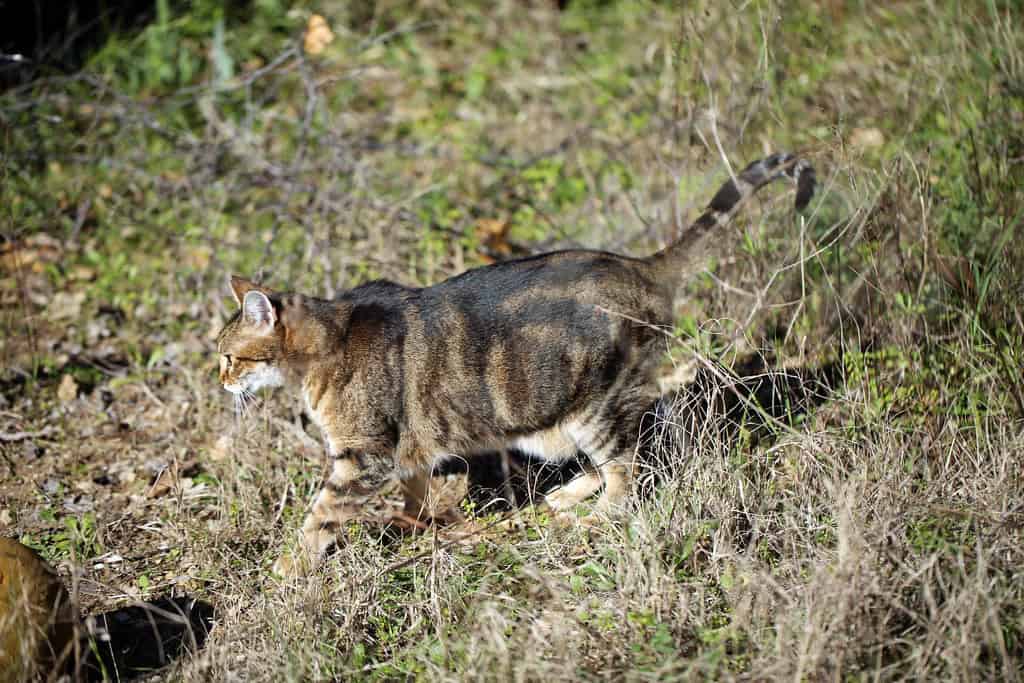
Initial observations suggest the Andean mountain cat is primarily solitary, with adults maintaining individual territories that range from 15-40 square kilometers depending on resource availability. Males and females come together only for breeding, which appears to occur during a specific season between April and June. Limited data indicates a gestation period of approximately 60-65 days, with litters typically comprising 1-3 kittens.
The young remain with their mother for about 10 months, during which time they learn essential hunting and survival skills. One particularly interesting aspect of their social behavior is a complex system of scent marking using both urine and specialized gland secretions. Researchers have documented elaborate scent-marking rituals at territory boundaries, suggesting a sophisticated communication system despite the species’ solitary nature.
Conservation Status and Threats
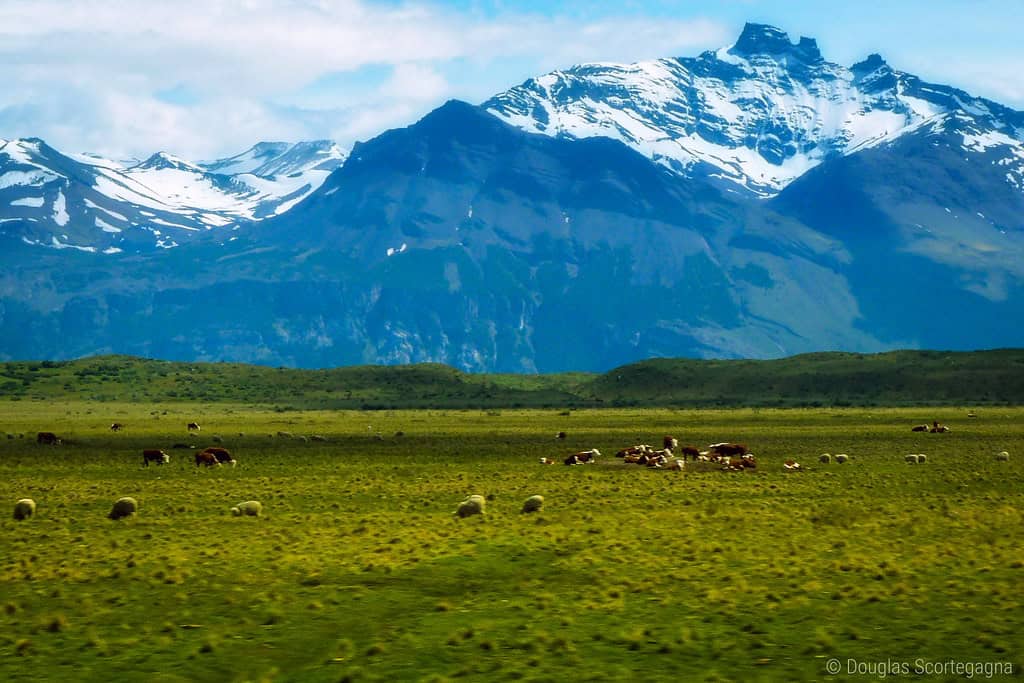
Though only recently discovered, scientists are already concerned about the conservation status of the Andean mountain cat. Based on initial population estimates and its limited range, researchers believe fewer than 2,500 mature individuals may exist in the wild. This would qualify the species for “Endangered” status under IUCN criteria, though official classification is still pending. The primary threats identified include habitat degradation due to mining operations expanding into the high Andes, climate change affecting the fragile high-altitude ecosystem, and potential conflict with local pastoral communities whose livestock may overlap with the cat’s territory. Additionally, as news of the discovery spreads, there is concern about potential poaching for the illegal wildlife trade, as newly discovered species often face heightened interest from collectors.
Indigenous Knowledge
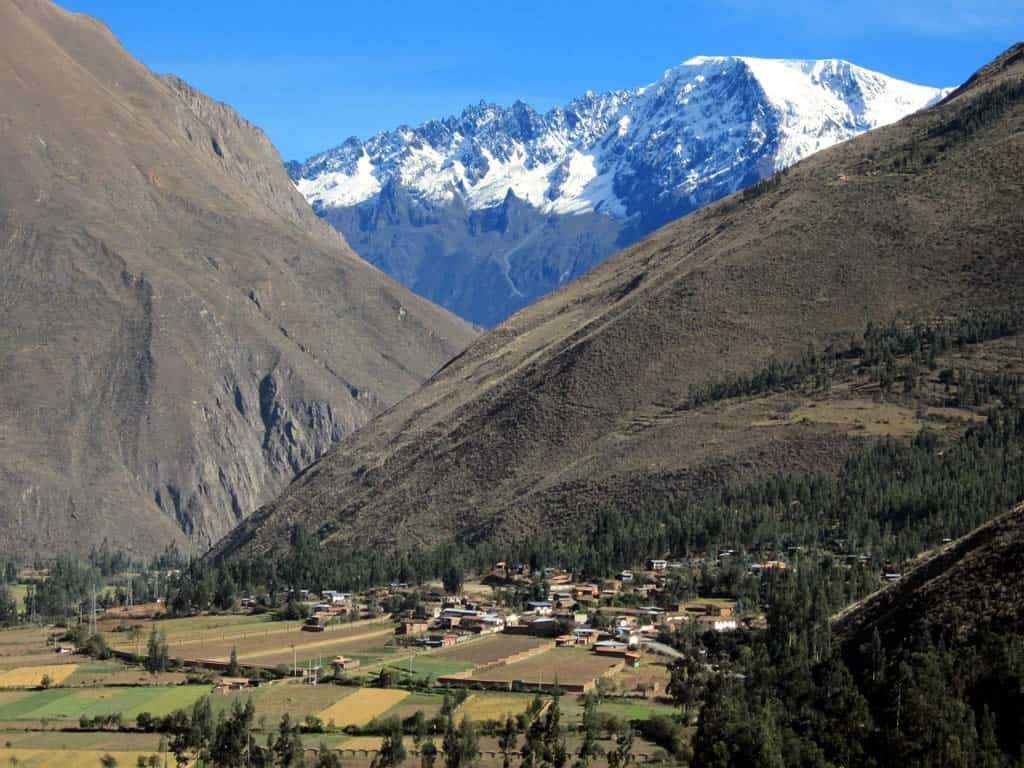
Interestingly, while this cat species is new to science, it is not entirely unknown to indigenous communities in the region. Interviews with local Aymara and Quechua communities have revealed traditional knowledge of a cat they call “titi wara” or “ghost cat” in their respective languages. These communities have occasionally observed the elusive feline for generations but considered sightings rare and sometimes spiritually significant.
Some traditional stories describe the cat as a guardian of the mountains or a spiritual messenger. This traditional ecological knowledge has proven invaluable to researchers, who have collaborated with indigenous guides to locate prime habitat areas and identify behavior patterns. The discovery highlights the importance of integrating indigenous knowledge with scientific research in biodiversity studies.
Research Challenges

Studying the Andean mountain cat presents exceptional challenges for researchers. The extreme altitude makes fieldwork physically demanding, with scientists requiring gradual acclimatization to work effectively in the oxygen-depleted environment. The remote, rugged terrain necessitates specialized equipment and often helicopter access to study sites. Weather conditions can change rapidly, with snowstorms possible even during summer months.
Additionally, the cat’s naturally low population density, extensive territories, and elusive nature make direct observation exceptionally rare. As a result, researchers rely heavily on non-invasive methods such as camera traps, environmental DNA analysis from water sources, and scat collection. Even with these techniques, a single confirmed sighting might require months of fieldwork, making this one of the most challenging feline species to study in the world.
Scientific Significance
The discovery of the Andean mountain cat holds tremendous scientific significance beyond simply adding a new species to taxonomic records. As a top predator that has evolved in isolation in an extreme environment, the cat offers valuable insights into adaptive evolution. Its physiological adaptations to high altitude could potentially inform human medical research related to oxygen utilization and cold tolerance. The species also presents an opportunity to study a predator-prey relationship in a relatively simple ecosystem with few competing predators, allowing for cleaner ecological modeling.
Furthermore, as one of the most recently diverged cat species, its genetic makeup could help resolve long-standing questions about feline evolution in the Americas. The scientific community has responded with enthusiasm, with several universities and research institutions already launching dedicated research programs focused on this remarkable new species.
Conservation Efforts

Following the discovery, a multinational conservation initiative has been rapidly established to protect the Andean mountain cat. The Andean Cat Alliance, comprising conservation organizations from Peru, Bolivia, and Chile along with international partners, has developed a preliminary conservation action plan. Key elements include establishing protected corridors between fragmented habitats, working with mining companies to implement wildlife-friendly practices, and developing community conservation programs that engage local people as conservation partners.
DNA sampling is underway to assess genetic diversity across the species’ range, which will inform captive breeding programs if they become necessary. Several governments are fast-tracking protected area designations specifically for this species, recognizing the global significance of the discovery and the immediate conservation attention required. Conservation biologists emphasize that having discovered this species, we now bear responsibility for ensuring its survival.
Cultural Impact

The discovery of the Andean mountain cat has already created ripples beyond the scientific community. Local governments have begun featuring the cat in regional tourism promotions, highlighting the biodiversity significance of the region. Several conservation organizations have seen spikes in donations as public interest in the new species grows. In Peru, a craft brewery has named a new beer after the cat, with a percentage of proceeds supporting conservation efforts.
More profoundly, the discovery has reignited cultural pride in indigenous communities, validating traditional knowledge that had often been dismissed by mainstream science. Educational programs are being developed for schools throughout the region, using the excitement around the new species to promote broader environmental awareness. The cat has quickly become a flagship species for high Andean conservation, demonstrating how a single discovery can catalyze attention and resources for an entire ecosystem.
Conclusion

The discovery of the Andean mountain cat represents one of the most significant mammalian findings of the 21st century, reminding us that our planet still holds remarkable secrets waiting to be uncovered. As research continues to reveal more about this elusive feline’s behavior, ecology, and evolutionary history, scientists face the dual challenge of advancing our understanding while simultaneously working to protect a species that was unknown to science just months ago.
The story of the Andean mountain cat exemplifies both the wonders of biodiversity and the urgency of conservation in an era of rapid environmental change. Perhaps most importantly, this discovery serves as a powerful reminder that even in our age of satellite mapping and extensive global exploration, Earth’s most magnificent creatures can remain hidden in plain sight, awaiting those with the persistence and passion to find them.

From exploring the marine wonders in the Azores and witnessing the vast savannas of Kenya, to delving deep into the rich biodiversity of South Africa and traversing iconic landscapes in Australia and the US like Yellowstone, Chris's experiences are vast.
With a penchant for diving alongside sharks, the ocean holds a special place in his heart.
Through his academic insights, he champions wildlife conservation, striving with 'Animals Around The Globe' to cultivate a profound connection between humans and animals, enhancing our mutual appreciation.
Connect with him at Feedback@animalsaroundtheglobe.com.
- Remembering Jane Goodall: The Enduring Spark That Lit Up Wildlife Conservation - August 4, 2026
- The Animal That Can Freeze, Thaw, and Still Survive - August 4, 2026
- Legend or Monster? The White River Beast of Arkansas - August 3, 2026