

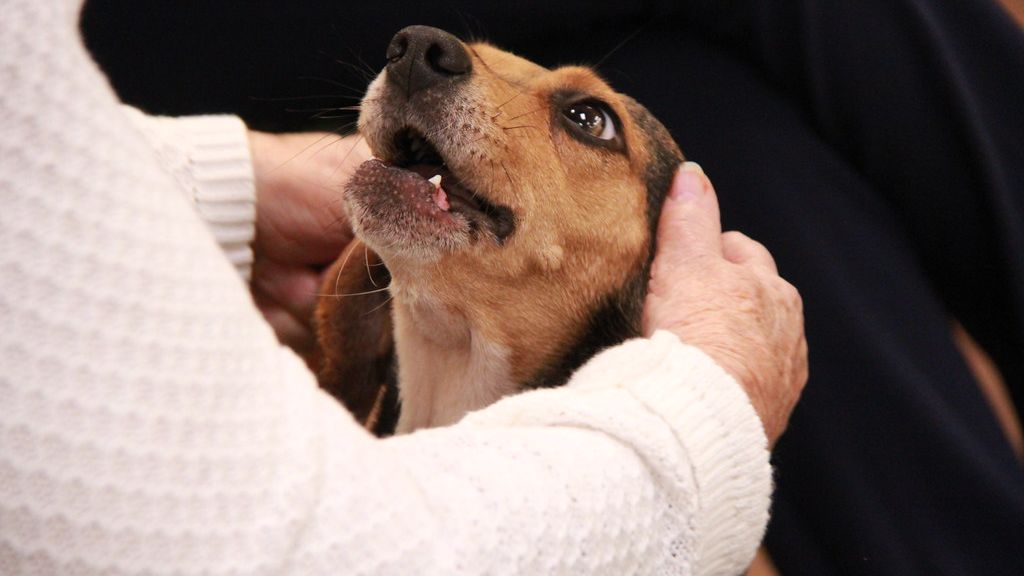
Wisconsin organizations recently completed the removal of 1,500 beagles from a research facility that had encountered serious operational challenges. The dogs are now moving through adoption processes that will place them in permanent homes spread across roughly 40 states. This relocation represents a major shift for the animals, taking them out of laboratory conditions and into domestic settings where they can receive individual care.
Coordinated Removal from the Facility
The effort involved careful planning by local groups familiar with animal welfare protocols. Teams worked to ensure the beagles were transported safely and received initial health assessments before further movement. Such operations require coordination among multiple partners to handle the scale of 1,500 animals at once.
Participants noted that the process focused on minimizing stress for the dogs during the transition. Standard procedures for large-scale rescues guided the steps from the facility to temporary holding areas. The organizations involved emphasized steady progress without rushing any phase of the removal.
Preparing Dogs for Adoption
Once out of the facility, the beagles entered programs designed to match them with suitable families. Staff members evaluated each dog’s temperament and health needs to guide placement decisions. This preparation phase helps increase the chances of successful long-term adoptions.
Volunteers and professionals handled routine care tasks such as vaccinations and basic training introductions. The goal remained consistent: ready the animals for environments that differ sharply from their previous surroundings. Organizations tracked progress closely to address any individual requirements that arose.
Distribution Across Multiple States
The dogs are being sent to adopters in approximately 40 states, spreading the placements widely rather than concentrating them in one region. This broad distribution allows more families to participate while reducing pressure on any single shelter network. Transport logistics played a key role in making the nationwide reach possible.
Groups coordinated with rescue networks in destination states to handle final handoffs. Each receiving organization followed its own intake standards while aligning with the overall timeline. The result is a dispersed network of new homes that reflects the collaborative nature of the project.
Next Steps for the Animals and Groups
Adoption finalization continues as families complete applications and meet the dogs. Follow-up support from the original Wisconsin organizations helps address questions that may surface after placement. This ongoing assistance aims to support stable transitions for both the beagles and their new owners.
While the immediate removal is complete, the groups continue to monitor outcomes across the various states. Success will depend on how well the animals adjust to household routines over the coming months. The effort underscores the capacity of coordinated animal welfare work to manage large numbers of dogs at once.
The relocation highlights how targeted partnerships can move animals from research settings into family life on a significant scale.

- 25 Hummingbird-Friendly Garden Tips That Will Bring These Tiny Birds Back Again and Again - July 30, 2026
- 10 Most Powerful Native American Spirit Animals and What They Mean. - July 30, 2026
- 12 Signs of Stomach Ache in Dogs - July 30, 2026