
The deep, icy waters of Alaska are home to one of nature’s most fascinating wonders – a marine giant whose longevity surpasses almost any other animal on Earth. This whale, known for its impressive size and the serene life it leads, captivates scientists and enthusiasts alike with its remarkable ability to live up to 200 years. Let’s dive deeper into the life of Alaska’s oldest resident and explore what makes this whale an extraordinary marvel of the natural world.
Introduction to the Bowhead Whale

The bowhead whale, one of the ocean’s most intriguing mammals, holds the title for being Alaska’s oldest animal. Known scientifically as *Balaena mysticetus*, this whale belongs to the baleen whale family and is uniquely adapted to Arctic and sub-Arctic environments. Bowhead whales are easily recognizable by their massive bow-shaped heads, which they use to break through ice.
Physical Characteristics of Bowhead Whales

Bowhead whales are enormous creatures, with adults reaching lengths of 45 to 60 feet and weighing up to 100 tons. Their distinctive features include a robust body, thick blubber layer for insulation, and long baleen plates that filter small prey from the water. Their dark bodies are mottled with patches of gray or white, providing a striking contrast against the icy backdrop of their habitat.
The Astonishing Longevity of Bowhead Whales
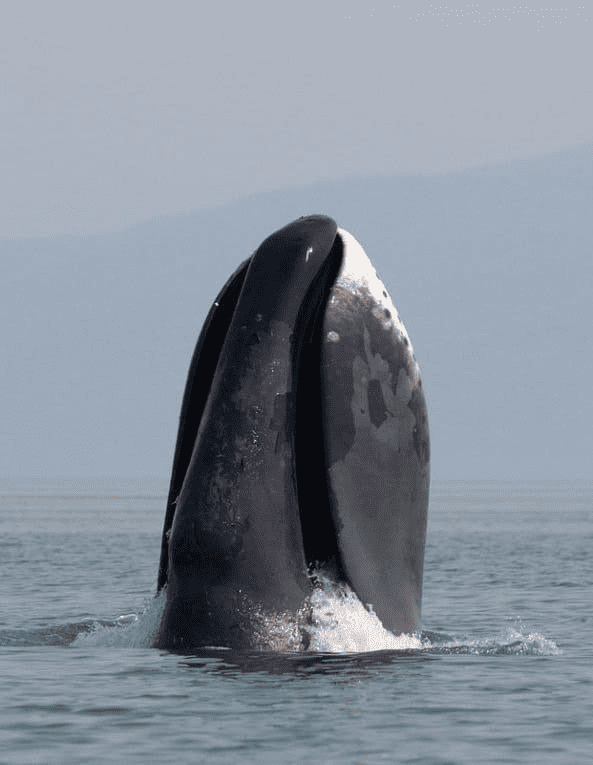
The bowhead whale’s longevity is nothing short of astounding. Scientists estimate that these majestic creatures can live for over two centuries, with the oldest known individuals reaching the age of 211 years. This incredible lifespan has been determined through the analysis of eye lenses and the discovery of ancient harpoon tips embedded in their bodies.
Adaptations for Arctic Life
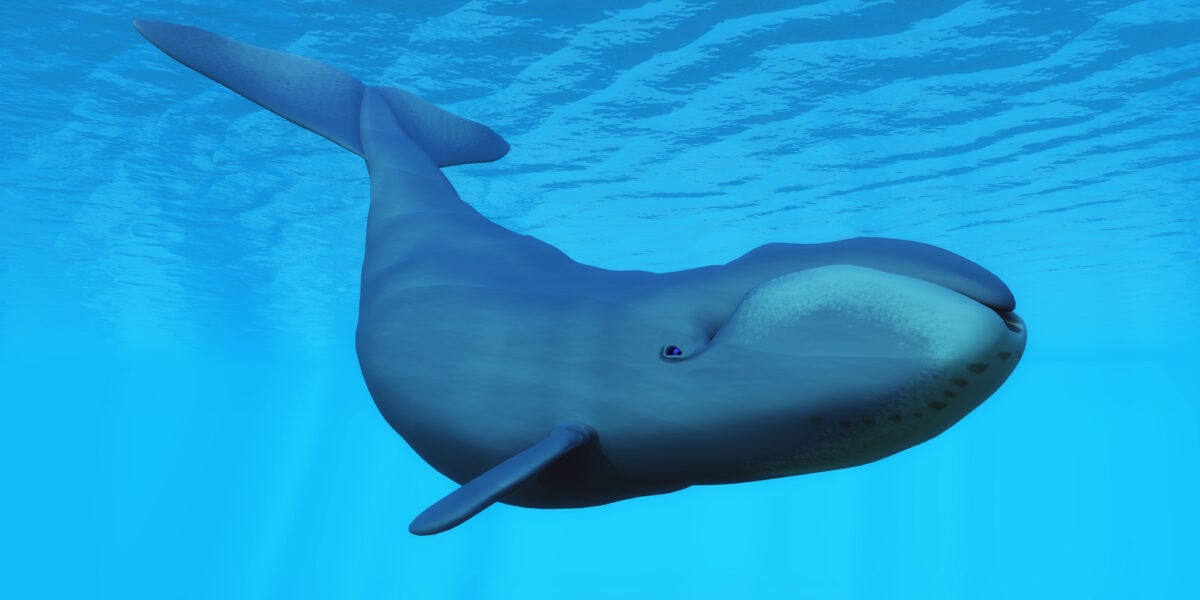
Thriving in one of the Earth’s harshest climates requires specialized adaptations. Bowhead whales possess a thick layer of blubber, measuring up to two feet thick, which provides insulation against the frigid waters. Their massive skulls are capable of breaking through sea ice over a foot thick, allowing them to breathe in ice-covered habitats. Additionally, their circulatory system is adapted to minimize heat loss, ensuring they remain warm and active in sub-zero temperatures.
Migration and Habitat
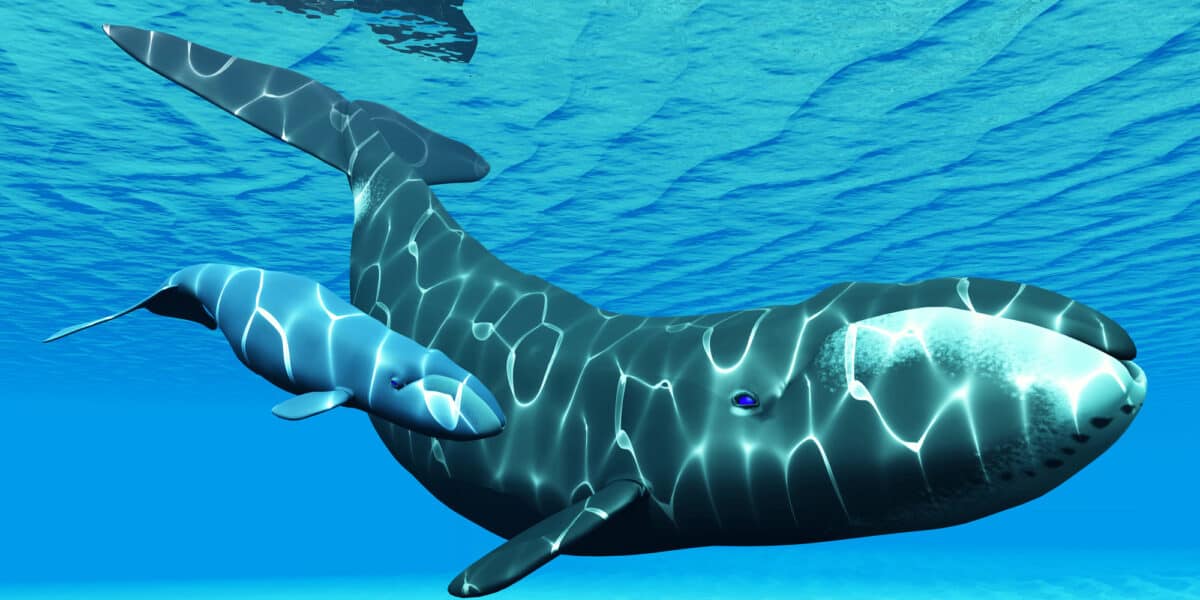
Bowhead whales are primarily found in Arctic and sub-Arctic regions, with the Bering, Chukchi, and Beaufort Seas being their primary habitats. These whales undertake seasonal migrations, moving from summer feeding grounds in the Arctic to wintering areas where they breed and give birth. Their migratory patterns are closely linked to the availability of sea ice, which affects their access to feeding and mating grounds.
Feeding Habits and Diet

The diet of bowhead whales primarily consists of zooplankton and small crustaceans. They feed by swimming with their mouths open, allowing water to pass through their baleen plates, which trap their tiny prey. Despite their enormous size, bowhead whales rely on these small organisms for sustenance, consuming up to two tons of food per day during peak feeding season.
Reproduction and Life Cycle

Bowhead whales have a slow reproductive rate, with females giving birth to a single calf every three to four years. Gestation lasts approximately 13 to 16 months. Calves are nursed for about a year and begin to accompany their mothers during migrations shortly after birth. The extended period of maternal care helps ensure the young whales’ survival in the challenging Arctic environment.
Social Behavior and Communication

Bowhead whales are known for their complex social structures and communication methods. They often gather in groups, engaging in activities such as breaching and singing. Their vocalizations, which include songs and calls, play a crucial role in maintaining social bonds and coordinating movements within groups, especially during migration.
Threats to Bowhead Whales

Despite their remarkable endurance, bowhead whales face numerous threats, both natural and human-induced. Climate change poses the most significant risk by altering sea ice patterns, affecting their migration and feeding. Additionally, increased shipping in Arctic waters raises the risk of collisions and noise pollution, which can disrupt their communication and behavior.
Conservation Efforts

Conservation efforts for bowhead whales focus on mitigating the impacts of climate change and protecting their habitats. International agreements regulate commercial whaling, while specific protections are in place to preserve critical feeding and breeding areas. Research and monitoring programs help track population health and guide conservation strategies to ensure their continued survival.
Bowhead Whales and Indigenous Communities

Bowhead whales hold significant cultural and subsistence value for Indigenous communities in Alaska. Traditional hunting practices, deeply rooted in indigenous culture, are carried out sustainably, adhering to quotas that ensure the preservation of whale populations. These communities play an important role in ongoing conservation efforts by sharing knowledge and advocating for the protection of their natural environment.
The Legacy of Alaska’s Oldest Marine Resident

The bowhead whale stands as a testament to nature’s resilience and adaptability. As one of the oldest living animals on the planet, it continues to inspire scientific research and conservation efforts. By understanding the unique challenges these whales face, we can develop effective strategies to protect them, ensuring that future generations will also have the opportunity to marvel at these giants of the sea.
In the icy depths of Alaska’s waters, the bowhead whale remains a symbol of endurance and natural wonder. With a life expectancy surpassing that of most other animals, these whales are not just remarkable for their longevity, but also for their resilience in one of the world’s harshest environments. Understanding and protecting the bowhead whale is crucial as we strive to preserve the delicate balance of our planet’s ecosystems.

- How Penguins Navigate Without a Compass - August 18, 2026
- Why You Should Always Respect a Lone Bison - August 18, 2026
- The Secret World of Animals That Glow - August 18, 2026