

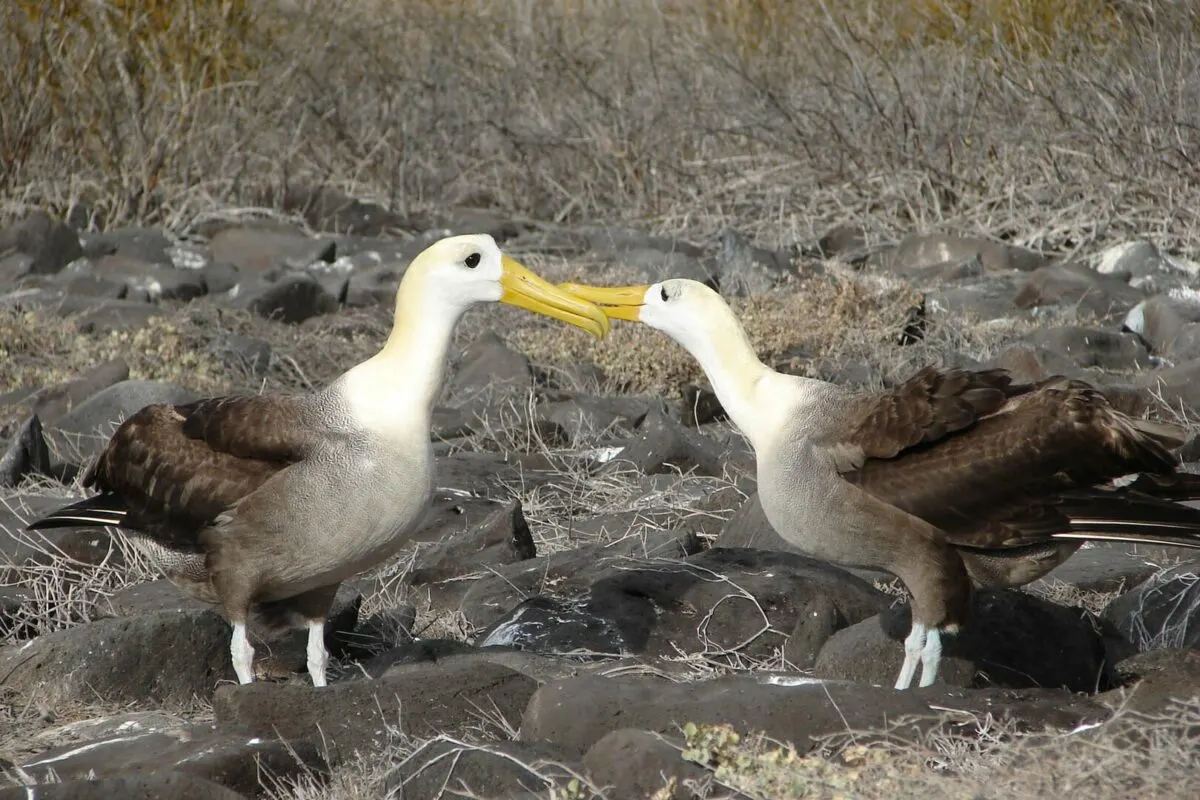
Albatrosses are magnificent sea birds known not only for their incredible wingspan, which can reach up to 12 feet, but also for their extraordinary love lives. These birds are part of the Diomedeidae family and mainly inhabit the Southern Ocean and the North Pacific. They are renowned for their long-distance flights, effortlessly soaring over vast expanses of ocean. Yet, beyond these remarkable physical abilities, albatrosses have captured human interest with their unique mating rituals and the phenomenon of lifetime mating bonds. This behavior offers intriguing insights into the natural world’s complex relationships.
The Importance of Mating Bonds

While many animals exhibit some form of monogamy, the albatrosses’ dedication to their partners stands out. However, lifetime bonds in the animal kingdom often arise not merely from emotional attachment but from evolutionary advantages. In the challenging environments that albatrosses inhabit, raising offspring successfully requires significant cooperation and dedication from both parents. By forming monogamous pairs, these birds enhance their breeding success. A stable partnership ensures balanced investment in incubating eggs and rearing chicks, crucial for the offspring’s survival, especially in environments where resources can be scarce and unpredictable.
Rituals that Strengthen the Bond

Albatrosses engage in intricate and captivating courtship rituals, which are essential for forming and maintaining their lifelong bonds. These rituals involve synchronized dances, which can last for hours, and include a series of bowing, bill clacking, and vocalizations. Each albatross pair has its own unique dance, strengthening the pair’s bond year after year. These performances help the birds recognize each other among colonies that may include thousands of individuals, reinforcing their connection and ensuring fidelity.
Challenges to Lifelong Relationships
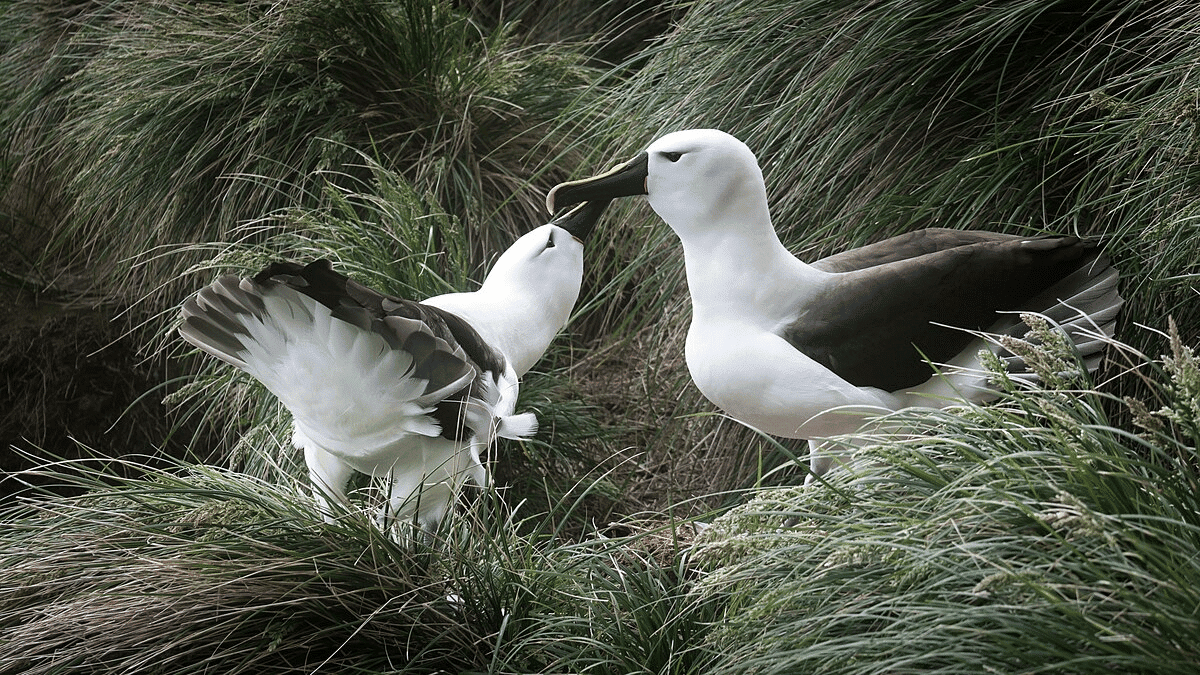
Despite their strong bonds, albatross pairs may face challenges that test their relationships. Long-distance migrations, environmental changes, and predation are just a few factors that can impact their ability to maintain these bonds. Human activities, such as fishing and pollution, also pose significant threats to albatross populations. The loss of a partner, whether due to environmental hardship or human impact, can leave even these committed birds vulnerable. While some albatrosses may eventually find new partners and form another bond, the process is time-consuming and can reduce breeding success in the interim.
The Role of Genetics and Environment

Research has shown that both genetics and environmental factors play a role in the formation and maintenance of albatross mating bonds. Genetic studies suggest that certain albatross species develop lifelong partnerships due not only to external pressures but also to innate preferences, which guide their selection of genetically compatible partners. The stability of these relationships is further influenced by the reliability of environmental conditions, which ensure that paired birds can meet the demands of raising their young together effectively.
Lessons from Albatrosses’ Love
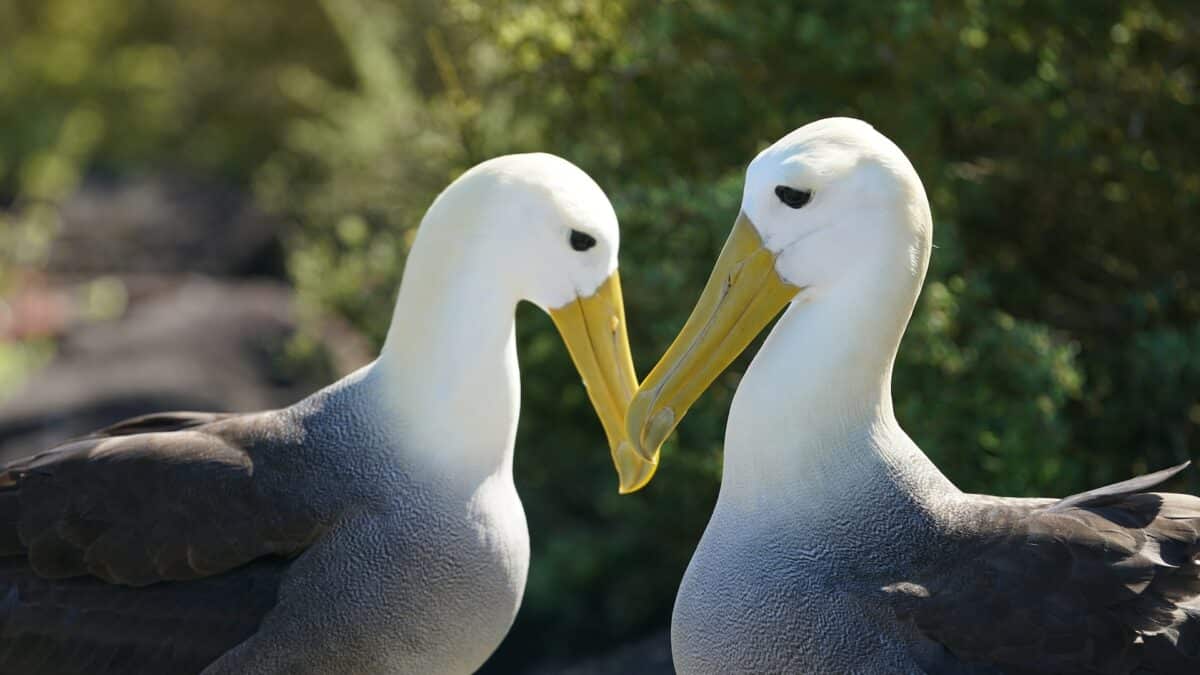
The love story of albatrosses serves as a powerful reminder of the resilience and adaptability of life. These sea birds manage to thrive in harsh and expansive environments, maintaining bonds that last a lifetime, which not only benefits their offspring but also ensures the continuation of their species. By studying albatrosses, we gain a deeper appreciation of the complex social structures found in nature, offering potential insights into the evolutionary advantages of monogamous behaviors.
Conclusion
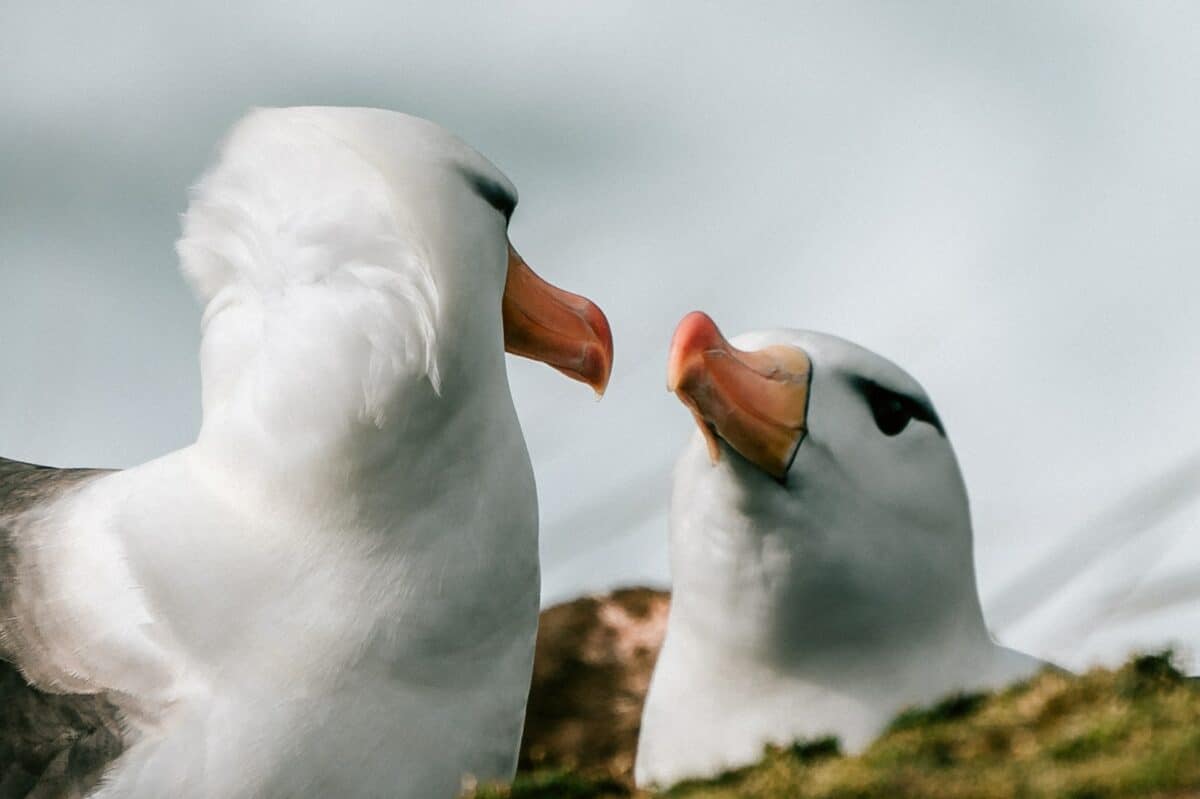
The story of albatrosses and their lifetime mating bonds is a true testament to nature’s ability to foster connections that mirror the very essence of enduring companionship. These birds embody the delicate balance of nature, where partnership and dedication can lead to survival and success. As we continue to study these avian giants, we uncover lessons that resonate not only within the realms of animal science but perhaps also in our understanding of commitment and relationships in the human world.

From exploring the marine wonders in the Azores and witnessing the vast savannas of Kenya, to delving deep into the rich biodiversity of South Africa and traversing iconic landscapes in Australia and the US like Yellowstone, Chris's experiences are vast.
With a penchant for diving alongside sharks, the ocean holds a special place in his heart.
Through his academic insights, he champions wildlife conservation, striving with 'Animals Around The Globe' to cultivate a profound connection between humans and animals, enhancing our mutual appreciation.
Connect with him at Feedback@animalsaroundtheglobe.com.