
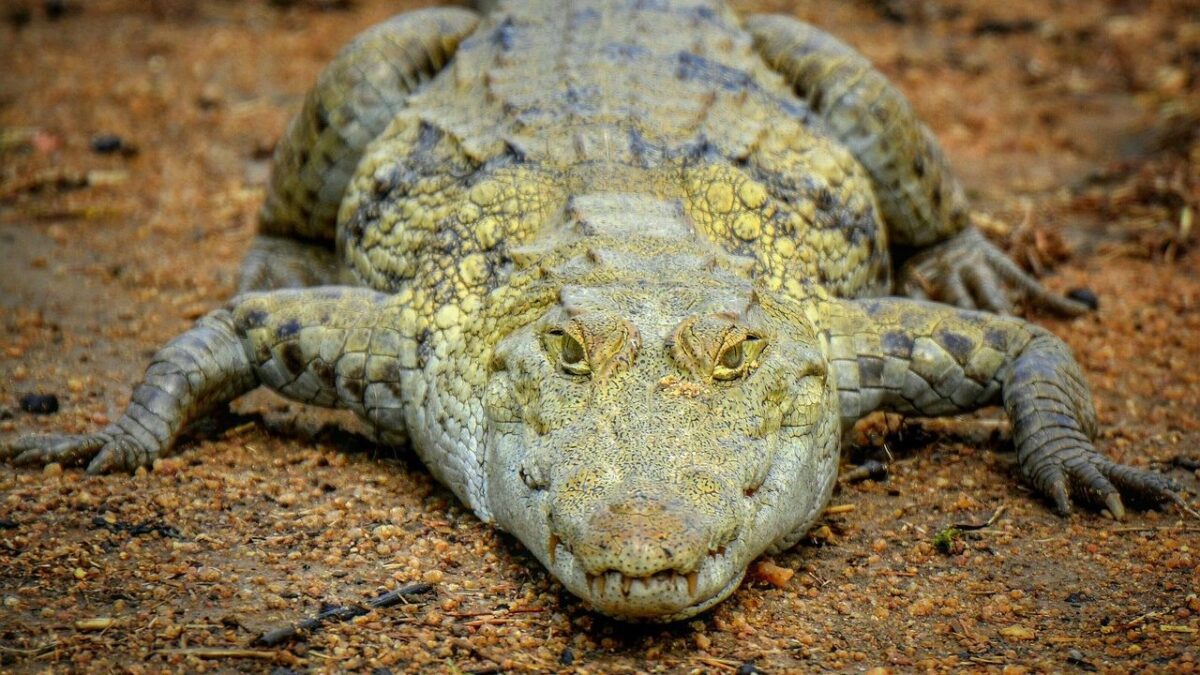
Have you ever wondered why crocodiles appear so prominently in African stories passed down through centuries? There’s something profoundly captivating about these ancient reptiles that has stirred human imagination for millennia. Across the vast African continent, from the sacred waters of the Nile to the mysterious swamps of central Africa, crocodiles have embodied divine power, ancestral wisdom, and primal forces that shape our world.
Whether worshipped as gods, feared as monsters, or revered as the vessels of ancestral spirits, these formidable creatures have woven themselves into the very fabric of African mythology. The legends aren’t just ancient tales though, they’re living traditions that continue to influence communities today, bridging the gap between the physical and spiritual realms.
Sobek, the Crocodile God of Ancient Egypt
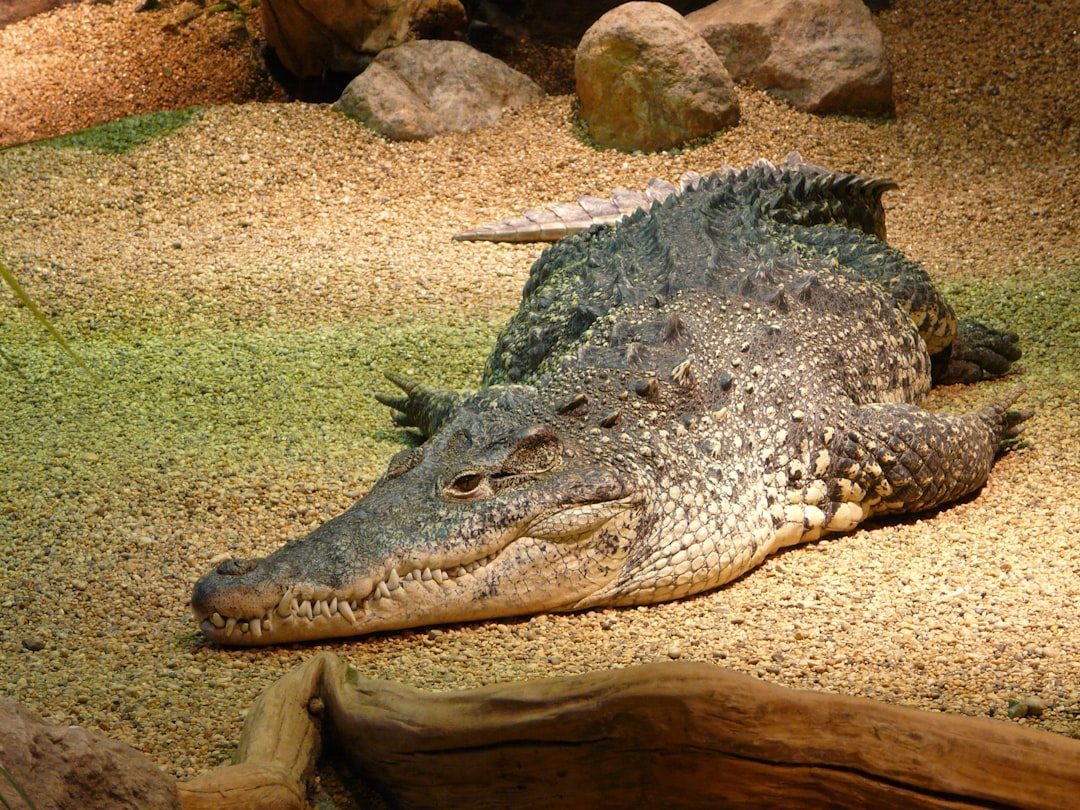
In ancient Egyptian mythology, Sobek stands as one of the most compelling deities, often depicted as a crocodile-headed humanoid who embodied both the ferocity of the crocodile and the vital life force of the Nile. Sobek was associated with pharaonic power, fertility, and military prowess, serving as a protective deity with apotropaic qualities, particularly for protection against the dangers of the Nile.
Among the earliest references to him appear in the Pyramid Texts of the Old Kingdom, where he is described as a primordial force who emerged from the chaotic waters of Nun, with some creation myths stating that Sobek laid eggs on the bank of the waters of Nun, thus creating the world. Some traditions claim that Sobek not only created the Nile but also ruled the universe at its earliest stage.
Sobek’s worship was especially strong in the Faiyum region, where live crocodiles were kept in sacred pools and revered as earthly manifestations of the god, and these crocodiles were fed lavishly and, upon death, carefully mummified and buried in special cemeteries. In some areas, a tame crocodile was worshiped as the earthly embodiment of Sobek himself, with temples housing live crocodiles that were believed to be the living incarnations of Sobek and treated with great respect.
The Venda People and the White Crocodile Guardian
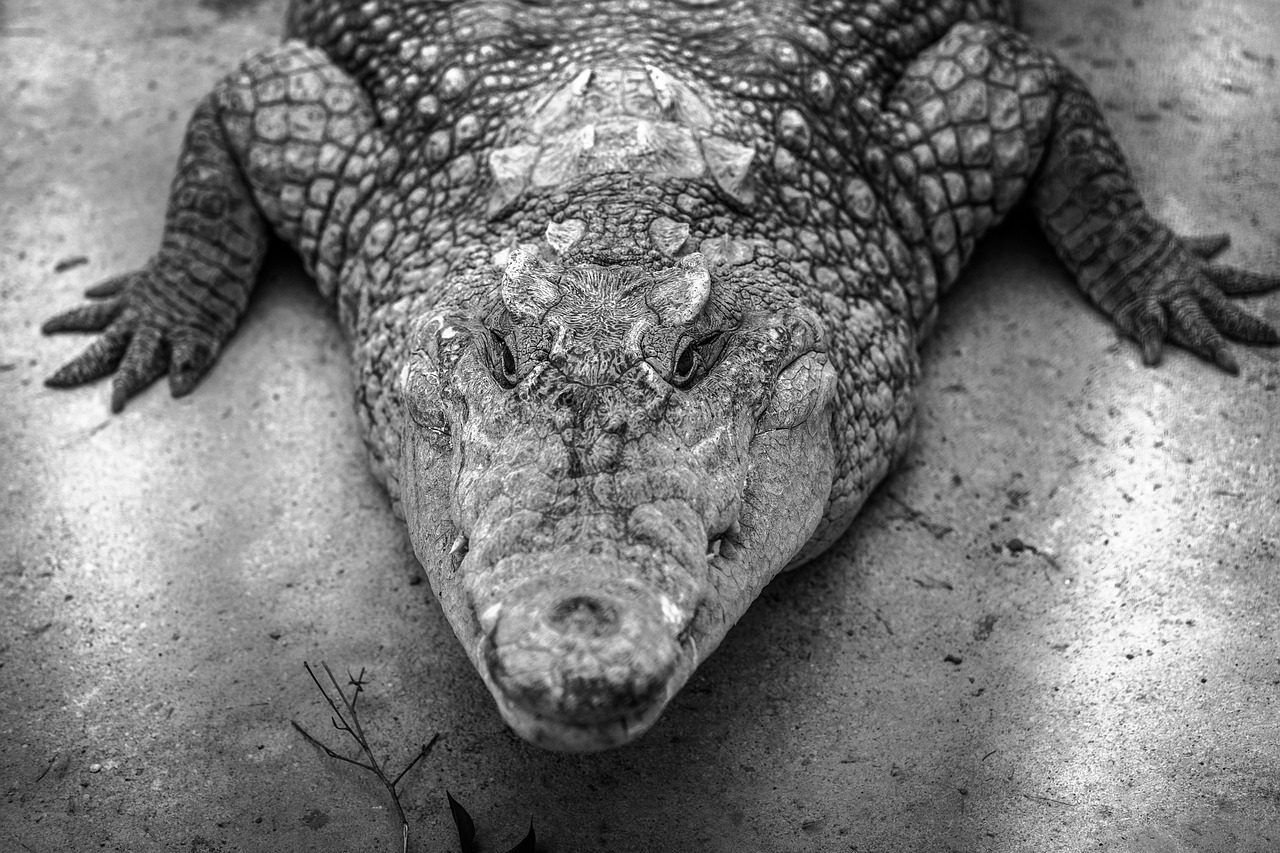
The Venda, or VhaVenḓa, people live in the present-day Limpopo Province in South Africa, and have a close spiritual association with water creatures and spirits, with Lake Funduzi featuring prominently in their stories. Legend narrates that the lake was created by a curse when a passing leper was refused food and shelter in the village, causing the village to be flooded and disappear under the newly formed lake.
Lake Funduzi does not only have a legendary white snake (python) but also a white crocodile, which guards the ghosts of the Venda ancestors who reside beneath the water surface. Venda chiefs would eat food cooked with pebbles from a crocodile’s stomach during their installation ceremony in order to take on the powerful attributes of crocodiles.
This fascinating tradition shows how crocodiles served not just as spiritual guardians but as sources of power that could be literally consumed. The white crocodile represents a bridge between the living and the dead, embodying the ancestors’ protective presence in the sacred waters.
West African Creation Myths and Giant Crocodiles
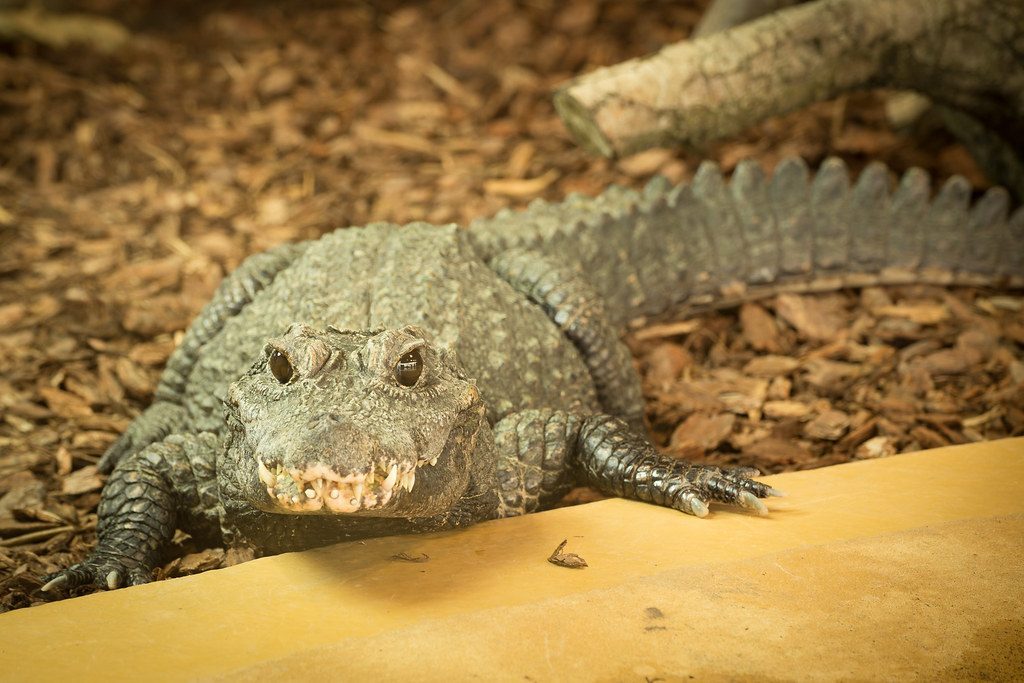
In certain West African myths, a giant crocodile is said to have created rivers and lakes as it moved across the land, providing water for other beings. Crocodiles appear in various creation myths across Africa, often associated with the formation of the land and the sustenance of life, depicted as primordial beings that emerged from the waters to shape the earth.
Some creation stories feature crocodiles as helpers of deities, aiding in the creation of animals and humans, highlighting the crocodile’s integral role in the ecosystem, symbolizing the balance between creation and destruction. These narratives paint crocodiles as cosmic architects, literally carving out the landscape as they moved.
The image of a massive crocodile creating waterways by its very movement speaks to the profound respect these cultures had for the crocodile’s power to transform the environment. Think of it as nature’s bulldozer, but with divine purpose and wisdom.
Ancestral Spirits in Crocodile Form
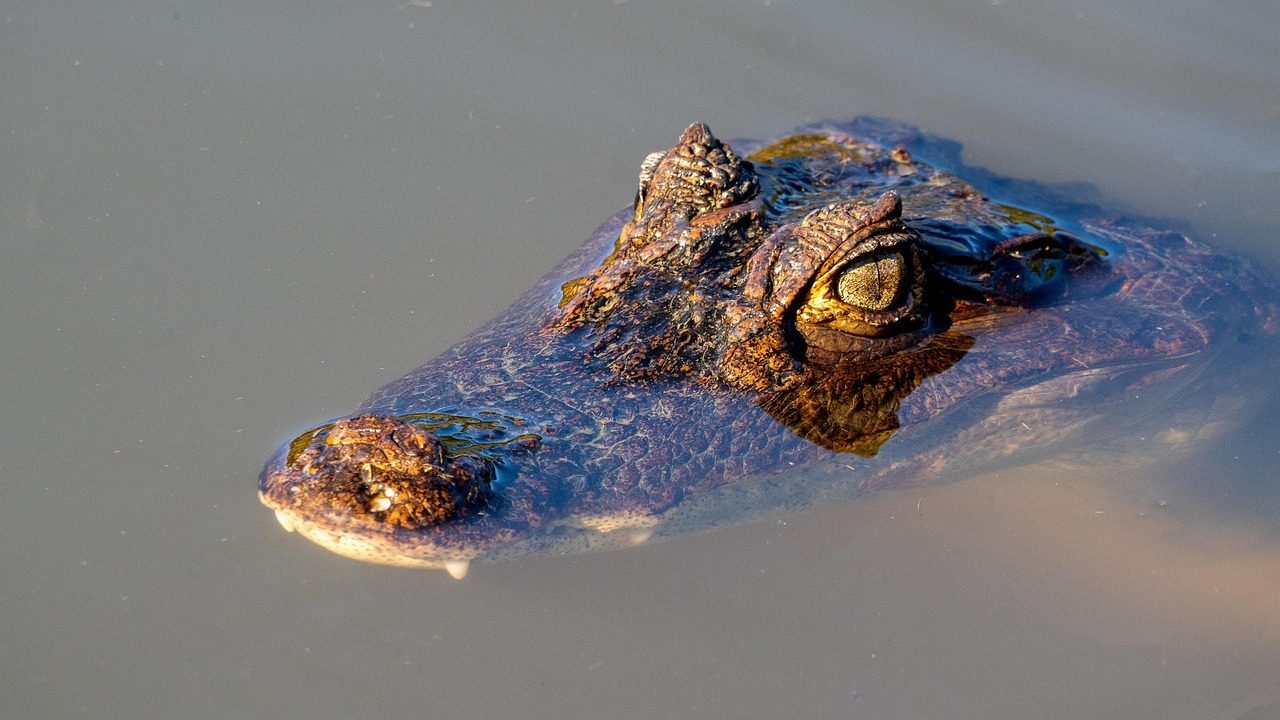
The Yao people live in parts of Mozambique, Tanzania, and Malawi, and believe that the spirits of their ancestors reside in the crocodiles, treating them with reverence and respect. The Dagara people believe that crocodiles are the messengers of the spirits, particularly those of their ancestors, and often hold ceremonial rituals near crocodile-infested rivers or lakes where the creatures act as intermediaries between the physical world and the spiritual world.
A village in Madagascar still holds the myth that crocodiles in a local lake represent the embodiment of their ancestors, and when villagers need assistance, they sing a prayer which brings the crocodiles to the edge of the lake where they’re given an offering of zebu meat. If a crocodile accepts the meat, it means the prayer will be answered, but if the meat is ignored, it means the prayer will be ignored as well.
This belief system creates a living dialogue between the community and their ancestors, with crocodiles serving as divine messengers who can grant or deny requests based on their acceptance of offerings.
The Legendary Mahamba: Africa’s Giant Crocodile
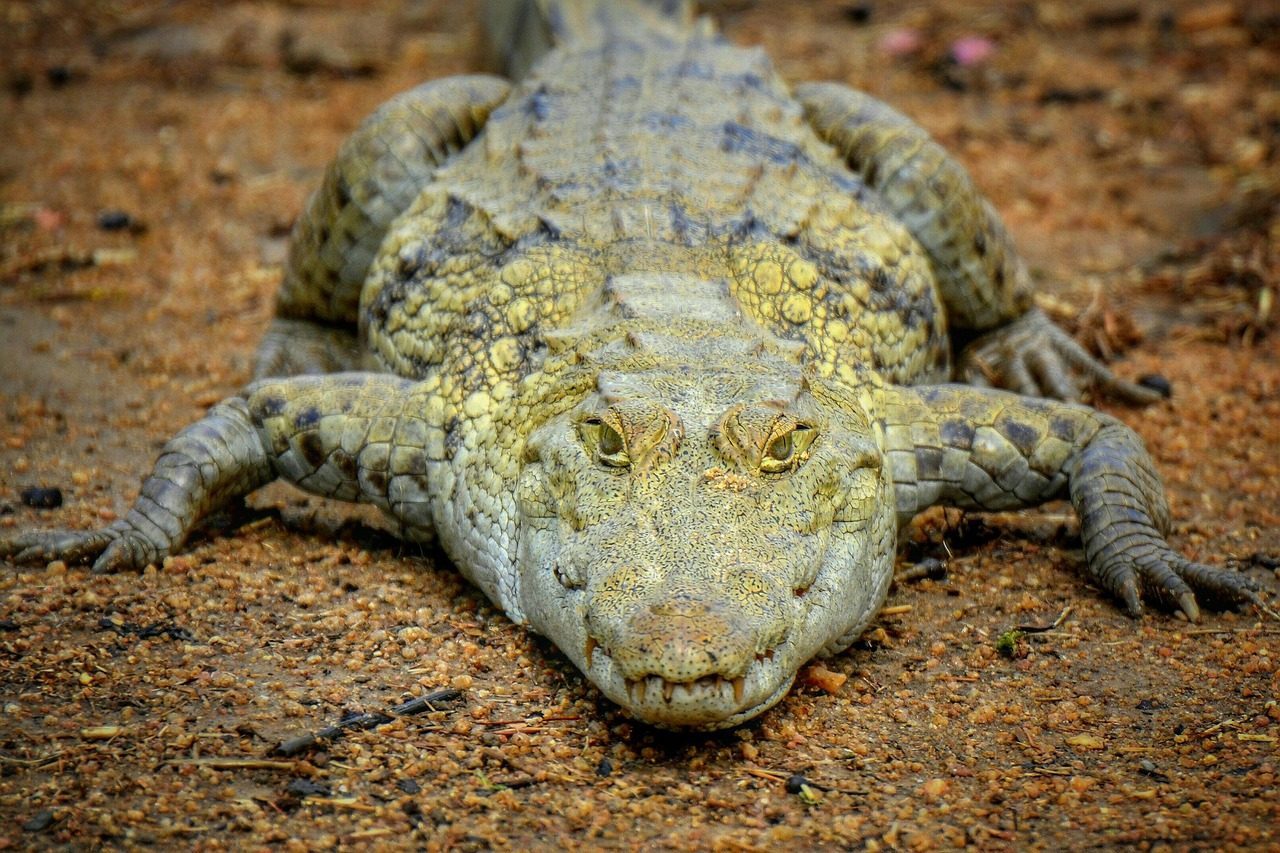
In the remote rivers and swamps of Central Africa, whispers of a colossal crocodilian creature known as the Mahamba have persisted for generations, becoming a focal point of local folklore and a subject of fascination for cryptozoologists worldwide. The Mahamba is typically described as a massive, crocodile-like creature far larger than any known species, with reports suggesting it can grow up to 50 feet in length, dwarfing even the largest Nile crocodiles, with a heavily armored body and tough, scaly skin.
According to Roy P. Mackal’s informants, the mahamba resembles a regular crocodile, but is much longer (between 40′ and 50′ in some sightings), and like a crocodile, it lays eggs and eats flesh, including humans, and is also said to dig long tunnels leading to caverns in which it sleeps. The Mahamba has been sighted strictly in Africa, the Democratic Republic of the Congo, where the Bobangi natives give eyewitness accounts and call the creature Nkoli, expressing fear that it has been known to attack canoes and rafts.
One notable account from the 20th century describes a missionary in the Congo who claimed to have seen an enormous crocodile-like animal while traveling by canoe, with the creature reportedly surfacing briefly before submerging, leaving the group awestruck by its size. Whether real or mythical, the Mahamba represents the ultimate expression of crocodilian power in African folklore.
Crocodiles as Symbols of Power and Protection
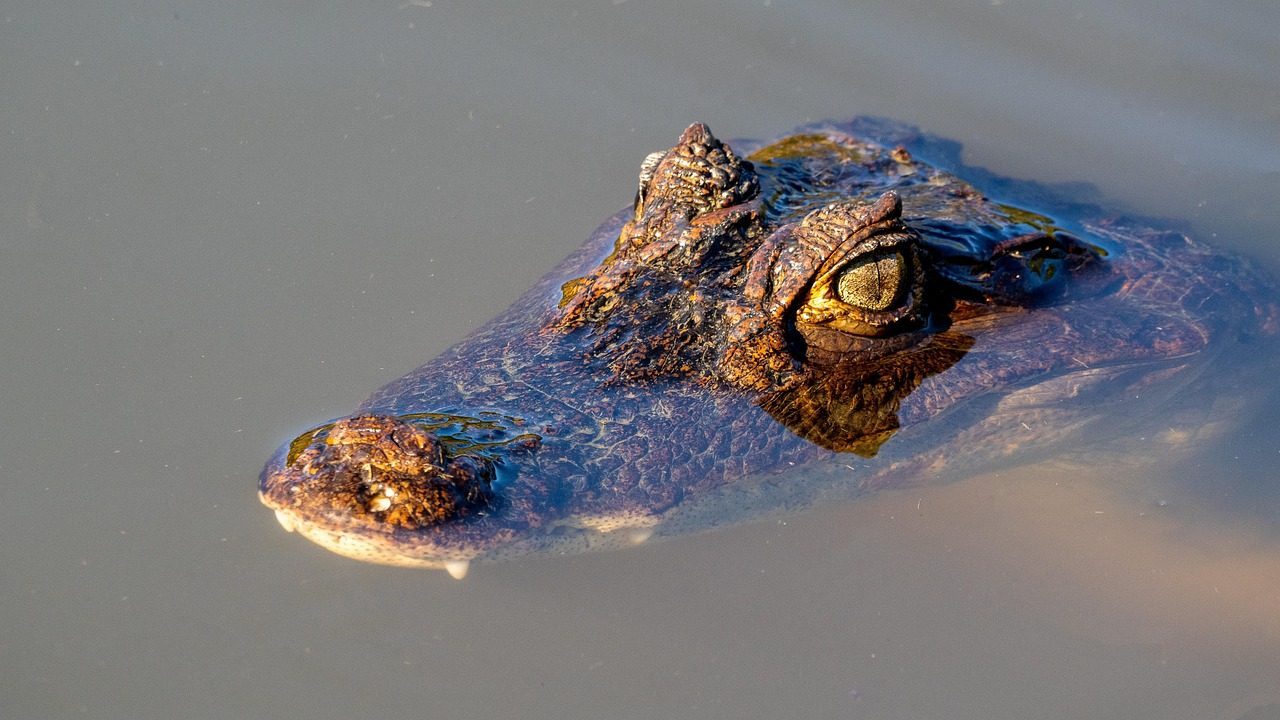
In multiple African cultures, the crocodile is revered as a symbol of strength and power, and its formidable presence in the natural world has led to its depiction as an apex predator, commanding respect and fear alike. In many West African traditions, the crocodile is seen as a guardian spirit, embodying resilience and the ability to overcome adversity.
Crocodiles are often symbols of ancestral strength and protection, and in some instances, it is believed that if a person disrespects the crocodile or harms one, they will suffer the wrath of the ancestors. In parts of Togo and Benin, crocodile worship is closely tied to the practice of Vodun, the traditional religious belief system where crocodiles are viewed as powerful symbols of protection, wisdom, and spiritual insight.
The protective aspect of crocodiles in African mythology reflects a sophisticated understanding of nature’s balance. Rather than simply fearing these predators, many cultures developed ways to honor and coexist with them, recognizing their role as guardians of sacred spaces and keepers of ancient wisdom.
Modern Connections to Ancient Beliefs
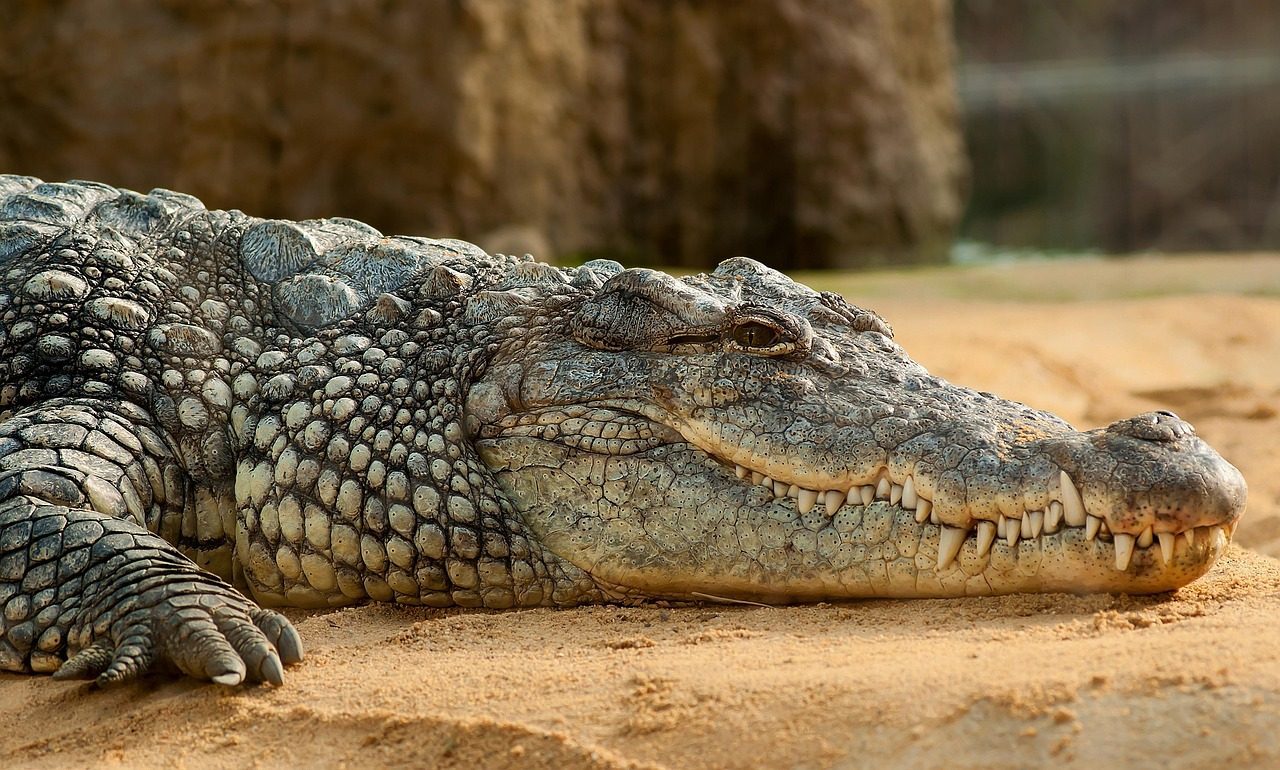
Today, the crocodile continues to hold a place of significance in contemporary African societies, often celebrated in folklore and art, serving as a reminder of cultural heritage and identity. Preserving crocodile-related folklore is essential for fostering a sense of community and cultural pride, providing valuable lessons about nature, strength, and the dualities of life, with efforts to document and share these stories through education and cultural programs being vital.
The mythology, worship and respect surrounding crocodiles in so many different cultures is an important way to face fear, as other dangerous animals and phenomena are traditionally worshiped or respected, and when you can be literally eaten by a crocodile, it’s comforting to understand the animal and perhaps even death in a mythological way. By making crocodiles part of mythology, they become more sensible as does death, imbuing the crocodile and its prey with meaning otherwise lacking in an uncaring world, making it comforting to feel it means more than just a snack.
These ancient beliefs continue to resonate because they address fundamental human needs: the need to find meaning in danger, to connect with something greater than ourselves, and to understand our place in the natural world. The crocodile legends remind us that even the most fearsome predators can serve as teachers and guardians.
The powerful crocodile legends of Africa reveal a profound truth about human nature and our relationship with the wild world around us. From Sobek’s divine protection to the Mahamba’s mysterious presence in Congo’s waters, these stories continue to captivate and inspire us. They remind us that sometimes the most fearsome creatures can also be our greatest teachers and protectors.
What strikes me most about these legends is how they transform fear into reverence, danger into wisdom. Perhaps that’s exactly what we need more of in our modern world. What do you think about these ancient connections between humans and crocodiles? Share your thoughts in the comments.
