
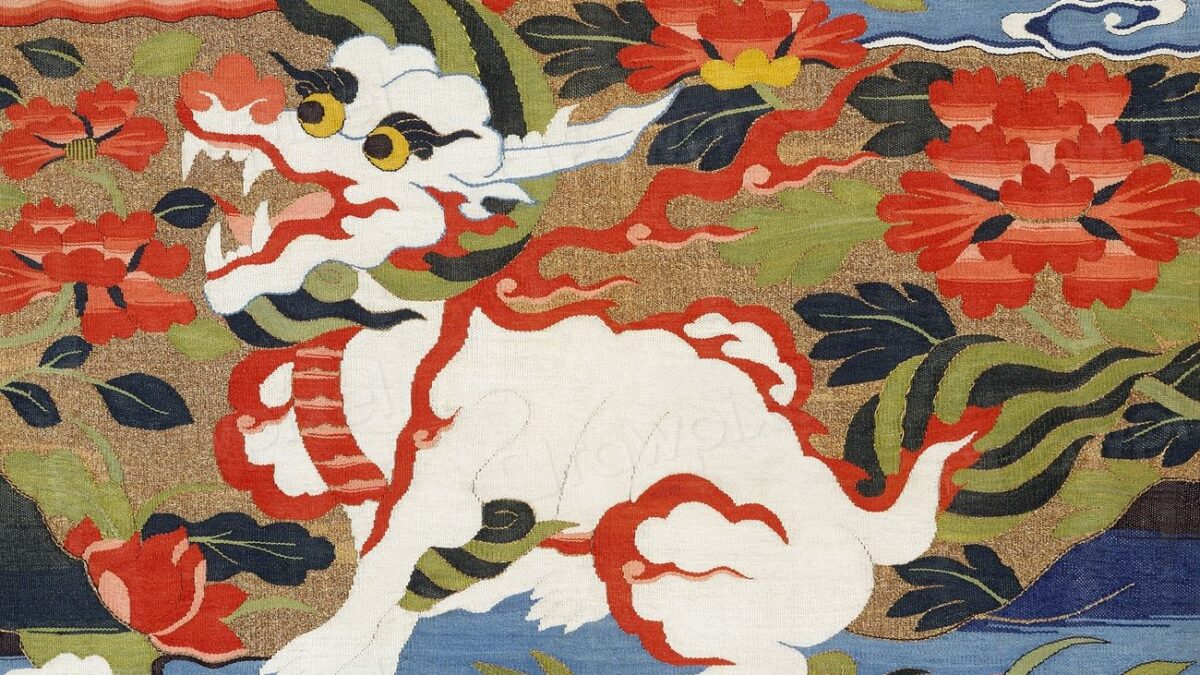
Long before the age of science books and nature documentaries, humans looked at the animal world and saw something far greater than fur, feather, and fang. They saw gods. They saw mirrors. They saw teachers.
Across every continent and in nearly every era, ancient peoples wove animals into the very fabric of their spiritual lives, their politics, and their deepest understanding of the universe. This wasn’t primitive superstition. Honestly, it was something far more sophisticated than it sounds. Let’s dive in and explore one of the most fascinating stories ever told about the relationship between humans and the animal kingdom.
Egypt: Where Animals Were Literally Divine
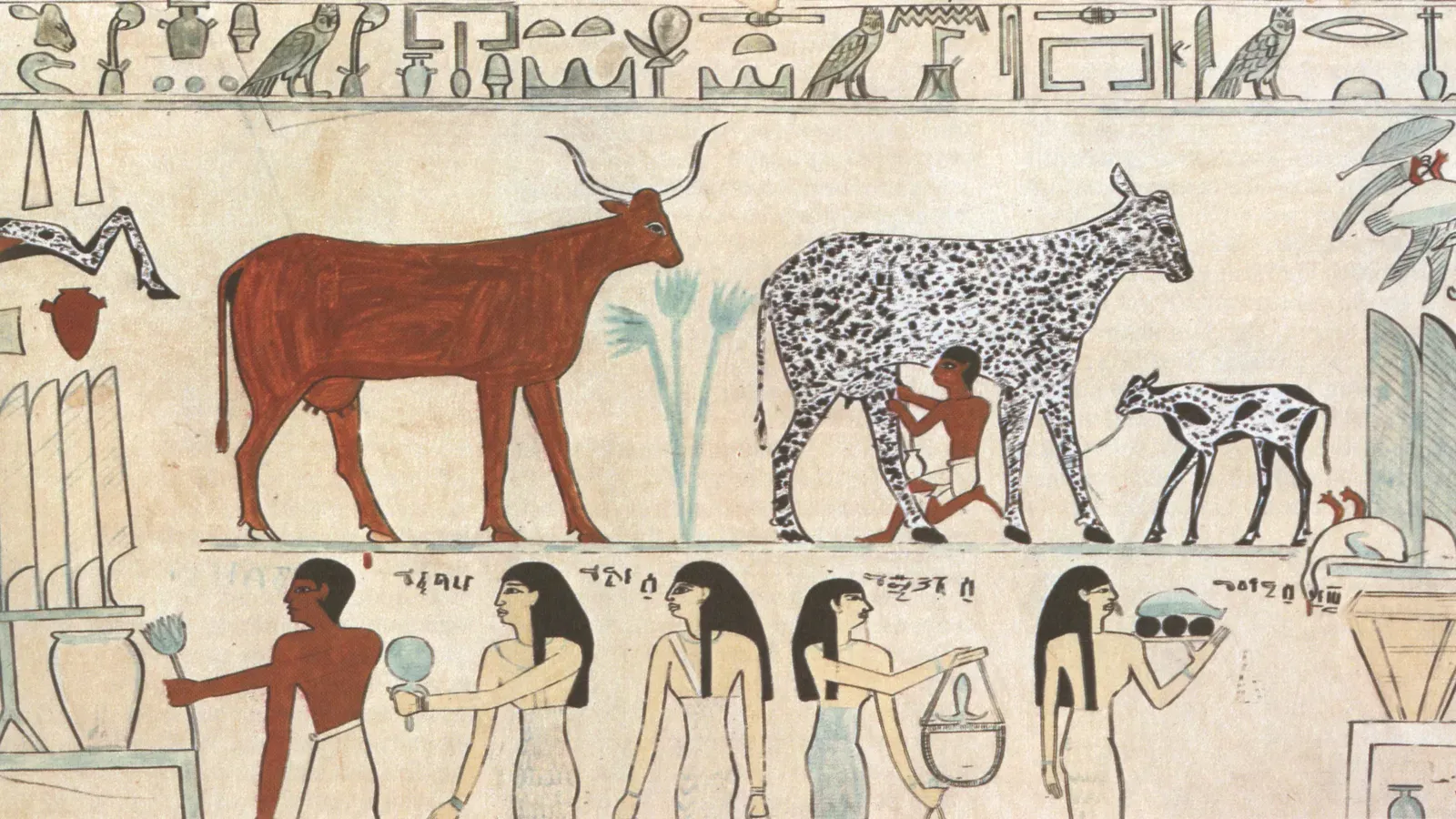
Throughout history, animals have played a crucial role in the myths, religions, and cultural traditions of ancient civilizations, with various societies revering them as sacred beings, viewing them as symbols of power, wisdom, and divine connection. Nowhere was this more dramatically true than in ancient Egypt.
Animals often had attractive qualities that the ancient Egyptians admired and wanted to emulate, including strength, the ability to ward off predators, protective nature, nurturing characteristics, and connections to rebirth. Displaying their deities in the forms of animals demonstrated what they believed about each god or goddess’s nature.
Animals in ancient Egypt were worshipped as deities: Anubis, a dog and jackal; Horus, a falcon; Bastet, a cat; Sekhmet, a lion; Sobek, a crocodile; and Thoth, a baboon and ibis. Think about that for a moment. These weren’t just mascots or logos. They were living, breathing representations of cosmic power.
In the ancient Egyptian language, an ibis on a perch was the hieroglyphic sign for the god Thoth, who was the god of writing and knowledge and was frequently portrayed as an ibis-headed man. He is often referred to as “Lord of the Divine Words” and recognized as the god of writing, scribes, and wisdom, believed to be the inventor of the art of writing and patron of all areas of knowledge.
Animals in ancient Egypt were regarded as gifts from the gods and pets were highly prized. When a pet died, it was mourned, mummified, and buried as any member of the family would be. That kind of devotion says everything about how deeply animals were embedded in Egyptian society.
Greece and Rome: Animals as Sacred Companions of the Gods
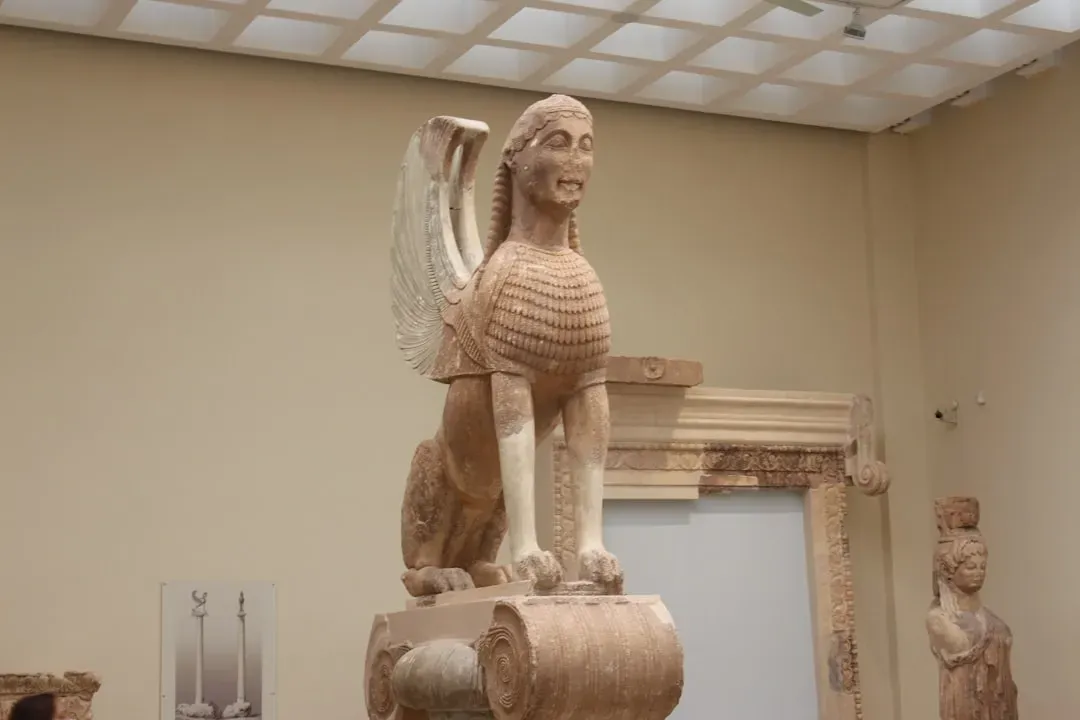
Here’s the thing about ancient Greece and Rome: their relationship with animals was different from Egypt’s, yet every bit as profound. Rather than worshipping animals as gods directly, in ancient Greece and Rome, animals were the companions or theomorphic stand-ins for gods and goddesses, such as Athena and her owl, Hera and her peacock, Artemis and her deer, and Aphrodite and her swan.
Ancient Greek civilization established the owl’s most famous connection to wisdom through its association with Athena, the goddess of wisdom, craft, and strategic warfare. The owl didn’t just decorate Athena’s temple. The owl’s image appeared prominently on Athenian coins called “tetradrachms,” functioning as both a religious symbol and a mark of the city’s identity.
Many animals were considered sacred to the ancient Greeks and Romans, including snakes in the worship of Apollo, Dionysus, and Asclepius, pigs in the cult of Demeter, and bees and bears in the cult of Artemis. It’s remarkable how varied and specific this was. Each creature carried a distinct sacred meaning.
The eagle was sacred to Zeus and was also used as a Roman battle standard, known as an Aquila. Artisans inspired by eagles cast their designs in bronze, carved them in relief, and stamped them on imperial coins as a symbol of sovereignty. Think of it like a national flag today, but far more spiritually charged.
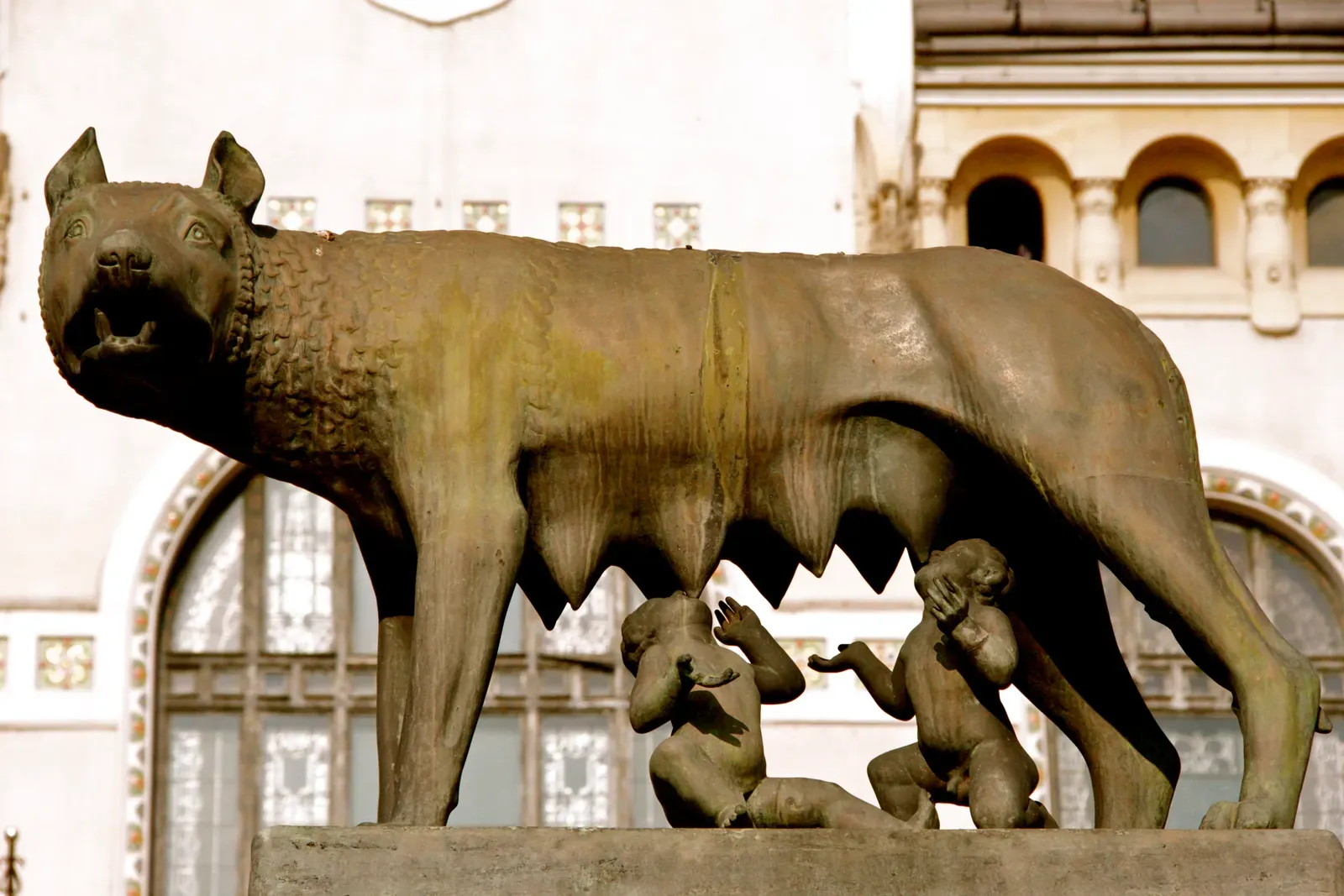
In the story of Rome’s foundation, wolves are used in totemic imagery: the founding brothers Romulus and Remus are raised by a mother wolf, making the wolf the symbolic mother of Rome itself. That’s a staggering origin story built entirely around the raw power of a wild animal.
Norse, Celtic, and Eastern Traditions: Animals as Cosmic Forces
Move away from the Mediterranean, and the reverence for animals only intensifies. In Norse mythology, ravens were deeply connected to Odin, the chief deity associated with wisdom and war. These were not just birds perched on a shoulder for decoration.
Odin’s reliance on Huginn and Muninn highlights the significance of perception and insight in Norse culture. The ravens are often depicted perched on Odin’s shoulders or travelling through the skies, emphasizing their status as divine agents. I think this is one of the most poetic animal-deity relationships in all of mythology. Two birds carrying all the thoughts and memories of the world.
In Norse mythology, the wolf holds a significant position as both a sacred and formidable creature. The most notable wolves are Geri and Freki, Odin’s loyal companions, symbolizing strength, loyalty, and the primal aspects of nature.
Over in the Celtic world, the stag was often associated with Cernunnos, a horned god symbolizing natural cycles, the fertility of the earth, and seasonal renewal. Meanwhile, in Hindu tradition, the bull Nandi is the vehicle of Lord Shiva, symbolizing strength and dharma, and the elephant-headed god Ganesha, renowned as the remover of obstacles, is closely linked to the elephant, which signifies wisdom and auspiciousness.
Ancient Chinese mythology placed animals at the heart of cosmology, religious practice, and philosophical symbolism. Rather than being tied solely to divine beings, animals in Chinese cosmology are represented as elemental forces that maintain harmony in the universe. Their symbolic meaning is often connected to values such as loyalty, protection, and wisdom.
The Serpent: The Most Mysterious Symbol of All
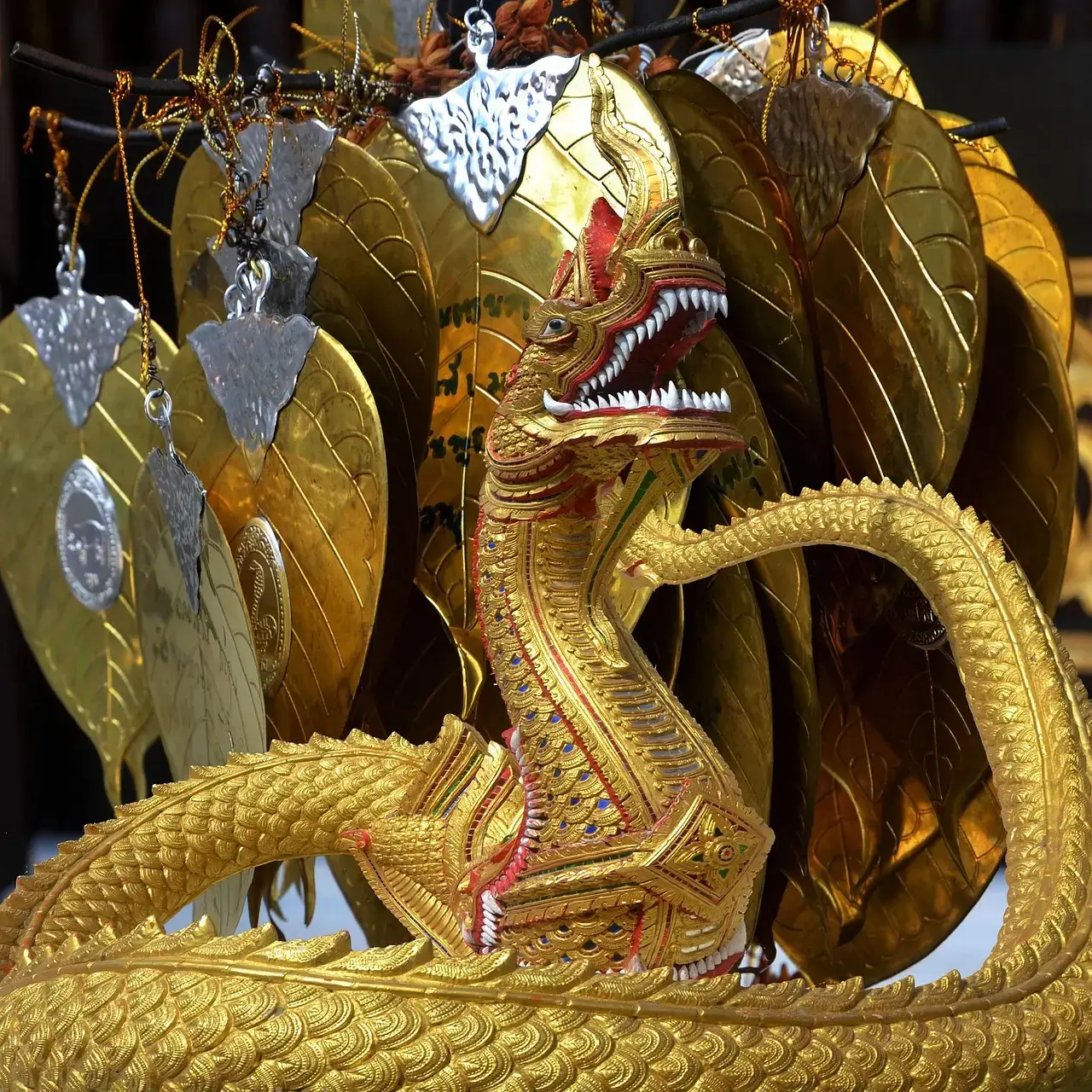
If one creature threads itself through nearly every ancient civilization on earth, it is the serpent. No other animal carries such complexity, such duality, such raw symbolic weight. It is hard to say for sure why the snake captivated so many independent cultures, but the patterns are genuinely breathtaking.
Serpents appeared as wisdom symbols across diverse ancient cultures. Egyptian hieroglyphs used the cobra to represent divine wisdom and protection. In Mesopotamian cultures, snakes symbolized eternal life and secret knowledge through their ability to shed skin. Greek mythology featured the Caduceus, a staff with intertwined serpents representing wisdom in medicine.
In ancient Near Eastern myths, the serpent represented divine wisdom and was revered as a sacred symbol. In some traditions, such as the Biblical narrative, the serpent symbolizes temptation and deceit. Across various cultures, the mythic serpent often embodies duality, both perilous and protective. Its depiction commonly involves themes of transformation, eternity, and rebirth.
Among the Aztecs, the feathered serpent Quetzalcoatl embodied the connection between heaven and earth, uniting two distinct elements into a single symbolic creature. A winged snake that connects sky and soil. It sounds wild, but for millions of people across centuries, this was serious theology.
The widespread presence of the serpent in mythology underscores its enduring importance as a sacred animal symbol, reflecting deep-seated cultural values and beliefs about the universe’s origins. The snake didn’t just appear in one or two places. It slithered into the sacred texts of virtually every ancient world.
Why Animals? The Deep Human Need to See Wisdom in Nature
So why did so many separate civilizations, with no contact between them, arrive at the same extraordinary conclusion: that animals carry divine knowledge and power? The answer is more human than it is supernatural.
Ancient civilizations often attributed very distinct human traits to animal deities, blending animal instinct and human behavior. The Egyptians saw in Anubis, the jackal god, a symbol of vigilance and protection in the afterlife, qualities that are very human. Similarly, the Egyptian god Thoth, depicted with an ibis head, embodied intelligence, writing, and wisdom. By associating animals with universal human traits such as bravery, wisdom, or anger, these peoples made their gods easier to understand and closer to them.
The philosopher and mathematician Pythagoras argued for giving animals respect and treating them with dignity. He believed that human and nonhuman souls were reincarnated from human to animal, and vice versa. That’s not a fringe idea for ancient times. It was deeply mainstream across many cultures.
Civilizations across continents used animals as symbols of strength, wisdom, death, rebirth, and the unknown forces of nature, and whether depicted as divine messengers, protectors, or supernatural beings, their symbolic value mirrored how ancient societies understood the world.
Universally, animals in mythology serve as allegories for morality and human virtues, emphasizing values like wisdom, strength, and serenity. In a world without written laws or scientific explanations, animals offered something invaluable: a living, visible language for ideas that were otherwise impossible to express.
Many animal symbols from ancient civilizations endure in folklore, art, and even modern beliefs. For example, the royal eagle symbolizes strength and authority in many countries, and the elephant is still regarded as a symbol of wisdom in certain regions of Asia.
Conclusion: The Animals That Shaped the Human Story
Looking back across thousands of years of human civilization, one truth stands out with remarkable clarity. Wherever people built cities, told stories, and searched for meaning, they looked to the animals around them for answers. The Egyptian cat embodied divine protection. The Norse raven carried universal wisdom. The Greek owl crowned the goddess of intelligence. The serpent whispered the secrets of death and rebirth across dozens of cultures simultaneously.
These weren’t coincidences. They were the result of human beings doing what we have always done: observing the natural world with wonder and translating what we saw into something sacred. There is something both humbling and inspiring about that. Long before smartphones and search engines, the wisest people on earth turned to a falcon in the sky or a snake in the grass for guidance.
The animals haven’t changed. We have. And maybe, in our rush toward the modern world, we’ve lost something the ancients understood instinctively: that the creatures sharing this planet with us have always had something worth paying attention to.
What do you think, has modern civilization lost something profound by disconnecting from the animal world that shaped our ancestors’ greatest civilizations? Share your thoughts in the comments.
