

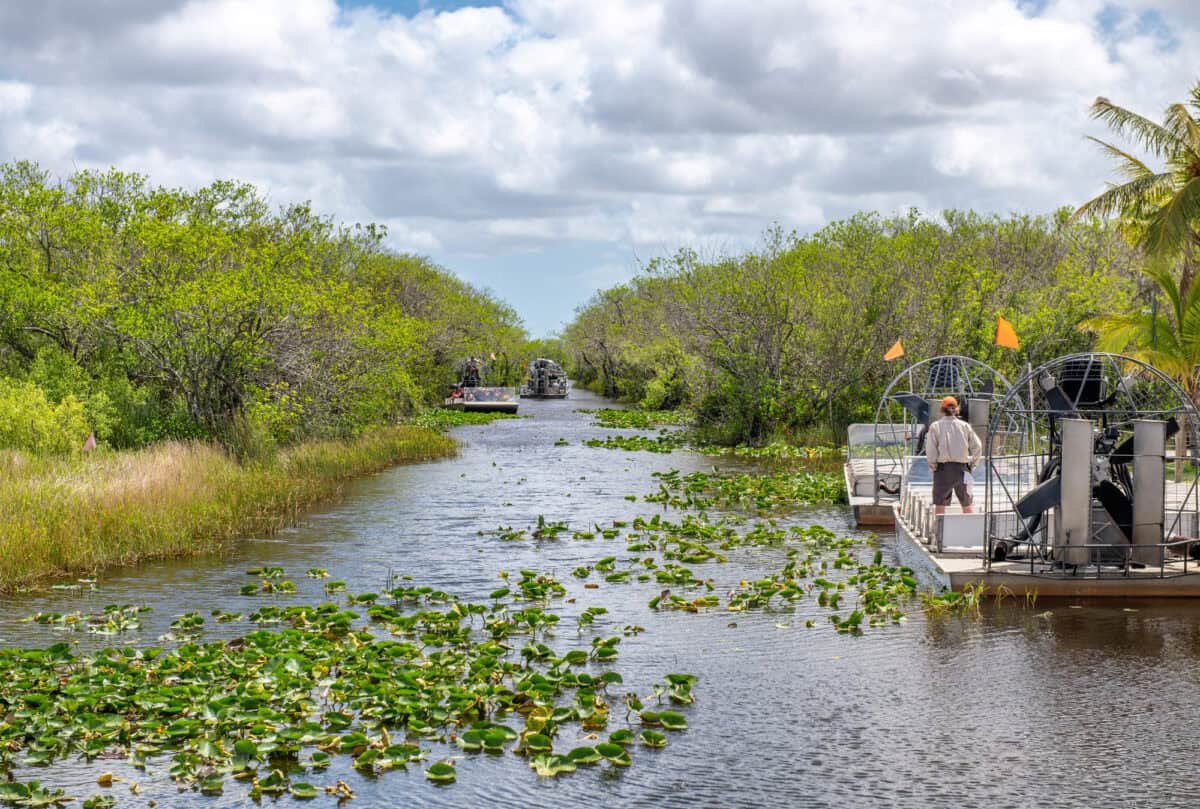
Florida’s swamps are more than just hauntingly beautiful landscapes; they are living museums, home to some of the most enigmatic and ancient creatures on Earth. These ecosystems, shrouded in both mystery and mist, offer a window into a prehistoric world where creatures from another time still roam in their primeval glory. This article delves into the captivating world of Florida’s swamp dwellers, exploring their unique adaptations, survival strategies, and the vital roles they play in their intricate ecosystem.
American Alligator: The Swamp Apex Predator

The American alligator is an iconic denizen of Florida’s swamps, dating back nearly 37 million years. These formidable reptiles can grow up to 15 feet in length, showcasing robust jaws filled with a formidable array of teeth. As apex predators, they regulate the populations of their prey, maintaining balance within the ecosystem. Despite their fearsome reputation, alligators are mostly opportunistic feeders, consuming fish, turtles, and even birds when the opportunity arises.
Florida Gar: A Living Fossil

Often overlooked, the Florida gar is a prehistoric fish species that has thrived in North America for 100 million years. This “living fossil” is characterized by its elongated body and ganoid scales that provide armor-like protection. Preferring slow-moving waters, gars primarily feed on smaller fish and crustaceans, playing a crucial role in controlling fish populations and maintaining the ecological balance of swamp environments.
Snapping Turtles: The Ancient Tank
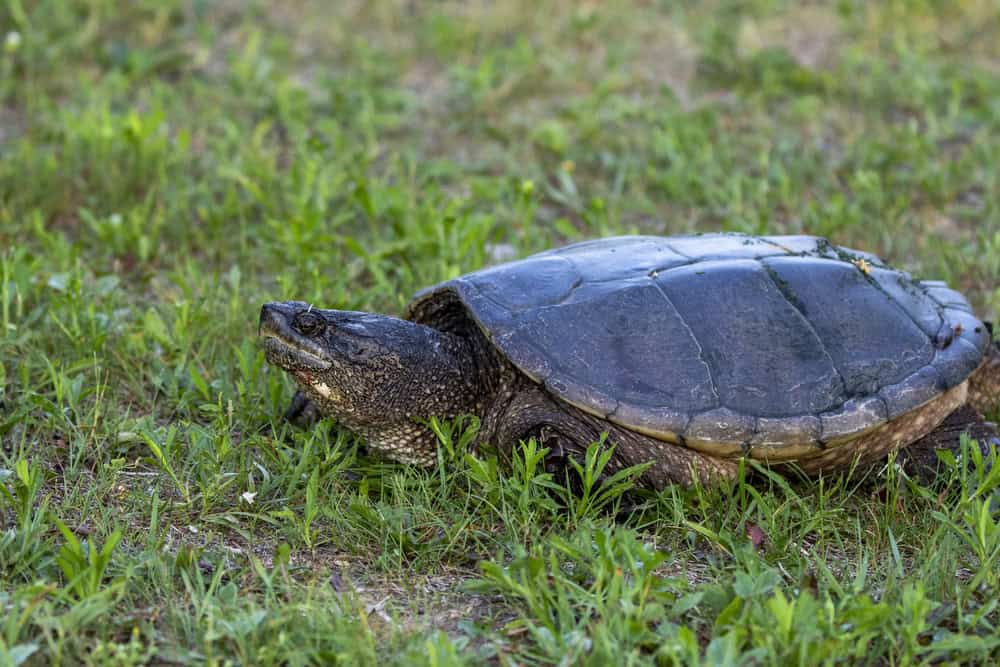
Among the most tenacious inhabitants of Florida’s swamps is the snapping turtle. Recognizable by its strong beak-like jaw and long tail, this ancient species has been around for over 90 million years. Snapping turtles primarily consume aquatic plants, insects, and small fish, acting as both predators and scavengers. Their presence helps keep water bodies clean by reducing waste and controlling lower trophic levels.
West Indian Manatee: The Gentle Giant
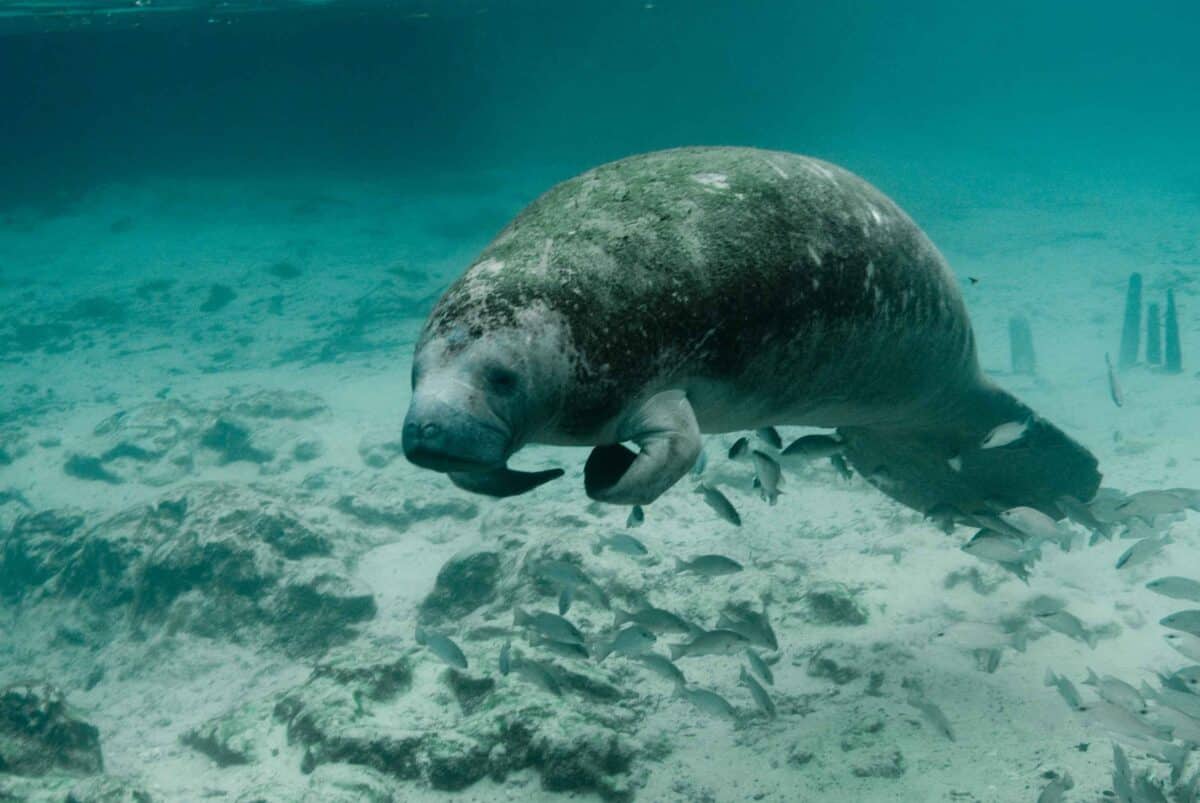
While not confined strictly to swamps, the West Indian manatee often inhabits the interconnected waterways of Florida. These gentle giants, descendants of ancient Sirenia, have roamed the Earth for tens of millions of years. Herbivorous by nature, manatees graze on vast amounts of aquatic vegetation, ensuring that waterways remain navigable and healthy.
Swamp Crayfish: The Engineer Species

The swamp crayfish is an industrious architect of the swamp ecosystem. Through their burrowing activities, crayfish not only aerate the soil and water but also provide habitat for other small aquatic organisms. These crustaceans have existed for over 100 million years, highlighting their ability to adapt and persist through changing environmental conditions.
Southern Leopard Frog: The Vocal Performer

With an ancestry tracing back to the time of dinosaurs, the Southern leopard frog is an integral component of Florida’s swamps. Known for their distinctive calls, these amphibians play a key role in the food web, serving as both predator and prey. Their presence is a direct indicator of the health of the ecosystem, as they are highly sensitive to environmental changes.
American Crocodile: A Rare Swamp Resident
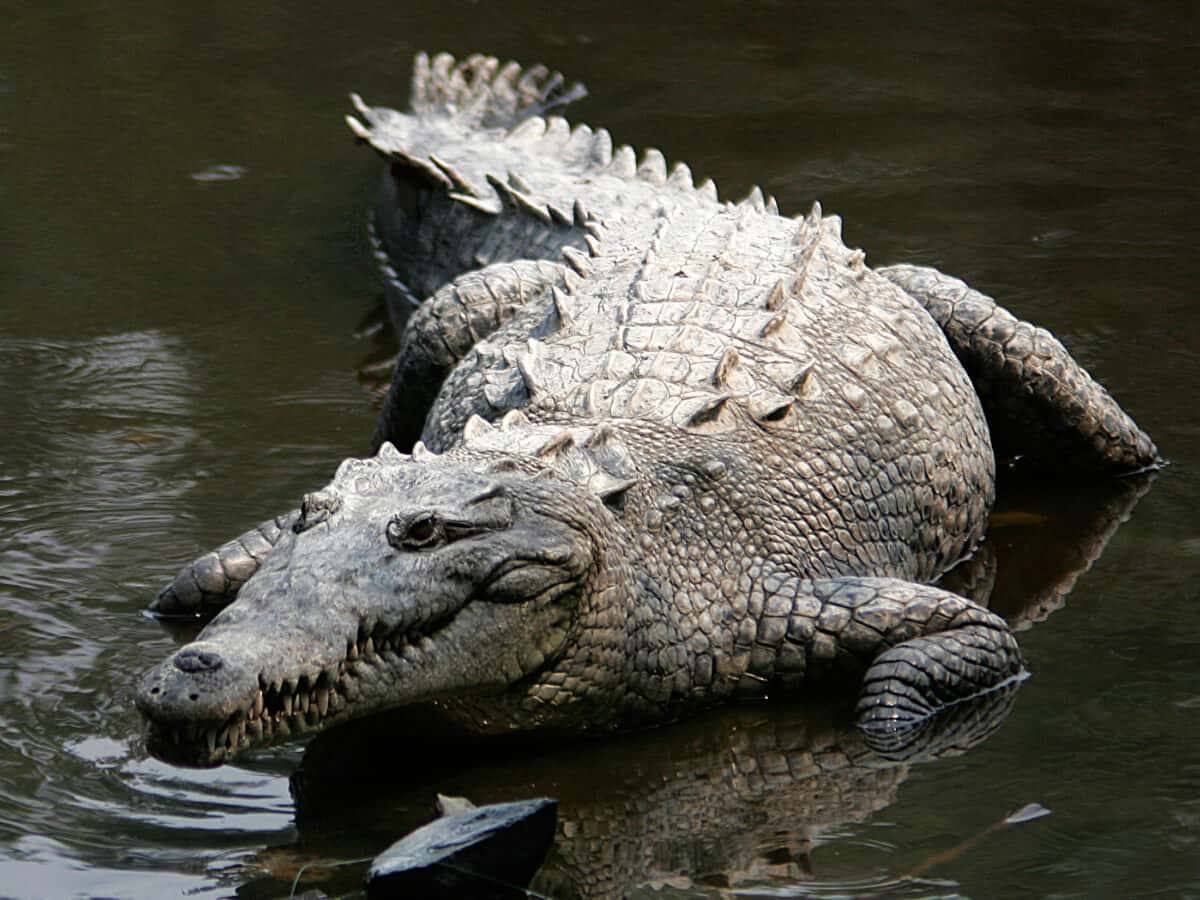
Lesser known than the American alligator, the American crocodile prowls certain coastal areas and saltwater marshes in Florida. These reptiles have existed for 200 million years and are more elusive than their alligator counterparts. As both predator and conservator, they help manage the populations of various species in their habitat, maintaining the delicate equilibrium of the ecosystem.
Bald Cypress: The Ancient Sentinel

While not an animal, the bald cypress tree is a vital and ancient part of Florida’s swamps that provides critical habitat and resources for many creatures. These towering trees can live for over 1,000 years and are instrumental in preventing erosion, moderating water flow, and sustaining diverse wildlife.
River Otter: The Playful Predator

While not as ancient as some other swamp inhabitants, river otters bring vibrant dynamics to the swamps with their playful behavior. These mammals are adept predators, feeding mainly on fish and invertebrates. By curbing fish populations, they ensure that other aquatic life forms thrive, demonstrating efficient energy transfer within the swamp’s ecosystem.
Banded Water Snake: The Misunderstood Reptile

The banded water snake is often misidentified as a venomous snake, but these nonvenomous reptiles pose no threat to humans. They have thrived in these swamps for millions of years, feeding primarily on amphibians and fish. Their presence indicates a healthy ecosystem, as they play a significant role in controlling fish and amphibian populations.
Great Egret: The Elegant Stalker

With their ethereal white plumage, great egrets are striking swamp inhabitants that have survived for millions of years. These birds are expert fishers, using their long necks and sharp beaks to spear fish and other small aquatic creatures. They contribute to the ecological balance by keeping the populations of their prey in check.
Purple Gallinule: The Colorful Forager

Known for their vibrant plumage, purple gallinules navigate the dense vegetation of Florida’s swamps with ease. These birds have great ecological importance, as they consume a variety of plant matter and insects, aiding in the control of aquatic plant growth and insect populations, which in turn supports the health of the swamp ecosystem.
Wrapping Up: Ancient Creatures
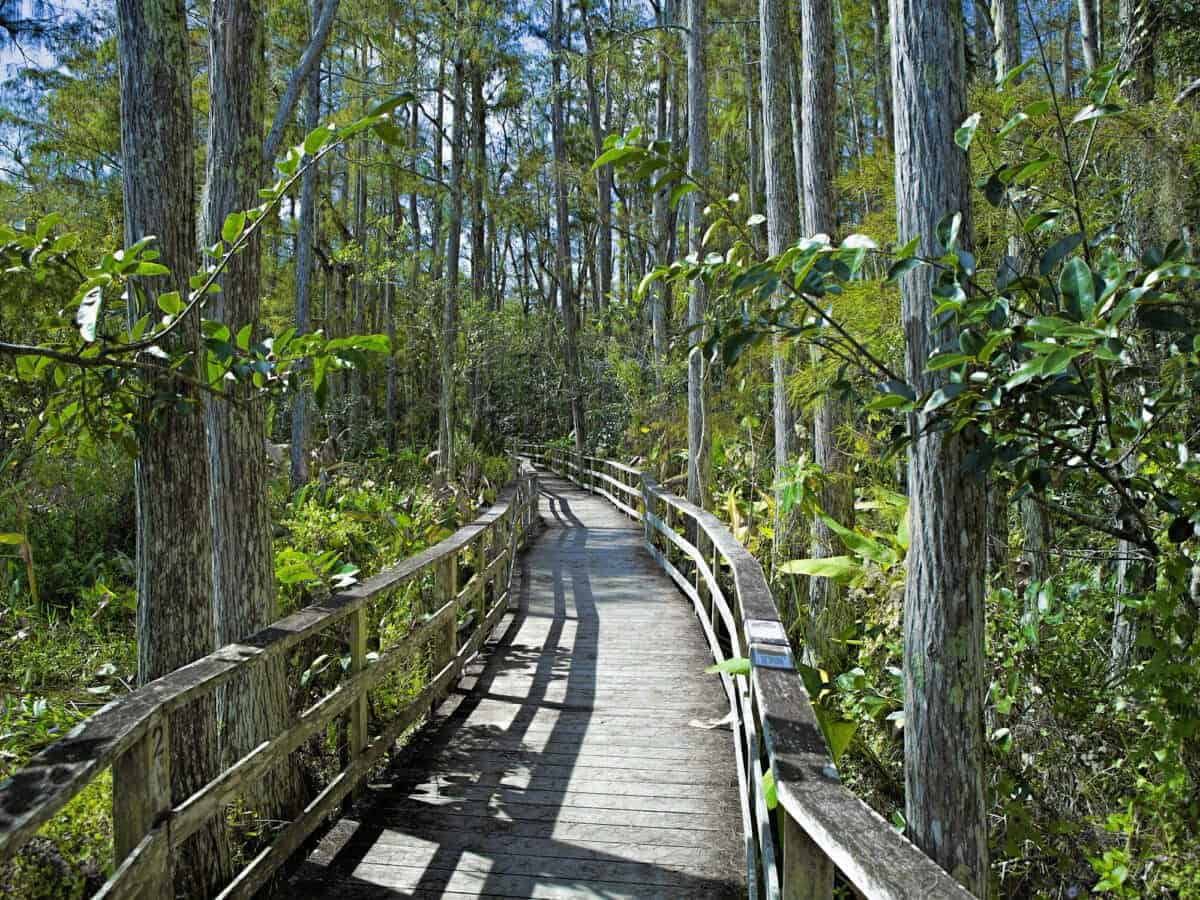
Conclusively, the swamps of Florida serve as vital sanctuaries for a myriad of ancient creatures, each contributing uniquely to the habitat’s health and stability. From the imposing alligator to the elusive American crocodile, these survivors of bygone eras offer us a glimpse into nature’s resilience and adaptability. Protecting these swamp ecosystems ensures the continuation of these prehistoric wonders, preserving the natural heritage that has shaped our planet over millions of years.

From exploring the marine wonders in the Azores and witnessing the vast savannas of Kenya, to delving deep into the rich biodiversity of South Africa and traversing iconic landscapes in Australia and the US like Yellowstone, Chris's experiences are vast.
With a penchant for diving alongside sharks, the ocean holds a special place in his heart.
Through his academic insights, he champions wildlife conservation, striving with 'Animals Around The Globe' to cultivate a profound connection between humans and animals, enhancing our mutual appreciation.
Connect with him at Feedback@animalsaroundtheglobe.com.
- Why Spiders Don’t Get Stuck in Their Own Webs - July 20, 2026
- What Scientists Found in a 10,000-Year-Old Beehive - July 20, 2026
- This Spider Builds Fake Decoys of Itself - July 20, 2026