


The discovery of the Red Lady of El Mirón—a prehistoric woman buried 19,000 years ago in a Spanish cave—has revolutionized our understanding of Ice Age populations. Recent sedimentary ancient DNA (sedaDNA) studies have extended her lineage back 46,000 years, revealing deep ancestral connections and shedding light on the movements of Paleolithic hunter-gatherers.
New scientific breakthroughs have provided genetic insights into the people, animals, and environmental changes that shaped prehistoric Europe. Let’s explore what the Red Lady’s DNA has uncovered.
Who Was the Red Lady of El Mirón?

In 2010, archaeologists Lawrence Straus and David Cuenca Solana discovered the remains of a prehistoric woman inside El Mirón Cave, a massive rock shelter in northern Spain.
- Her bones were covered in red ochre, a ritualistic pigment used in prehistoric burials.
- She lived during the Last Glacial Maximum, a time of harsh cold and food scarcity.
- Her remains were the first adult human burial found from the Magdalenian period (21,000–14,000 years ago).
This burial suggests she held special status among her people, possibly as a leader, artisan, or spiritual figure.
What Is SedaDNA and How Was It Used?

Traditionally, DNA studies rely on bones or teeth, but scientists have now extracted DNA directly from soil sediments—a method called sedimentary ancient DNA (sedaDNA).
- This breakthrough allows researchers to study populations even when skeletal remains are scarce.
- By analyzing genetic material left behind in cave sediments, scientists mapped ancient human and animal presence over time.
- The study provided a continuous genetic record spanning 46,000 years, covering transitions from Neanderthals to modern humans.
This technique is transforming paleogenetics, offering a clearer picture of prehistoric life without requiring intact fossils.
A Cave of Shifting Populations

El Mirón Cave has long been a treasured site for archaeologists due to its continuous human occupation. The new DNA analysis revealed:
- Neanderthals lived in the cave before modern humans arrived.
- The region saw waves of migration and cultural shifts, driven by climate change and resource availability.
- Early humans moved southward during the Ice Age, retreating from expanding glaciers in northern Europe.
This cave was more than just a shelter—it was a refuge and gathering place for ancient populations over tens of thousands of years.
The Red Lady’s Genetic Ancestry

The Red Lady’s DNA connects her to two major Ice Age populations:
- The Fournol lineage – Found in France and Spain, these early hunter-gatherers created Solutrean artifacts and migrated southward when conditions worsened.
- The Villabruna lineage – Originating in the Balkans and northern Italy, these groups moved into Spain during the Magdalenian period.
The mixing of these groups suggests prehistoric humans were highly mobile, adapting to shifting climates and landscapes.
Climate Change and Human Migration During the Ice Age
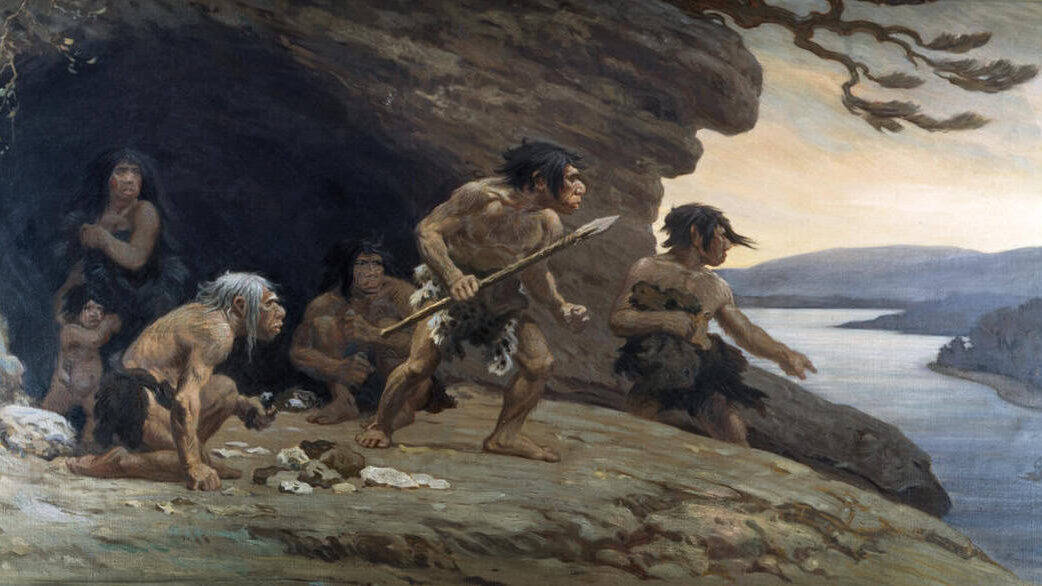
The Last Glacial Maximum (c. 25,000–21,000 years ago) was one of the coldest periods in human history, forcing people to:
- Move to warmer regions like Iberia.
- Develop new survival strategies, including better hunting tools and social cooperation.
- Eventually spread northward again as glaciers receded.
El Mirón Cave serves as a record of these environmental adaptations, showing how humans persisted through severe climatic shifts.
Who Lived Alongside Humans?
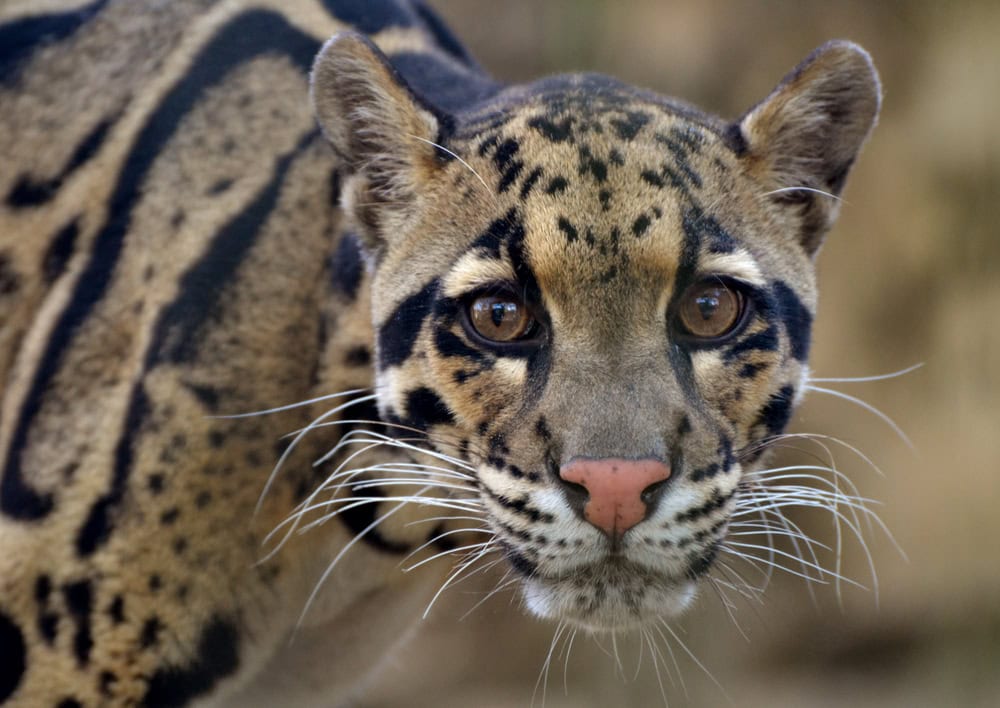
DNA analysis revealed that several large predators once roamed the area, including:
- Hyenas – Once dominant scavengers in Ice Age Europe.
- Leopards – Previously unrecorded in the region’s faunal history.
- Asiatic dholes – Wild dogs now found only in parts of Asia.
These findings challenge previous assumptions about Ice Age ecosystems, showing a richer and more diverse wildlife presence.
What Animals Did Ice Age Humans Hunt?

SedaDNA analysis confirmed that hunter-gatherers in El Mirón Cave lived alongside and hunted:
- Woolly mammoths – Majestic Ice Age giants, now extinct.
- Rhinoceroses – Adapted to frigid climates.
- Reindeer – A staple food source for Upper Paleolithic humans.
These species formed the backbone of Ice Age diets, providing meat, bones for tools, and fur for clothing.
Why the Red Ochre?

The use of red ochre in the Red Lady’s burial is a key cultural marker in prehistoric traditions:
- Symbol of life, death, and rebirth – Used in many Paleolithic burials across Europe.
- Possible spiritual or social significance – Suggests she held an important role in her community.
- Linked to other Magdalenian sites – Showing shared traditions across prehistoric Europe.
This reinforces the idea that prehistoric humans practiced complex rituals, demonstrating a deep cultural identity.
How El Mirón Cave Contributes to Prehistoric Research
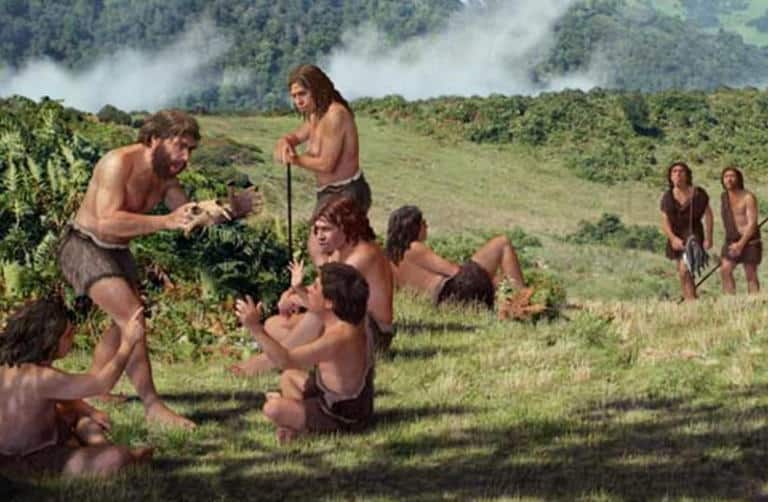
El Mirón is a critical site for understanding:
- The transition from Neanderthals to modern humans.
- The movements of Ice Age hunter-gatherers.
- How early humans responded to climate shifts.
With ongoing discoveries, this cave continues to reshape our knowledge of prehistoric life.
Extracting Nuclear DNA from Soil

Scientists are now looking to extract nuclear DNA from sediment, which would:
- Provide even more detailed genetic insights.
- Allow researchers to trace individual relationships within ancient populations.
- Offer an even clearer picture of prehistoric human migrations.
This represents the next major leap in paleogenetics, unlocking secrets buried in soil for thousands of years.
What the Red Lady’s DNA Tells Us About Ourselves

Studying the Red Lady and her ancestors helps us understand:
- How our ancient relatives adapted to extreme environments.
- The deep genetic connections between prehistoric populations.
- The resilience of human communities through climate change and migration.
Her story connects Ice Age hunter-gatherers to modern Europeans, emphasizing our shared evolutionary history.
The Lasting Legacy of the Red Lady of El Mirón

The Red Lady’s DNA offers an unprecedented glimpse into human history. She was part of a lineage that survived 46,000 years, witnessing monumental changes in:
- Climate and geography
- Human migration and culture
- The evolution of prehistoric societies
Her remains and the breakthroughs in sedaDNA analysis ensure that her story lives on, reshaping our understanding of the past—and ourselves.
Conclusion
The discovery of the Red Lady of El Mirón continues to fuel groundbreaking research in genetics, archaeology, and Ice Age anthropology. As scientists push the boundaries of DNA technology, they bring ancient voices back to life, offering new perspectives on our collective human story.

For any feedback please message Feedback@animalsaroundtheglobe.com
- Scottish Folds – The Hidden Truth - July 29, 2026
- 9 Animals That Have Gone Extinct During Your Lifetime - July 29, 2026
- 7 Places in the U.S. Where You Can Legally Swim with Dolphins - July 28, 2026