

Somewhere beneath the cold grey waters of the North Sea lies a lost world. A vast, sunken landscape that was once home to forests, rivers, and a remarkable variety of wildlife, long before rising seas swallowed it whole. It sounds like something from a fantasy novel, yet it is entirely real.
Researchers have now uncovered striking new evidence about this submerged realm, and honestly, the findings are more vivid and surprising than most people would have expected. Let’s dive in.
Meet Doggerland: Europe’s Forgotten Continent
Most people have never heard of Doggerland, which is a shame because it may be one of the most fascinating lost landscapes in all of human prehistory. This was a landmass connecting what is now Britain to continental Europe, stretching across the area now occupied by the southern North Sea. It existed during and after the last Ice Age, roughly between 20,000 and 8,000 years ago, before gradually being inundated as glaciers melted and sea levels climbed.
Think of it less as a barren, frozen wasteland and more as a functioning ecosystem. A place with rivers, wetlands, and woodland corridors that animals and early humans moved through freely. The sheer scale of it is staggering when you sit with the idea for a moment.
How Scientists Retrieved Ancient DNA From the Seafloor
Here’s the thing about studying a landscape that is completely underwater: you cannot exactly just walk up and take samples. Researchers working on this project extracted ancient environmental DNA, often called eDNA, from sediment cores pulled up from the seafloor. These cores are essentially layered time capsules, with each level representing a different period in geological history.
The DNA found within the sediment is not from whole bodies or bones, it is tiny genetic fragments shed by organisms that once lived and died on that land. The science behind identifying species from microscopic genetic traces is genuinely mind-blowing. It requires highly sensitive laboratory techniques and careful cross-referencing against known genetic databases.
The Remarkable Wildlife That Once Roamed There
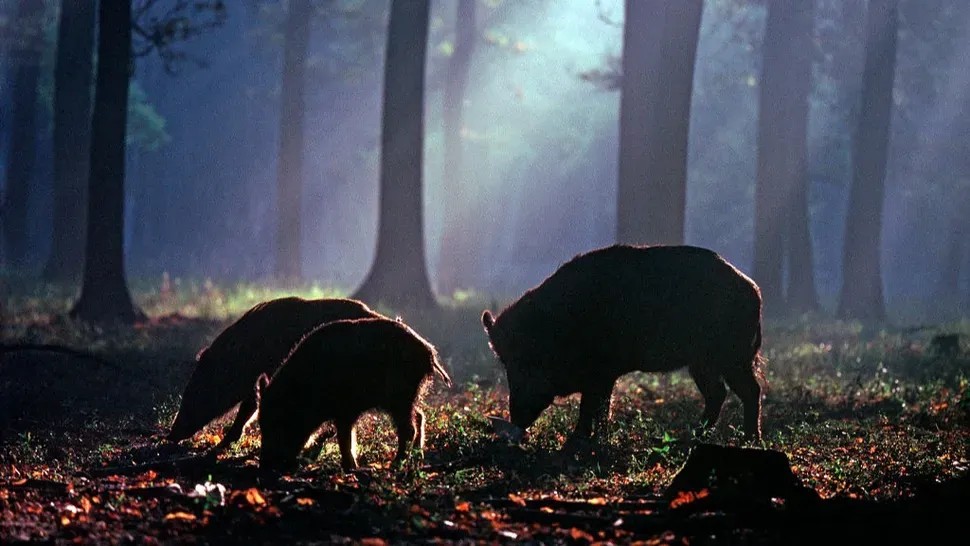
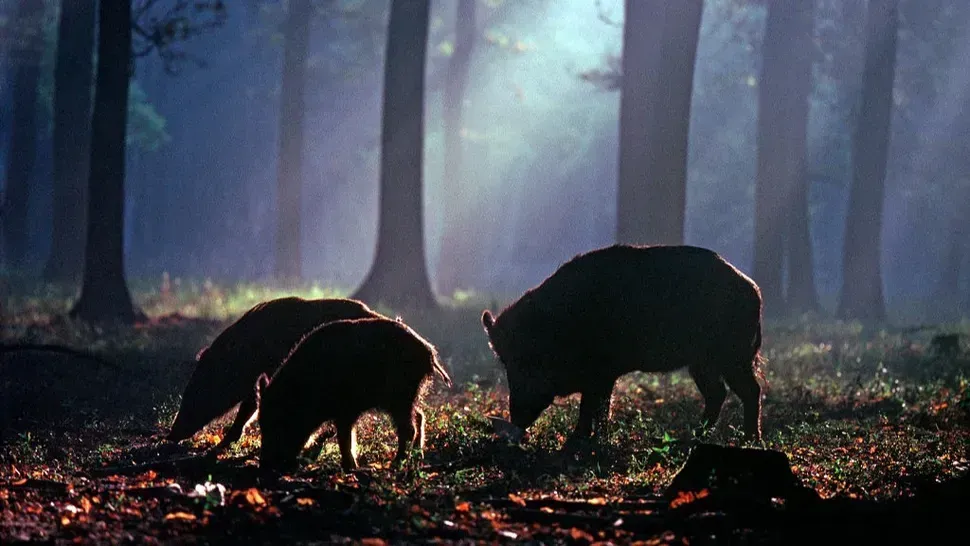
What did the ancient DNA actually reveal? A surprisingly rich and diverse cast of animals. Evidence emerged for wild boars, red deer, brown bears, and aurochs, which were the enormous, now-extinct wild cattle that once ranged across much of Europe and Asia. This was not a sparse, scrubby tundra. It was a genuine forest ecosystem capable of supporting large, complex mammals.
The presence of aurochs in particular is significant. These animals required productive, vegetated environments with access to water and open grazing areas. Finding their genetic traces in Doggerland sediments strongly implies the landscape was lush enough to sustain megafauna year-round. It’s the kind of detail that completely rewrites the mental image most of us carry of Ice Age Britain.
Evidence of Habitable Forests During the Last Ice Age
One of the most striking revelations from the study is that parts of Doggerland appeared to support forest cover even during the last Ice Age, a period we typically associate with harsh, frozen conditions. Plant DNA recovered from the sediment cores pointed toward tree species consistent with temperate or boreal woodland environments. Birch and other cold-tolerant trees appear to have established themselves across portions of the landscape.
I think this is where the research really shakes up established assumptions. The idea that habitable, forested land existed at the edge of an ice-covered Europe challenges a somewhat simplified picture of what life looked like back then. It suggests refugia, pockets of relative warmth and shelter, may have been more widespread than previously appreciated.
What This Means for Early Human Populations
Wherever there are forests, prey animals, fresh water, and shelter, humans tend to show up. Doggerland was almost certainly not just a wildlife haven but a home for Mesolithic hunter-gatherer communities who moved through its landscapes, fished its rivers, and hunted its game. Archaeological finds, including tools and human remains occasionally dredged up by fishing trawlers, have long hinted at this human presence.
The new DNA evidence adds biological weight to what had previously been inferred largely from sparse physical artifacts. A landscape that could support bears and aurochs was more than capable of sustaining human communities over generations. It reframes the story of early British and European populations in a meaningful way, suggesting migration routes and population dynamics that researchers are only beginning to fully map out.
The Gradual Drowning of a World
Doggerland did not disappear overnight. The inundation was a slow process playing out over thousands of years, driven by the steady rise in global sea levels as the great ice sheets retreated. Communities living there would have experienced this as a generational creep, watching coastlines shift and low-lying areas flood across many human lifetimes rather than a single catastrophic event.
Some researchers believe a massive tsunami triggered by an underwater landslide off the coast of Norway, known as the Storegga Slide, may have dealt a final dramatic blow to whatever remained of habitable Doggerland around 8,200 years ago. Whether that event was the killing blow or simply an accelerant on an already dying landscape is still debated. What is clear is that by roughly 8,000 years ago, the world above these sediments had vanished beneath the sea permanently.
Why This Discovery Matters Far Beyond Archaeology
It would be easy to file this story under “interesting ancient history” and move on. That would be selling it short. The methods used to extract and identify ancient environmental DNA from marine sediment represent a genuinely powerful new tool for reconstructing lost ecosystems anywhere on the planet. Researchers can now potentially apply these same techniques to other submerged or buried landscapes around the world.
Beyond the scientific methodology, there is something deeply compelling about the idea that an entire living world, forests, rivers, bears wandering through birch trees, people building fires, sits quietly beneath one of the world’s busiest shipping lanes. The North Sea has been hiding this story for thousands of years. Now, slowly, piece by genetic piece, we are learning to read it. What else might be sleeping under the seafloor, waiting to be found?
What do you think about it? Drop your thoughts in the comments below.

- Urban Coyotes Show Remarkable Adaptability, Learning to Thrive in City Environments - July 22, 2026
- Beavers Are Nature’s Engineers, Creating Vital Habitats for Other Wildlife Species - July 21, 2026
- The Recovery of the California Condor Offers Hope for Other Critically Endangered Birds - July 21, 2026