


Deep within the limestone caverns of Texas, scientists have uncovered a remarkable scientific treasure: ancient DNA from giant ground sloths that roamed North America thousands of years ago. This groundbreaking discovery in a remote cave system has offered unprecedented insights into extinct megafauna and revolutionized our understanding of prehistoric ecosystems. The well-preserved genetic material, dating back more than 10,000 years, provides a unique window into the past, allowing researchers to trace evolutionary relationships and understand the environmental conditions that shaped these magnificent creatures before their ultimate extinction. The Texas cave discovery represents one of the most significant paleogenetic findings in North America and illustrates how modern technology can unlock secrets hidden in the most unlikely places.
The Remarkable Discovery at Hall’s Cave

The story begins at Hall’s Cave, a relatively unassuming limestone cavern located in the Edwards Plateau region of central Texas. In 2014, a team of paleontologists and geneticists from multiple universities discovered what appeared to be ancient fecal matter, hair, and bone fragments embedded in sediment layers deep within the cave system. Initial radiocarbon dating suggested these remains were between 11,000 and 13,000 years old, placing them squarely in the late Pleistocene epoch, a time when megafauna still roamed the American landscape before their eventual extinction.
What made this discovery particularly extraordinary was the exceptional preservation of organic material, including DNA-bearing tissues. The cave’s stable temperature and humidity created ideal conditions for preserving biological material that would normally degrade rapidly in most environments. Scientists carefully extracted sediment cores from different layers of the cave floor, implementing rigorous contamination protocols to ensure modern DNA wouldn’t interfere with their ancient samples. After extensive laboratory analysis using next-generation sequencing technology, researchers confirmed they had recovered authentic DNA fragments from Nothrotheriops shastensis, the Shasta ground sloth, marking the first time this species’ genetic material had been found in Texas.
Giant Ground Sloths of Ancient North America

The Shasta ground sloth (Nothrotheriops shastensis) was an impressive creature that weighed approximately 550 pounds (250 kg) and stood about 7 feet (2.1 meters) tall when rearing on its hind legs. Unlike their modern tree-dwelling relatives that barely exceed 20 pounds, these ground sloths were massive herbivores that migrated across varied North American landscapes. They featured powerful claws, which they used primarily for digging and harvesting plants rather than for predation or defense.
Ground sloths first evolved in South America but expanded northward after the formation of the Isthmus of Panama approximately 3 million years ago. At their peak, several species of ground sloths inhabited territories ranging from Alaska to the southern United States, adapting to diverse environments from forests to deserts. The Texas specimens belonged to one of the most widespread species, which archaeological evidence suggests may have occasionally interacted with early human populations in North America. These magnificent creatures vanished approximately 10,000 years ago during the Quaternary extinction event, which saw the disappearance of roughly 38 genera of mostly large mammals across North America.
Scientific Methods Used to Extract Ancient DNA

Extracting and analyzing ancient DNA presents extraordinary technical challenges that require specialized methodologies. The research team employed cutting-edge paleogenomic techniques that have only become available in the last decade. After carefully collecting samples under sterile conditions, scientists processed them in dedicated clean room facilities designed specifically for ancient DNA work to prevent contamination with modern genetic material.
The degraded nature of ancient DNA required researchers to use specialized extraction protocols optimized for short, damaged DNA fragments. They employed a technique called metagenomic shotgun sequencing, which allows for the identification of all genetic material present in a sample without targeting specific sequences. Advanced bioinformatic tools then helped separate sloth DNA from microbial and environmental genetic material. To validate their findings, researchers compared the recovered sequences with those of modern tree sloths and previously sequenced ancient sloth DNA from other sites. They also used molecular clock analyses to estimate the age of the genetic material, which corroborated the radiocarbon dating results and confirmed they were working with authentic Pleistocene DNA fragments approximately 12,500 years old.
The Unique Conditions of Hall’s Cave
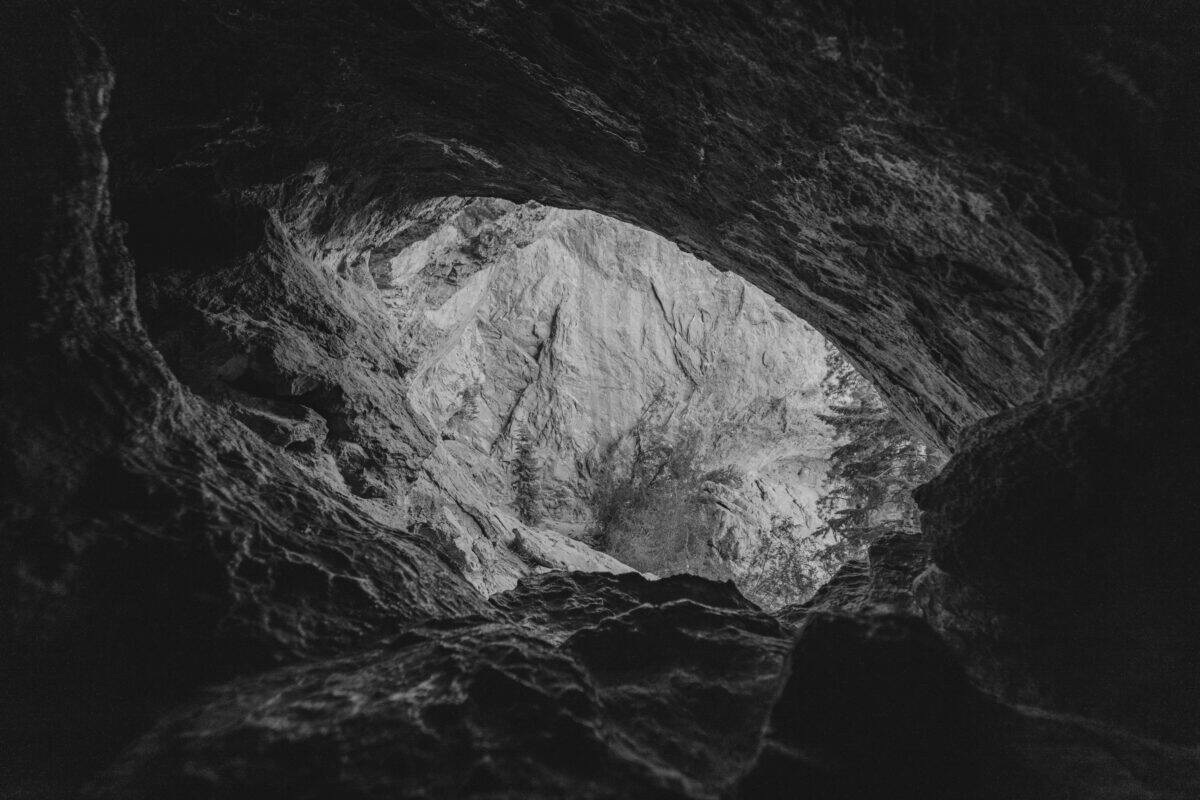
Hall’s Cave provided an extraordinary preservation environment that made this genetic discovery possible. Located approximately 40 miles west of Austin, the cave system formed over millions of years as groundwater dissolved the underlying Edwards Limestone, creating an extensive network of chambers and passages. Unlike many cave environments, Hall’s Cave maintains a nearly constant temperature of around 68°F (20°C) year-round and a stable humidity level of approximately 95%. These conditions significantly slow the degradation processes that typically destroy DNA in ancient remains.
Additionally, the cave’s alkaline soil chemistry helped neutralize acidic compounds that normally break down organic materials. The deep sediment layers within the cave accumulated gradually over thousands of years, effectively sealing and protecting the biological material from external contamination and environmental fluctuations. Researchers noted that the cave’s limited human visitation throughout history also contributed to the excellent preservation of the site. The unique combination of geological, chemical, and environmental factors made Hall’s Cave one of North America’s premier repositories of well-preserved Pleistocene biological material, rivaling the famous La Brea Tar Pits in preservation quality but offering distinct advantages for DNA studies.
Dietary Insights from Sloth DNA

One of the most fascinating aspects of the ancient DNA recovery was the ability to analyze not just the sloth’s own genetic material but also DNA fragments from their diet preserved in fossilized fecal matter (coprolites). By extracting and sequencing plant DNA from these coprolites, scientists identified specific vegetation that formed the diet of these giant herbivores. The analysis revealed that Shasta ground sloths in Texas consumed a remarkably diverse plant diet, including grasses, shrubs, trees, and desert succulents.
Specific plant taxa identified included several species of yucca, agave, prickly pear cactus, juniper, oak, and various grasses. This dietary flexibility likely helped ground sloths adapt to changing environmental conditions during the climate fluctuations of the late Pleistocene. Interestingly, researchers also identified seasonal variations in diet, suggesting these animals migrated or adjusted their feeding patterns throughout the year. The dietary analysis from the Texas specimens differed somewhat from similar studies of ground sloth remains in more western locations like Nevada and Arizona, indicating regional ecological adaptations among these widespread megaherbivores. This information provides valuable insights into both sloth biology and the Texas paleoenvironment during the late Ice Age.
Climate Change Insights from the DNA Record

The recovered DNA has provided scientists with unprecedented insights into how changing climate conditions affected megafauna during the late Pleistocene. By analyzing genetic diversity markers within the sloth DNA and comparing them with specimens from other locations and time periods, researchers identified signs of population stress that corresponded with major climate shift events. The genetic data suggested that ground sloth populations experienced significant bottlenecks during rapid warming periods, indicating these animals struggled to adapt to quickly changing environments.
Furthermore, isotope analysis of associated bone collagen, combined with genetic information about metabolic functions, revealed how sloths’ physiological responses to environmental stress evolved over time. The Texas specimens showed genetic adaptations related to water conservation and heat tolerance not found in more northern populations, suggesting regional adaptation to increasingly arid conditions. This information provides valuable context for understanding not only why ground sloths ultimately went extinct but also how modern species might respond to current climate change scenarios. The DNA records essentially function as an ancient climate archive, preserving evidence of environmental conditions and biological responses from thousands of years ago.
Connecting Ancient Sloths to Modern Relatives

The ancient DNA recovered from Hall’s Cave has allowed scientists to establish more precise evolutionary relationships between extinct ground sloths and their modern tree-dwelling descendants. Modern sloths are represented by just six species in two genera, a mere shadow of their former diversity. The genetic analysis confirmed that Nothrotheriops shastensis belongs to the family Nothrotheriidae, which diverged from the lineage leading to modern two-toed sloths (Choloepus) approximately 25 million years ago, and from three-toed sloths (Bradypus) even earlier.
Comparative genomics revealed several surprising adaptations that differed between ancient and modern sloths. While modern sloths evolved extreme metabolic slowdown and specialized arboreal adaptations, their giant ancestors show genetic markers for more active metabolisms and terrestrial locomotion. However, both groups share certain immune system components and digestive adaptations that enable their plant-heavy diets. The research also identified specific genes related to limb development that explain the anatomical differences between the massive ground sloths and their smaller, tree-adapted modern relatives. These evolutionary insights help scientists understand how dramatic environmental changes can drive radical adaptations even within relatively closely related groups of mammals.
Human Interaction with Ground Sloths

One of the most intriguing questions surrounding ground sloths concerns their potential interactions with early human populations in North America. The Hall’s Cave DNA discovery has contributed valuable evidence to this ongoing debate. The timing of the sloth remains, dating to approximately 12,500 years ago, places them within the period when humans had definitely arrived in North America. Intriguingly, some sediment layers containing sloth DNA also contained evidence of human presence, including stone tools and charcoal from controlled fires.
While the DNA evidence doesn’t conclusively prove humans hunted these particular sloths, it establishes clear temporal and geographical overlap between the species. Complementary archaeological evidence from other sites across North America has shown butchering marks on ground sloth bones and even artistic depictions of sloths in rock art. The genetic data from the Texas specimens shows no clear signatures of population collapse that would indicate intensive human hunting, suggesting the relationship between humans and ground sloths in this region may have been more complex than simple predator-prey dynamics. This information adds important context to discussions about the role of human activity in Pleistocene megafauna extinctions.
Technological Breakthroughs That Made the Discovery Possible

entral and South America during the Pliocene and Pleistocene Periods. Image via Depositphotos.
The recovery and analysis of sloth DNA from Hall’s Cave represents the culmination of revolutionary advances in paleogenetic technologies. Just two decades ago, retrieving usable DNA sequences from 12,500-year-old remains would have been nearly impossible. The breakthrough became possible through multiple technological innovations including high-throughput sequencing platforms that can process millions of DNA fragments simultaneously, specialized extraction techniques for highly degraded DNA, and powerful bioinformatic algorithms designed to reconstruct fragmented genetic sequences.
Particularly important was the development of single-stranded DNA library preparation methods, which allow scientists to recover genetic information from even the most damaged ancient DNA molecules. Additionally, refined techniques for identifying and filtering out contaminating DNA made it possible to distinguish authentic sloth genetic material from modern microbes or human DNA that might have been introduced during excavation. The research team also employed environmental DNA (eDNA) methodologies, originally developed for detecting rare species in water samples, to extract genetic material directly from sediments rather than relying solely on visible remains. These technological innovations collectively transformed what was scientifically possible, opening a new window into prehistoric ecosystems that had previously been accessible only through the fossil record.
Other Remarkable Finds in Hall’s Cave

While the ground sloth DNA has received the most attention, Hall’s Cave has yielded numerous other significant paleontological discoveries. The same sediment layers that contained sloth remains also preserved DNA and fossils from other extinct Pleistocene fauna including American cheetahs (Miracinonyx), dire wolves (Aenocyon dirus), ancient bison (Bison antiquus), and several species of now-extinct horses and camels. This diverse assemblage has provided an unprecedented snapshot of the complete ecosystem that existed in central Texas during the late Ice Age.
Beyond DNA, researchers have recovered over 100,000 identifiable fossils representing at least 100 vertebrate species spanning the last 20,000 years. The cave has also yielded important paleoclimate data from speleothems (cave formations), pollen records, and isotope analyses that track environmental changes through time. Archaeological materials including Paleo-Indian projectile points and stone tools document human presence and technological changes. The cave essentially functions as a layered library of Texas natural history, with each sediment level representing a different chapter in the region’s ecological past. This comprehensive record allows scientists to contextualize the sloth DNA findings within a broader understanding of ecosystem dynamics and extinction processes.
Implications for Conservation Biology

The ancient sloth DNA discovery has significant implications for modern conservation efforts. By analyzing how these megaherbivores responded genetically to environmental pressures, scientists can better understand how contemporary species might adapt to current climate change. The research revealed that ground sloths possessed considerable genetic diversity and adaptive capacity yet still went extinct when faced with rapid environmental shifts and possibly human predation—a cautionary lesson for conservation biologists working with threatened species today.
Particularly relevant are insights into how large herbivores shape ecosystems through their feeding and movement patterns. The genetic and isotopic evidence from the Texas sloths demonstrates how these ecosystem engineers influenced plant communities and nutrient cycling in ways that modern ecosystems no longer experience. Some conservation biologists are now considering how introducing ecological proxies—modern species that might perform similar ecological functions—could restore ecosystem processes that disappeared with megafauna extinction. The ancient DNA also provides a genetic baseline for measuring historical biodiversity, allowing scientists to quantify how much genetic diversity has been lost over time. These paleogenetic insights are increasingly informing rewilding projects and conservation strategies aimed at preserving not just species but ecological functions and evolutionary potential.
Conclusion: Rewriting Natural History Through Ancient DNA

The discovery of ancient sloth DNA in Hall’s Cave represents a turning point in our understanding of North American paleontology and evolutionary biology. By extracting and analyzing genetic material preserved for over 12,500 years, scientists have brought the Pleistocene world into sharper focus than ever before possible. This remarkable find has allowed researchers to reconstruct not just what these animals looked like, but how they lived, what they ate, how they responded to environmental changes, and ultimately, why they disappeared.
The implications extend far beyond paleontology, informing modern conservation efforts and enhancing our understanding of evolutionary processes. The technical achievements that made this discovery possible also demonstrate how rapidly advancing technology continues to transform scientific capabilities, making previously inaccessible information available for study. As analysis techniques continue to improve, researchers expect to extract even more information from these precious samples, potentially answering lingering questions about megafauna extinction patterns and ancient ecosystem dynamics.
Perhaps most significantly, the Hall’s Cave discovery reminds us that beneath the surface of seemingly ordinary places, remarkable scientific treasures may lie waiting to be discovered. The limestone caverns of central Texas—a region known more for its ranches than its paleontological significance—have preserved a genetic time capsule that continues to yield new insights into North America’s natural history. As research continues at this and other sites, our understanding of ancient ecosystems and their relevance to modern conservation challenges will undoubtedly continue to evolve, highlighting the enduring scientific value of well-preserved natural archives like Hall’s Cave.
For the ancient ground sloths whose DNA has survived millennia in the darkness of a Texas cave, their story is far from over. Though extinct for thousands of years, they continue to contribute to science, offering valuable lessons about adaptation, resilience, and the interconnectedness of species and environments that remain urgently relevant in today’s rapidly changing world.

From exploring the marine wonders in the Azores and witnessing the vast savannas of Kenya, to delving deep into the rich biodiversity of South Africa and traversing iconic landscapes in Australia and the US like Yellowstone, Chris's experiences are vast.
With a penchant for diving alongside sharks, the ocean holds a special place in his heart.
Through his academic insights, he champions wildlife conservation, striving with 'Animals Around The Globe' to cultivate a profound connection between humans and animals, enhancing our mutual appreciation.
Connect with him at Feedback@animalsaroundtheglobe.com.
- Top Jungle Treks for Spotting Jaguars and Tapirs - June 21, 2026
- 15 Facts About Wild Zebras You Have Never Heard Before - June 21, 2026
- What’s Causing Sinkholes to Multiply in Florida? - June 21, 2026