
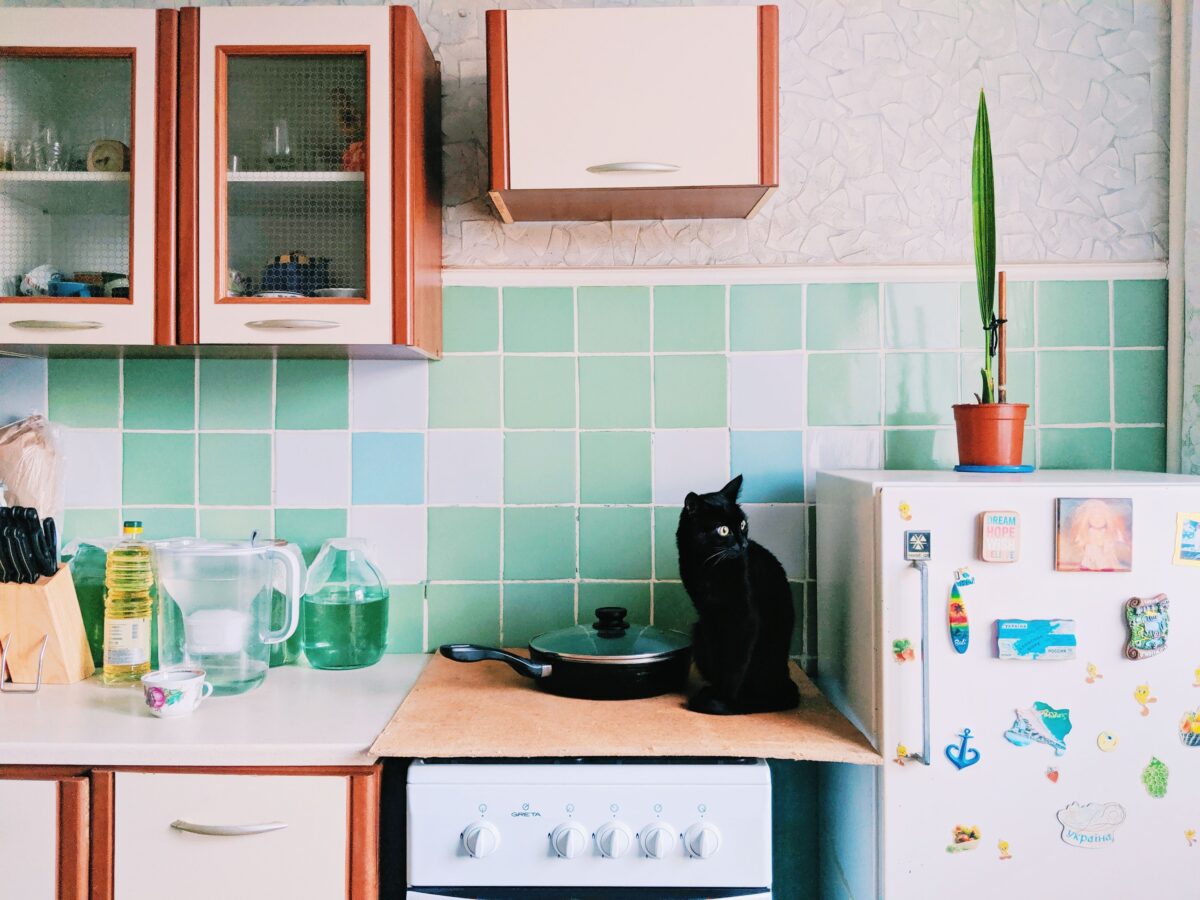


You reach for the cupboard door at roughly the same time each morning, and there’s a cat already waiting by the bowl. It didn’t read a clock. It didn’t hear you say anything. Somehow it knew.
Most of us shrug this off as cat magic or plain greed. Researchers who study animal learning tend to see something more orderly going on underneath. The details are more interesting than the stereotype, and they say a lot about how your cat makes sense of your kitchen.
Cats Are Pattern Detectors by Nature
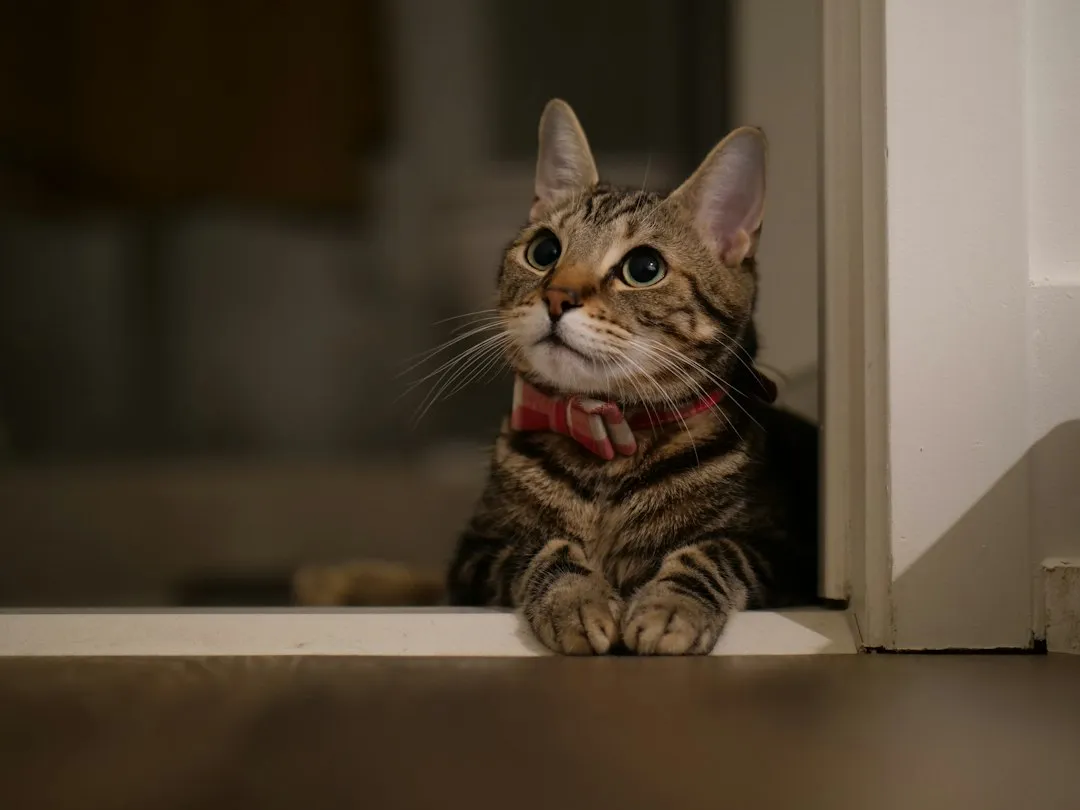
Cats are predators that rely on predicting where prey will appear and when. A brain that notices regularities in the environment has a clear survival advantage, and that wiring doesn’t switch off in a warm apartment. Your morning routine simply becomes another set of regularities to track.
Learning from repeated events is among the most basic abilities in the animal world. When one thing reliably comes before another, animals tend to treat the first as a signal for the second. A cupboard opening before breakfast is exactly that kind of signal.
Classical Conditioning at the Kitchen Counter
The textbook explanation is associative learning, the idea made famous by Pavlov’s work with dogs. A neutral cue, such as the creak of a cupboard hinge, gets paired again and again with something rewarding, like food. Eventually the cue alone triggers anticipation.
You can often see this in your cat’s body. Ears swivel, the cat trots toward the kitchen, maybe it starts vocalizing before a single kibble has landed. That’s not a mystery. It’s a prediction showing up as behavior.
Sequences, Not Just Single Cues
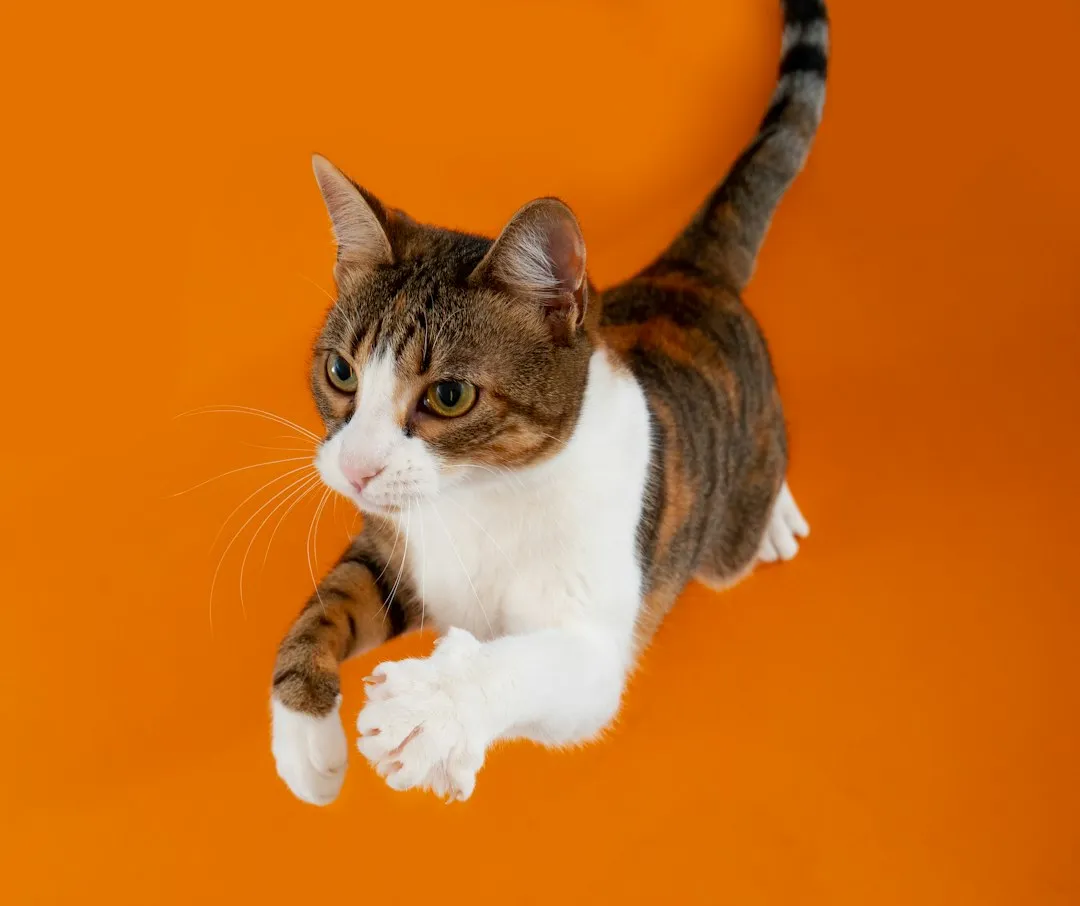
What makes the cupboard scenario more interesting is that it isn’t one cue. It’s a chain: you wake up, shuffle to the kitchen, open a particular door, pick up a particular container. Each step may become its own signal, and the cat may start reacting earlier and earlier in the chain.
Many cat owners notice just this. The cat reacts to the alarm, then your footsteps, then the cupboard. How precisely any one cat represents the whole sequence is hard to prove from the outside, so it’s wise to treat the “learning the sequence” idea as a reasonable interpretation rather than a settled fact for every animal.

Glass Hummingbird Feeder for Outdoors Hanging
Check Price on AmazonAs an Amazon Associate, we earn from qualifying purchases.
10/7/2026 1:21 pm GMTi

Glass Hummingbird Feeder for Outdoors Hanging, 16 oz Leak-Proof Nectar Feeder with Bee Guards & Ant Moat
Check Price on AmazonAs an Amazon Associate, we earn from qualifying purchases.
10/7/2026 1:22 pm GMTi

Dog Stairs for Bed 18" H, 4-Step Dog Steps for High Bed
Check Price on AmazonAs an Amazon Associate, we earn from qualifying purchases.
10/9/2026 2:42 pm GMTi

2 Pcs Halloween Pet Hat Bandana Set, Witch Pumpkin Costumes for Dogs
Check Price on AmazonAs an Amazon Associate, we earn from qualifying purchases.
10/9/2026 2:45 pm GMTi

Professional 7 in 1 Dog Paw Cleaner for Dogs & Cats - Includes 1 Portable Paw Washer, 1 Bath Brush
Check Price on AmazonAs an Amazon Associate, we earn from qualifying purchases.
10/7/2026 1:26 pm GMTi
Your Sounds and Smells Matter More Than You Think
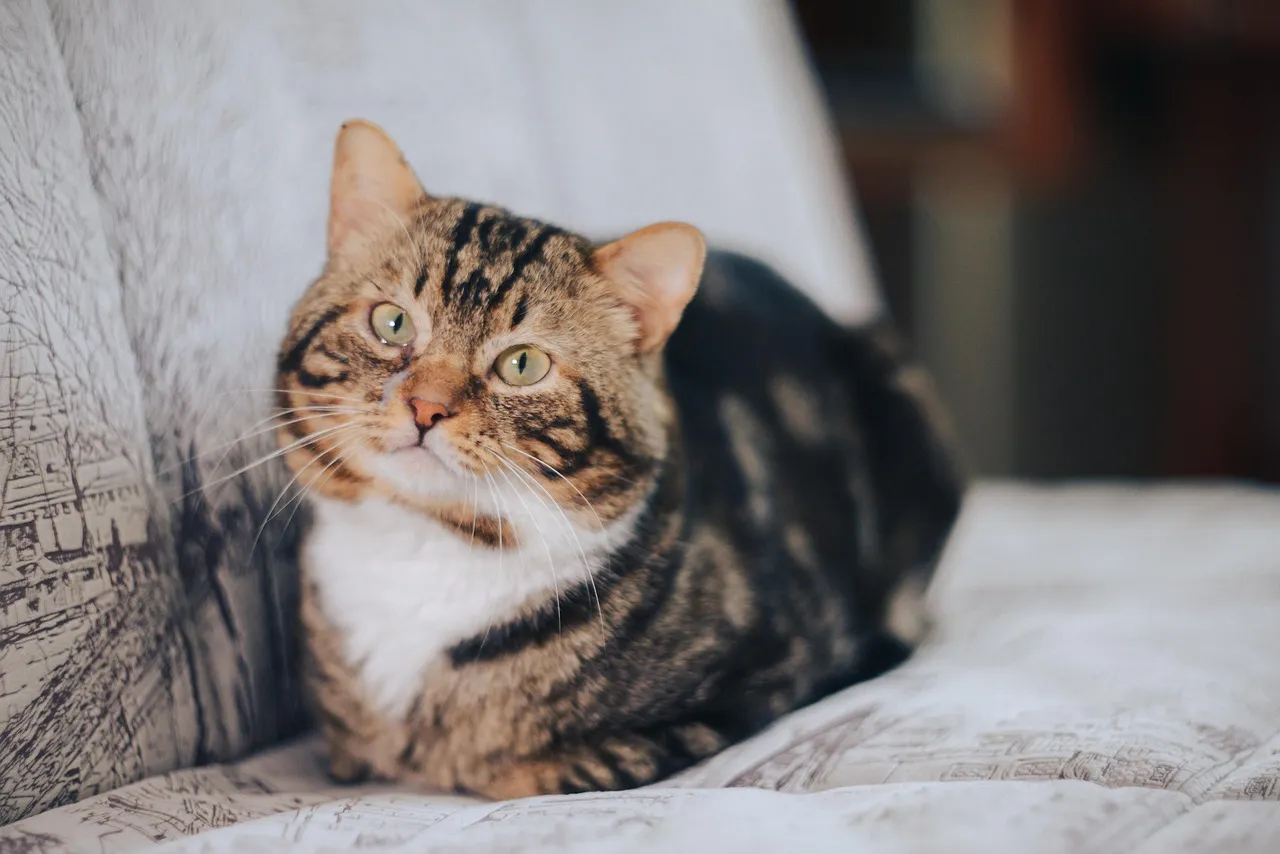
Cats don’t rely on sight alone. A cupboard has its own sound, the packaging rustles, and food has a smell that carries. Any of these can serve as a cue, which is why some cats respond to the sound of a can opener from another room.
Research on cats has also shown they can pick up on cues from people, including voice and gesture. Studies have found that cats can distinguish their own names from other words, for instance. So the cupboard may be just one piece of a richer picture your cat is assembling about you.
Is It Understanding or Just Habit?
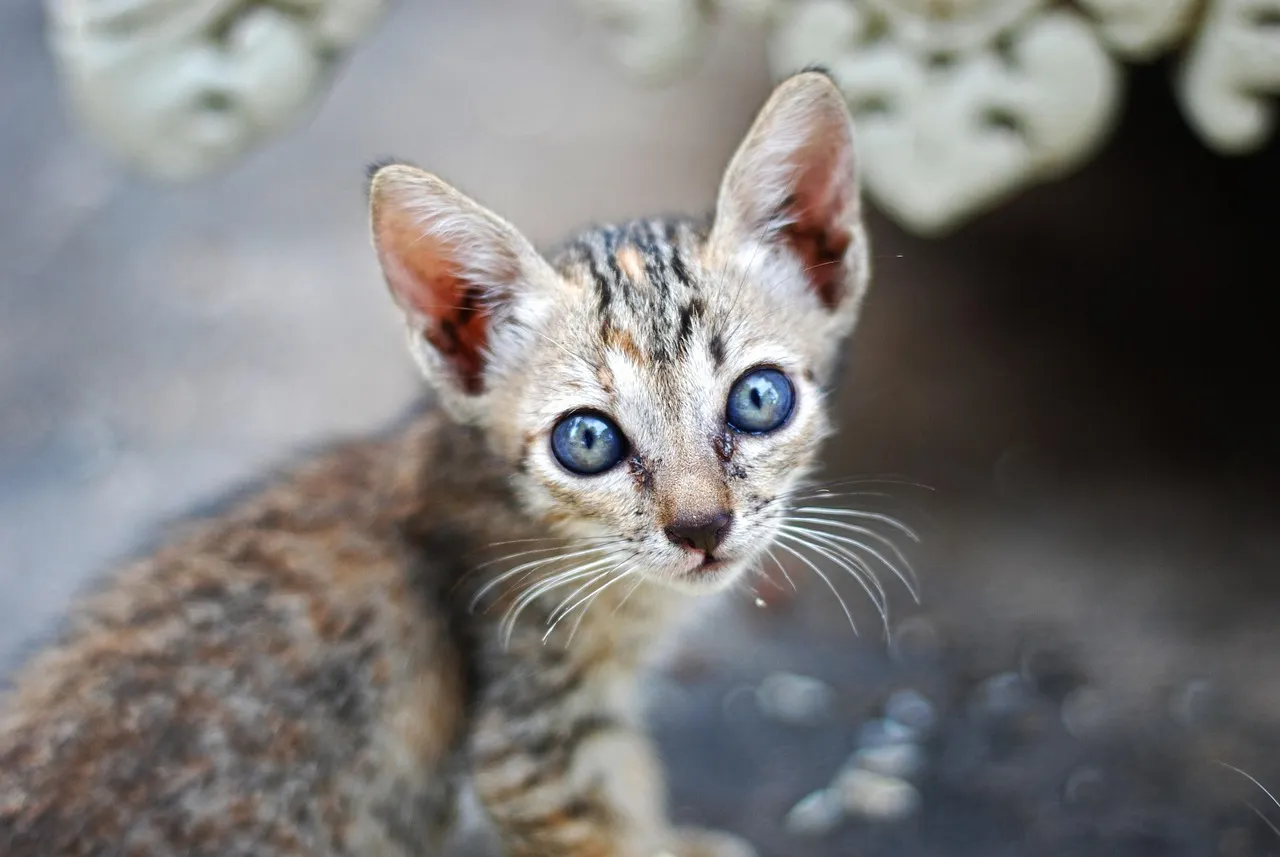
Here the science gets more careful. Associative learning can explain a lot without assuming the cat understands that the cupboard causes food to appear. A cat could simply expect breakfast whenever it sees that door open, without any notion of how the pieces connect.
Cat cognition research is still younger and thinner than work on dogs, partly because cats are harder to test in lab settings. Some studies suggest cats track certain physical cause and effect, though findings are mixed. Honest answer: we know cats predict, and we know less about how deeply they reason.

Halloween Cat Costume Cloak Witch Hat Pet Accessories
Check Price on AmazonAs an Amazon Associate, we earn from qualifying purchases.
10/9/2026 2:44 pm GMTi

Earth Rated XL Dog & Puppy Pee Pads, Discreet Top, Max Absorbency
Check Price on AmazonAs an Amazon Associate, we earn from qualifying purchases.
10/7/2026 1:28 pm GMTi

PetSafe Oasys Pet Fountain, 1/2 Gallon (64 oz), Small Dogs & Cats
Check Price on AmazonAs an Amazon Associate, we earn from qualifying purchases.
10/8/2026 8:14 am GMTi

Hand Blown Glass Hummingbird Feeders for Outdoors Hanging, 24oz Wild Bird Nectar Feeder
Check Price on AmazonAs an Amazon Associate, we earn from qualifying purchases.
10/7/2026 1:23 pm GMTi

Smart Bird Feeder with Camera Solar Powered, 2K HD Live Video, 10,000+ Bird Species AI Identification
Check Price on AmazonAs an Amazon Associate, we earn from qualifying purchases.
10/7/2026 1:22 pm GMTi
What You Can Do With This Knowledge
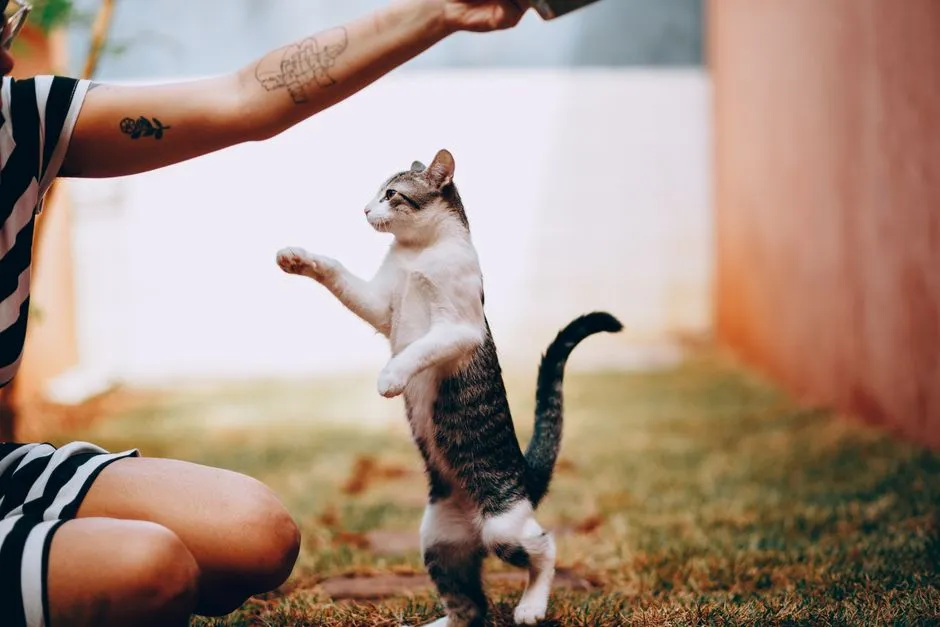
If your cat starts yowling at 5 a.m., remember that the behavior has probably been rewarded, even accidentally. Feeding on demand teaches the cat that noise is part of the sequence. Changing the chain, for example by using a timed feeder or varying your own cues, can help break an unwelcome habit.
You can also use the same learning in friendlier ways. Pairing a short, consistent sound with play or treats can make vet carrier training and recall easier. Cats respond well to predictable routines, and a predictable day often means a calmer cat.

Orthopedic Extra Large Dog Bed, Waterproof Washable XL Pet Bed 44"
Check Price on AmazonAs an Amazon Associate, we earn from qualifying purchases.
10/7/2026 1:32 pm GMTi

Halloween Dog Collar with Bow, Orange Cute Ghost Collar,
Check Price on AmazonAs an Amazon Associate, we earn from qualifying purchases.
10/9/2026 2:43 pm GMTi

Air Purifiers for Home Pets Large Room Up to 3000 Ft²,HEPA Air Cleaner with Washable Double-Side Filter, PM2.5 Air Quality Monitor,15dB Sleep Mode for Bedroom Odor Dust Pollen,White
Check Price on AmazonAs an Amazon Associate, we earn from qualifying purchases.
10/8/2026 8:23 am GMTi

Portable Dog Water Bottle Foldable Dog Travel Water Bottle
Check Price on AmazonAs an Amazon Associate, we earn from qualifying purchases.
10/7/2026 1:29 pm GMTi
Final Thoughts
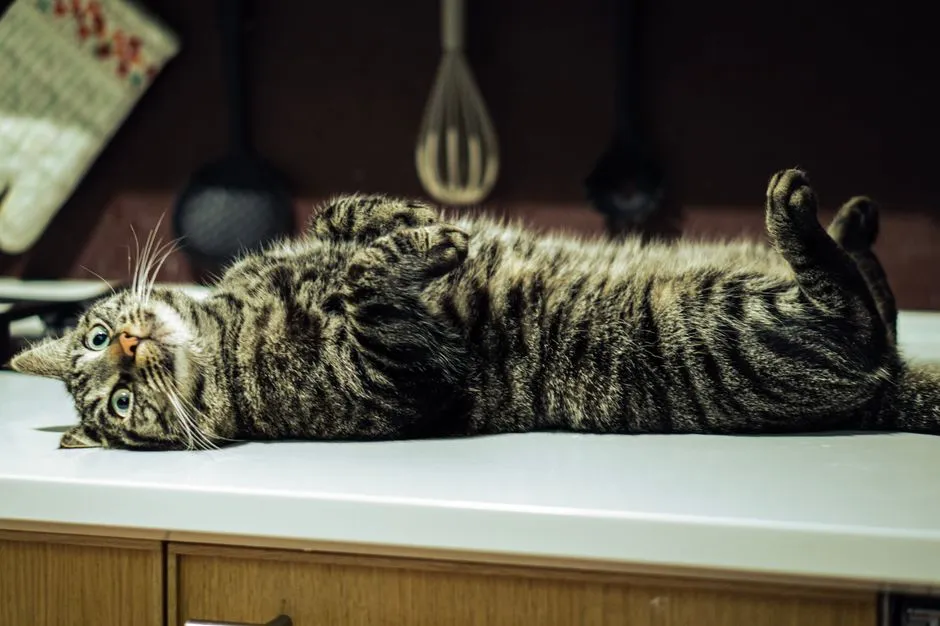
I think the cupboard scene deserves more credit than we give it. Your cat isn’t just being demanding, it’s reading you, quietly and constantly, and building a working model of your mornings. That’s a form of attention many of us don’t expect from an animal we call aloof.
My view is that it’s worth meeting that attention halfway. Be a bit more deliberate about the routines you create, because your cat is certainly learning from them. Even if the science can’t yet say exactly what’s going on in that small head, the evidence is plain that someone in your kitchen is paying close attention.