


The animal kingdom is filled with extraordinary displays of affection, bizarre mating dances, and elaborate rituals designed to win the heart of a potential mate. While humans might express love through poetry, gifts, or candlelit dinners, animals have evolved some truly remarkable courtship behaviors that can seem both alien and oddly familiar to human observers. From elaborate dances to death-defying stunts, these mating rituals showcase the lengths to which animals will go to ensure their genetic legacy continues. Let’s explore some of the most astonishing courtship rituals in the animal world that will truly leave you speechless.
The Extraordinary Dance of the Birds of Paradise
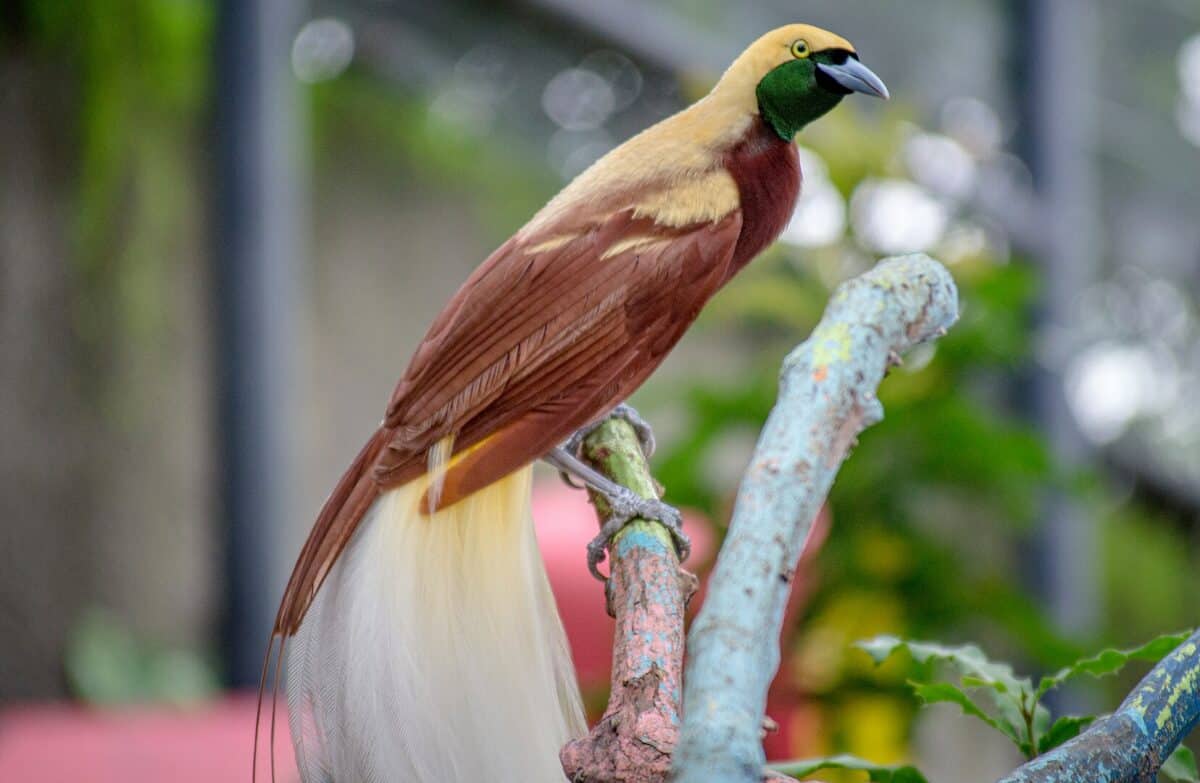
Native to the dense rainforests of New Guinea and surrounding islands, birds of paradise have developed perhaps the most extravagant courtship displays in the avian world. The male superb bird of paradise transforms himself into what appears to be an alien entity, with his wings spread into a black oval disc and his bright blue breast shield prominently displayed. He then performs a meticulously choreographed dance, hopping around the female while creating strange clicking sounds. The contrast between his pitch-black feathers and iridescent blue-green throat patch creates an otherworldly visual effect. Research has shown that these displays have evolved through female choice over millions of years, resulting in some of the most visually striking animals on the planet. One species, the Parotia, even cleans its dance floor meticulously before performing, removing every leaf and twig to create a perfect stage for its performance.
The Bone-Crushing Love of the Giraffe

Giraffes engage in a courtship ritual known as “necking,” which is far more intense than the human equivalent. When a male giraffe is interested in a female, he will first test her receptivity by tasting her urine to detect hormones that indicate fertility. If the signals are promising, male rivals may engage in violent necking contests that involve swinging their massive 500-pound heads like wrecking balls against each other’s bodies. These powerful blows can knock opponents off balance or even render them unconscious. The victor earns the right to court the female, following her persistently until she accepts his advances. Researchers have documented necking contests lasting over an hour, with males delivering blows that would easily break human bones. This seemingly brutal courtship ritual demonstrates how sexual selection can drive the evolution of behaviors that push physical limits to the extreme.
The Great Bowerbird’s Architectural Masterpiece

Male bowerbirds of Australia and New Guinea are nature’s ultimate interior decorators, creating elaborate structures called bowers solely to attract mates. These are not nests but purely courtship arenas, often resembling tunnel-like avenues or maypoles made from carefully arranged sticks. The great bowerbird takes this artistry to an astonishing level by collecting hundreds of objects sorted by color—bones, shells, berries, flowers, and even human-made items like bottle caps or glass fragments—to decorate his bower. He arranges these treasures with meticulous care, creating optical illusions that make smaller objects appear closer to the bower entrance and larger items farther away. This forced perspective creates a visual gradient that impresses females. Studies have shown that males with the most skillfully arranged bowers attract more mates, suggesting that females use these artistic displays to assess a male’s cognitive abilities and attention to detail. Some males even use special pigments to paint the inner walls of their bowers, chewing berries or charcoal and mixing them with saliva to create a primitive form of paint.
The Deadly Romance of the Praying Mantis
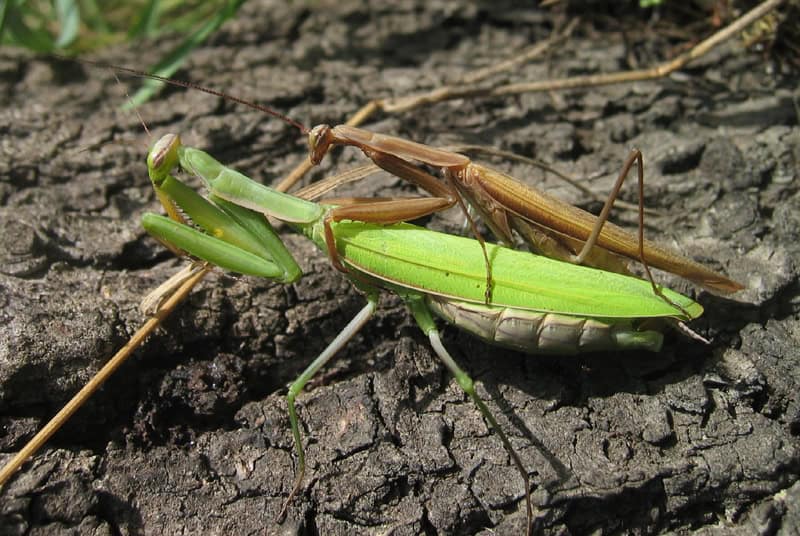
Perhaps one of the most infamous courtship rituals belongs to the praying mantis, where romance can literally cost the male his head. Male mantises approach females with extreme caution, often freezing in place if the female makes any sudden movements. This wariness is well-founded, as female mantises are known to practice sexual cannibalism, decapitating and consuming their mates during or after copulation. Contrary to popular belief, this gruesome outcome isn’t inevitable—studies suggest it happens in less than 30% of natural encounters. Interestingly, a headless male can actually continue mating, as the male’s reproductive reflexes are controlled by ganglia in the abdomen, not the brain. This seemingly macabre practice may have evolutionary benefits, as the nutrients from the male’s body help produce healthier eggs. Some male mantises have even evolved strategies to avoid becoming a post-coital snack, including offering “nuptial gifts” of prey to distract the female or approaching when she has recently fed.
The Pufferfish’s Underwater Crop Circles

In the waters off Japan, male pufferfish create one of the ocean’s most beautiful and mysterious structures. Using nothing but their fins, these small fish (about 5 inches long) work tirelessly for 7-9 days to create intricate circular patterns in the sand, spanning up to 7 feet in diameter. These underwater “crop circles” feature geometric patterns, radiating ridges, and carefully placed decorative stones and shells. The male uses his body to create valleys and peaks, methodically moving sand grains to form these precise designs. The purpose? To attract a female pufferfish, who inspects the quality of the circle before deciding whether to mate. The center of the circle serves as the nesting site, where the female will lay her eggs if impressed. Scientists discovered this behavior only recently, in 2013, demonstrating how much remains unknown about animal courtship behaviors. What makes this ritual particularly remarkable is that the pufferfish accomplishes this complex architectural feat without the ability to see the entire structure from above, suggesting an innate template that guides this elaborate behavior.
The High-Stakes Dance of the Peacock Spider

Australia’s tiny peacock spiders (measuring just 4-5mm) perform courtship displays that rival their much larger avian namesakes. The male spider’s abdomen is adorned with brilliantly colored flaps that unfold like a fan, revealing iridescent patterns of red, blue, and green. When a male encounters a potential mate, he raises his third pair of legs and his colorful abdominal flaps, then performs a complex dance that includes rhythmic vibrations and precise footwork. The stakes couldn’t be higher—if the female isn’t impressed, she may attack and eat him. Each of the 80+ species of peacock spiders has its own unique dance and color pattern, allowing females to identify suitable mates of their own species. High-speed cameras have revealed that these dances include movements too rapid for the human eye to detect, including specialized leg vibrations that create substrate-borne signals the female can feel. The intricacy of these displays in such tiny creatures demonstrates how sexual selection can drive the evolution of complex behaviors even in animals with relatively simple nervous systems.
The Alpine Newt’s Chemical Love Songs
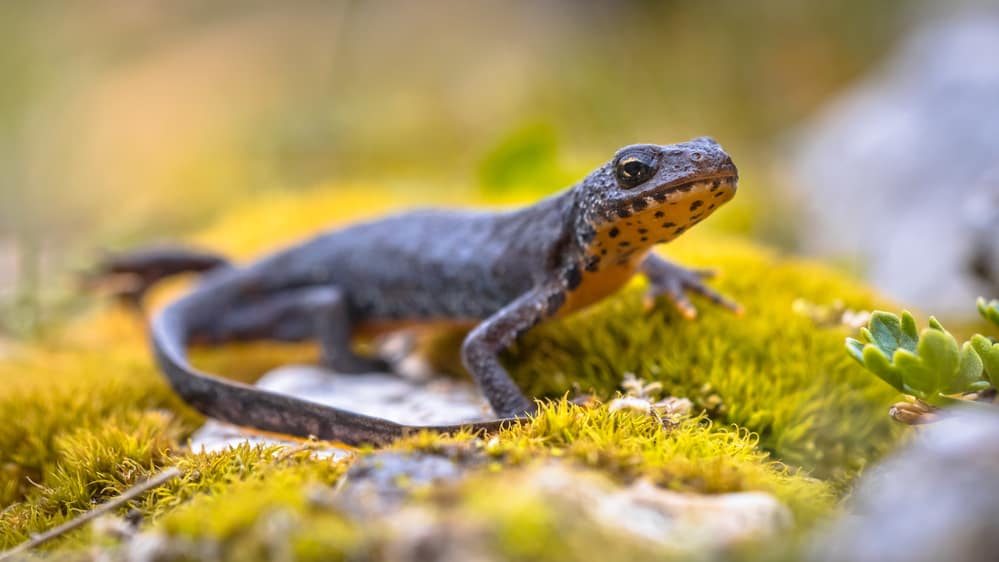
The courtship of the alpine newt takes place in a silent underwater world where visual displays are combined with complex chemical communication. When a male newt encounters a receptive female, he positions himself in front of her and fans his tail vigorously, creating water currents that waft his pheromones toward her. These chemical signals contain information about his health, genetic quality, and reproductive readiness. The male’s body transforms during breeding season, developing a striking blue-violet ventral surface and a dramatic spotted dorsal crest that runs from head to tail. His courtship dance involves precise movements—waving his tail in a figure-eight pattern, vibrating it rapidly, then folding it against his body to create a specific water flow pattern. If the female is interested, she will follow him as he leads her in a synchronized swimming pattern. Eventually, the male deposits a spermatophore (a packet of sperm) on the substrate, which the female will pick up with her cloaca. Research has shown that females assess multiple males before choosing, and that the complexity of a male’s dance correlates with his overall genetic quality.
The White-Fronted Parrot’s Death-Defying Romance
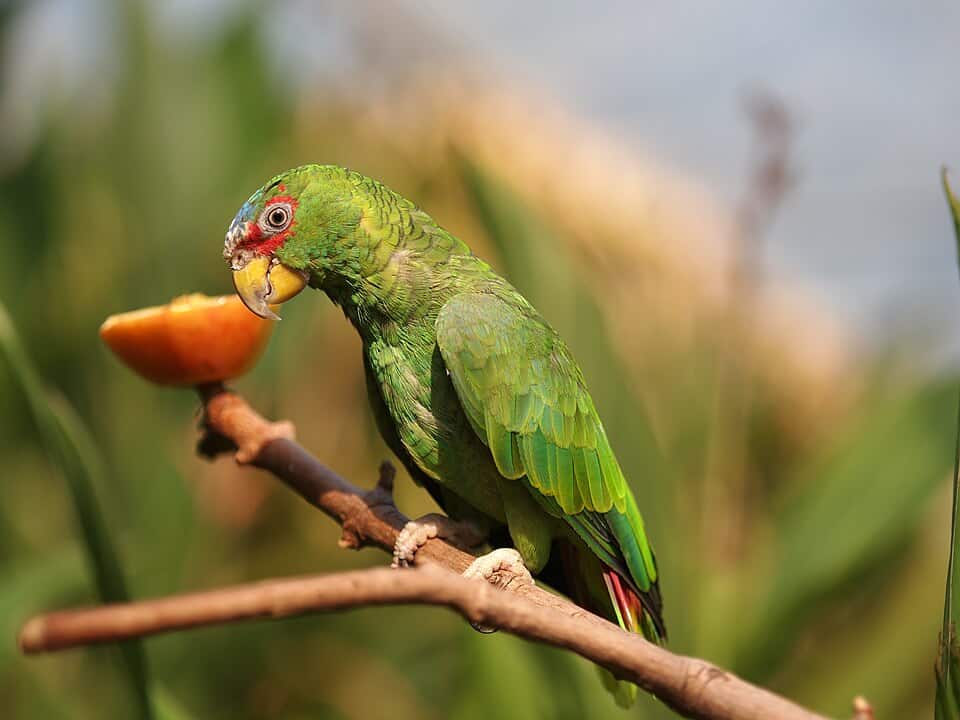
White-fronted parrots of Central America take courtship to heart-stopping extremes with their “death spiral” display. When a pair forms a bond, they fly high into the air together, lock feet, and then spiral downward in a controlled free-fall, spinning rapidly as they plummet toward the ground. Just moments before impact, they separate and fly away. This breathtaking display demonstrates perfect coordination and trust between the pair, qualities essential for the long-term partnership required to raise their young. The death spiral serves multiple purposes—it strengthens the pair bond, signals to other parrots that these individuals are mated, and may help assess a partner’s flying abilities and overall health. Ornithologists have noted that these spirals can drop from heights of over 50 meters, reaching considerable speeds before the birds pull out of their dive. This ritual exemplifies how courtship displays often test physical attributes directly relevant to survival and reproduction, as parrots that lack coordination or strength would be unable to perform this maneuver successfully.
The Nurse Shark’s Bite of Passion

Nurse sharks engage in a courtship ritual that would be considered highly inappropriate by human standards. Male nurse sharks express interest by biting the female’s pectoral fins and holding on with a vise-like grip. This bite isn’t a brief nip but can last for several weeks leading up to mating. The female’s skin is significantly thicker than the male’s, an adaptation that suggests this rough courtship has shaped shark evolution. Multiple males may pursue a single female, biting different fins and creating a rather uncomfortable-looking entourage. The persistence of the male who maintains his grip the longest often wins the reproductive opportunity. During the final mating phase, the male will rotate his body to align his reproductive organs with the female’s while maintaining his bite hold. Marine biologists studying this behavior have discovered that females have developed various strategies to test male endurance, including swimming into shallow water where some males may not follow, or rolling their bodies to try to dislodge less committed suitors. This ritual demonstrates how courtship often involves tests of stamina and determination that may predict a male’s genetic quality.
The Love Dart of Land Snails
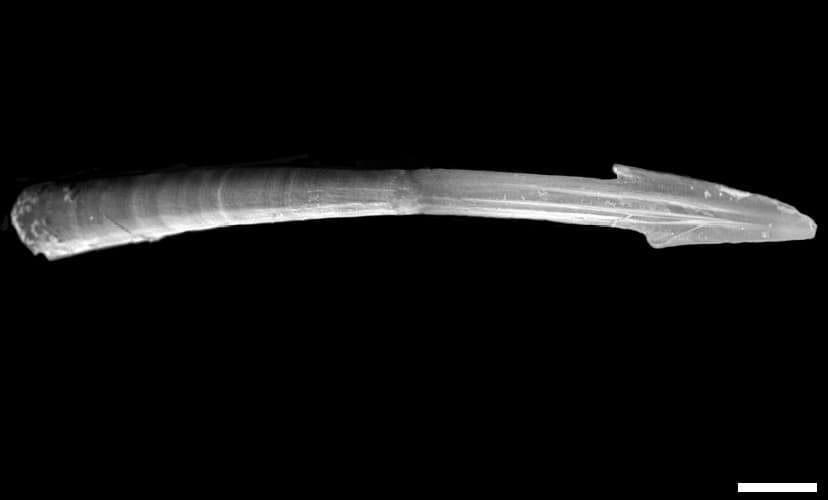
Hermaphroditic land snails engage in one of the most bizarre courtship rituals in the animal kingdom, involving literal “love darts.” These calcium carbonate or chitin darts, which can reach up to a third of the snail’s body length, are stored in a specialized sac until courtship begins. As two snails approach each other, they may circle for hours, touching tentacles and exchanging chemical signals. Then, in a surprising act of ballistic courtship, they fire dart-like structures into each other’s bodies. Despite the romantic name, these love darts aren’t directly involved in sperm transfer but rather inject hormones that increase the chances of the fired snail’s sperm successfully fertilizing eggs. Research has shown that the mucus on these darts causes contractions in the female reproductive tract that reduce the digestion of incoming sperm and aids sperm storage. The process is not without risk—darts occasionally miss their target and can damage internal organs. This unusual mechanism represents an evolutionary arms race between mating partners, each trying to maximize their reproductive success in a species where both individuals can play both male and female roles simultaneously.
The Cooperative Dance of the Seahorse

Seahorses, renowned for their unique male pregnancy, engage in one of the ocean’s most synchronous courtship rituals. Pairs perform a daily “dance” that can last up to eight hours, strengthening their monogamous bond. During these dances, the male and female mirror each other’s movements precisely, changing colors in unison, spiraling together through the water column, and entwining their tails. They press their bellies together in a movement called the “greeting dance” and spin around a common axis like synchronized swimmers. These daily dances occur for several days before the female eventually transfers her eggs into the male’s specialized brood pouch, where he will fertilize and carry them until birth. Research has shown that these dances synchronize the reproductive cycles of both partners and allow them to assess each other’s reproductive readiness. The precision of their movements represents a remarkable case of behavioral coordination, especially considering the relatively simple nervous system of these fish. Unlike many courtship rituals that end after mating, seahorse pairs continue their daily dances throughout their partnership, which can last an entire breeding season or even longer.
The Romantic Teamwork of the Great Crested Grebe
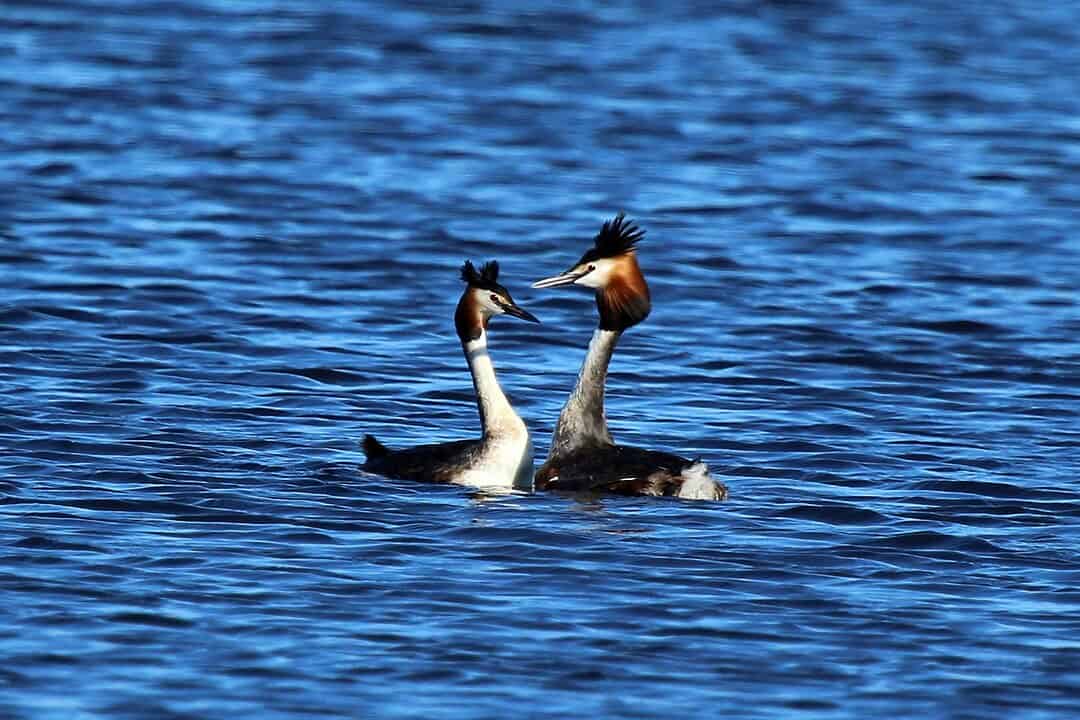
The great crested grebe performs one of the most elegant and coordinated courtship displays among water birds. Their most spectacular ritual is the “weed dance,” where both birds dive to collect waterweeds, then rise from the water breast to breast, paddling rapidly to maintain an upright position while facing each other. With necks arched and heads swaying in perfect synchrony, they present their gathered weeds to each other in a gesture that appears remarkably like an exchange of gifts. Following this, they perform the “penguin dance,” rising up on the water with necks extended and chest to chest, mirroring each other’s movements in perfect harmony. Their elaborate head plumes and colorful facial features become prominently displayed during these rituals. Ornithologists have documented that pairs may perform these displays dozens of times before mating, and that the synchrony of their movements predicts the strength of their pair bond. The ritual demonstrates the importance of coordination in species where both parents must cooperate extensively in nest building and chick rearing. These displays were first extensively documented in 1914 and helped establish the scientific study of animal behavior.
The breathtaking diversity of animal courtship rituals showcases the power of sexual selection as a driving force in evolution. From the architectural prowess of the bowerbird to the synchronized dances of seahorses, these behaviors represent millions of years of evolutionary refinement. What makes these rituals particularly fascinating is how they often test qualities directly relevant to survival and reproduction—physical strength, coordination, resource-gathering ability, and genetic health. The extravagance of these displays demonstrates that the pressure to reproduce can lead to the development of behaviors and physical traits that might otherwise seem disadvantageous. For humans observing these remarkable courtship rituals, they provide not only entertainment and wonder but also insights into the fundamental processes that have shaped all life on Earth. By appreciating the extraordinary lengths to which animals go to find mates, we gain a deeper understanding of the complex and beautiful tapestry of behaviors that evolution has woven throughout the natural world.

- Cuddling for Warmth: How Meerkats Stay Cozy - July 18, 2026
- This U.S. Lake Is Mysteriously Disappearing—Here’s What Scientists Say - July 18, 2026
- This Jellyfish Hunts in Packs - July 18, 2026