
Minnesota has earned its reputation as a nature lover’s paradise. With more than 10,000 lakes, sprawling boreal forests, and wide-open prairies, it draws millions of visitors every year who come to hike, fish, camp, and simply breathe it all in. The state is known as the land of 10,000 lakes, but it also has prairies, forests, and farmland, and whether it’s a hot summer or a frigid winter, people love getting out to enjoy the hiking, camping, and fishing in the beautiful outdoors.
What most people don’t pause to consider is that the wilderness quietly pushes back. The threats aren’t always the ones you picture, teeth bared and charging. Sometimes they’re hovering above you on a warm evening, or latched silently to the back of your calf. Research has recorded 60 fatal animal attacks since 2000, placing it among the top 25 U.S. states with the highest number of animal attacks. The following ten animals deserve your respect – and your attention.
1. The Mosquito: Small but Statistically Dominant
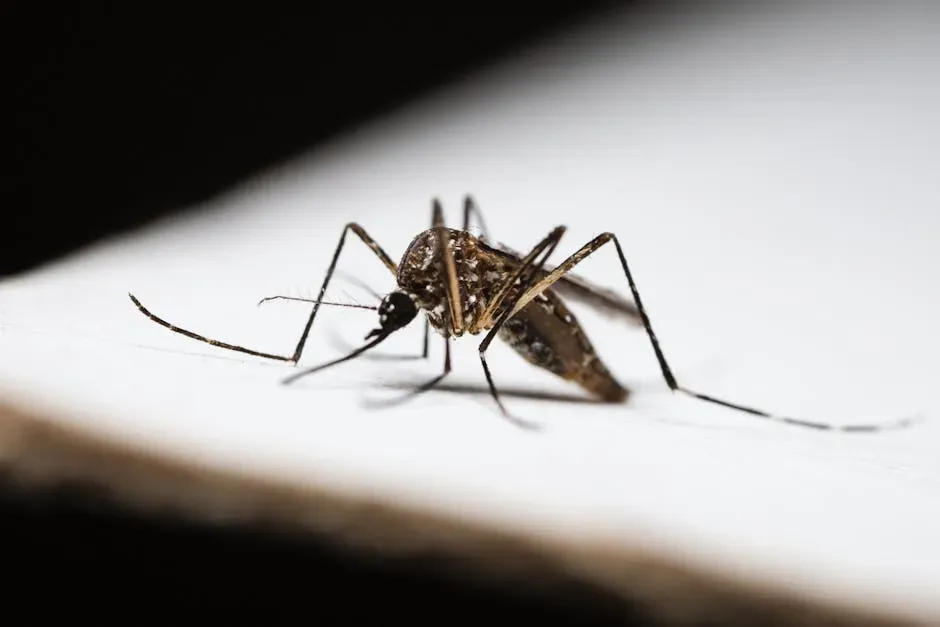
It seems almost absurd to open a list of deadly animals with an insect the size of a fingernail. Yet the mosquito is consistently ranked as the most dangerous animal on the planet, and Minnesota is no exception to that reality.
Minnesota alone has roughly 50 different species of mosquitoes, though only a few are capable of spreading diseases such as West Nile virus and La Crosse virus. That’s a meaningful number, and both of those diseases can cause serious neurological complications in vulnerable people.
Their size relative to humans, combined with their flying ability, makes them formidable pests, and they’re adapted for detecting heat, carbon dioxide, and odor, making them stealthy and effective. A single mosquito can hatch anywhere from 100 to 300 larvae within just 24 to 48 hours. The breeding season ‘s warm months is short, but the risk is real each summer.
2. The White-Tailed Deer: The Road’s Silent Hazard
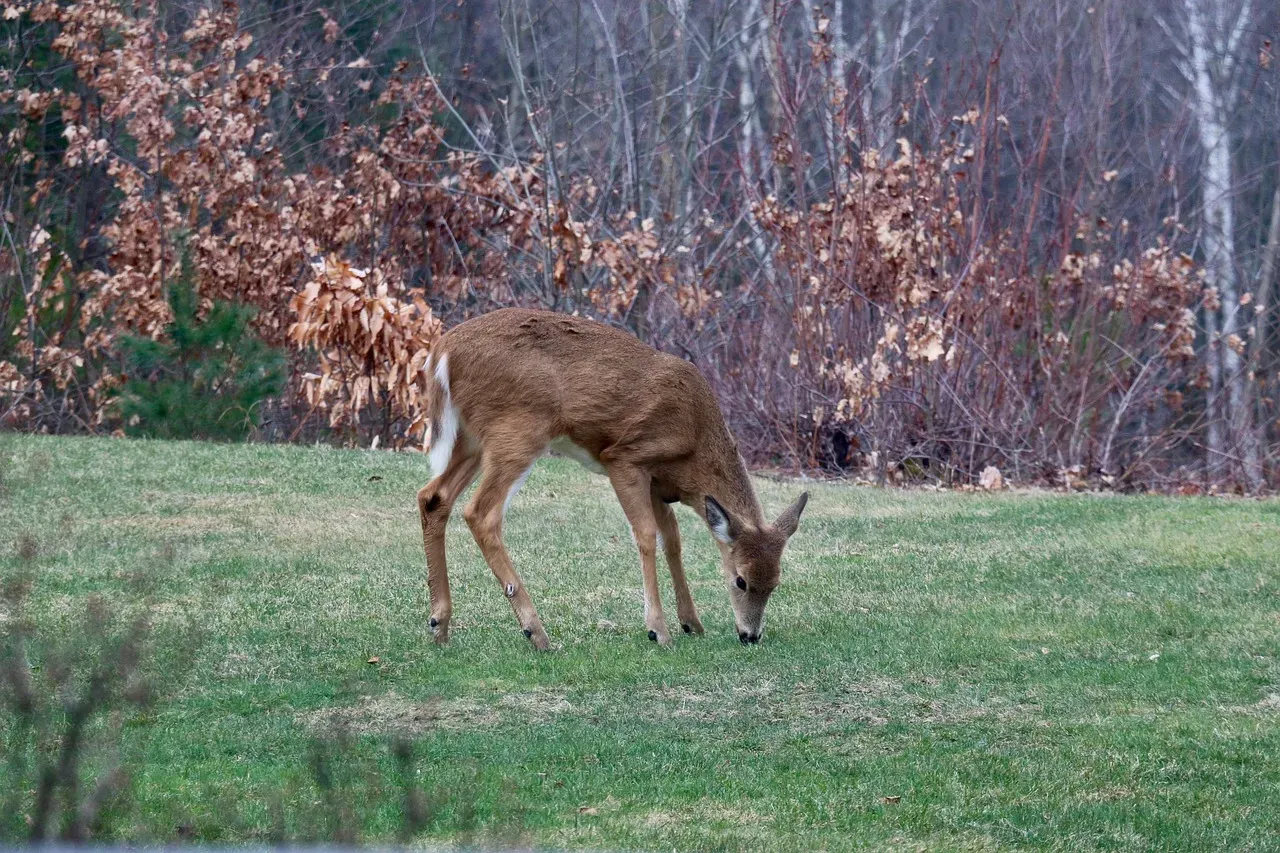
Nobody fears white-tailed deer the way they fear a bear or a wolf. That’s precisely what makes them so dangerous. When it comes to animal-related deaths , nothing holds a candle to the white-tailed deer – and it’s not because they charge at people, but mostly because of car collisions.
In 2019 alone, the Minnesota Department of Public Safety recorded 1,263 deer-vehicle collisions, three of which were fatal and 19 of which ended in serious injuries – and those numbers were actually down from previous years.
The reason white-tailed deer are considered dangerous is precisely because they’re so prevalent near roads and highways, frequently causing accidents as they run across roads at night or at dusk. Staying alert during fall and early winter, when deer movement peaks, is simply non-negotiable on Minnesota roads.
3. The American Black Bear: Power in the Pines
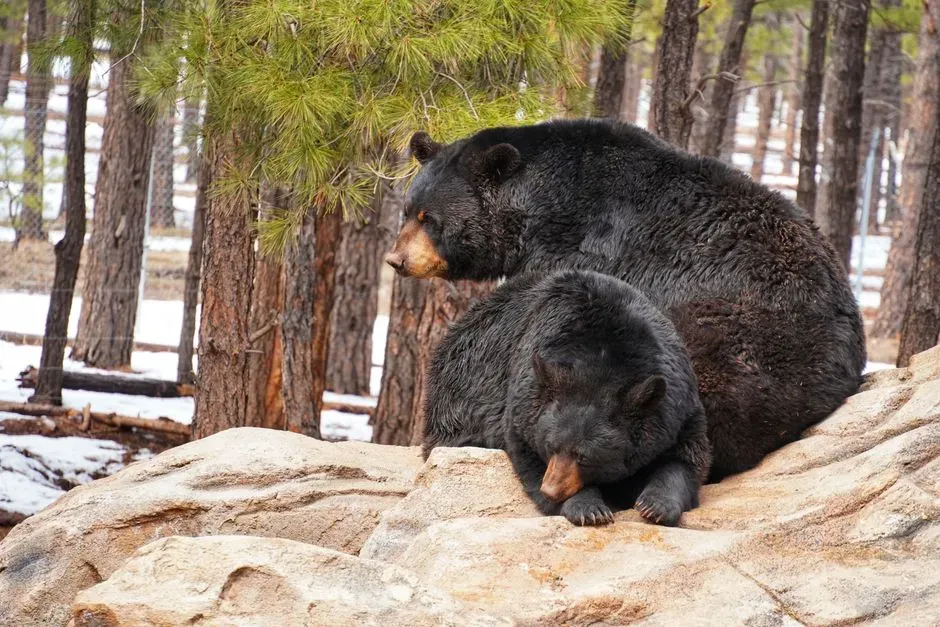
As North America’s fourth largest bear, black bears are the only bears within the state of Minnesota, and they’re scattered throughout. Their natural habitat is dense forests with abundant coniferous and deciduous trees, and their omnivorous diet contributes to their massive size – they can reach up to 6 feet tall and weigh between 150 and 500 pounds.
Hibernating from roughly October until April, black bears require a high caloric intake during their waking months. They freely roam in human-inhabited areas and are known to scavenge despite being an apex predator, and their need for food and affinity for human scraps brings them closer to cities, homes, and businesses.
Black bear attacks typically occur under two circumstances: when the animal is startled and caught off guard, or when a mother feels her cubs are threatened. Giving them space and securing food sources is the most effective protection available.
4. The Timber Rattlesnake: Rare, Venomous, and Protected
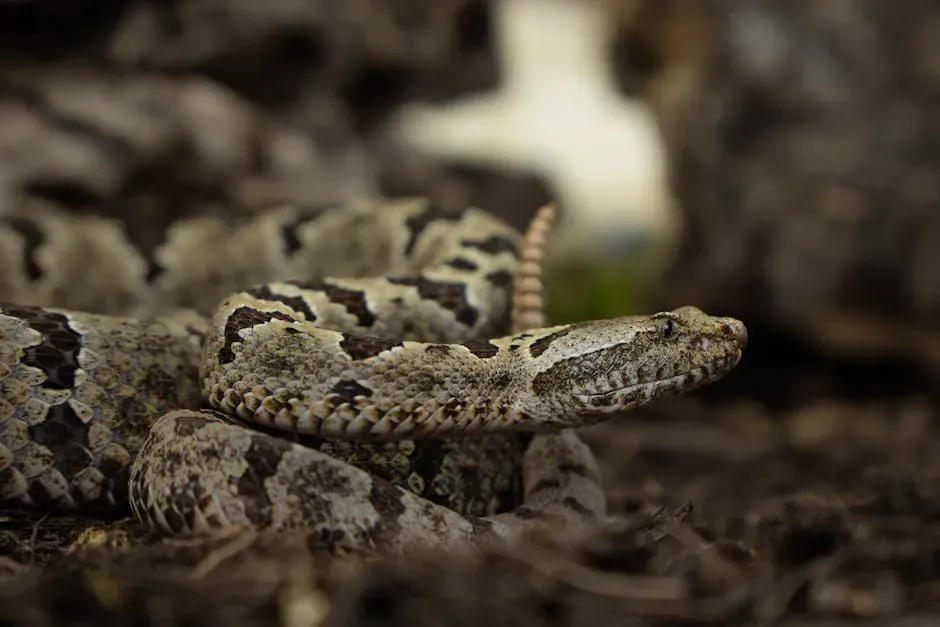
While confined to the southeastern corner of Minnesota, the Timber Rattler is one of the most potent venomous threats in the state, preferring rugged terrain and seasonal forests where grasslands and shrubs provide shade and coverage.
The timber rattlesnake is a state threatened species. Though venomous, this very timid snake poses little threat to humans and is seldom seen, found only in southeastern Minnesota. The last recorded fatality from a timber rattlesnake bite dates back to 1868.
Timber Rattlers’ venom contains hemotoxins that destroy tissue while preventing blood clotting, which causes victims to bleed out. That makes a bite genuinely serious if left untreated, even if encounters remain rare. A timber rattlesnake will always make the effort to retreat from perceived danger before deciding to attack, and if left undisturbed poses nearly no threat to the humans who encounter them.
5. The Timber Wolf: Apex Predator of the North
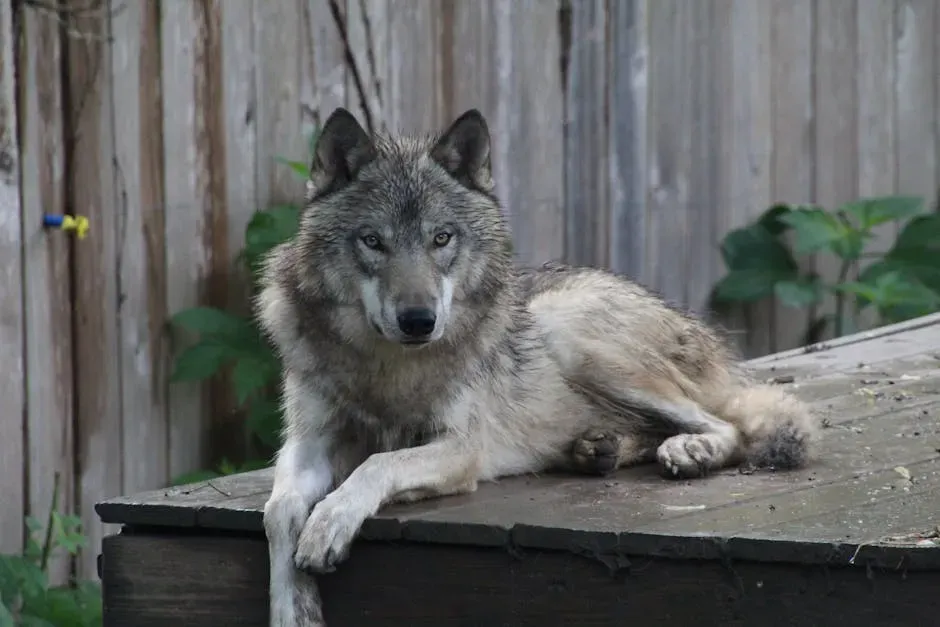
Minnesota is home to the largest population of Timber Wolves in the United States, with estimates ranging between 1,000 and 2,000 wolves. Also known as the Gray Wolf, these canines are the largest members of the dog family, with males growing as large as 175 pounds. As apex predators, they are pack hunters led by an alpha pair who control anywhere from 25 to 150 square miles depending on pack dominance and prey availability.
They are normally as wary of humans as people are of them, and they don’t typically exhibit aggressiveness unless provoked. Despite this, their fearsome reputation is well-earned, and their strength, numbers, and hunting tenacity make them a perennial threat in wild territory.
The estimated 1,200 or more wolves that live occupy the northern part of the state among some of the densest forests, so the chances of encountering one are rare. Still, they remain wild animals and should be treated as such.
6. Ticks: The Invisible Disease Carriers
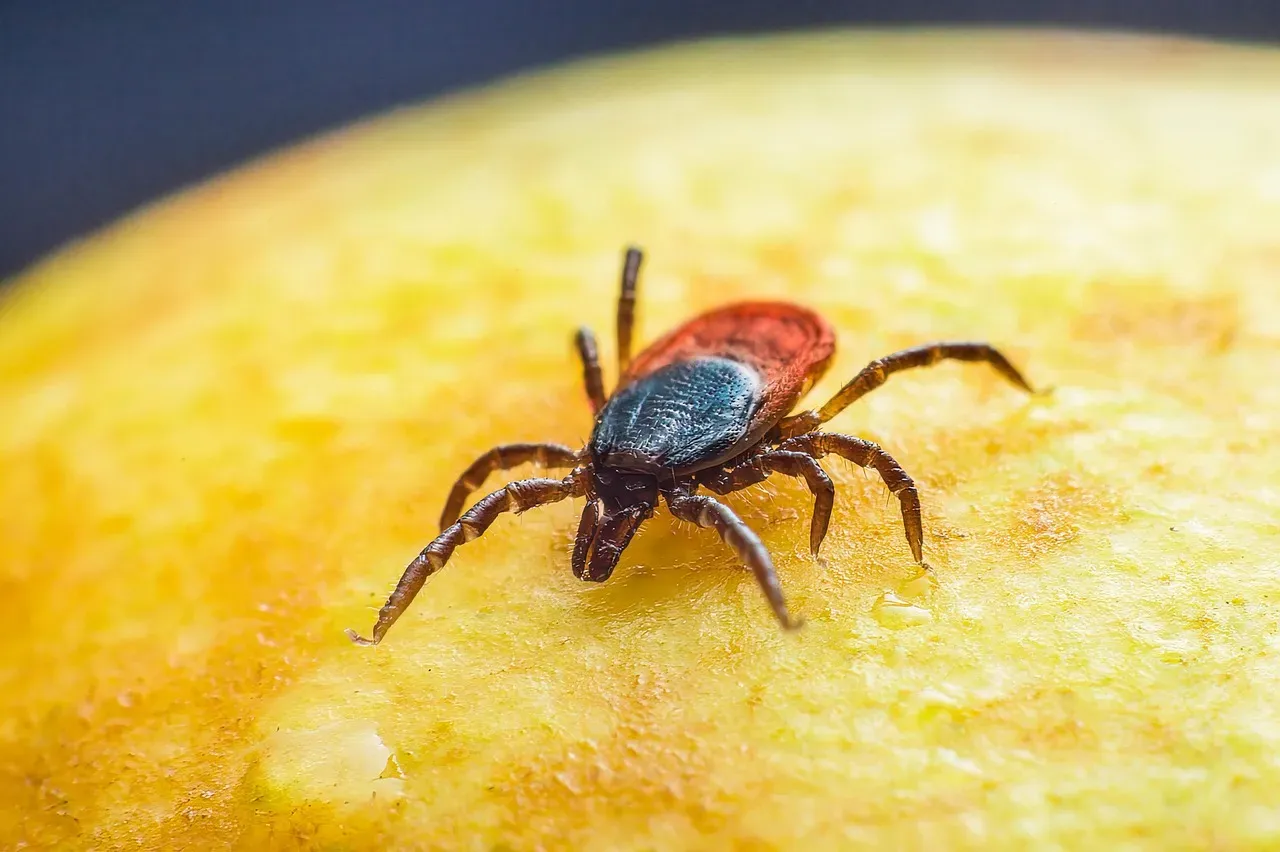
There are two types of ticks found ‘s forest and woodland areas: the Black Legged Tick, also known as the deer tick, and the American Dog Tick. These arachnid pests are highly resilient and known to enter states of dormancy to survive the state’s harsh winters, and with a preference for areas of dense underbrush and leaf litter, they’re heavily concentrated in those zones.
The tick is essentially an apex parasite, equipped with the ability to detect carbon dioxide to identify hosts. They are obligate blood feeders, meaning they require blood to grow and survive, and once attached, they feed for several days – maintaining a threat as bacteria and disease vectors throughout that time.
Lyme disease, transmitted primarily by the black-legged tick, is the most significant health threat they carry. Checking carefully for ticks after any time outdoors in grassy or wooded areas is a simple habit that genuinely saves lives every year.
7. Wasps, Hornets, and Bees: The Sting That Can Kill
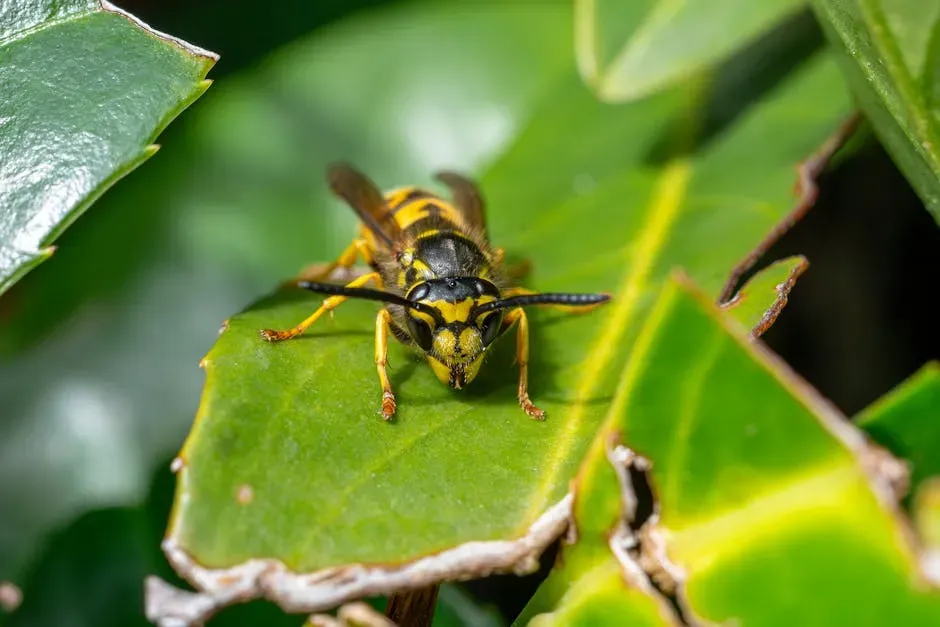
Given Minnesota’s diverse ecosystems and floral diversity, the state boasts an environment that is particularly attractive to bees, wasps, and hornets, with over 2,000 native plant species found in gardens and urban areas providing abundant sources of nectar and pollen.
The most commonly encountered stinging insects include yellowjackets, bald-faced hornets, paper wasps, honeybees, and bumblebees. Most stings are painful but manageable. The real danger lies in anaphylaxis, a severe allergic reaction that can be fatal within minutes if untreated.
Wasp stings are very dangerous for those who are allergic, and not everyone realizes they’re allergic until it’s too late. Carrying an epinephrine auto-injector is a straightforward precaution for anyone who spends meaningful time outdoors, particularly during late summer when yellowjacket colonies peak in size and aggression.
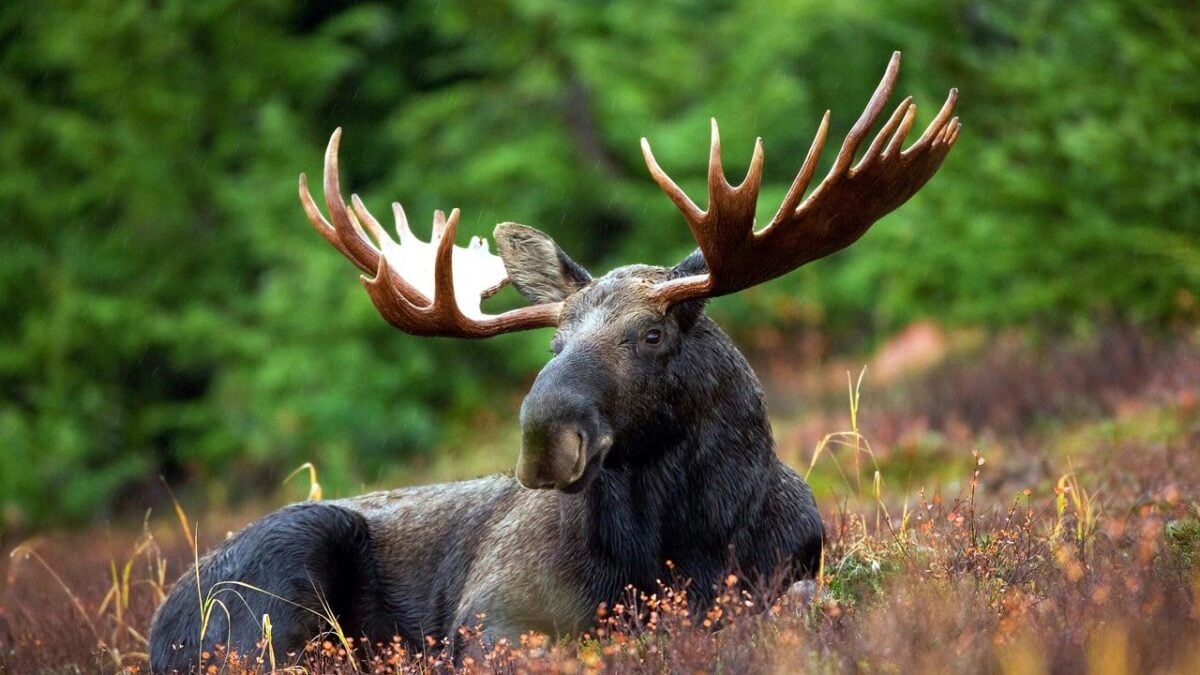
8. The Moose: Gentle Giant With a Temper
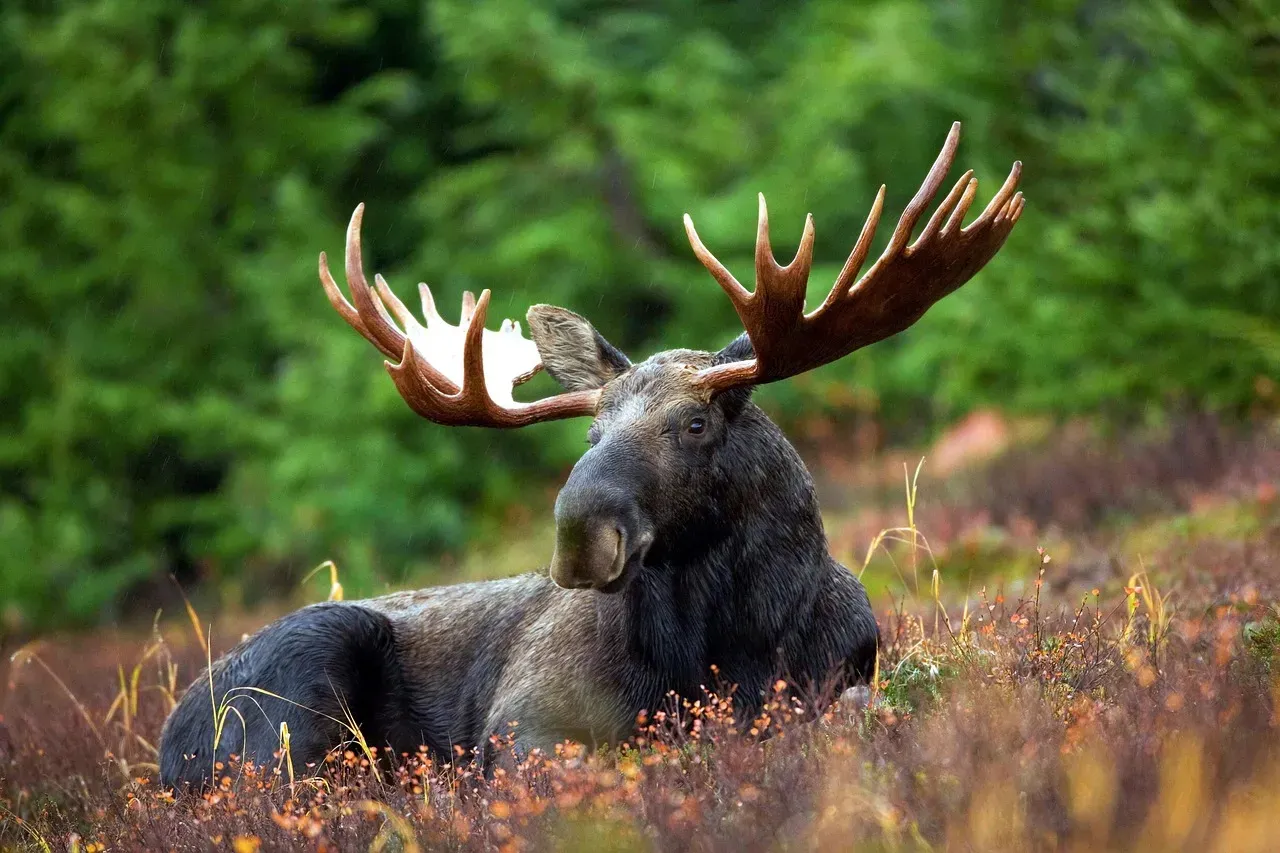
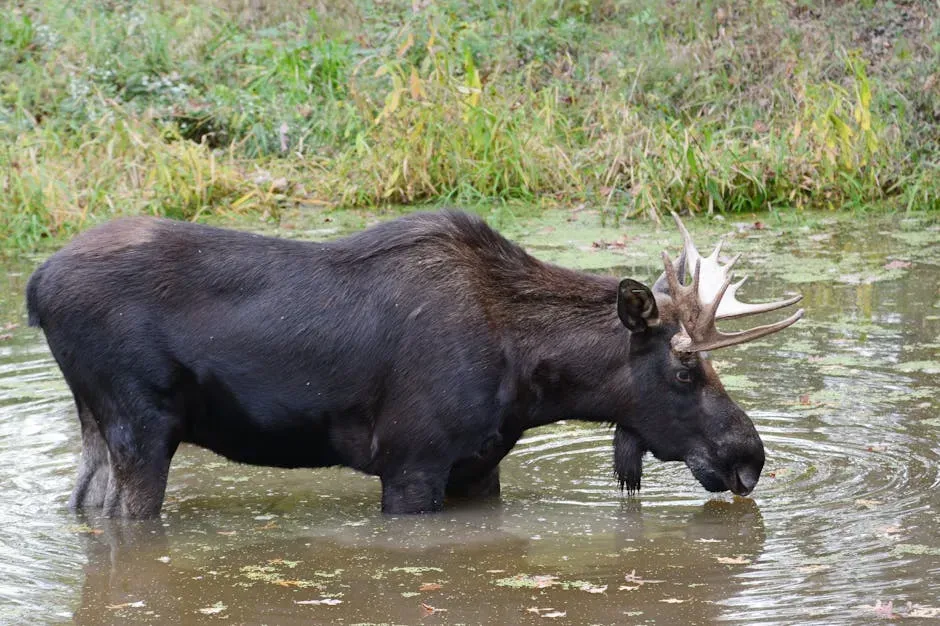
Moose look majestic in photographs. In person, they’re a different matter entirely. Bull moose are distinguished by their massive bone antlers, and it is always best to maintain ample distance. Don’t assume that because moose are herbivores, they are not territorial – they are known to charge when provoked, and given their sheer size and strength, it would be the equivalent of a locomotive barreling at you.
Adults typically range from 5 to 8 feet in length and weigh between 145 and 600 pounds. Their thick, coarse hair ranges in color from black to reddish-brown, and they have large heads and necks with relatively short legs.
Moose are most commonly found in northern Minnesota, particularly in forested areas near lakes and wetlands. They become especially unpredictable during rutting season in fall and when cows are protecting calves in spring. Keeping your distance isn’t just good advice; it’s essential.
9. The Coyote: Urban Adapter and Opportunist
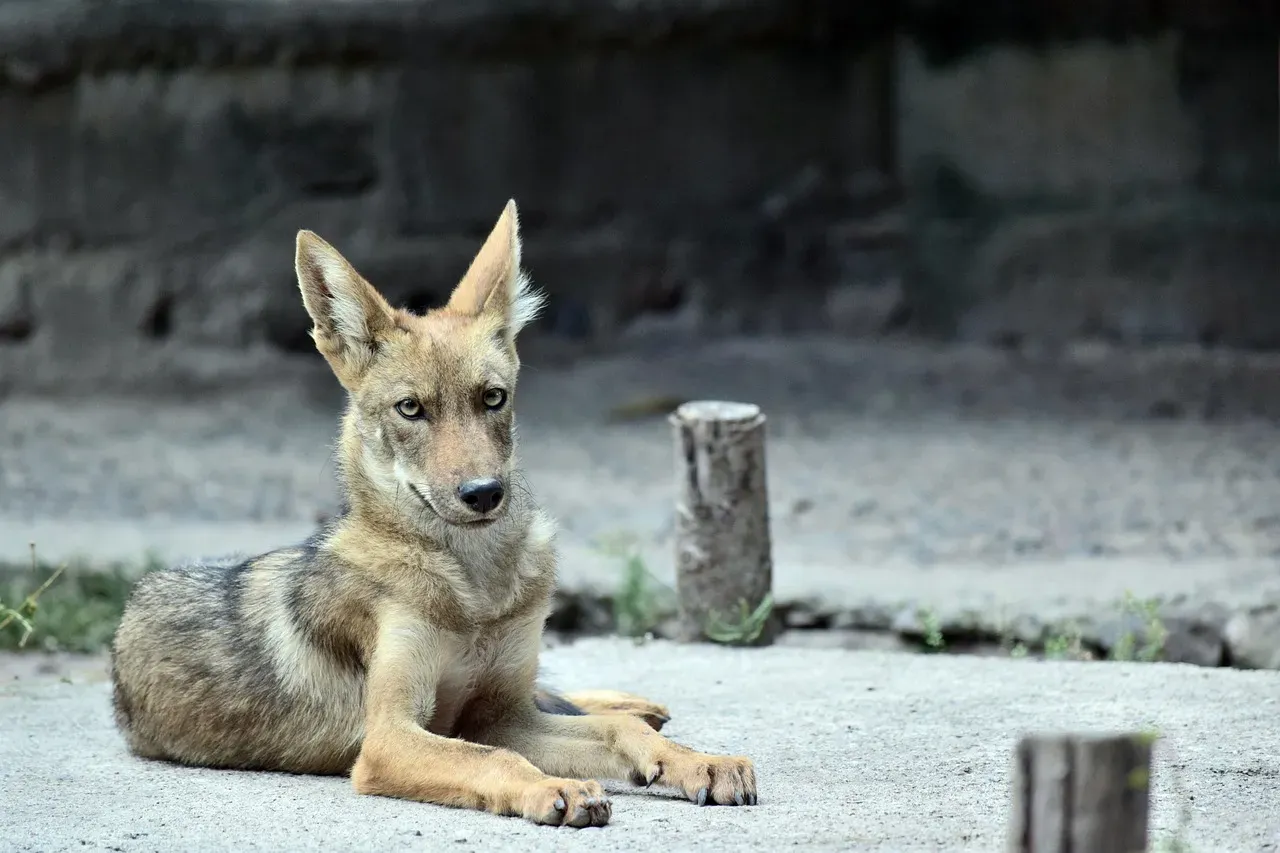
The highly energetic, intelligent, and adaptable coyote roams throughout Minnesota in both urban and rural areas. Its exceptional survival instincts make it equally comfortable in prairie land as in forests or even cities, and with an omnivorous diet, coyotes feast on small mammals, birds, and fruits while even scavenging on garbage when necessary.
As pack animals, coyotes occasionally hunt as families or groups, making them dangerous to encounter. They are cunning, highly agile, and have sharp, powerful claws and teeth, and they prefer the low light of dawn, dusk, and nighttime.
While coyotes rarely attack humans directly, they can harm and even kill pets, and they more commonly attack livestock. If you live in an area with coyotes, it’s best not to leave cats or dogs outside without supervision. Attacks on small children, though uncommon, have been documented across North America.
10. The Bald Eagle: Territorial Aerial Threat
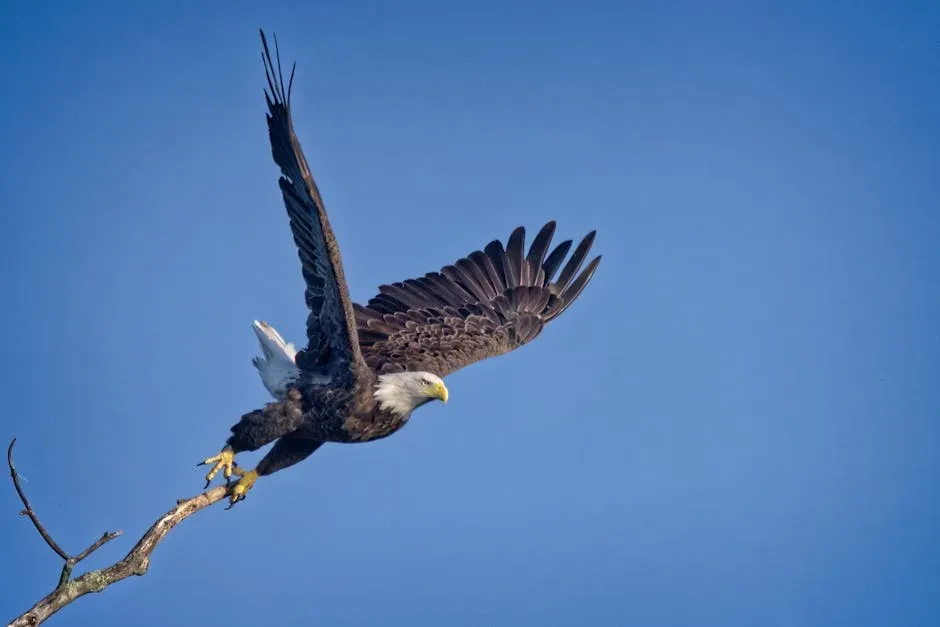
Bald eagles are exceptionally territorial, especially when defending their nests. Although attacks on humans are rare, the bald eagle’s temperament, hunting skills, and talon strength make them a potentially fatal threat under the wrong circumstances, and accidentally coming into proximity with or disturbing an eagle’s nest could spell severe danger.
These majestic birds can be very deadly, especially to small dogs. Bald eagles are very territorial and can and will attack if you either get too close or disturb a nest. Their talons are engineered to grip and puncture with significant force, capable of causing serious injury to a human face or scalp.
Minnesota is home to one of the largest bald eagle populations in the continental United States, making encounters more common than you might expect, especially near lakes and rivers in spring when nesting is active. Admire them from a respectful distance, and you’ll have no trouble at all.
Conclusion: Respect Is the Best Protection
Minnesota’s wildlife is genuinely remarkable. From wolves threading through boreal forests to mosquitoes humming above a summer lake at dusk, the natural world here operates on its own terms, indifferent to human comfort.
The odds of being killed by an animal are roughly 1 in 2,000,000 – which puts the risk in proper perspective. These animals aren’t out to get anyone. They’re doing what wild things do: feeding, protecting territory, surviving.
The sensible takeaway isn’t fear. It’s awareness. Know the terrain you’re entering, check yourself for ticks, keep food secured in bear country, watch the roads at dusk in deer season, and carry an EpiPen if you suspect a bee allergy. Minnesota’s wilderness rewards the prepared visitor far more than it punishes them. Most people who encounter these animals and walk away with a good story rather than a bad injury simply paid attention.
