

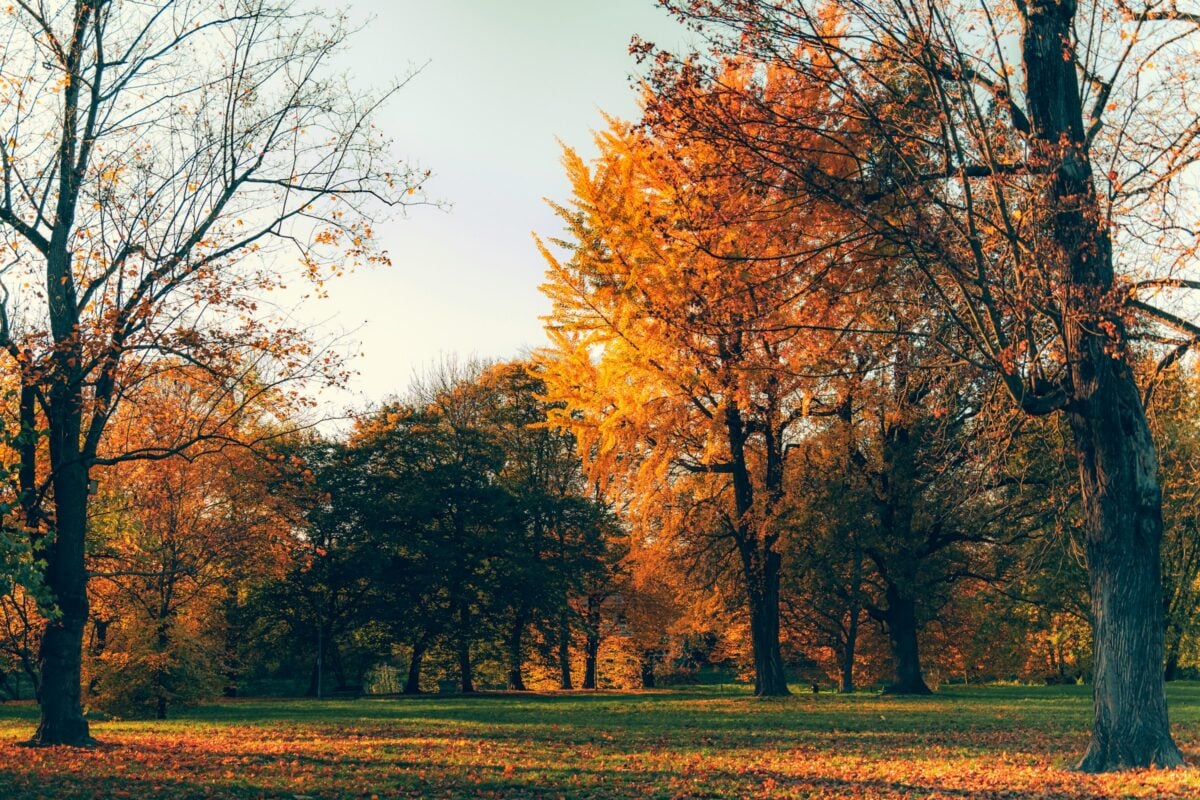
Everyone assumes trees just shut down when it gets cold outside. Leaves fall, sap stops, branches go bare, end of story. But foresters, sugarmakers, and old-growth rangers have been watching something the rest of us walk right past: trees don’t wait for winter to arrive before reacting to it. They’re already responding to it, weeks or even months in advance, using a set of internal warning systems that make your phone’s weather app look primitive by comparison.
Bark that’s suddenly thicker. Sap running slow and syrupy before anyone’s tapped it. Acorns burying entire lawns overnight. None of it is random, and none of it is folklore dressed up as science. It’s measurable biology, and once you know what you’re looking for, you’ll start noticing it on your own street. Here are the 18 signs worth paying attention to right now.
#1 – Leaves Are Dropping Weeks Ahead of Schedule
🔥 Would you like to save this?
We'll email this post to you, so you can come back to it later!
If the trees on your street are already bare while your neighbor two towns over still has full canopies, that’s not bad luck. It’s a signal worth reading. Premature leaf drop is one of the most reliable stress cues a tree can send, and it’s not just about the cold snap that already happened. Trees shed leaves to conserve water and energy, and an early drop usually means the tree is quietly redirecting resources toward root and bark reinforcement instead of babysitting foliage through a mild autumn.
Trees bracing for a harsher season ahead will sometimes drop 60-70% of their leaves in half the normal timeframe. This isn’t panic. It’s efficiency. A tree carrying fewer leaves loses less energy to transpiration and can lock down its remaining sugars for the fight ahead.
Old foresters have long treated a rapid, uniform leaf drop across an entire stand as one of the earliest tells of a rough season coming. It’s subtle at first, but once you notice it happening two or three weeks earlier than last year, you’ll start seeing it everywhere. It’s nothing, though, compared to what’s happening to the bark itself.
#2 – Bark Is Noticeably Thicker and Rougher
🔥 Would you like to save this?
We'll email this post to you, so you can come back to it later!
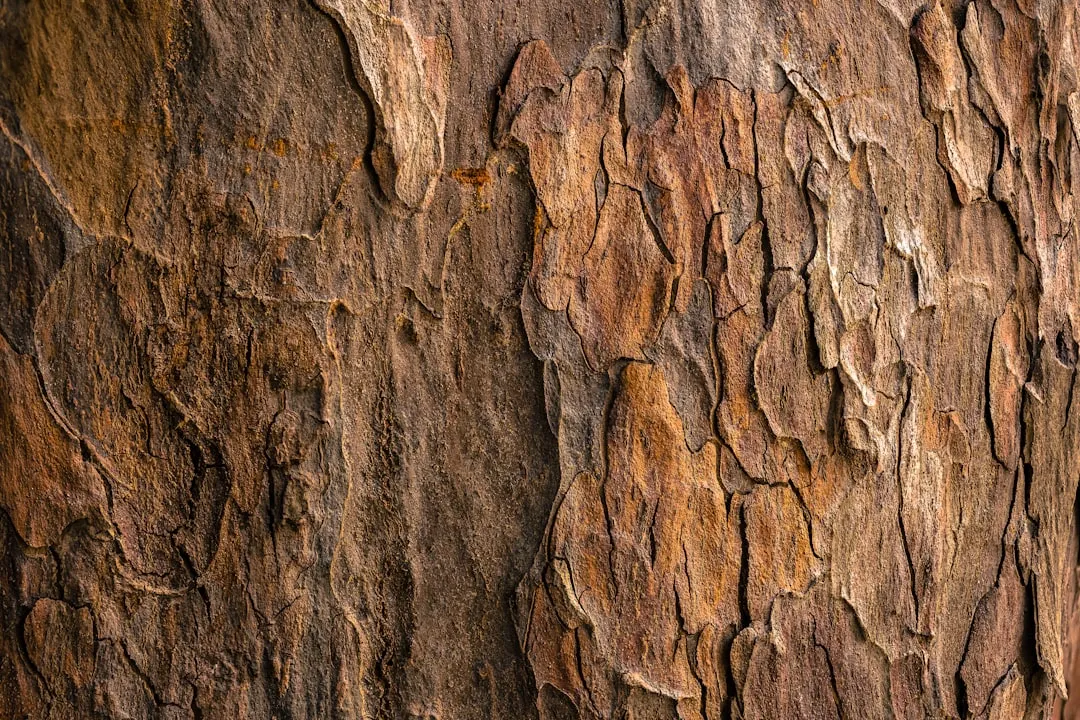
Run your hand down the trunk of a mature oak or maple this year and compare it, if you can remember, to how it felt last autumn. Bark isn’t static. Trees actively thicken their outer layers as a defense mechanism against extreme cold, and that process accelerates fast when environmental cues suggest a brutal winter is on the way.
The phloem and cork cambium layers respond to temperature and moisture shifts by producing denser cellular material. This thickened bark can be up to 20% denser than typical seasonal growth, almost like the tree is zipping up a heavier coat before the cold arrives.
Fast Facts
- Bark thickening is driven by the phloem and cork cambium layers
- Density increases can reach up to 20% above normal seasonal growth
- The shift responds directly to shortening daylight and cooling soil, not the weather forecast
- Arborists track this change year over year as a physical, measurable marker
This isn’t guesswork on the tree’s part. It’s a direct physiological response to shortening daylight and dropping soil temperatures, which happen to correlate with the same atmospheric patterns behind harsh winters. Arborists who track bark density year over year say the difference is measurable, even though it’s not something most people ever stop to touch. Next comes the sign hiding underground, where almost nobody thinks to look.
#3 – Root Systems Are Expanding Aggressively Before Frost
🔥 Would you like to save this?
We'll email this post to you, so you can come back to it later!
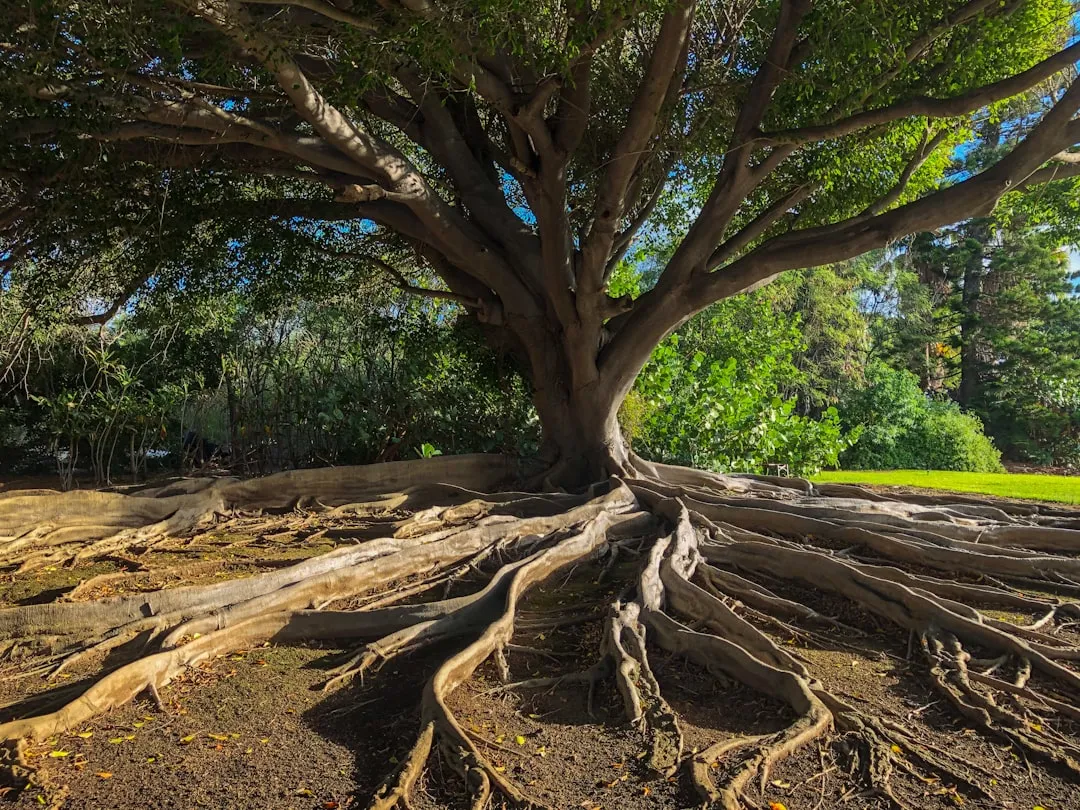
While everyone stares up at the branches, the real winter-prep story is happening below the soil line. Trees anticipating a difficult winter often push a final aggressive burst of root growth in the weeks before the ground freezes solid, racing against the clock to secure their foundation.
This late-season root expansion increases access to soil moisture and nutrients, both of which become critical once the ground locks up and the tree switches entirely into survival mode. Some species can extend their root mass by nearly a third in this final pre-winter window, especially if the previous summer ran drier than average.
Foresters who study root cores have noted this pattern shows up more dramatically in years that precede especially cold or snowy winters, though the exact trigger mechanism is still debated. What isn’t debated is that a tree secretly building a bigger foundation is a tree bracing for impact. And the sap tells an even stranger story.
#4 – Sap Is Running Thicker and Slower Than Usual
🔥 Would you like to save this?
We'll email this post to you, so you can come back to it later!
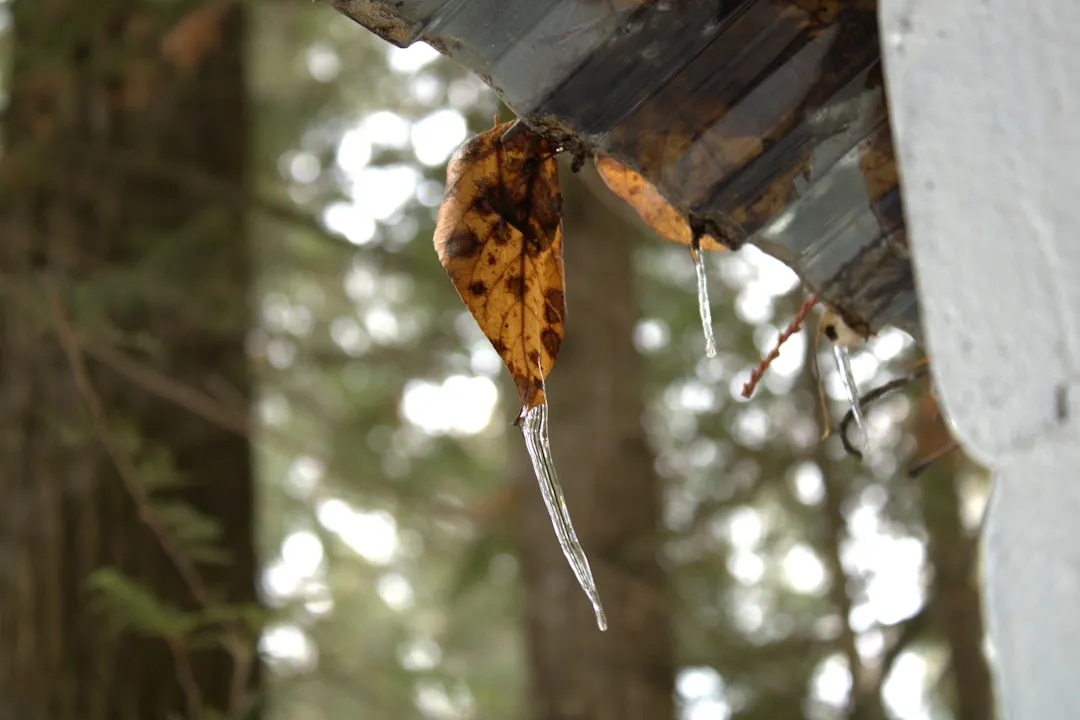
Tap a maple in early autumn during a mild year and the sap flows relatively freely. Tap one that’s bracing for a hard winter, and something’s different. The sap runs thicker and slower, almost syrupy before any boiling ever happens.
This isn’t coincidence. Trees increase the sugar concentration in their sap as a natural antifreeze, lowering the freezing point of the fluid inside their cells and vascular tissue. Sugar concentrations in prepping trees can spike well above typical seasonal averages, a chemical shift that protects cellular structures from ice-crystal damage during extreme cold snaps.
Sugarmakers who work maple stands for syrup production have long treated unusually thick, early-season sap as an informal winter forecast, since the same environmental cues that trigger this defensive sugaring often precede harsher weather. It’s one of the more scientifically grounded signs on this entire list, playing out at a cellular level most people never think about. Coming up: a sign hiding in the crunch under your feet.
#5 – Nut and Seed Production Has Exploded Into a Mast Year
🔥 Would you like to save this?
We'll email this post to you, so you can come back to it later!
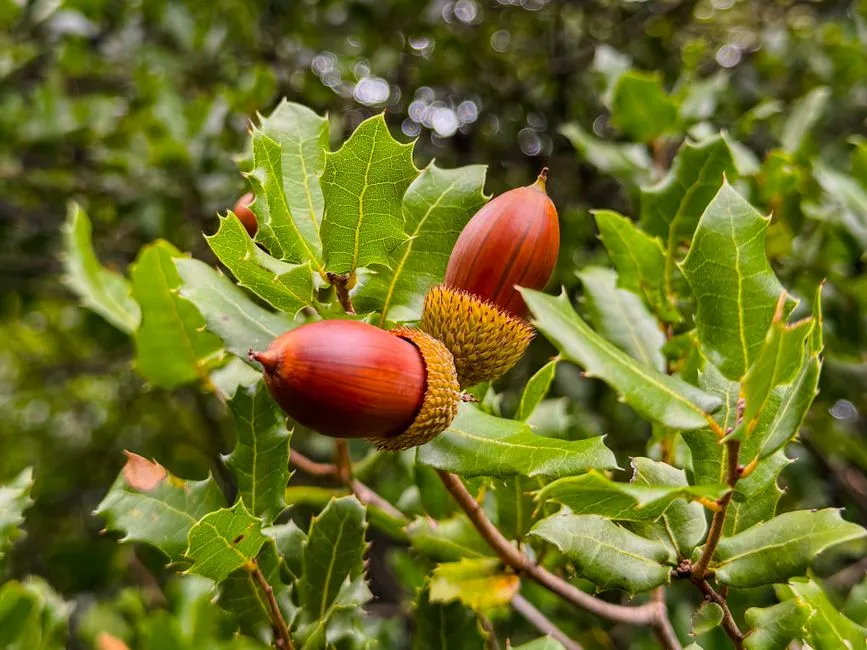
If your yard is suddenly buried in acorns, walnuts, or pinecones, you’re witnessing what foresters call a “mast year,” and the timing is rarely random. Trees under environmental stress or anticipating resource scarcity often shift into overdrive reproduction, dumping enormous quantities of seed in a single autumn.
Some oak stands can produce ten times their normal acorn output during a mast year, a swing so dramatic it visibly reshapes wildlife behavior across an entire region. Squirrels gorge, deer congregate, and even bear populations shift their foraging patterns to cash in on the glut.
Quick Compare
- Typical year: oaks and walnuts drop a modest, steady supply of nuts
- Mast year: some oak stands produce ten times their normal acorn output
- Typical year: wildlife forages at a normal pace across a wide range
- Mast year: squirrels, deer, and even bears shift their patterns to cash in on the surplus
The folk wisdom linking heavy mast years to harsh winters isn’t pure superstition. Many biologists agree mast years often correlate with the same stress conditions – extreme summer heat, drought, shortened growing seasons – that also tend to precede difficult winters. Whether the tree is “predicting” winter or simply reacting to the same stressors that cause it is still an open question among ecologists, but the correlation keeps showing up year after year. Now watch what the branches themselves start doing.
#6 – Branches Are Drooping Lower and Bending More Easily
🔥 Would you like to save this?
We'll email this post to you, so you can come back to it later!
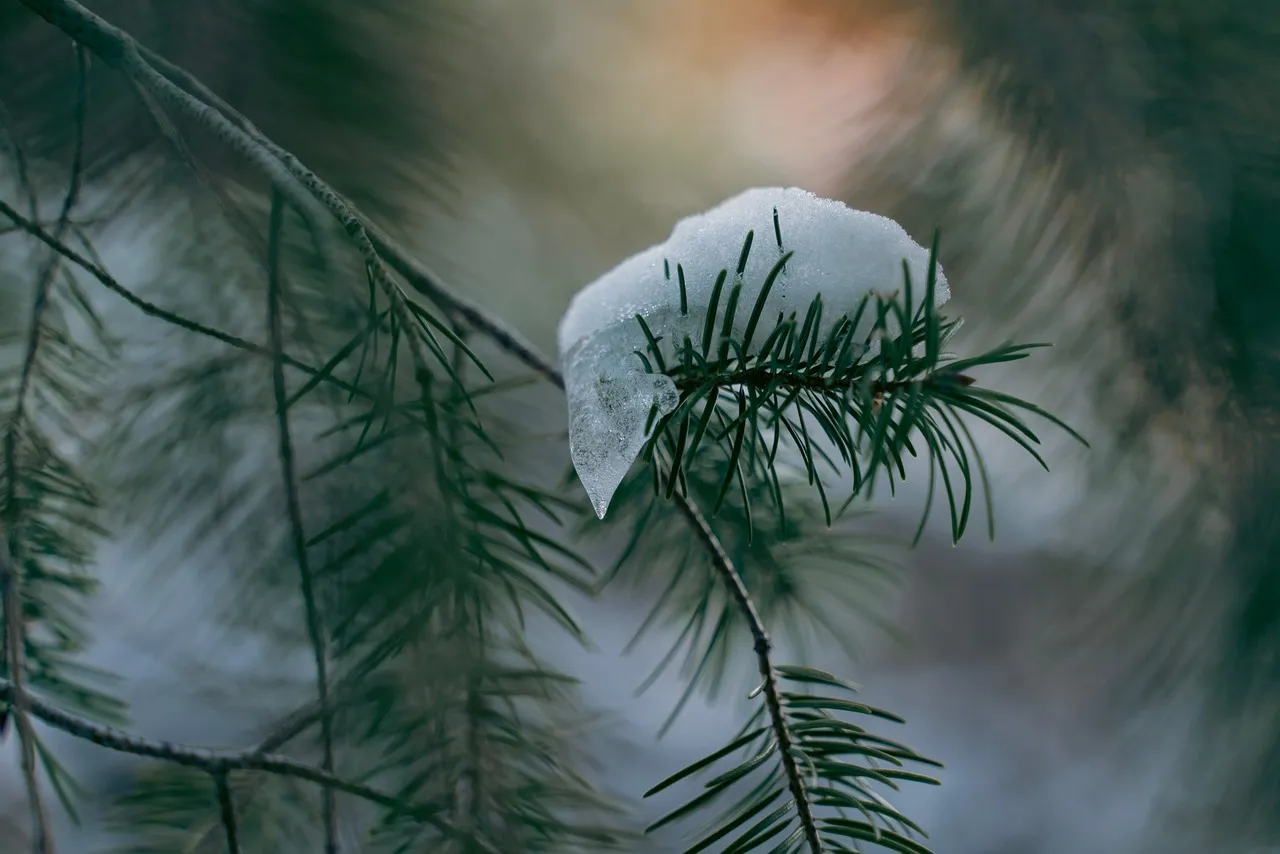
Watch how the lower branches of pines and spruces hang this year. Trees preparing for heavy snow loads often adjust branch flexibility and angle in the weeks before winter, essentially engineering themselves to bend instead of snap under future weight.
This adaptive drooping isn’t just aesthetic. Branches that hang at a steeper downward angle shed accumulated snow far more efficiently than stiff, horizontal limbs, cutting down on the structural stress that leads to breakage during heavy storms. Evergreens in particular seem to fine-tune this angle based on subtle cues from shortening daylight and early cold snaps.
Foresters managing timber stands watch this closely, because branch failure is one of the leading causes of long-term tree damage in harsh winters. A conifer that’s visibly “drooped” more than usual by late autumn has already made its structural bet on a rough season ahead. The next clue is written directly into the wood itself.
#7 – Growth Rings Are Showing Compressed, Denser Patterns
🔥 Would you like to save this?
We'll email this post to you, so you can come back to it later!
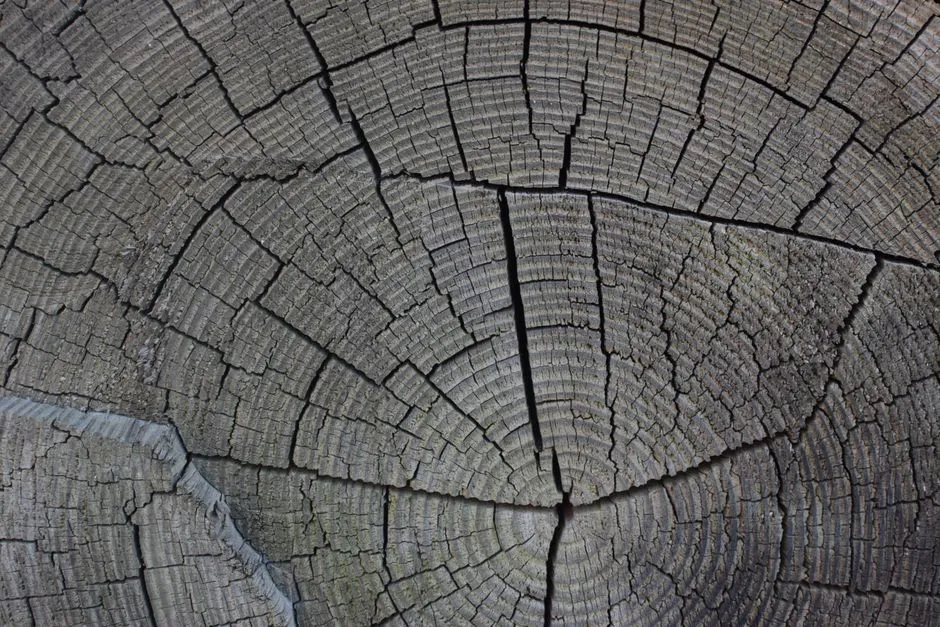
You won’t see this one without a core sample, but it’s one of the most scientifically documented signs on this entire list. Dendrochronologists – scientists who study tree rings – have long noted that trees anticipating stressful conditions often lay down noticeably tighter, denser growth rings in their final weeks before dormancy.
This compression happens because the tree slows its cellular expansion rate in response to the same environmental signals – temperature swings, moisture stress, shortened daylight – that typically precede harsh winters. A ring that’s 30-40% narrower than the previous year’s growth is considered a significant stress marker by researchers reconstructing long-term climate patterns from tree cores.
You can’t check this on a living, upright tree without professional equipment, but forestry researchers use exactly this kind of ring data to trace winter severity back centuries. It’s essentially a tree keeping its own private weather journal, one growth season at a time. There’s a quieter version of this story happening in the needles.
#8 – Evergreens Are Packing Their Needles Into Denser Clusters
🔥 Would you like to save this?
We'll email this post to you, so you can come back to it later!
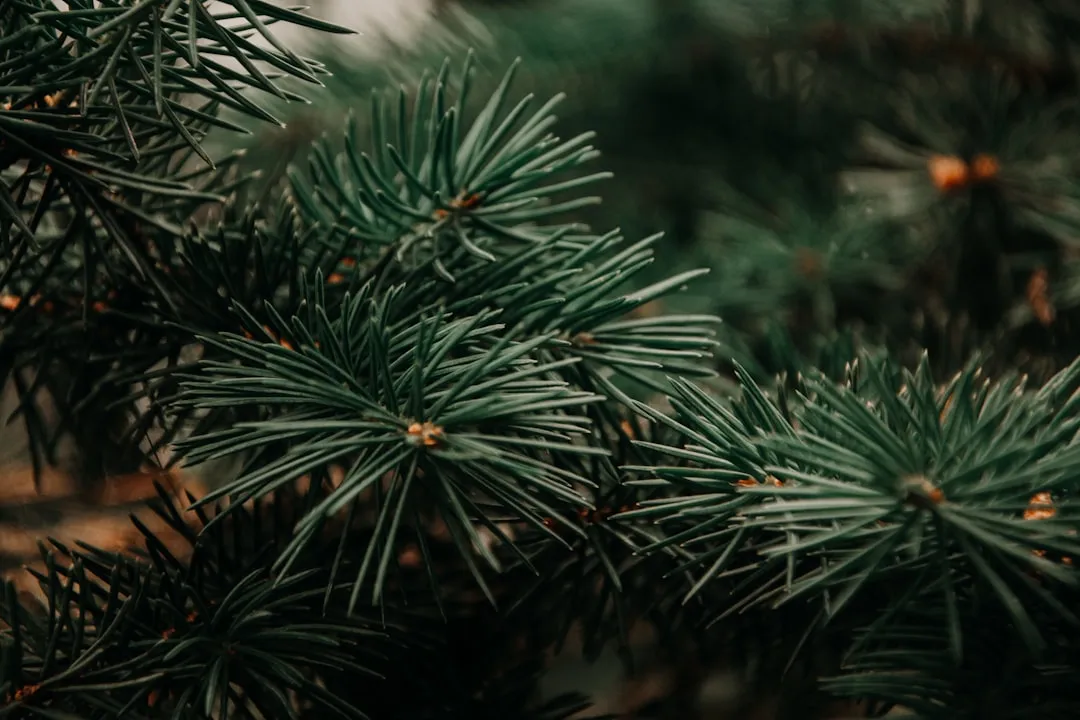
Pines, firs, and spruces don’t lose their needles seasonally the way deciduous trees drop leaves, which actually makes it easier to spot subtle defensive changes. In years preceding harsh winters, many conifers pack their needles more densely along each branch, effectively building a thicker insulating layer around their own limbs.
This denser needle growth pulls double duty. It guards against wind desiccation, which becomes a serious threat once temperatures plummet and moisture turns scarce in frozen soil. Some conifer species can increase needle density along new growth by a noticeable margin compared to milder pre-winter seasons, according to forestry researchers tracking seasonal conifer health.
This is one of those signs that’s easy to miss unless you’re comparing photos or measurements year over year, but arborists managing evergreen stands professionally say the pattern is consistent enough to factor into their own seasonal planning. Next up is a sticky clue most homeowners mistake for a disease problem.
#9 – Resin Production Spikes on Pines and Other Conifers
🔥 Would you like to save this?
We'll email this post to you, so you can come back to it later!
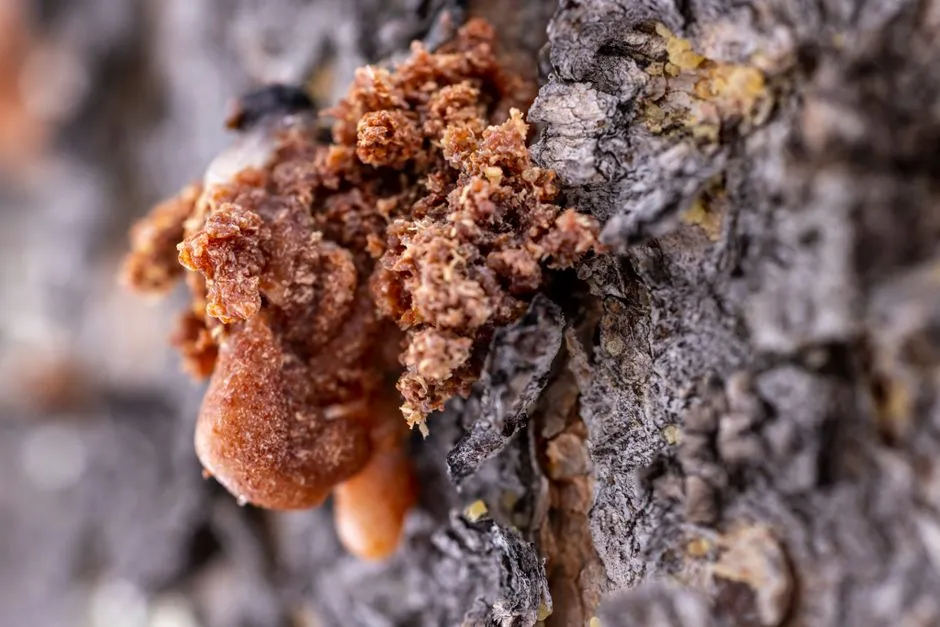
If you’re noticing more sticky resin beads forming on pine trunks and branches than usual, you’re not imagining it, and it’s probably not disease. Increased resin flow is a well-documented defensive response conifers use to seal wounds and block pest infiltration before winter dormancy sets in.
Trees can increase resin output substantially in the weeks before a harsh cold snap, partly because resin production is tightly linked to internal pressure changes and defensive chemical signaling triggered by dropping temperatures and shrinking daylight.
Worth Knowing
- Resin seals wounds and blocks pests before dormancy sets in
- Output is linked to internal pressure changes triggered by falling temperatures
- Increased flow doubles as insulation and a defense against bark beetles
- Pine plantation managers use resin flow as a visible, trackable stress indicator
This heightened resin flow also acts as a barrier against bark beetles and other pests that get more aggressive in their search for shelter as temperatures fall. The tree is fortifying two vulnerabilities at once – insulation and pest defense – right as winter closes in. Foresters who manage pine plantations watch resin flow closely because it’s one of the more visible, measurable signs of a tree in full defensive mode. The next sign isn’t even coming from the tree.
#10 – Woodpeckers and Nesting Birds Start Acting Differently
🔥 Would you like to save this?
We'll email this post to you, so you can come back to it later!
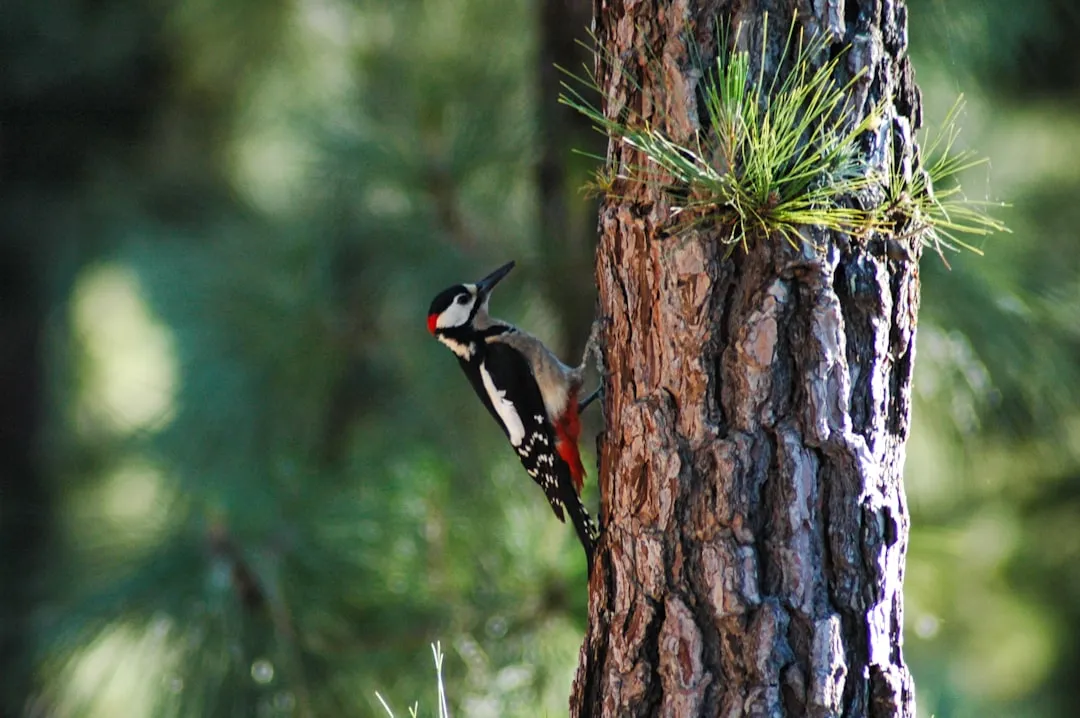
Trees don’t prepare for winter in isolation. The entire ecosystem around them shifts in response. Woodpeckers drilling more aggressively into bark, insects packing into bark crevices for shelter, and birds building noticeably heavier nests in the canopy are all secondary tells that the tree itself is undergoing defensive changes.
This happens because insects seeking overwintering shelter are drawn to the exact same bark texture and resin changes trees produce defensively, meaning increased woodpecker activity around a tree can actually be an indirect signal that the bark has thickened or become more insect-dense ahead of a harsh season.
This one requires reading the whole ecosystem rather than just the tree, but longtime birdwatchers and foresters alike say the correlation between heavier pre-winter wildlife activity and the harsh winters that follow shows up reliably enough to be worth noting. Now for a color change arriving far too early.
#11 – Fall Colors Are Turning Weeks Ahead of Average
🔥 Would you like to save this?
We'll email this post to you, so you can come back to it later!
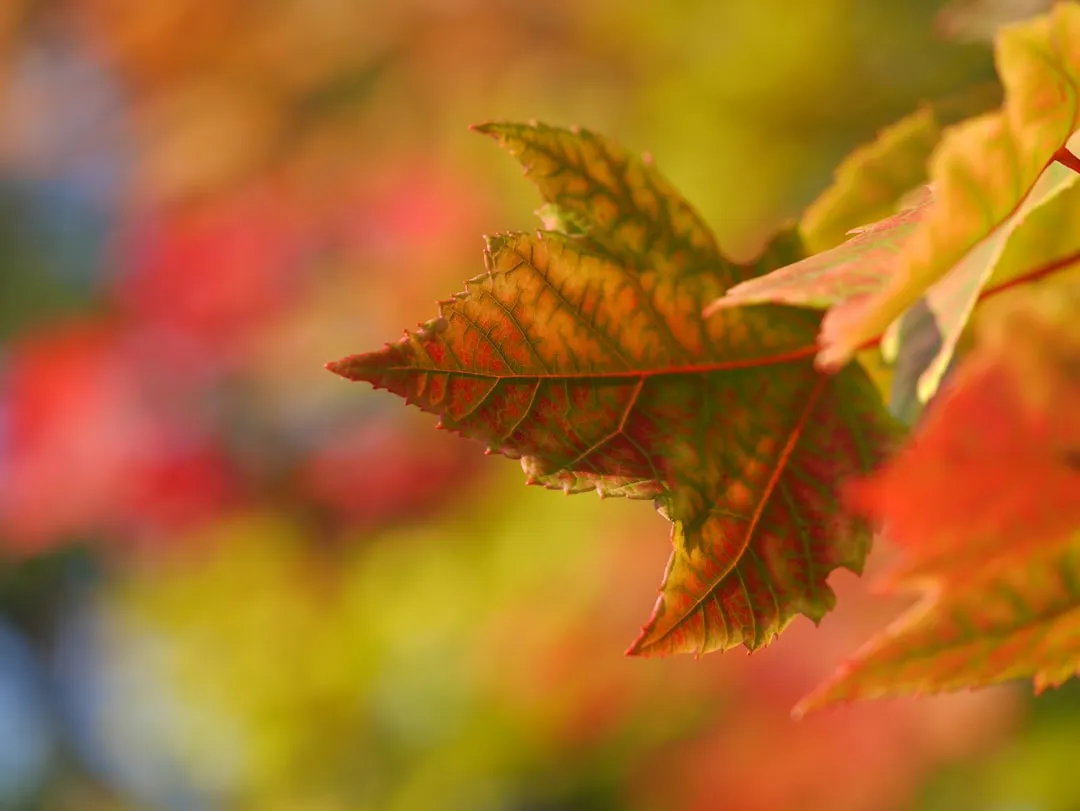
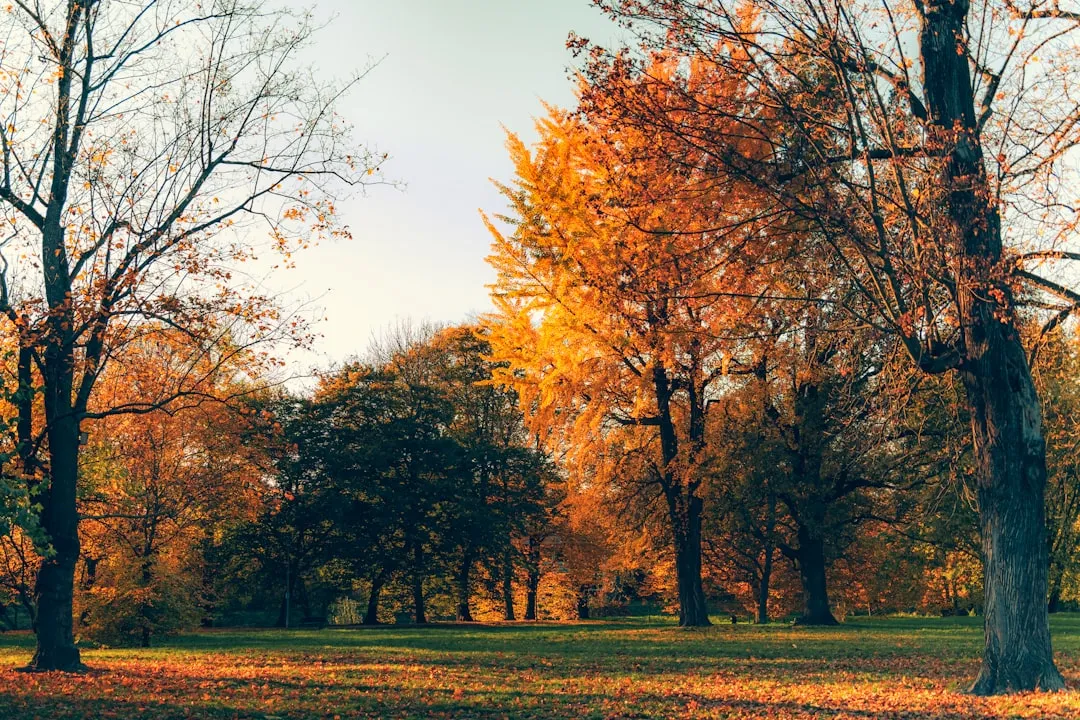
If the maples on your block turned brilliant red and orange while you were still wearing shorts, that’s not just an early autumn. It’s a stress signal. Trees transition to fall color when they break down chlorophyll and expose underlying pigments, a process triggered by shortening daylight combined with temperature and moisture stress.
An early color change by two or more weeks compared to historical averages is often linked to underlying drought or heat stress from the preceding summer, the same conditions that frequently precede unusually cold, harsh winters in temperate climates.
This is one of the easier signs for casual observers to track, since it doesn’t require special tools, just a memory of what “normal” looks like in your specific region. When color change, leaf drop, and bark thickening are all happening early and together, foresters treat that convergence as a far stronger signal than any single sign alone. Next: what’s happening to the actual texture of the leaves before they fall.
#12 – Leaves Turn Thicker and Curl Before They Drop
🔥 Would you like to save this?
We'll email this post to you, so you can come back to it later!
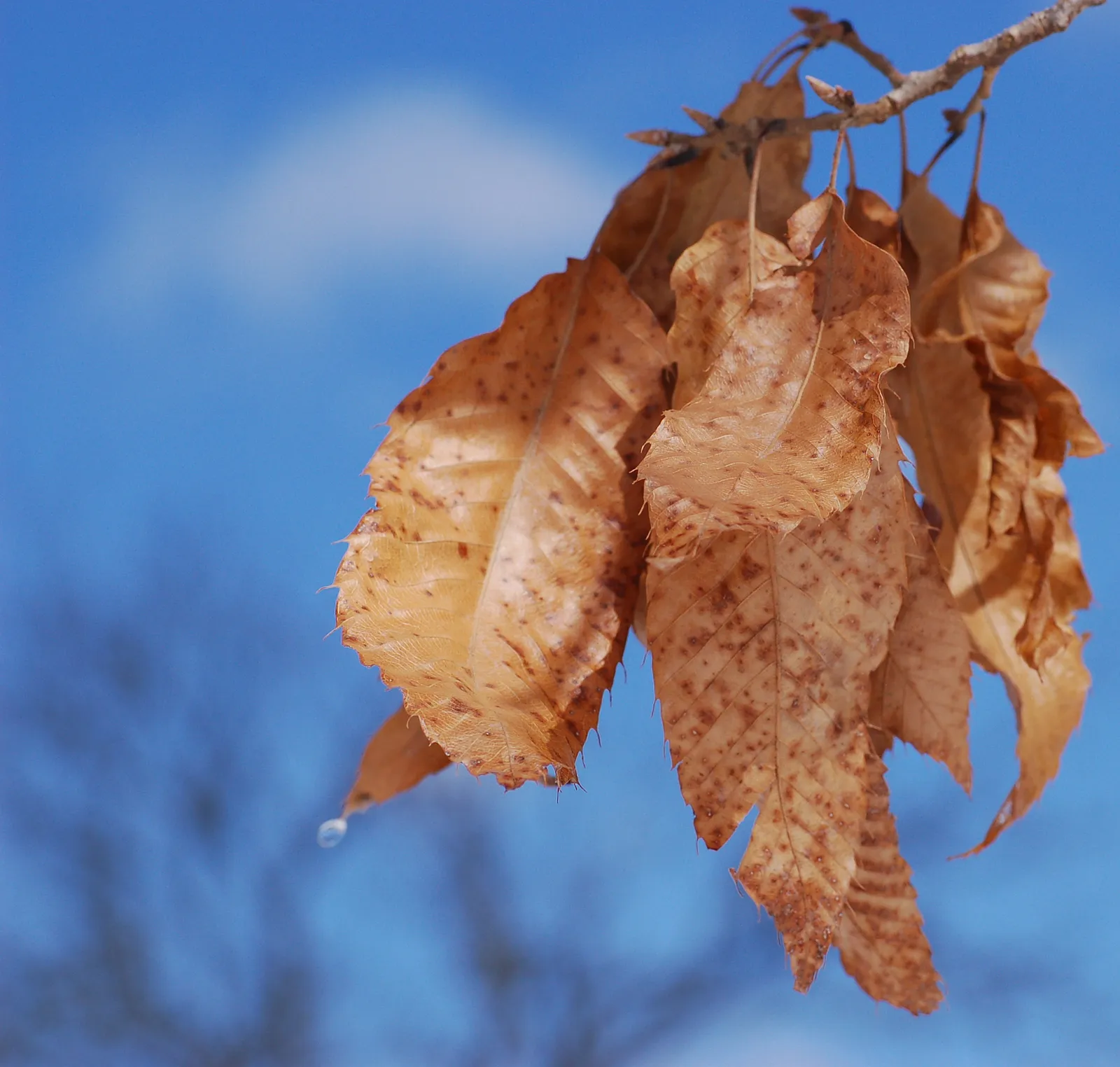
Pick up a fallen leaf this season and compare its texture to leaves from a mild autumn. Trees bracing for cold stress often produce noticeably thicker, more leathery leaf tissue in their final growth cycle, with visible curling at the edges before the leaf actually lets go.
This thickened structure is partly about water conservation. Leaves with denser cellular walls lose moisture more slowly, which matters when the tree is trying to hold onto every bit of stored water before winter locks up the ground. The curling itself often signals the tree actively pulling chlorophyll and nutrients back into the branches and trunk for storage.
Botanists studying leaf senescence note that this nutrient-withdrawal process becomes more aggressive and rapid in years when trees are responding to stress signals, essentially stripping the leaf down to nothing before letting it drop. It’s a small detail, but once you start checking leaf texture, you’ll notice it everywhere. There’s a fungal version of this same story growing at ground level.
#13 – Fungal Growth at the Base Starts Shifting Patterns
🔥 Would you like to save this?
We'll email this post to you, so you can come back to it later!
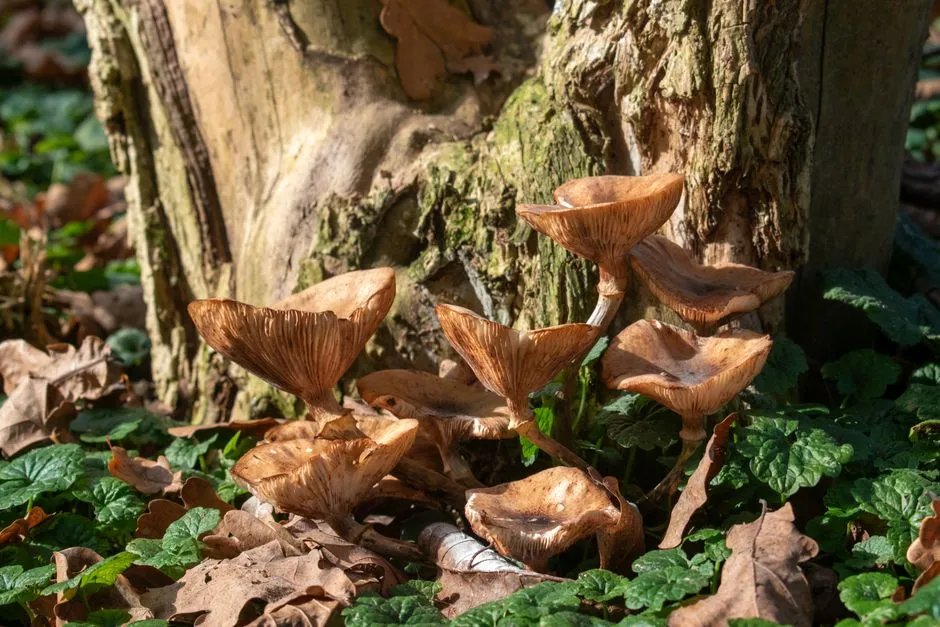
Take a look at the base of mature trees in your area. Mushrooms, shelf fungi, and other fungal growth can shift noticeably in years preceding harsh winters. This happens because fungi respond to the same soil moisture and temperature conditions triggering defensive changes in the trees themselves.
Increased fungal fruiting bodies at tree bases often indicate elevated soil moisture retention, which trees actively encourage in autumn by shedding leaves and slowing water uptake to preserve groundwater reserves heading into a freeze.
Fungal growth isn’t a direct signal from the tree itself, but mycologists note it’s a reliable secondary indicator, since it reflects the exact soil and moisture conditions trees are reacting to when they shift into winter-prep mode. Foresters walking a stand often check both canopy and base fungal activity together for a fuller picture. Now for a sign about next spring that’s showing up embarrassingly early.
#14 – Next Year’s Buds Are Already Forming Ahead of Schedule
🔥 Would you like to save this?
We'll email this post to you, so you can come back to it later!
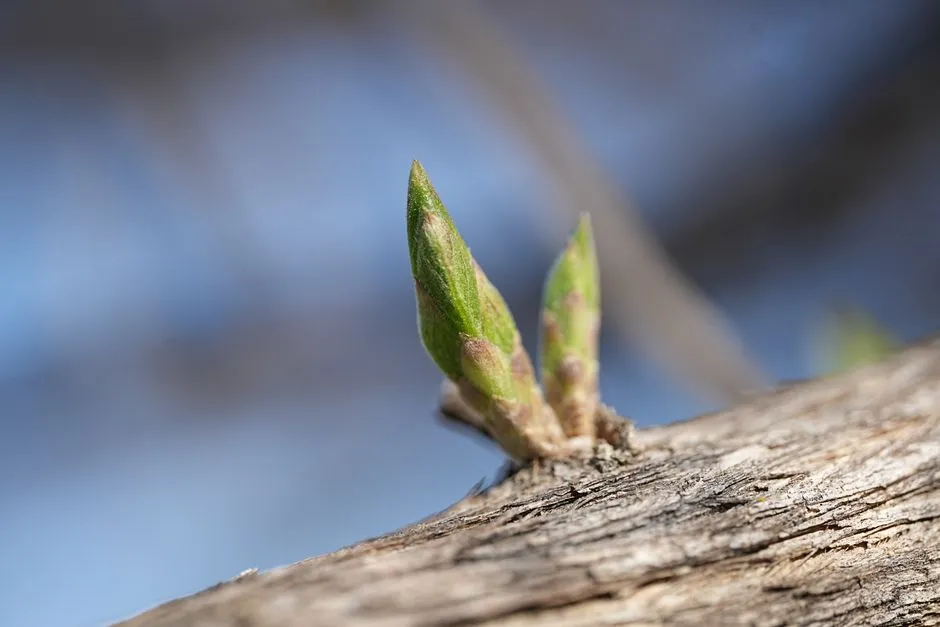
Here’s something most people never think to check: trees preparing for a harsh winter often set next spring’s buds earlier and more robustly than usual, essentially hedging their bets before the cold even arrives. It’s a defensive strategy that guarantees viable growth points the moment conditions improve.
Early and dense bud-set can be one of the clearest advance signals available, because it reflects the tree’s internal hormonal response to the same environmental stress cues – day length, temperature drops, moisture shifts – driving every other sign on this list.
Why It Stands Out
- Buds form before the tree has even finished dropping its current leaves
- It reflects a hormonal response to the same cues driving every other sign on this list
- Unlike bark or sap changes, this sign is a bet on the season after next
- Arborists treat an early, dense bud-set as a strong forward-looking signal
Arborists who monitor bud development closely say a tree that “over-prepares” for spring while still in the middle of losing its leaves is essentially telling you it expects a long, difficult stretch between now and then. It’s a strange kind of foresight, the tree planning its comeback before it’s even finished bracing for impact. The next sign is about how fast the whole system shuts down.
#15 – The Entire Tree Shuts Down Into Dormancy Faster Than Usual
🔥 Would you like to save this?
We'll email this post to you, so you can come back to it later!
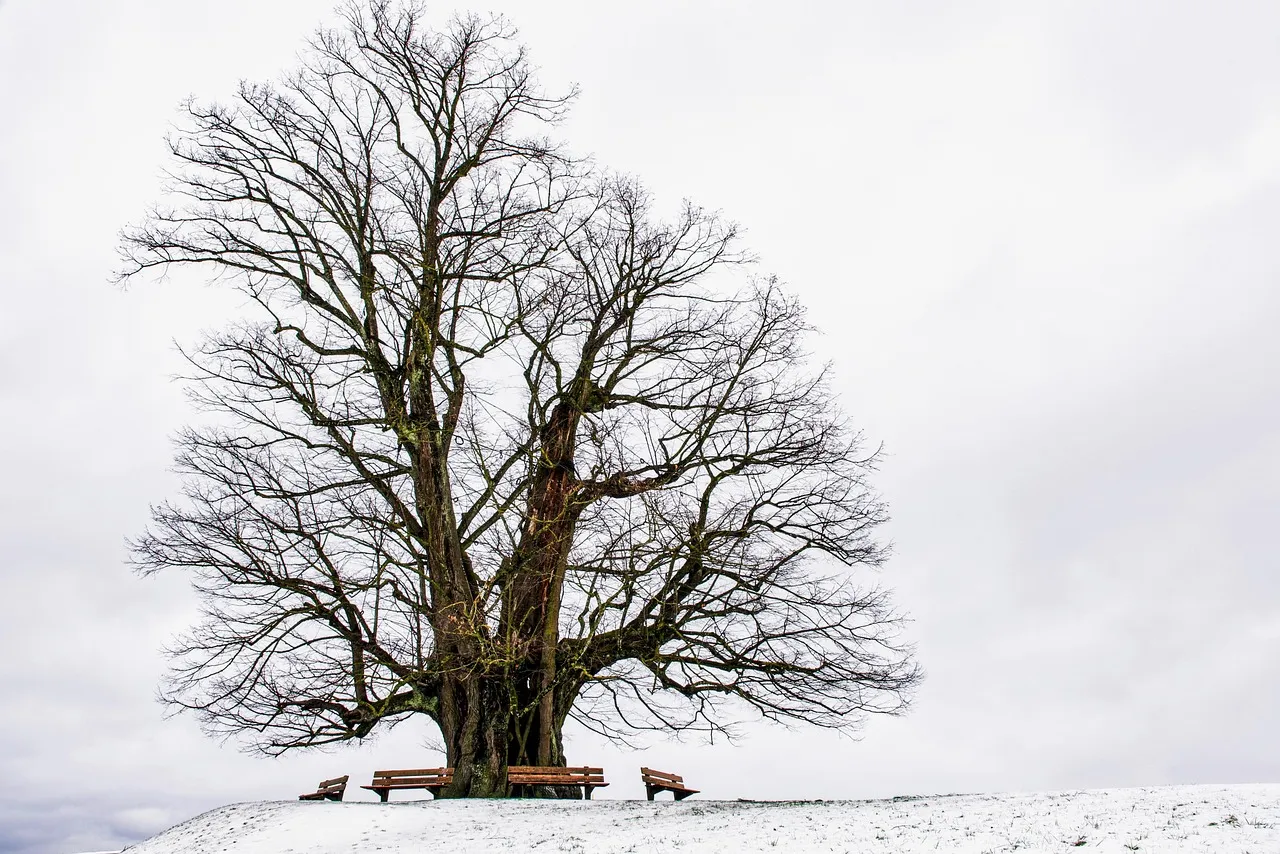
Dormancy isn’t a single switch. It’s a gradual shutdown involving reduced metabolic activity, slowed water transport, and hormonal changes that put the tree into a protective sleep state. In years preceding harsh winters, this shutdown process often accelerates noticeably compared to milder years.
Trees can enter full dormancy up to several weeks earlier when responding to strong stress signals, prioritizing energy conservation over any late-season growth opportunities a milder autumn might otherwise encourage.
This accelerated dormancy ties directly into several other signs on this list. Early leaf drop, thickened bark, and increased sap sugar concentration all cluster together as part of the same broader shutdown sequence. When foresters see this whole suite of changes happen in rapid succession rather than gradually over weeks, that clustering itself is treated as a stronger signal than any individual sign alone. Next: the fruit that refuses to fall.
#16 – Fruit and Berry Clusters Cling to the Branch Far Longer
🔥 Would you like to save this?
We'll email this post to you, so you can come back to it later!
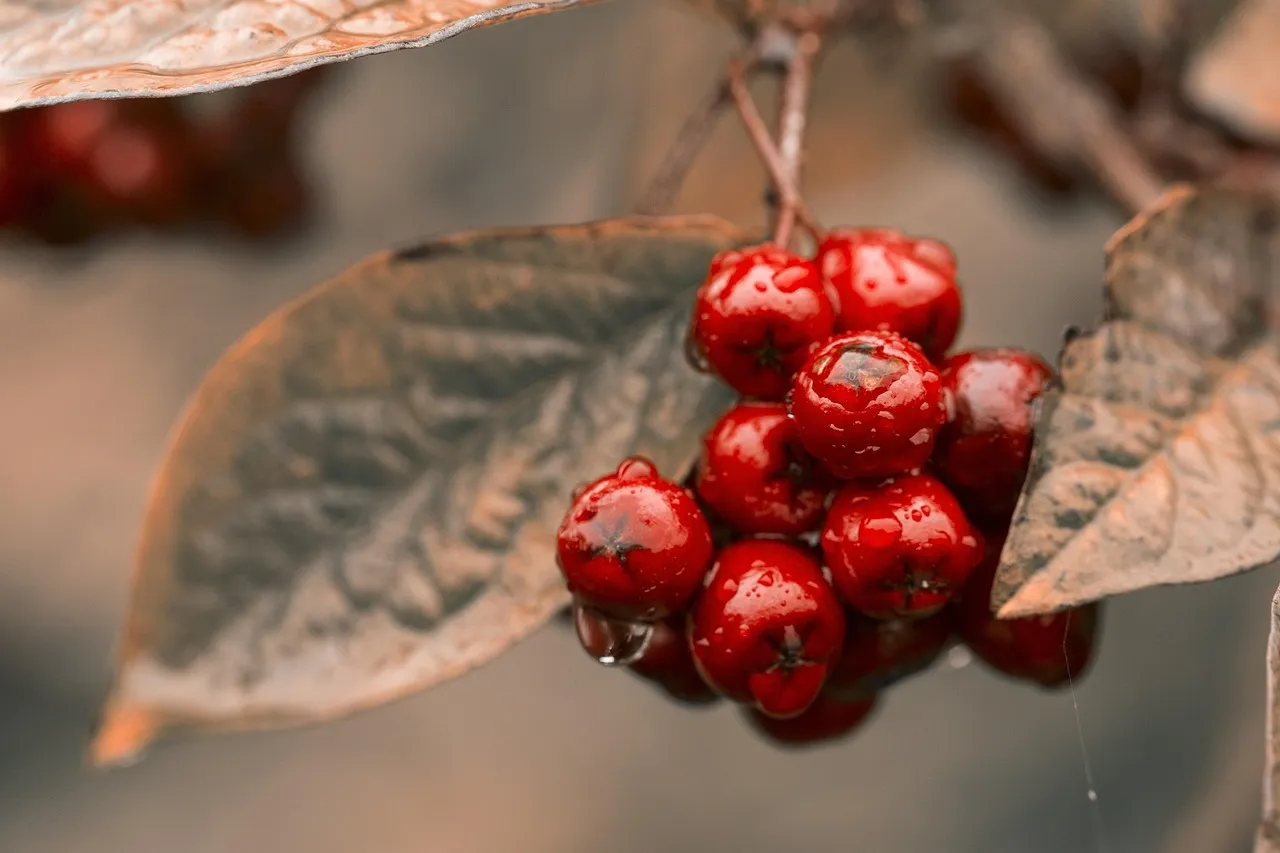
Crabapples, hawthorns, and other fruit-bearing trees sometimes hold onto their fruit clusters far longer into autumn than expected, ignoring the usual drop schedule entirely. This isn’t neglect. It’s a resource-allocation decision the tree makes when facing environmental stress.
Extended fruit retention can serve as an energy reserve strategy, allowing the tree to potentially reabsorb some nutrients from unripened or partially ripened fruit rather than losing that investment entirely to an early drop. There’s also a ripple effect: persistent fruit provides crucial late-season food for birds and wildlife heading into a harsh winter.
Naturalists have long observed that unusually heavy, late-hanging fruit clusters often coincide with the same broader stress patterns showing up in leaf drop timing and bark changes on the same trees. It’s one more piece of a much larger physiological puzzle the tree is solving in real time. The next sign only shows up after the first frost actually hits.
#17 – Trees Snap Into Defense Mode Within Days of the First Frost
🔥 Would you like to save this?
We'll email this post to you, so you can come back to it later!
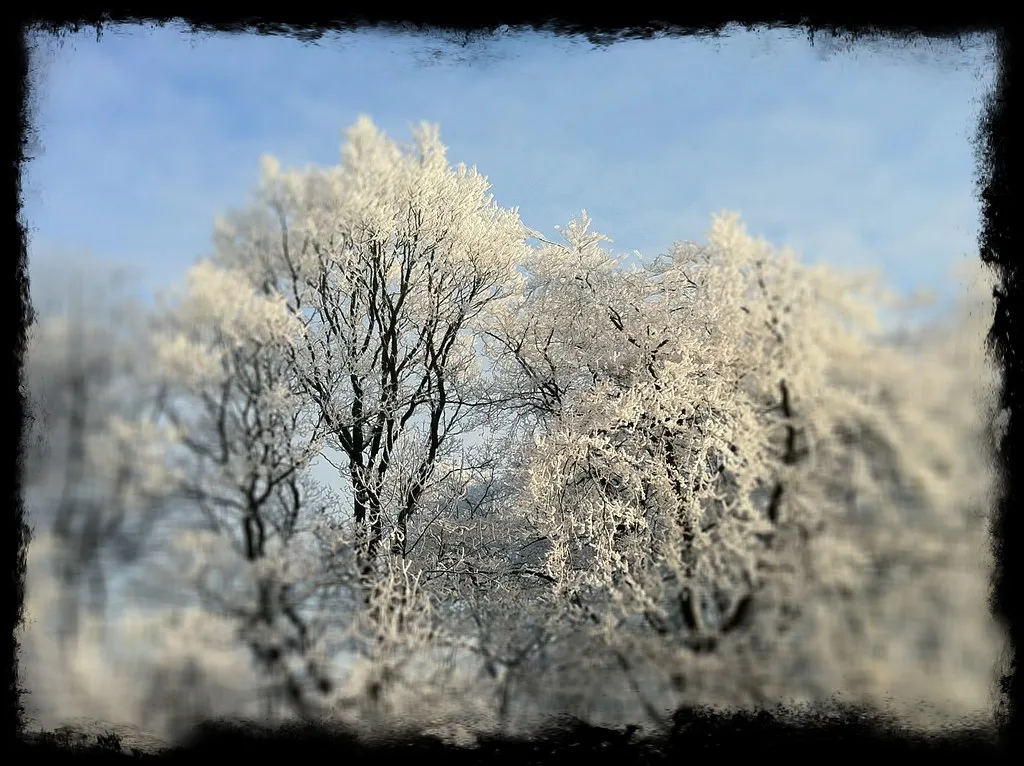
Watch what happens to a tree immediately after the season’s first light frost. Trees anticipating a harsh winter often show a notably fast defensive response – rapid sap sugar adjustment, accelerated leaf drop, and visible bark tightening – within days rather than the gradual, week-long adjustment seen in milder years.
This compressed recovery timeline suggests the tree’s internal stress-response systems were already primed and waiting, rather than reacting slowly to an unexpected cold snap the way a tree might in a genuinely mild season.
Foresters who track early frost events closely say this rapid-response pattern is one of the more reliable real-time indicators available, precisely because it shows the tree wasn’t caught off guard. A slow, sluggish post-frost adjustment usually signals the opposite: a tree still operating under mild-season assumptions. And that brings us to the sign that ties every other one together.
#18 – Multiple Signs Are Clustering Together in the Same Season
🔥 Would you like to save this?
We'll email this post to you, so you can come back to it later!
Here’s the truth almost nobody talks about: no single sign on this list is a reliable standalone predictor. Trees are complex organisms responding to dozens of overlapping environmental variables, and any one of these signs alone could simply reflect a locally unusual growing season rather than a genuine harsh-winter forecast.
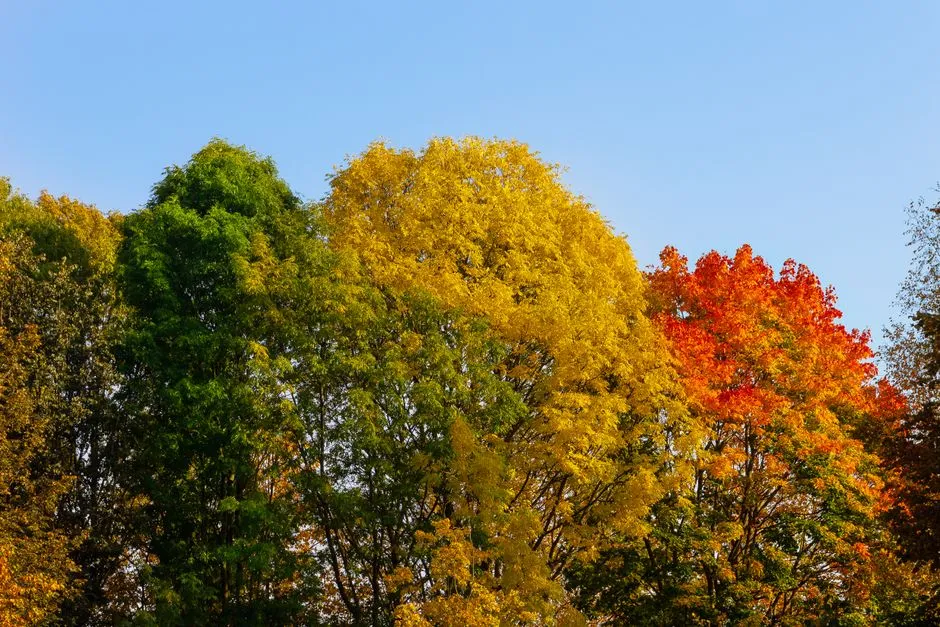
What actually matters is clustering. When early leaf drop, thickened bark, a mast year, and accelerated dormancy all show up together across multiple tree species in the same region and season, that convergence is what foresters and ecologists treat as a genuinely meaningful signal.
This is where most casual observers get it wrong. They spot one dramatic sign, like a bumper crop of acorns, and declare winter doom based on that alone. The real skill, the one longtime forest rangers have built over decades of walking the same stands, is reading the whole pattern across an entire forest instead of fixating on a single dramatic detail.
A society grows great when old men plant trees whose shade they know they shall never sit in.
Greek Proverb
The Bottom Line
🔥 Would you like to save this?
We'll email this post to you, so you can come back to it later!
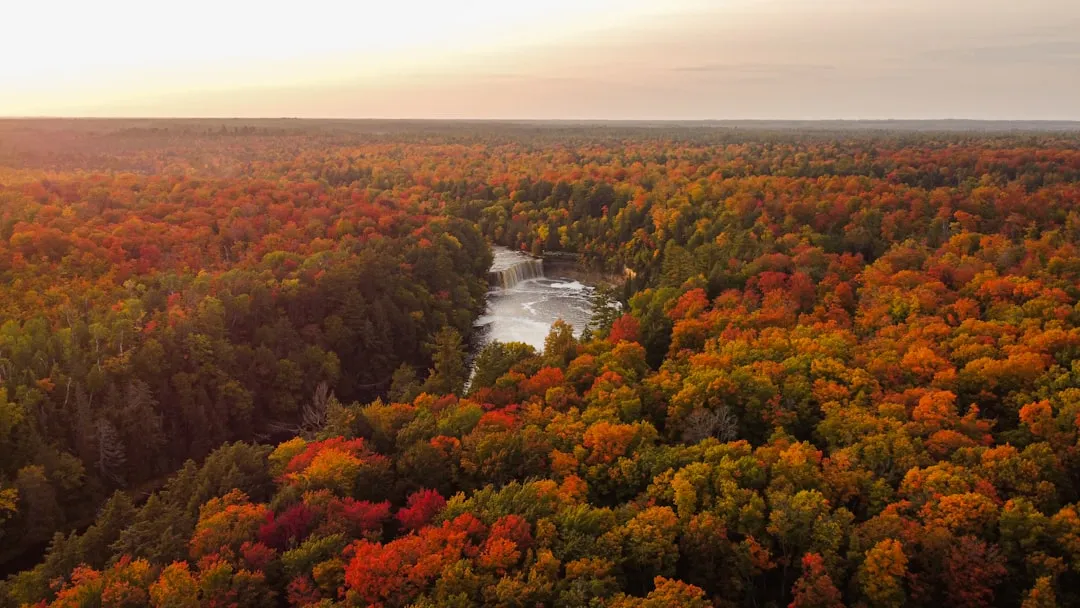
Trees aren’t psychic, but they are remarkably responsive biological instruments, reacting in real time to the same subtle environmental cues that meteorologists spend millions of dollars trying to model. The thickened bark, the early mast years, the compressed growth rings – these are measurable, physiological responses, not folklore dressed up as science.
Here’s where we’ll push back on the popular narrative, though: no single sign should ever be treated as gospel, and anyone claiming a heavy acorn crop alone “proves” a brutal winter is oversimplifying a genuinely complex system. The real value is in watching multiple signs cluster together, in your own yard, on your own street, in real time.
So look around your neighborhood this season. Are you seeing two or three of these signs stacking up at once, or just one lonely clue you’re trying to force into a bigger story? The trees have already made their bet. The only question left is whether you’re paying enough attention to read it.

- 14 Wildlife Permits Waived for Americans the Year They Turn 62 - November 5, 2026
- Machu Picchu’s Engineering Feats Were Far Ahead of Its Time - November 5, 2026
- 12 Most Beautiful American Cities To See Before You Die - November 4, 2026