
Deep in the lush rainforests of Central and South America lives one of nature’s most formidable aerial predators—the Harpy Eagle. While its impressive size and distinctive appearance have earned it recognition among bird enthusiasts, one feature stands out as particularly remarkable: its talons. These natural weapons aren’t just large; they possess strength that surpasses even the claws of bears, making the Harpy Eagle one of the most powerfully armed birds on the planet. This article explores the incredible strength of the Harpy Eagle’s talons, comparing them to bear claws, and examining how these magnificent birds use their powerful gripping tools to dominate their rainforest kingdom.
The Mighty Harpy Eagle: An Introduction

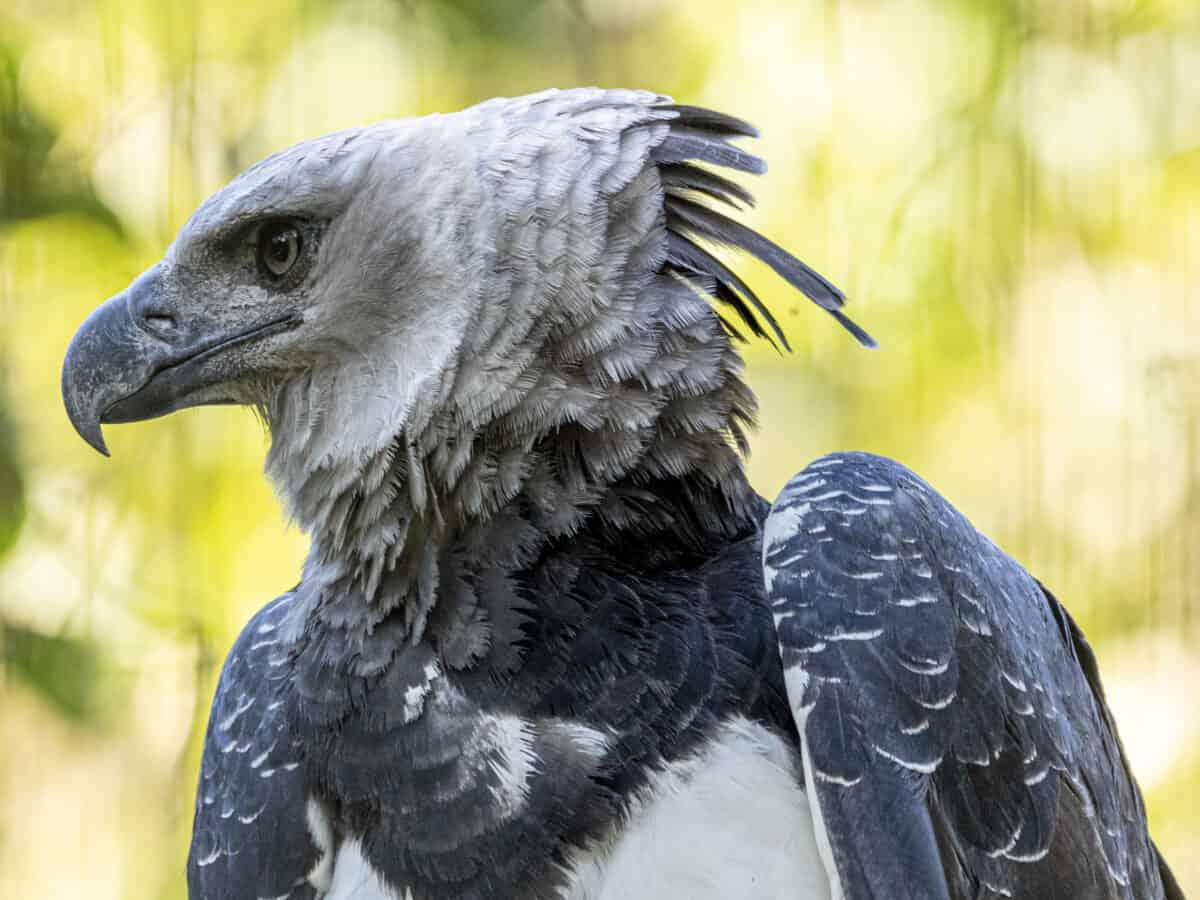
The Harpy Eagle (Harpia harpyja) is among the world’s largest and most powerful eagles, with females weighing up to 20 pounds and sporting a wingspan that can exceed seven feet. Named after the harpies of Greek mythology—winged monsters with sharp claws—these birds certainly live up to their fearsome namesake. They inhabit the tropical rainforests from southern Mexico to northern Argentina, though their numbers have declined significantly due to habitat loss. What truly sets the Harpy Eagle apart in the avian world is not just its impressive size but its extraordinary hunting apparatus: talons that can exert pressure far beyond what their body weight might suggest possible.
Anatomy of Eagle Talons vs. Bear Claws

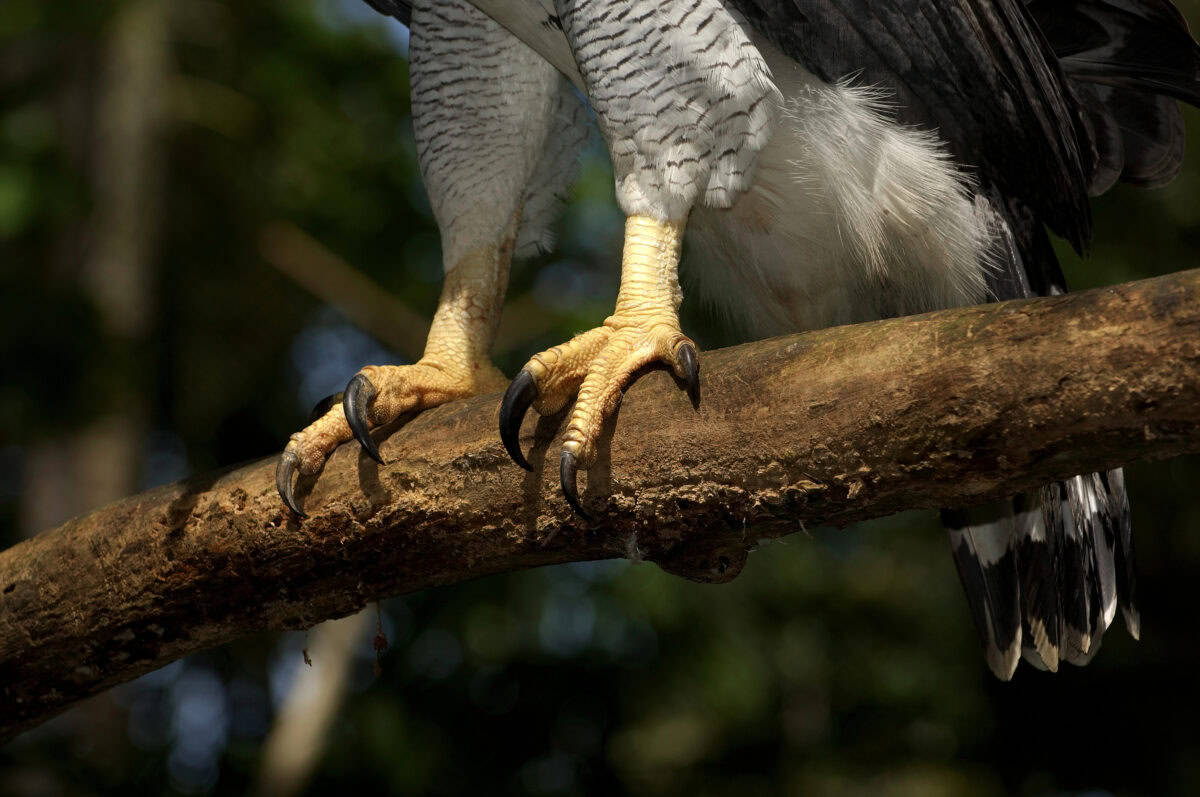
To understand why Harpy Eagle talons outmatch bear claws in strength, we must first examine their anatomical differences. Eagle talons are specialized hunting tools that curve sharply downward and backward, creating a hook-like structure perfect for piercing and gripping. Each talon connects to powerful tendons and muscles specifically evolved for crushing strength. Bears, in contrast, possess claws primarily designed for digging and climbing rather than killing. Bear claws are straighter, thicker, and while certainly dangerous, aren’t specialized killing tools. The Harpy Eagle’s rear talon can measure up to 5 inches in length—roughly the same size as a grizzly bear’s claw—but with a design optimized for exerting maximum pressure on a small contact point.
Measuring Talon Strength: The Numbers
When scientists measure the grip strength of raptor talons, the results are astonishing. A Harpy Eagle’s talons can exert pressure exceeding 400 pounds per square inch (psi). To put this in perspective, human hands typically generate only about 100 psi. While a bear’s paw as a whole can crush with tremendous force—upward of 800 pounds total—the pressure at the tip of each individual claw is considerably less concentrated than the Harpy’s talon. This concentration of force is what gives the Harpy Eagle its advantage. Its rear talon can puncture a human arm bone with ease, and when all four talons squeeze together, they can crush the bones of sloths and monkeys—the eagle’s primary prey—with minimal effort.
Evolutionary Purpose of Powerful Talons

The extraordinary strength of the Harpy Eagle’s talons didn’t develop by chance—it’s the result of millions of years of evolutionary pressure. These eagles specialize in hunting large, tree-dwelling mammals like sloths and monkeys, which can weigh up to 17 pounds—nearly the eagle’s own weight. To capture such heavy prey from tree branches and carry them through the air requires exceptional gripping power.
Unlike most other birds of prey that kill with a beak strike, Harpy Eagles rely primarily on their talons to dispatch prey. Their hunting strategy involves surprise attacks from above, where the initial impact and talon grip must be strong enough to immobilize prey instantly. This specialized hunting technique created the evolutionary pressure that resulted in the development of talons stronger than bear claws.
Hunting Techniques: How Harpies Deploy Their Weaponry

The Harpy Eagle’s hunting strategy showcases its talons’ extraordinary capabilities. When hunting, these birds perch silently in the rainforest canopy, scanning for movement. Once prey is spotted, the eagle launches with explosive speed, reaching up to 50 mph in short bursts. The actual strike is where the talons demonstrate their power—hitting with such force that larger prey is often killed instantly from the impact and puncture wounds.
For larger animals like sloths, the eagle drives its talons deep into the prey’s body, sometimes piercing vital organs. The rear talon—the largest and strongest—can penetrate up to 3 inches into prey, easily piercing skulls and severing spinal cords. No other bird of prey combines this level of talon strength with such precise deployment, allowing Harpy Eagles to routinely capture prey that weighs nearly as much as they do.
Bear Claws: Designed for Different Purposes

While bear claws might seem formidable—and indeed they are dangerous weapons—their primary evolutionary function differs significantly from eagle talons. Bears evolved claws primarily as multipurpose tools: for digging roots, tearing open logs for insects, climbing trees (in some species), and occasionally for defense or hunting. Most bears are omnivores, with plant matter comprising a significant portion of their diet.
Their claws, while intimidating, lack the specialized killing design of Harpy talons. Bear claws are thicker and more durable but less sharply curved and pointed. A grizzly bear’s 4-inch claws can certainly inflict grievous wounds, but pound for pound, they don’t match the precise, puncturing power that the Harpy Eagle’s talons can deliver relative to its body size.
Biomechanics: The Science Behind Talon Strength

The extraordinary strength of Harpy Eagle talons comes from specialized biomechanics. These birds possess a unique locking tendon mechanism that allows them to maintain a death grip without continuous muscular effort. Once the talons have sunk into prey, a ratchet-like system of tendons locks into place, requiring minimal energy expenditure to maintain crushing pressure. This adaptation enables the eagle to secure struggling prey while minimizing fatigue.
Additionally, the eagle’s leg muscles contain a higher concentration of fast-twitch muscle fibers than most other birds, generating explosive contracting power. The talon’s curved shape also creates a mechanical advantage, functioning like a series of levers that multiply the force applied. These biomechanical adaptations allow a 20-pound bird to exert force disproportionate to its weight—a feature bears, despite their much greater size and weight, cannot match in their claw structure.
The Harpy’s Prey: What Those Talons Can Capture

The menu of animals that Harpy Eagles regularly hunt testifies to their talons’ extraordinary power. Their preferred prey includes three-toed sloths, howler monkeys, capuchin monkeys, and other arboreal mammals weighing up to 17 pounds. These animals aren’t just heavy; they’re also equipped with their own defenses—monkeys with quick reflexes and powerful grips, sloths with surprising strength and protective fur.
Yet Harpy Eagles routinely overcome these defenses through sheer talon power. There are documented cases of Harpies capturing agile spider monkeys mid-leap and lifting fully grown sloths from tree branches. More remarkably, researchers have recorded instances where Harpy Eagles have killed and carried off young deer, agoutis, and even small peccaries—prey that would challenge many terrestrial predators. These hunting feats would be impossible without talons that exceed the strength of most mammalian claws, including those of bears.
Measuring Techniques: How Scientists Compare Animal Weapons

Comparing the strength of different animal weapons presents scientific challenges. Researchers use several methods to measure and compare the power of talons versus claws. Force plates can record the pressure exerted when an animal grips or strikes. Mechanical testing of the keratin structures themselves reveals tensile strength and resistance to breaking. Computer modeling analyzes the biomechanics of how force transfers through different claw shapes. When scientists apply these measurements to Harpy Eagles, the results consistently show that pound-for-pound, their talons exert greater pressure at the contact point than bear claws.
While the total force a 700-pound grizzly can generate far exceeds what a 20-pound eagle can produce overall, the concentrated pressure at the tip of the eagle’s talon—measured in pounds per square inch—actually exceeds what bears can generate at their claw tips. This concentration of force in a smaller area explains why Harpy talons can penetrate deeper and hold more securely than the larger but less specialized claws of bears.
Talon Care and Maintenance

Maintaining such powerful weapons requires dedicated care, and Harpy Eagles instinctively engage in behaviors that preserve their talons’ effectiveness. They regularly clean their talons after feeding, removing tissue that might harbor bacteria or parasites. Like cats, eagles also perform what amounts to “talon sharpening,” rubbing their talons against rough bark or stones to remove damaged outer layers and maintain a sharp edge. The talons are composed of keratin—the same material as human fingernails—but with a much higher density and specialized layering that provides both strength and flexibility.
This living structure continues to grow throughout the eagle’s life, compensating for wear. The eagles also protect their talons when not hunting by partially retracting them, reducing exposure to potential damage. These maintenance behaviors ensure that their primary weapons remain in optimal condition—a critical survival advantage that bears, with their more robust but less specialized claws, don’t require to the same degree.
Conservation Implications of Specialized Adaptations

The Harpy Eagle’s specialized talons highlight an important conservation consideration: highly adapted species often face greater extinction risks when their environments change. The eagle’s powerful talons evolved specifically for capturing large arboreal mammals in intact rainforest canopies. As deforestation fragments their habitat, Harpies face not just loss of territory but disruption of the prey base their specialized weapons evolved to capture.
Bears, with more generalized claws adapted to multiple purposes, generally demonstrate greater adaptability to changing environments. Conservation efforts for Harpy Eagles must therefore focus not just on protecting the birds themselves but on preserving large, connected tracts of rainforest that support the intricate predator-prey relationships their evolutionary specializations depend upon. Their extraordinary talons represent millions of years of evolutionary refinement—an adaptation that once provided tremendous advantages but now increases their vulnerability in a rapidly changing world.
Cultural Significance of Powerful Birds of Prey
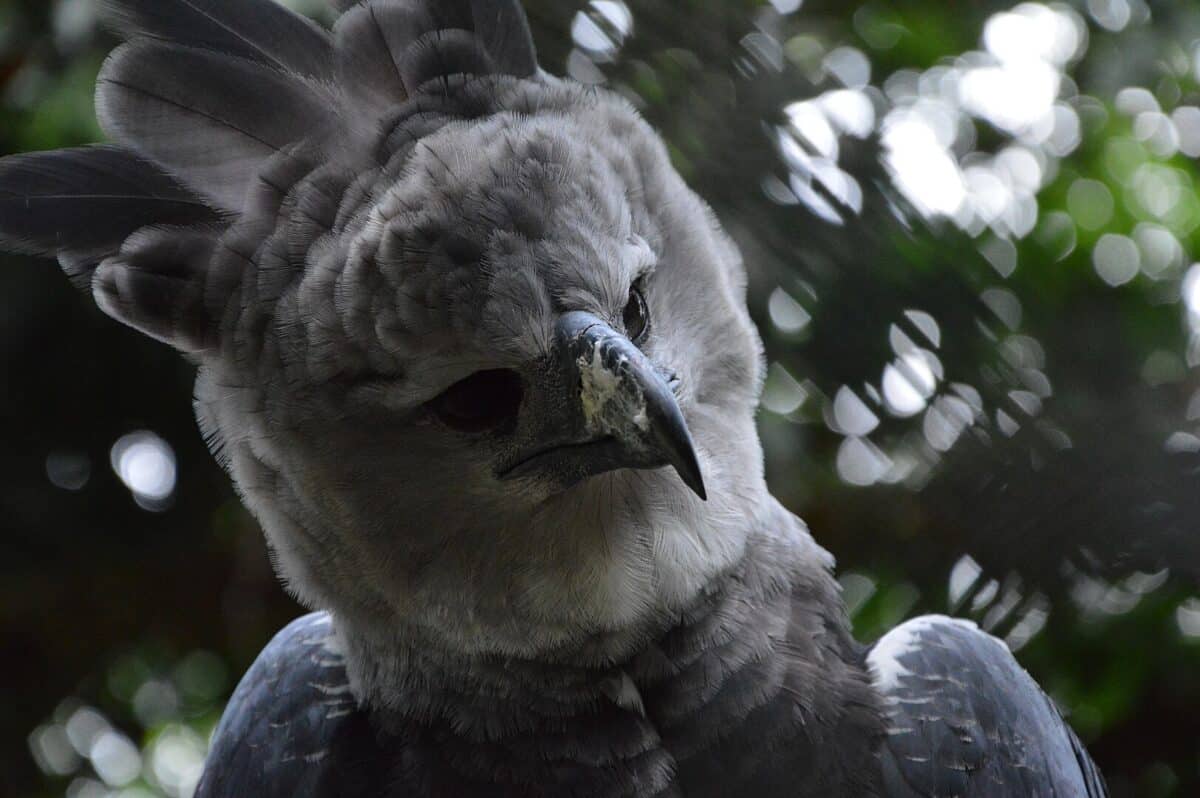
The extraordinary strength of the Harpy Eagle’s talons has not gone unnoticed by humans throughout history. Indigenous peoples across Central and South America have incorporated the Harpy Eagle into their cultural traditions, often viewing it as a symbol of power and supernatural strength. Many tribes considered the possession of Harpy Eagle talons to confer strength to warriors or hunters. The Maya associated the bird with the sun and power, while various Amazonian tribes featured the Harpy in creation myths.
The bird’s name itself derives from Greek mythology, where harpies were fearsome winged creatures with sharp claws. Today, the Harpy Eagle serves as the national bird of Panama, appearing on the country’s coat of arms. This cultural significance spans ancient reverence to modern conservation symbolism, with the eagle’s powerful talons consistently representing nature’s engineering at its most formidable—a reminder that in terms of pound-for-pound weapon strength, few mammals can match what evolution has produced in these aerial hunters.
Conclusion: Nature’s Perfect Aerial Weapon
The Harpy Eagle’s talons represent one of nature’s most remarkable examples of specialized adaptation, demonstrating how evolutionary pressure can produce weapons that punch far above their weight class. Despite weighing a fraction of what bears do, these magnificent birds possess talons capable of exerting greater concentrated pressure than bear claws, allowing them to capture prey that would otherwise seem beyond their capabilities. This comparison isn’t merely an interesting biological footnote—it illustrates how evolution can take different paths to solve predatory challenges, sometimes producing surprising results that defy intuitive expectations about size and strength.
As rainforests continue to face threats from human activity, preserving these evolutionary marvels becomes increasingly important, not just for biodiversity conservation but to protect living examples of nature’s extraordinary engineering. The Harpy Eagle stands as testament to the fact that in nature’s arms race, specialized adaptations can sometimes overcome the seemingly insurmountable advantages of sheer size and power.

- The Perfect Pet for Each Zodiac Sign - July 7, 2026
- The Wild Animal That Embodies Your Zodiac Sign’s Spirit - July 6, 2026
- 7 Steps to Planting Admirably Beautiful Bluebonnets - July 6, 2026