
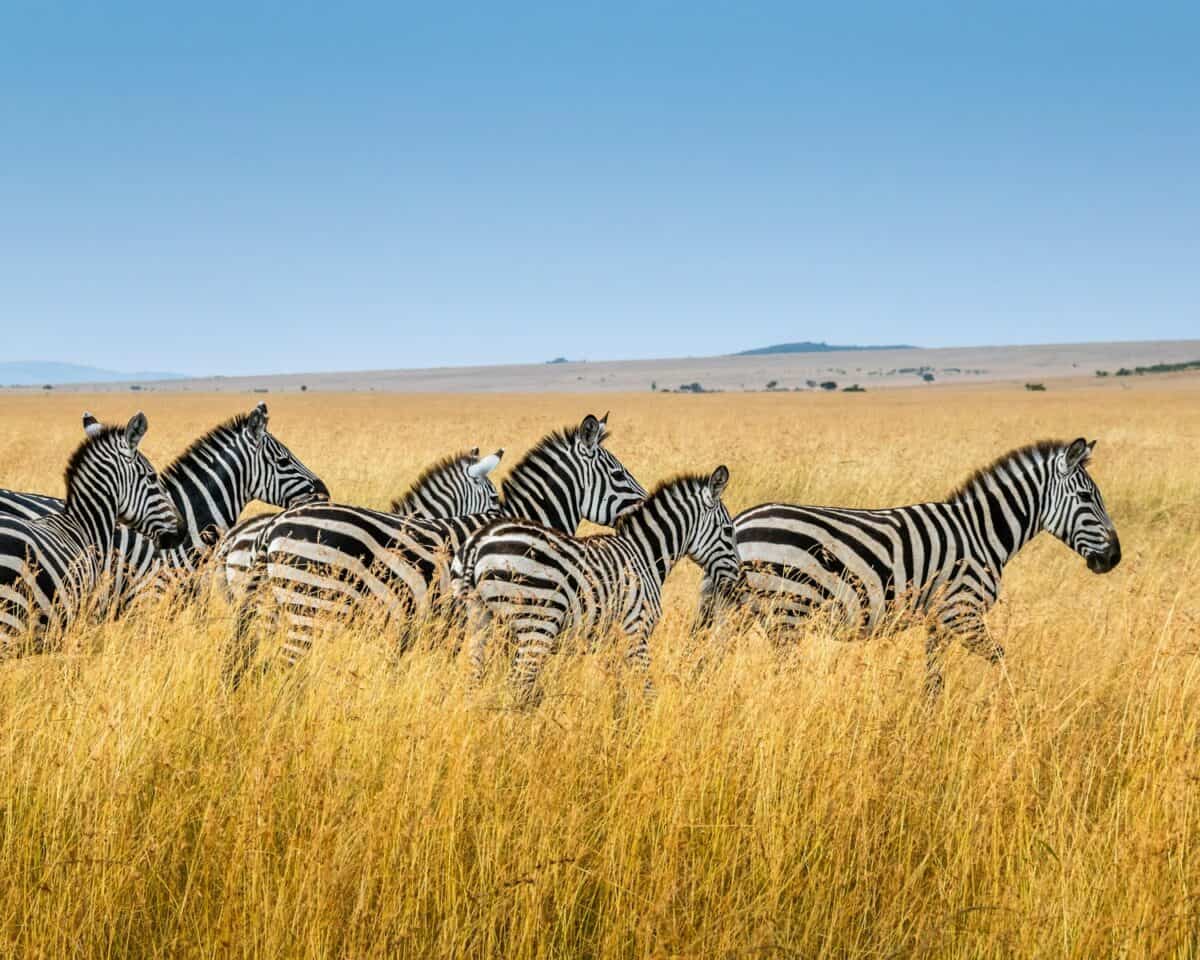
In recent years, social media has seen an explosion of animal content creators and wildlife influencers who rack up millions of views, likes, and shares. From adorable exotic pets to wildlife encounters in exotic locations, these animal influencers have captured the attention of global audiences. But beneath the cute videos and heartwarming photos lies a complex ethical question: are these animal influencers inadvertently harming wildlife conservation efforts? This article examines the various ways animal influencers impact conservation, from creating problematic wildlife tourism trends to potentially inspiring the next generation of conservationists.
The Rise of Animal Influencers in Social Media

Animal content has become one of the most shareable categories across social media platforms. According to social media analytics, animal-related content generates 63% more engagement than other post types. This has given rise to dedicated animal influencers—accounts featuring exotic pets like slow lorises, capybaras, and servals; wildlife photographers capturing intimate moments with endangered species; and wildlife tour operators showcasing close encounters with animals in their natural habitats. The most successful animal influencers can earn substantial incomes through sponsorships, merchandise, and monetization of their content, with some accounts generating millions in revenue annually. This financial incentive has led to a proliferation of animal content that ranges from educational to potentially exploitative.
The Exotic Pet Trade Problem

Perhaps the most direct negative impact of animal influencers comes from the promotion of exotic pets. When social media users see influencers with unusual animals like slow lorises, fennec foxes, or sugar gliders, it can create demand for these species as pets. Conservation organizations report that after viral videos featuring specific exotic animals, they see corresponding spikes in illegal wildlife trafficking. For example, after a series of slow loris videos went viral several years ago, conservation groups documented a 30-40% increase in confiscations of illegally trafficked slow lorises in Indonesia. The mortality rate for captured wild animals is devastatingly high—up to 90% of animals die before reaching their destination, and many more perish within their first year in captivity. Even when animals are captive-bred, keeping wild species as pets often involves removing teeth, claws, or scent glands, causing significant suffering to the animals.
Creating Unrealistic Expectations of Wildlife
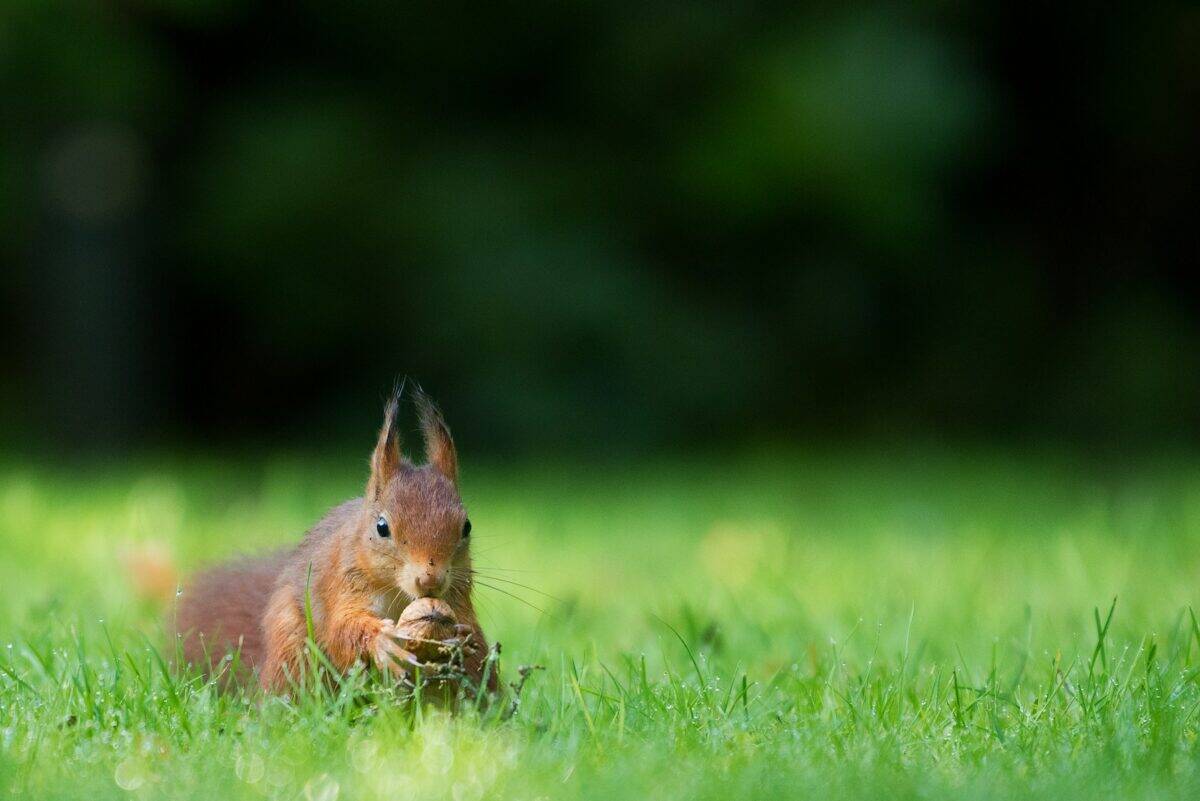
Many animal influencers present wildlife in ways that create unrealistic expectations about animal behavior and human-wildlife interactions. Wildlife photographers and videographers sometimes use baiting techniques or staged encounters to capture the perfect shot, while not disclosing these methods to their audiences. This creates an expectation that wild animals are approachable, touchable, or even friendly to humans. According to wildlife behavior experts, these portrayals can be particularly damaging when visitors to natural areas expect similar experiences and try to approach wild animals. National parks have reported increasing instances of visitors attempting to approach or feed wildlife to recreate viral photos or videos, resulting in animal attacks and necessitating euthanasia of animals that become too comfortable with humans. In Yellowstone National Park alone, rangers have documented a 40% increase in dangerous wildlife approach incidents correlating with the rise of social media wildlife content.
The Paradox of Wildlife Tourism
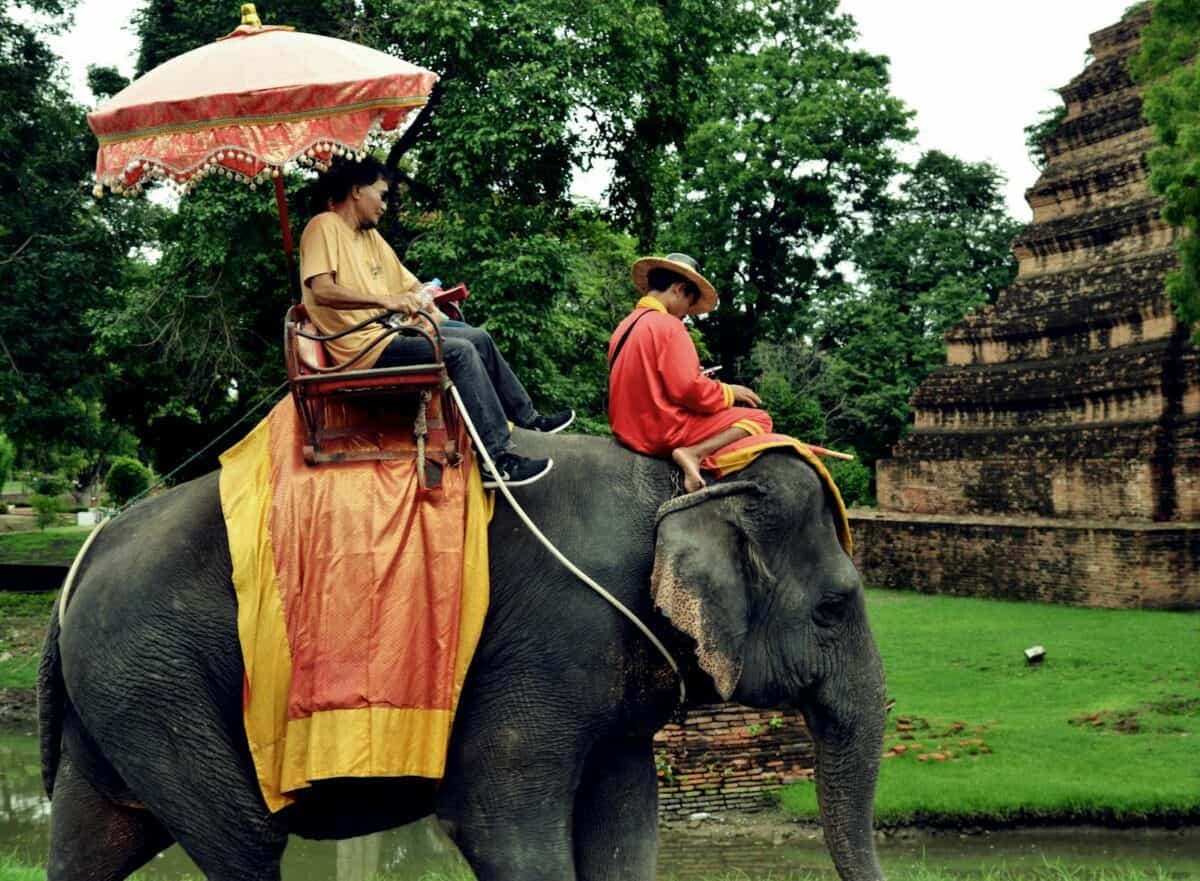
Wildlife tourism presents a complicated relationship with conservation. On one hand, responsibly managed wildlife tourism can generate crucial funding for conservation efforts and create economic incentives for local communities to protect wildlife. On the other hand, the pressure to provide Instagram-worthy wildlife experiences has led to problematic practices. A 2019 World Animal Protection study found that 80% of wildlife tourist attractions featuring direct contact with wild animals failed to meet basic animal welfare standards. Animal influencers who showcase themselves touching, riding, or feeding wild animals normalize these interactions, driving demand for similar experiences. This creates a market for wildlife tourism operations that prioritize close encounters over animal welfare and natural behavior. Conservation biologists have documented physiological stress responses in animals regularly exposed to tourist groups, including elevated cortisol levels and disrupted feeding patterns, which can impact reproduction rates and overall population health.
Habitat Disruption for the Perfect Shot
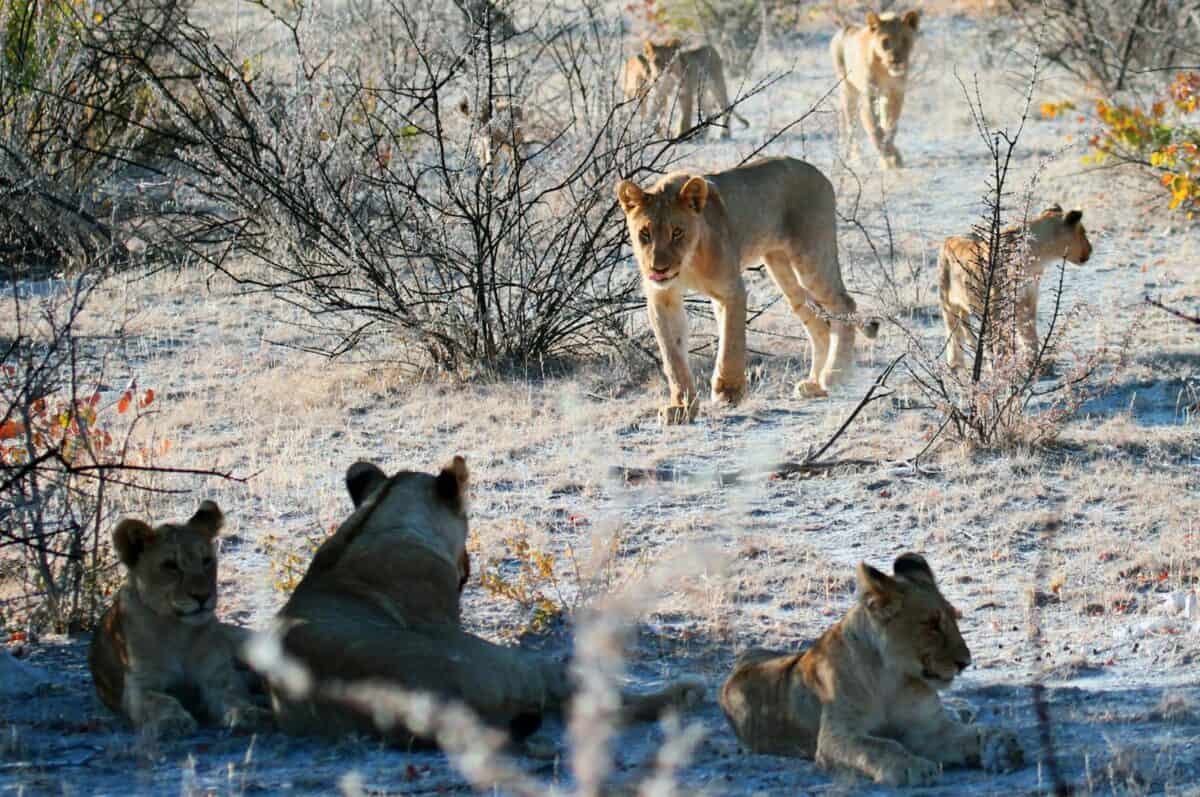
The pursuit of unique wildlife content can lead to significant habitat disruption. When influencers share the exact locations of sensitive wildlife areas, it can lead to an influx of visitors hoping to capture similar content. California’s 2019 “superbloom” offers a striking example—after influencers shared photos of themselves in fields of wildflowers, thousands of visitors trampled protected habitats to capture similar images. Similar patterns have emerged with wildlife photography hotspots. In Finland, photographers seeking to capture images of endangered flying squirrels have damaged nesting sites, while in Thailand, an entire Maya Bay (made famous by the film “The Beach” and subsequent influencer photos) had to be closed to tourism after 80% of its coral reefs were damaged by overtourism. These disruptions demonstrate how the cascading effect of viral animal content can translate to real ecological damage when followers attempt to recreate popular content.
Positive Impacts: Raising Awareness and Funding

Despite these concerns, animal influencers can be powerful allies for conservation when they operate ethically. Conservation organizations report that partnerships with responsible wildlife content creators have helped them reach audiences that traditional conservation messaging might miss. The World Wildlife Fund’s collaborations with wildlife photographers and content creators have generated millions of views for conservation messaging and directly contributed to fundraising successes. Individual wildlife rehabilitation centers have reported donation increases of 200-300% after being featured by popular animal influencers. Additionally, several conservation success stories can be attributed, at least in part, to viral social media campaigns. The awareness raised by animal influencers about the plight of pangolins, for instance, helped elevate this previously obscure animal to international attention, contributing to strengthened legal protections and enforcement against pangolin trafficking.
Educational Potential of Animal Content

When created responsibly, animal content can serve as an engaging educational tool. Influencers like wildlife biologists, zookeepers, and conservation researchers who share accurate information about animals and their habitats can inspire interest in wildlife and conservation issues. A 2020 survey of zoology undergraduates found that 42% cited wildlife documentaries or social media content as their primary inspiration for pursuing conservation studies. Animal influencers who emphasize natural behaviors, conservation challenges, and appropriate human-wildlife boundaries can counter harmful stereotypes and misconceptions about wildlife. Educational content is particularly effective when it contextualizes animal behaviors within their ecosystem roles and explains conservation issues like habitat loss, climate change impacts, and coexistence with wildlife. Research on environmental education indicates that emotional connections to individual animals—often facilitated through social media storytelling—can translate to broader support for species conservation when paired with accurate information.
Guidelines for Ethical Animal Content

In response to concerns about animal content, several organizations have developed guidelines for ethical wildlife photography and social media sharing. The International League of Conservation Photographers requires its members to adhere to a code of ethics that prohibits baiting, harassment, or habitat destruction in pursuit of wildlife images. Social media platforms have begun implementing wildlife exploitation policies—in 2017, Instagram introduced alerts for hashtags associated with wildlife exploitation, and in 2020, they began removing content depicting direct interaction with wild animals. The Born Free Foundation’s “Wildlife Selfie Code” advises against posing with wild animals, whether in captivity or the wild, and discourages sharing or liking images of people touching, feeding, or otherwise directly interacting with wildlife. Adoption of these guidelines is growing among responsible content creators, with many animal influencers now explicitly stating when images are taken with zoom lenses or from appropriate distances.
The Responsibility of Platforms

Social media platforms have increasingly recognized their role in facilitating potentially harmful animal content. Beyond Instagram’s wildlife exploitation alerts, platforms like TikTok and YouTube have implemented policies against content showing animal abuse or exploitation. However, enforcement remains inconsistent. A 2021 analysis found that despite YouTube’s policies against animal cruelty content, videos of wildlife exploitation still received millions of views before being removed, if they were removed at all. Platform algorithms also tend to favor sensational or unusual content, potentially incentivizing creators to pursue more extreme or intimate wildlife encounters. Conservation organizations have called for more proactive approaches, including automatic detection of problematic wildlife content, clearer guidelines about appropriate human-wildlife interactions, and prioritization of educational wildlife content in recommendation systems. Some platforms have experimented with partnering with wildlife experts to identify and flag harmful content, though these efforts remain limited in scope.
Case Study: Sanctuaries vs. Pseudo-Sanctuaries
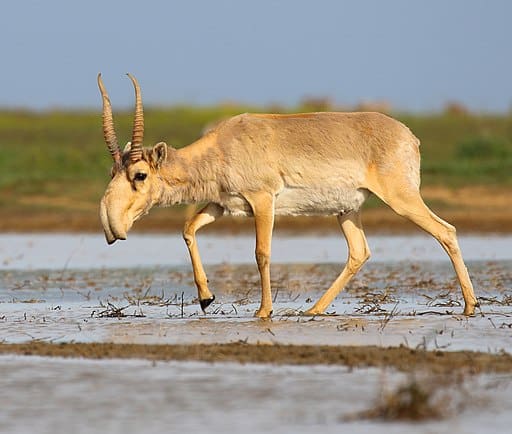
The rise of animal influencers has coincided with an increase in facilities calling themselves wildlife “sanctuaries” or “rescues” while primarily functioning as tourist attractions. Legitimate sanctuaries prioritize animal welfare and typically do not breed animals, use them in entertainment, or allow direct contact with visitors. In contrast, pseudo-sanctuaries use conservation language while engaging in practices harmful to animal welfare and conservation goals. Distinguishing between these facilities can be challenging for audiences. For example, a 2018 investigation of tiger “sanctuaries” in Thailand found that 86% of facilities calling themselves sanctuaries or rescues were actually breeding tigers for tourist interactions rather than conservation. Animal influencers who promote these facilities without due diligence can legitimize operations that actively harm conservation efforts. However, influencers who partner with accredited sanctuaries can help educate their audiences about the differences between ethical and unethical facilities and direct support to legitimate conservation work.
The Impact on Children’s Perceptions of Wildlife
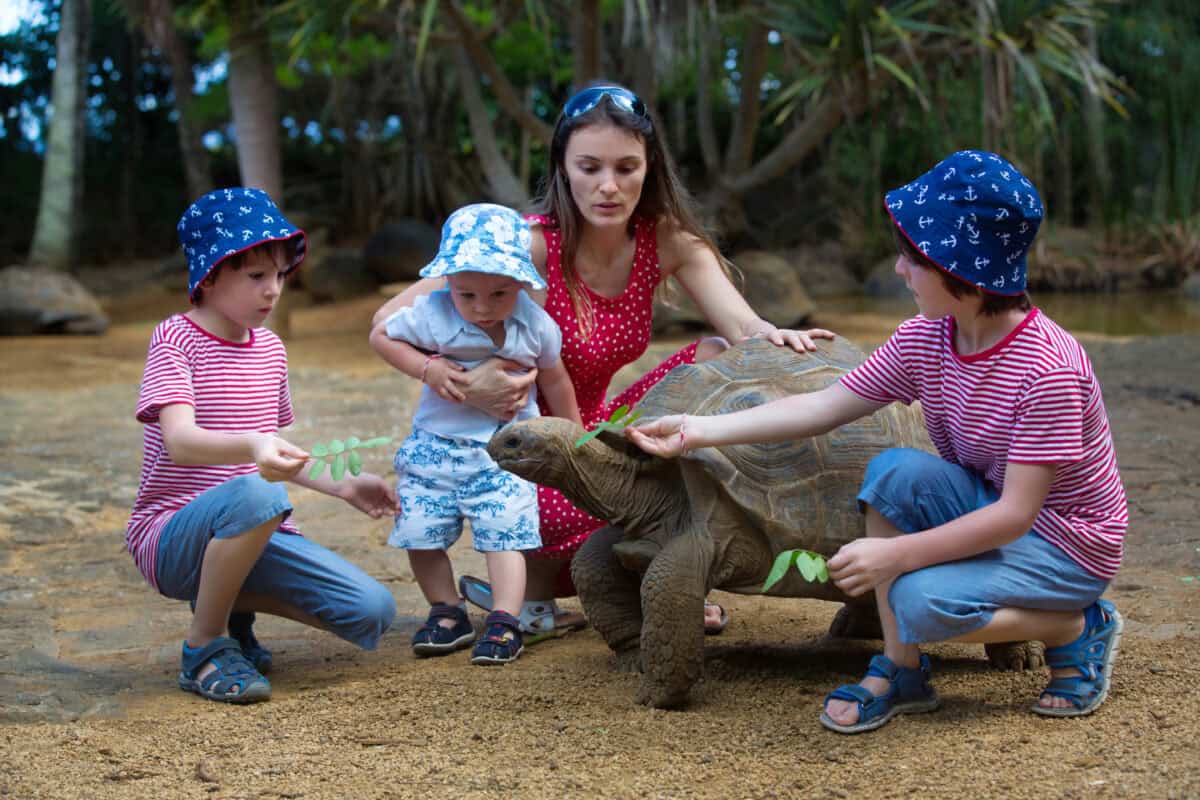
Animal influencers have particular impact on children’s developing understanding of animals and conservation. Research in developmental psychology indicates that children form their understanding of animals largely through media representations before they have significant direct nature experiences. Educational content that accurately portrays wildlife behavior and habitats can foster appreciation for animals in their natural contexts. However, content showing exotic pets or inappropriate interactions with wildlife can establish problematic expectations about human-animal relationships. A longitudinal study of children aged 6-12 found that those exposed to media depicting wild animals as pets or entertainment were significantly more likely to express desire for exotic pets and less likely to identify conservation concerns as important. This suggests that animal influencers may be shaping the conservation attitudes of the next generation, for better or worse. Conservation educators emphasize the importance of content that portrays animals engaging in natural behaviors in their native habitats rather than anthropomorphized or domesticated portrayals.
Moving Toward Responsible Animal Influence

The conservation impact of animal influencers ultimately depends on the specific content they create and promote. A growing movement of conservation-minded animal content creators is developing approaches that satisfy audience interest in engaging animal content while supporting rather than undermining conservation goals. These creators prioritize natural behavior, appropriate distance, and educational context in their content. They avoid sharing specific locations of sensitive wildlife, disclose when images are captured using specialized equipment rather than close contact, and partner with conservation organizations to amplify science-based messages. Some have developed business models that directly support conservation work—for example, wildlife photographers who donate a percentage of print sales to habitat protection, or tour operators who incorporate genuine conservation activities in their offerings. By making ethical considerations central to their content creation, these influencers demonstrate that compelling animal content need not come at the expense of conservation goals.
Conclusion: Finding Balance in the Digital Age
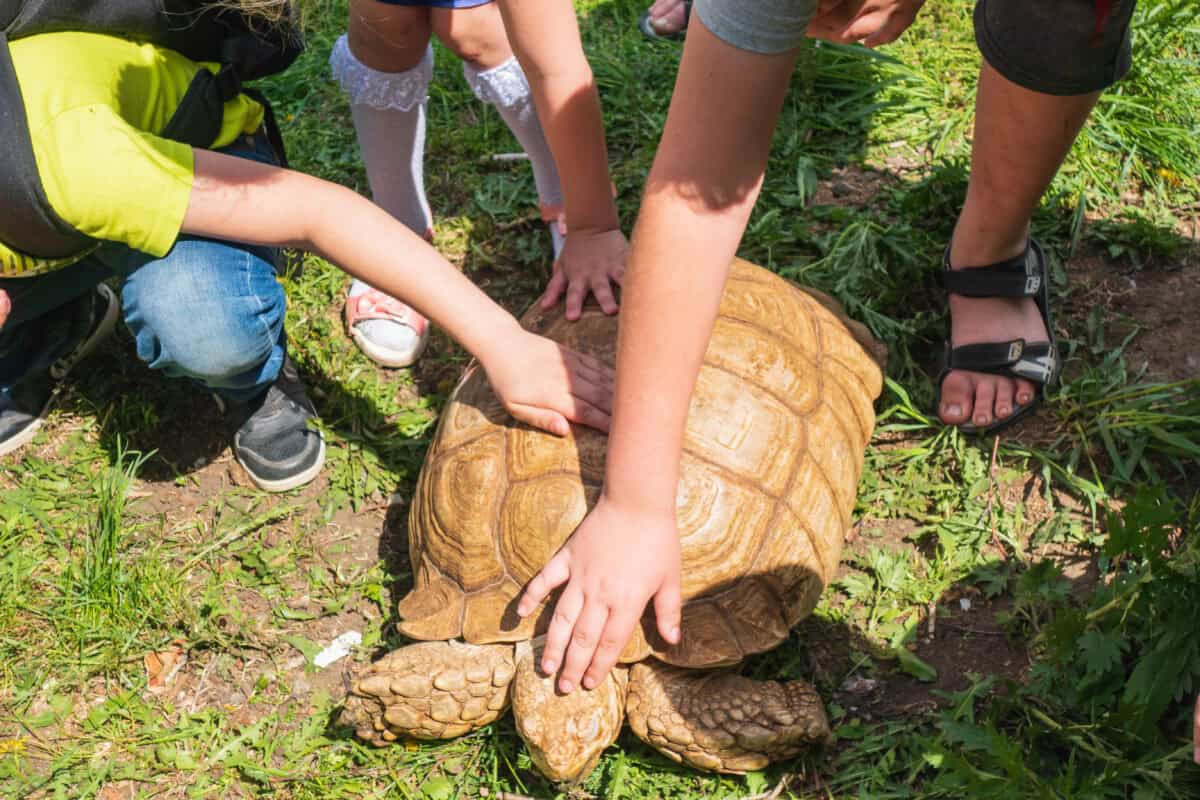
The relationship between animal influencers and wildlife conservation reflects broader tensions in our increasingly digital relationship with nature. While problematic animal content can create demand for exotic pets, normalize inappropriate wildlife interactions, and contribute to habitat disruption, responsible animal content can inspire conservation action, raise awareness about threatened species, and fund vital protection efforts. The key distinction lies not in whether animals appear in social media content, but in how they are portrayed and what messages—explicit or implicit—accompany that portrayal. As audiences become more aware of these issues, there’s increasing demand for animal content that respects wildlife while satisfying our desire for connection with animals. By supporting ethical animal influencers, demanding transparency about how animal content is produced, and applying critical thinking to the animal content we consume and share, we can help ensure that our digital fascination with animals translates to real-world protection for wildlife and their habitats.

- How Sea Otters Are Helping Restore Kelp Forests Along the Pacific Coast - July 18, 2026
- This River Delta Is a Magnet for Endangered Birds - July 17, 2026
- New Fossils in Baja California Reveal a Never-Before-Seen Grouper - July 17, 2026