
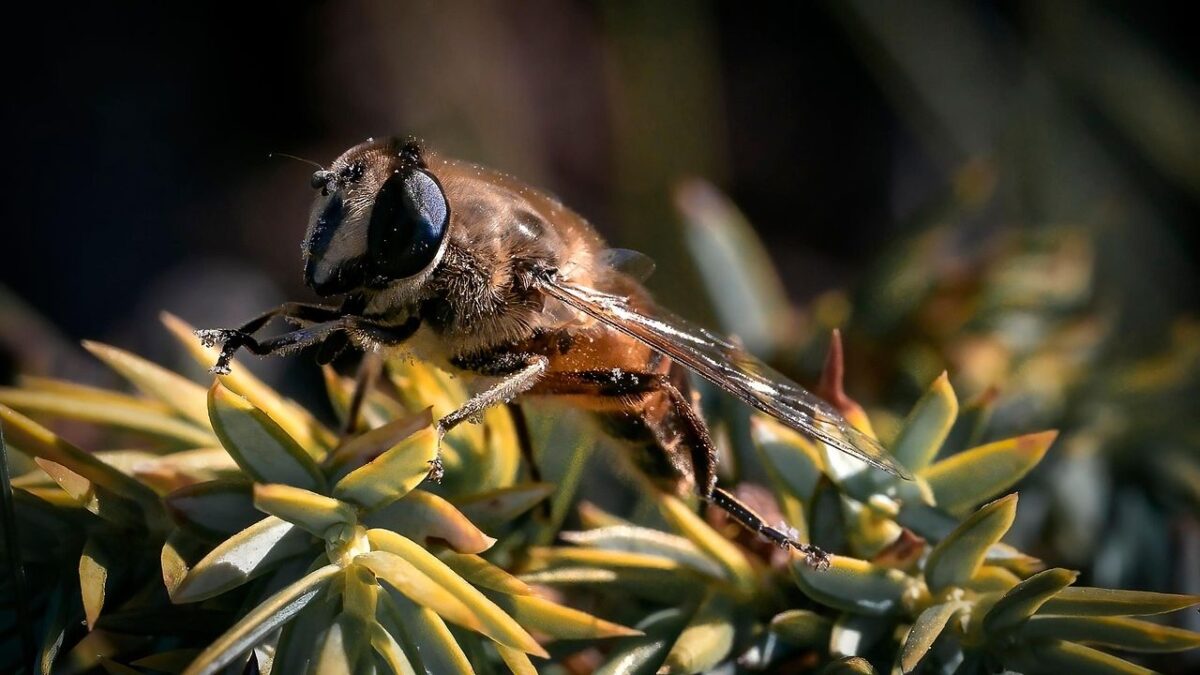
Step outside on a warm morning and look closely at the nearest flower. Chances are, something small is already working. A hover fly drifts in slow circles, a ground beetle retreats beneath a leaf, a tiny wasp inspects a stem. Most of us walk past all of it without a second thought.
The backyard insect world is far more complex, and far more useful, than it looks at first glance. The average backyard is home to thousands of insects, yet only about a tenth of these are destructive. The vast majority are either beneficial or entirely harmless. That’s a ratio worth sitting with for a moment.
Beneficial insects prey upon and parasitize crop pests, recycle nutrients, help decompose plant and animal waste, aerate and improve soil quality, and support other wildlife in vast food chains. In short, they’re doing the quiet maintenance work that keeps a garden alive. Understanding them changes how you garden.
More Than Just Bees: The Surprising Range of Garden Pollinators
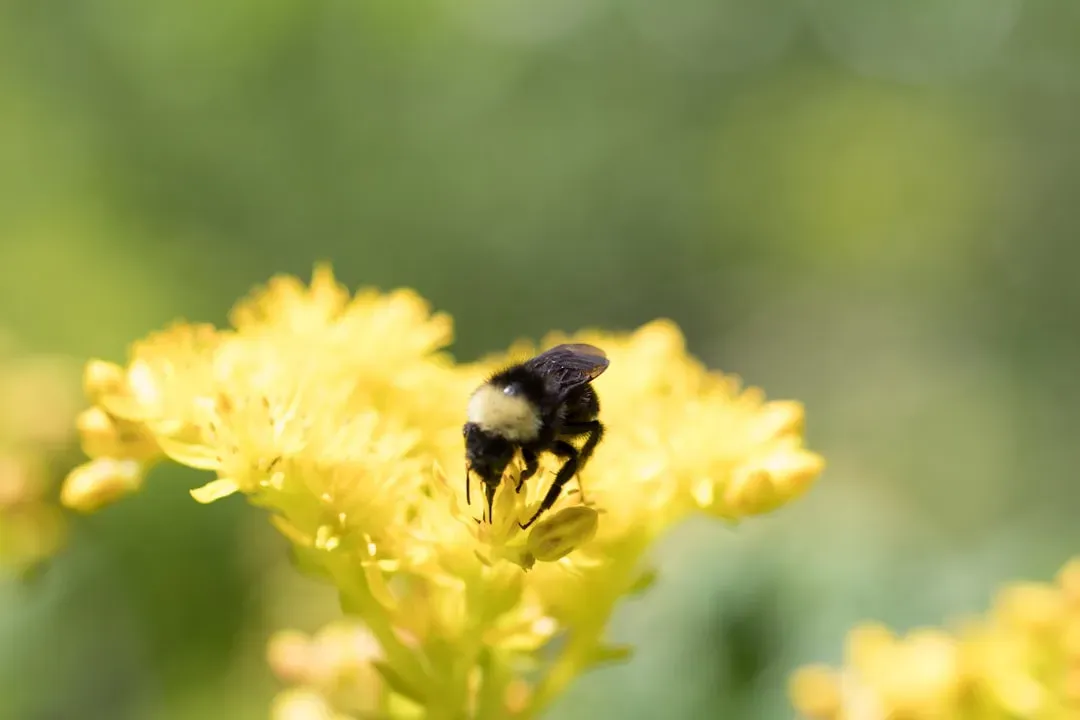
Insect pollinators include many more species than just honey bees. Native bees are also important pollinators, in addition to many species of beetles, butterflies, moths, and flies. The list is genuinely longer than most gardeners expect.
These insects provide ecosystem services by spreading pollen among different plants of the same species, helping them complete their life cycles by producing seed. Pollination is not actually a goal of the insects themselves. It occurs as they move around flowers, seeking nectar or pollen as food sources. It’s a wonderfully accidental arrangement that both sides benefit from.
There are approximately 900 species of flower flies in North America alone, also known as hoverflies or syrphid flies. As larvae, many species are ravenous predators of soft-bodied insects such as aphids, scales, mites, and thrips. A single flower fly larva can consume as many as 50 aphids per day. In their adult stage, flower flies become important pollinators, frequently visiting a wide variety of flowers to feed on nectar and pollen. One insect, two entirely different jobs across its lifetime.
Nature’s Pest Control: Predators and Parasitizers at Work
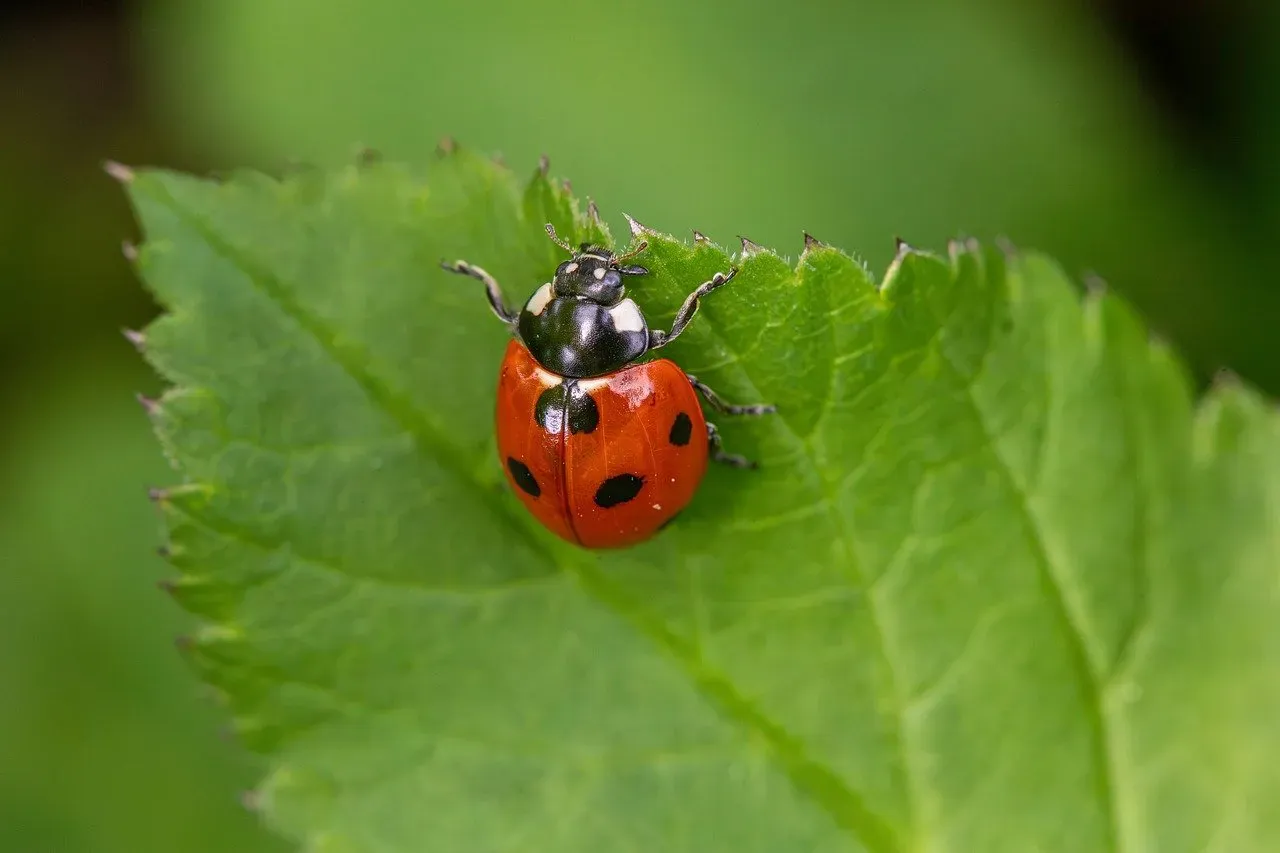
Beneficial insects fall into three main categories. Pollinators include bees, butterflies, flies, and moths. Predators eliminate pests by eating them, and ladybugs, praying mantids, and green lacewing larvae fall into this group. Parasitizers prey upon other insects in a different way: they lay their eggs on or inside pest insects, and when the eggs hatch, the larvae feed on the host.
With approximately 475 species in North America, lady beetles are highly regarded as voracious predators of agricultural pests. Most are specialist predators of aphids or scale insects, though some consume whiteflies, mites, thrips, and insect eggs. This can sometimes include the eggs of the Colorado potato beetle. A single lady beetle may consume up to 5,000 aphids in its lifetime.
Trichogramma wasps are minuscule, with several fitting on the head of a pin, yet they lay their eggs inside the eggs of over 200 different insect pests, preventing those pests from ever hatching in the first place. A lacewing larva doesn’t wipe out every aphid; it trims the population so plants can outgrow damage, which is exactly how healthy ecosystems work. That means fewer boom-and-bust cycles and fewer panicked runs to the spray shelf.
Insects Underground: The Soil Engineers Beneath Your Feet
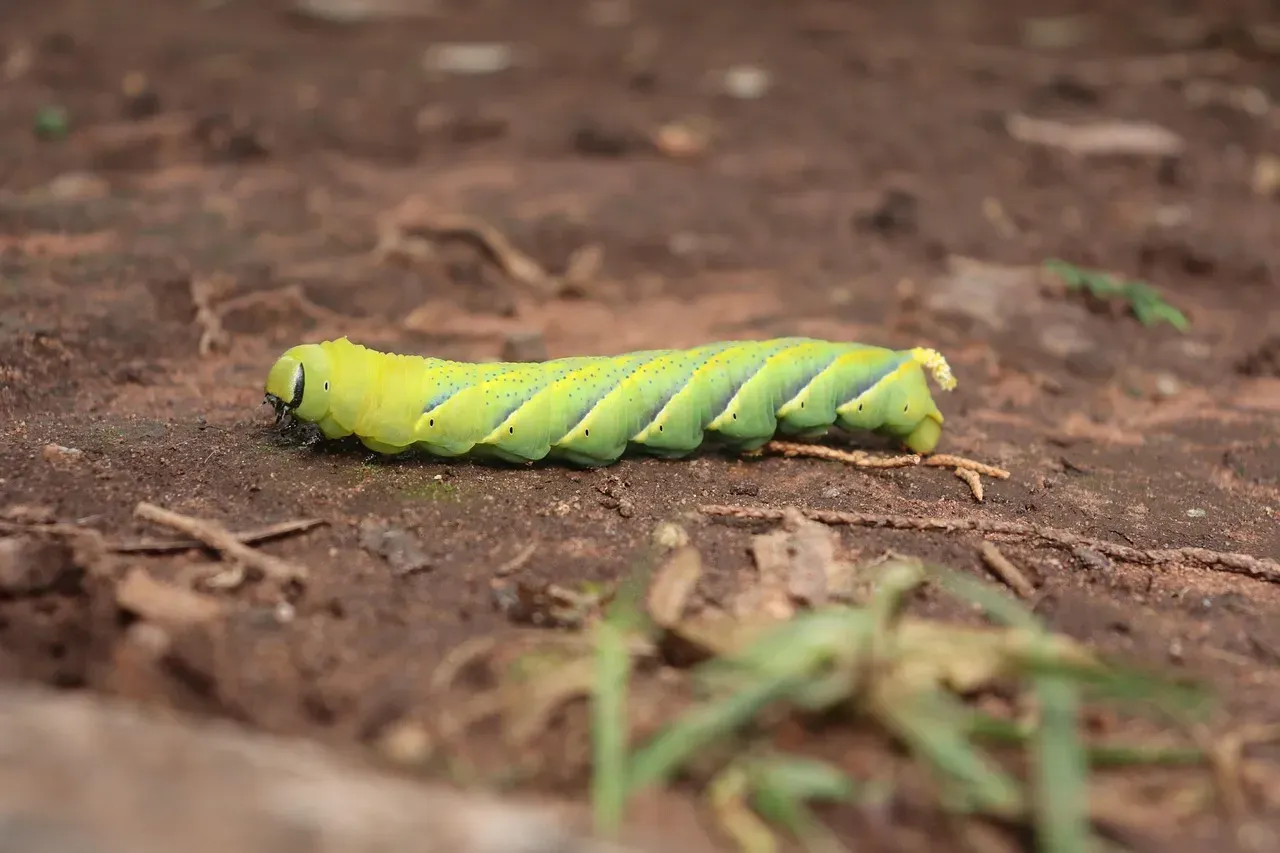
Insects and earth-dwelling invertebrates are critical to the health and organic regeneration of the soil, being some of the beneficial creatures that can break down dead material. They also improve soil structure by mixing nutrients into the soil and facilitating the movement of air, water, and roots through it. Insects also play a role in nutrient cycles involving nitrogen, phosphorus, potassium, calcium, and magnesium.
Soil-dwelling insects break down organic matter in the soil, converting nutrients into forms best used by plants. Insects facilitate the creation of topsoil, the nutrient-rich layer essential for plant development, through their decomposing actions. Burrowing insects like ants and beetles enhance water infiltration and organic matter retention in the soil.
Ground beetles are a large and diverse group with a wide range of roles in the garden system. They can be found hiding under rocks, logs, or in the soil. They feed on grubs and other soil pests while helping to break down organic matter, both of which contribute to healthy soils. These beetles rarely make the highlights reel, yet they’re working around the clock just the same.
The Balance Problem: Why “Bad” Bugs Aren’t Always the Enemy
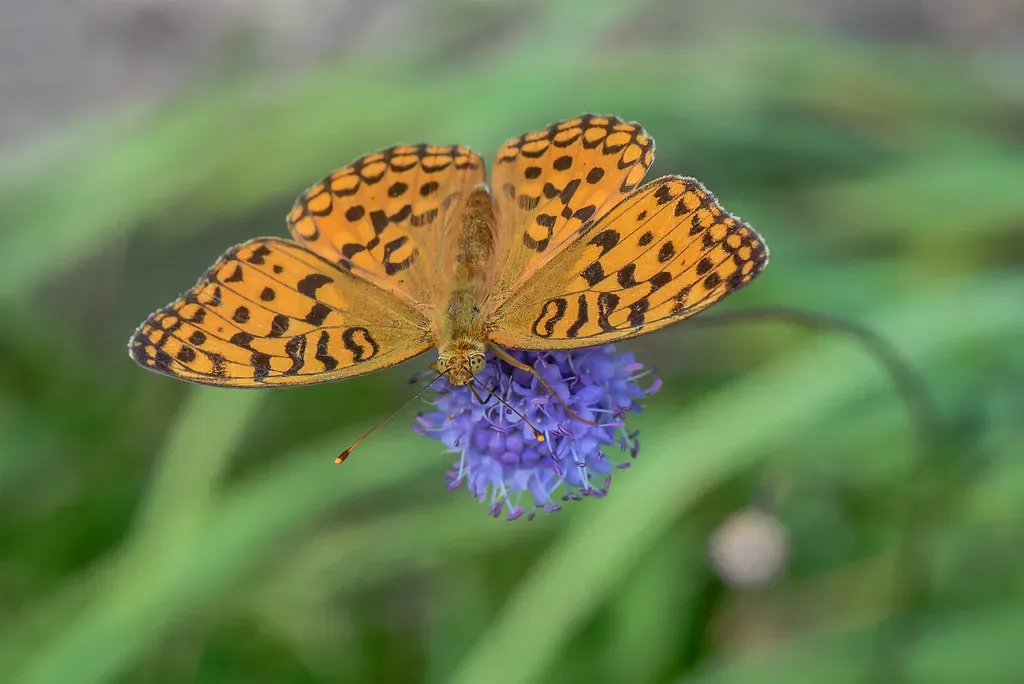
A healthy garden, like any ecosystem, is a matter of balance, and gardeners must learn to tolerate some insect activity. A diverse garden rich in native plants and insects regulates itself and is better able to stand up to herbivory.
Pest insects draw widespread attention because they present challenges to people, but there are far more species of insects that are beneficial. Becoming familiar with these insect groups and their roles in the garden is worth the effort. Reaching for a spray bottle at the first sign of a bug is, more often than not, solving the wrong problem.
Common pesticides are indiscriminate and affect any insect that makes contact, and can persist in soil, water, and plant tissue for years. By naturally regulating pest populations, beneficial insects can help minimize reliance on pesticides that have harmful effects on pollinators and soil health. The irony is that heavy spraying often dismantles the very system that would have kept pests in check on its own.
How to Build a Garden That Welcomes Them
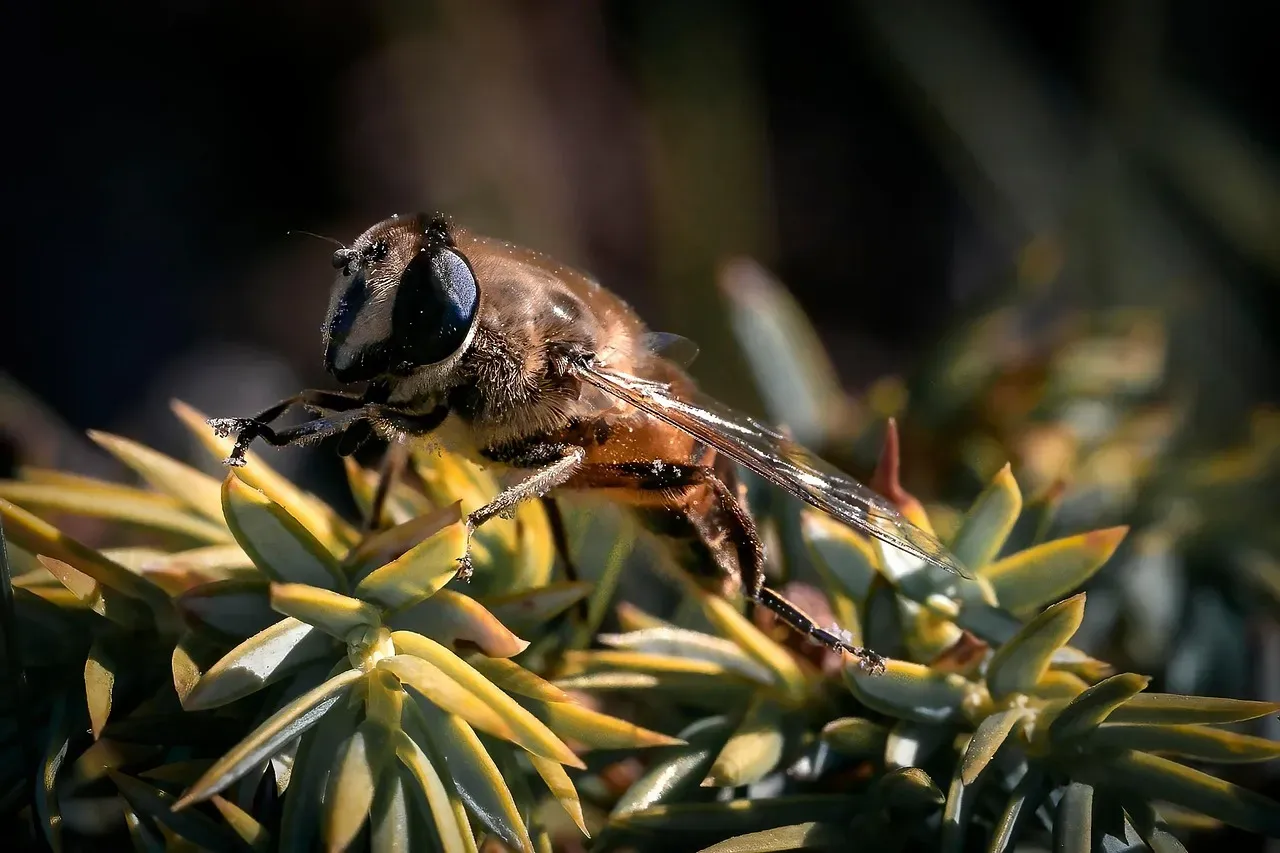
Providing a garden habitat that is not perfectly maintained is genuinely helpful to beneficial insects. A less manicured garden gives insects space to hide, find food, and nest. Beneficial insects are more plentiful in a diverse habitat with many plant shapes and types, from bunch grasses to blooming trees.
For a natural fertilizer that creates year-round insect habitat, leave fallen leaves in your garden or use mulch and compost. A pond is possibly the single most important addition you can make to your garden. It provides a wide range of habitats and will be quickly colonised by dragonflies, damselflies, pond skaters, water beetles, and aquatic larvae of many other insects.
Another strategy to support native insects is to introduce locally native plants into your landscape. Native plant experts have demonstrated that integrating select natives into an existing garden can be aesthetically pleasing while supporting native bees, spiders, and other organisms. Having flowers blooming in the garden throughout the season keeps pollinators and beneficial insects engaged. They’ll stick around and come back the following year.
Conclusion: The Garden That Runs Itself
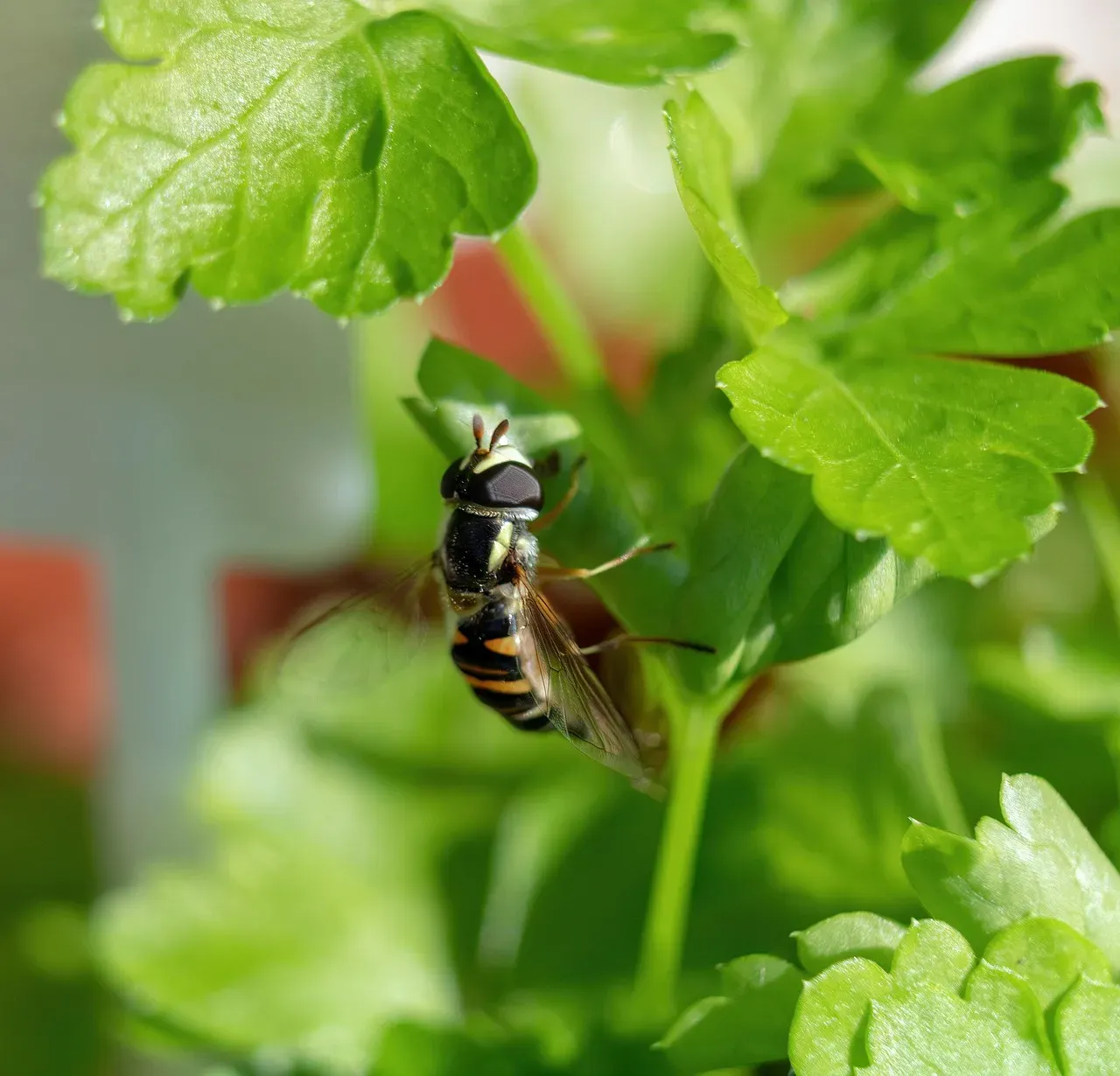
Most of what makes a garden productive doesn’t happen when you’re watching. It happens at dusk when beetles patrol the soil, at dawn when parasitic wasps scan leaves, and throughout the day when pollinators drift through without any awareness of the service they’re providing.
Attracting beneficial insects turns your garden into a self-balancing ecosystem that needs fewer sprays, suffers fewer outbreaks, and produces more flowers, fruit, and joy. By recruiting beneficial insects, you’re essentially building a year-round maintenance crew that works for nectar and a little habitat.
The hidden world beneath every leaf and behind every flower is not a threat to be managed. It’s infrastructure. Tend to it well, and a great deal of the gardening takes care of itself.

- The Hidden World of Backyard Insects: They Play a Crucial Role in Our Gardens - July 18, 2026
- 7 Apex Predators That Are Actually Afraid of One Specific Animal Smaller Than Themselves and the Encounters That Confirmed It - July 18, 2026
- 10 Animals That Researchers Confirmed Can Recognize Themselves in a Mirror – and the One Near the Bottom of the List That Rewrote the Criteria Entirely. - July 18, 2026